We may earn money or products from the companies mentioned in this post. This means if you click on the link and purchase the item, I will receive a small commission at no extra cost to you ... you're just helping re-supply our family's travel fund.
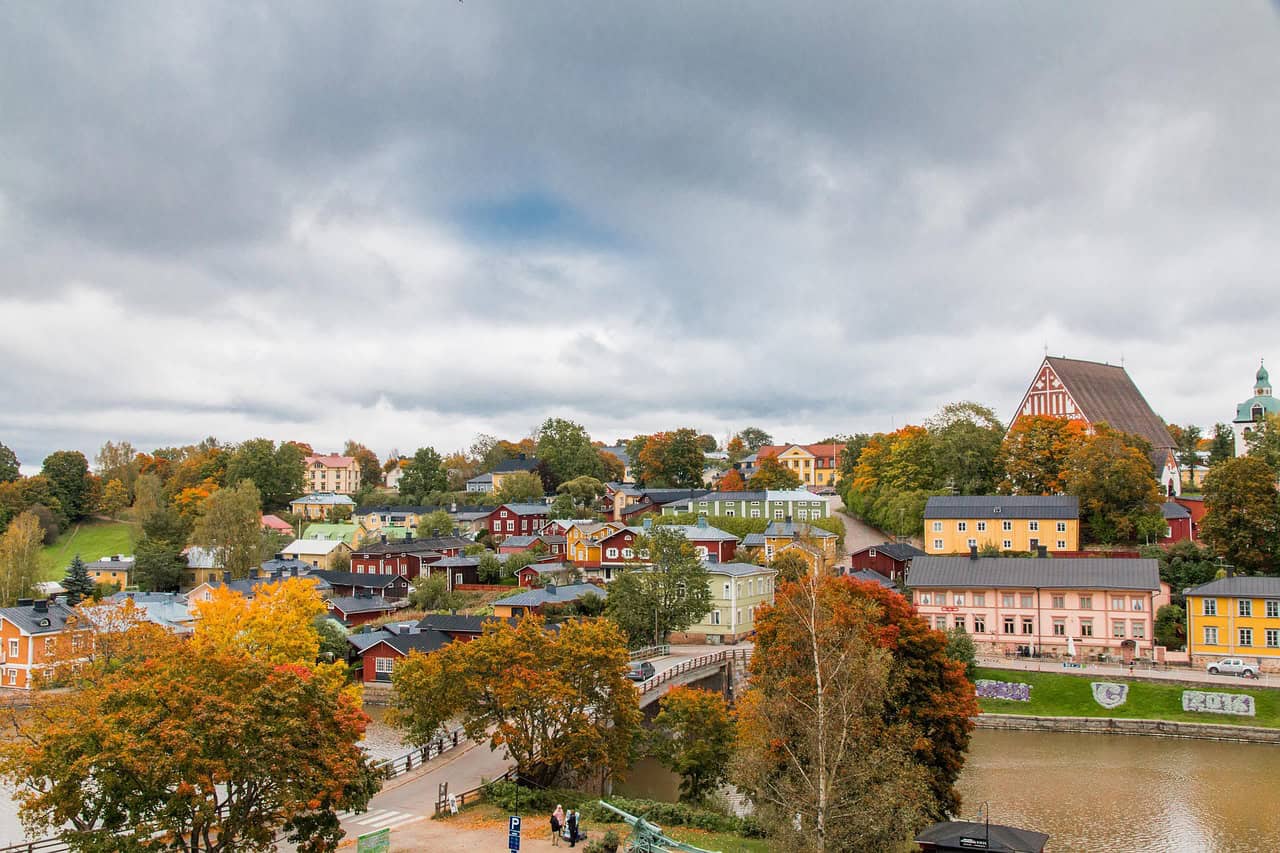
Political freedom is measured by how openly citizens can choose their leaders, criticize power, organize peacefully, and live under laws that apply equally to all. The most politically free nations combine transparent elections, independent courts, protected civil liberties, and governments that are accountable to the public. These countries are not perfect, but they consistently score at the very top of global freedom indices due to strong democratic traditions and everyday respect for individual rights. Below are the five countries that currently represent the highest levels of political freedom in the world.
1. Finland
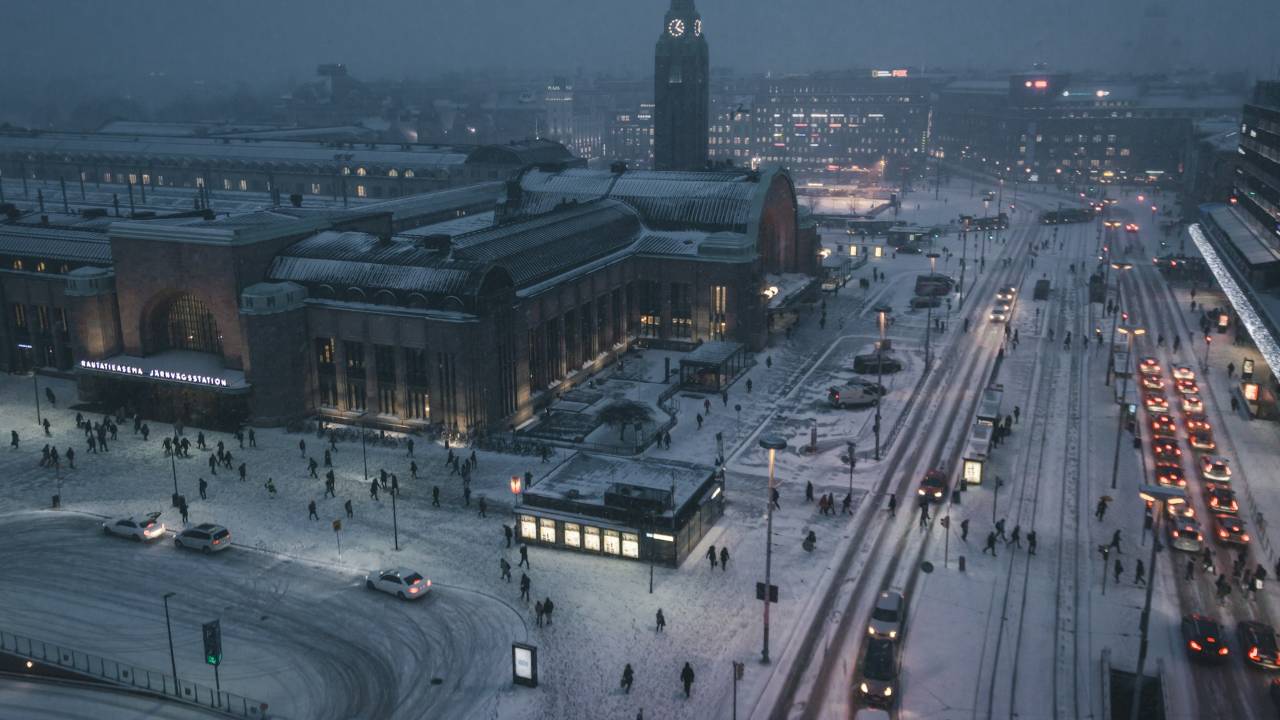
Finland stands at the very top of global political freedom rankings, earning a perfect 100/100 score for political rights and civil liberties. National elections regularly see voter turnout above 70%, reflecting deep public trust in democratic institutions. Freedom of speech, press, and assembly are constitutionally protected, with media independence ranked among the world’s strongest. Finland operates under a multi-party parliamentary system where power changes peacefully and transparently. Judicial independence scores above 0.95 on global governance scales, and corruption perception levels remain extremely low, with scores near 87/100, reinforcing political accountability.
2. Norway
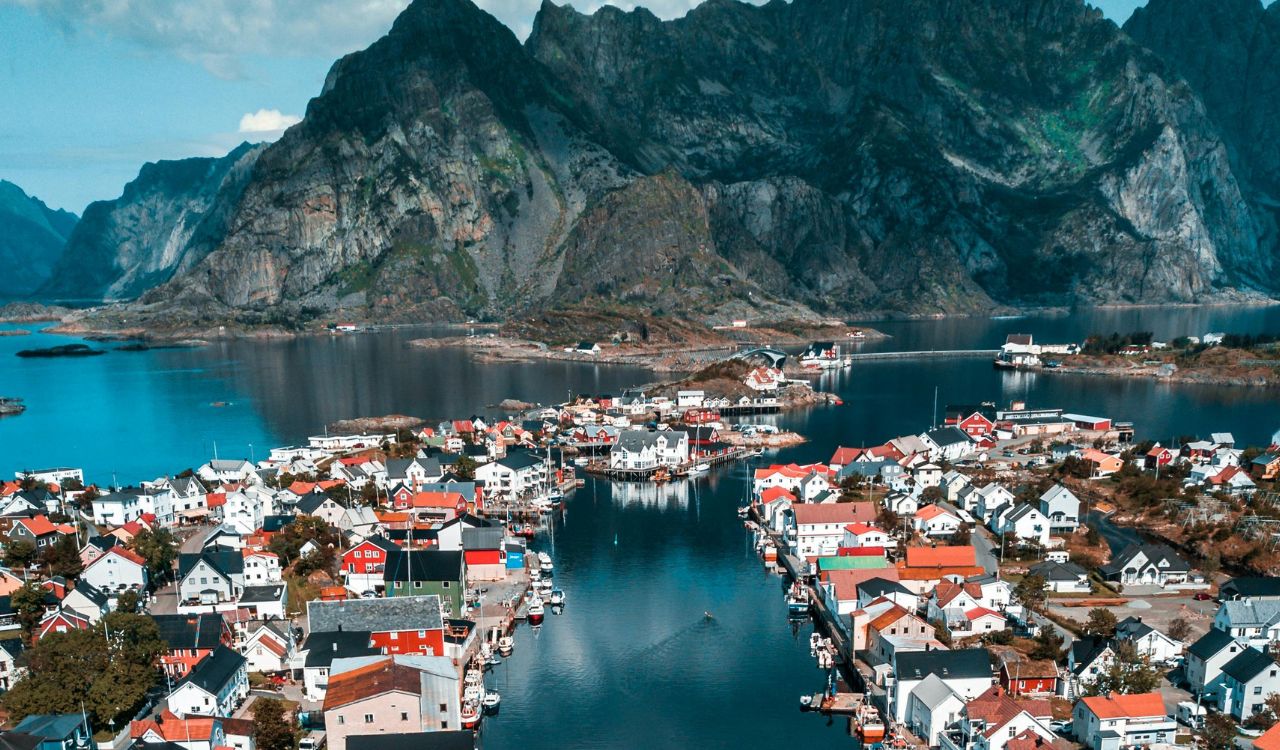
Norway consistently ranks among the world’s most politically free states, scoring 99–100/100 in freedom assessments. Elections are fair, competitive, and regularly record turnout around 77%, one of the highest globally. Citizens enjoy strong protections for expression, religion, and political organization, while journalists operate without government interference. Norway’s constitutional monarchy functions with a powerful elected parliament and independent courts. Transparency International scores Norway at approximately 85/100 for low corruption, and public confidence in institutions remains high due to open governance and strict oversight mechanisms.
3. Sweden
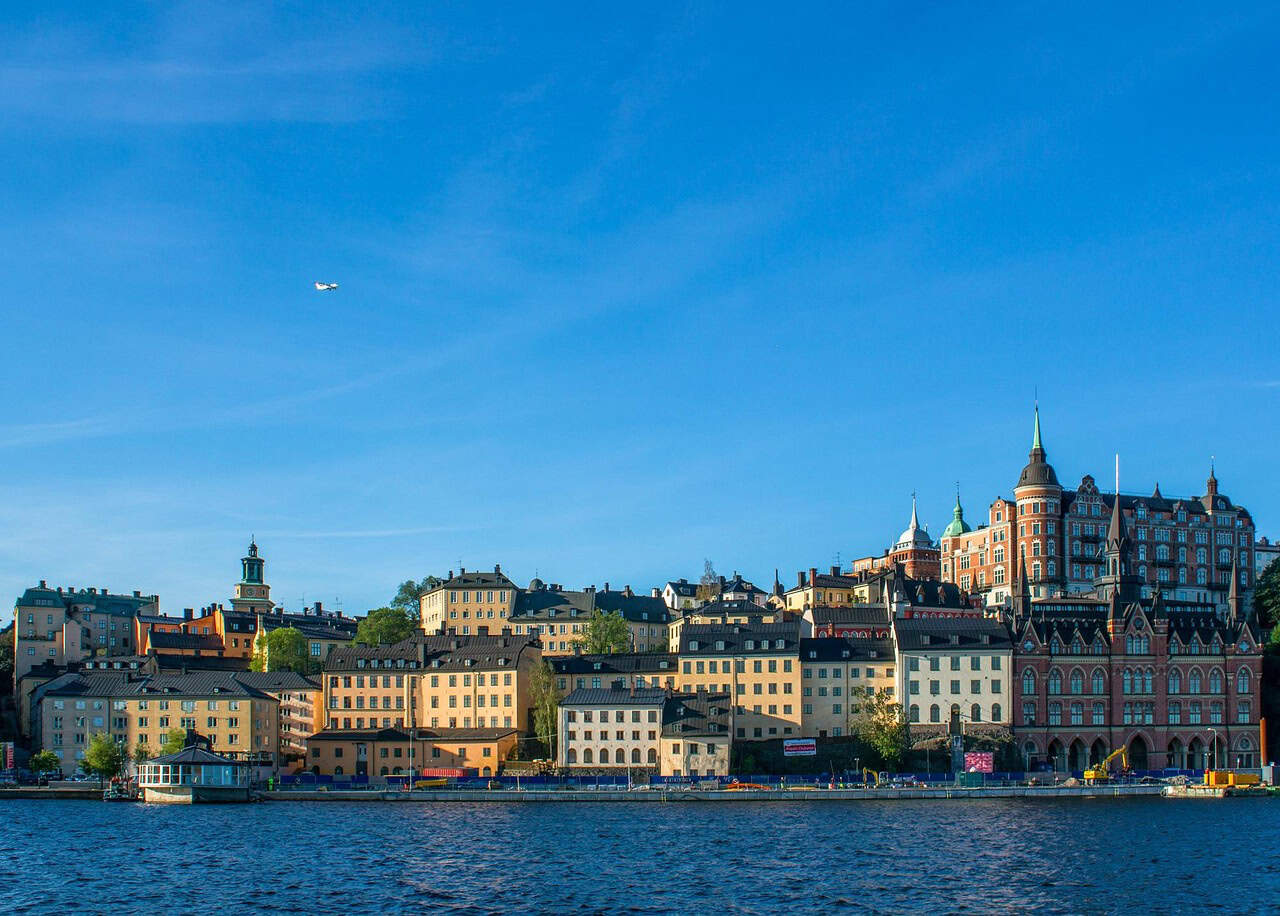
Sweden combines long-standing democratic traditions with modern transparency, earning freedom scores between 99 and 100/100. Political pluralism is strong, with over 8 major parties represented nationally and peaceful transfers of power as the norm. Voter participation typically exceeds 80%, reflecting widespread civic engagement. Freedom of the press is deeply rooted, with Sweden ranking among the top 5 globally for media freedom. Judicial independence and legal equality score above 0.93, while corruption levels remain low, usually scoring above 83/100 on global integrity indices.
4. New Zealand
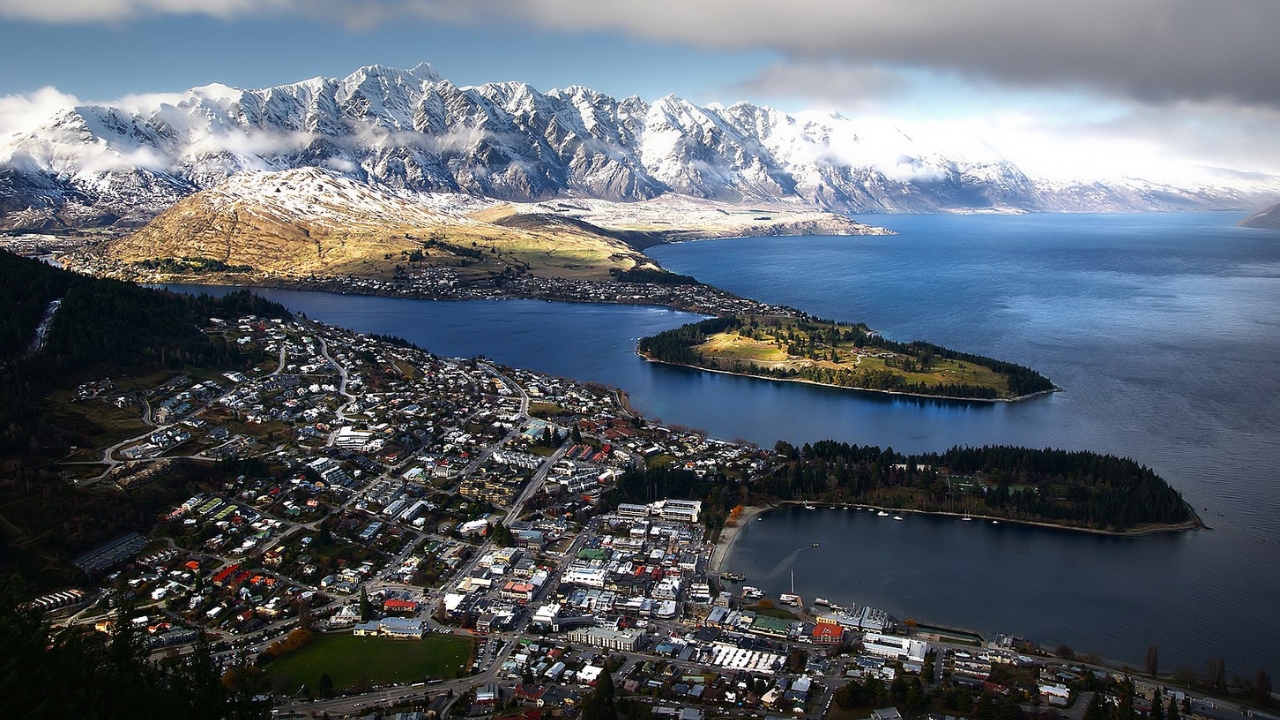
New Zealand is widely recognized for its open and inclusive political system, scoring around 99/100 for political freedom. Elections are transparent, and voter turnout averages 75–78%, driven by strong public trust. Civil liberties such as free speech, protest rights, and press independence are firmly protected by law. The country consistently ranks in the top 10 worldwide for government transparency and rule of law. Corruption perception scores sit near 87/100, and political power is closely monitored through parliamentary oversight and independent courts.
5. Canada
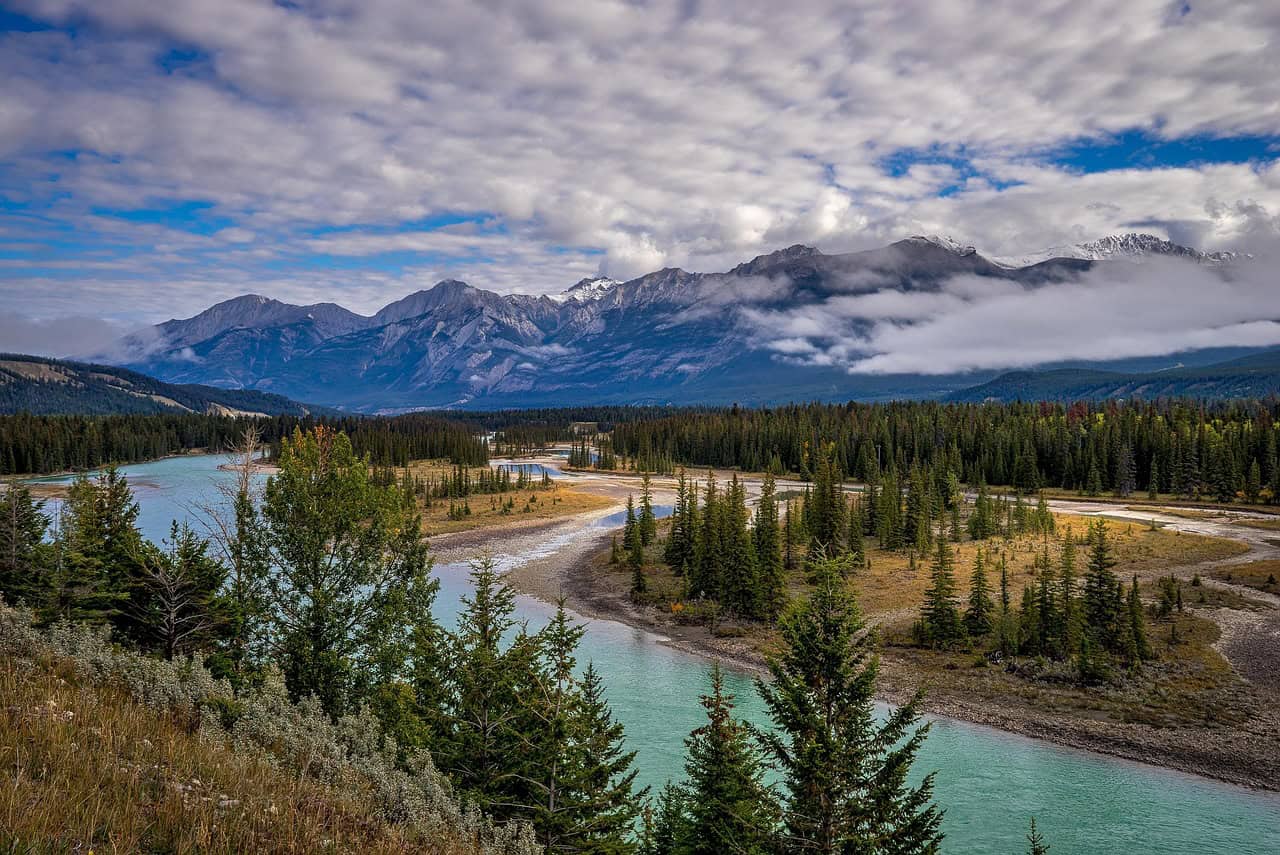
Canada ranks among the most politically free nations, with freedom scores around 98/100. Federal elections are competitive and fair, with turnout ranging between 62–68% in recent cycles. Canadians benefit from strong constitutional protections for expression, association, and minority rights under the Charter of Rights and Freedoms. Media outlets operate independently, and judicial autonomy scores above 0.9 on global indices. Canada also performs well on integrity measures, earning corruption perception scores near 76/100, reinforcing confidence in democratic governance.