We may earn money or products from the companies mentioned in this post. This means if you click on the link and purchase the item, I will receive a small commission at no extra cost to you ... you're just helping re-supply our family's travel fund.
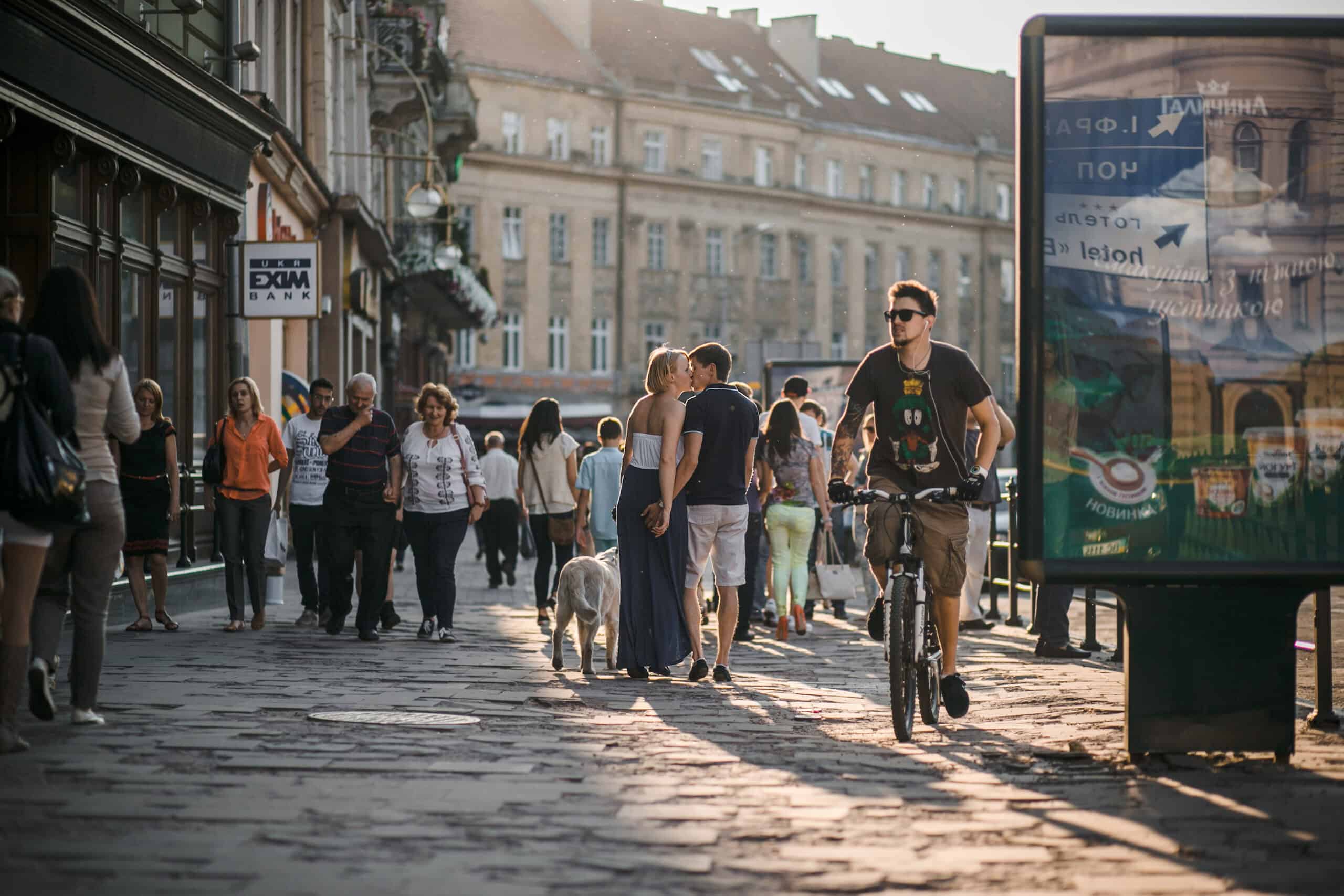
European cities reward attention. Sidewalks are narrow, meals move at a slower pace, and public spaces come with quiet, unspoken rules that locals follow without thinking. Americans often arrive with good intentions and big enthusiasm, yet a few habits that feel normal at home can land as awkward, entitled, or simply loud. The cringe comes from contrast: a visitor acting like the city is a theme park, while residents are trying to commute, shop, pray, or enjoy dinner. These five behaviors tend to draw the sharpest eye rolls.
Talking Like the Whole Street Is Part of the Conversation

In many European cities, the default public volume is lower, especially on trains, in museums, and in small cafés where tables sit close and privacy is protected by quiet. When an American group narrates every plan at full volume, laughs across a tram, or calls someone on speakerphone while walking through a historic square, everyone nearby gets pulled into it. The habit reads as taking up social space, not sharing joy, and it can feel worse at night in hotel corridors and residential streets where people live above the bars. A softer voice keeps the city’s rhythm intact and lets the group blend in instead of becoming the soundtrack.
Treating Sidewalks and Escalators Like Photo Stages

European city centers run on flow. People walk fast, dodge scooters, and expect others to keep moving, especially in commuter corridors and near stations. The cringe moment is when travelers stop dead to check maps, pose for photos, or spread out across the full width of a sidewalk, forcing locals to swerve into traffic or squeeze past luggage. On escalators, standing side-by-side can block the passing lane in places where one side is kept clear by habit. It is not mean. It is logistics. A city that feels charming at noon can feel tense at 5:30 p.m., and blocking movement is the quickest way to become a problem.
Acting Shocked That Servers Don’t Hover

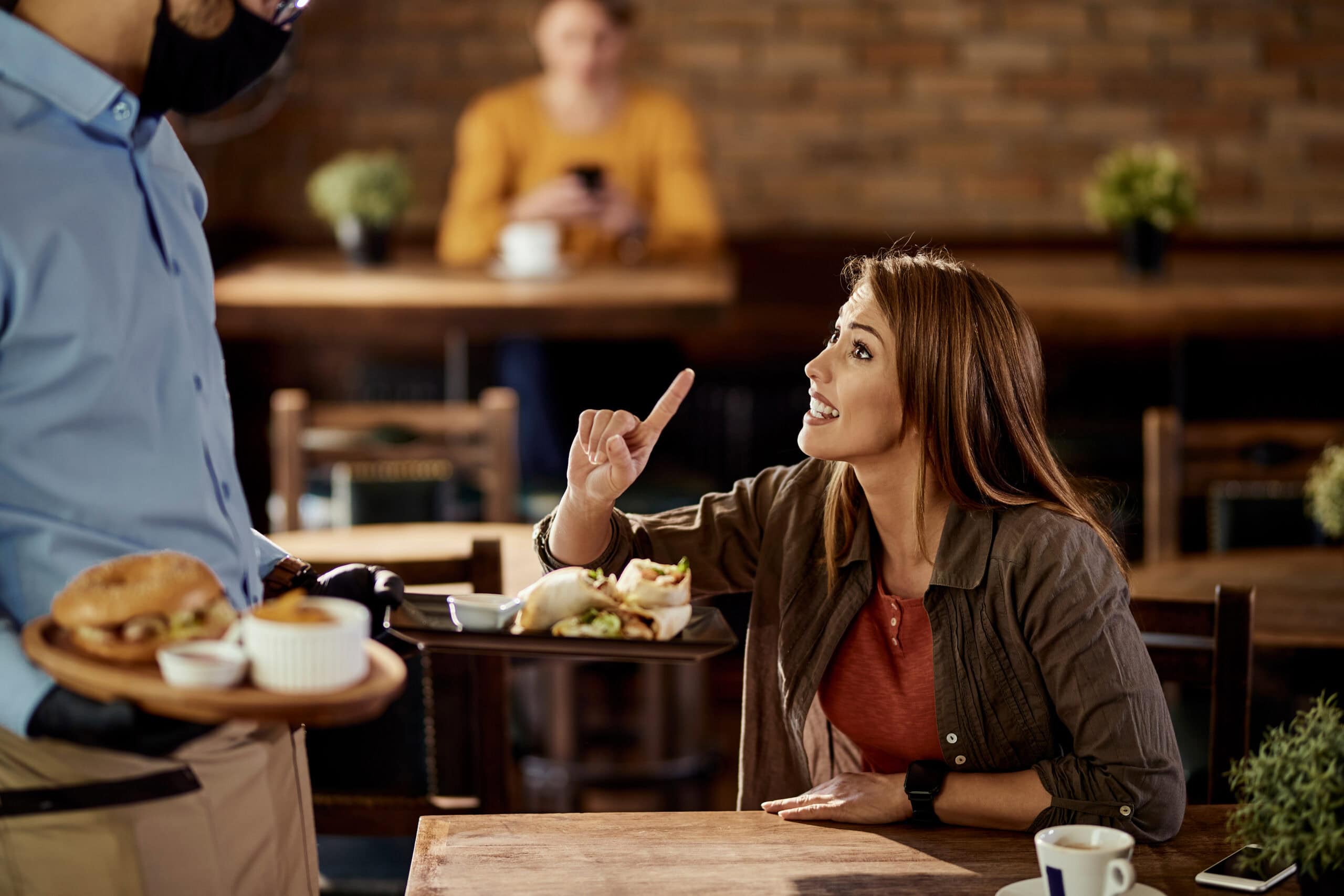
American dining culture often includes fast greetings, frequent check-ins, and a quick turn of the table. In many European cities, service is calmer and less performative, and a meal is treated as time, not a race. The cringe shows up when travelers snap fingers, wave arms, demand the check early, or complain that the server is ignoring them, when the reality is that staff are giving space. Asking for endless refills, lots of substitutions, or splitting a bill six ways can also land as exhausting. Patience and a clear request usually work better than urgency, and the meal feels more enjoyable when it is not treated like a transaction.
Dressing Like Everything Is a Beach Town

European cities can be hot in summer, yet many residents still dress with a baseline of polish, especially for churches, memorials, nicer restaurants, and evening strolls. The cringe comes when tourists show up in gym wear, flip-flops, and short shorts in places that quietly treat clothing as respect for the setting. Some cathedrals and museums will deny entry, but even when rules are loose, the look can read as not taking the place seriously. A simple upgrade, like light trousers, closed shoes, and a shirt that covers shoulders, avoids awkward door moments and blends into the city’s tone without feeling overdressed.
Comparing Everything to Home Like It’s a Competition
Curiosity is welcome almost everywhere. Constant comparison is not. The fastest way to irritate locals is turning every difference into a complaint: the ice is missing, portions are smaller, coffee is too strong, store hours are odd, or the city should “really” add more English signs. Europeans hear plenty of that, and it lands as arrogance, even when the traveler thinks it is harmless commentary. The cringe peaks when a visitor insists that American norms are the right norms and treats local habits as flaws. A city is not trying to be home. It is offering its own logic, and travelers who accept that logic tend to have smoother days.