We may earn money or products from the companies mentioned in this post. This means if you click on the link and purchase the item, I will receive a small commission at no extra cost to you ... you're just helping re-supply our family's travel fund.
Beauty in cities is never limited to looks alone. It emerges from geography, history, daily rhythms, and how people interact with their surroundings. Some cities impress instantly through grand skylines or dramatic landscapes, while others reveal themselves slowly through neighborhoods, food, traditions, and atmosphere. This carefully rewritten article explores twenty‑seven cities celebrated for their visual richness and emotional pull. Each section follows the same structure and length, presenting setting, architecture, cultural depth, and livability, supported by clear numerical details such as population size, age, elevation, or visitor figures. Together, these cities reflect how beauty can take many forms across continents, climates, and cultures.
1. Paris, France
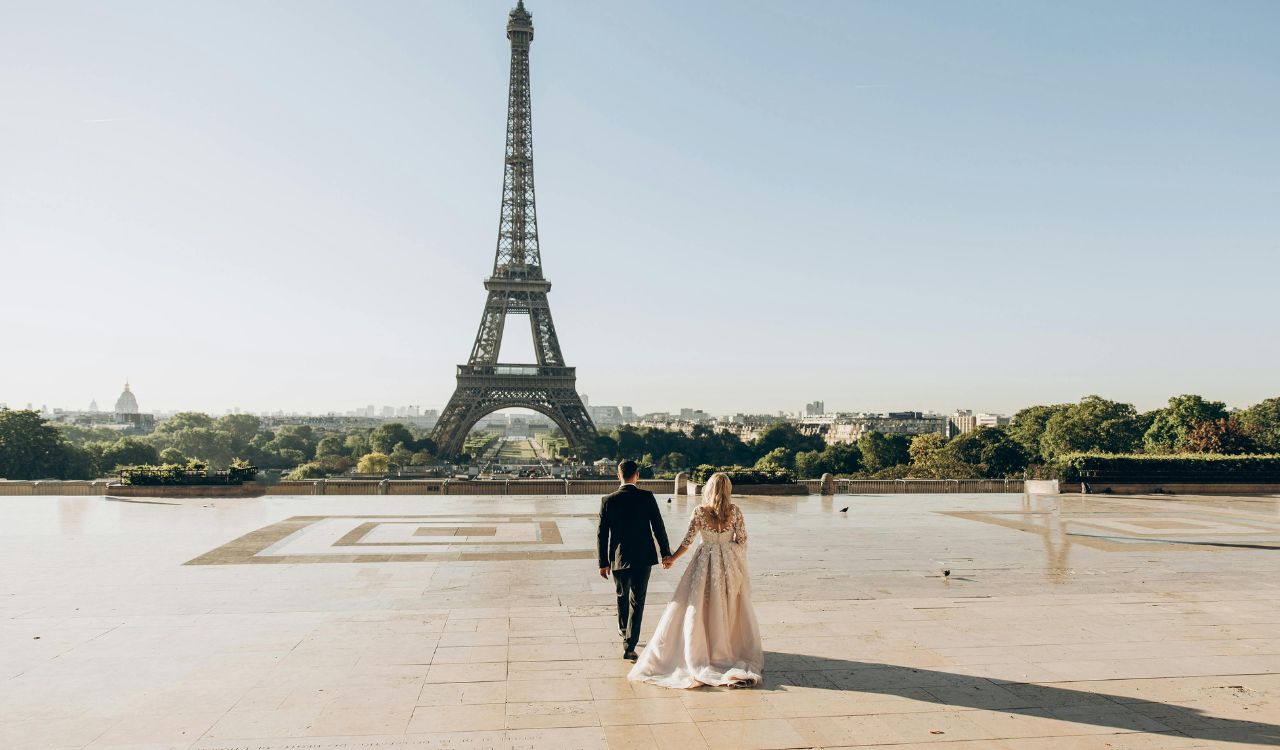
Paris blends monumental design with intimate daily life, creating beauty that feels effortless rather than staged. The city covers 105 square kilometers and supports roughly 2.1 million residents, while its wider metropolitan area exceeds 11 million. The Seine River runs for about 13 kilometers through the city, shaping iconic riverbanks and bridges. Much of modern Paris was redesigned in the 19th century, giving it uniform limestone buildings, broad boulevards, and balanced proportions. Beyond famous landmarks, beauty appears in cafés, bookstalls, and quiet side streets. With over 40 million visitors annually, Paris remains visually coherent, graceful, and deeply atmospheric.
2. Venice, Italy
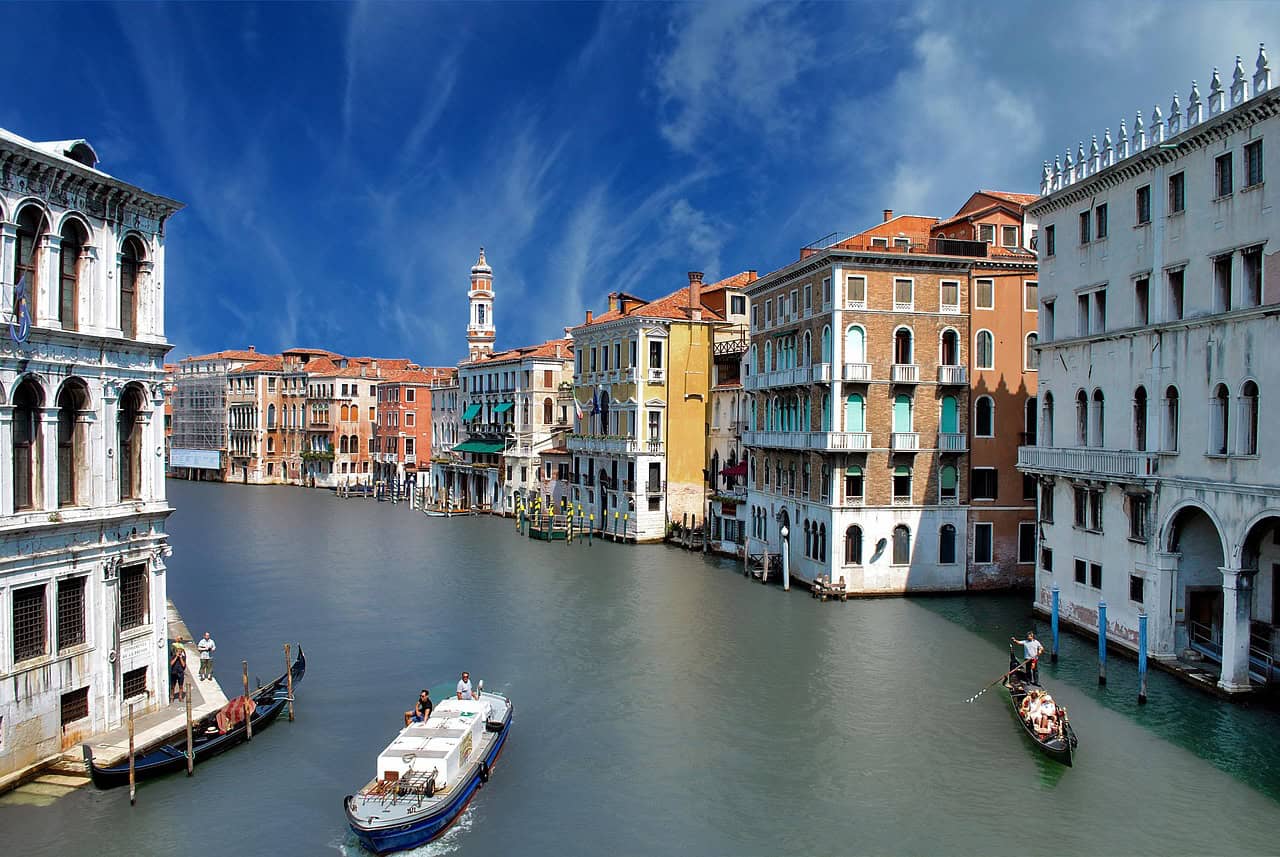
Venice is a city shaped entirely by water, unlike any other major urban center. Built across more than 100 small islands, it is connected by roughly 400 bridges and spread over about 7 square kilometers. Fewer than 50,000 residents live in the historic core, yet nearly 20 million visitors arrive each year. Founded in the 5th century, Venice grew without roads, relying solely on canals. The Grand Canal stretches nearly 4 kilometers, lined with centuries‑old palaces. Reflections, narrow alleys, and soft light define the city’s beauty, creating an atmosphere that feels fragile, poetic, and suspended in time.
3. Kyoto, Japan
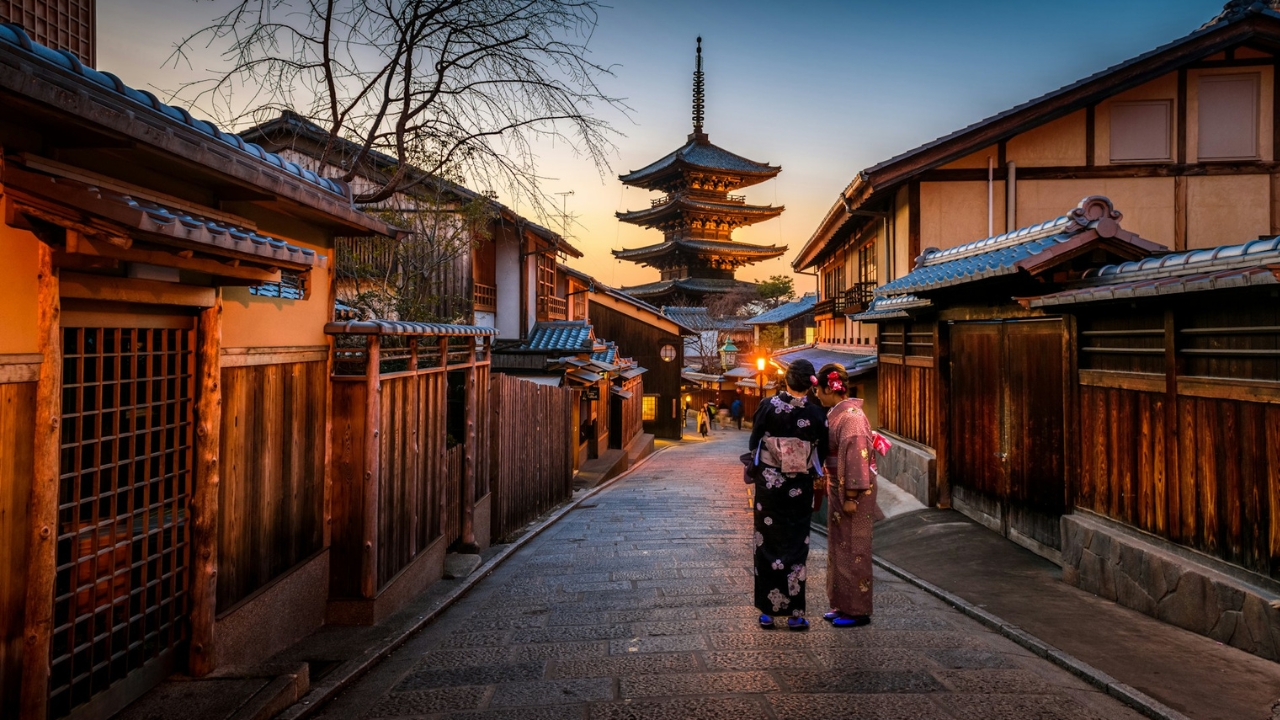
Kyoto represents a quiet, disciplined form of urban beauty rooted in tradition. The city spans 827 square kilometers and has a population of about 1.45 million, surrounded by forested hills on three sides. Serving as Japan’s imperial capital for over 1,000 years, Kyoto contains more than 1,600 Buddhist temples and around 400 Shinto shrines. Seasonal changes shape its appearance, from spring cherry blossoms to autumn maple leaves. Traditional wooden streets coexist with carefully designed gardens. Unlike fast‑paced modern cities, Kyoto’s beauty lies in restraint, balance, and the continuity of cultural practices over centuries.
4. Cape Town, South Africa
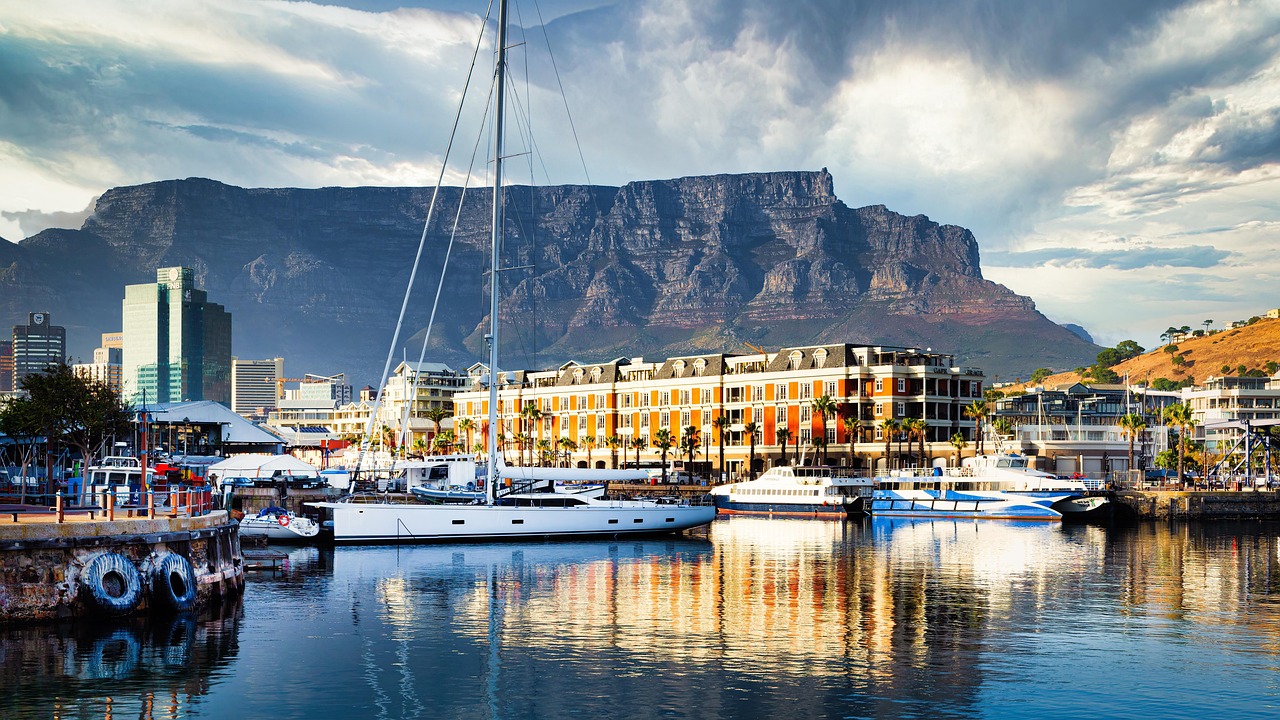
Cape Town’s beauty is inseparable from its extraordinary natural setting. The city stretches across approximately 2,460 square kilometers and is home to about 4.6 million people. Table Mountain rises 1,085 meters above sea level, dominating the skyline and shaping daily life. Two oceans meet nearby, creating diverse beaches, cliffs, and coastal roads. Founded in 1652, Cape Town blends colonial architecture with modern neighborhoods and diverse cultures. The nearby Cape Winelands add vineyards and rolling hills within short driving distance. Few cities offer such a dramatic fusion of mountains, sea, and urban life.
5. Rome, Italy
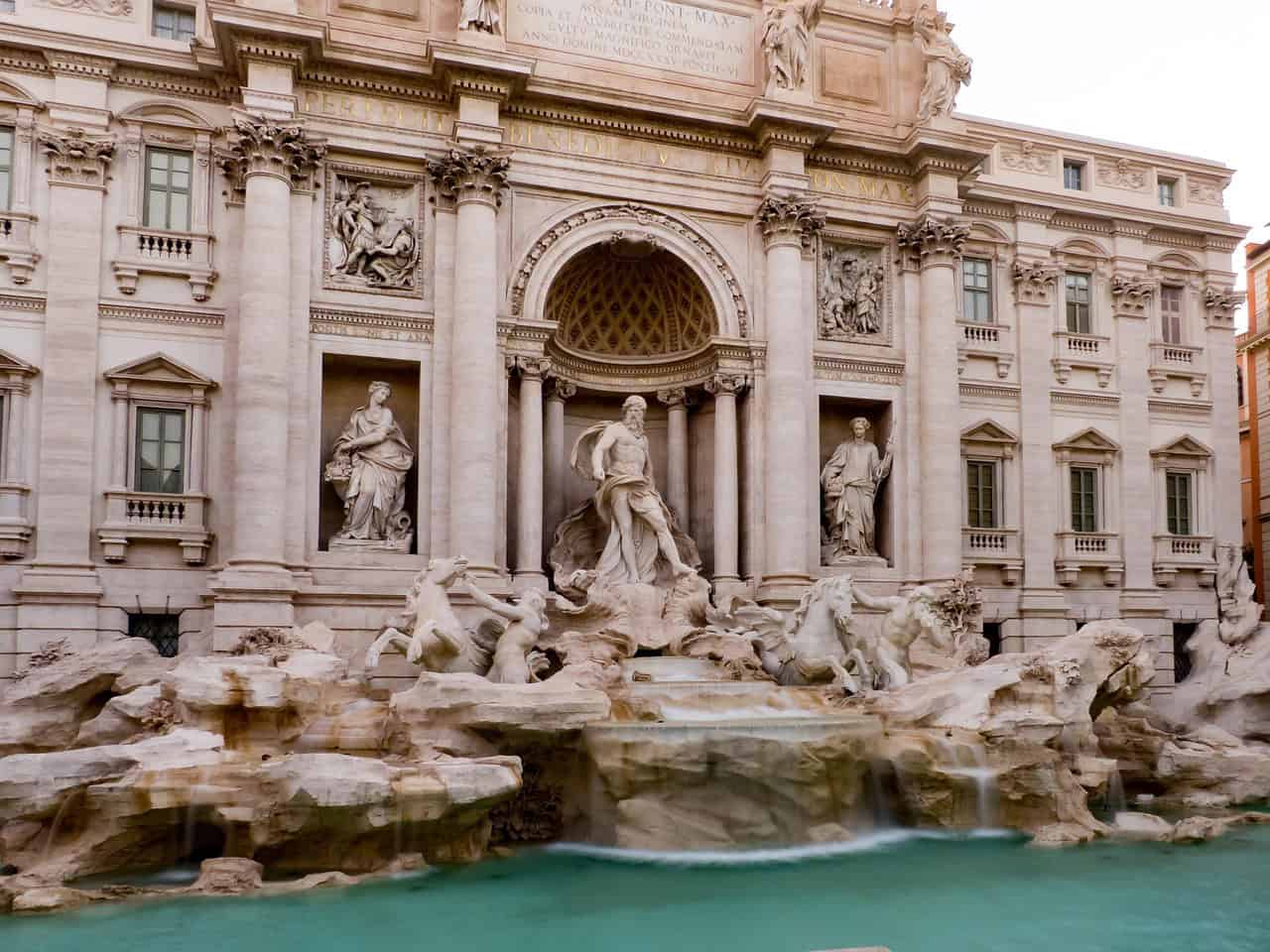
Rome’s beauty is built from layers rather than symmetry. Covering 1,285 square kilometers, it is one of Europe’s largest capitals and houses about 2.8 million residents. Traditionally founded in 753 BCE, Rome preserves nearly three millennia of visible history. Ancient ruins stand beside Baroque churches and busy modern streets. Over 900 churches and countless piazzas create a varied yet cohesive cityscape. Unlike carefully planned capitals, Rome feels organic and lived‑in. With roughly 10 million visitors each year, its beauty comes from contrast, texture, and the constant presence of the past.
6. Istanbul, Türkiye
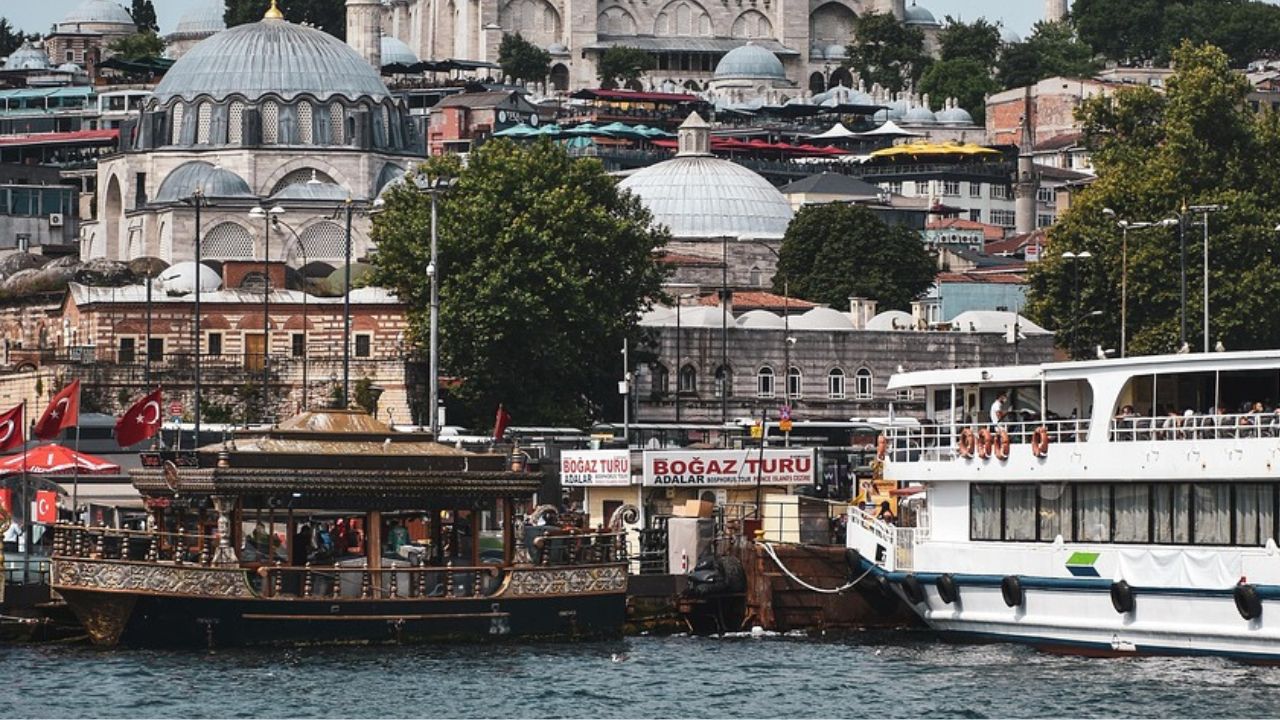
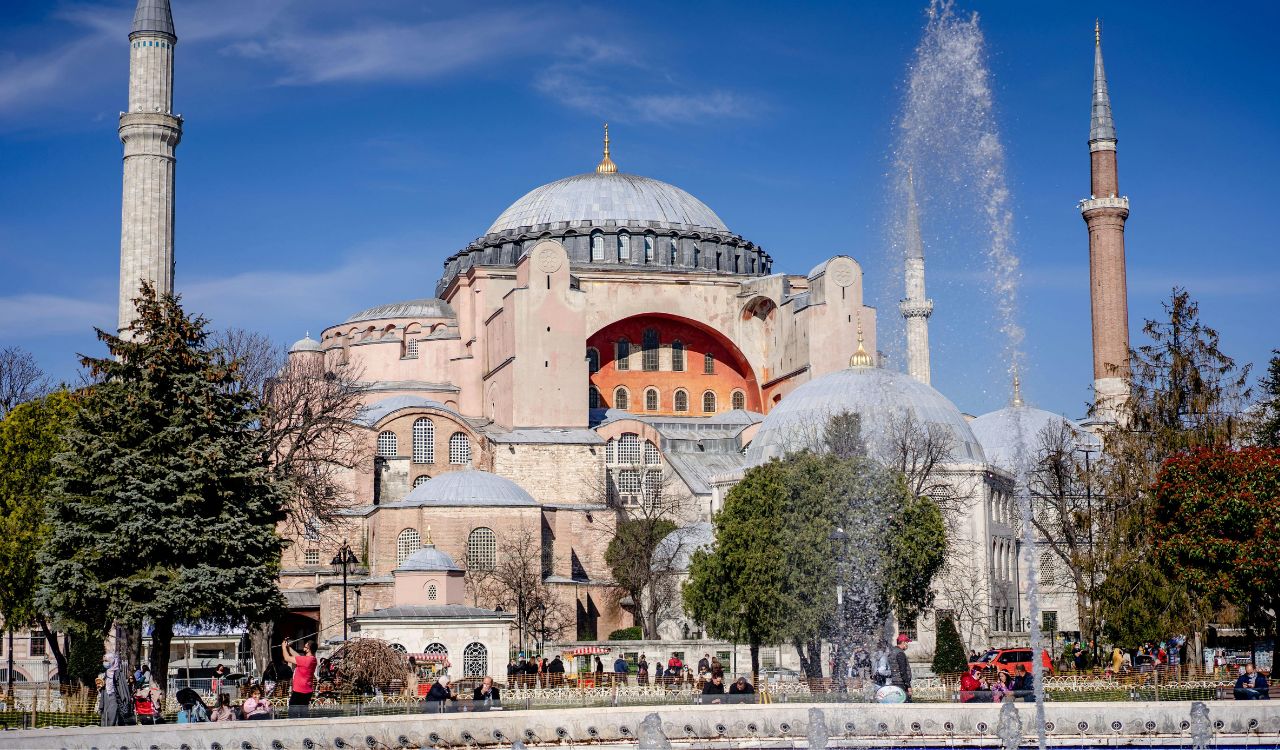
Istanbul’s beauty lies in its role as a bridge between worlds. Spanning roughly 5,343 square kilometers, the city is home to over 15 million people across Europe and Asia. The Bosphorus Strait cuts through Istanbul for about 31 kilometers, shaping daily movement and views. Founded in the 7th century BCE, the city served as capital to Roman, Byzantine, and Ottoman empires. Landmarks like Hagia Sophia and the Blue Mosque define its skyline. Markets, ferries, and waterfront neighborhoods add everyday charm, giving Istanbul a layered, dynamic, and visually rich character.
7. Prague, Czech Republic
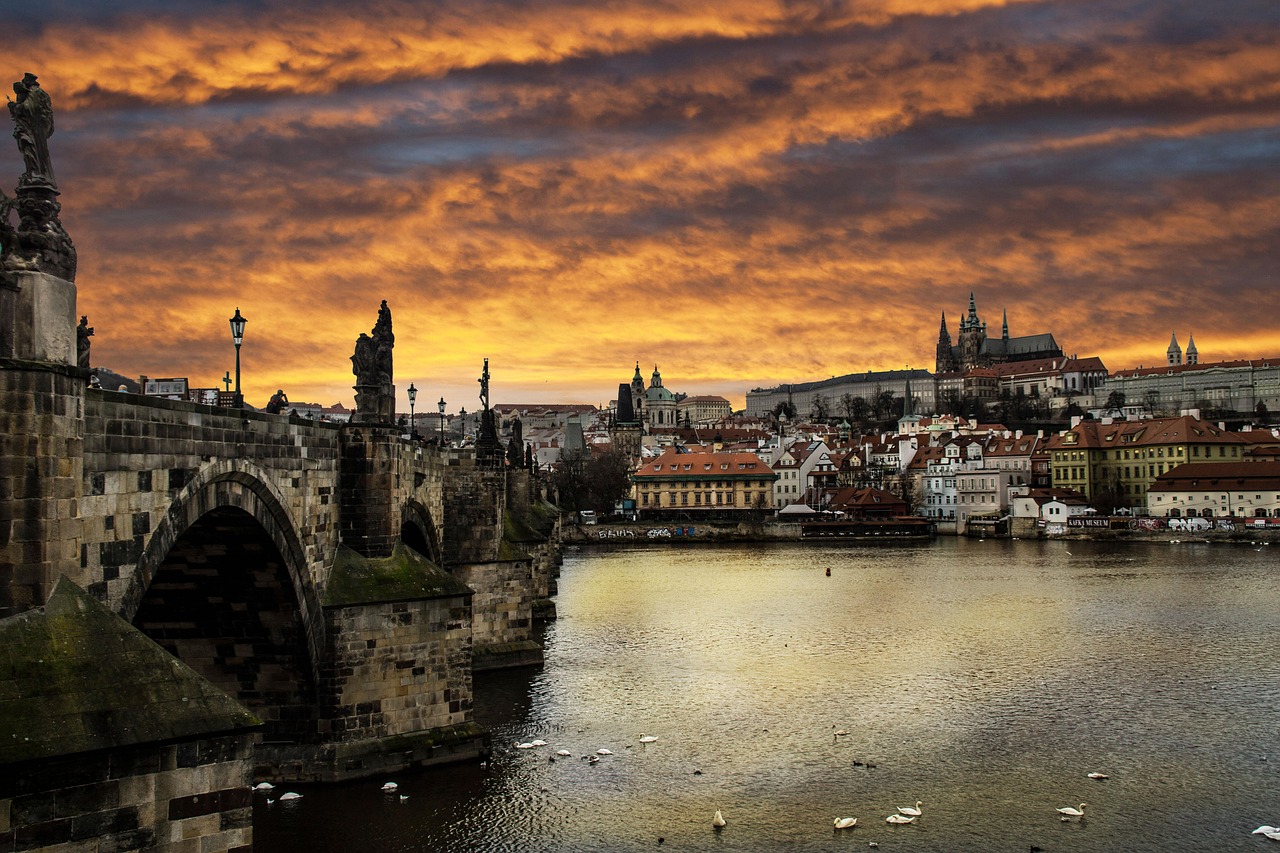
Prague is celebrated for its remarkably preserved historic fabric. The city covers 496 square kilometers and has a population near 1.3 million. Positioned along the Vltava River, Prague’s center showcases Gothic, Renaissance, and Baroque architecture largely untouched by major conflict. The Charles Bridge, completed in the 15th century, links two of its most scenic districts. Red rooftops, stone towers, and church spires create a unified skyline. Welcoming around 8 million visitors annually, Prague’s beauty feels approachable and romantic, offering visual harmony without overwhelming scale.
8. Barcelona, Spain
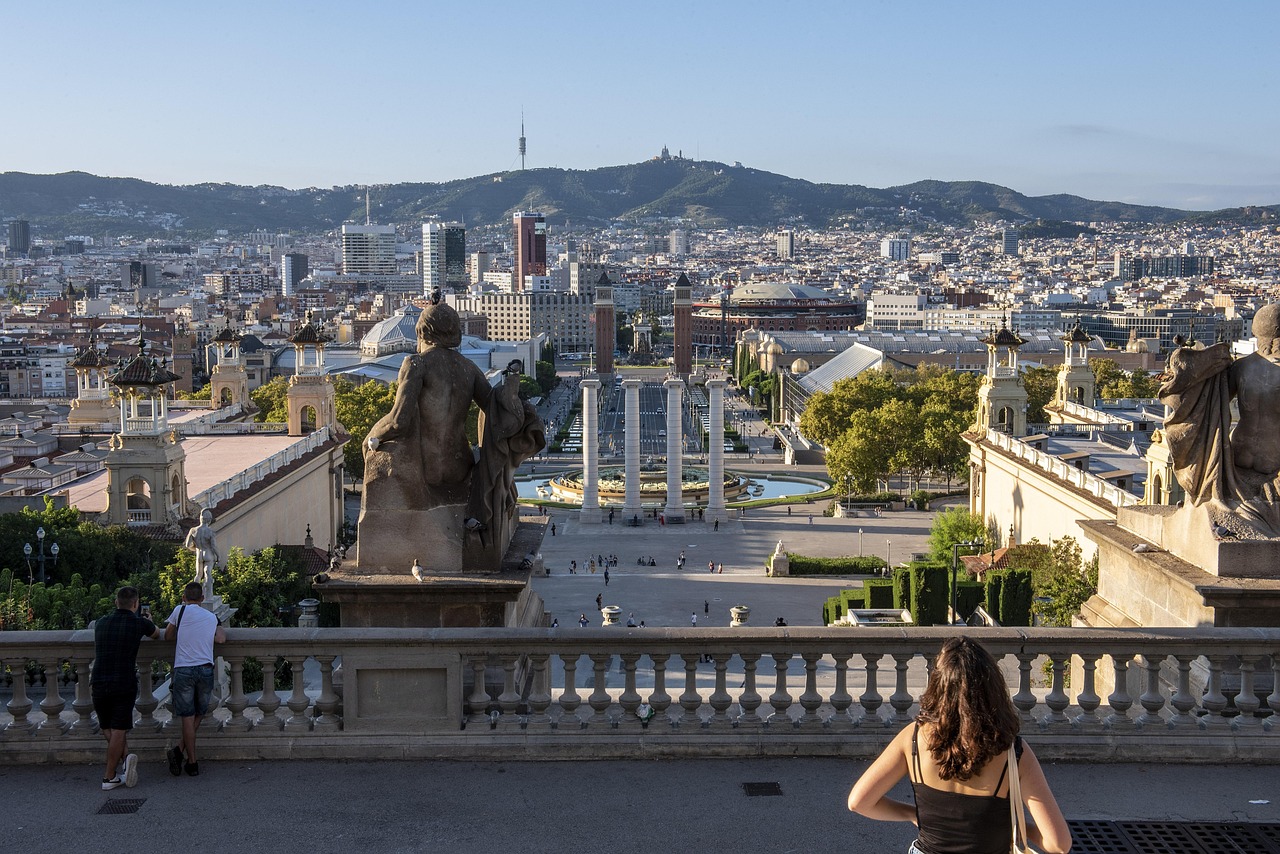
Barcelona combines Mediterranean warmth with bold artistic identity. The city spans just over 100 square kilometers and houses about 1.6 million residents. Its most recognizable visuals come from Antoni Gaudí’s architecture, including the Sagrada Família, under construction since 1882. Barcelona lies between the sea and low mountains, allowing beaches and viewpoints within city limits. The grid‑planned Eixample contrasts sharply with the narrow streets of the Gothic Quarter. With roughly 12 million visitors each year, Barcelona’s beauty feels energetic, colorful, and rooted in creativity rather than formality.
9. Rio de Janeiro, Brazil
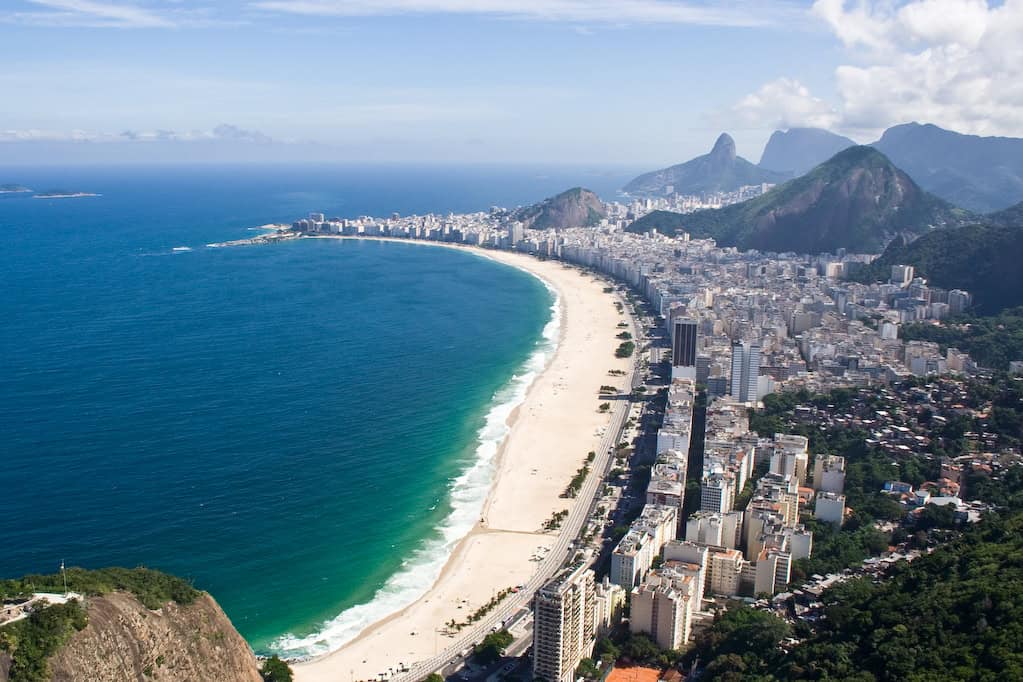
Rio de Janeiro is shaped by dramatic geography woven directly into the city. Covering around 1,200 square kilometers, it supports approximately 6.7 million people. Steep granite peaks rise from neighborhoods, while famous beaches stretch for kilometers along the Atlantic. Founded in 1565, Rio grew organically around bays and hills rather than strict planning. This results in striking visual contrasts between nature and dense urban life. Hosting over 2 million international tourists annually, Rio’s beauty feels expansive and emotional, defined as much by landscape as by architecture.
10. Florence, Italy
Florence offers beauty through balance and proportion. The city occupies about 102 square kilometers and has a population close to 380,000, making it compact and walkable. Founded by the Romans in 59 BCE, Florence later became the cradle of the Renaissance. The Duomo’s dome dominates the skyline, while the Arno River divides the historic center. Stone facades and narrow streets create visual harmony. Despite welcoming around 16 million visitors each year, Florence maintains an intimate atmosphere where art, history, and daily life feel naturally intertwined.
11. San Francisco, USA
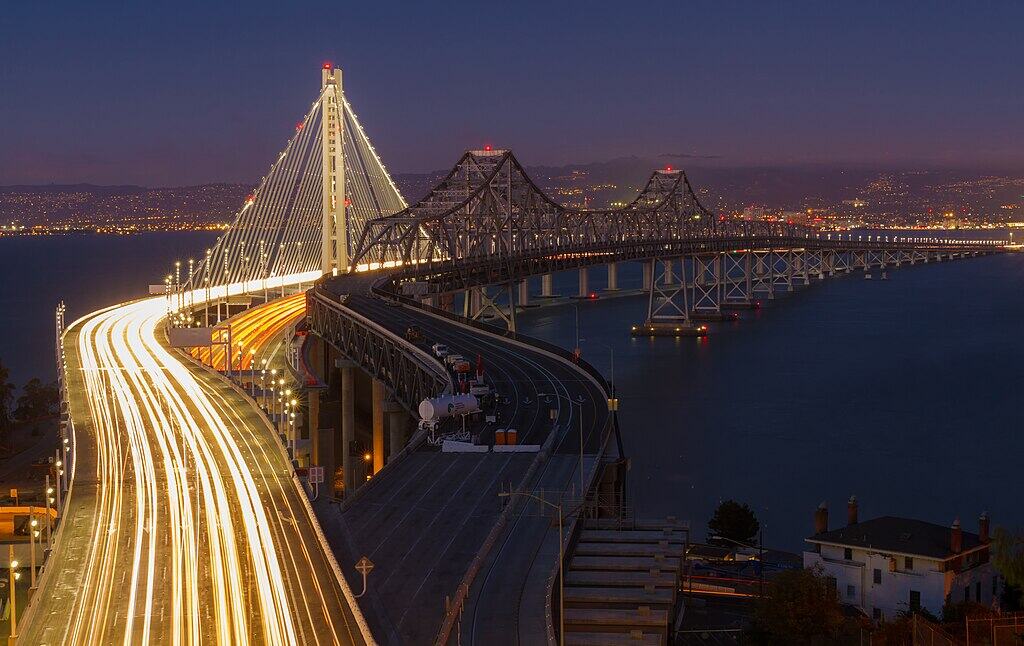
San Francisco’s beauty comes from its dramatic terrain and distinctive neighborhoods. Covering 121 square kilometers, the city houses about 815,000 residents. Built across steep hills, it offers constant viewpoints of the Pacific Ocean and San Francisco Bay. Iconic structures like the Golden Gate Bridge span 2.7 kilometers and define the skyline. Victorian houses add color and character to residential streets. Frequent fog softens the city’s appearance, changing light and mood throughout the day. With nearly 26 million visitors annually, San Francisco feels cinematic, layered, and visually unpredictable.
12. Vienna, Austria
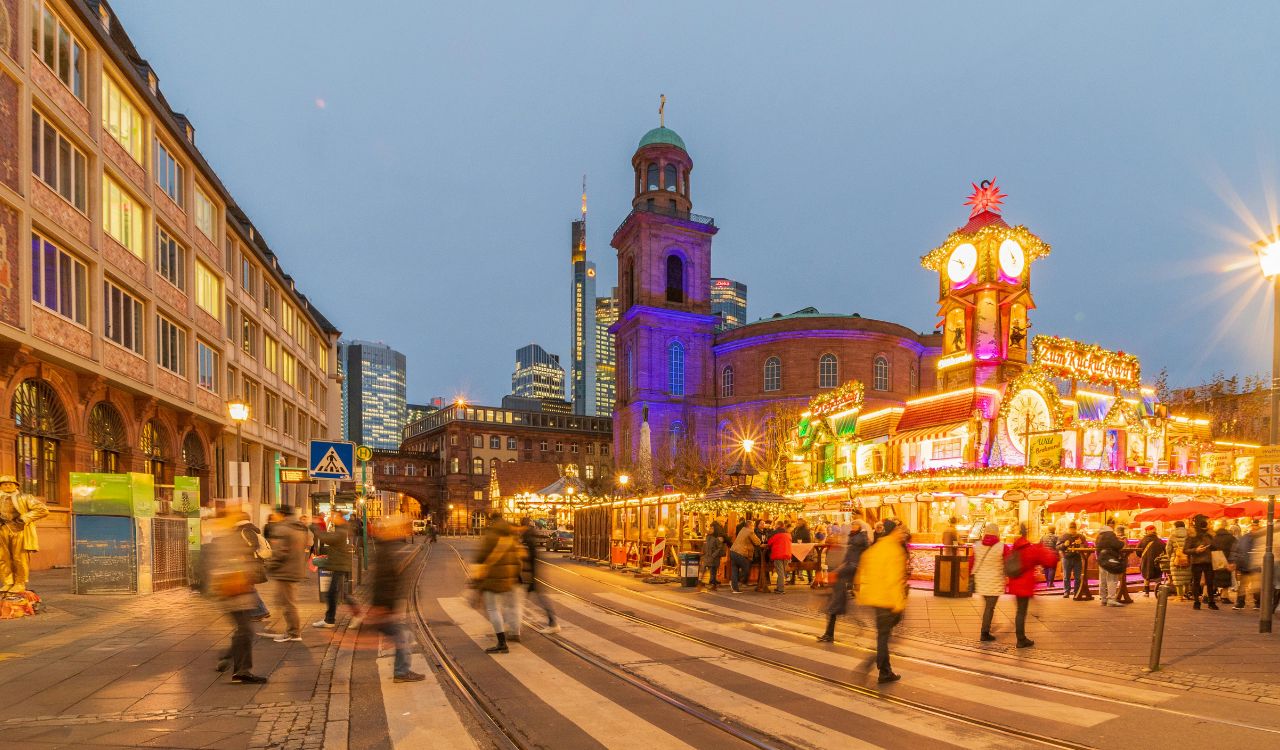
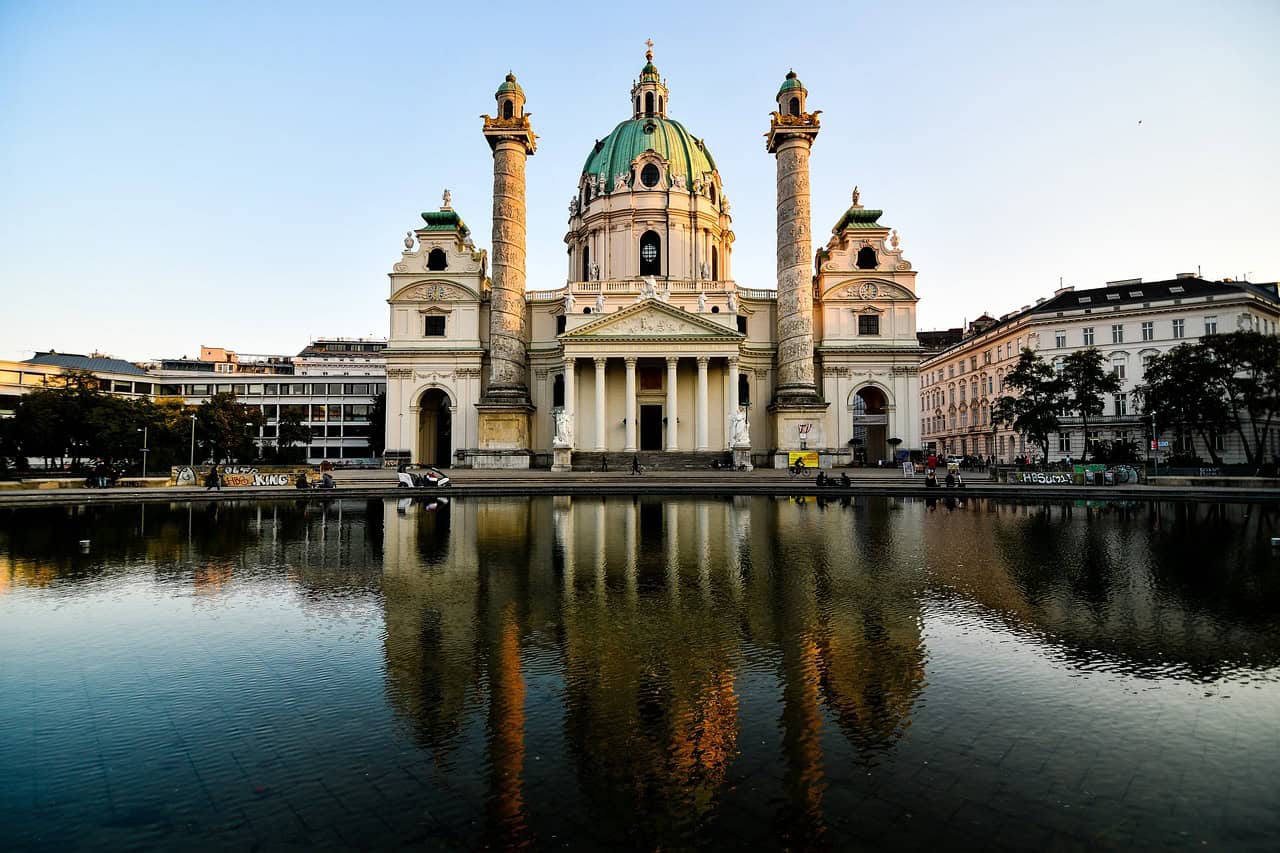
Vienna reflects refined, imperial elegance shaped by centuries of planning. The city spans 415 square kilometers and has about 2 million residents. Once the capital of a vast empire, Vienna showcases grand palaces, wide avenues, and formal gardens. The Ringstrasse encircles the historic core, lined with museums and opera houses. Founded over 2,000 years ago, Vienna balances historical architecture with modern livability. Consistently ranked among the world’s most livable cities, it welcomes around 7 million tourists annually. Its beauty feels polished, calm, and culturally rich.
13. Lisbon, Portugal
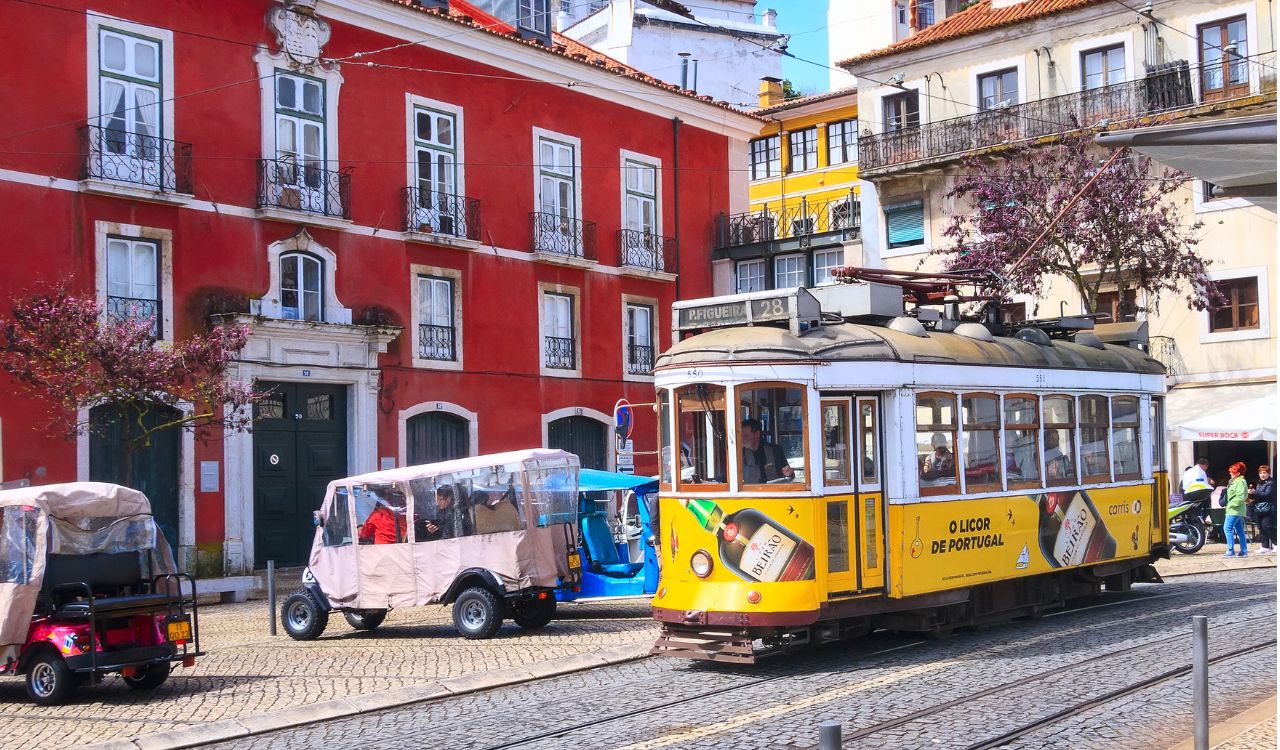
Lisbon’s charm lies in its light, color, and gentle decay. Covering 100 square kilometers, the city supports roughly 545,000 residents. Built on seven hills beside the Tagus River, Lisbon offers constant viewpoints and steep streets. Founded long before Roman times, it carries layers of maritime history. Azulejo tiles decorate buildings, adding texture and color. Trams climb narrow roads through historic districts. With around 5 million visitors each year, Lisbon’s beauty feels warm and nostalgic, shaped by sunlight, river views, and an unhurried pace of life.
14. Dubrovnik, Croatia
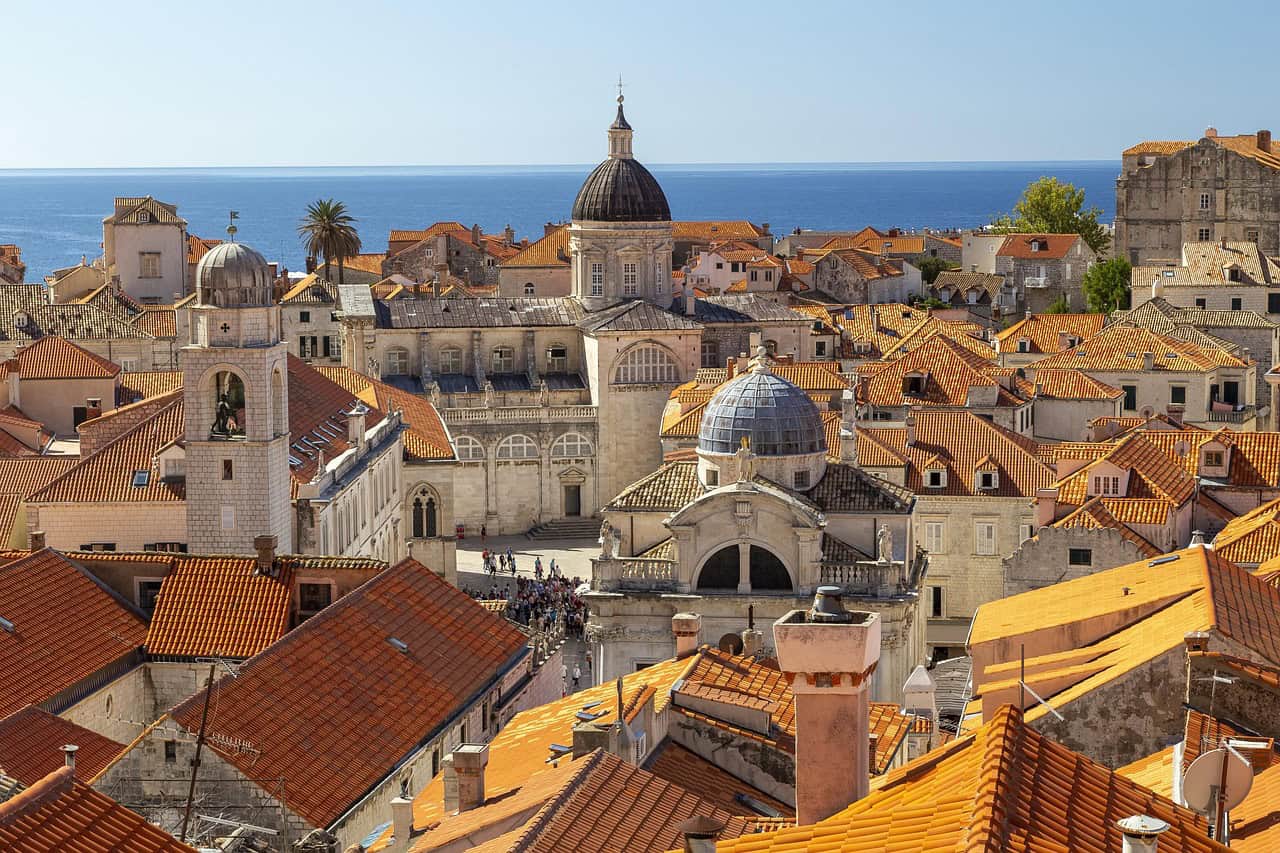
Dubrovnik is defined by its perfectly preserved historic walls. The city covers about 21 square kilometers and has a population near 42,000. Founded in the 7th century, Dubrovnik developed as a powerful maritime republic. Stone walls stretch nearly 2 kilometers around the old town, overlooking the Adriatic Sea. Red roofs, narrow streets, and clear blue water create a striking contrast. Hosting about 1.5 million visitors annually, Dubrovnik’s beauty feels concentrated and dramatic, offering one of Europe’s most visually complete medieval urban landscapes.
15. Edinburgh, Scotland

Edinburgh’s beauty is shaped by rugged land and layered history. The city spans 264 square kilometers and has a population of roughly 545,000. Built across volcanic hills, it features dramatic elevation changes and panoramic views. Edinburgh Castle sits atop an ancient rock, anchoring the skyline. The medieval Old Town contrasts with the orderly Georgian New Town. Founded over 1,000 years ago, the city balances history with modern culture. Welcoming around 4 million visitors each year, Edinburgh feels moody, literary, and powerfully atmospheric.
16. Marrakech, Morocco
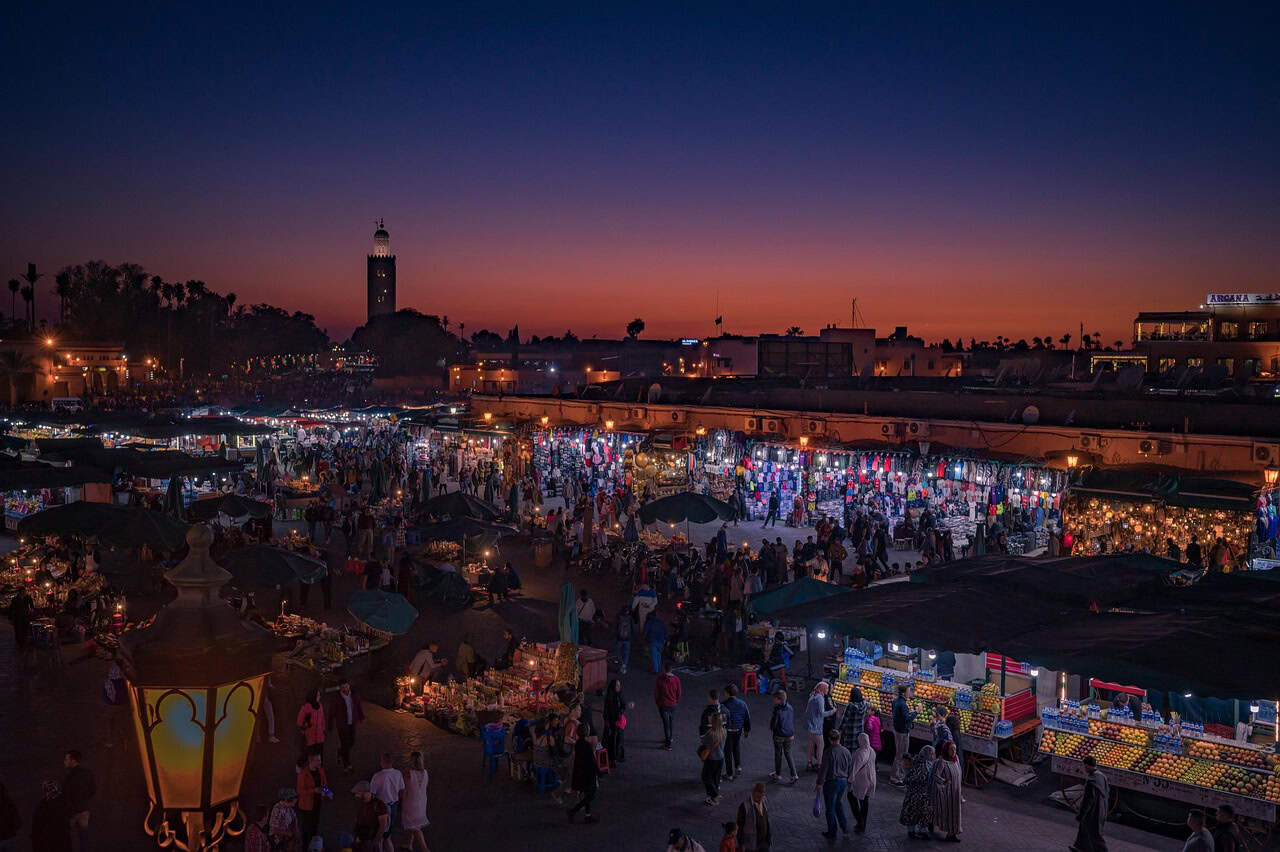
Marrakech offers a sensory form of beauty rooted in color and rhythm. Covering 230 square kilometers, the city is home to about 1 million people. Founded in 1070, it developed around courtyards, gardens, and markets. The medina’s narrow streets open into hidden riads and open squares. Earth‑toned buildings blend with palm trees and desert light. With roughly 3 million visitors annually, Marrakech feels intense yet intimate. Its beauty lies not in uniform design, but in texture, sound, and the constant movement of daily life.
17. Sydney, Australia
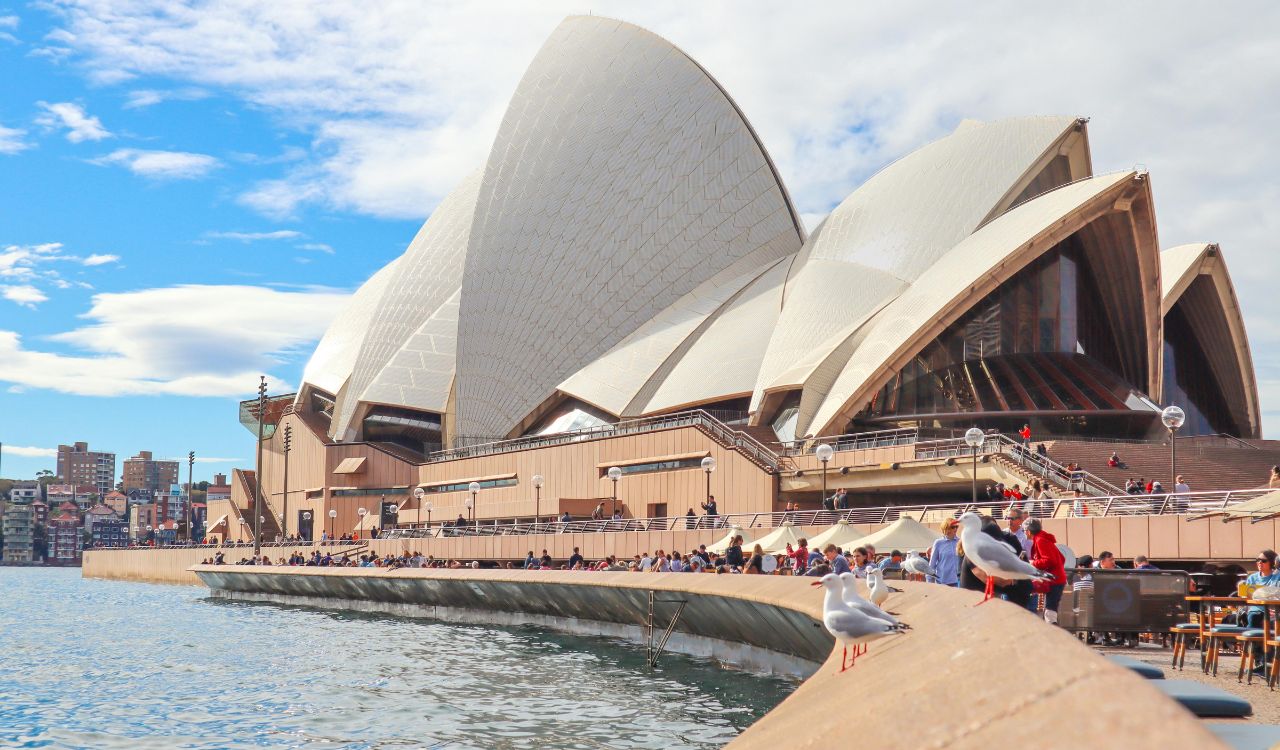
Sydney’s beauty comes from its natural harbor and open layout. The city spreads across more than 12,000 square kilometers in its metropolitan area and supports about 5.3 million residents. Sydney Harbour forms a vast network of inlets and bays, crossed by the 1.1‑kilometer Harbour Bridge. The Opera House defines the waterfront with its sculptural design. Beaches sit within city limits, blending urban life with coastal scenery. Hosting over 10 million international visitors yearly, Sydney feels bright, modern, and closely connected to nature.
18. Bruges, Belgium
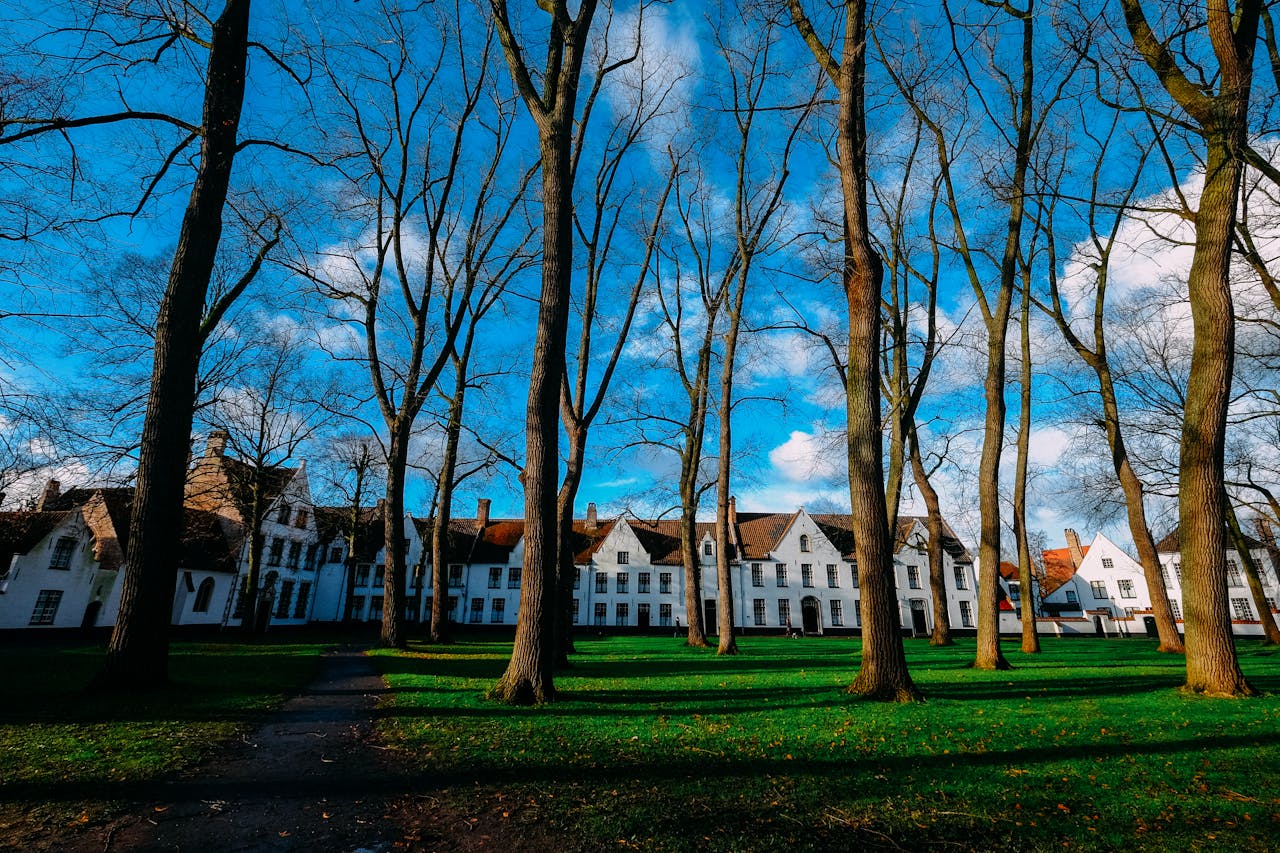
Bruges feels like a city preserved in amber. Covering just 138 square kilometers, it has a population near 118,000. Founded in the medieval period, Bruges grew wealthy through trade and largely avoided later industrial development. Canals run through the historic center, lined with stepped‑gable houses and cobbled streets. Church towers punctuate the skyline without overwhelming it. Welcoming about 8 million visitors annually, Bruges offers a gentle, storybook beauty defined by water reflections, slow movement, and architectural consistency.
19. New York City, USA

New York’s beauty is driven by scale, energy, and diversity rather than symmetry. Covering 783 square kilometers, it is home to over 8.5 million residents. Skyscrapers define the skyline, with landmarks like Central Park spanning 3.4 square kilometers of green space. Founded in 1624, New York evolved through constant reinvention. Neighborhoods vary dramatically in character and design. With more than 60 million visitors annually, its beauty feels dynamic and powerful, rooted in ambition, movement, and cultural variety.
20. Seville, Spain
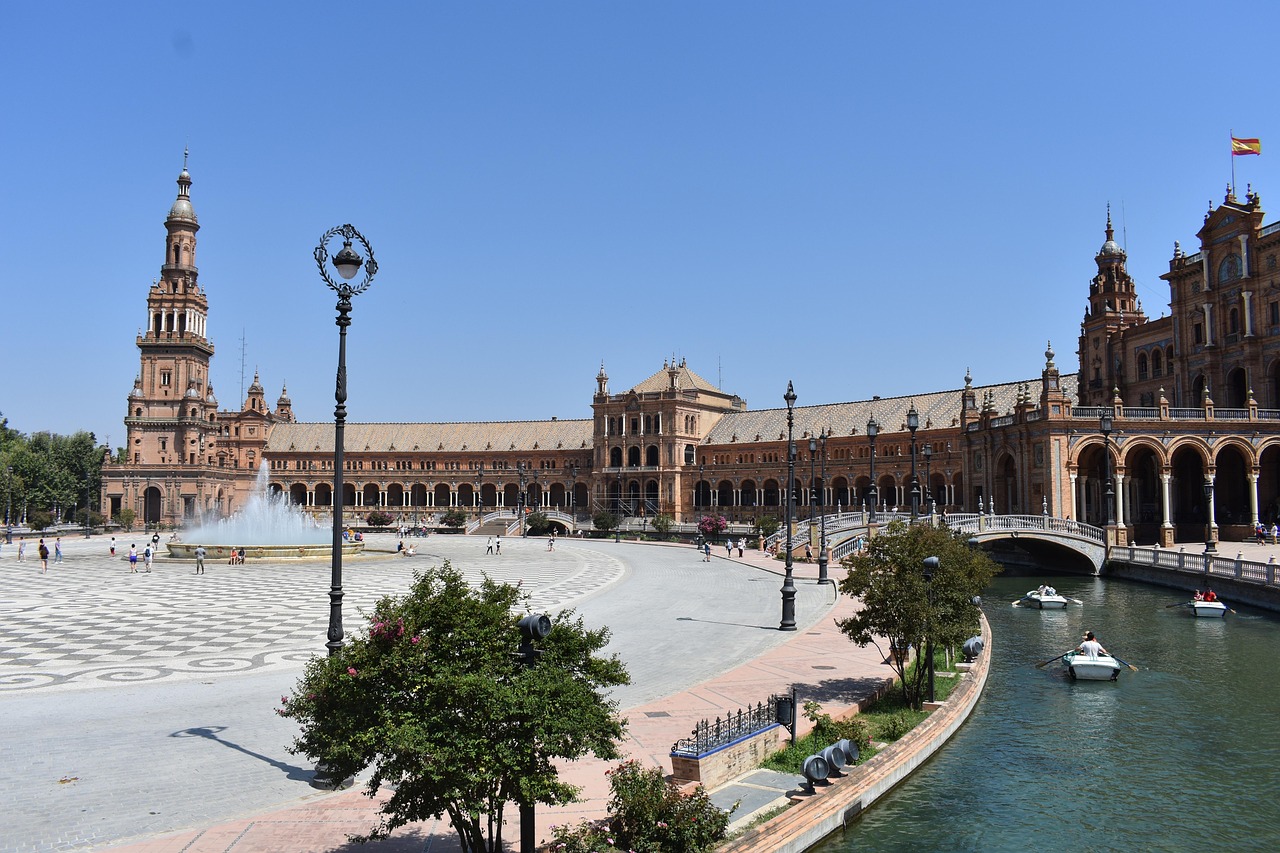
Seville reflects warmth, ornament, and historic depth. The city covers 140 square kilometers and has about 690,000 residents. Founded over 2,000 years ago, Seville developed under Roman, Islamic, and Christian rule. Landmarks like the Alcázar and the Giralda tower shape its skyline. Orange trees line streets, adding fragrance and color. With around 3 million visitors annually, Seville’s beauty feels expressive and lively, blending architectural detail with street life, music, and strong regional identity.
21. Stockholm, Sweden
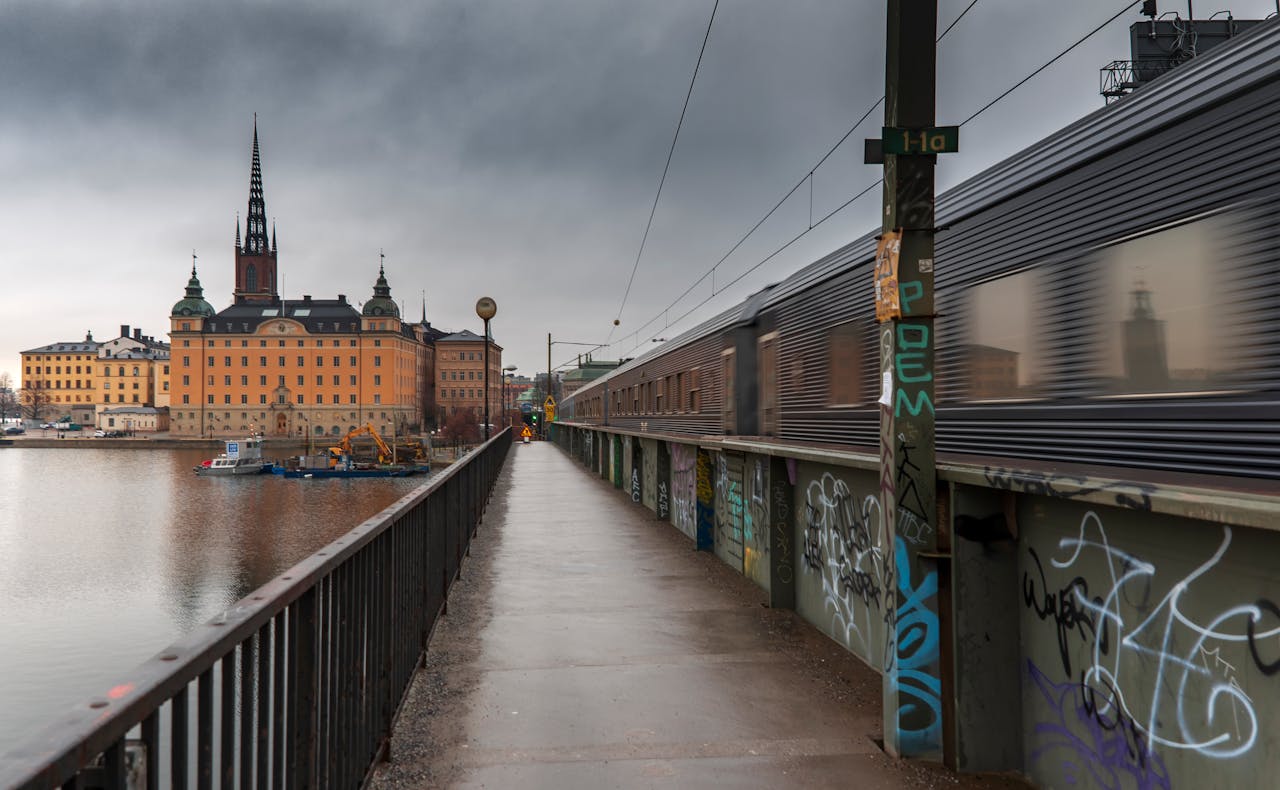
Stockholm spreads across 14 islands where Lake Mälaren meets the Baltic Sea. The city covers 188 square kilometers and supports roughly 975,000 residents. Water is visible from most neighborhoods, shaping calm, reflective views. Founded in the 13th century, Stockholm blends medieval streets with modern Scandinavian design. Green spaces occupy nearly 40 percent of the city area. Welcoming around 6 million visitors each year, Stockholm’s beauty feels clean, balanced, and luminous, especially during long summer days.
22. Petra (Wadi Musa), Jordan
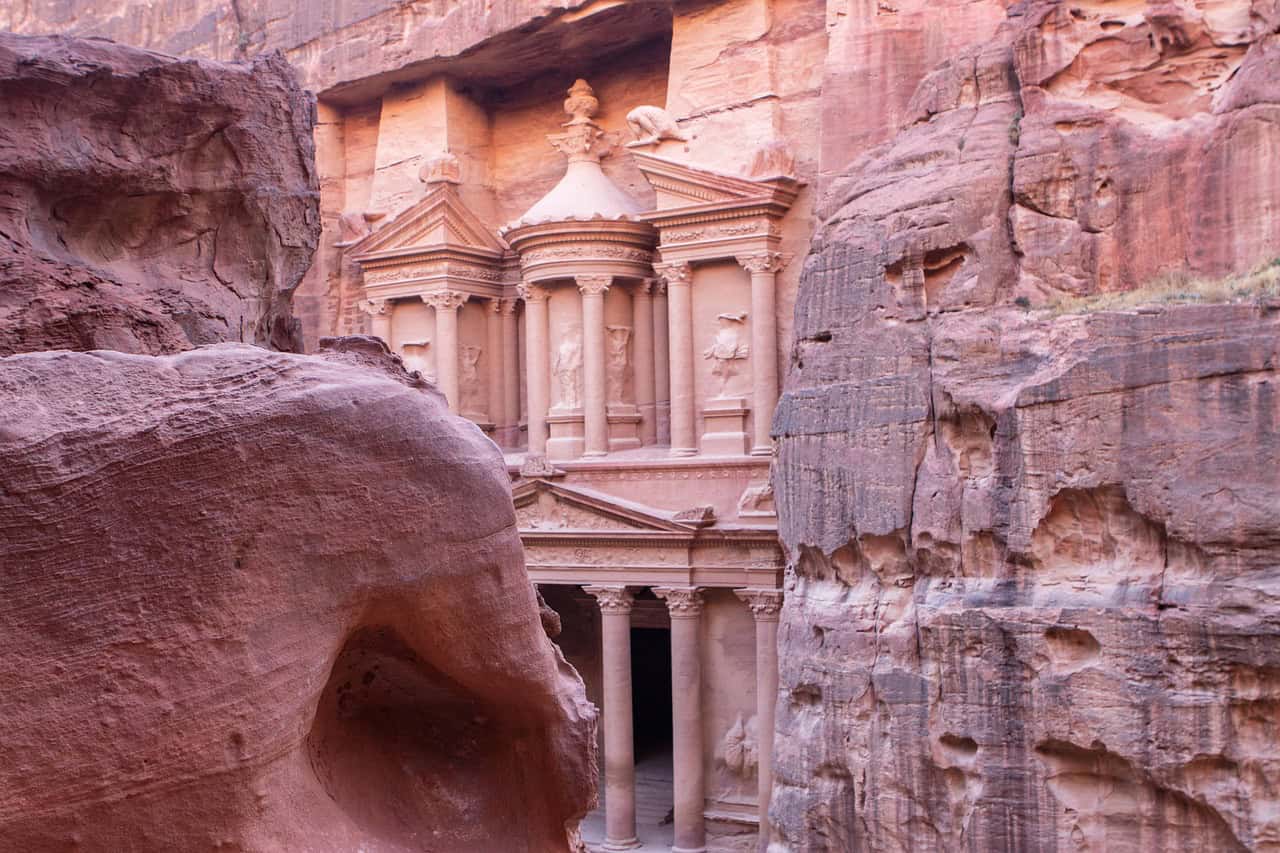
Petra’s surrounding city gains beauty from its ancient setting. Wadi Musa covers roughly 71 square kilometers and supports about 30,000 residents. Petra itself dates back to around the 4th century BCE and is carved directly into rose‑colored rock. The dramatic desert landscape shapes the area’s appearance and atmosphere. Narrow canyons open into monumental façades. With nearly 1 million visitors annually, the beauty here feels monumental and timeless, defined by geology, silence, and the scale of human craftsmanship.
23. Buenos Aires, Argentina
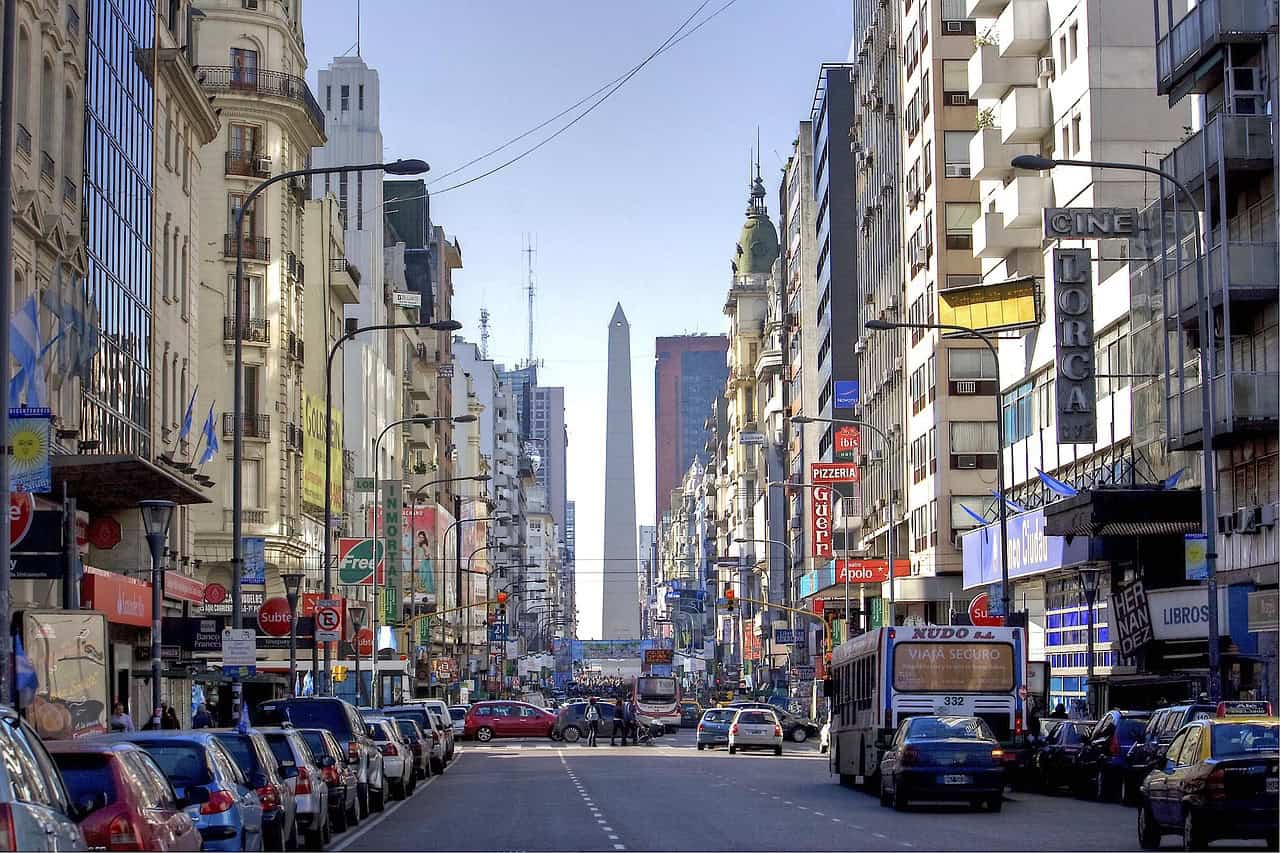
Buenos Aires blends European elegance with Latin intensity. Covering 203 square kilometers, the city houses about 3 million residents, while the metropolitan area exceeds 15 million. Founded in 1536, Buenos Aires features wide avenues, ornate buildings, and grand public spaces. Neighborhoods like La Boca add color and personality. With around 2.5 million international visitors annually, the city’s beauty feels theatrical and expressive, shaped by music, architecture, and a strong sense of cultural pride.
24. Singapore
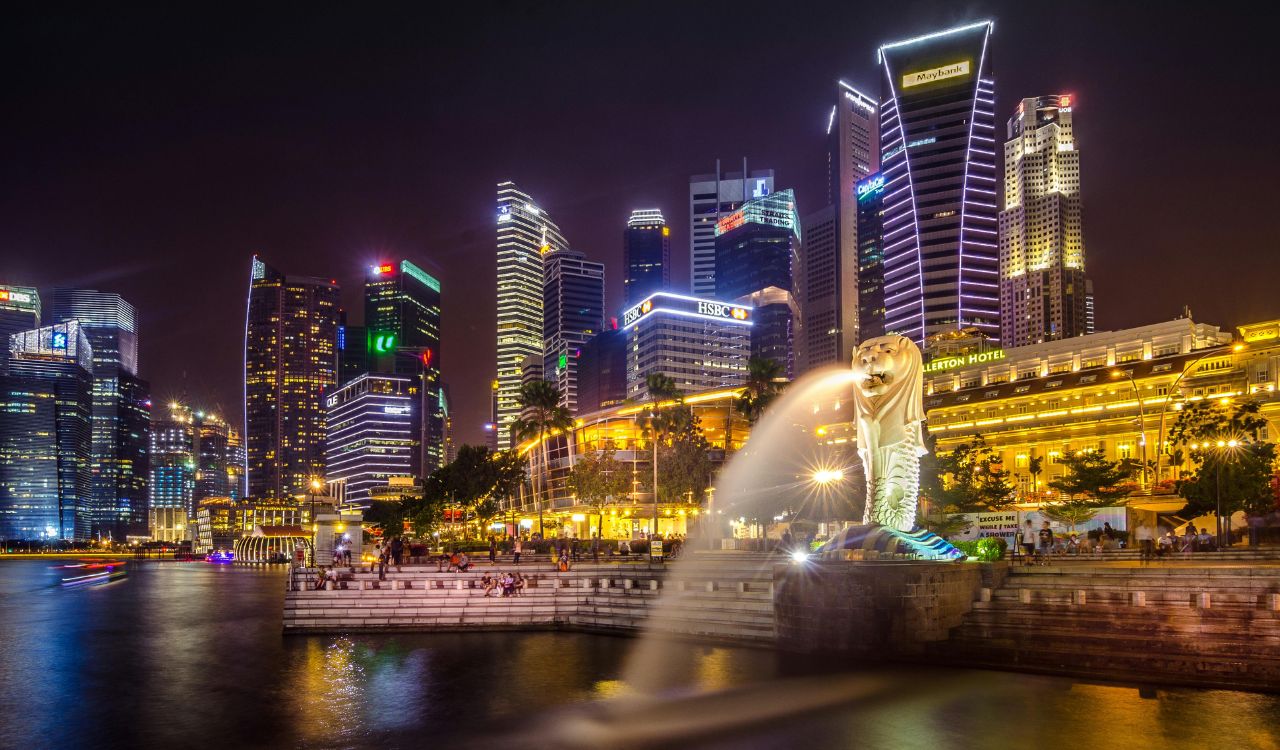
Singapore represents a modern vision of urban beauty. The city‑state covers just 734 square kilometers and has about 5.9 million residents. Despite its density, nearly half the land is devoted to green spaces. Founded as a trading port in 1819, Singapore developed into a global hub. Futuristic architecture blends with tropical gardens. Hosting over 13 million visitors annually, Singapore’s beauty feels clean, efficient, and forward‑looking, defined by careful planning and integration of nature.
25. Jaipur, India
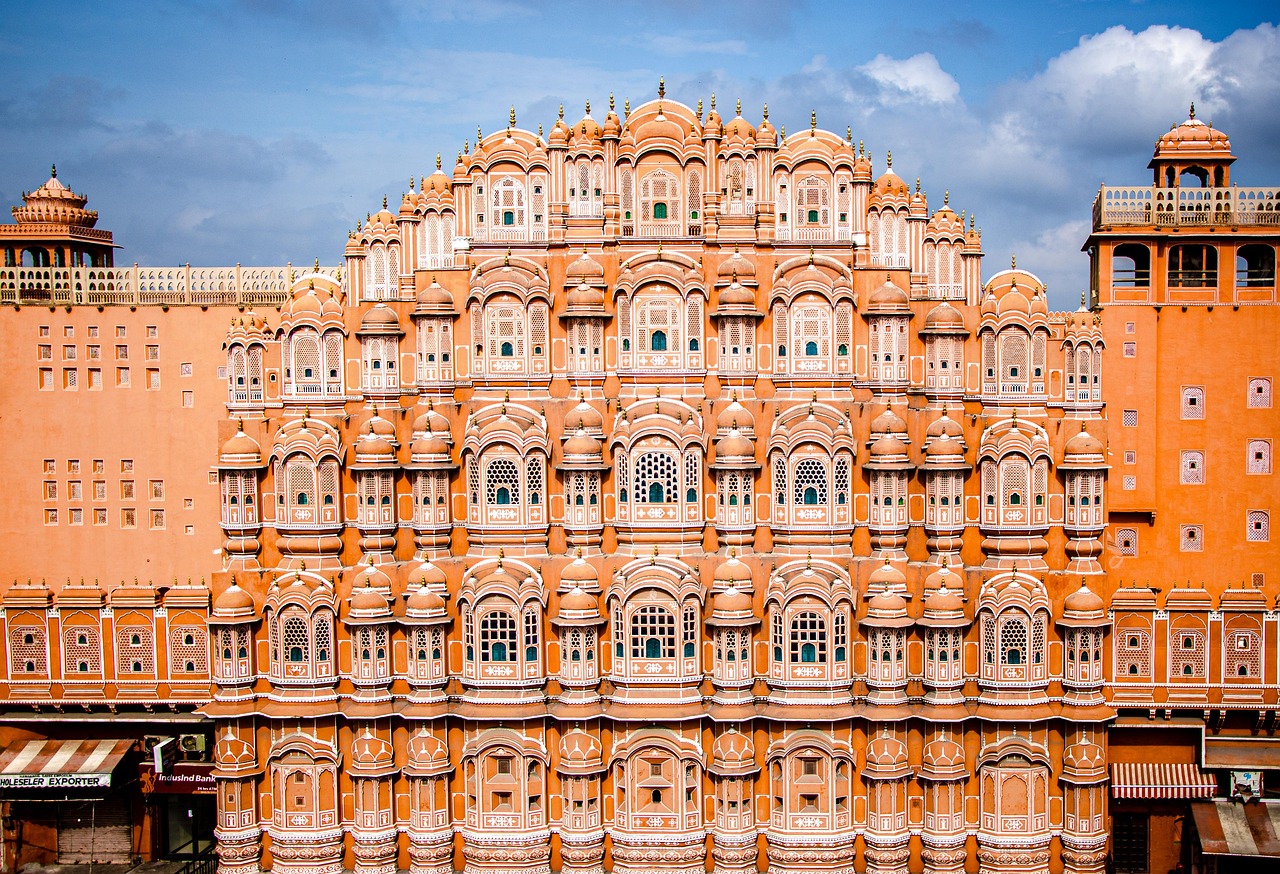
Jaipur is known for its strong sense of color and order. The city spans 467 square kilometers and supports roughly 3 million residents. Founded in 1727, Jaipur was one of India’s first planned cities. Its historic center is characterized by pink‑colored buildings, wide streets, and symmetrical layouts. Palaces and forts surround the city. With around 1.5 million tourists annually, Jaipur’s beauty feels regal and vibrant, combining royal history with everyday urban life.
26. Amsterdam, Netherlands
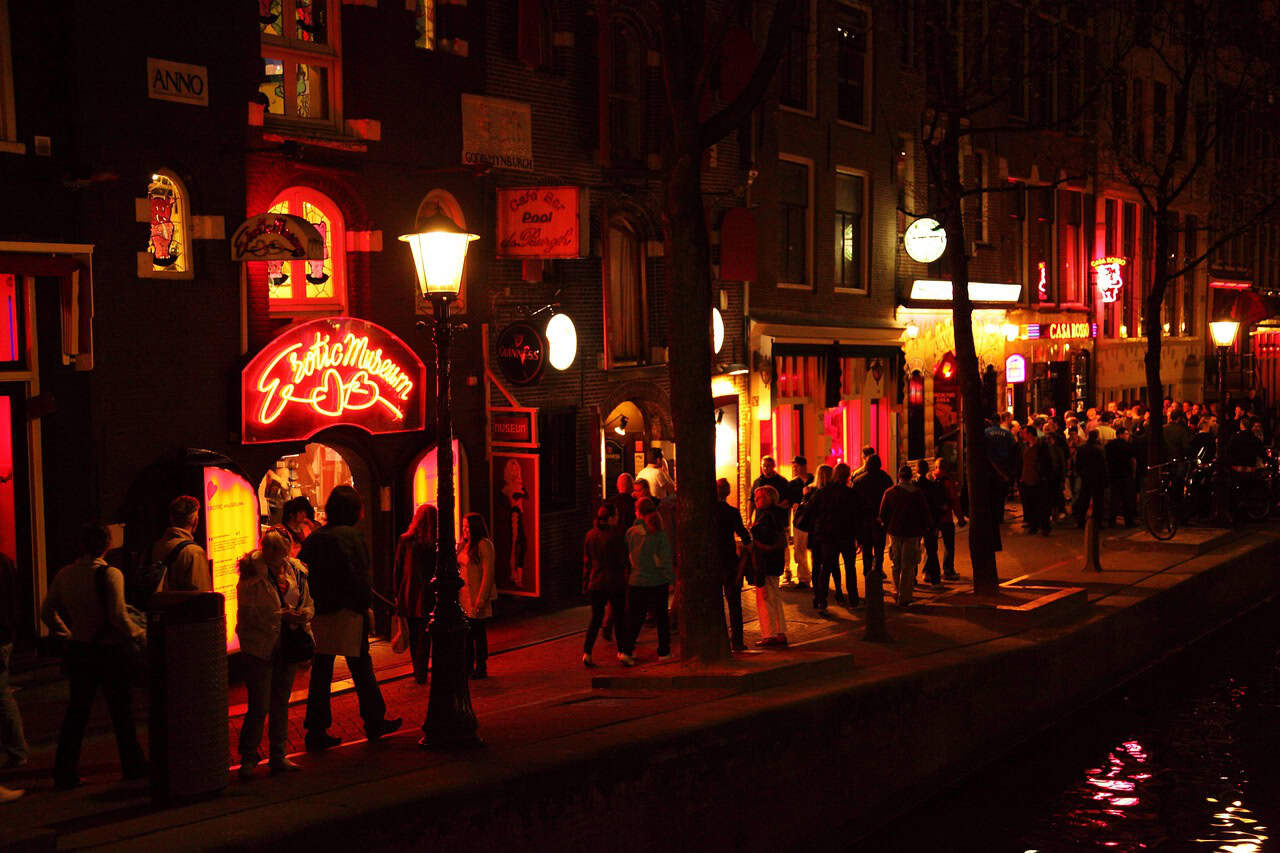
Amsterdam’s beauty flows through water and daily movement. The city covers 219 square kilometers and has a population of about 905,000. Founded in the 12th century, Amsterdam developed around concentric canals stretching over 100 kilometers. Narrow houses, bridges, and bicycles define the streetscape. Despite its popularity with roughly 20 million visitors annually, Amsterdam feels livable and relaxed. Its beauty lies in scale, rhythm, and the close relationship between architecture and water.
27. Hong Kong
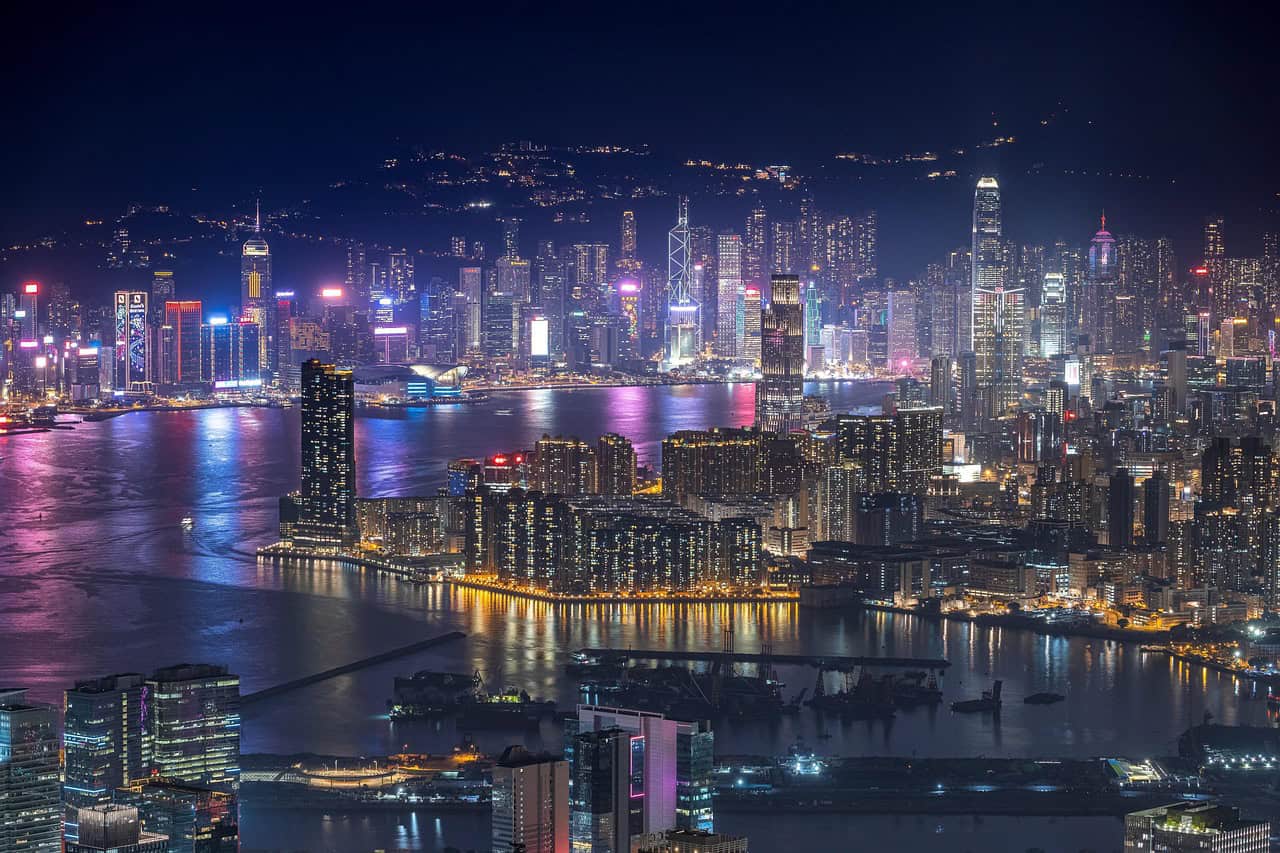
Hong Kong is defined by contrast and verticality. Covering 1,106 square kilometers, it supports about 7.5 million residents. Skyscrapers rise directly from mountainous terrain, creating one of the world’s most dramatic skylines. Victoria Harbour separates Hong Kong Island from the mainland, offering expansive waterfront views. Founded as a trading port in the 19th century, the city developed rapidly. With over 50 million visitors annually, Hong Kong’s beauty feels electric, dense, and visually striking, especially after dark.