We may earn money or products from the companies mentioned in this post. This means if you click on the link and purchase the item, I will receive a small commission at no extra cost to you ... you're just helping re-supply our family's travel fund.
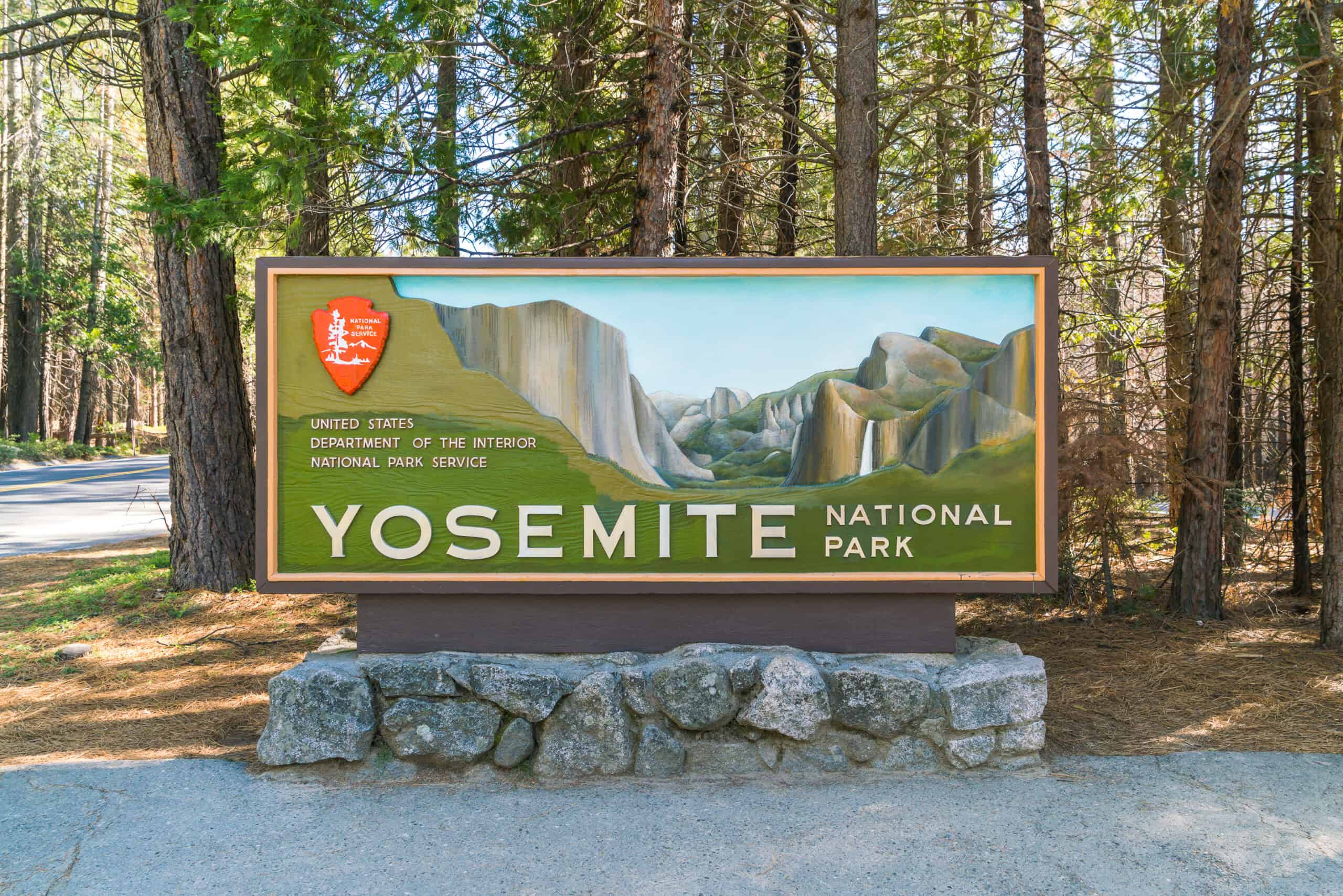
A national park can be extraordinary and still be the wrong choice for a particular trip. Some places ask for permits, long drives, early starts, or a tolerance for crowds, and they punish rushed plans fast. The parks below are not bad parks. They are the ones most likely to frustrate travelers who want easy logistics, quick payoffs, and a smooth first visit. Seen through that lens, the problem is usually fit, not beauty, and a better season often changes everything.
Gateway Arch National Park
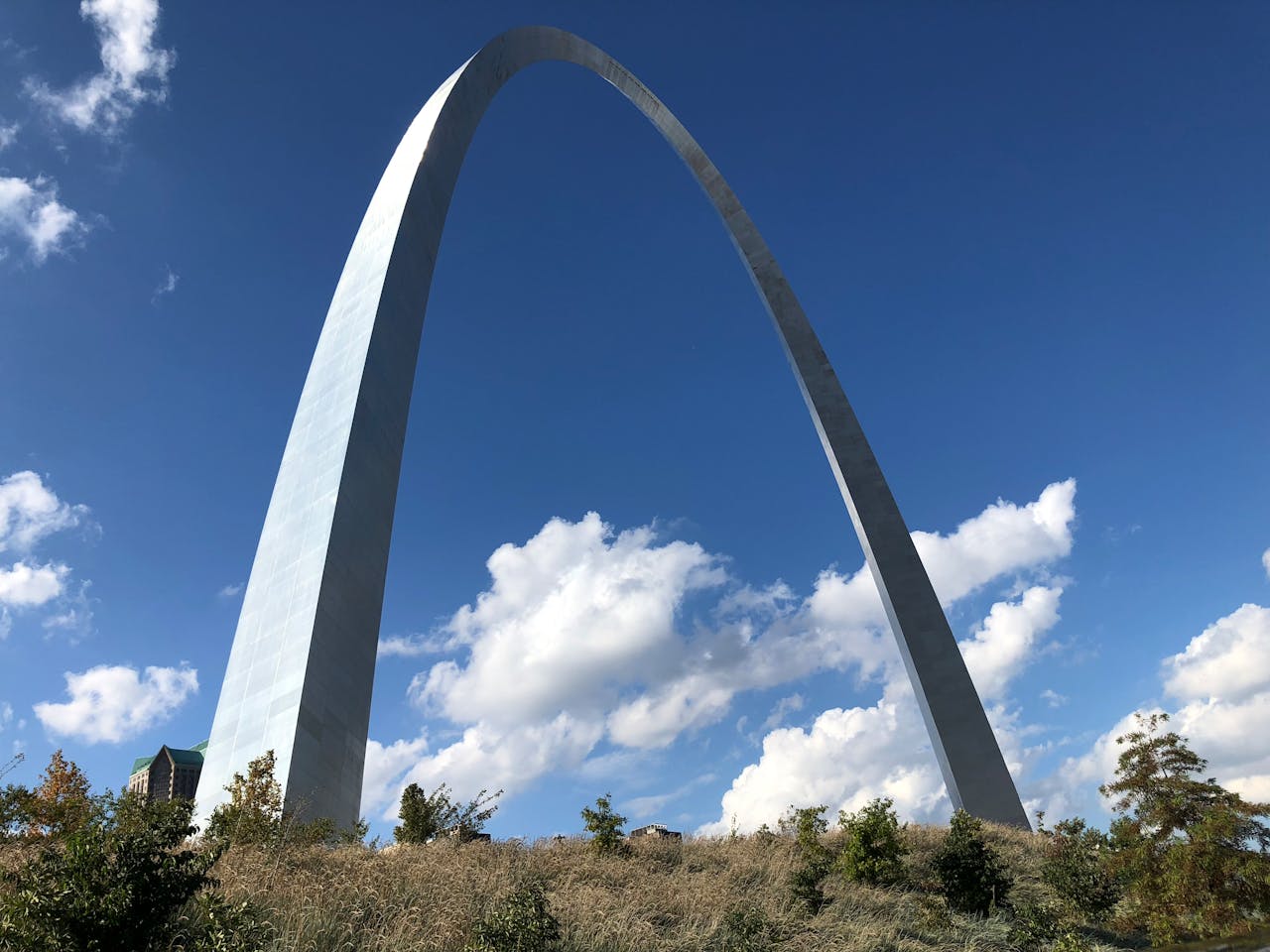
Gateway Arch National Park matters for American history, but it often disappoints travelers expecting a classic park day with scenic drives, long hikes, and a full afternoon outdoors. The setting is downtown St. Louis, and the visit centers on the grounds, museum, and timed tram ride inside the Arch, so the pace feels more like a city attraction than a landscape escape. It can still be a smart stop on a broader Midwest trip, yet many people arrive with a wilderness image in mind and leave feeling the experience was shorter, tighter, and more structured than they expected. Best as a short stop.
Hot Springs National Park
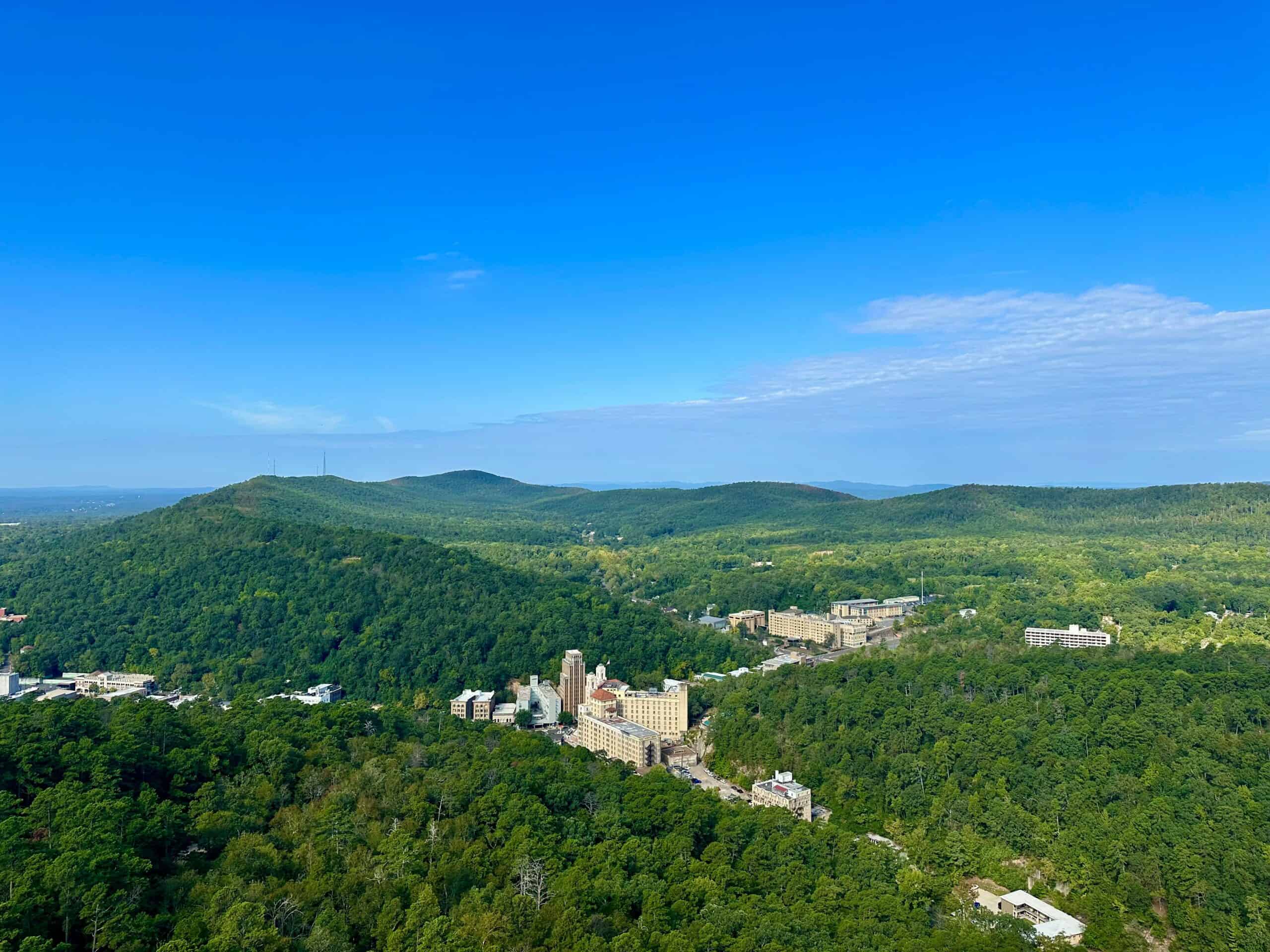
Hot Springs National Park surprises first time visitors because the park blends directly into the city of Hot Springs instead of unfolding as a giant mountain wilderness. Bathhouse Row, the historic buildings, and the spa legacy are the heart of the place, while the nearby trails offer a quieter bonus rather than the main event. It is a strong choice for travelers who like history and a slower pace, but it often feels small to anyone arriving with Yellowstone or Yosemite scale in mind for a national park trip. Most disappointment comes from expectations, as the park is better than many expect.
Cuyahoga Valley National Park
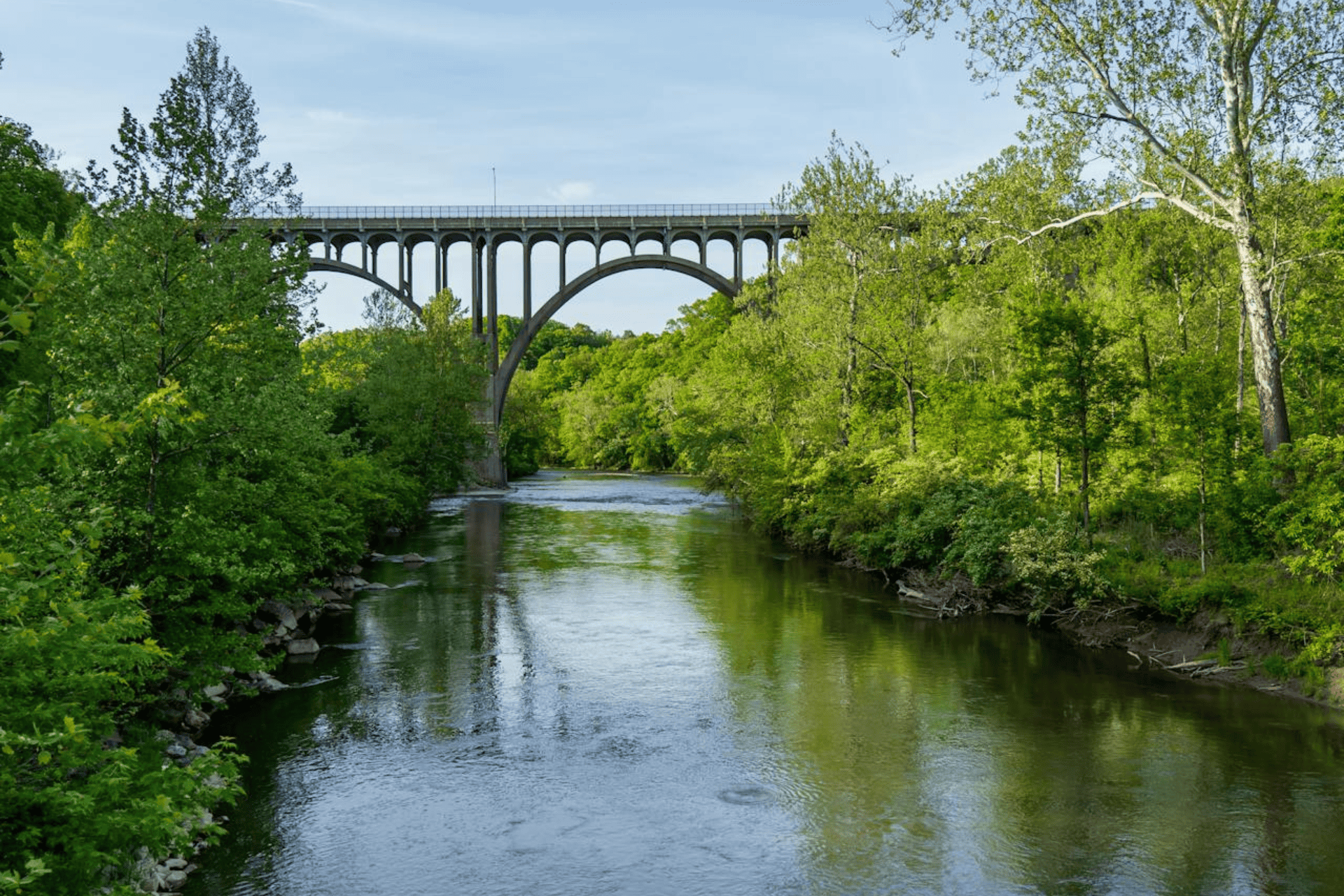
Cuyahoga Valley National Park is easy to reach and genuinely enjoyable, but it can feel underwhelming for travelers chasing dramatic mountain views or a remote backcountry mood. Its strengths are the river corridor, waterfalls, the towpath trail, and the scenic railroad, which create a calm, local experience rather than a sweeping road trip showpiece. That subtle character is exactly why many Ohio visitors love it, yet it can feel like the wrong choice for someone trying to fit one big national park stop into a short, high stakes vacation. It works better as a regional stop than a trip finale.
Indiana Dunes National Park
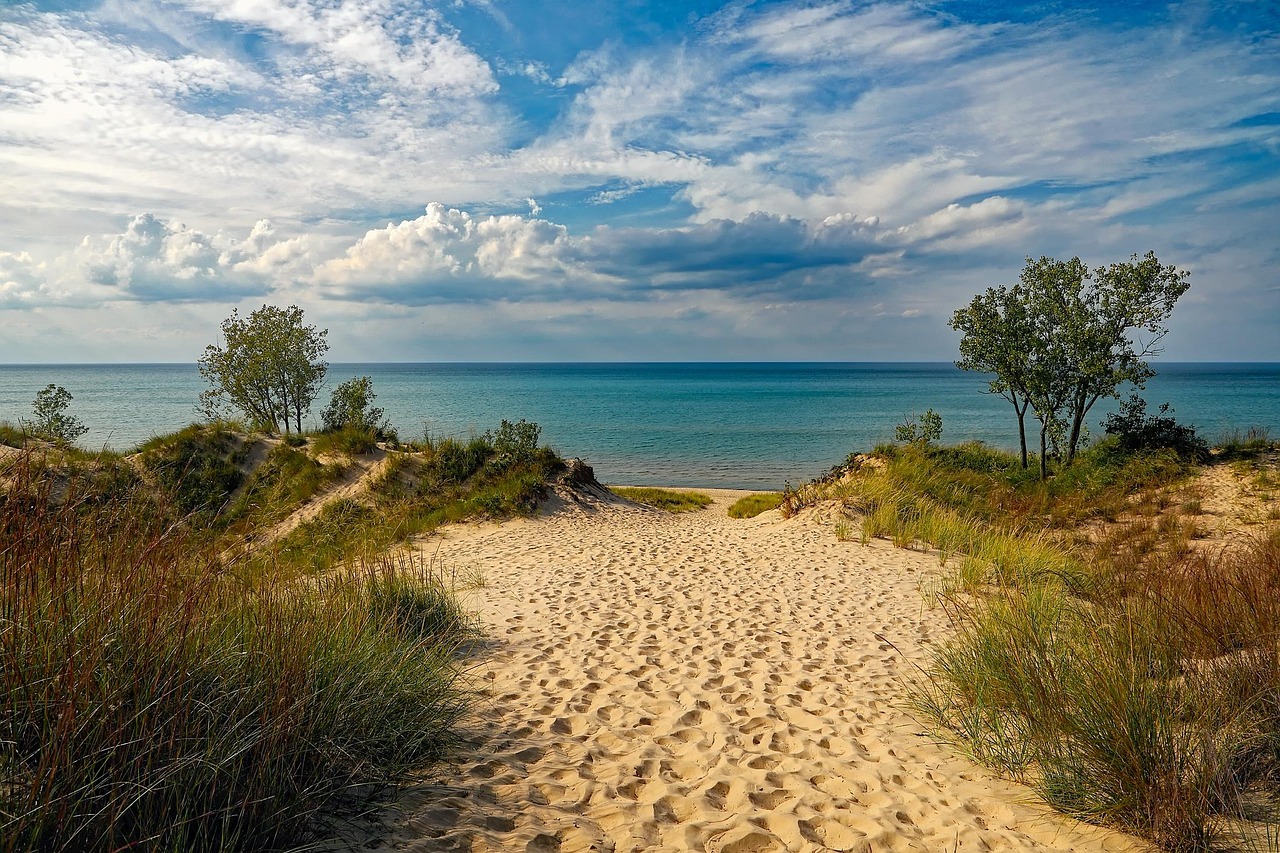
Indiana Dunes National Park has beautiful beaches, shifting dunes, and strong birding, but the experience can feel fragmented to travelers expecting one seamless wilderness landscape. The park stretches along a developed shoreline with multiple access points, so a good day depends on planning specific stops instead of arriving and following one obvious scenic route. Lake Michigan weather also changes fast, and that can turn a beach centered plan into a windy reset, which is why this park works better for flexible travelers than for tightly scheduled first timers. Planning matters here, always.
Congaree National Park
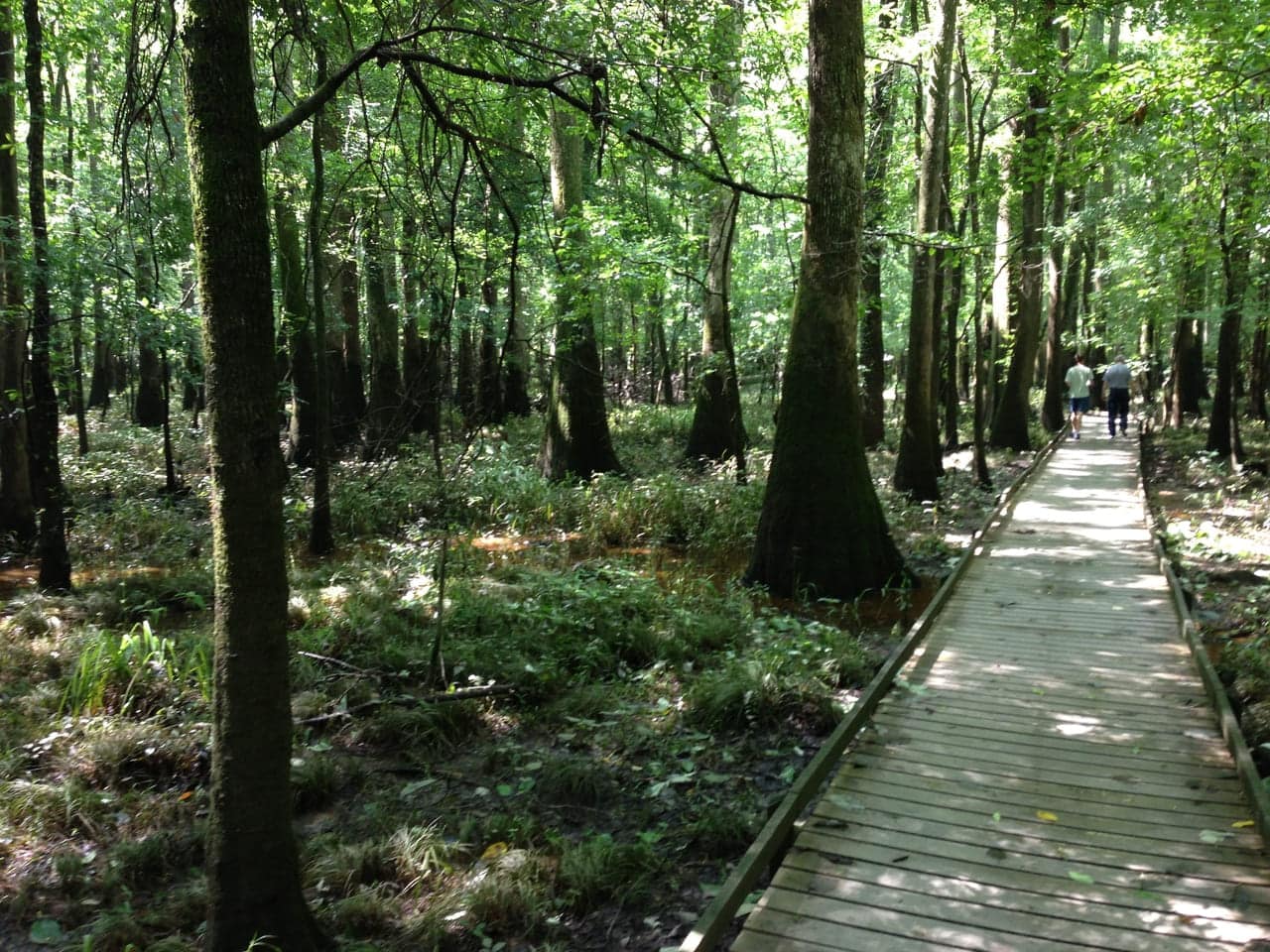
Congaree National Park protects an extraordinary floodplain forest, but it is one of the easiest parks to misread before arrival. The magic here comes from towering trees, still water, boardwalks, and the slow rhythm of a swamp landscape, not from cliffs, canyons, or constant big overlooks. Heat, humidity, flooding, and insects also shape the visit in ways many travelers underestimate, so the park often feels disappointing only when the trip is rushed and the expectations are built around a more dramatic and physically varied national park experience. It reveals itself slowly, not all at once.
Great Smoky Mountains National Park
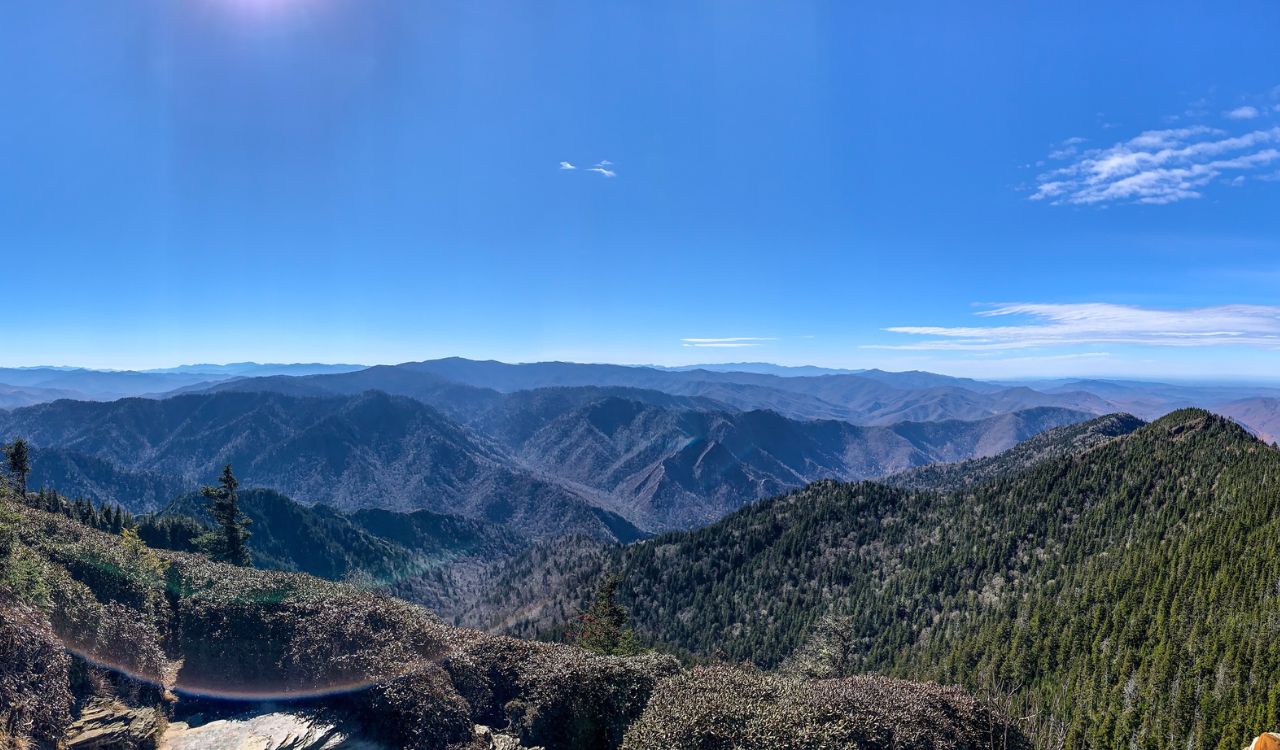
Great Smoky Mountains National Park earns its popularity, but the crowds can make it a rough choice for travelers hoping for easy mountain quiet. Traffic backups, packed trailheads, and slow moving roads are common during peak seasons, and the stress can build before the first scenic stop even appears. The park still delivers ridgelines, wildlife, and rich forest scenery, yet many people leave tired because the day became a parking and timing challenge instead of the peaceful mountain experience they imagined while planning the trip. It asks for early starts and patience more than most expect.
Zion National Park
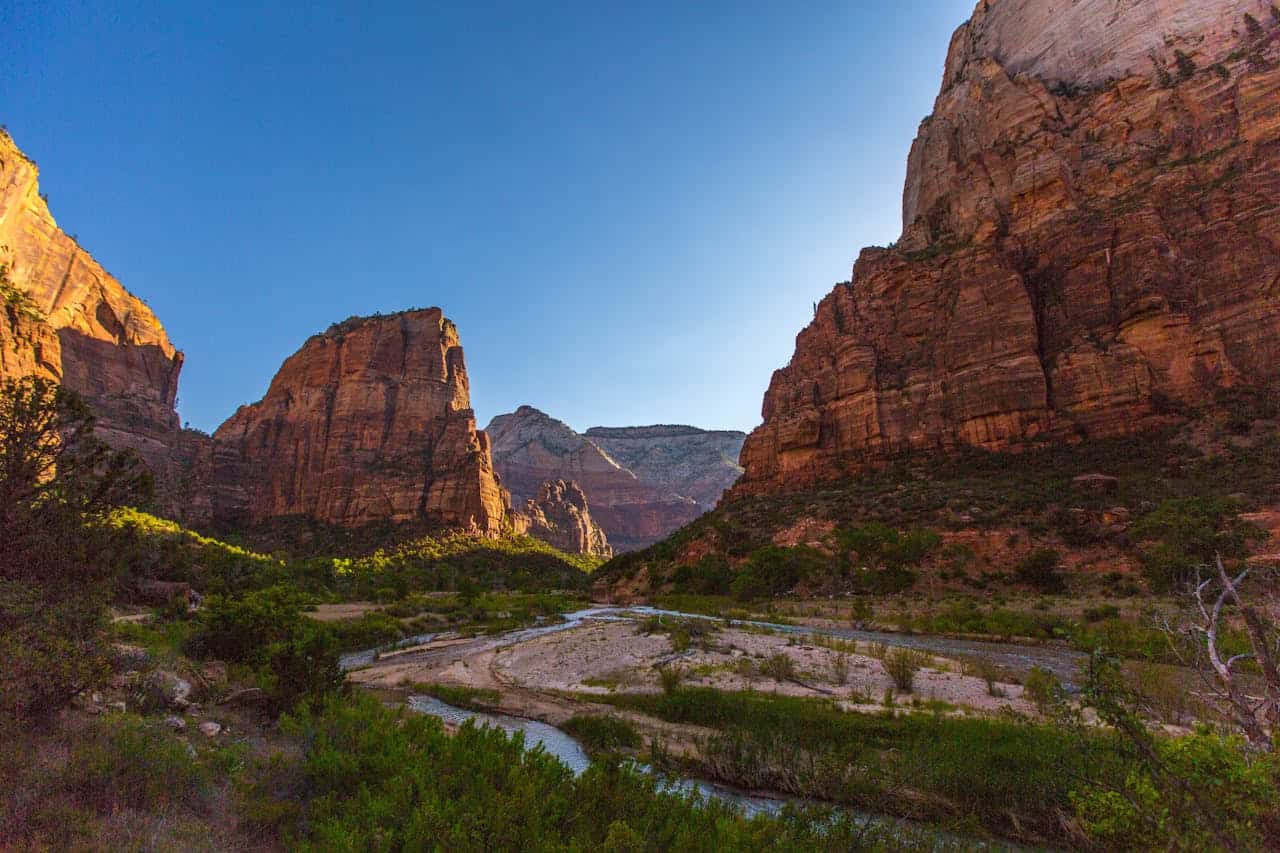
Zion National Park is one of the most beautiful places in the country, but it can also feel highly controlled during busy periods. Shuttle dependent access in Zion Canyon, early parking pressure, and heavy demand on the same famous trails can make the day feel like a sequence of lines, waits, and tight decisions. None of that weakens the landscape itself, which is stunning, but it does make Zion a difficult first park for travelers who prefer spontaneity and room to explore without constant timing calculations. Zion rewards planning, but it can feel restrictive on busy days for many travelers.
Arches National Park
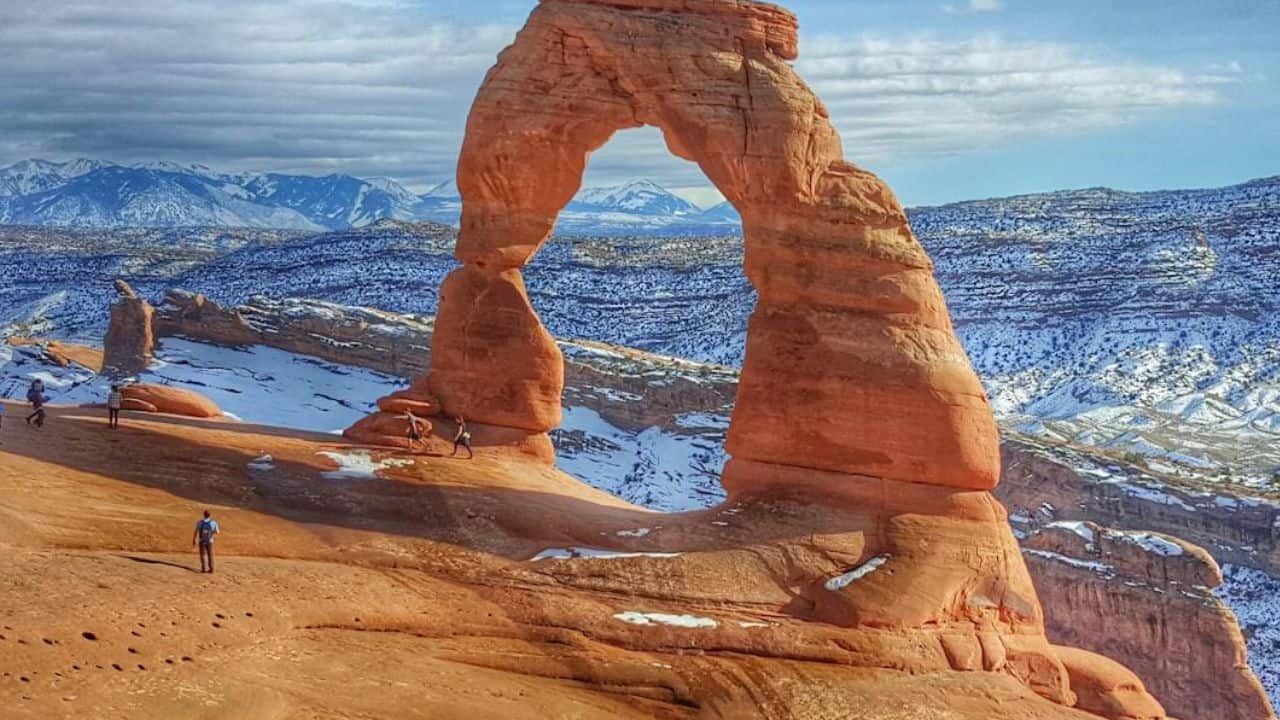
Arches National Park looks simple on a map, but the visit is often harder than people expect once heat, exposure, and stop and go traffic enter the day. The most famous arches are spread across a wide desert setting, so even short walks can feel taxing when the sun is high and parking lots are crowded. The scenery is world class and worth the effort, but many travelers underestimate how much pacing, water planning, and patience the park demands from the first overlook to the final trailhead. Arches rewards planning and stamina, and it can feel much harder than the photos suggest in peak hours.
Rocky Mountain National Park
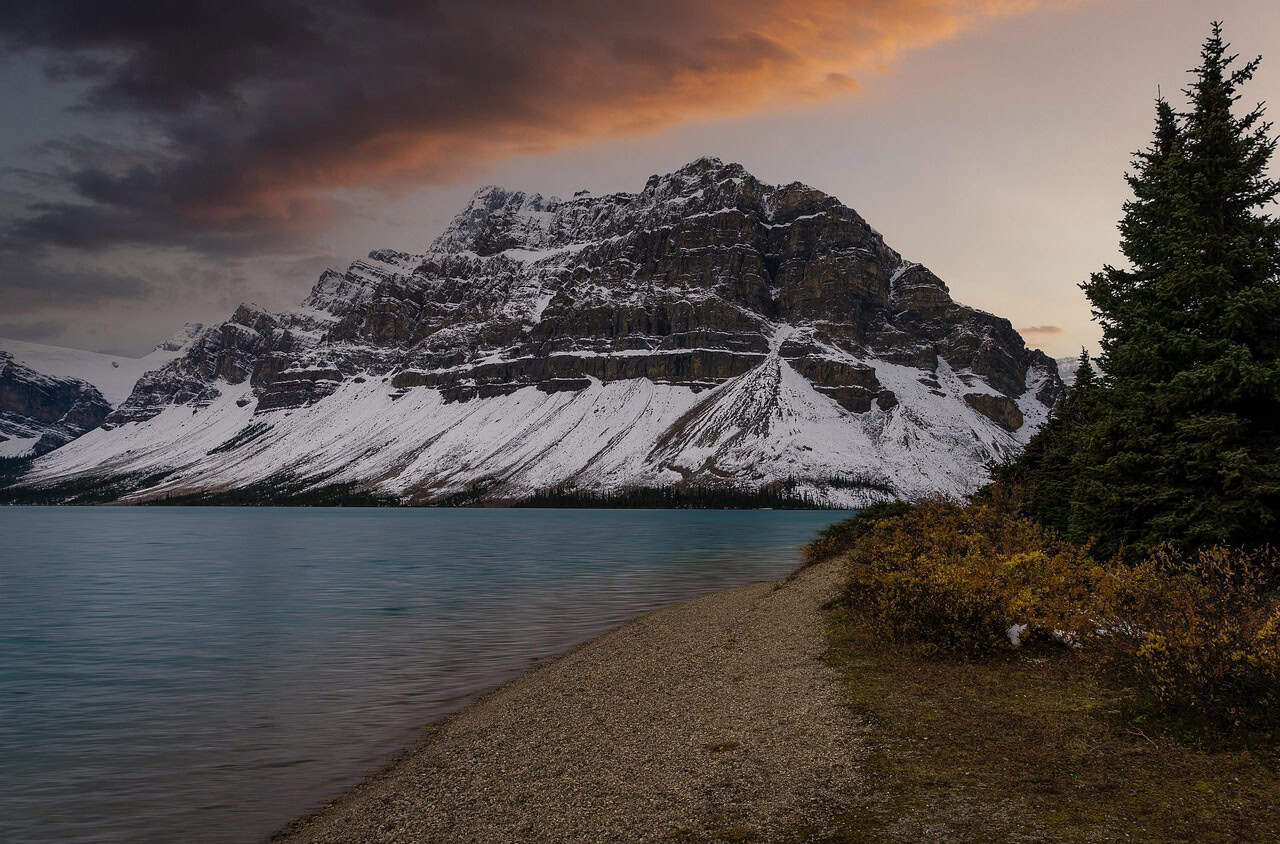
Rocky Mountain National Park can overwhelm first time visitors because everything feels bigger than expected, from the distances to the altitude to the weather shifts. A trip that looks easy on a map can quickly become a long day of driving, shortness of breath, and rushing between trailheads without enough time to enjoy any one place. The park is spectacular when the plan is narrow and realistic, but it often frustrates travelers who try to squeeze alpine lakes, scenic roads, and major hikes into one ambitious day. The best trips stay focused, because trying to do it all drains the day early.
Acadia National Park
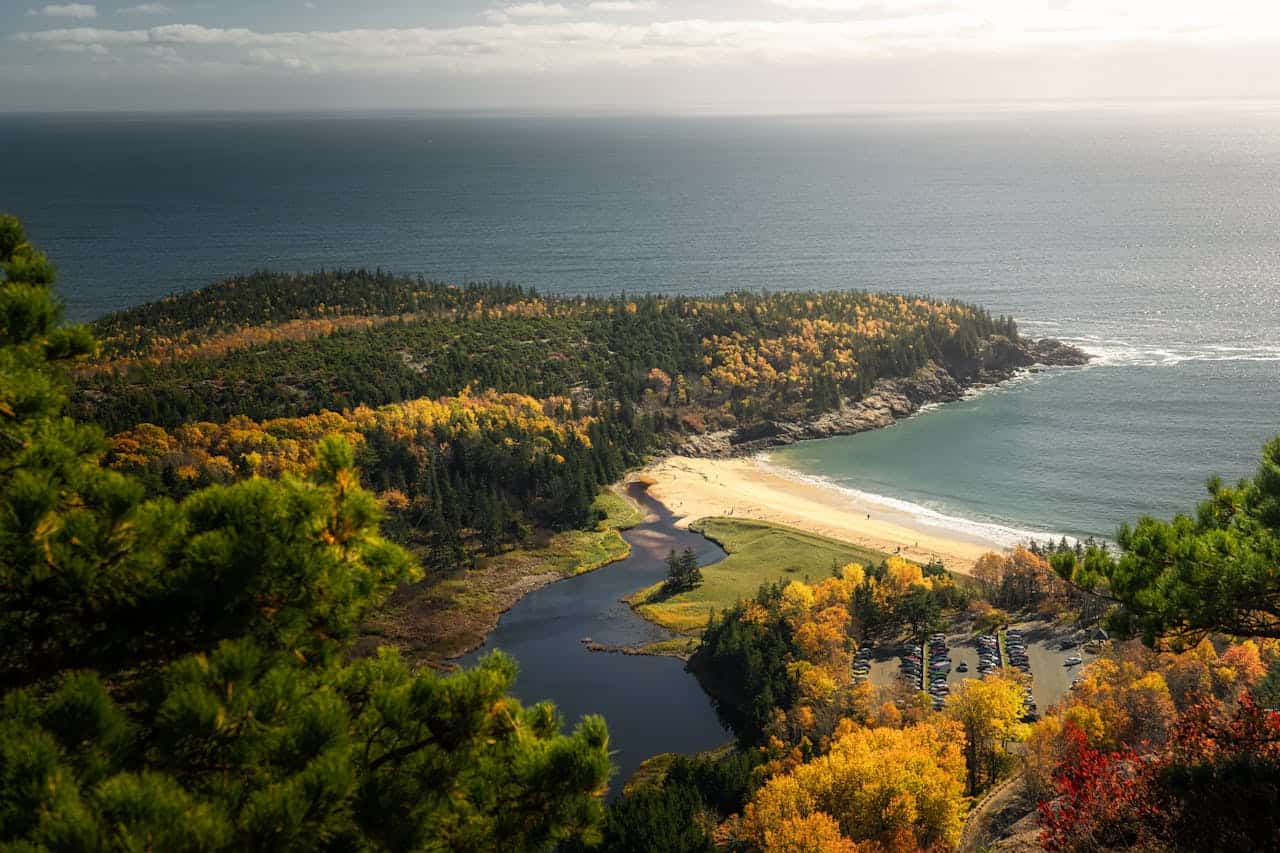
Acadia National Park is stunning, especially where granite meets the Atlantic, but it can feel crowded and compressed in peak season. The most popular roads and viewpoints fill early, parking becomes its own project, and the day can turn into a loop of circling, waiting, and adjusting plans on the fly. Acadia still rewards early starts and slower pacing, yet many travelers arrive expecting a relaxed coastal rhythm and instead find a busy, high demand park where timing matters almost as much as scenery. Acadia remains worth it, but peak season usually rewards strategy over spontaneity and ease.
Yosemite National Park
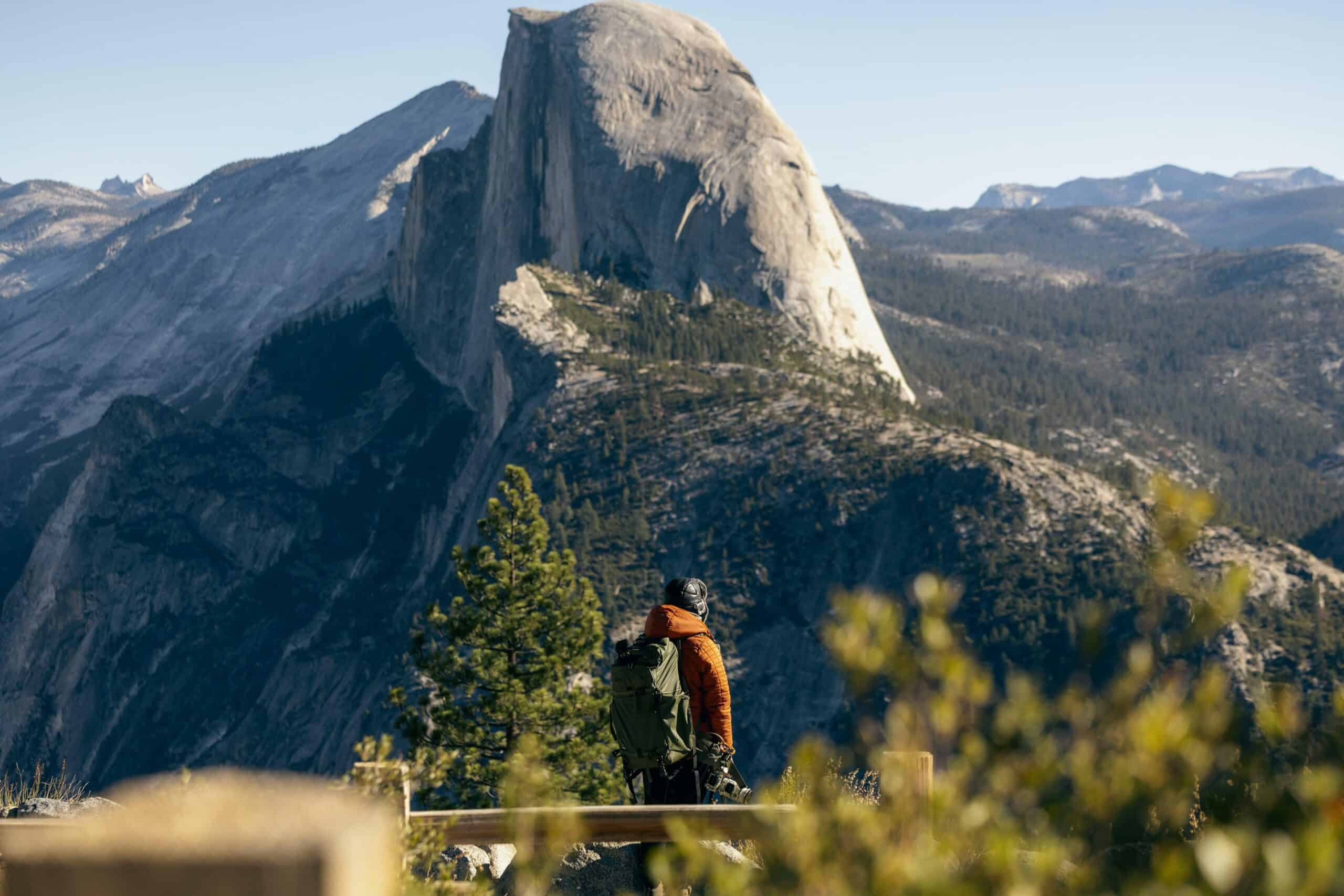
Yosemite National Park is world class, but that fame creates a problem many first time visitors feel immediately. The park is enormous, demand is intense, and the iconic places draw huge crowds, so a rushed trip can become hours of driving, parking stress, and short stops instead of deep time in the valley or high country. Yosemite is rarely the wrong park, but it is often the wrong park for travelers who only have one day and expect the highlights to unfold easily without careful planning. Yosemite gives back in a huge way, but only when the schedule leaves room for delays and long distances.
Glacier National Park
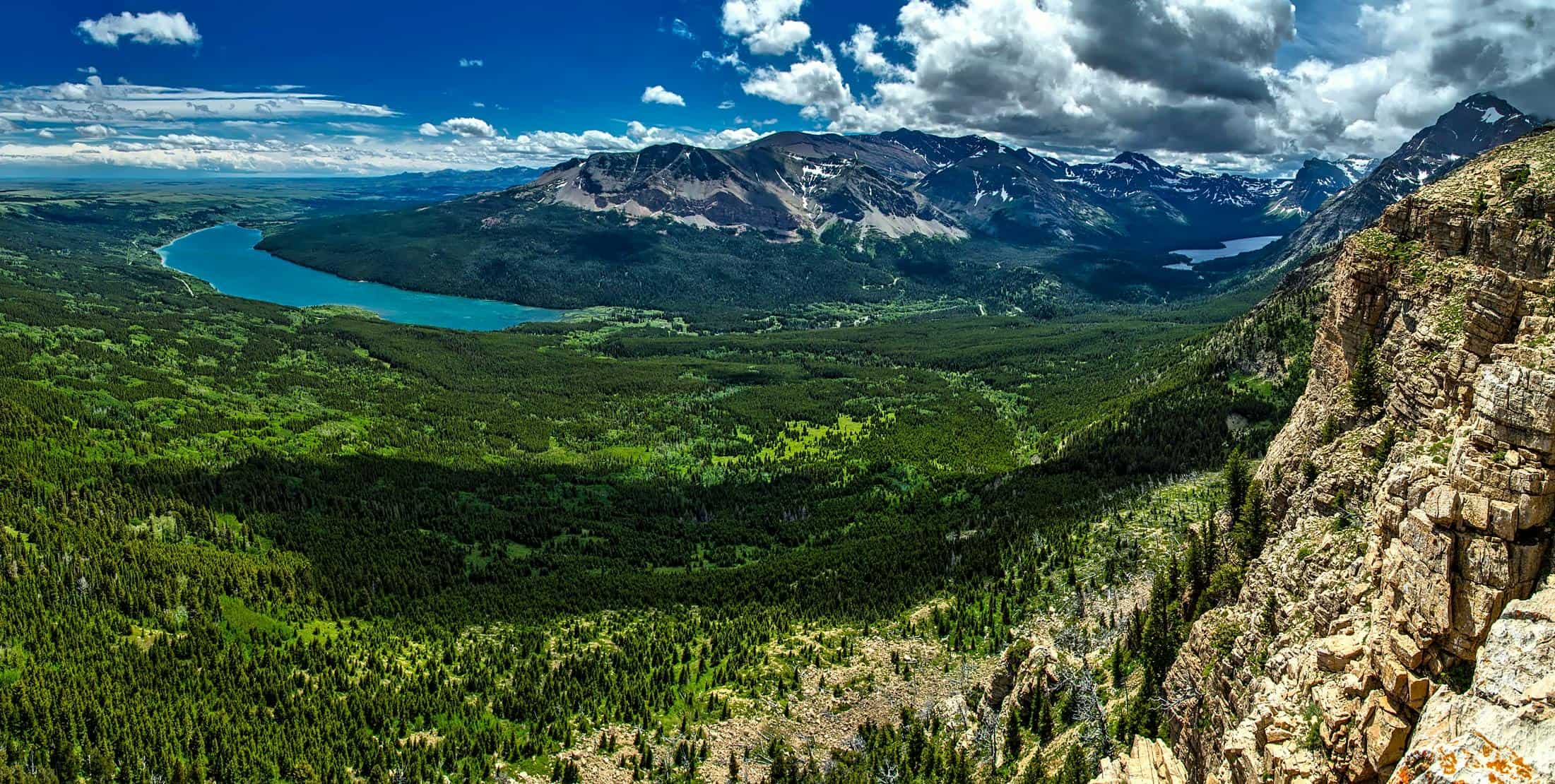
Glacier National Park is unforgettable when conditions line up, but it can be difficult for travelers who want an easy, flexible vacation day. The short summer season, road conditions, weather swings, and heavy demand around major corridors can make the whole trip feel like a logistics puzzle before the hiking even starts. Glacier rewards patience and preparation in a big way, yet many people leave stressed because they spent more energy managing access, timing, and backups than simply enjoying the mountains and lakes. Glacier is magnificent, but it asks for patient timing and a backup option.
Yellowstone National Park
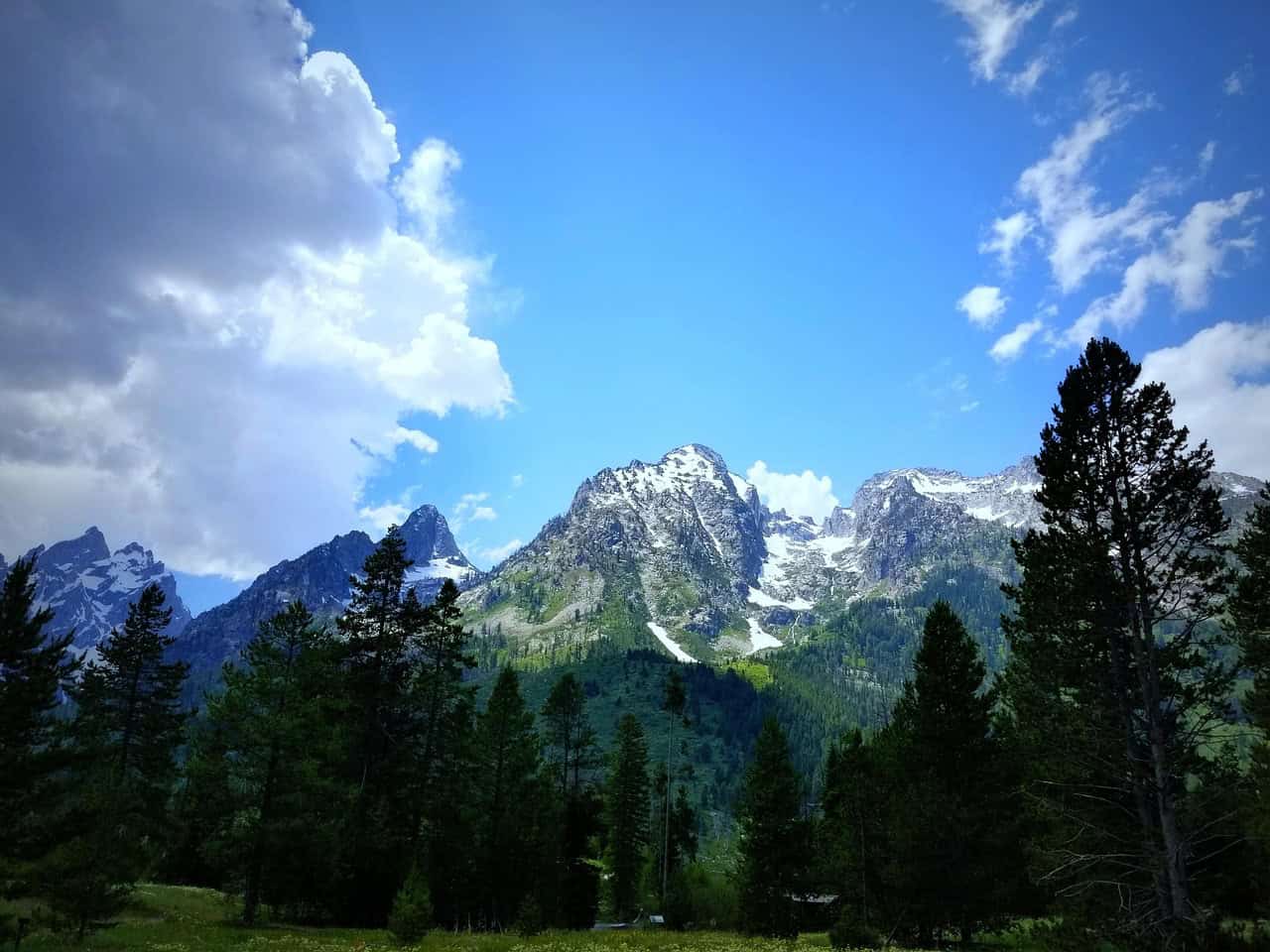
Yellowstone National Park overwhelms many travelers not because it lacks beauty, but because its scale is easy to underestimate. Distances between geyser basins, valleys, and wildlife areas are long, traffic can build around bison or road work, and parking pressure around famous thermal features can eat up the best hours of the day. Yellowstone can be extraordinary with a multi day plan, but it often feels exhausting when someone tries to treat it like a quick loop and squeezes too much into one visit. Yellowstone needs time and slower pace, or the day becomes traffic jams plus parking delays.
Grand Canyon National Park
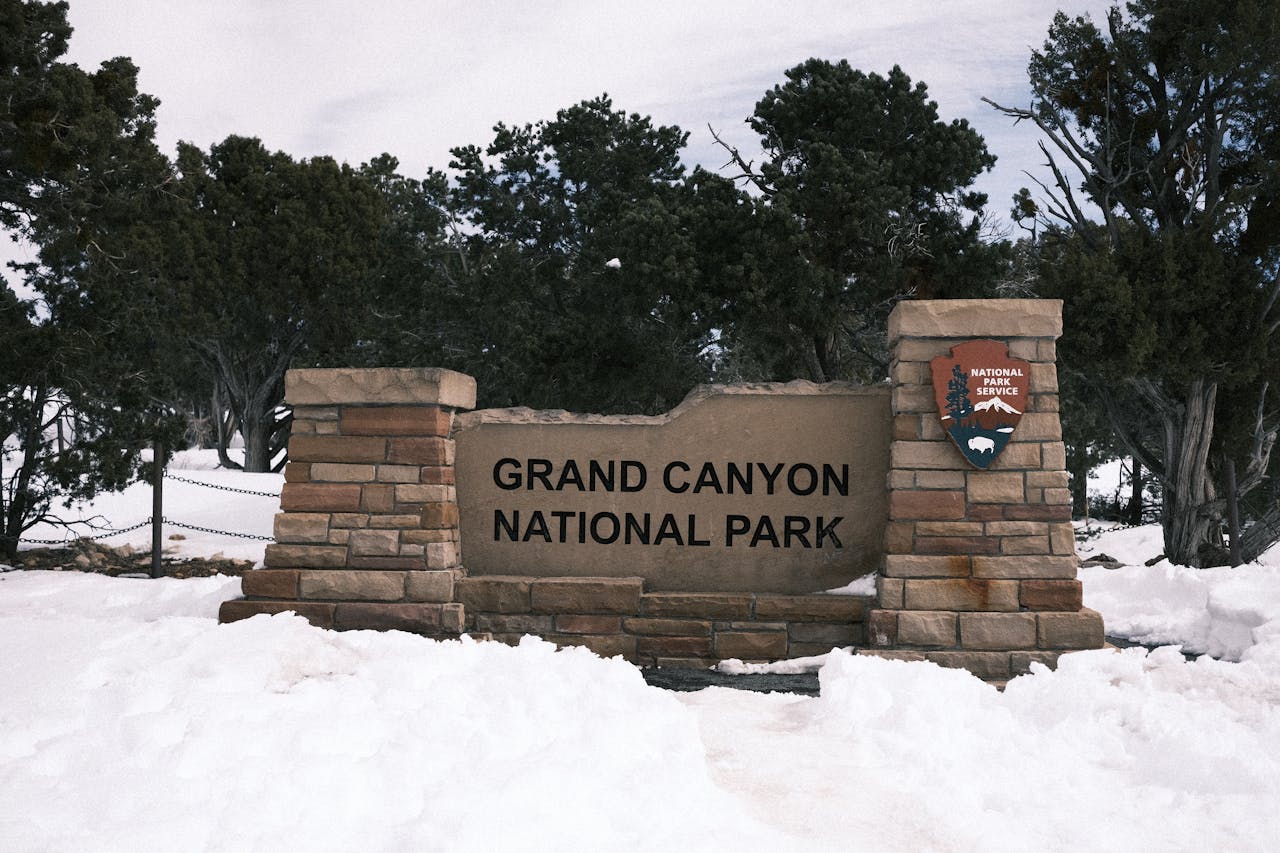
Grand Canyon National Park almost never disappoints visually, yet many travelers still leave worn out because the logistics are harder than expected. The distances inside the park, seasonal shuttle patterns, parking decisions, and heat on exposed walks can turn a simple viewing plan into a tiring sequence of waits and backtracking. The canyon itself is beyond words, but the day works much better when the trip is built around a few focused stops instead of a rushed attempt to see every major rim viewpoint in one stretch. The canyon is easy to admire, but harder to visit well in one day in heat.
Haleakala National Park
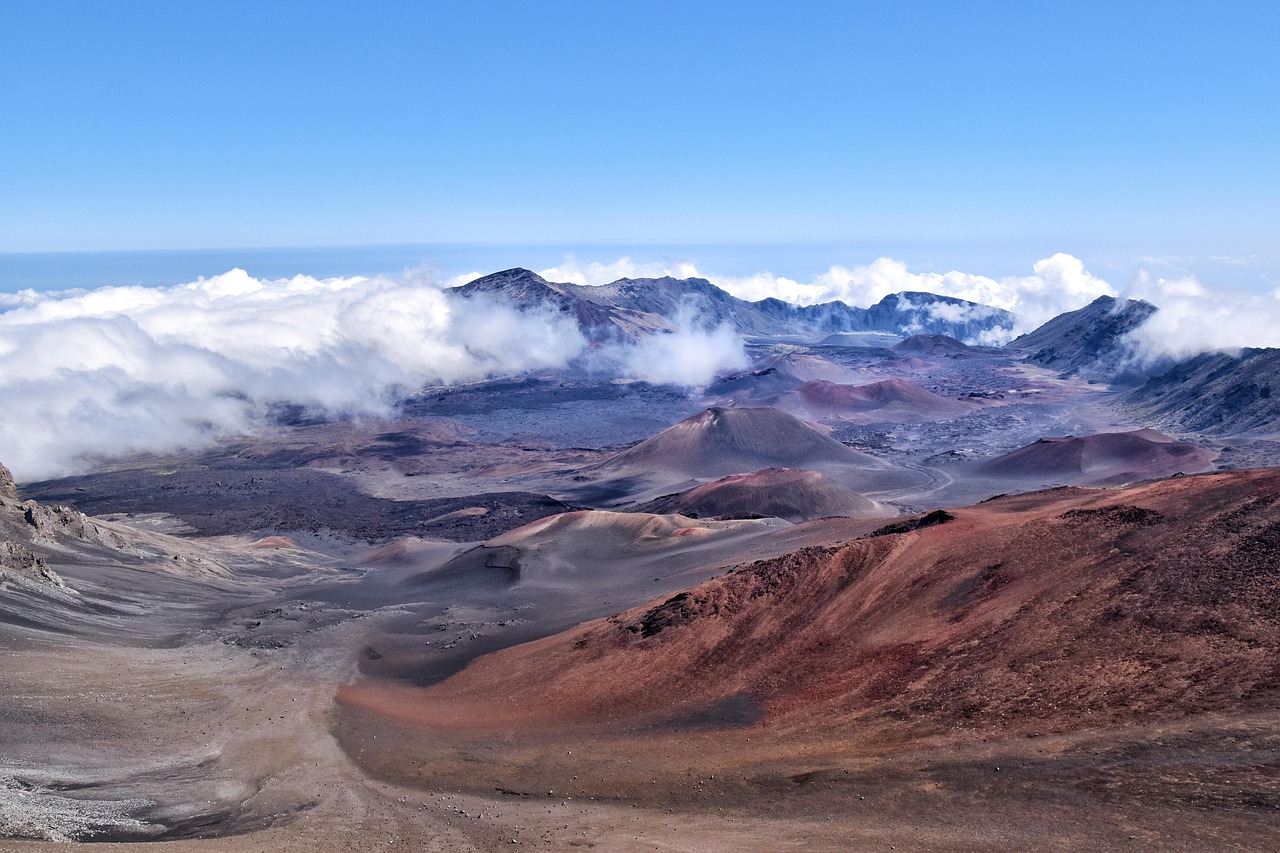
Haleakala National Park can feel surprisingly harsh for a place many travelers pair with a Hawaii vacation. The summit district is high, cold, and often windy, and the most famous experience depends on very early timing, which can make the day feel more demanding than restorative. Haleakala remains one of the most striking volcanic landscapes in the country, but it often catches people off guard when they arrive dressed or paced for a beach day and find themselves dealing with altitude, darkness, and fast changing weather. The summit rewards planning and layers more than a casual pace at dawn.
Mount Rainier National Park
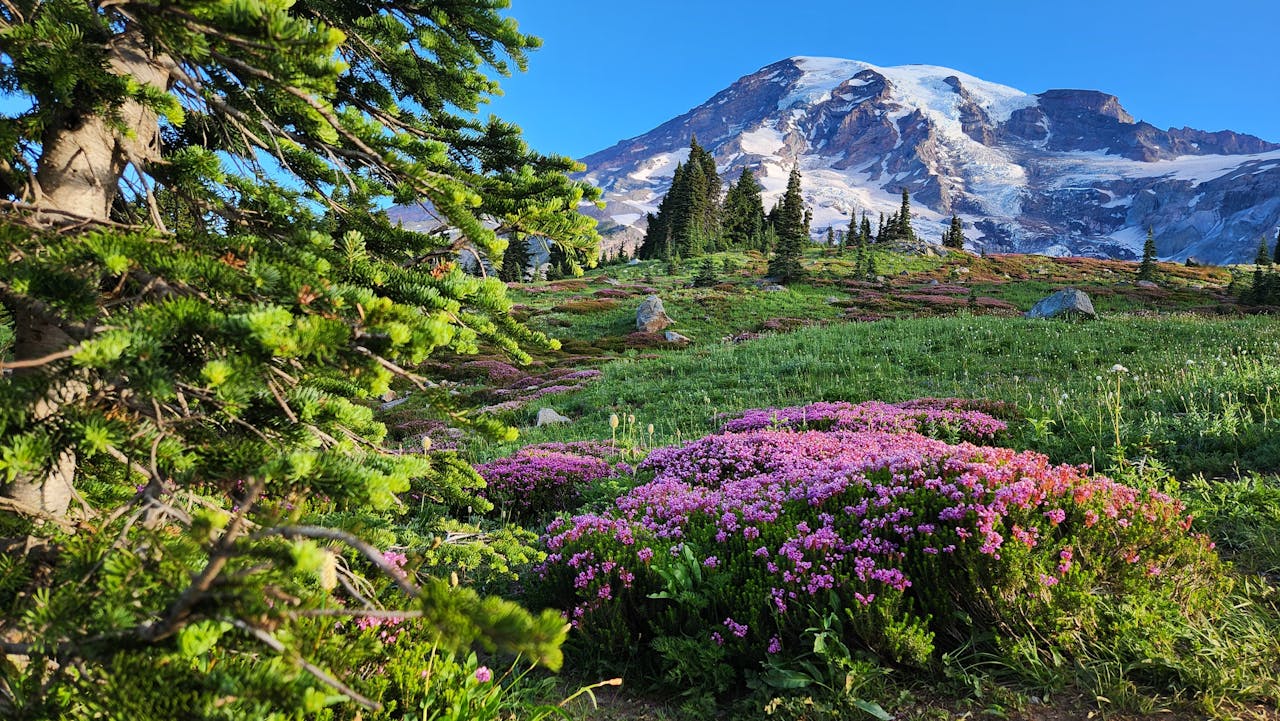
Mount Rainier National Park is breathtaking when the mountain is visible, but it is also one of the most conditional parks in the system. Roads, snow, seasonal openings, and cloud cover shape the visit in real time, and a carefully planned route can feel flat if visibility closes in for the day. That uncertainty is part of the mountain experience, yet it makes Rainier a hard pick for travelers who want a guaranteed scenic payoff and do not have enough time to wait out weather or shift plans. Rainier can be magical, but it often demands backup plans when weather and roads change on short trips.
Olympic National Park
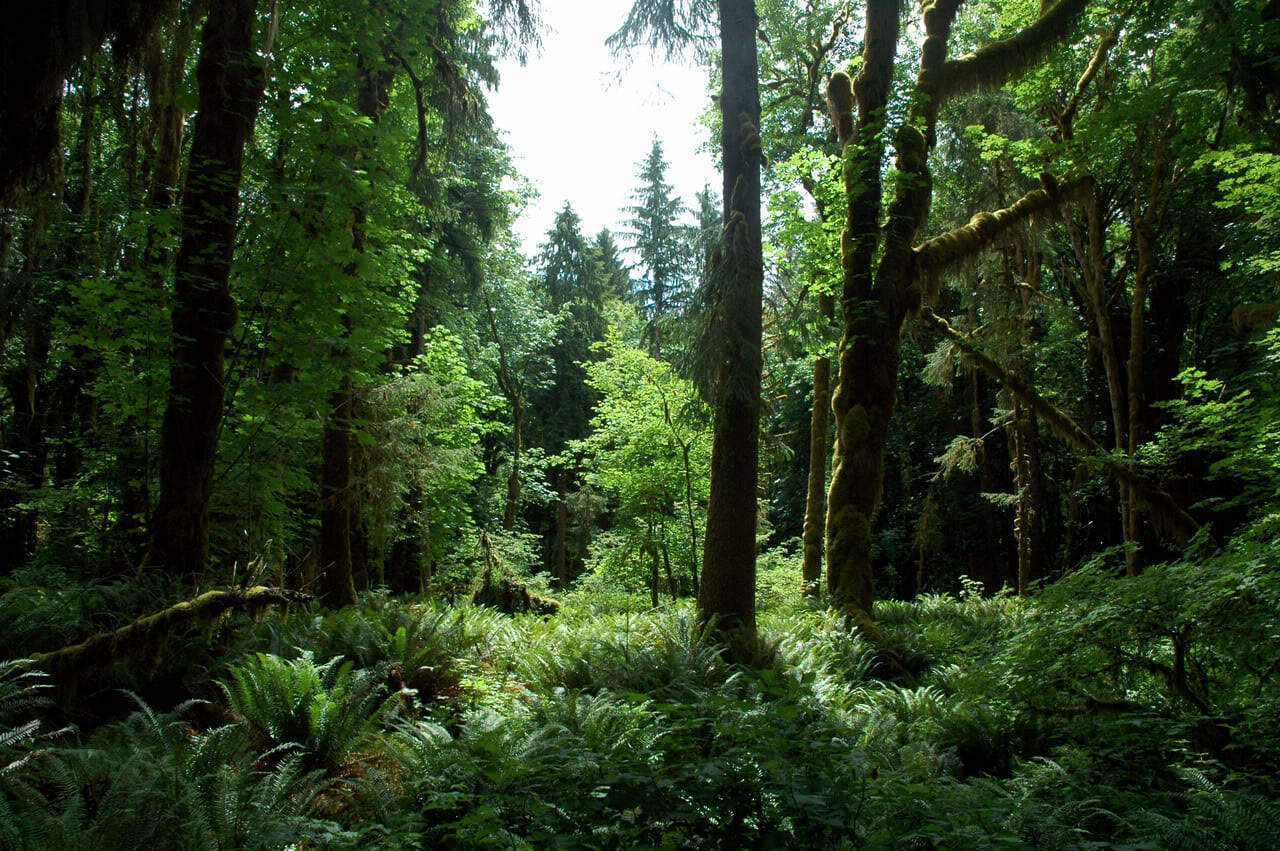
Olympic National Park is extraordinary, but it frustrates many first time visitors because it is really several parks spread across one large region. The coast, rain forest, and mountain areas are all rewarding, yet they are far enough apart that a short trip can become mostly driving with quick stops at each zone. Olympic works best when the itinerary focuses on one side of the park at a time, and it often disappoints only when travelers try to collect every ecosystem in a single tight weekend. Olympic shines on slower itineraries, and rushed trips usually feel scattered, shallow, and tiring.
Big Bend National Park
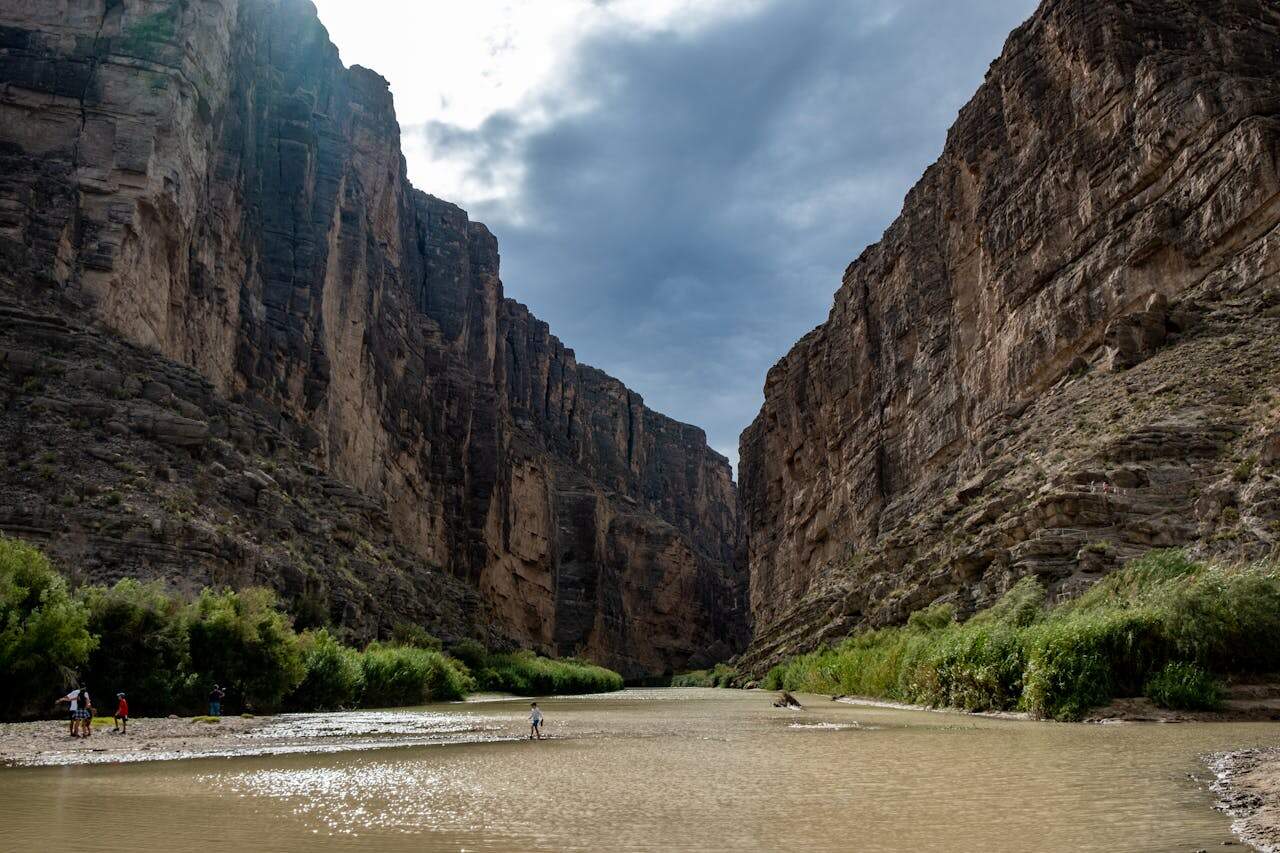
Big Bend National Park is one of the most memorable parks in the country, and one of the least forgiving for poor planning. The distances are long, services are limited, and the desert environment punishes casual timing, especially when fuel, water, and daylight are not managed carefully from the start. That remoteness is exactly what many people love about Big Bend, but it can feel exhausting to travelers who expect frequent stops, easy backups, and the kind of convenience found in parks closer to major cities. Big Bend rewards self sufficiency, and loose planning gets exposed in desert heat.
Isle Royale National Park
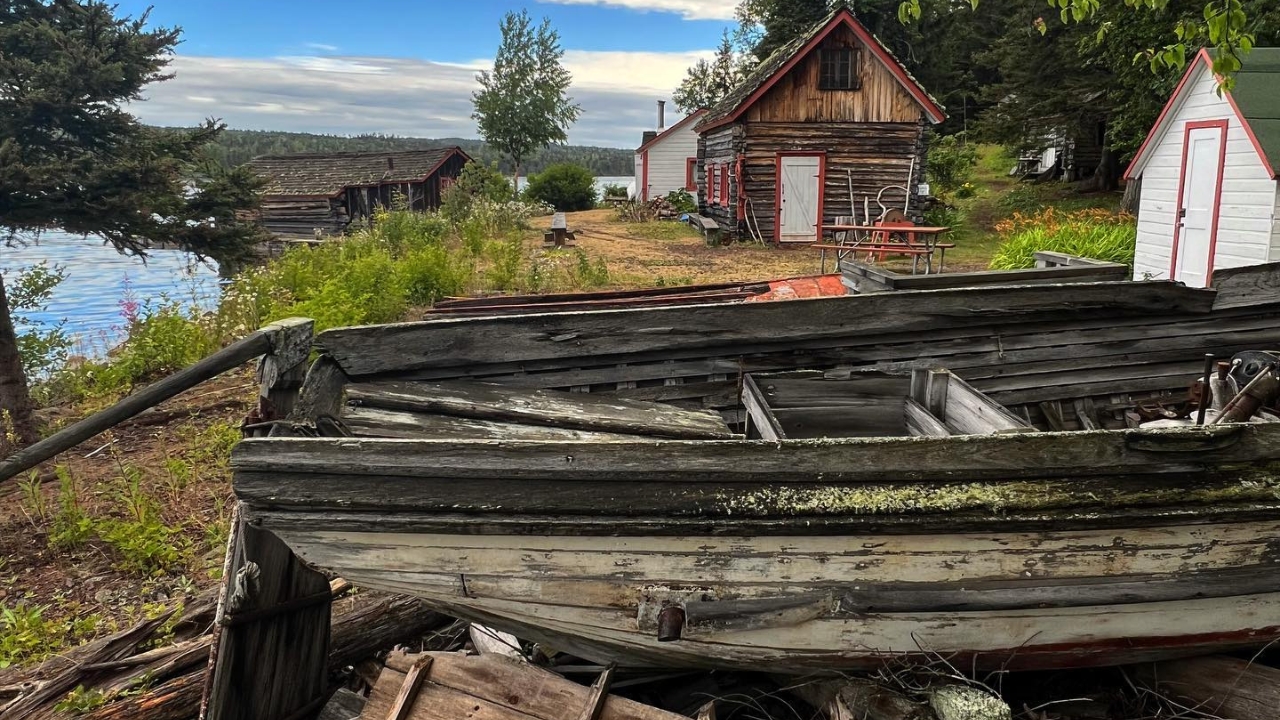
Isle Royale National Park is incredible for backpackers and paddlers, but it is a rough fit for most casual travelers. Simply getting there requires ferry or seaplane logistics, seasonal schedules, and advance planning, and rough weather can reshape access in ways that ripple through the entire trip. The isolation is the park’s greatest strength, yet it is also the reason many visitors should skip it, because a short timeline or low tolerance for uncertainty can turn the journey into stress before the trail even begins. Isle Royale is amazing, but access alone makes it a tough first park pick.
Dry Tortugas National Park
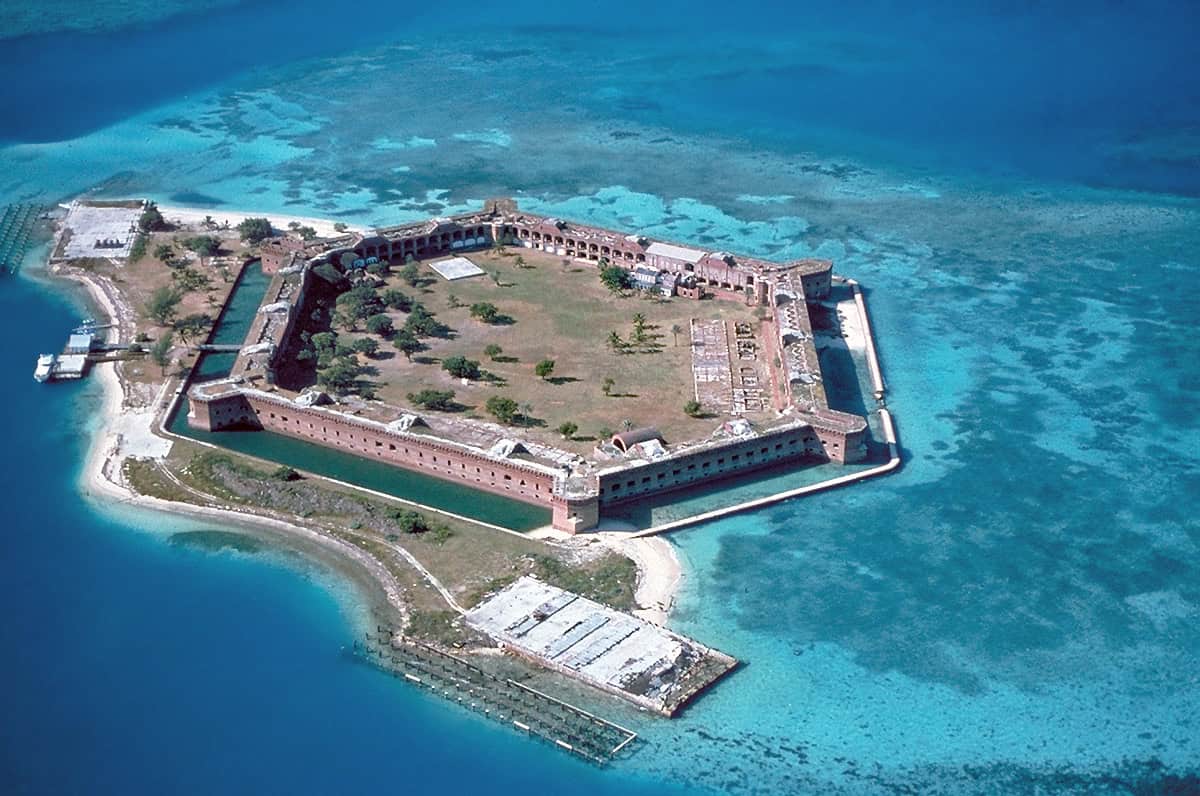
Dry Tortugas National Park looks effortless in photos, but the reality is a long, fixed trip shaped by weather, transport schedules, and cost. Reaching the park usually means a ferry or seaplane from Key West, and once there, the time window is limited, services are minimal, and flexibility drops to almost zero. The fort and water are spectacular, but many travelers leave feeling the logistics took over the day, which is why Dry Tortugas works best for people who enjoy planning around constraints. Dry Tortugas is stunning, but fixed transport windows limit spontaneity for most travelers there.