We may earn money or products from the companies mentioned in this post. This means if you click on the link and purchase the item, I will receive a small commission at no extra cost to you ... you're just helping re-supply our family's travel fund.
The most memorable villages rarely compete for attention. They win it quietly, through mountain light on old stone, harbor mornings that start without hurry, and streets where daily routines still shape the atmosphere. Beauty in these places is not a backdrop; it is a living pattern made of craft, weather, food, and community memory. Across continents, these villages show how small settlements can hold enormous emotional weight. Their scale invites slower travel, deeper noticing, and a more human sense of wonder that stays long after the return flight lands.
Hallstatt, Austria
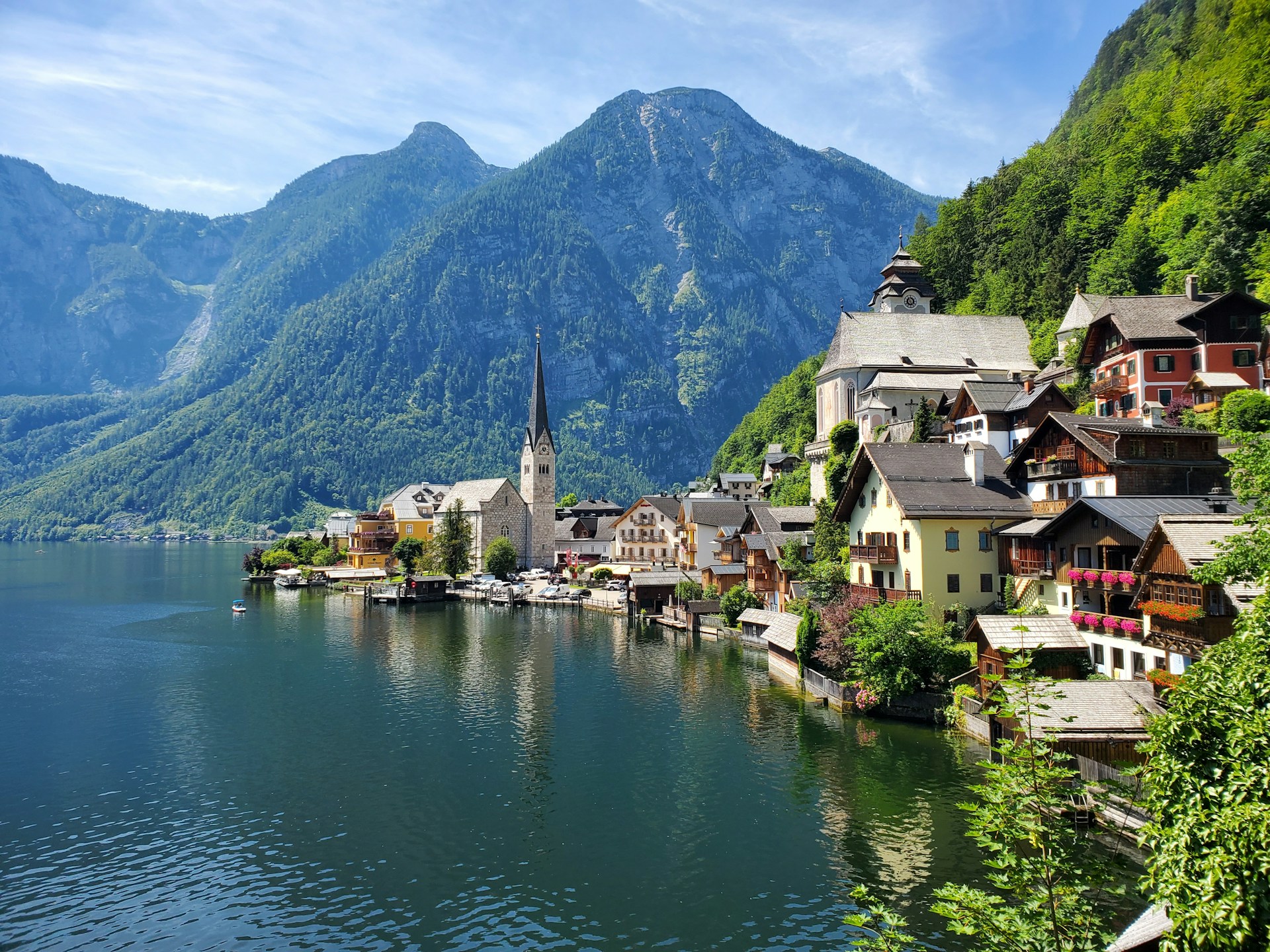
Hallstatt feels almost unreal at first sight, with pastel facades reflected in a still lake and steep Alpine walls rising directly behind the church tower. What keeps people engaged is not only the postcard angle, but the village’s lived rhythm: narrow lanes, boat wakes, bakery mornings, and evenings when the mountains dim from silver to blue. The surrounding cultural landscape carries centuries of salt-history depth, so the beauty never feels superficial. It is elegant, grounded, and surprisingly intimate once the day-tripper rush fades and the shoreline settles into quiet.
Shirakawa-go, Japan
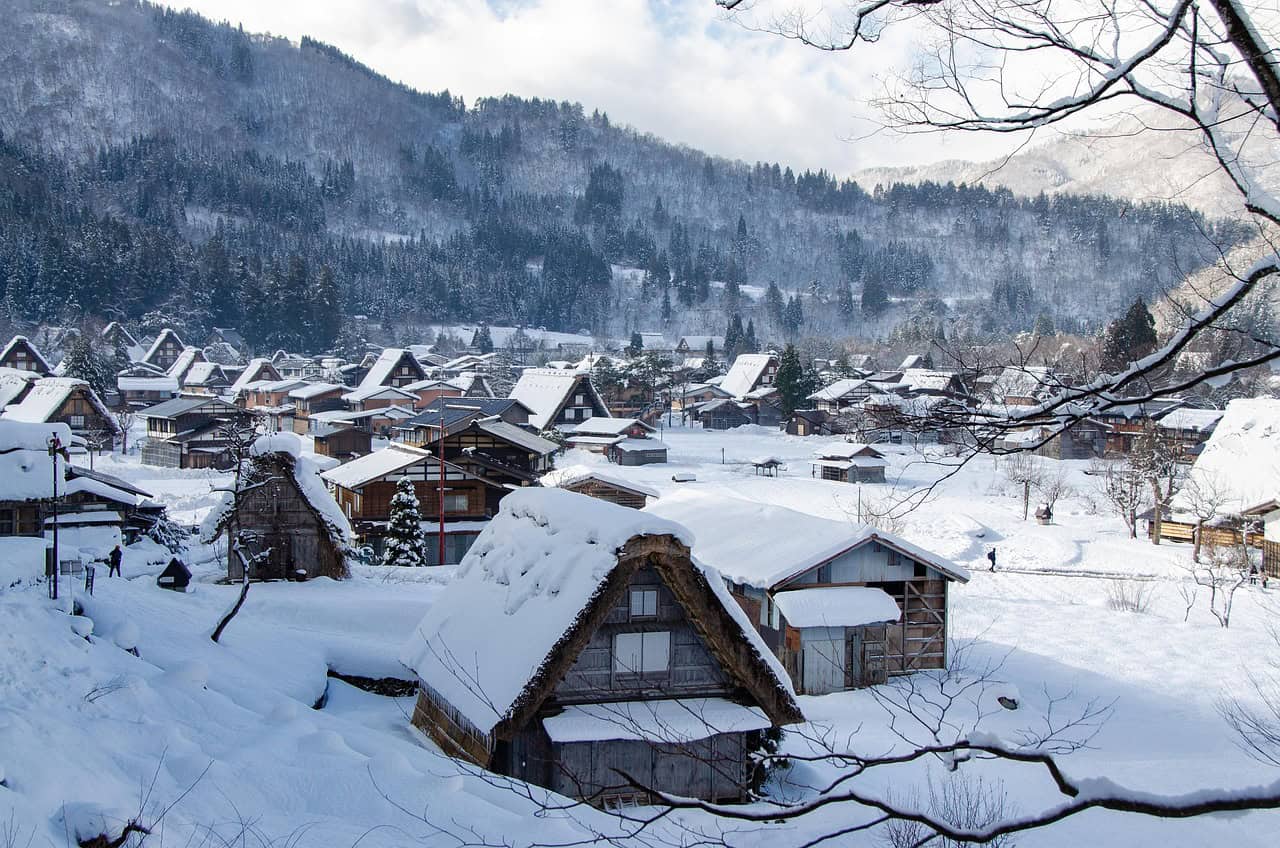
Shirakawa-go is a village where architecture reads like climate wisdom, with steep gassho-zukuri roofs built to handle heavy winter snow and preserve family life across harsh seasons. The houses are striking, but the emotional pull comes from the whole valley scene: smoke rising from hearths, fields patterned by handwork, and mountain weather shifting by the hour. In spring, water channels shine between fresh greens; in winter, snow reshapes every line into soft geometry. The place feels beautiful because function and form still belong to each other, without theatrical staging.
Oia, Greece
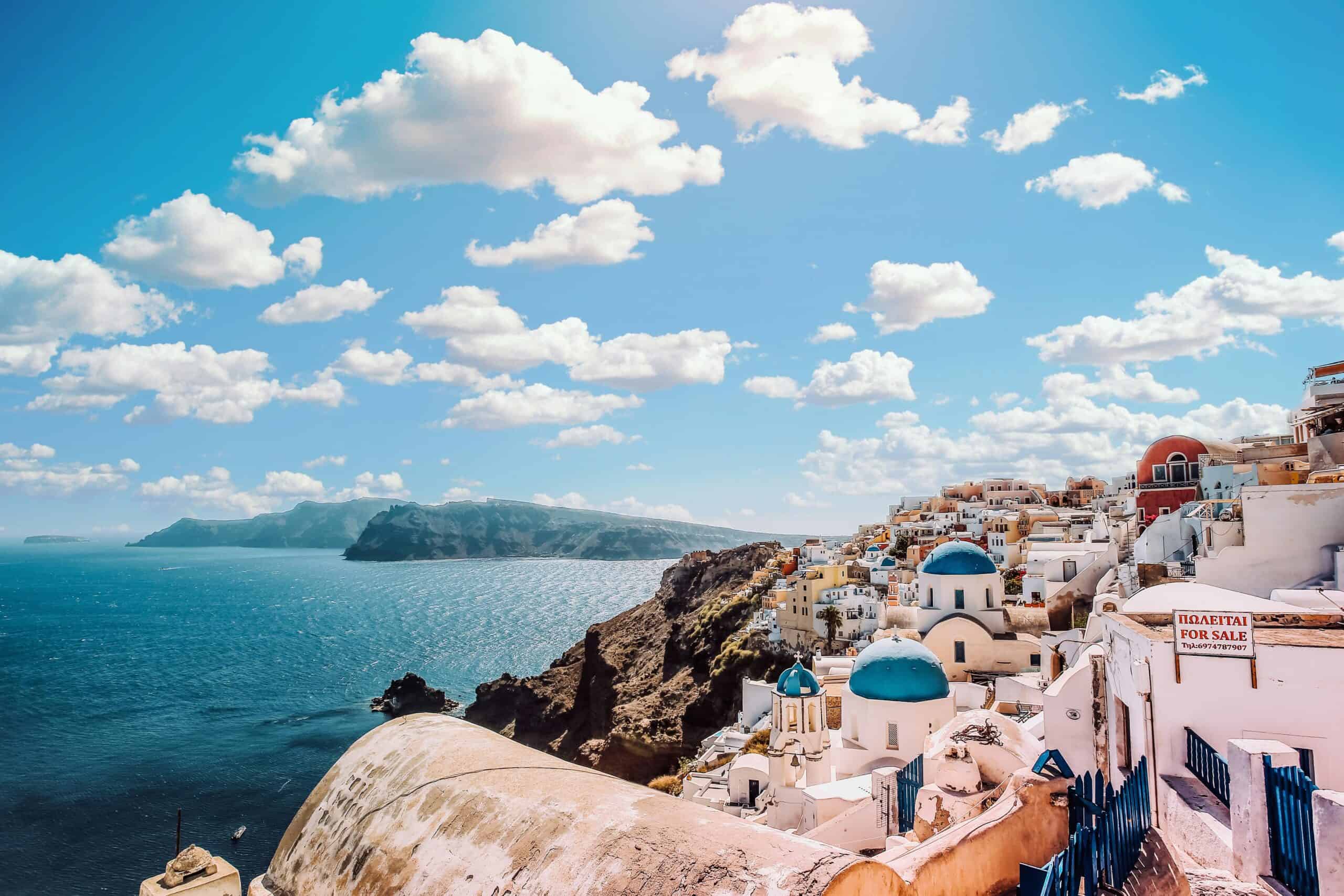
Oia’s cliffside houses, bright walls, and blue domes are instantly recognizable, yet the village’s deeper charm appears in quieter windows of the day. Early mornings reveal the settlement’s true texture: steps carved into volcanic slopes, small chapels tucked between homes, and the caldera stretching wide under pale light. By evening, terraces glow and sea wind cools the lanes, but Oia never feels one-note because geology is always present beneath the beauty. The village carries both delicacy and power, a place shaped by eruption, salt air, and patient daily life.
Reine, Norway
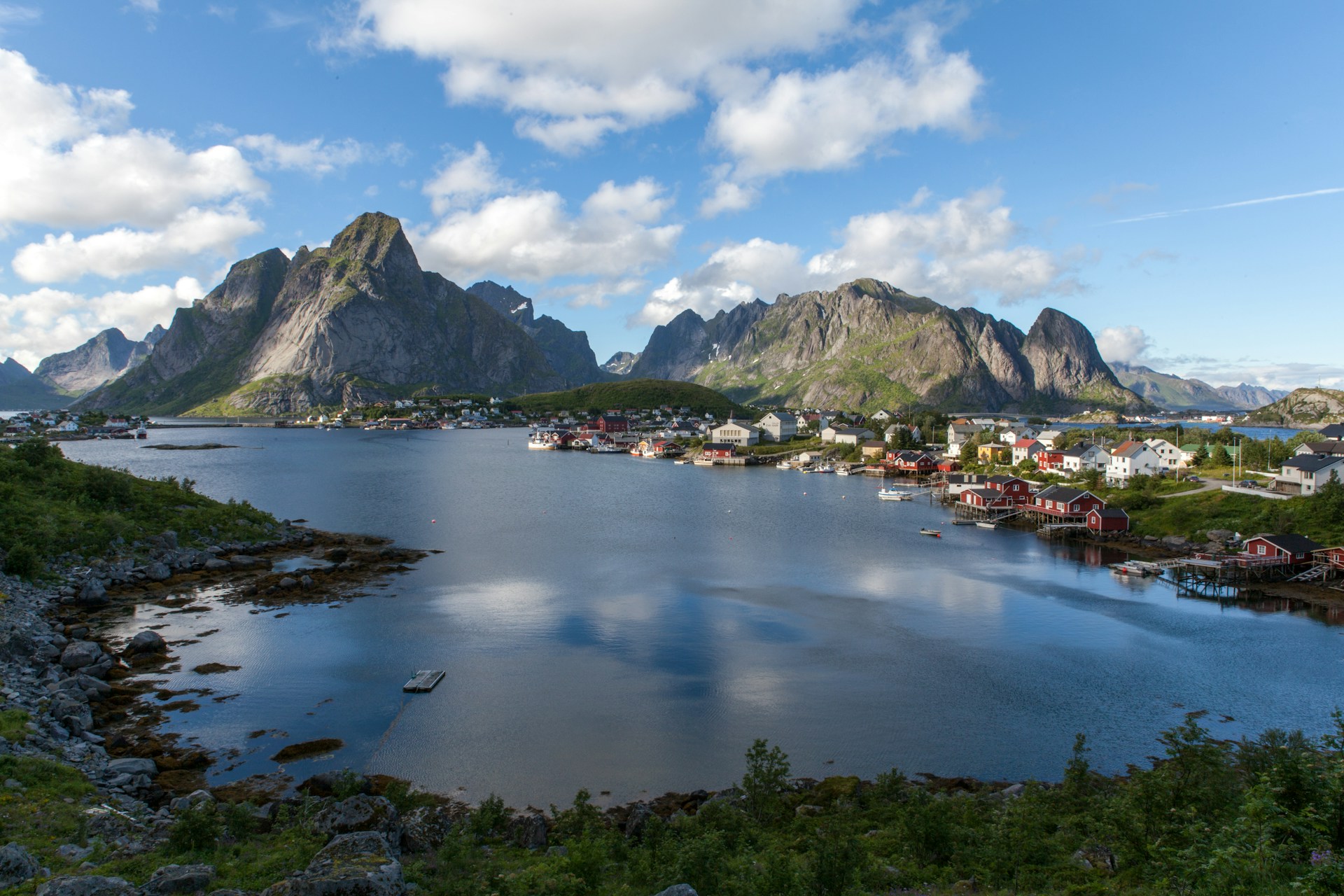
Reine proves that beauty can be severe and welcoming at the same time, with red fishing cabins, dark fjord water, and jagged peaks pressing close around the harbor. Nothing here looks overdesigned. The visual drama comes from working life, weather, and Arctic light that can change a scene in minutes. Even gray days feel luminous when clouds open and reflections sharpen across the bay. In winter, snow and low sun turn the village into a study in contrast; in summer, long daylight stretches each quiet hour. Reine stays memorable because every element feels honest.
Giethoorn, Netherlands
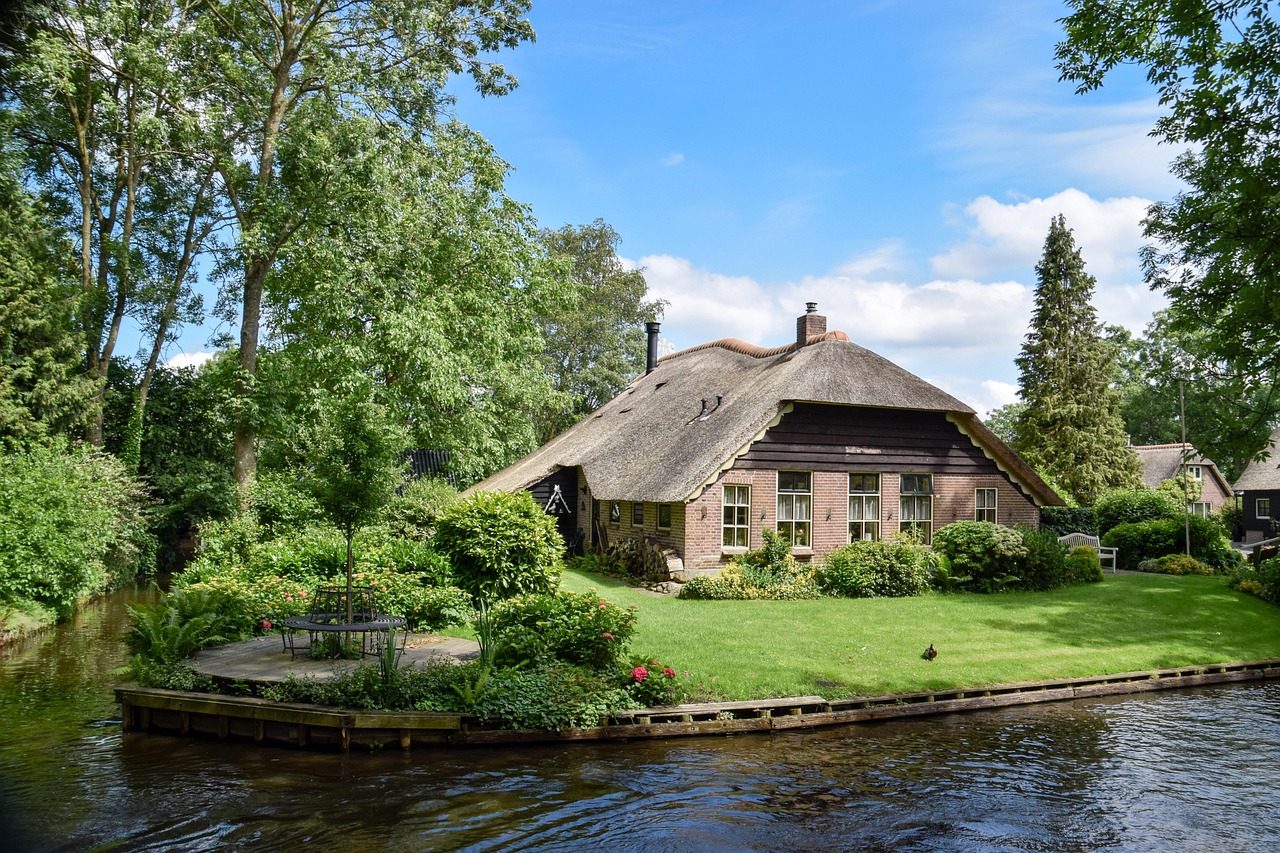
Giethoorn moves at water speed, and that pace defines its beauty more than any single landmark. In the older part of the village, canals replace roads, so movement happens by footbridge and small boat, with thatched roofs, gardens, and willow edges guiding the eye. The atmosphere is calm but not static; it is a working settlement where daily routines still follow practical routes shaped by water. Sound changes too, less engine noise, more ripples and voices. The result is a rare sense of softness, where infrastructure itself encourages patience and attention.
Bibury, England
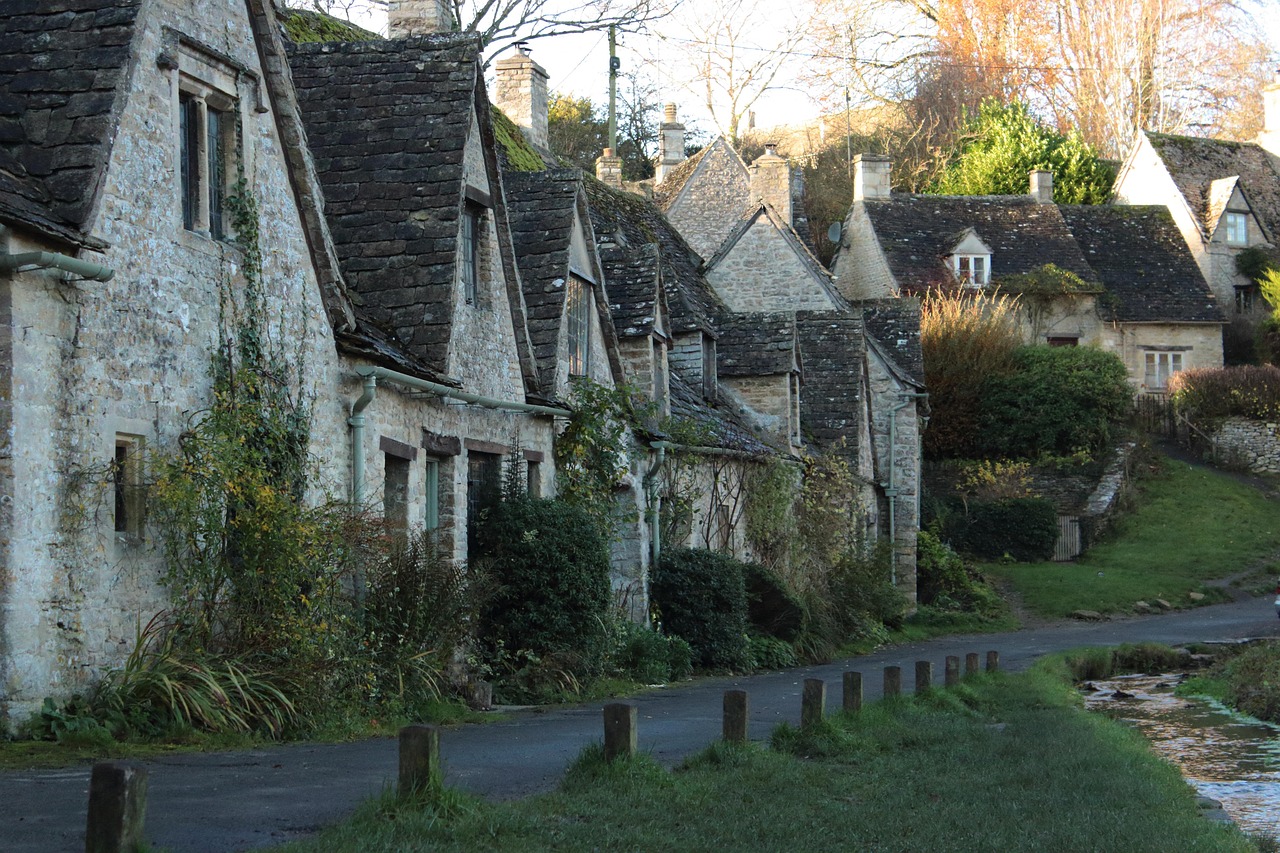
Bibury is often photographed for Arlington Row, yet the village’s strongest quality is its consistency: honey-colored stone, low bridges, river meadows, and lanes that feel proportioned for walking rather than spectacle. The beauty holds because details stay coherent, from rooflines and chimneys to hedges and footpaths along the water. Morning mist and late sun bring out the limestone warmth, making even simple views feel carefully composed without looking curated. Bibury leaves a lasting impression through restraint, proving that visual harmony can be more powerful than grand scale.
Eguisheim, France
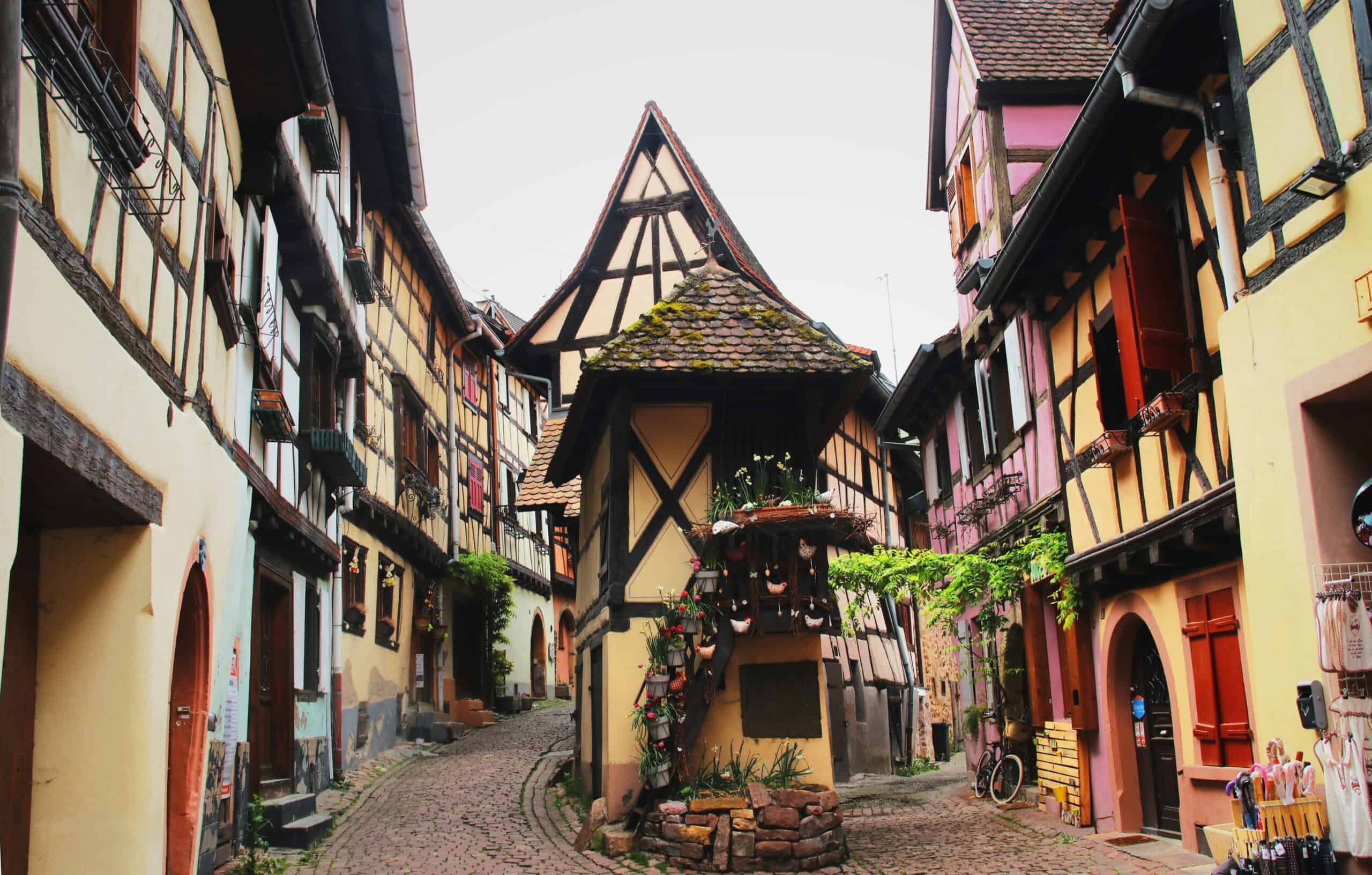
Eguisheim feels both joyful and precise, with circular streets around a medieval core, timber-framed homes painted in rich tones, and flower boxes that soften every corner. The village’s design invites wandering; each bend opens to another framed view of shutters, stone, and vineyard-backed light. Beauty here is not accidental. It comes from centuries of maintenance, regional building traditions, and a wine culture that keeps the center active and social. Even in busier months, Eguisheim remains grounded, because local life still leads the mood rather than tourism performance.
Manarola, Italy
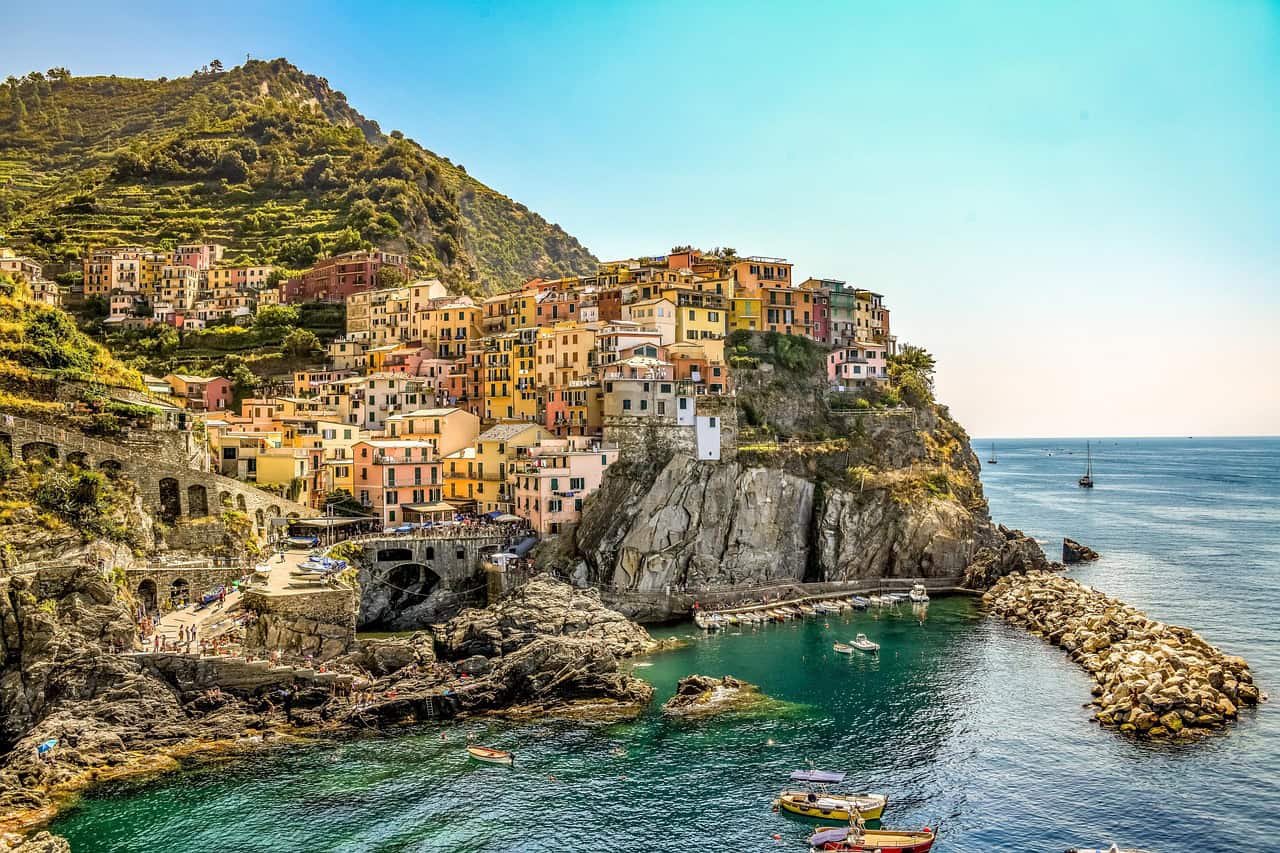
Manarola rises above the Ligurian Sea in stacked color and stone, but the village’s real magnetism is how tightly it fits its terrain. Terraced hillsides, narrow lanes, and a compact harbor show a settlement shaped by necessity, not convenience, and that creates visual depth at every step. During golden hour, facades glow and the cove catches changing bands of light, while night brings a quieter mood of boats, footsteps, and sea air. Manarola feels beautiful from afar, yet its strongest moments happen close, in textures, gradients, and everyday rhythm.
Chefchaouen, Morocco
Fahad Al Rabbani Jillani/Unsplash
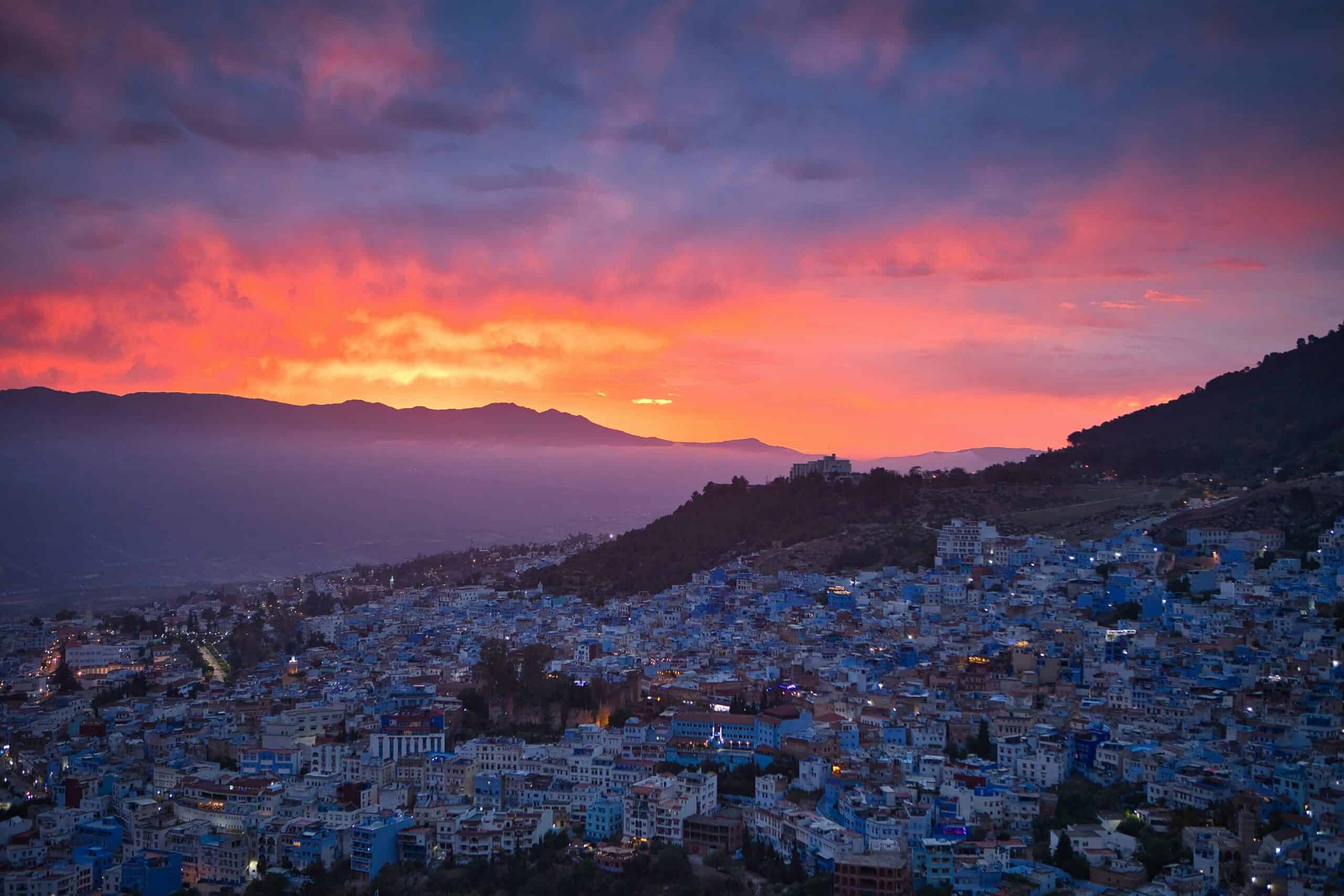
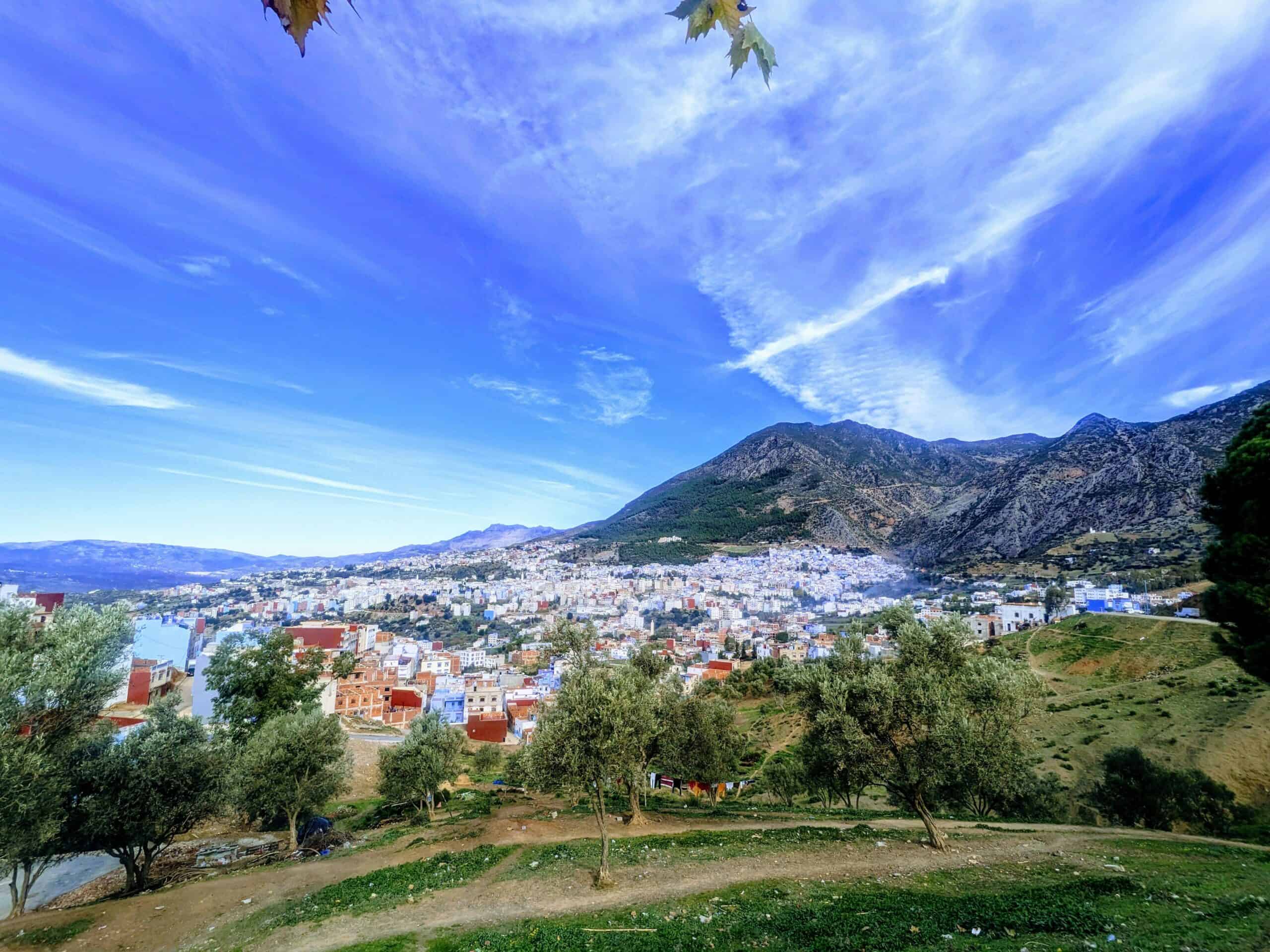
Chefchaouen is known for blue walls, but color alone does not explain its hold. The village sits in the Rif Mountains, where compact streets, stairways, and shaded squares create a calm, walkable fabric that supports real neighborhood life. As sunlight shifts, the blue palette moves from soft to saturated, revealing texture in plaster, doors, and stone. Markets, tea houses, and workshop corners keep the atmosphere grounded, so the setting feels lived in rather than staged. Chefchaouen’s beauty comes from the blend of mountain context, human scale, and steady daily pace.
Valldemossa, Spain
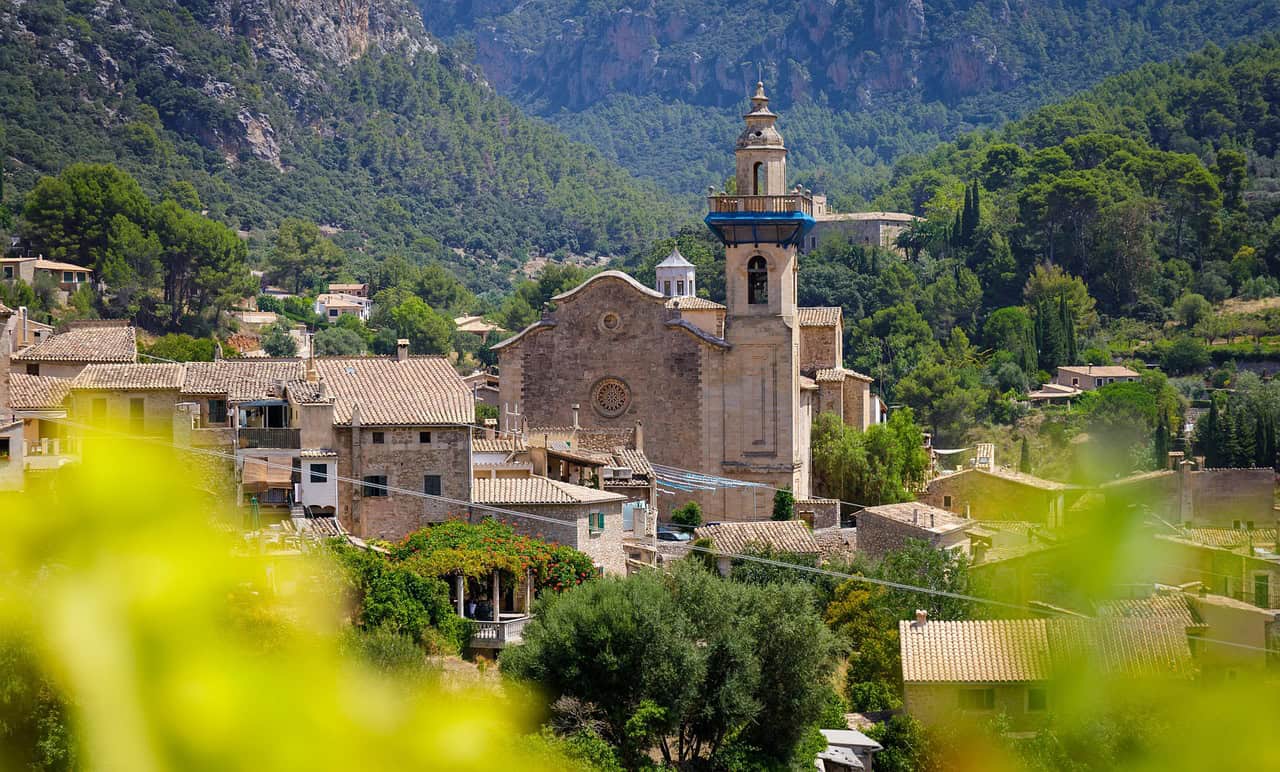
Valldemossa combines mountain crispness with village warmth, set among Mallorca’s Tramuntana slopes where stone facades, shutters, and terraces form a coherent visual language. The streets are narrow and shaded, opening into small plazas that feel social without feeling crowded, while the surrounding hills frame every walk with a sense of structure and calm. Beauty here is cumulative, found in paving, doorways, potted plants, and the way afternoon light settles on old walls. Valldemossa feels refined but not distant, and that balance makes it easy to remember.
Gásadalur, Faroe Islands
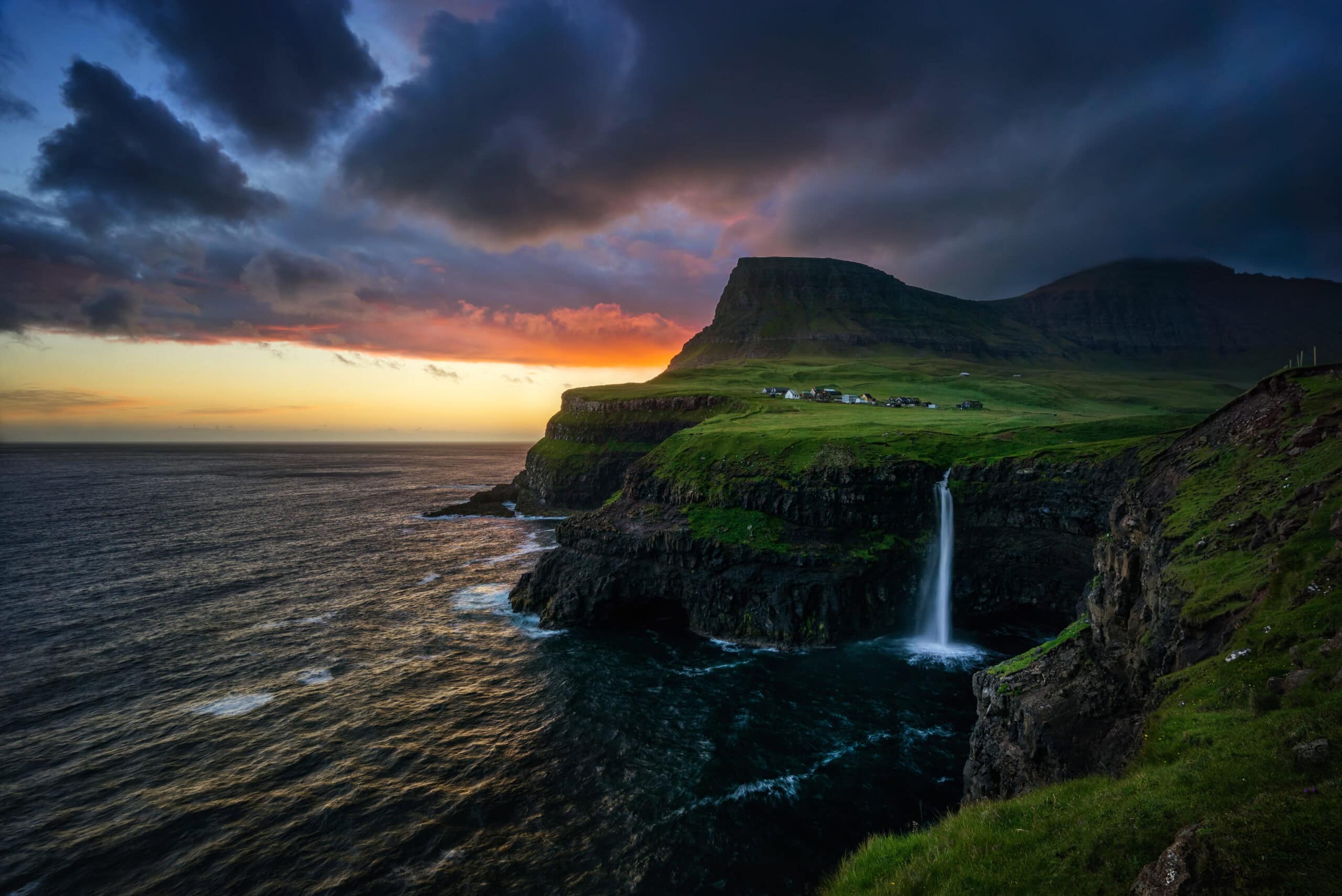
Gásadalur is tiny, but its setting feels immense, with grass-roofed homes above cliffs and a waterfall dropping toward the North Atlantic. The village’s beauty rests on contrast: small human scale against weather, wind, and open ocean. Conditions change fast, fog lifting, rain passing, sunlight breaking through, and each shift redraws the same view with new depth. Nothing feels ornamental, because survival and landscape have always been linked here. Gásadalur stays in memory as a place where simplicity looks strong, and remoteness feels deeply alive rather than empty.
Zhouzhuang, China
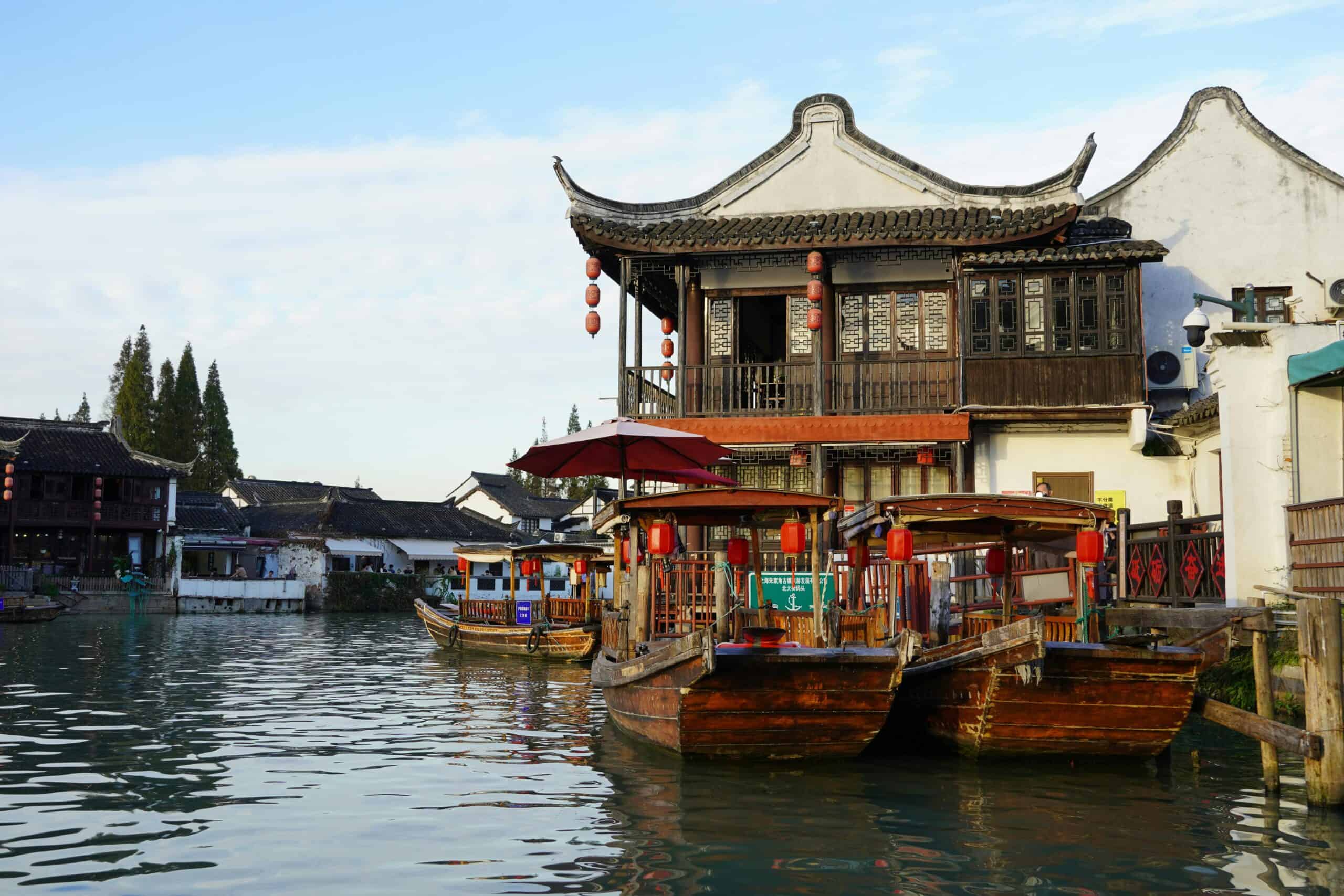
Zhouzhuang’s beauty unfolds in layers of water and stone, with arched bridges, narrow canals, and white-walled houses that mirror softly on calm surfaces. The village remains compelling because circulation still follows historic logic: lanes, courtyards, and boat routes interlock in a pattern built for water-first living. Dawn often reveals its best mood, when shutters open, reflections stay glassy, and movement starts gradually with market rhythm. Even when visitor traffic rises later, the structural coherence of the place holds. Zhouzhuang feels graceful because utility and elegance were never separate.
Bled, Slovenia
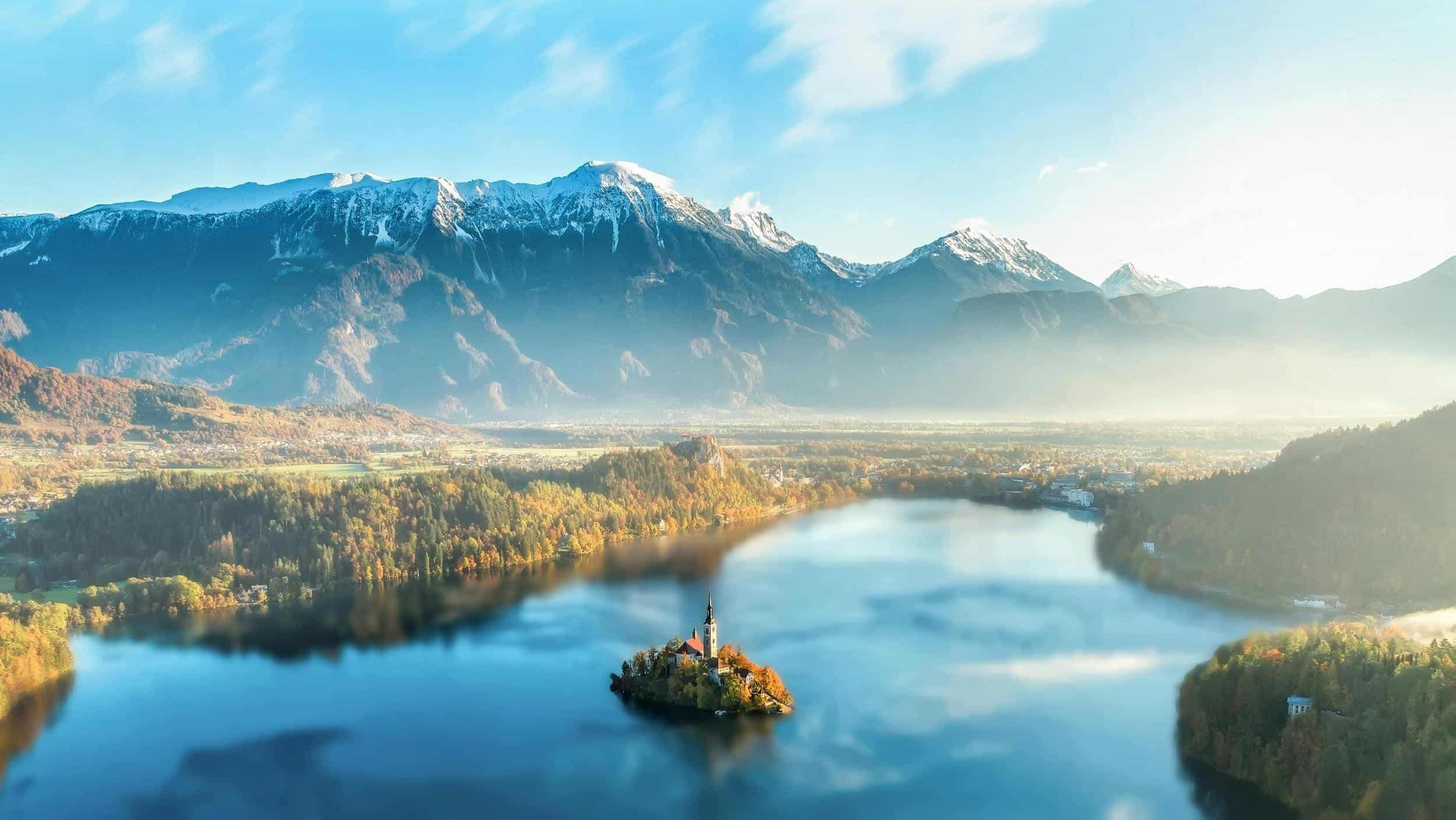
Bled pairs village intimacy with dramatic setting, where lakeside paths, church towers, and wooded slopes sit beneath a castle that watches the basin from above. The scene is famous, yet the emotional pull comes from balance rather than spectacle. Built form and landscape speak the same language, calm water, measured scale, and clear sightlines that keep the village feeling open. In cooler months, mist softens edges and quiets the shoreline; in summer, long evenings carry the same steady charm. Bled feels restorative because everything appears connected, not competing.
Adare, Ireland
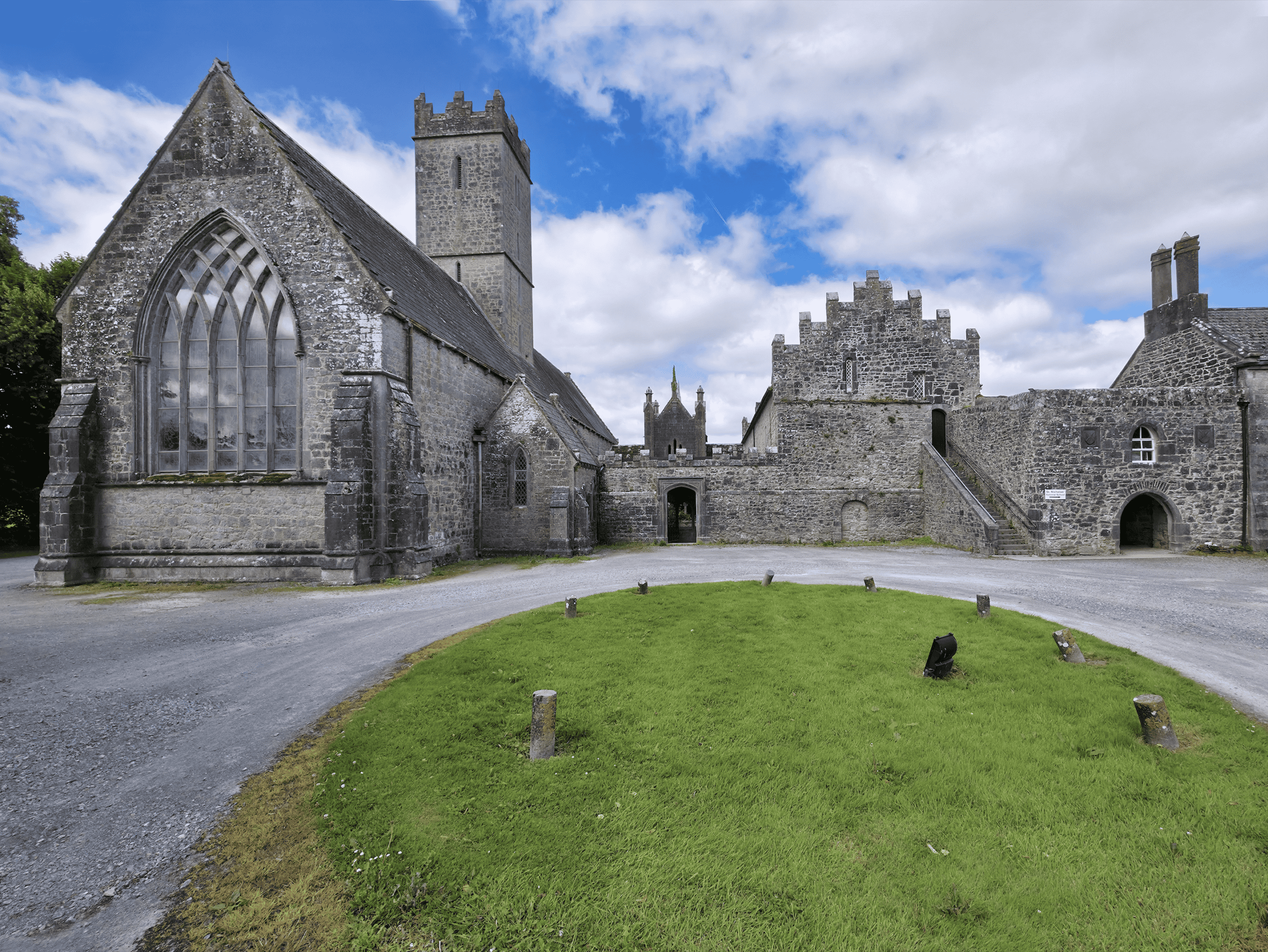
Adare’s charm lands quickly, with thatched cottages, stone churches, mature trees, and a main street that feels coherent from one end to the other. The village looks cared for, but never frozen; shops, cafés, and local routines keep energy in the center throughout the day. Its beauty is made of proportion and texture, roof pitch, garden borders, old masonry, and soft Irish light that flatters every facade without forcing drama. Adare stands out by being complete at small scale, where design continuity and daily usefulness still work together naturally.
Piodão, Portugal
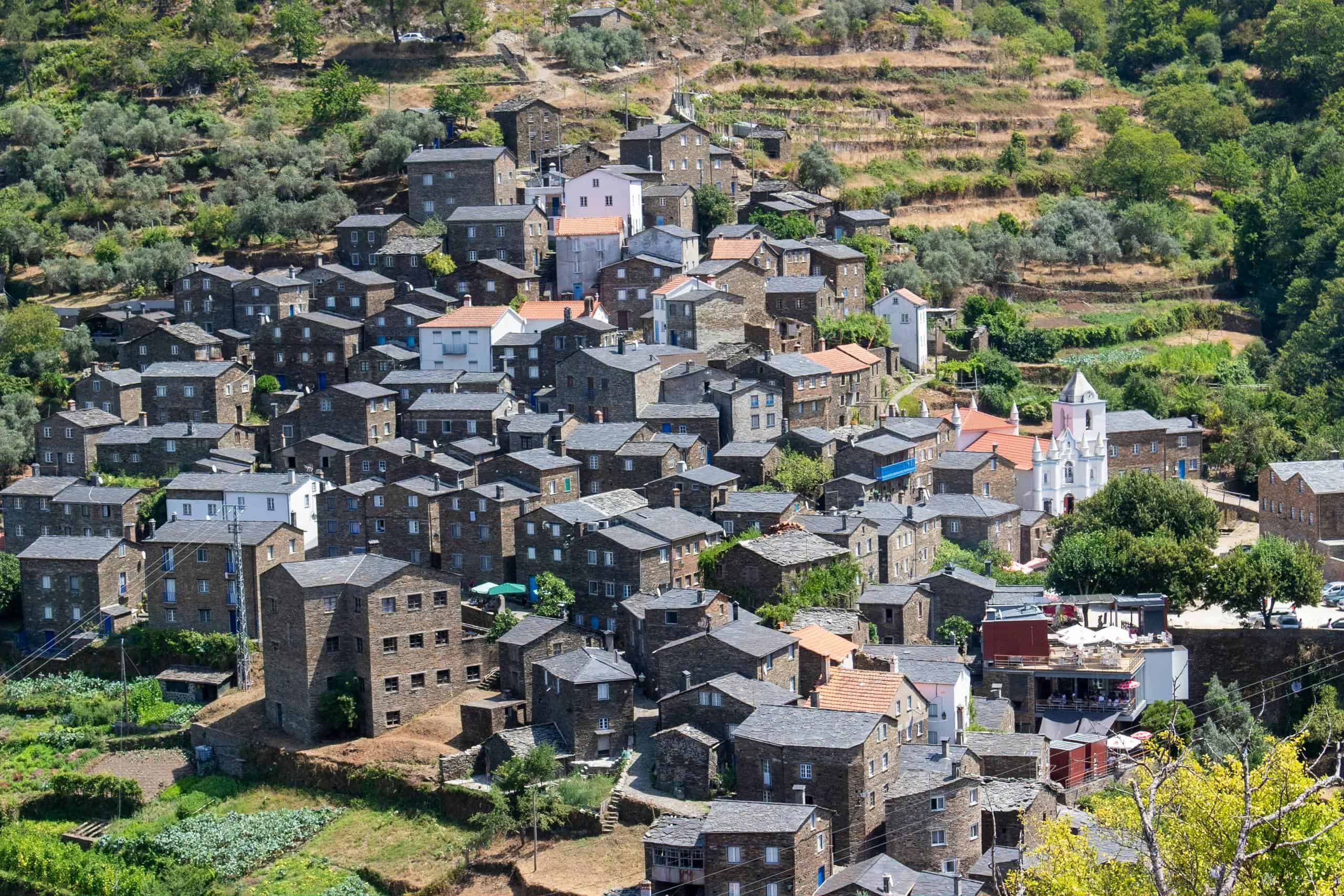
Piodão clings to a steep mountain slope in central Portugal, and its dark schist houses with blue-trimmed windows create a visual identity that feels both rugged and precise. Streets narrow into stairways, viewpoints stack one above another, and the village changes character as light moves across the stone. Nothing about it feels generic, because architecture and terrain are tightly matched, shaped by altitude, climate, and local materials. Piodão’s beauty is earned through adaptation, and that authenticity gives it emotional weight long after the visit ends.