We may earn money or products from the companies mentioned in this post. This means if you click on the link and purchase the item, I will receive a small commission at no extra cost to you ... you're just helping re-supply our family's travel fund.
Flying within the United States has slowly become a test of patience, posture, and pain tolerance. As airlines chase higher profits, passenger comfort has often been the first thing sacrificed. Seats have shrunk, legroom has tightened, and once-basic amenities now come with extra fees. While all airlines have drawbacks, some stand out for consistently leaving travelers sore, frustrated, and vowing never to book again. These ten U.S. airlines are repeatedly criticized for cramped cabins, rigid seating, and policies that amplify discomfort, especially on longer routes where comfort matters most.
1. Spirit Airlines
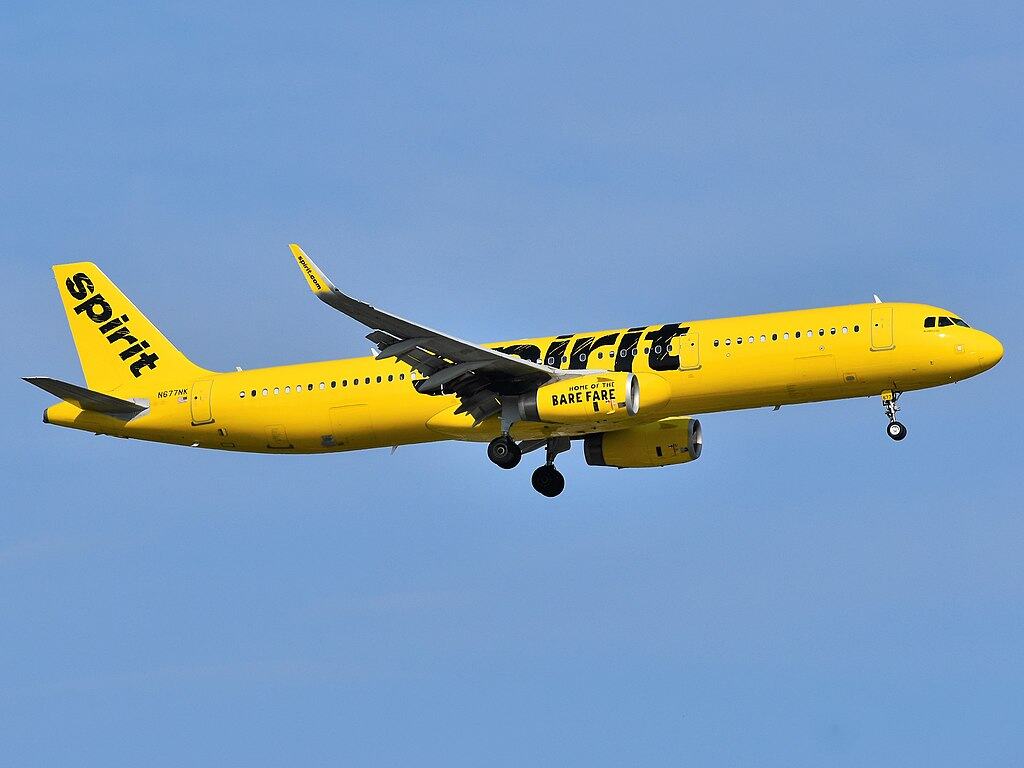
Spirit Airlines is often cited as the benchmark for discomfort in U.S. aviation. Standard seat pitch averages 28 inches, among the tightest in the country, compared to the industry average of 30–31 inches. Seats feature minimal padding, upright angles, and limited recline. On a three-hour flight, this rigid setup becomes exhausting. Spirit also charges for nearly everything, including carry-ons, seat selection, and water. In 2023, Spirit ranked near the bottom in customer satisfaction surveys, with discomfort listed as a top complaint. Low base fares may save 20–40%, but many passengers regret the physical trade-off.
2. Frontier Airlines
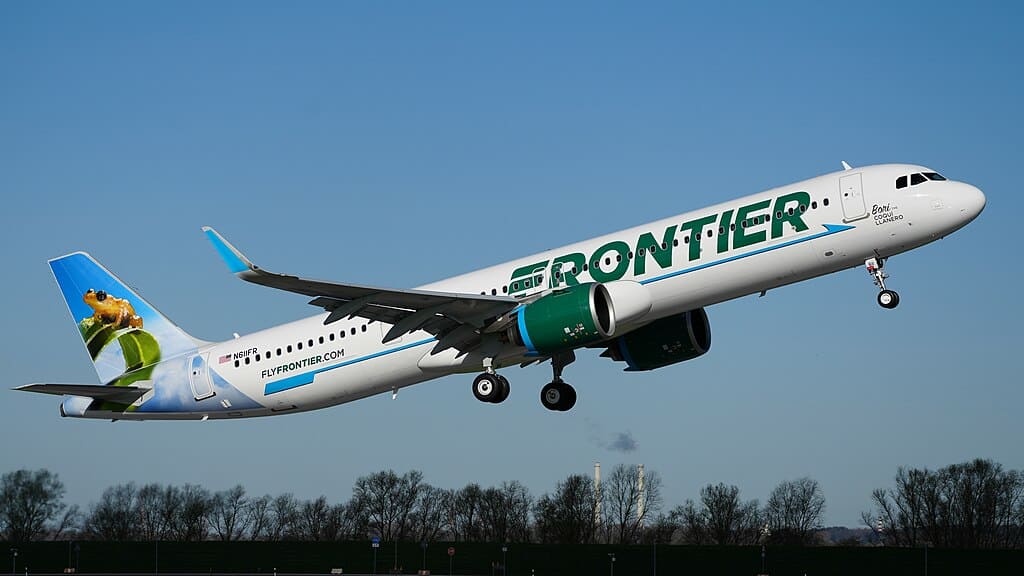
Frontier Airlines prioritizes aircraft density, resulting in seats that average 28–29 inches of pitch with ultra-thin cushioning. The lightweight “pre-reclined” design may reduce fuel costs, but it offers little spinal support during flights over two hours. Passengers frequently report knee pressure and numbness. Frontier also operates one of the strictest baggage policies, with personal item sizing enforced to the inch. In 2024, Frontier ranked among the top three U.S. airlines for passenger complaints per 100,000 travelers. While fares can be 30% cheaper than competitors, the physical discomfort is a consistent downside.
3. Allegiant Air
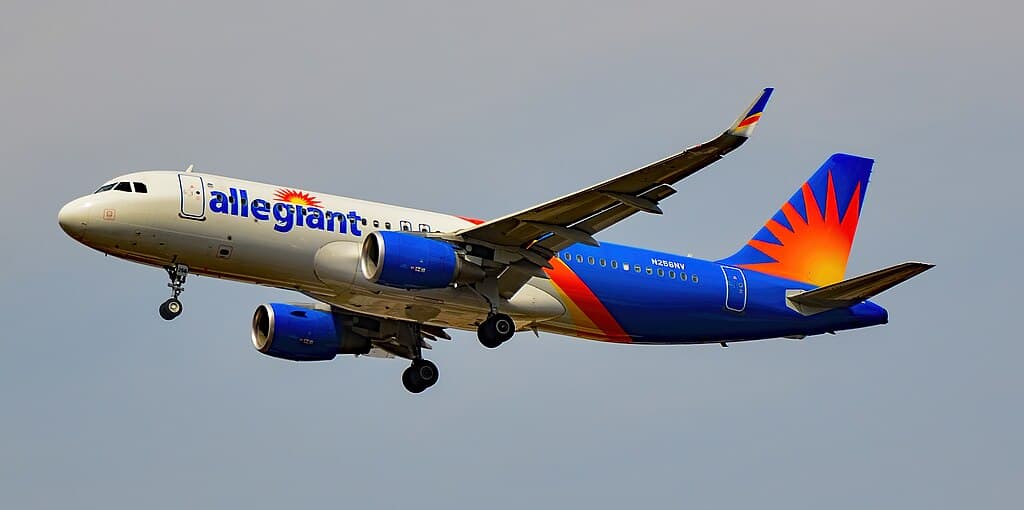
Allegiant Air primarily serves leisure travelers on longer nonstop routes, which makes its discomfort more noticeable. Seat pitch averages 29 inches, and cushioning is thin, especially on older aircraft. Unlike competitors, Allegiant lacks seatback entertainment entirely, forcing passengers to rely on personal devices. Flights often exceed 2.5 hours, amplifying the impact of limited legroom. Allegiant also charges for nearly all extras, including water and overhead bags. According to U.S. DOT data, Allegiant consistently ranks high in complaint ratios. The airline’s low fares may appeal initially, but extended cabin discomfort often overshadows savings.
4. United Airlines (Basic Economy)
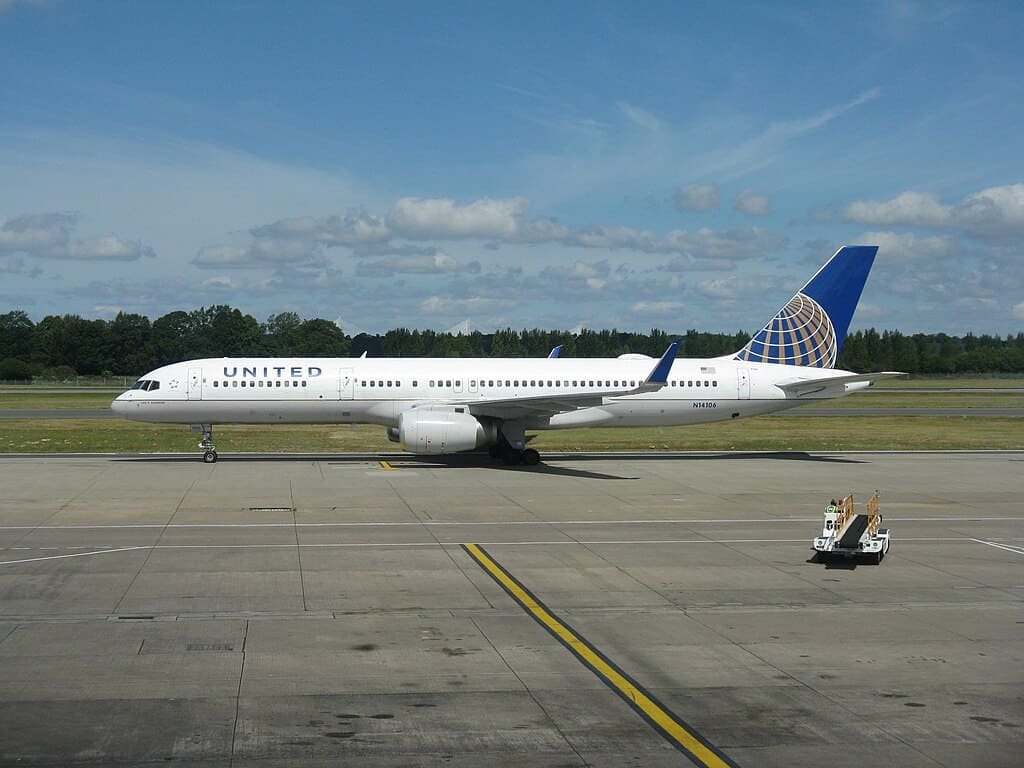
United’s Basic Economy product strips comfort despite operating on full-service aircraft. Seat pitch remains around 30 inches, but passengers lose seat selection, overhead bin access, and flexibility. Many are assigned middle seats, widely considered the least comfortable position. On long-haul domestic routes exceeding 4 hours, this becomes especially frustrating. Basic Economy passengers also board last, increasing stress and overhead bin scarcity. United received over 20,000 consumer complaints in recent years across categories. While the airline’s premium cabins are well-rated, its lowest fare class is frequently described as restrictive and physically uncomfortable.
5. American Airlines
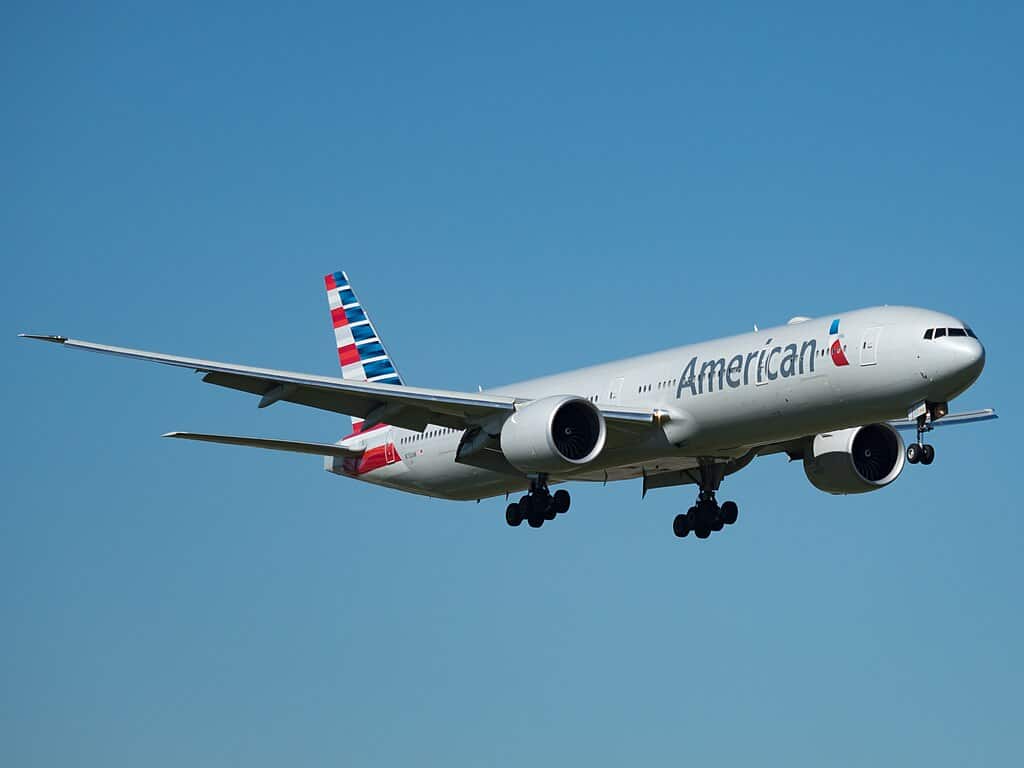
American Airlines has aggressively densified its cabins, reducing average seat pitch on many aircraft to 30 inches, with some configurations closer to 29. Seats feel firm, and recline is limited. On narrow-body jets like the A321, shoulder space is notably tight. American also leads major U.S. carriers in total passenger complaints, exceeding 25,000 filings in recent reporting periods. Long delays, combined with uncomfortable seating, worsen the experience. While fares are competitive, travelers often cite post-flight stiffness and fatigue. Comfort varies by aircraft, but inconsistency remains a major criticism.
6. JetBlue (Core Experience Decline)
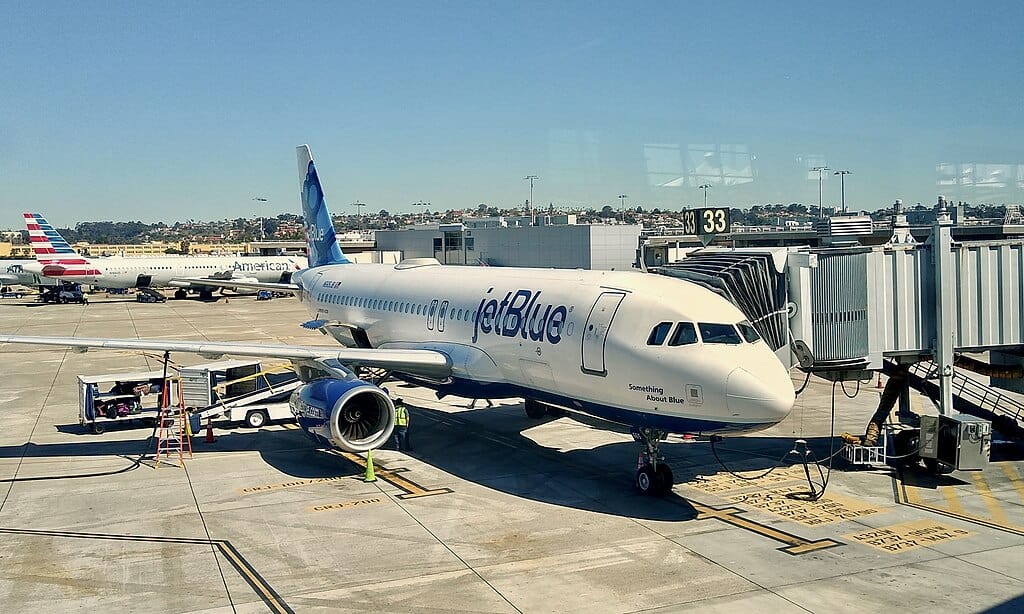
JetBlue built its reputation on comfort, but recent cabin densification has changed that perception. While seat pitch still averages 32 inches, padding has thinned, and legroom feels reduced due to redesigned seat frames. Flights are often fully booked, increasing crowding. JetBlue’s delay rate exceeded 30% in some recent quarters, forcing passengers to remain seated longer. Although free Wi-Fi remains a perk, physical comfort has declined compared to earlier years. Many loyal customers now report that JetBlue’s economy experience feels closer to legacy airlines, without the comfort advantage it once advertised.
7. Southwest Airlines
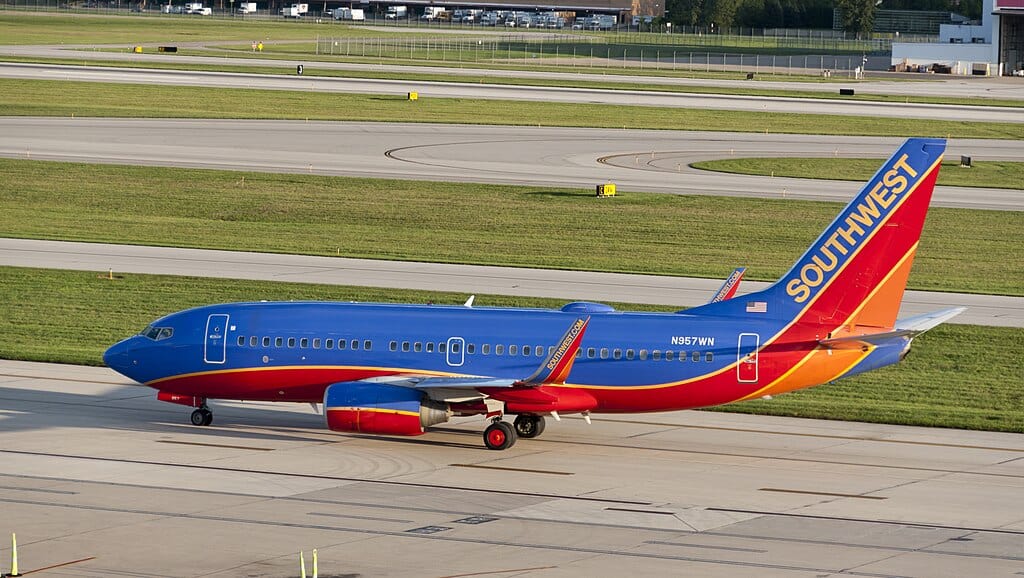
Southwest Airlines offers a standard seat pitch of 31 inches, but discomfort comes from other factors. Open seating often forces late boarders into middle seats, which account for roughly 33% of cabin positions. Seats are wide but firm, with limited lumbar support. On flights longer than three hours, this rigidity becomes noticeable. Southwest also lacks seatback entertainment, relying entirely on personal devices. Despite strong customer service ratings, physical comfort is frequently criticized in surveys. The airline’s high load factors, often above 85%, mean crowded cabins are the norm rather than the exception.
8. Delta Air Lines (Basic Economy)
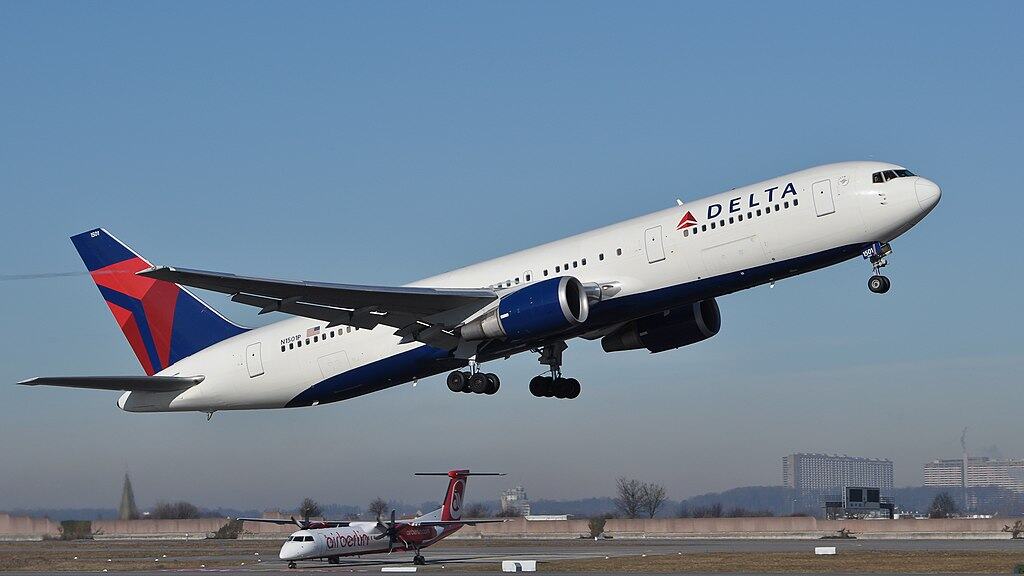
Delta’s Basic Economy offering removes many comfort safeguards despite similar seat pitch to standard economy at 30–31 inches. Passengers cannot choose seats, are often assigned middle positions, and board last. On transcontinental flights exceeding 5 hours, this setup significantly impacts comfort. Delta’s seats are firm, and recline is limited in Basic Economy rows. While Delta ranks high overall for service, its lowest fare class generates disproportionate complaints. In customer surveys, Basic Economy passengers report up to 40% higher dissatisfaction compared to standard economy travelers on the same aircraft.
9. Breeze Airways
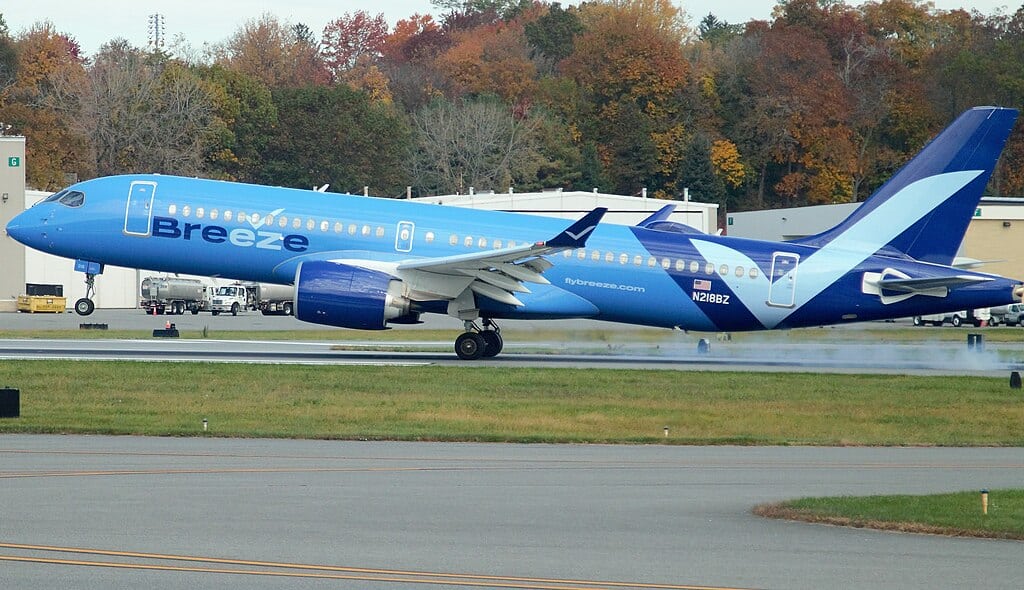
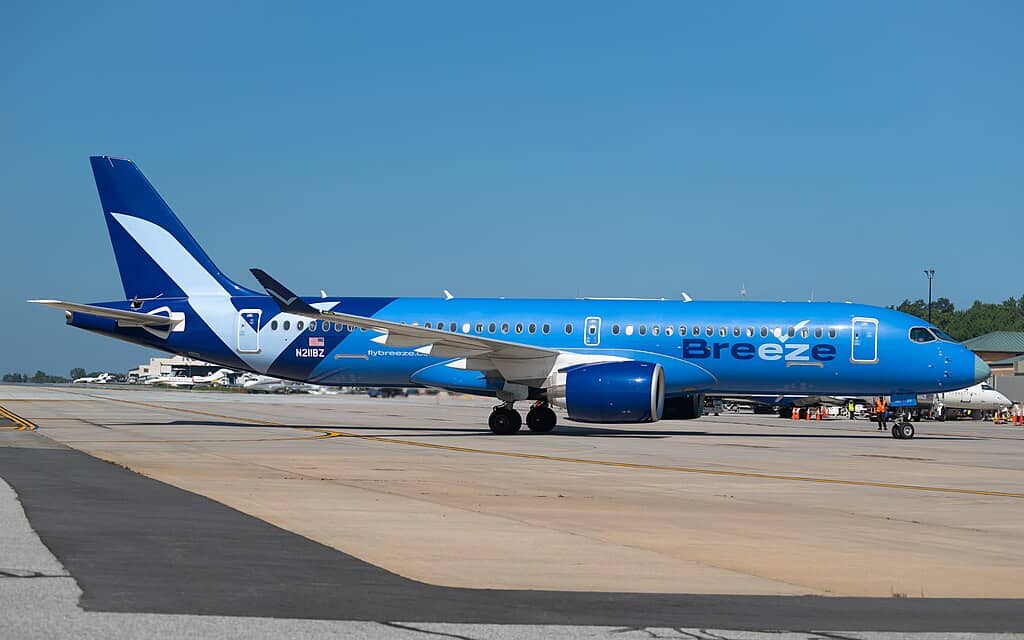
As a newer airline, Breeze Airways operates a mixed fleet that includes older aircraft with tighter configurations. Standard seat pitch averages 29–30 inches, and padding varies widely by plane. Many routes exceed 3 hours, making inconsistencies more noticeable. Breeze charges for seat upgrades, carry-ons, and even customer support options. In its early operational years, Breeze recorded a complaint rate higher than the industry average per 100,000 passengers. While its routes are convenient, the uneven comfort experience and limited onboard amenities often surprise first-time flyers expecting a modern product.
10. Sun Country Airlines
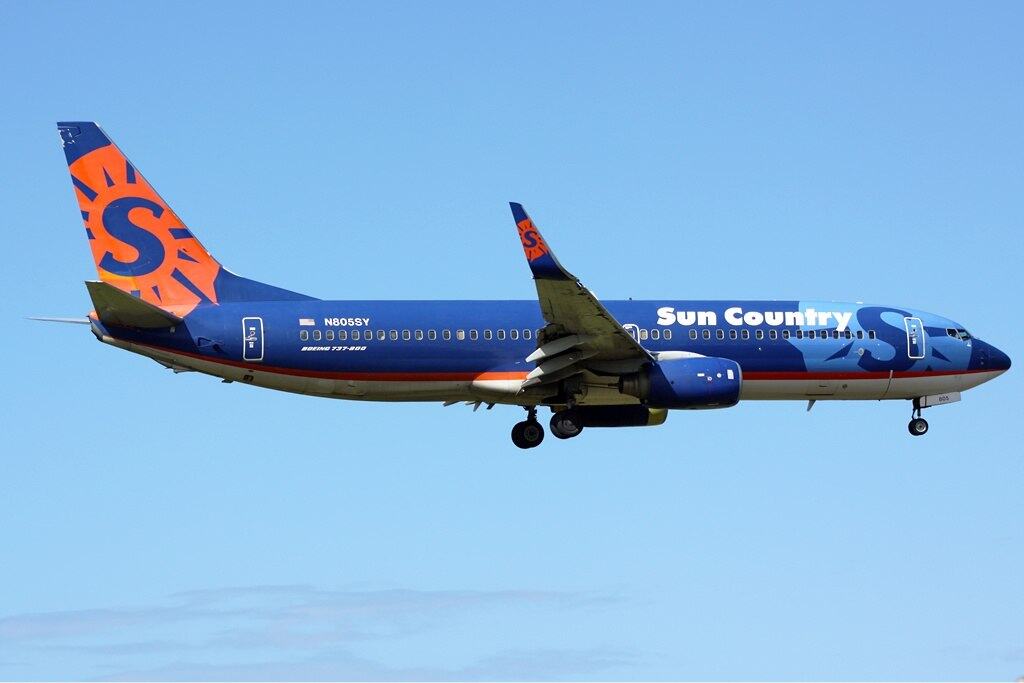
Sun Country Airlines focuses on low-cost leisure travel, often on longer routes to vacation destinations. Seat pitch averages 29 inches, and cushioning is thin, particularly in standard economy. The airline operates high-density configurations, maximizing seat count per aircraft. Sun Country also charges for carry-ons and seat selection, pushing many passengers into less desirable middle seats. Flights frequently exceed 4 hours, increasing discomfort. According to DOT data, Sun Country’s complaint rate has steadily risen alongside expansion. While fares are attractive, the airline’s physical comfort level is consistently rated below most U.S. competitors.
Leave a Reply