We may earn money or products from the companies mentioned in this post. This means if you click on the link and purchase the item, I will receive a small commission at no extra cost to you ... you're just helping re-supply our family's travel fund.
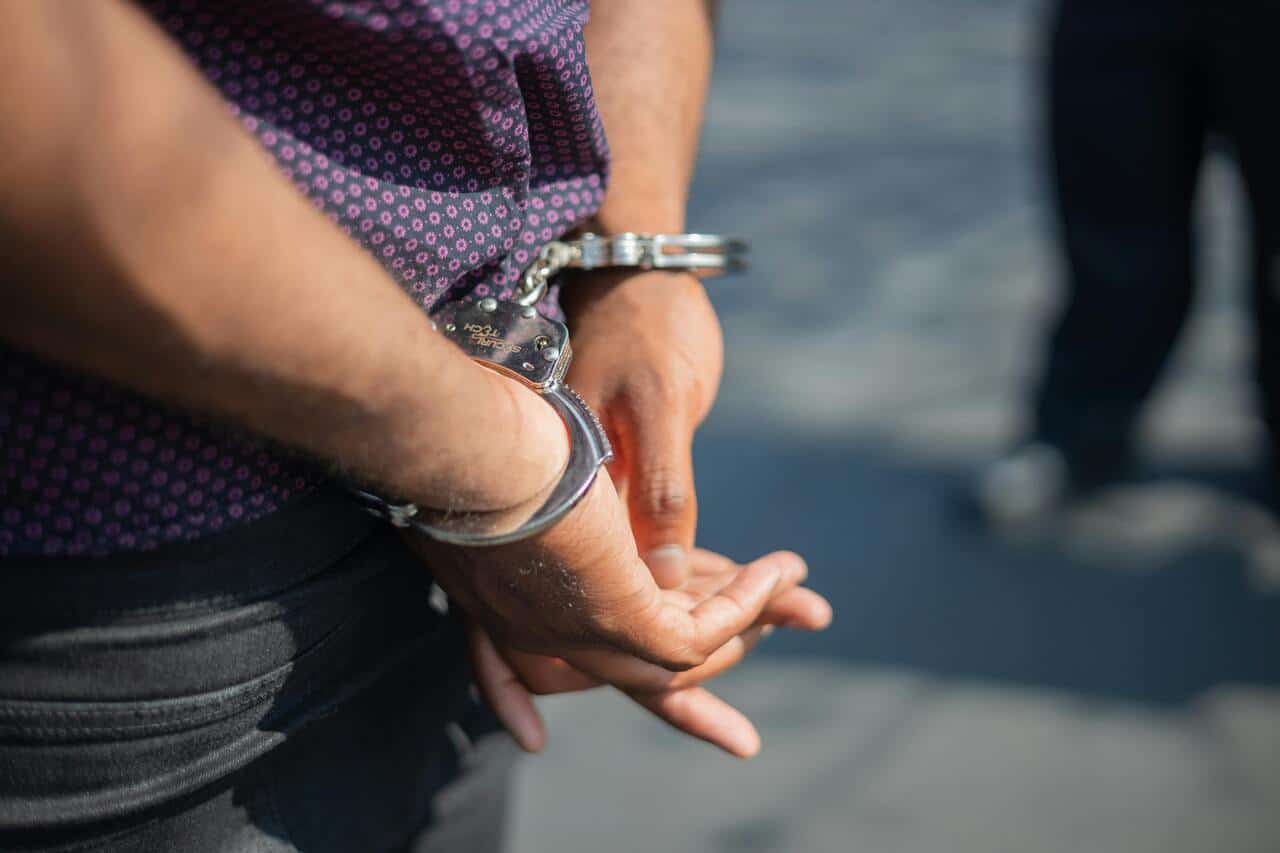
For many Americans, international travel feels familiar enough to relax common sense. But foreign airports are legal pressure points where local laws override assumptions instantly. What seems harmless, humorous, or personal in the U.S. can trigger detention abroad without warning. Over the last decade, hundreds of Americans have been arrested, fined, or barred from travel for reasons that sound absurd until the legal context becomes clear. From innocent packing habits to cultural misunderstandings, these airport arrests reveal how thin the line is between traveler and offender once U.S. borders disappear.
1. Carrying Human Remains Without Legal Clearance

From 2013 to 2024, European airport authorities logged over 140 cases involving human bones or ashes in luggage, with Americans making up roughly 18%. Travelers carried skull replicas, antique bones, or cremated remains without permits, assuming sentimental intent mattered. In several countries, transporting human remains without approval violates cultural protection laws. Detention commonly lasts 48–72 hours, while fines range from $3,200 to $5,500. In some cases, items are permanently seized. What shocks travelers most is that ignorance offers no leniency when laws prioritize historical and religious respect over personal explanation.
2. Bringing Prescription Drugs That Are Legal in the U.S.

International drug enforcement data shows more than 1,600 airport detentions per year linked to prescription medication, with Americans accounting for about 22%. Drugs like Adderall, Xanax, and codeine-based painkillers are classified as narcotics in parts of Asia and the Middle East. Travelers have been arrested carrying fewer than 30 pills. Penalties include fines between $1,000 and $10,000, detention lasting days, and prison sentences ranging from 6 months to 2 years. The disconnect comes from assuming a U.S. prescription equals international legality, it does not.
3. Accidentally Packing Military or Police-Linked Items

Since 2015, airports across 15 countries have recorded over 900 arrests involving military-related objects in civilian luggage. Americans frequently appear due to souvenirs like spent bullet casings, replica grenades, or tactical gear bought legally at markets. In security-sensitive countries, possession alone raises national security concerns. Detentions often last 72 hours, with fines reaching $5,000 to $12,000. Even non-functional items are treated seriously. Travelers are stunned to learn that curiosity purchases can trigger interrogation usually reserved for arms trafficking cases.
4. Carrying Undeclared Cash Above Legal Limits

Financial monitoring agencies report that nearly 30% of airport cash seizures involve U.S. citizens. Many countries cap undeclared cash between $5,000 and $10,000. Americans departing airports in Latin America and Europe have been arrested carrying $15,000–$40,000 for weddings or property deals. Detention typically lasts 24–48 hours, while confiscation rates exceed 60%. In severe cases, travelers lose the entire amount. What feels like personal savings in the U.S. is often treated as potential money laundering abroad.
5. Transporting Food That Violates Biosecurity Laws

Between 2018 and 2024, customs officials worldwide seized more than 9 million prohibited food items, with Americans responsible for roughly 20%. Items like homemade sandwiches, dried meat, fruit, or seeds frequently trigger arrests in countries with strict ecological protections. Fines range from $400 to $3,000, and travelers may be detained for several hours or overnight. Authorities don’t assess intent, only biological risk. The absurdity lies in how quickly a snack becomes a legal issue once agricultural safety laws take precedence.
6. Buying Souvenirs Made From Protected Wildlife

Global customs data shows over 4,300 airport arrests since 2016 tied to wildlife products, with Americans among the top three nationalities involved. Coral jewelry, ivory carvings, reptile leather, and rare shells are commonly seized. Penalties range from $1,500 to $25,000, with potential prison sentences of 1 to 5 years in severe cases. Most travelers bought items openly, assuming legality. The irony is sharp: souvenirs meant to remember a trip instead create criminal records and permanent travel complications.
7. Making Jokes That Trigger Airport Security Alerts
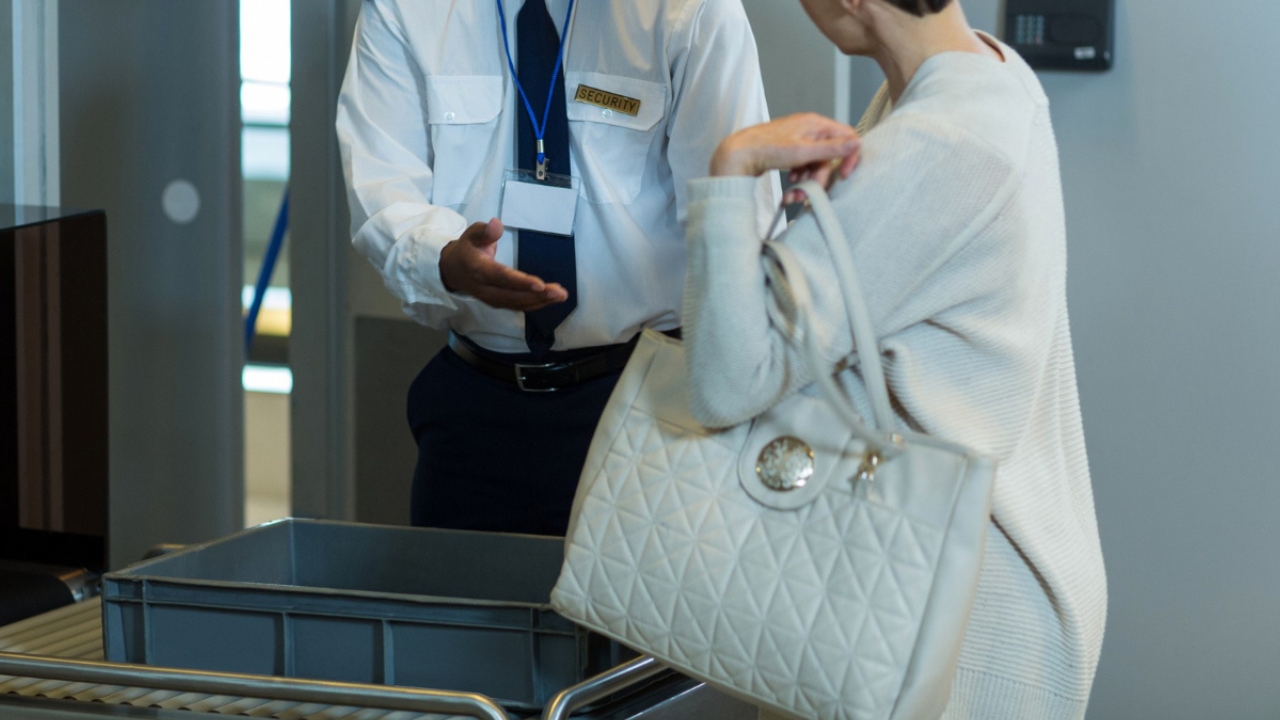
European aviation authorities report a 37% increase in detentions linked to digital communications since 2020. Americans have been arrested after joking about bombs or threats in texts, emails, or social media before flights. Even private messages flagged by algorithms can prompt interrogation lasting 6–12 hours. Fines range from $1,000 to $8,000, depending on jurisdiction. Humor collapses under security scrutiny, and sarcasm becomes irrelevant once automated systems interpret words literally.
8. Carrying Religious or Political Materials

Since 2017, at least 280 documented cases involve travelers detained for carrying banned books, symbols, or pamphlets. Americans entering countries with strict ideological controls have been arrested at airports for personal reading materials. Detentions last 48–96 hours, and fines range from $500 to $6,000, with deportation rates near 65%. Many travelers insist they never planned to distribute anything. What feels like personal expression in the U.S. is treated as ideological importation elsewhere.
9. Wearing Clothing That Violates Local Morality Laws
Airport police records show over 1,100 detentions worldwide tied to clothing violations in the past decade. Americans have been stopped for shirts with profanity, sexual imagery, or political slogans. In conservative regions, such attire violates public decency laws. Fines typically range from $300 to $2,000, with short-term detention possible. Travelers often assume clothing is a protected expression, but at international entry points, appearance is regulated just as tightly as behavior.
10. Refusing to Follow Routine Airport Instructions

Behavioral compliance reports indicate that 15% of airport arrests stem from refusal to follow instructions. Americans frequently appear due to expectations of debate or explanation. In countries emphasizing strict authority compliance, refusing a bag search or questioning procedure can escalate rapidly. Detention may last 12–36 hours, with fines between $200 and $5,000, and travel bans issued in repeat cases. What feels like asserting rights at home is often interpreted as obstruction abroad.