We may earn money or products from the companies mentioned in this post. This means if you click on the link and purchase the item, I will receive a small commission at no extra cost to you ... you're just helping re-supply our family's travel fund.
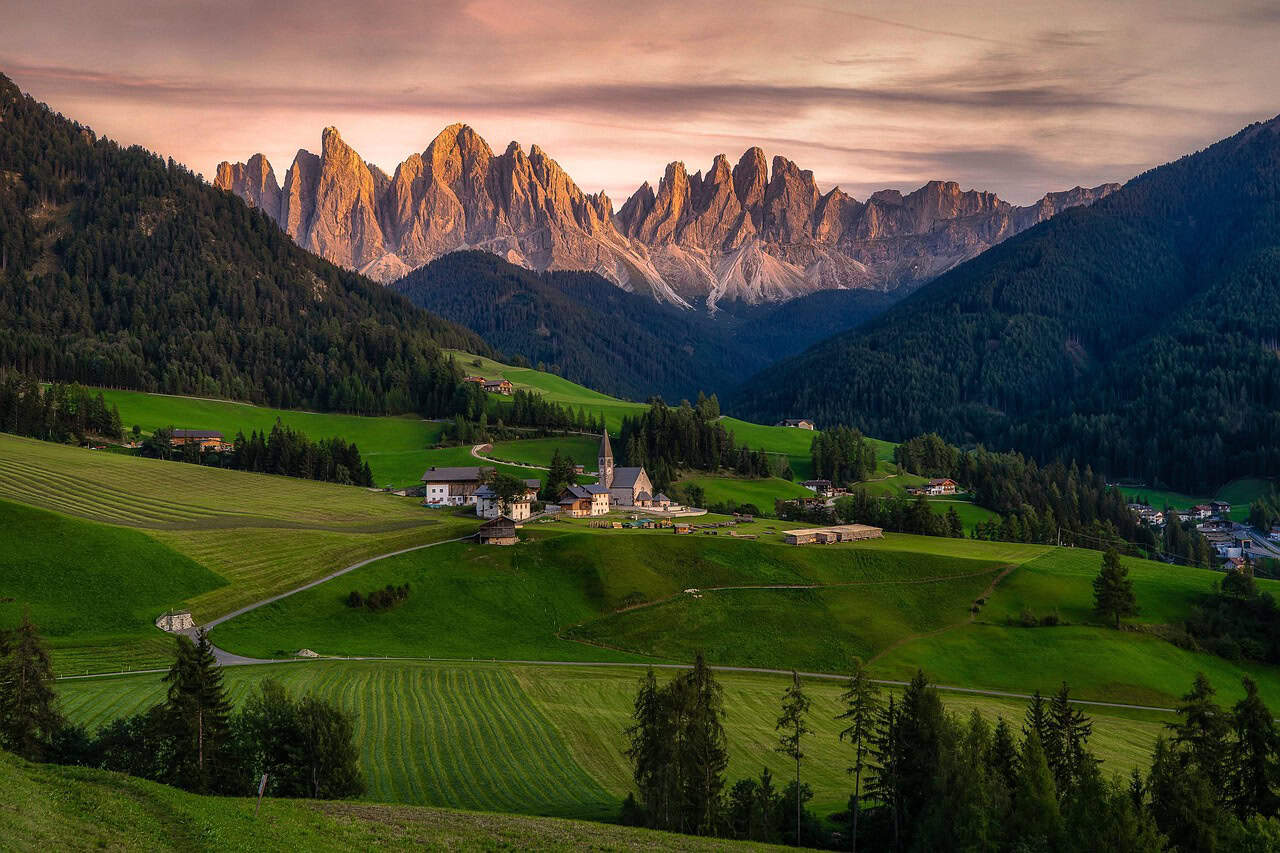
Italy’s beauty is not concentrated in one coast, one city, or one famous square. It lives in contrasts: cliff roads above open water, glacial lakes below alpine peaks, Baroque streets glowing at dusk, and vineyard valleys shaped by generations of patient work. What makes the country unforgettable is the way landscape and culture remain tightly linked. These 10 destinations stand out not only for their visual impact, but for the feeling they leave behind, a sense that history, light, and daily life still move in the same frame.
Amalfi Coast, Campania
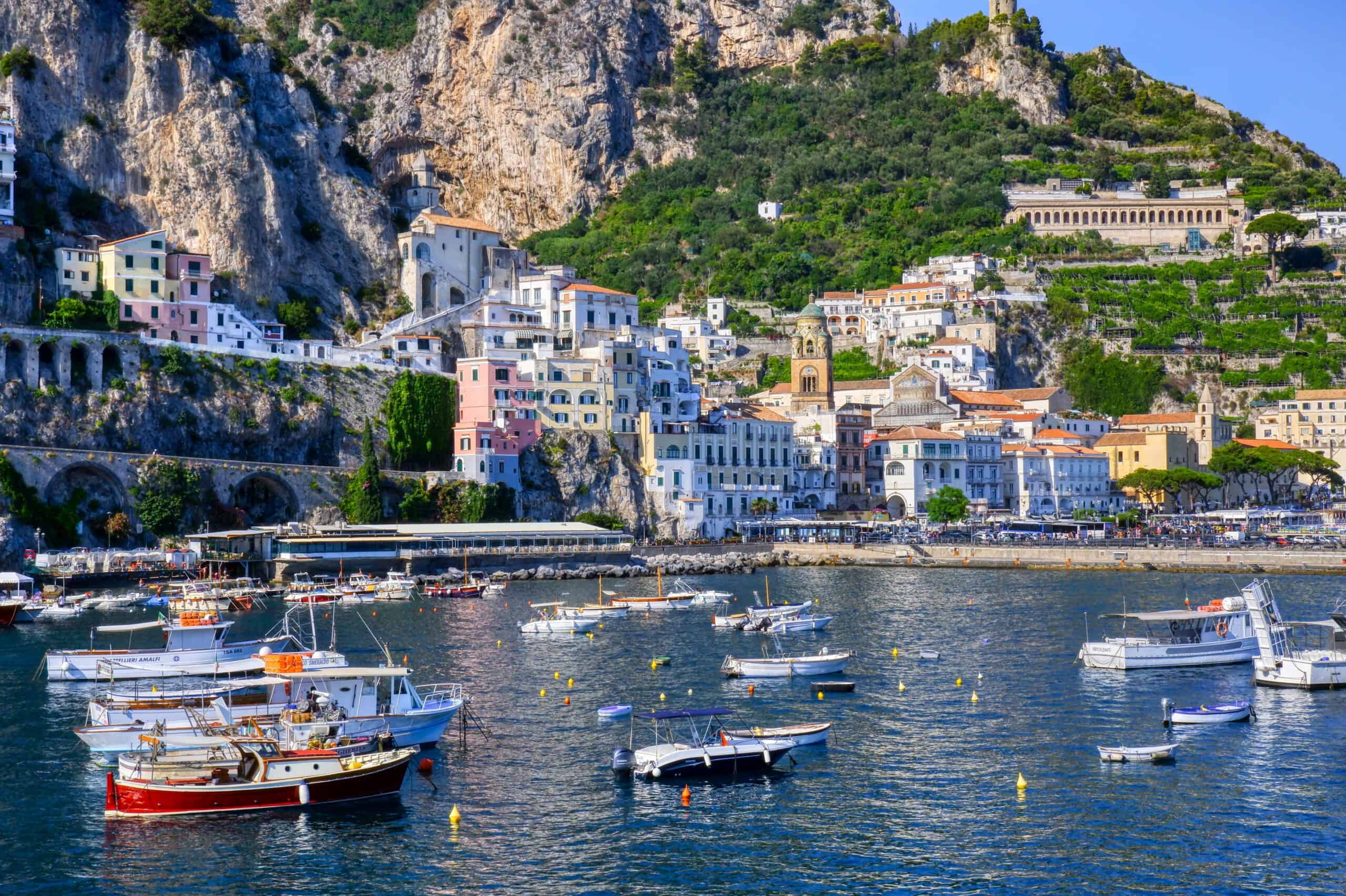
The Amalfi Coast looks dramatic on arrival, but its real power is in how human settlement fits steep terrain without flattening its character. Towns like Positano, Amalfi, and Ravello climb the cliffs in soft layers of color, while lemon terraces and narrow lanes add texture above the sea. Church domes, old stairways, and sea-facing terraces create constant visual rhythm from morning to evening. Even the drive itself feels cinematic, with each turn revealing a new composition of rock, architecture, and light that seems almost too deliberate to be real.
Cinque Terre, Liguria
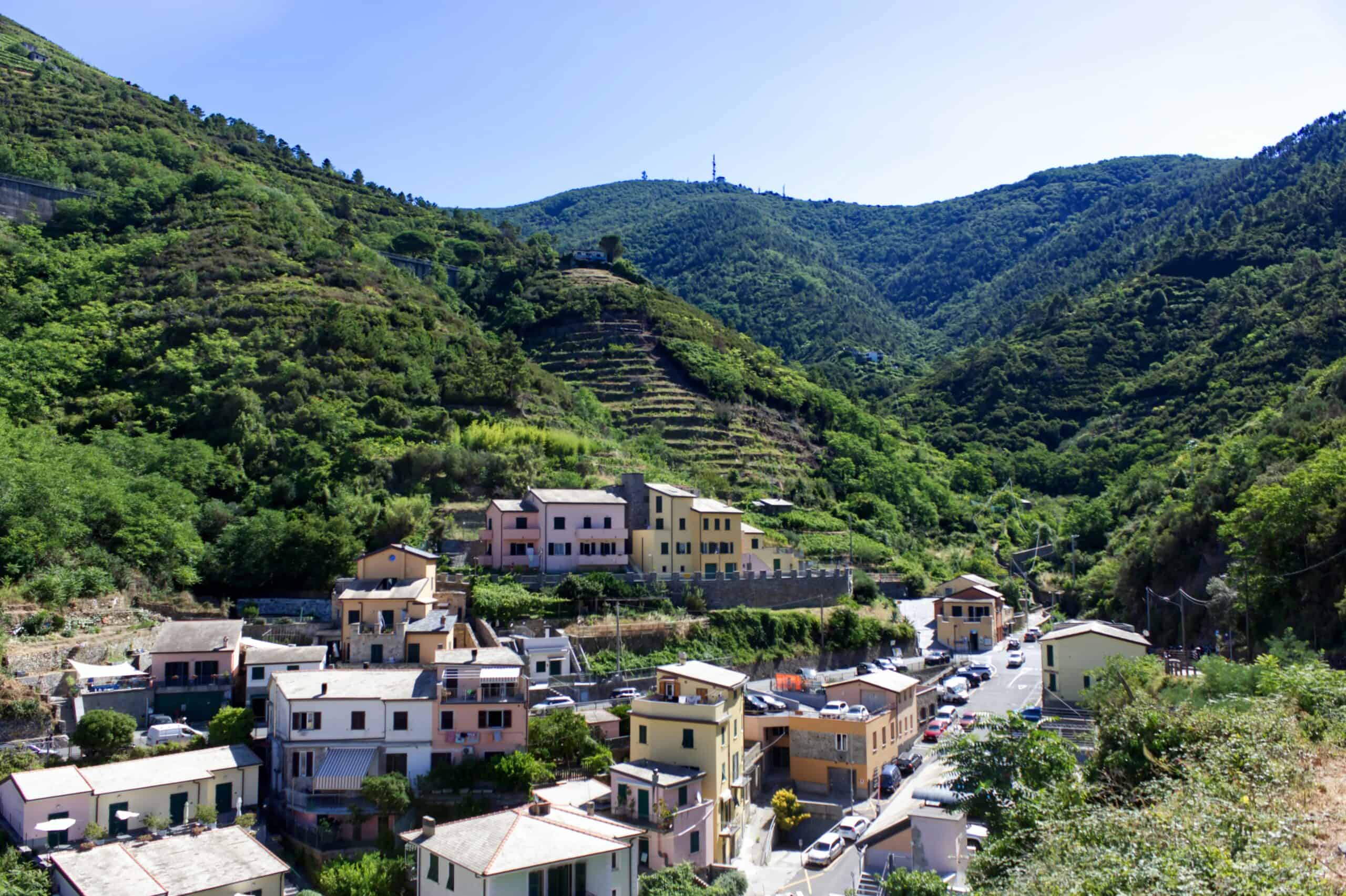
Cinque Terre is often reduced to postcard color, yet its deeper beauty comes from endurance. The five villages were built into difficult coastal slopes and connected by paths, rail, and centuries of practical adaptation to land that never offered easy geometry. Vine terraces, harbor inlets, and painted facades sit between dark rock and bright sea, creating strong contrast at every hour. The region feels alive rather than staged, especially when seen at walking pace, where stone details, laundry lines, and small chapels reveal a landscape still shaped by local life.
Dolomites, Northern Italy
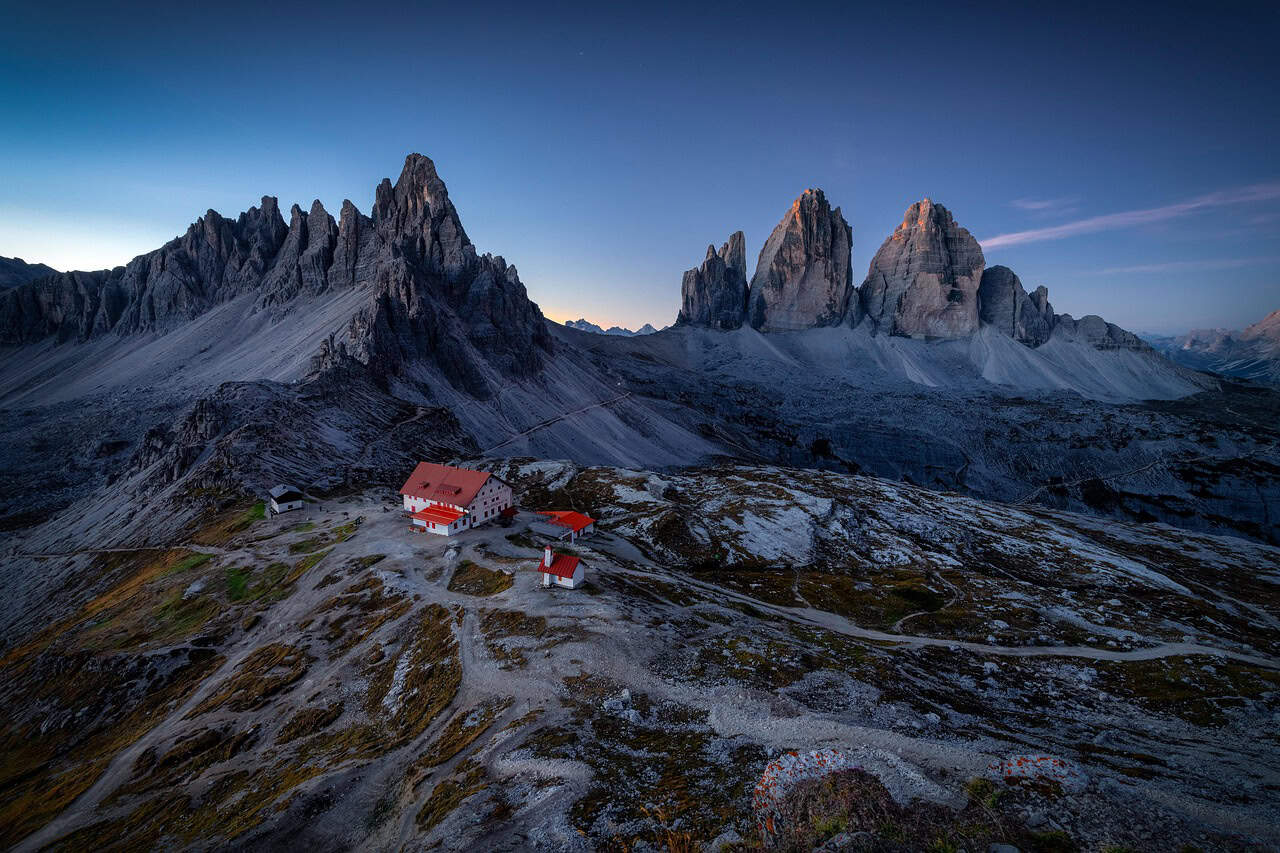
The Dolomites deliver a different scale of beauty, clean lines, sudden elevation, and broad valleys that shift color with weather and season. Peaks rise sharply above forests and meadows, while lakes mirror the rock faces with near-perfect clarity on calm days. Alpine villages across South Tyrol and Trentino bring warmth to the scene through wood architecture, mountain farms, and quiet church towers. What makes the range unforgettable is precision. The land feels sculpted, not random, and every viewpoint seems designed to show how massive terrain can still feel intimate.
Val D’Orcia, Tuscany
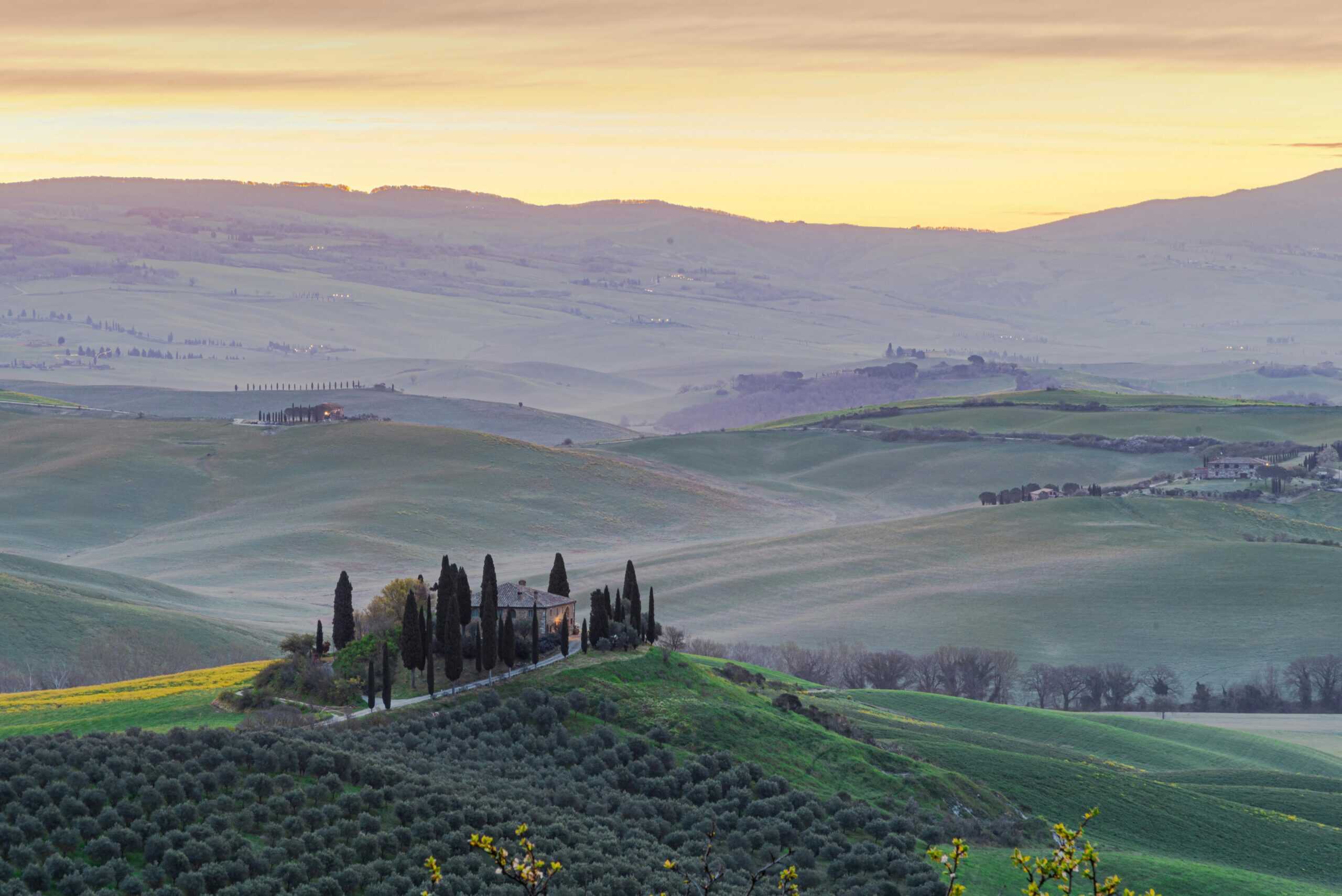
Val d’Orcia feels composed without feeling artificial. Cypress roads, rolling fields, and hill towns like Pienza and Montalcino sit in measured relation to one another, creating a landscape where agriculture and aesthetics evolved together over centuries. Light transforms the valley constantly, with morning mist softening edges and late sun pulling warm tones from soil and stone. The beauty here is slower than on the coast, but deeper with time. It rewards repetition, where the same bend in the road feels different across hours, weather, and seasons.
Venice, Veneto
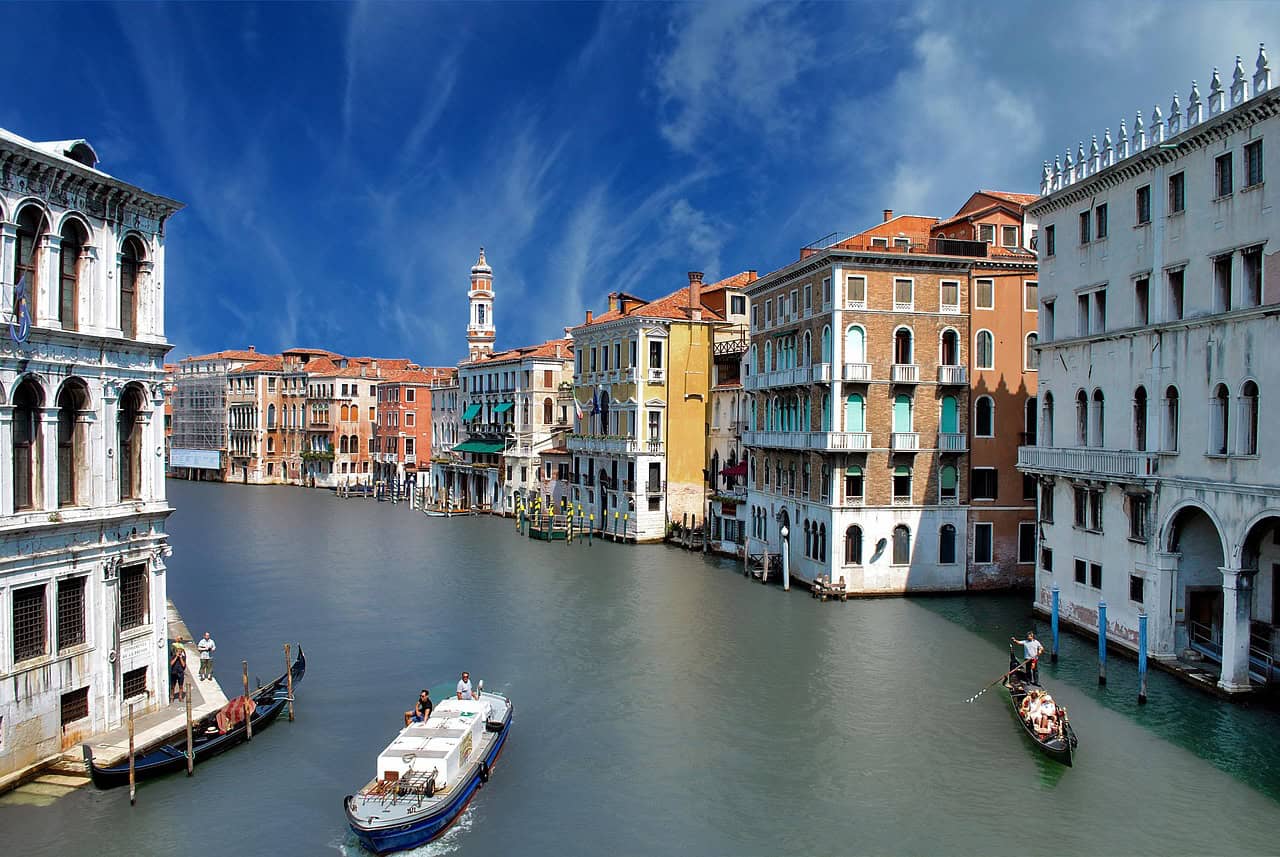
Venice remains visually unmatched because water is infrastructure, not ornament. Canals replace streets, façades rise directly from the lagoon, and reflections double the city’s textures from dawn through midnight. Beyond the famous routes, quieter neighborhoods reveal bridges, courtyards, and workshop doors that keep the city grounded in daily rhythm. Gothic windows, Byzantine details, and Renaissance facades coexist within a compact urban form that has survived by adapting to tide and trade for centuries. The result is not just beautiful. It is structurally unlike anywhere else.
Lake Como, Lombardy
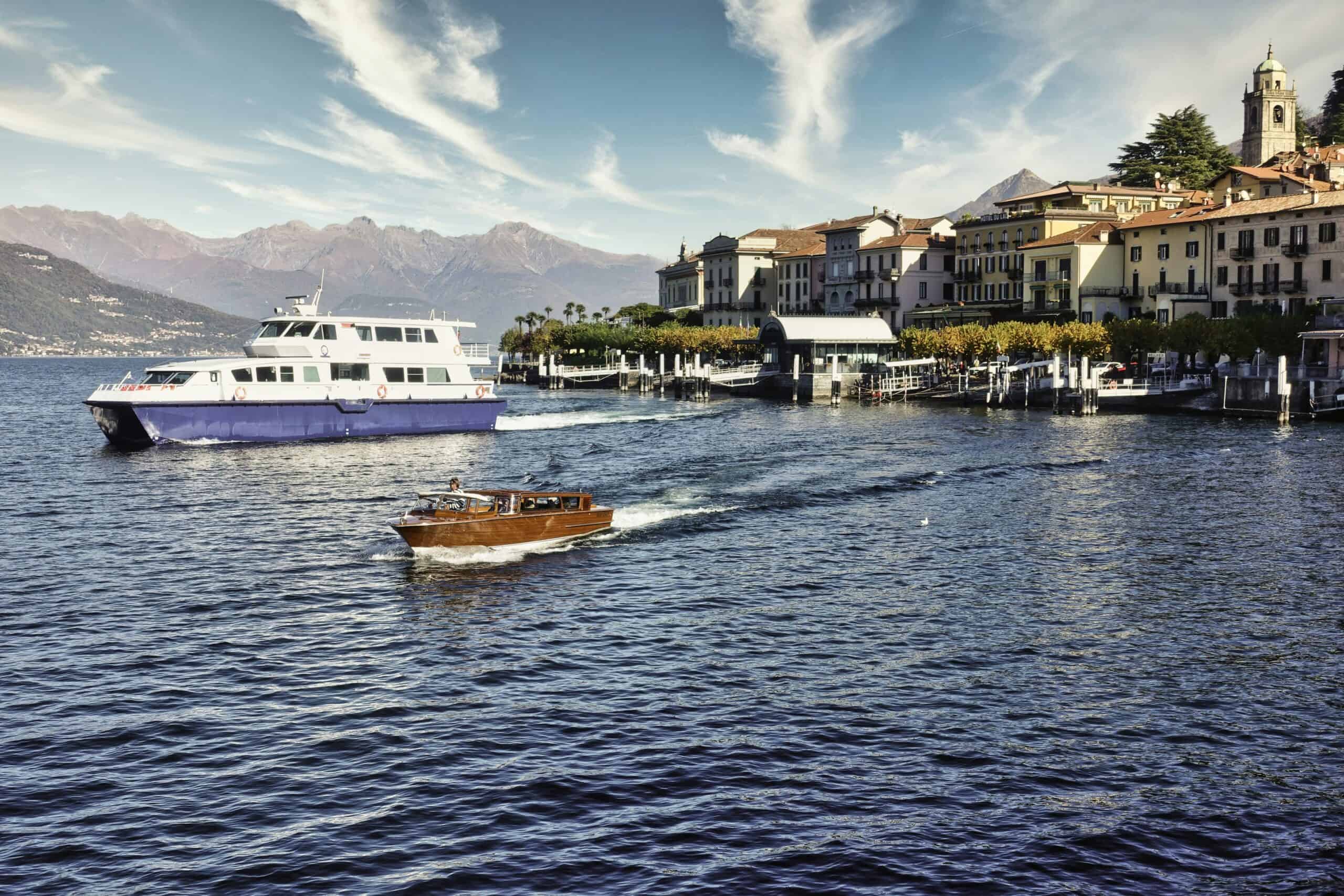
Lake Como combines alpine drama with lakeside refinement in a way few places can match. Steep green slopes descend toward deep water, while historic villas, village harbors, and cypress gardens create a layered shoreline that changes character as light shifts. Ferries reveal the lake as a sequence of moving scenes rather than one static panorama, with each bend opening new combinations of mountain, stone, and reflected sky. The atmosphere stays elegant without becoming distant, and even short visits carry a sense of stillness that urban life rarely permits.
Capri, Campania
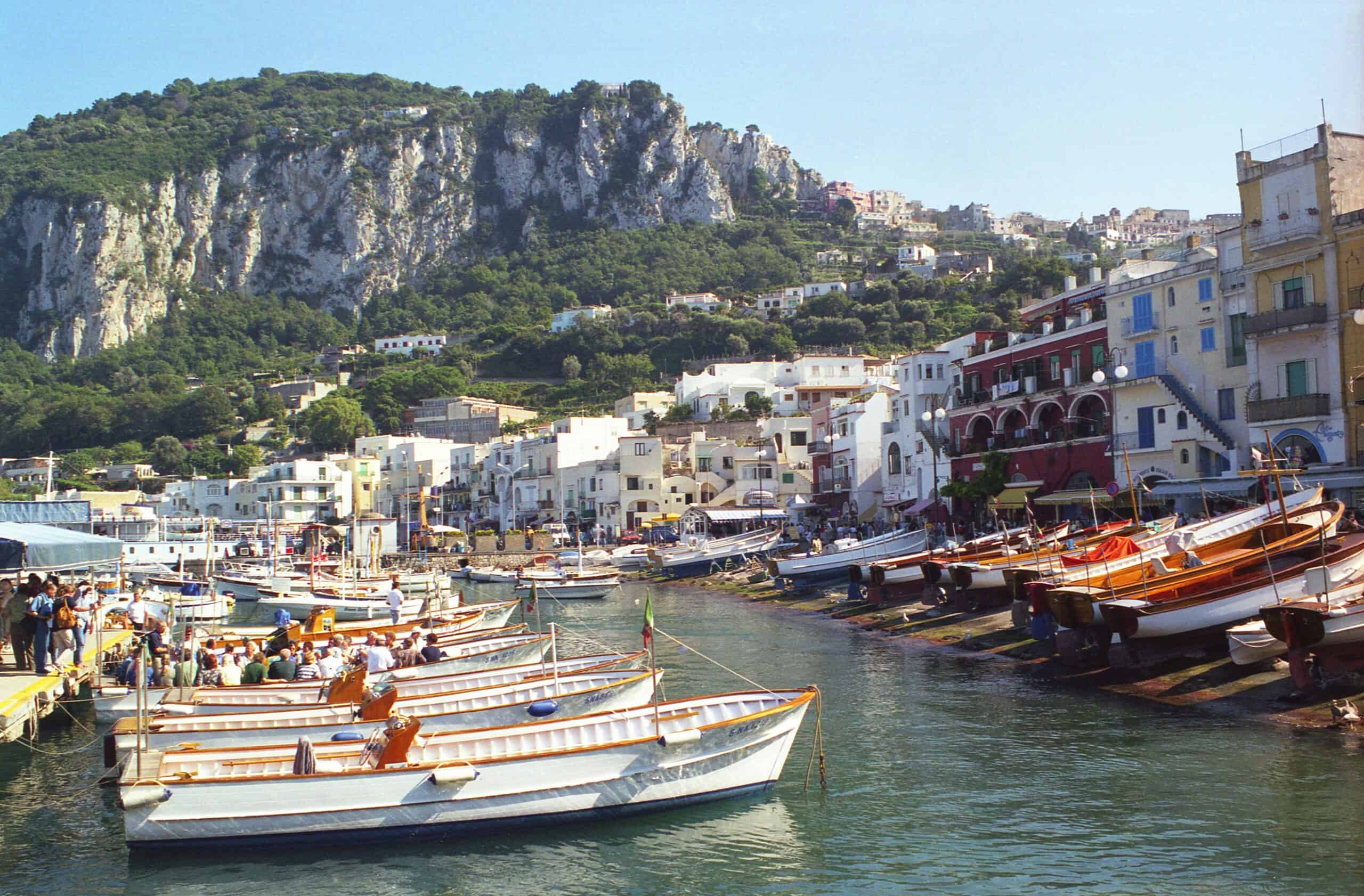
Capri’s reputation is tied to glamour, but its strongest beauty is geological. Sheer cliffs, sea caves, and the Faraglioni stacks create forms that feel carved rather than constructed, while high viewpoints open the Bay of Naples in wide, luminous sweeps. The Blue Grotto may be the icon, yet inland lanes lined with bougainvillea and white walls offer a quieter visual pleasure that balances the island’s dramatic edges. Capri works best as a contrast between scale and intimacy, open water one moment, narrow stone passageways the next.
Puglia Coast, Apulia
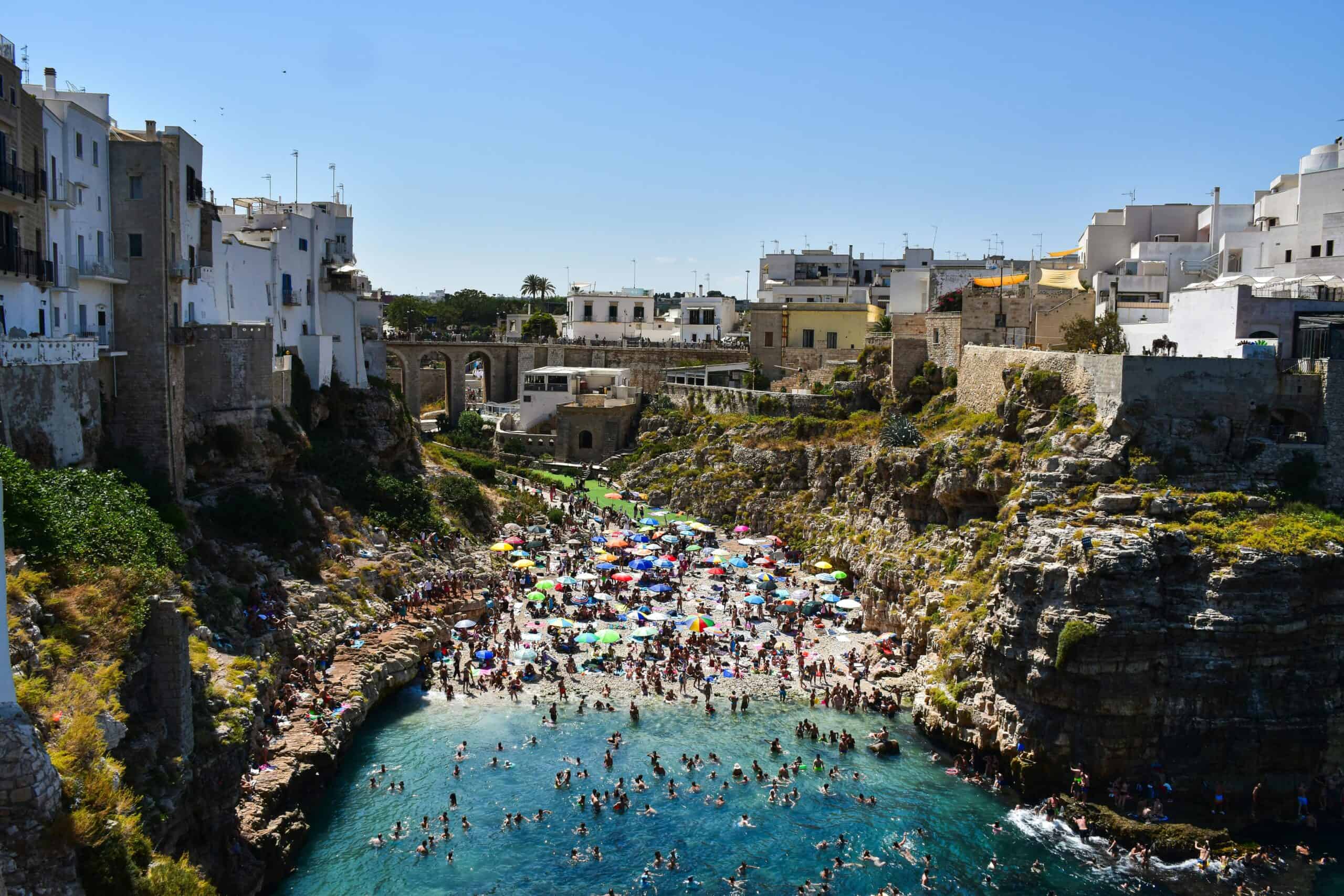
Puglia’s coastline offers a warmer, more grounded expression of Italian beauty. White towns such as Polignano a Mare and Ostuni rise from landscapes of olive groves and dry-stone walls, meeting the Adriatic in clear bands of blue that shift by depth and season. Small fishing ports, rocky coves, and long evening light give the coast a steady visual rhythm rather than one single headline view. The region feels authentic because beauty is woven into ordinary life, from market streets and harbor mornings to slow dinners near historic centers.
Val Di Noto, Sicily
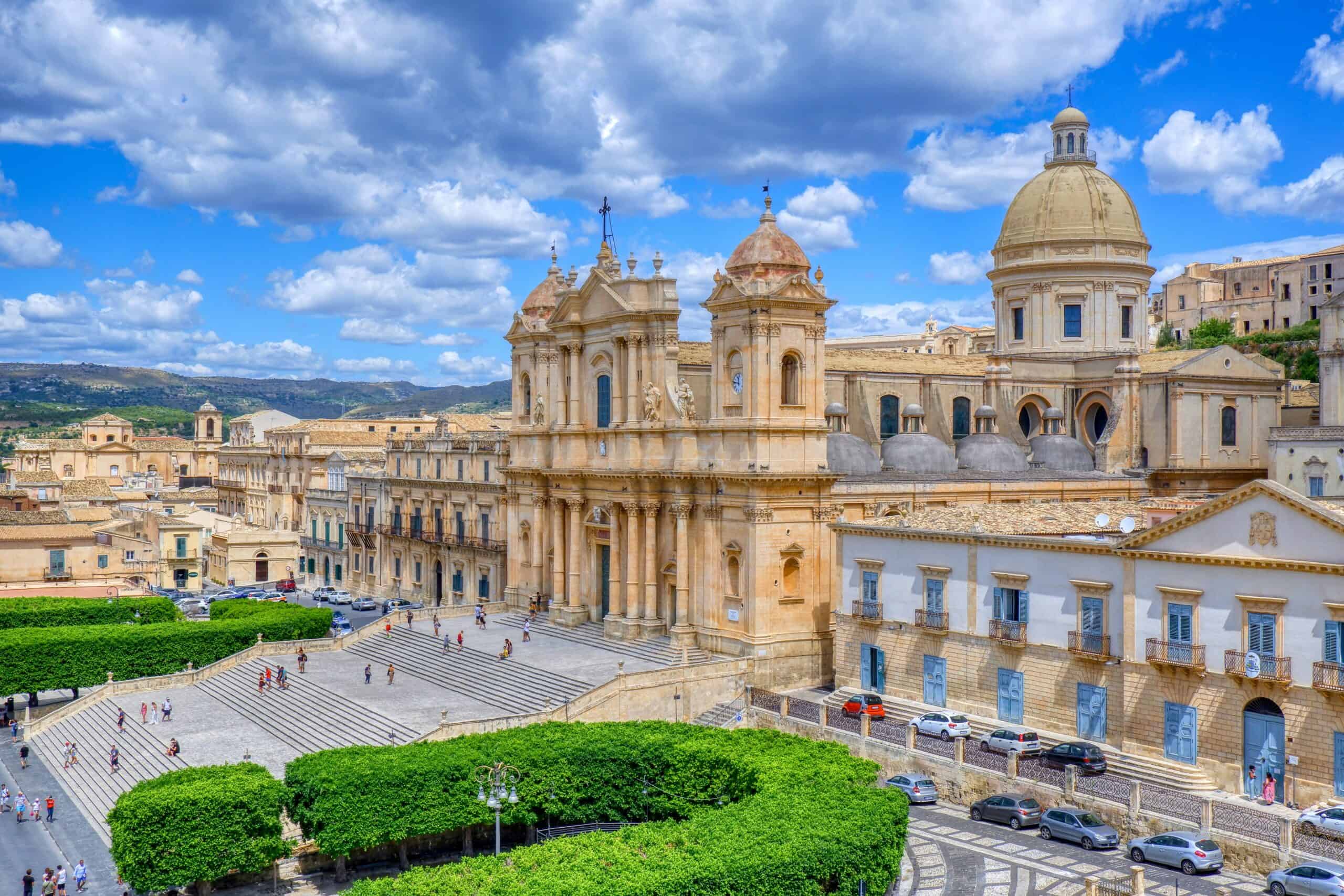
Val di Noto shows how architecture can define an entire landscape. Rebuilt after the 1693 earthquake, towns such as Noto, Ragusa, and Modica developed a cohesive Sicilian Baroque style marked by honey-colored stone, curved balconies, and theatrical piazzas. At golden hour, facades absorb light in a way that gives streets unusual warmth and depth. The beauty is highly crafted, but never sterile, because these are living towns where daily routines continue inside monumental settings. It is a rare blend of artistic ambition and lived continuity.
Gulf Of Orosei, Sardinia
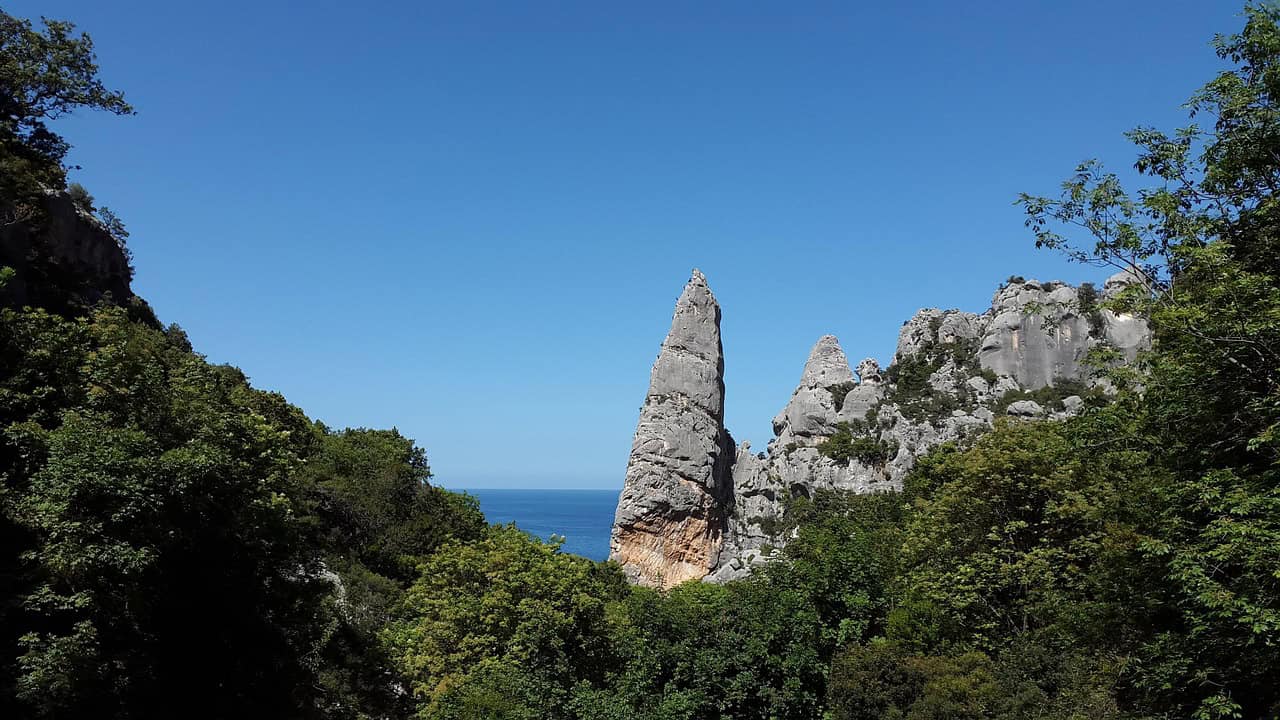
The Gulf of Orosei feels elemental, high limestone cliffs, hidden beaches, and water that moves from turquoise to deep blue within a few meters. Coves such as Cala Luna and Cala Goloritzé are known worldwide, yet the broader coastline remains the true story, with long stretches that feel minimally altered and visually clean. Access by boat or trail adds to the sense of arrival, and the absence of dense development preserves the raw relationship between rock and sea. It is Sardinia at its most direct and memorable.