We may earn money or products from the companies mentioned in this post. This means if you click on the link and purchase the item, I will receive a small commission at no extra cost to you ... you're just helping re-supply our family's travel fund.
Europe holds beauty in different registers: cliffside villages glowing at dusk, glacial valleys that feel freshly carved, and islands where the sea changes color by the hour. The continent’s best scenes are rarely quiet, yet they can still stop a crowd mid-sentence. In one week, a traveler can move from limestone coves to volcanic ridges, then end beneath northern light on a tidal flat. These ten places are not just photogenic. They carry a sense of scale, history, and mood that lingers long after the trip is over.
Amalfi Coast, Italy
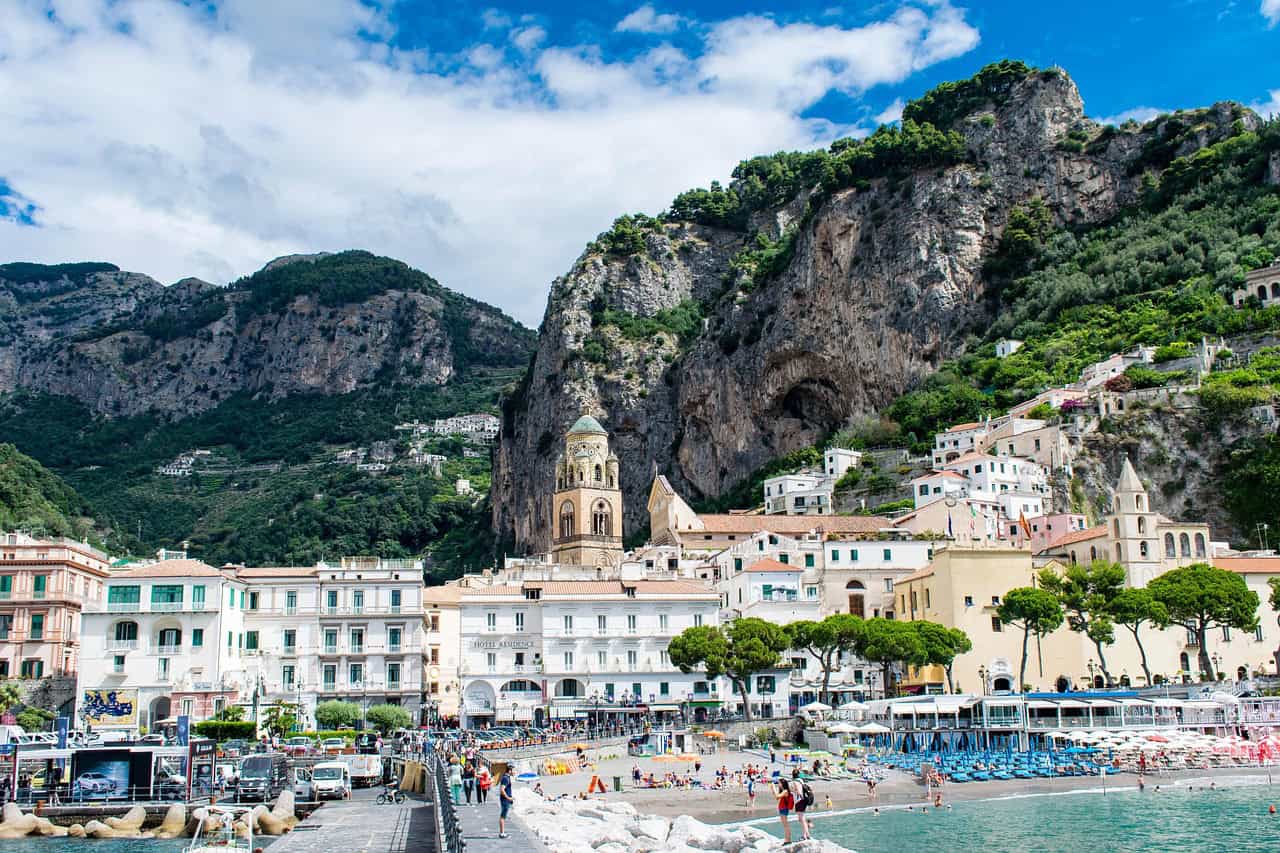
The Amalfi Coast drapes the southern side of the Sorrento Peninsula in steep terraces, lemon groves, and villages that look pinned to rock, from Positano’s stacked facades to Ravello’s quiet balconies. A ribbon of road bends above the Tyrrhenian Sea, revealing tiled domes, fishing coves, and sunsets that turn the cliffs rose and gold, while boats stitch pale wakes across the bays below. UNESCO classifies the coast as a cultural landscape, and that label fits: the beauty is partly wild and partly built, shaped by centuries of stairs, stone walls, and gardens cut into sheer slopes, where every viewpoint feels earned, even on a short stay.
Cinque Terre, Italy
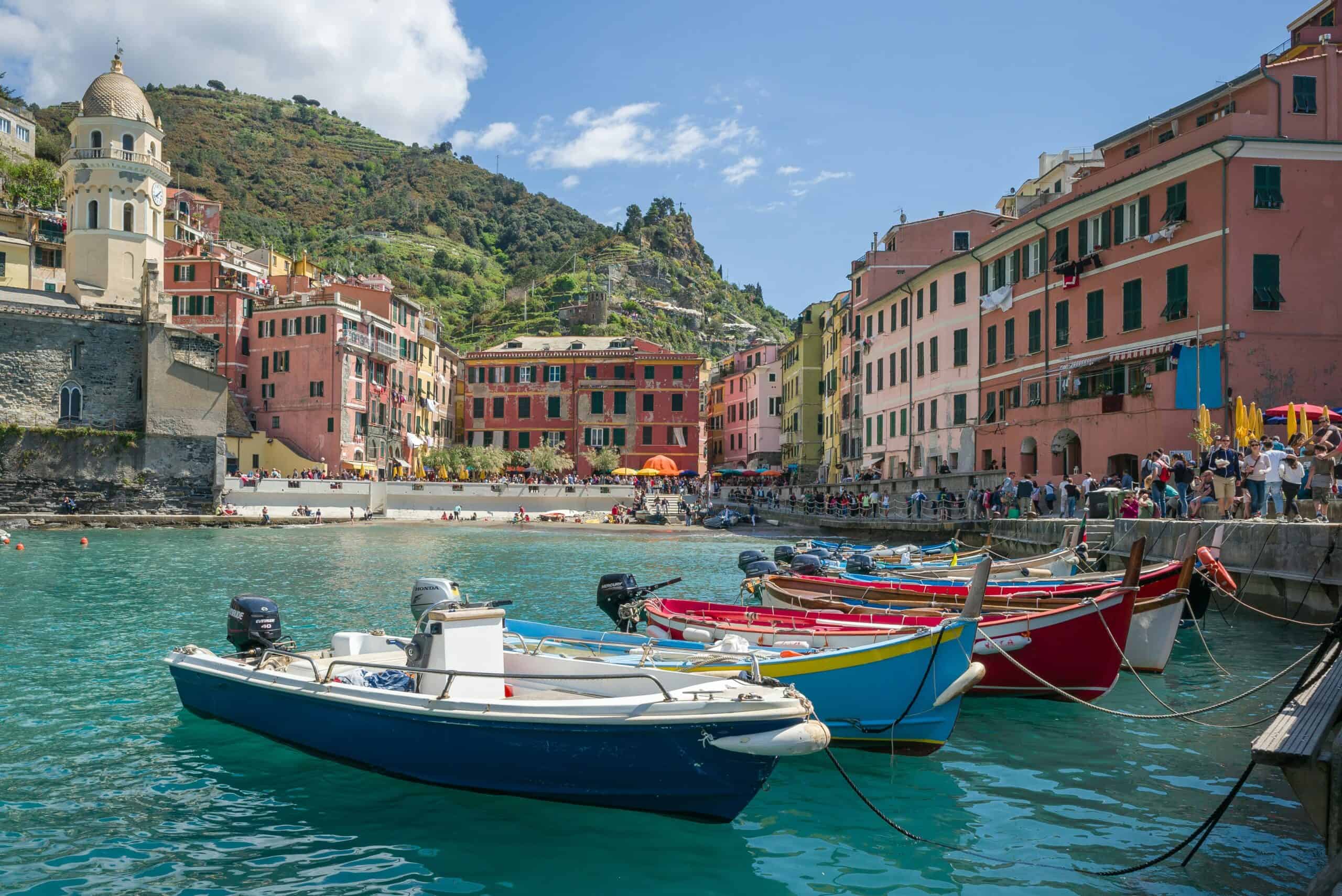
Cinque Terre strings five villages along the Ligurian coast, each one a stack of color above a small harbor, with vineyards terraced into slopes that would otherwise be bare rock. Footpaths and trains connect Monterosso to Riomaggiore, and the views keep opening: sea on one side, olive trees and stone walls on the other, with basil and salt riding the breeze as fishing boats rock below. UNESCO recognizes the area as a cultural landscape, and the charm comes from that partnership between human persistence and a coastline that refuses to be tamed, especially when light softens the houses and the water turns dark blue for the night at last.
The Dolomites, Italy
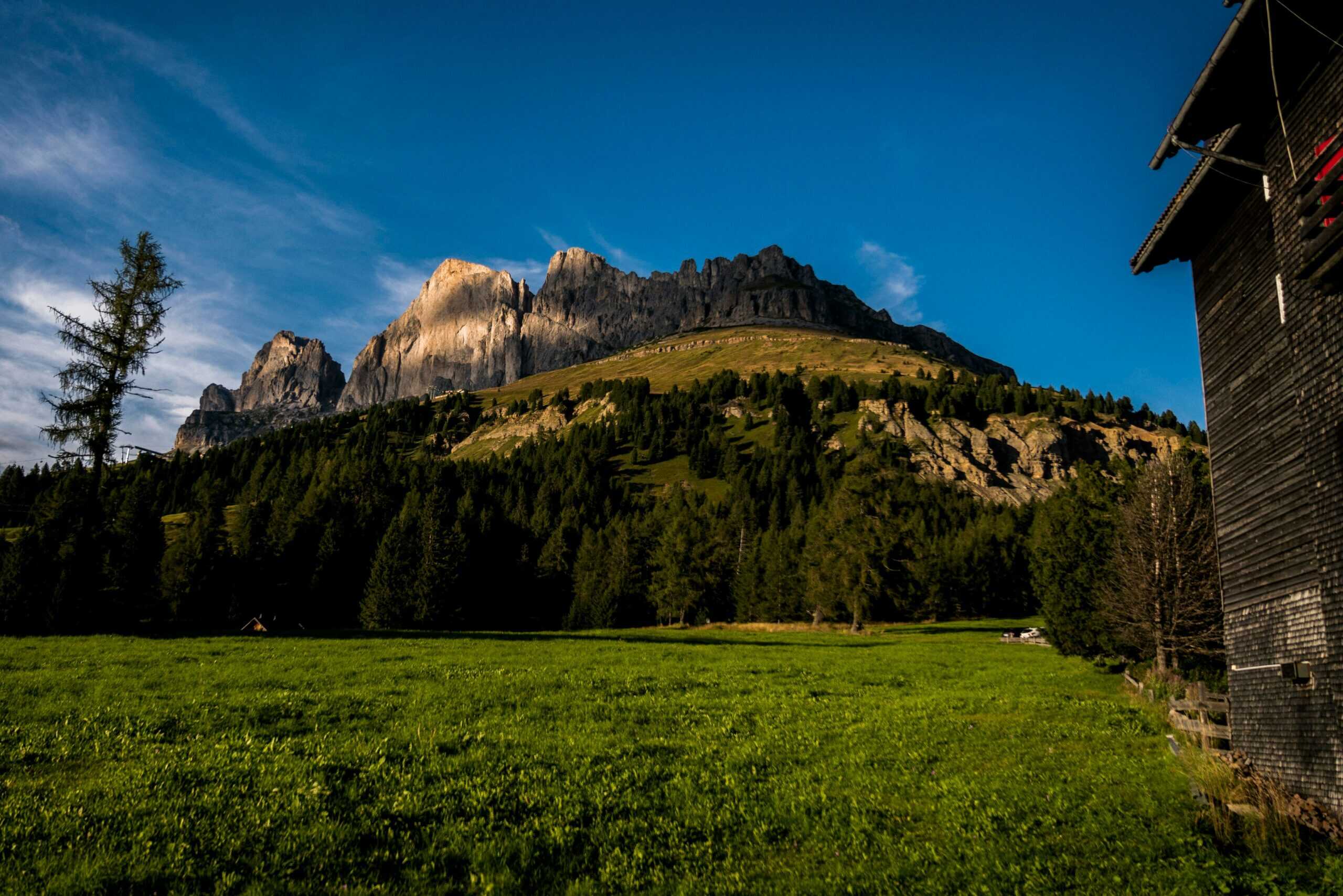
The Dolomites rise in pale, jagged towers of limestone that catch first light like a match, then hold it in long bands across the rock. Meadows, larch forests, and mirror-still lakes soften the base, while small rifugi and narrow passes keep the scale human even under 3,000-meter peaks. UNESCO notes the range’s sheer cliffs and deep valleys, and the effect is immediate: even familiar alpine scenery looks freshly invented here, with sunsets that turn the stone a quiet pink locals call enrosadira, and after storms, clouds peel back to reveal spires one by one, as if a curtain is lifting and the day is starting over in slow motion.
Swiss Alps Jungfrau-Aletsch, Switzerland
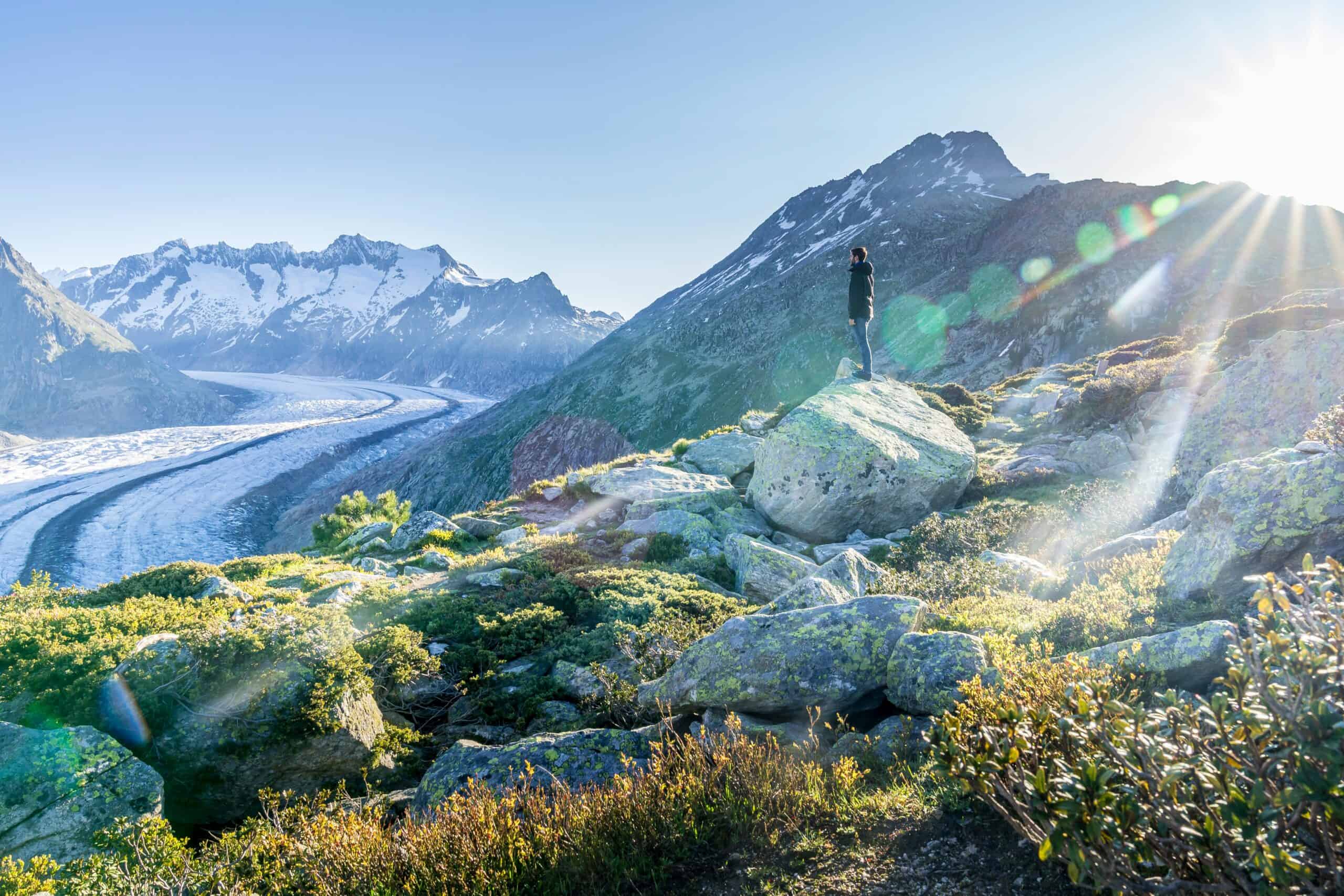
In the Swiss Alps Jungfrau-Aletsch, the scenery feels carved rather than arranged, with the Eiger’s dark face rising above green valleys and waterfalls that ribbon down sheer walls. The UNESCO site includes the Aletsch Glacier, the largest in the Alps, and the contrast between ice, rock, and flowered pasture is almost theatrical around Lauterbrunnen and the high rail lines that climb toward the snow, where the glacier gathers in broad white fields. Even in summer, the air carries a clean chill, cowbells echo across meadows, and light off the snowfields makes the whole landscape look newly washed, as if every color has been turned up a shade.
Plitvice Lakes National Park, Croatia
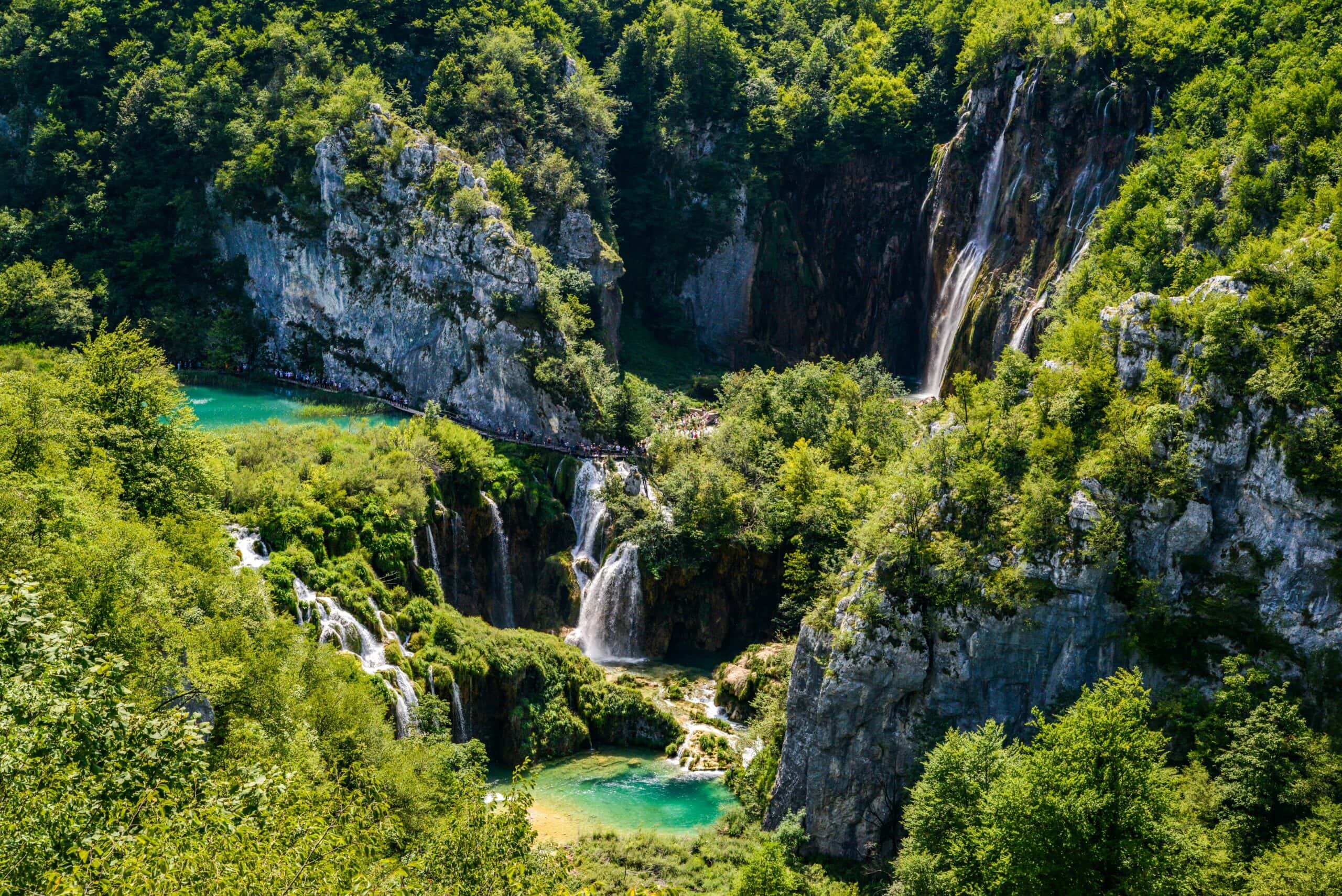
Plitvice Lakes National Park layers turquoise water into terraces, where wooden boardwalks weave between 16 lakes, past cascades and small caves, and mist hangs over the channels at 8 a.m. like breath. The lakes exist because water has deposited travertine barriers over thousands of years, building natural dams that keep reshaping the channels, so the scenery is alive, not fixed. In spring the falls run loud and full, and in autumn the surrounding forest turns copper and gold, framing clear pools where fish hover and the air smells like wet stone and pine, with sunlight flickering through spray as if the whole park is rinsed clean again.
Santorini, Greece
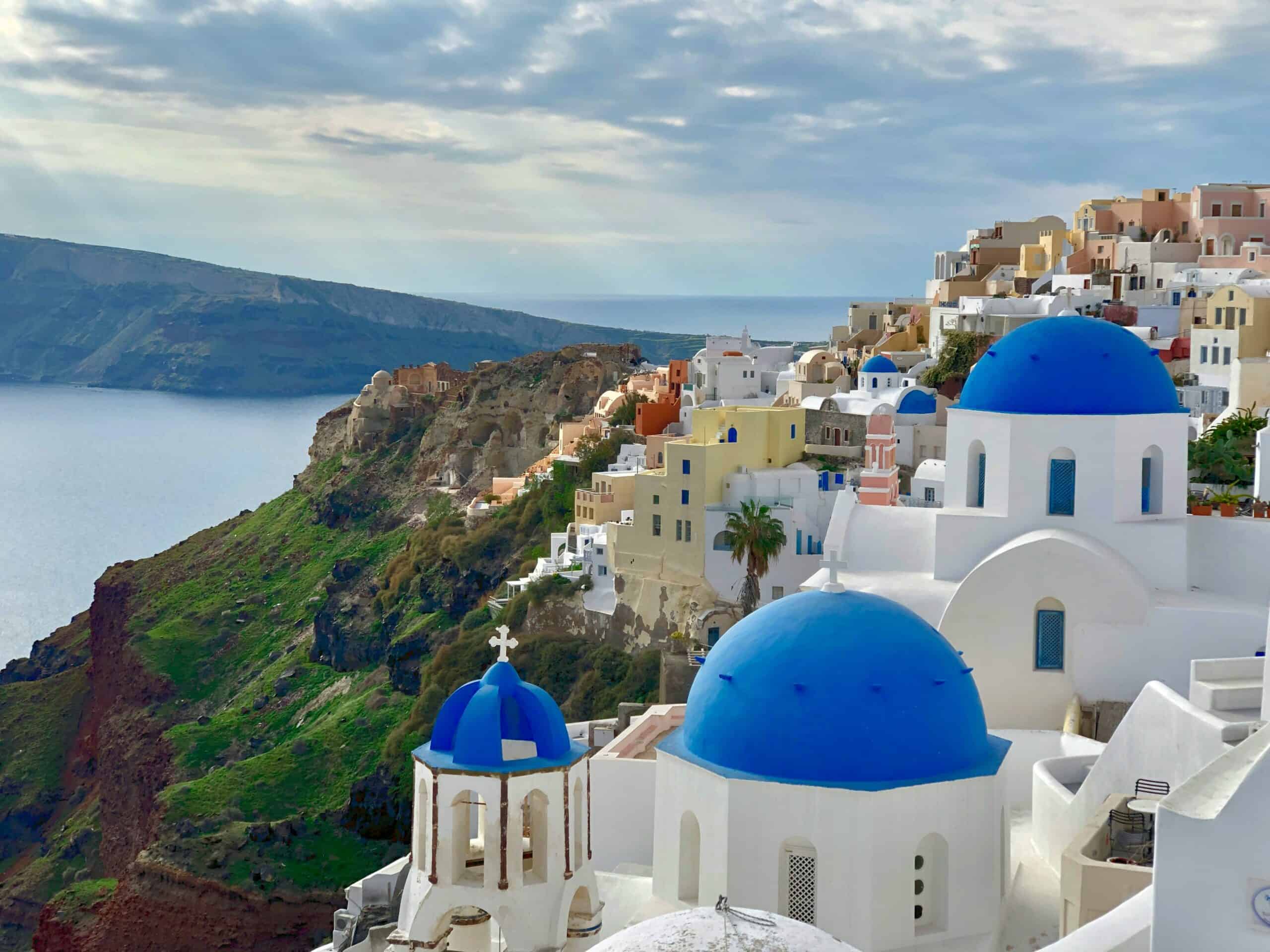
Santorini’s beauty comes from violence that cooled into elegance: a flooded volcanic caldera, black cliffs, and white towns balanced on the rim, with ferries tracing the arc far below. Oia and Fira glow at dusk, but the island’s quieter power shows in the colored beaches, from red sand to pale pumice, the layered rock, blue-domed chapels, and the way the Aegean shifts from ink to silver with passing clouds. In late spring, vineyards sit low against the wind, and church bells carry across the gap of sea, while dawn stays almost silent before the lanes fill, making the view feel both delicate and immense, as if the island floats above shadow.
Meteora, Greece
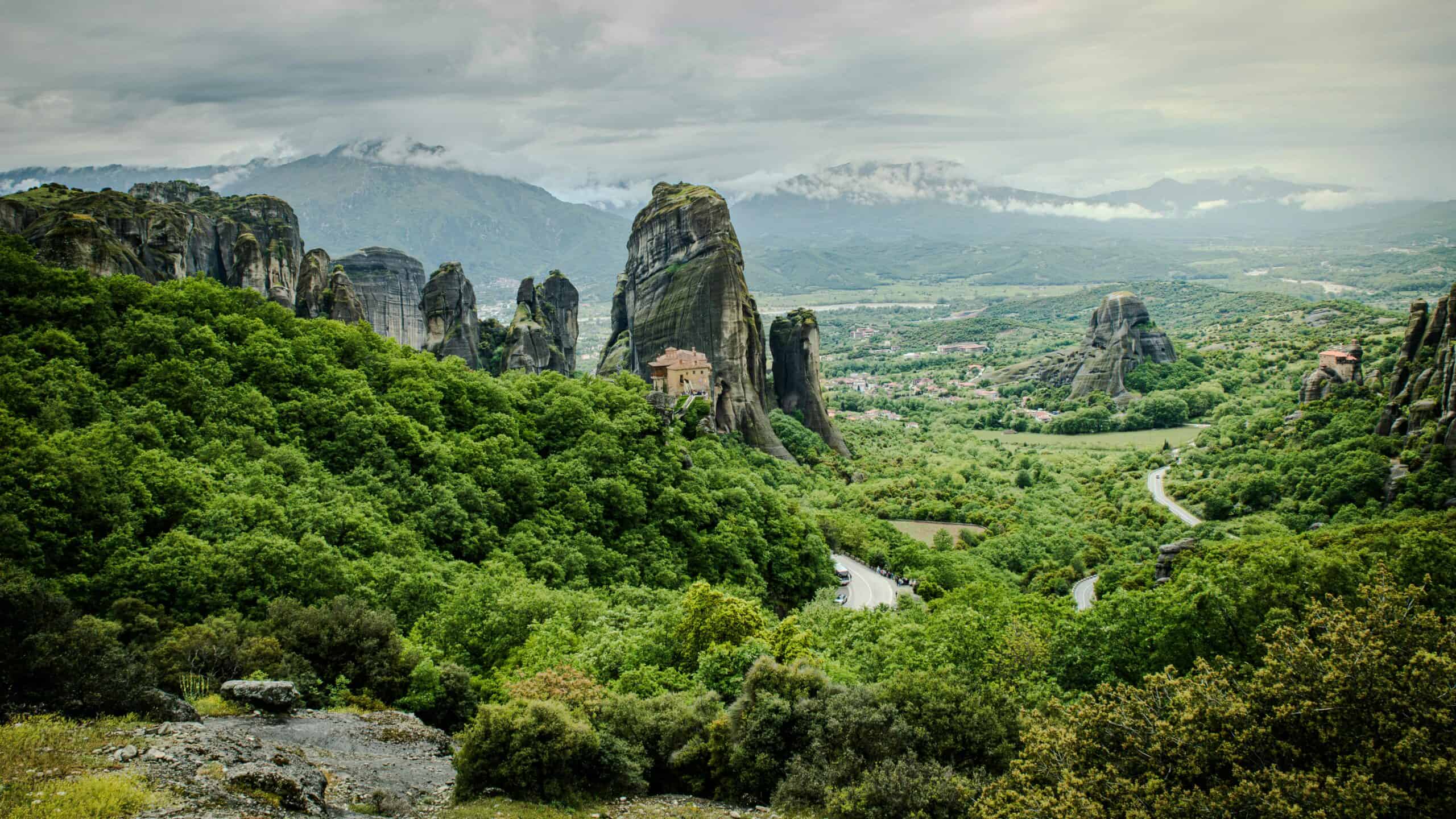
Meteora stands on towering sandstone pillars in central Greece, where monasteries seem to hover above the plain like lanterns of stone. Built centuries ago, the complexes sit at the edge of vertigo, reached by stairs cut into rock and paths that wind through cypress and scrub, with views that stretch toward the Pindus Mountains. UNESCO notes the near-inaccessible peaks and the monastic architecture built despite incredible difficulty, and the beauty comes from that mix of gravity and devotion, especially when morning fog fills the valley, bells echo faintly, and the pillars emerge one by one as swallows and hawks circle in the updrafts above.
Mont-Saint-Michel, France
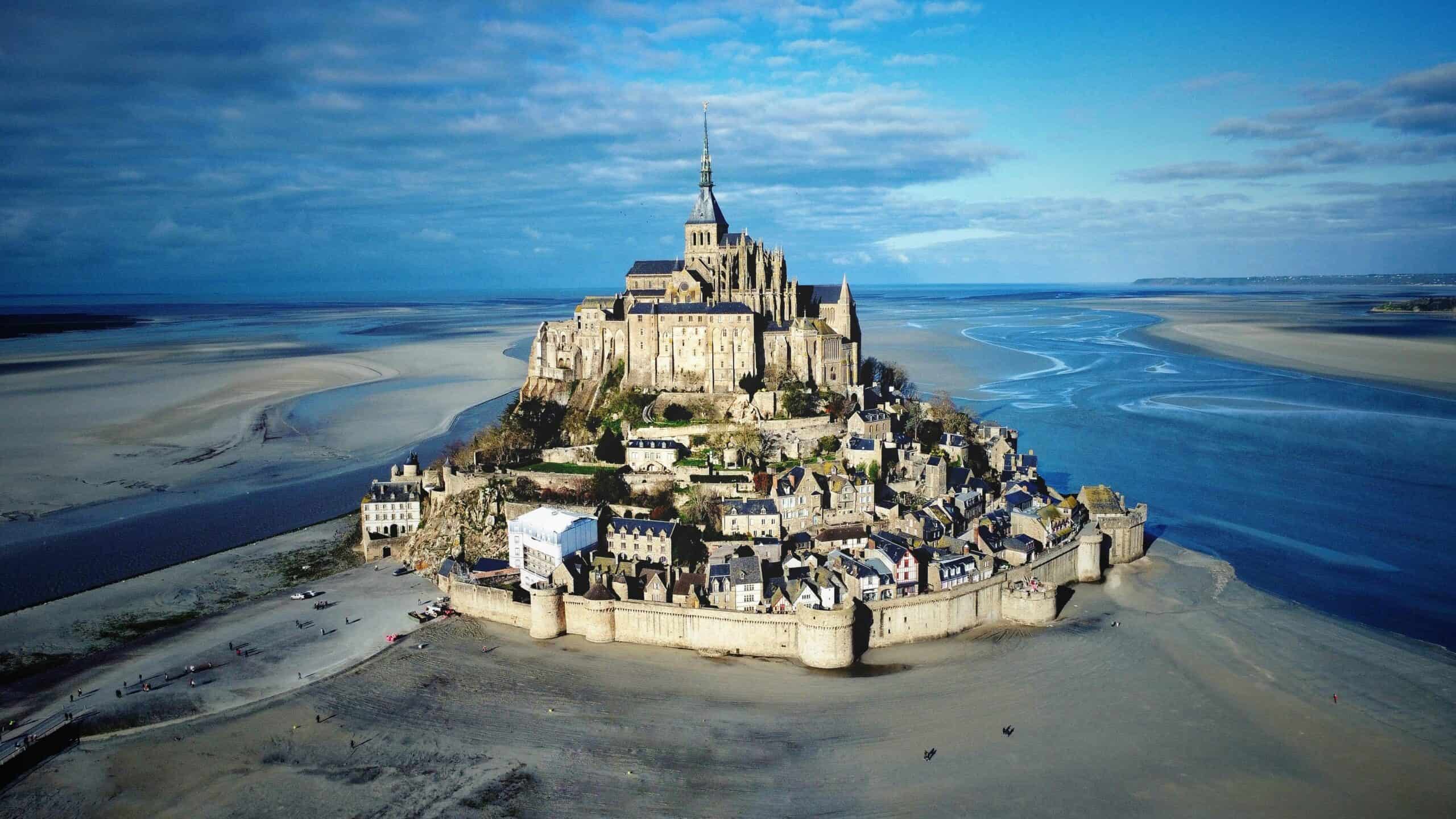
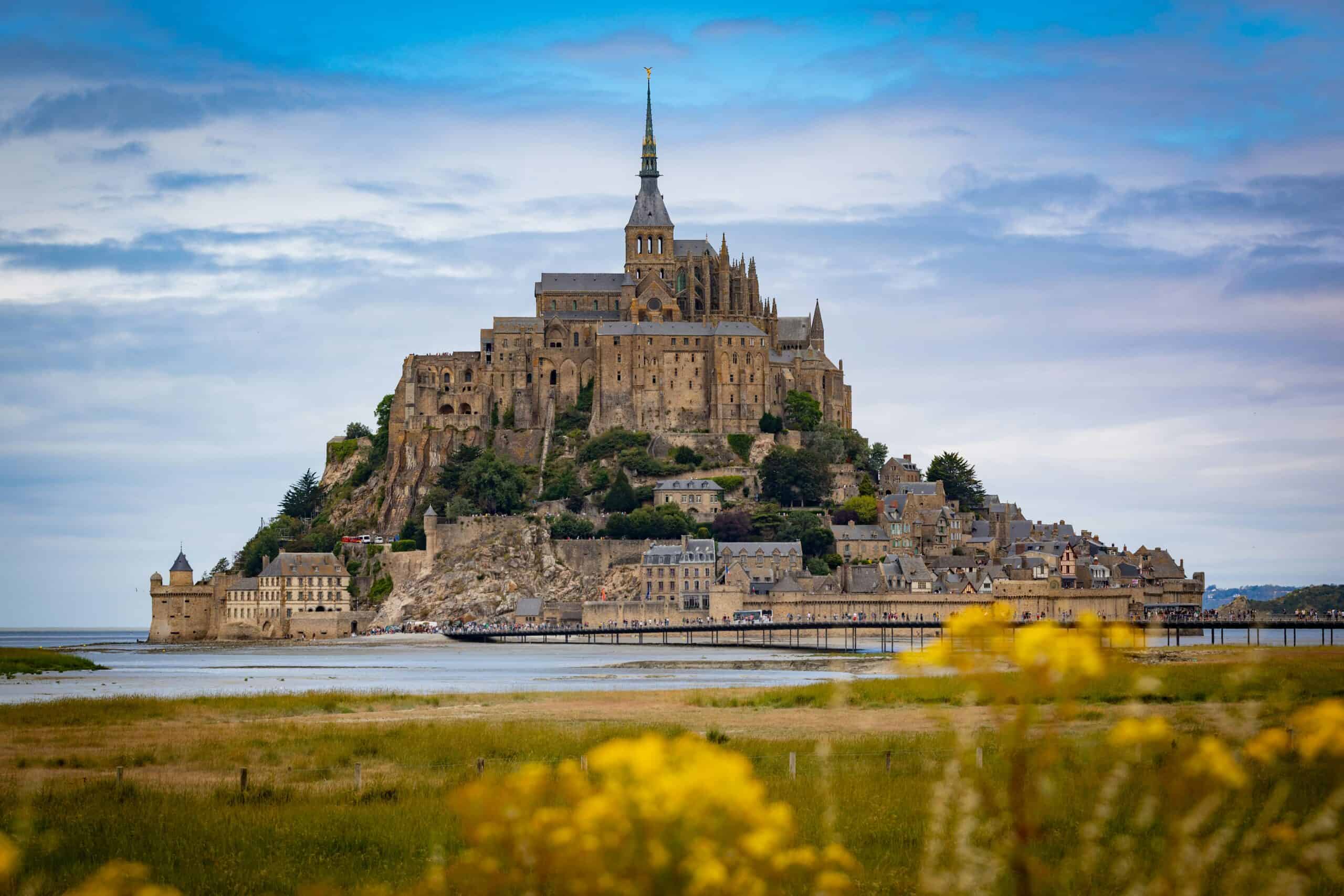
Mont-Saint-Michel rises from a tidal bay at the edge of Normandy and Brittany like a stone ship, its abbey and tight village stacked high above sandbanks and shallow channels. At low tide the flats stretch wide and quiet, and at high tide water returns fast enough to change the whole geometry, cutting the mount off and reflecting towers in silver ripples beside the causeway. UNESCO describes the site’s technical and artistic achievement, but the real magic is the setting: wind, gulls, and tidal light keep rewriting the view, and when the abbey turns honey-colored at dusk, the bay feels unreal, like a medieval sketch brought to life in full.
The Isle of Skye, Scotland
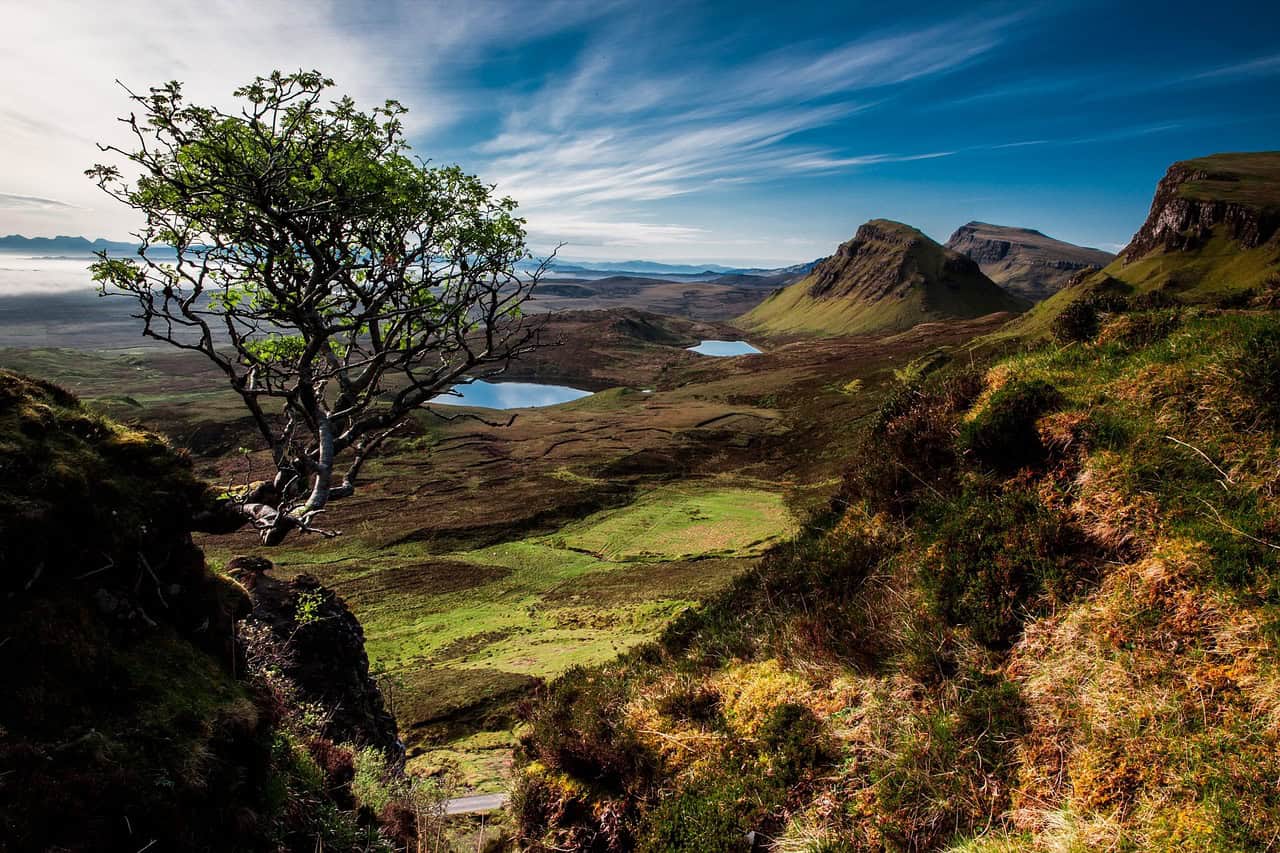
On the Isle of Skye, beauty arrives with weather, not despite it, as clouds race low, rain smells of salt and heather, and sunlight breaks through in hard, bright patches. The Quiraing’s folded cliffs, the Old Man of Storr, and the Fairy Pools sit beneath the Cuillin range, so jagged ridgelines, basalt columns, and peat-dark moorland share the same frame, then shift as fog rolls in. Even the quiet moments carry drama: sheep on single-track roads, wind off the Minch, and a horizon that keeps dissolving and re-forming, and in June, light can linger late enough to make the cliffs glow at 9 p.m. before darkness finally settles over the sea lochs.
West Norwegian Fjords, Norway
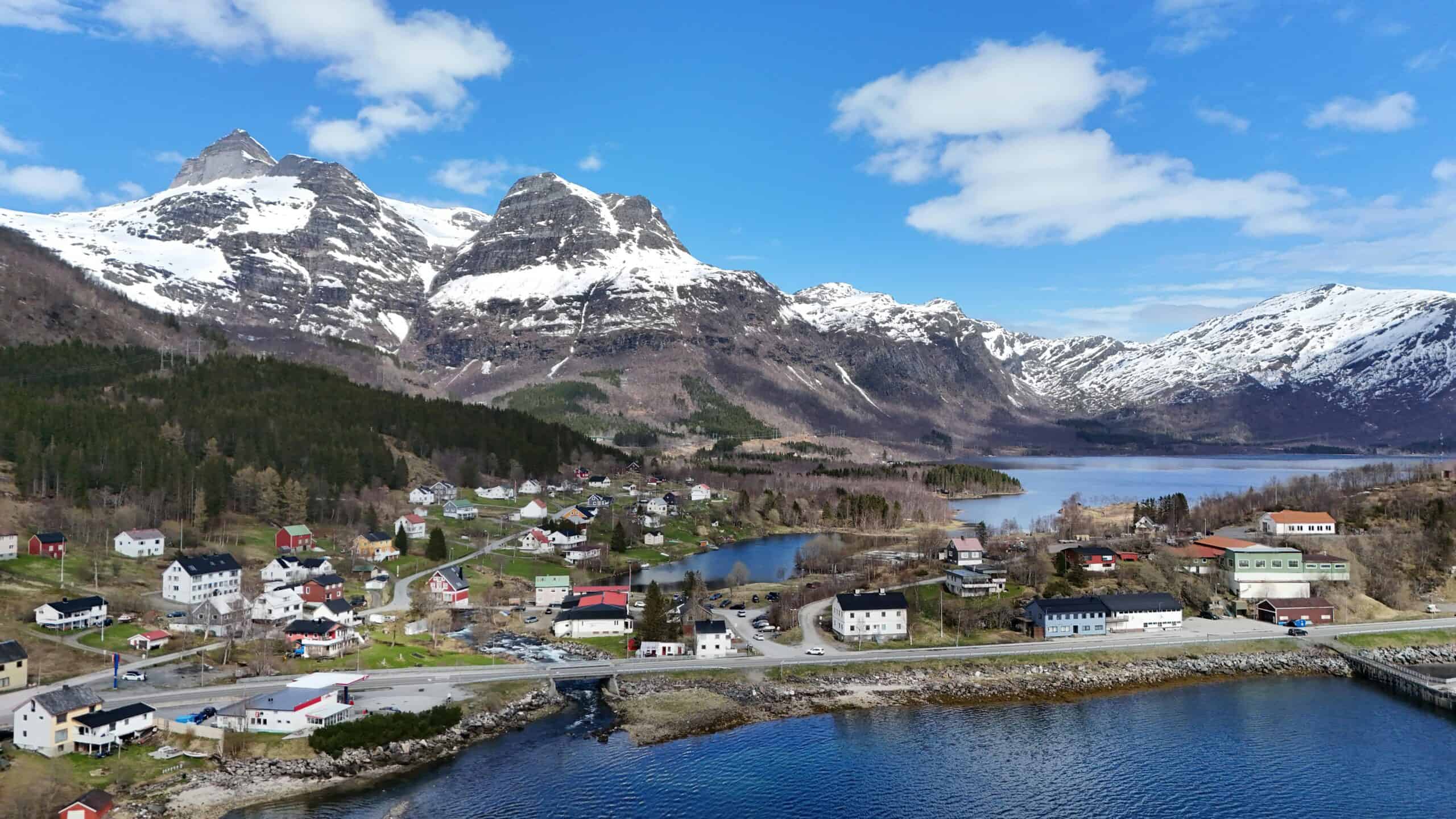
Norway’s West Norwegian Fjords, including Geirangerfjord and Nærøyfjord, compress mountains and water into a single, clean line of drama, with cliffs dropping straight into deep green-blue sea, and narrows that tighten to only a few hundred meters. Waterfalls appear in thin white threads, farms cling to ledges, and summer light hangs late, making even a quiet ferry ride feel cinematic. UNESCO describes these fjords as exceptional in scale and grandeur, and the label fits best in the moments between villages, when the water goes still, the peaks close in, and the only sound is the wake folding back into silence, like a breath held for miles.