We may earn money or products from the companies mentioned in this post. This means if you click on the link and purchase the item, I will receive a small commission at no extra cost to you ... you're just helping re-supply our family's travel fund.
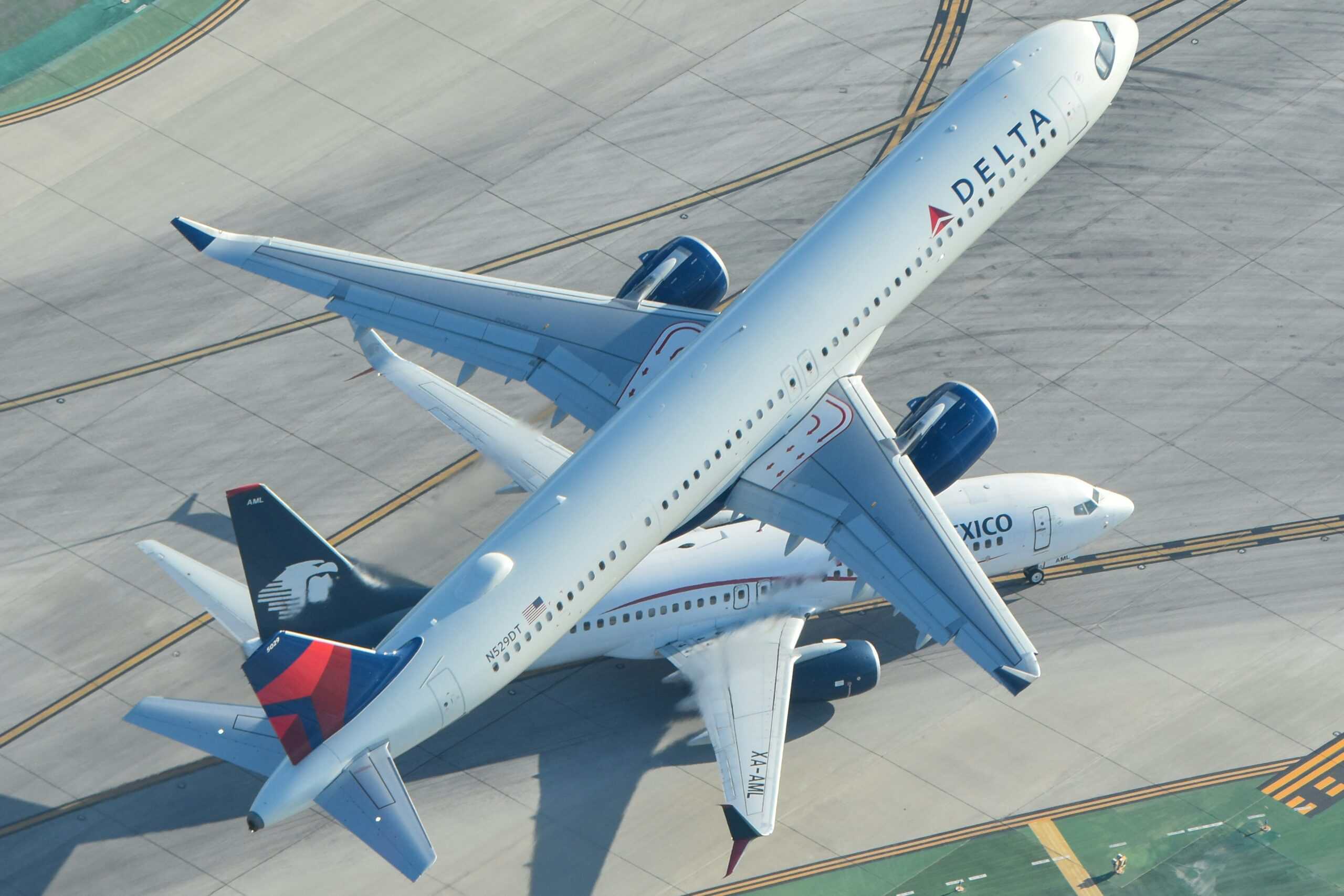
Seasoned travelers rarely judge an itinerary by fare alone. They study the weak points hidden inside a connection, the hubs where a single weather wobble, terminal transfer, or ground delay can unravel an entire day. The airports below are not universally terrible, and some still move astonishing numbers of people. But among frequent flyers, they are the places most likely to trigger a reroute, a longer layover elsewhere, or a deliberate decision to spend a little more for a calmer trip.
Newark Liberty International Airport
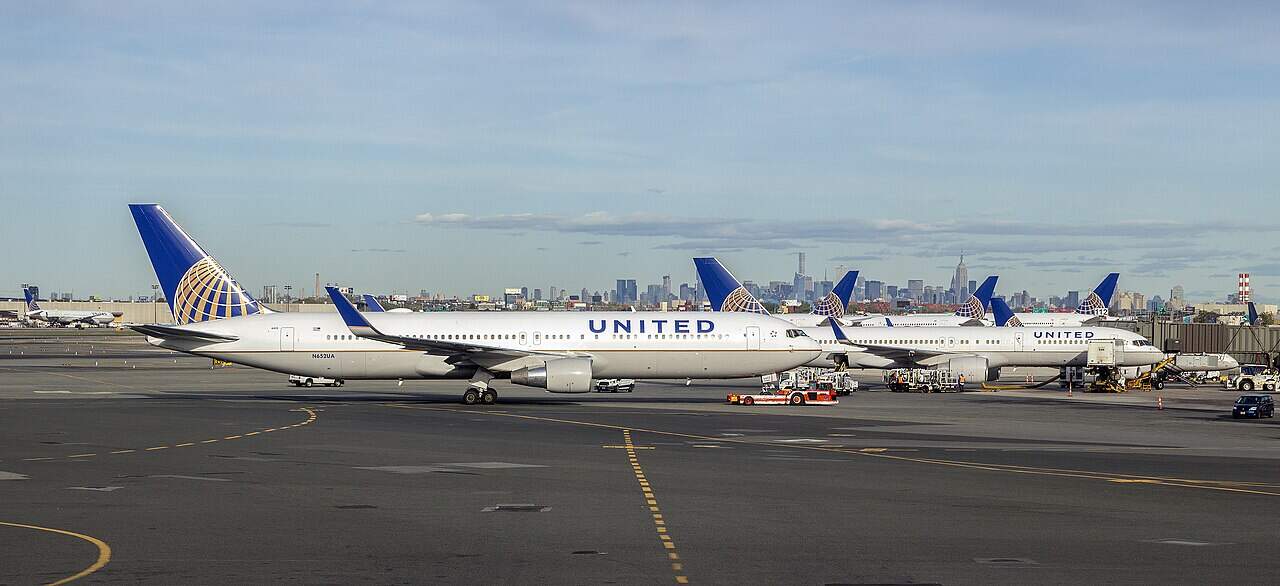
Newark has become the airport many road warriors mention first when the subject turns to avoidable misery. In the latest J.D. Power study, it ranked last among mega airports, and BTS data for December 2024 through November 2025 show arrivals on time only 71% of the time, average arrival delays of 90.14 minutes on delayed flights, and a 2.34% cancellation rate, one of the worst major-airport marks in the country. That combination makes even cheap fares feel expensive once missed meetings and overnight rebookings enter the picture. It is the kind of airport where a routine connection starts being treated like a risk-management decision instead of ordinary travel.
Charlotte Douglas International Airport
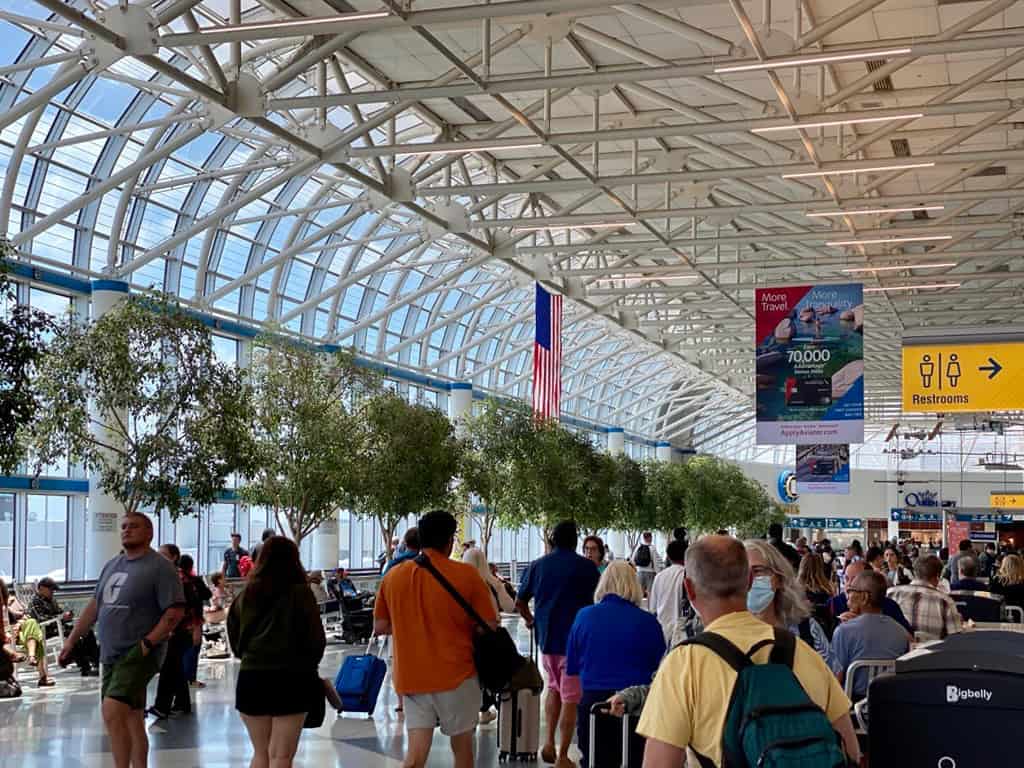
Charlotte looks manageable on a route map, but frequent flyers know it can punish tight connections. J.D. Power placed it near the bottom of the mega-airport category in 2025, while BTS shows 2025 departure on-time performance at 75%, average arrival delays of 88.67 minutes on delayed flights, and July 2025 airport delay rates above 33%. With American controlling about 67% of domestic passengers there, a disruption can ripple fast, leaving travelers feeling trapped inside a hub that works beautifully until it suddenly doesn’t. Travelers who pass through often enough stop fearing the dramatic meltdown and start dreading the ordinary, grinding slowdown.
Chicago O’Hare International Airport
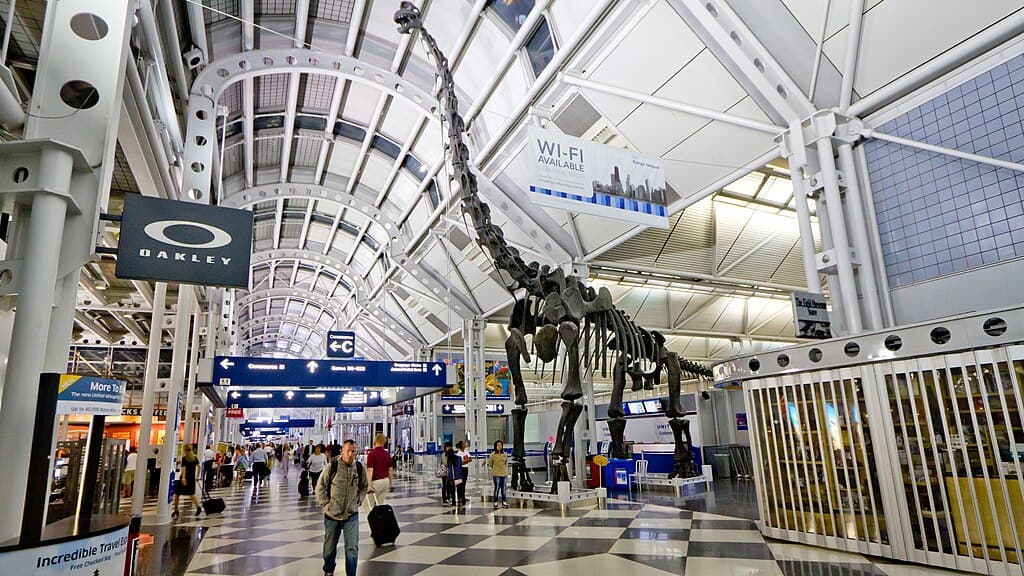
O’Hare still matters too much to ignore, which is exactly why some travelers route around it whenever they can. BTS shows Chicago O’Hare handled the most domestic departures among major U.S. airports in the latest period, yet only 74% of departures left on time, and J.D. Power placed it among the five lowest-rated mega airports in 2025. A giant network is useful, but at a field this busy, one afternoon of storms or traffic flow controls can turn a neatly planned connection into a scramble across terminals and a night spent refreshing the app. Its reach is unmatched, but its margin for error can feel painfully small. Even veteran flyers respect it more than they enjoy it.
John F. Kennedy International Airport
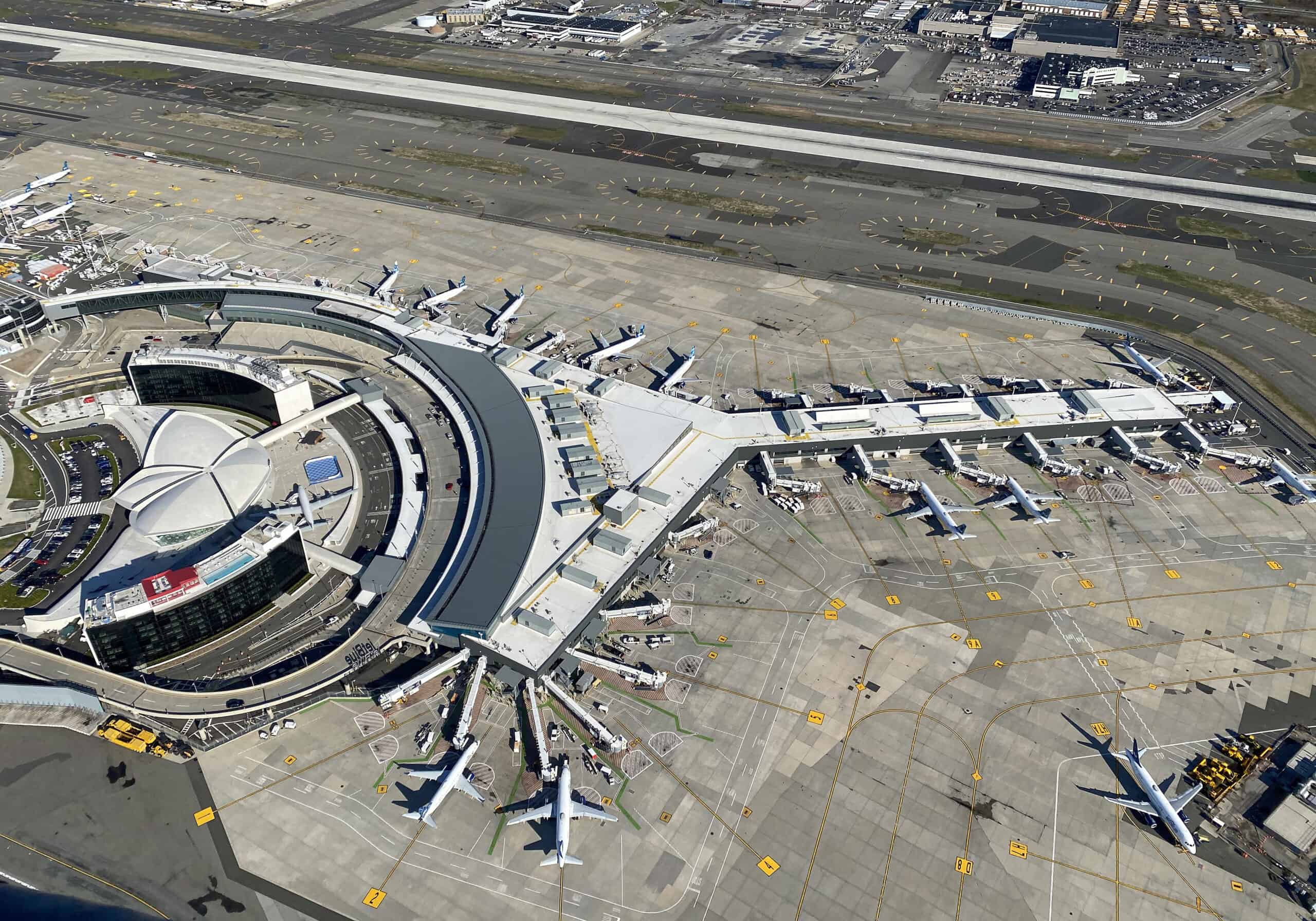
JFK remains essential for international itineraries, but frequent flyers often treat it like a necessary last resort rather than a preferred connection point. BTS data show only 76% of arrivals were on time in the latest year, average arrival delays on delayed flights reached 81.41 minutes, cancellations hit 1.71%, and July 2025 airport delay rates climbed past 28%. Even when flights operate, the airport’s scale and uneven rhythm can make every step feel slower than it should. The airport still delivers reach, yet its day-to-day texture often feels heavier than the fare suggests.
Denver International Airport
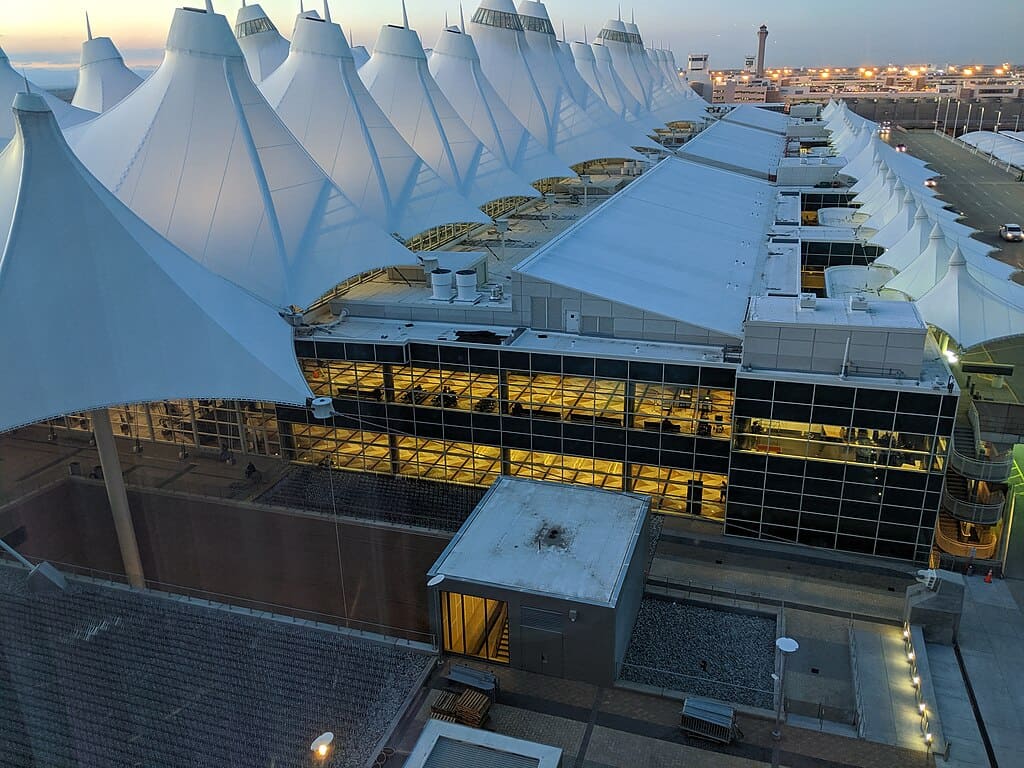
Denver can look efficient on paper right up until weather, traffic volume, or a long concourse transfer starts compounding the clock. BTS says it ranked No. 3 in domestic departures for the latest year, but only 74% of departures were on time, one of the weakest scores among major airports. That matters because Denver is often sold as the convenient middle of the country. When a central hub slips, it can spray missed connections in every direction, and frequent flyers know a routing through Denver sometimes needs extra padding before it deserves real trust. That is why veteran travelers often treat a short Denver layover as a gamble rather than a convenience.
Miami International Airport
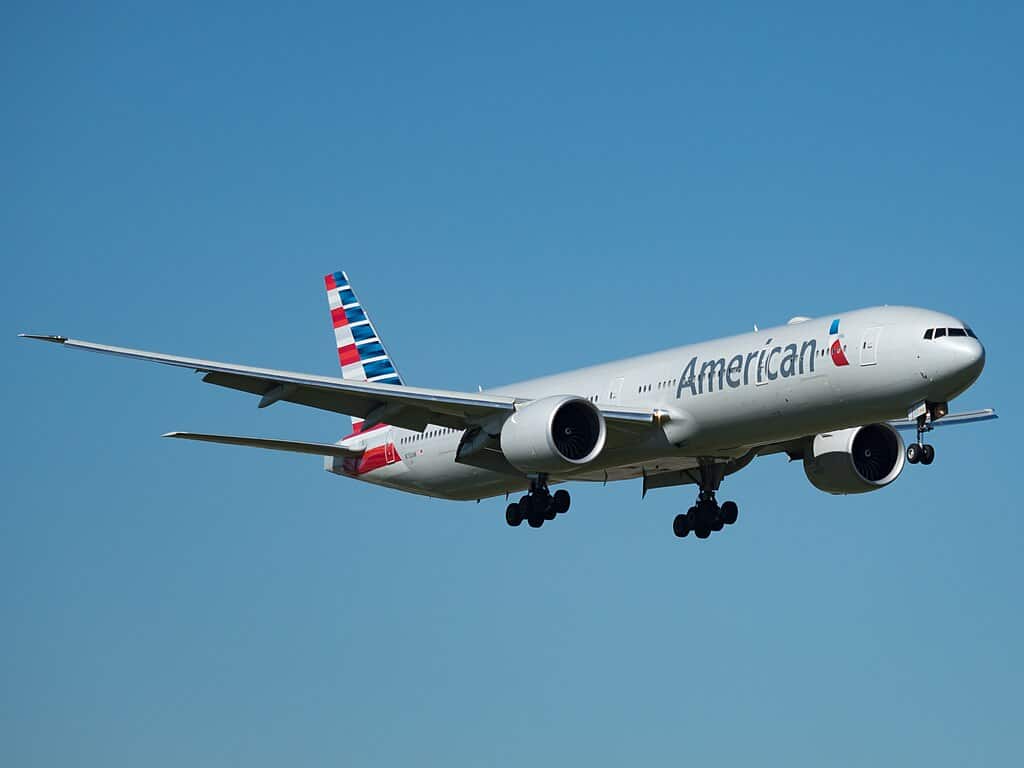
Miami is one of those airports that can feel glamorous in marketing photos and exhausting in practice. BTS shows only 73% of departures left on time in the latest period, ranking near the bottom among major airports, while average arrival delays on delayed flights reached 78.04 minutes. It also remains heavily concentrated around American, which handled roughly 61% of domestic passengers. Add South Florida weather volatility and a terminal experience that can feel stretched at peak hours, and many experienced travelers decide a calmer connection is money well spent.
Fort Lauderdale-Hollywood International Airport
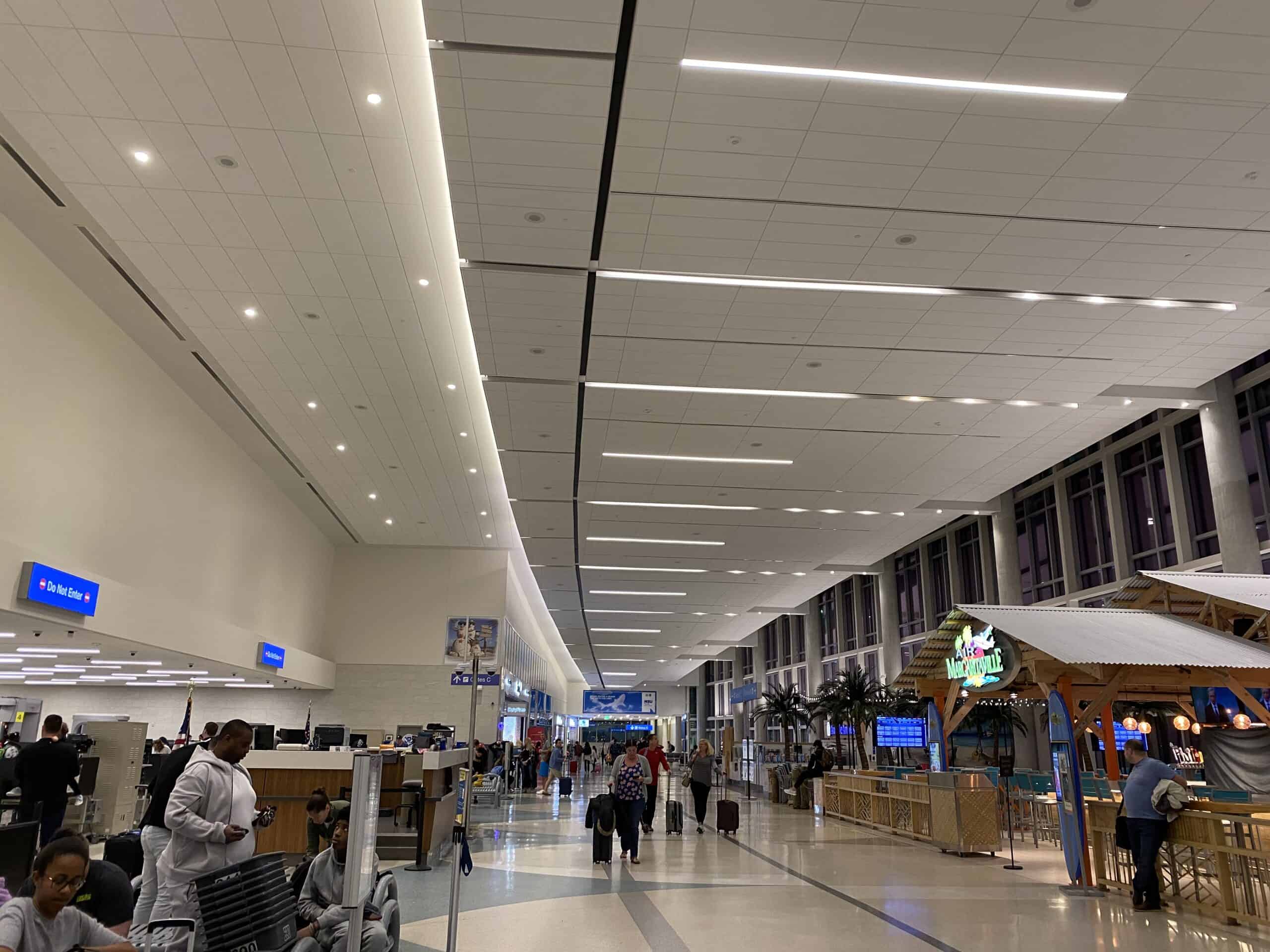
Fort Lauderdale does not always dominate national airport discourse, but its numbers explain why savvy travelers sometimes step around it. BTS shows just 75% of departures and 75% of arrivals were on time in the latest year, with average departure delays above 72 minutes on delayed flights. Passenger traffic and departures both fell from the prior year, yet the airport still posted airport delay rates above 20% in several 2025 months. It tends to feel exposed to the same South Florida weather swings that trouble Miami, but without the aura that makes people forgive the friction. That quiet, repeated drag is exactly what teaches frequent flyers to connect elsewhere.
Philadelphia International Airport
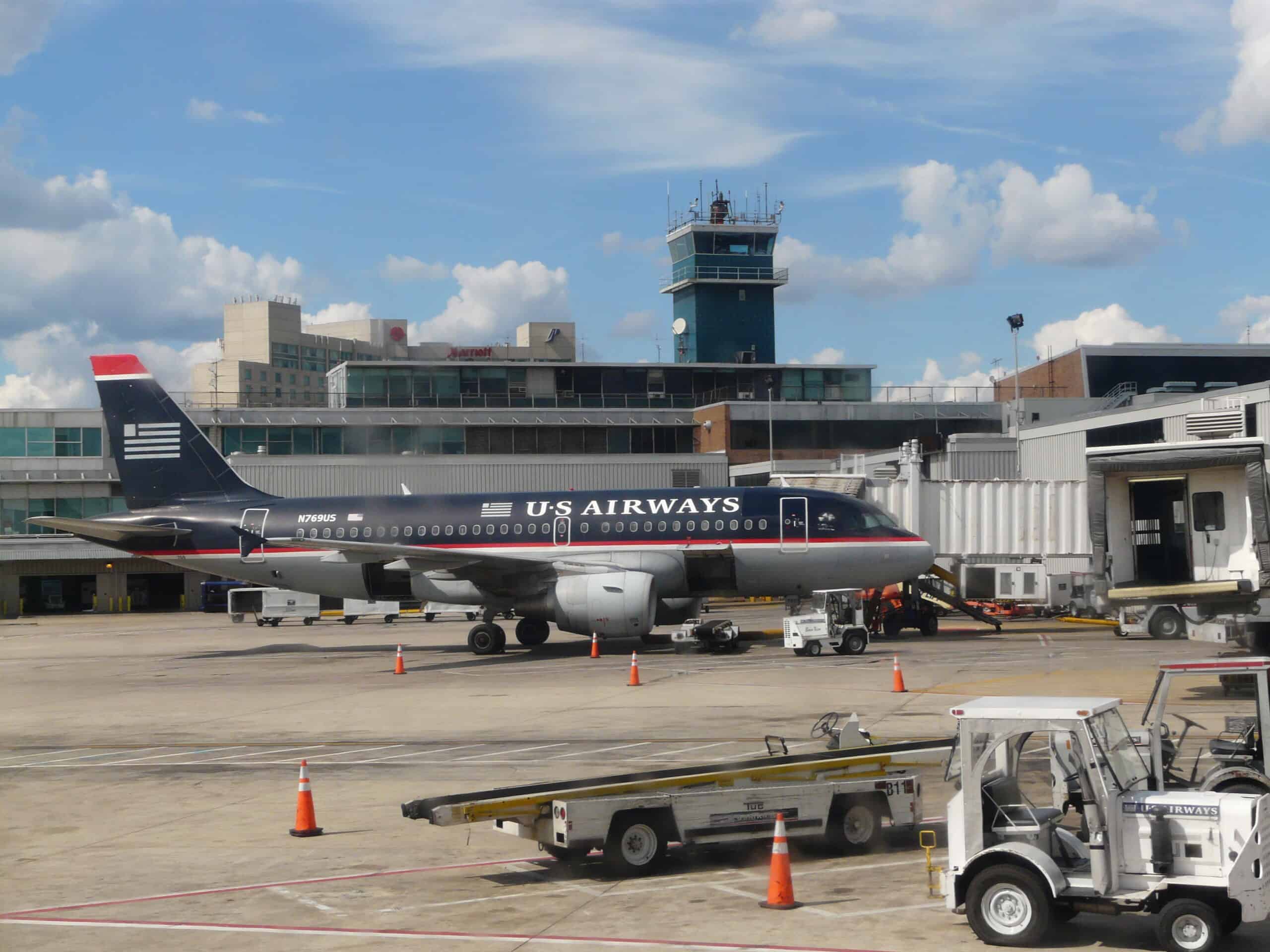
Philadelphia does not always dominate delay headlines, yet it has quietly earned the kind of reputation frequent flyers take seriously. J.D. Power ranked Philadelphia the worst large airport in North America in 2025, a result that reflects the full experience rather than one bad travel day. For experienced travelers, that matters. A hub does not have to be catastrophic to be exhausting; it only has to be consistently irritating, slightly crowded, and just unreliable enough that people with options start choosing other routings instead. Over time, that steady drip of friction becomes enough to push loyal travelers elsewhere.
Los Angeles International Airport
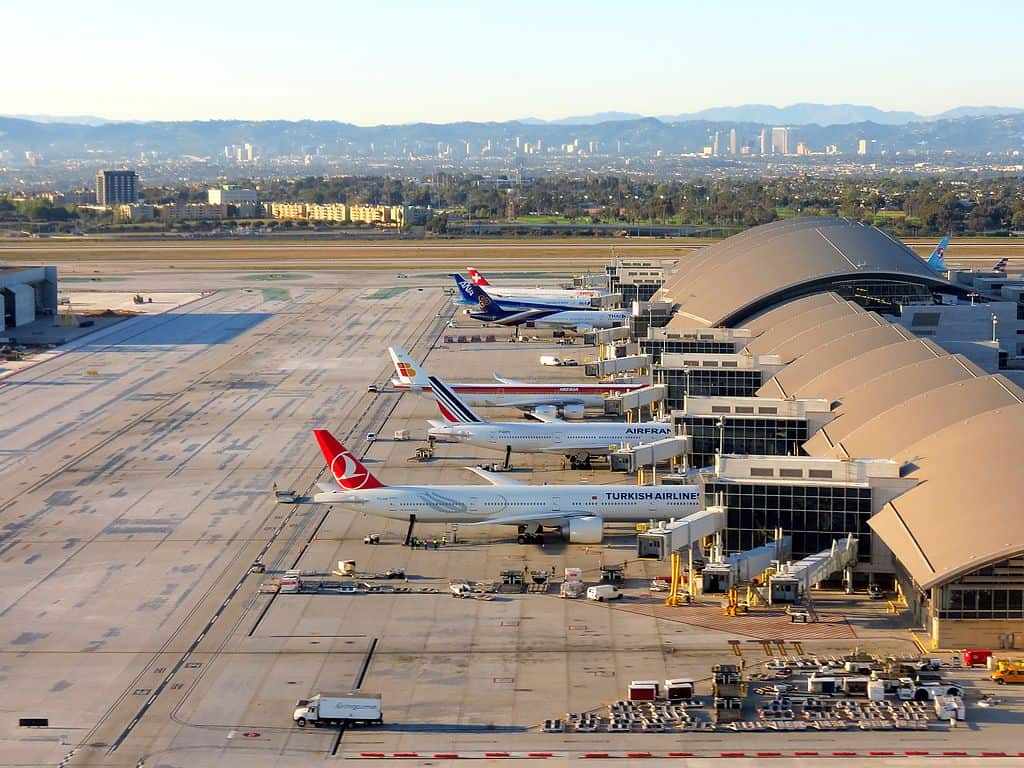
LAX is the classic example of an airport people avoid even when the numbers do not scream disaster. BTS shows its on-time performance is actually stronger than many peers, with 82% of departures and 81% of arrivals on time in the latest year, yet passenger satisfaction remains weak: a Los Angeles Times summary of the 2025 J.D. Power rankings placed it 16th out of 21 mega airports. That gap says something important. Frequent flyers do not reroute only because of cancellations. They reroute because access roads clog, terminals feel fragmented, pickup rules are a chore, and a simple connection can feel like a second trip layered awkwardly onto the first. For travelers trying to protect energy as much as time, LAX can feel like an avoidable tax.
Seattle-Tacoma International Airport
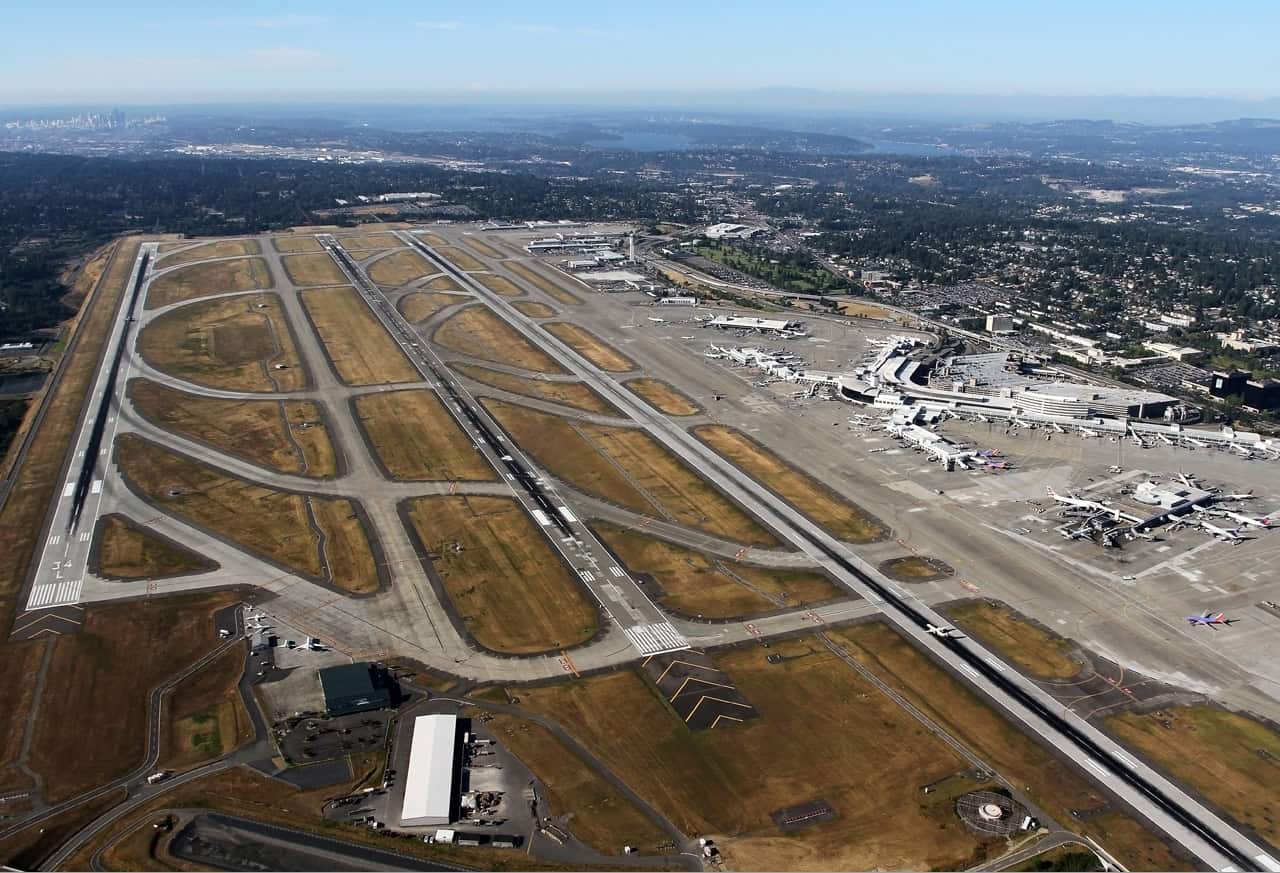
Seattle-Tacoma is another airport whose problem is not pure operational collapse so much as traveler wear. J.D. Power placed it near the bottom of the mega-airport field in 2025 even though BTS shows relatively decent on-time numbers, including 78% of departures on time, 79% of arrivals on time, and a 0.78% cancellation rate in the latest year. That is exactly why it frustrates seasoned flyers. The issue is cumulative: crowding, pinch points, and a sense that the airport asks for more patience than a frequent traveler wants to spend. When an airport is merely acceptable in the data but draining in lived experience, people with choices often start making different ones. In frequent-flyer logic, that low-grade fatigue is often reason enough to reroute.