We may earn money or products from the companies mentioned in this post. This means if you click on the link and purchase the item, I will receive a small commission at no extra cost to you ... you're just helping re-supply our family's travel fund.
Popularity shows up in real places, not headlines. It shows up in airport queues, booked-out weekends, and streets that stay busy long after dinner. A widely cited 2025 ranking from Euromonitor International tracks international arrivals and points to a clear top 10, led by Asia and supported by familiar giants in Europe and the Middle East. These cities succeed for different reasons, but the pattern stays consistent: strong connectivity, dense experiences, and enough variety to keep repeat visits from feeling repetitive.
Bangkok, Thailand
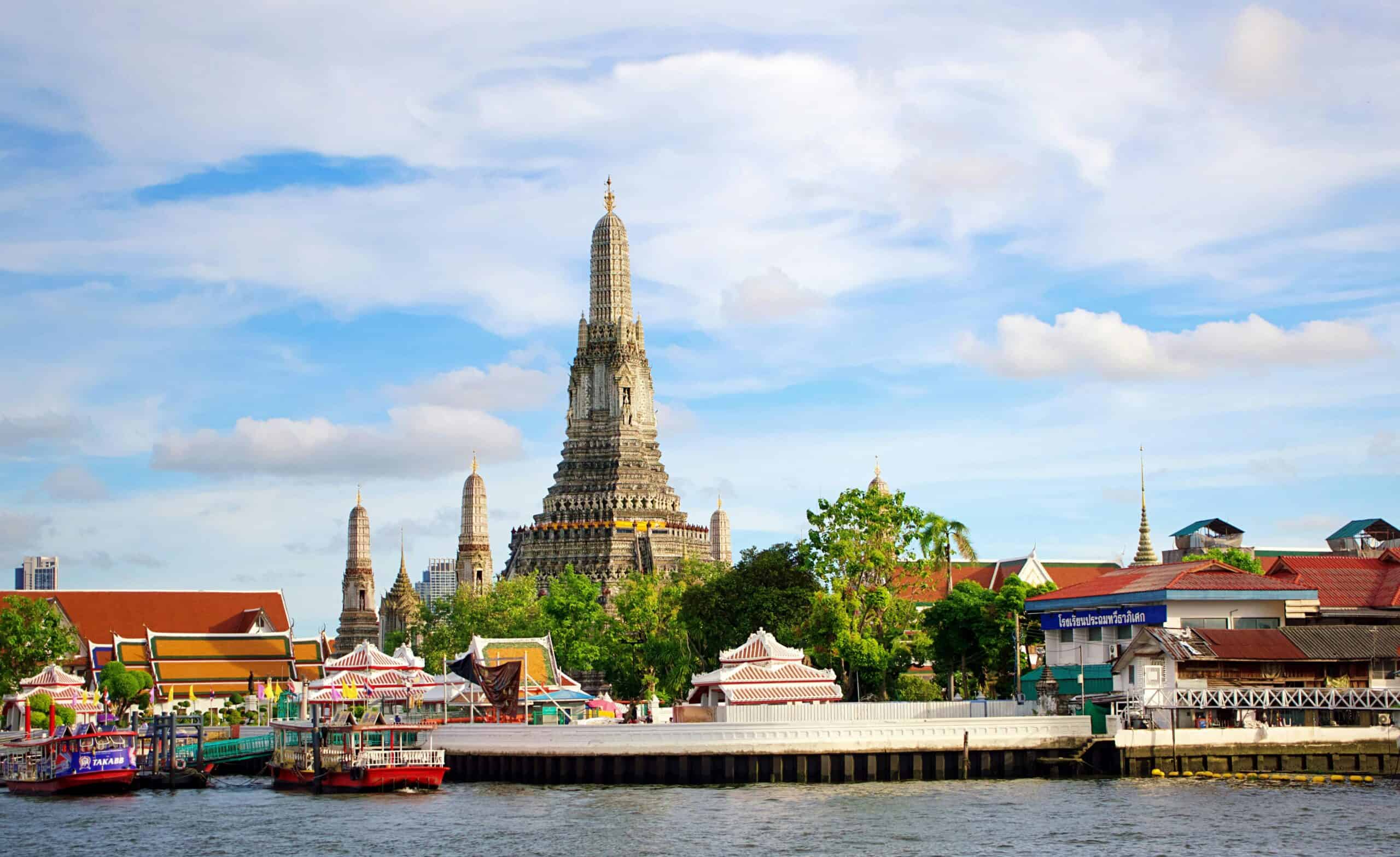
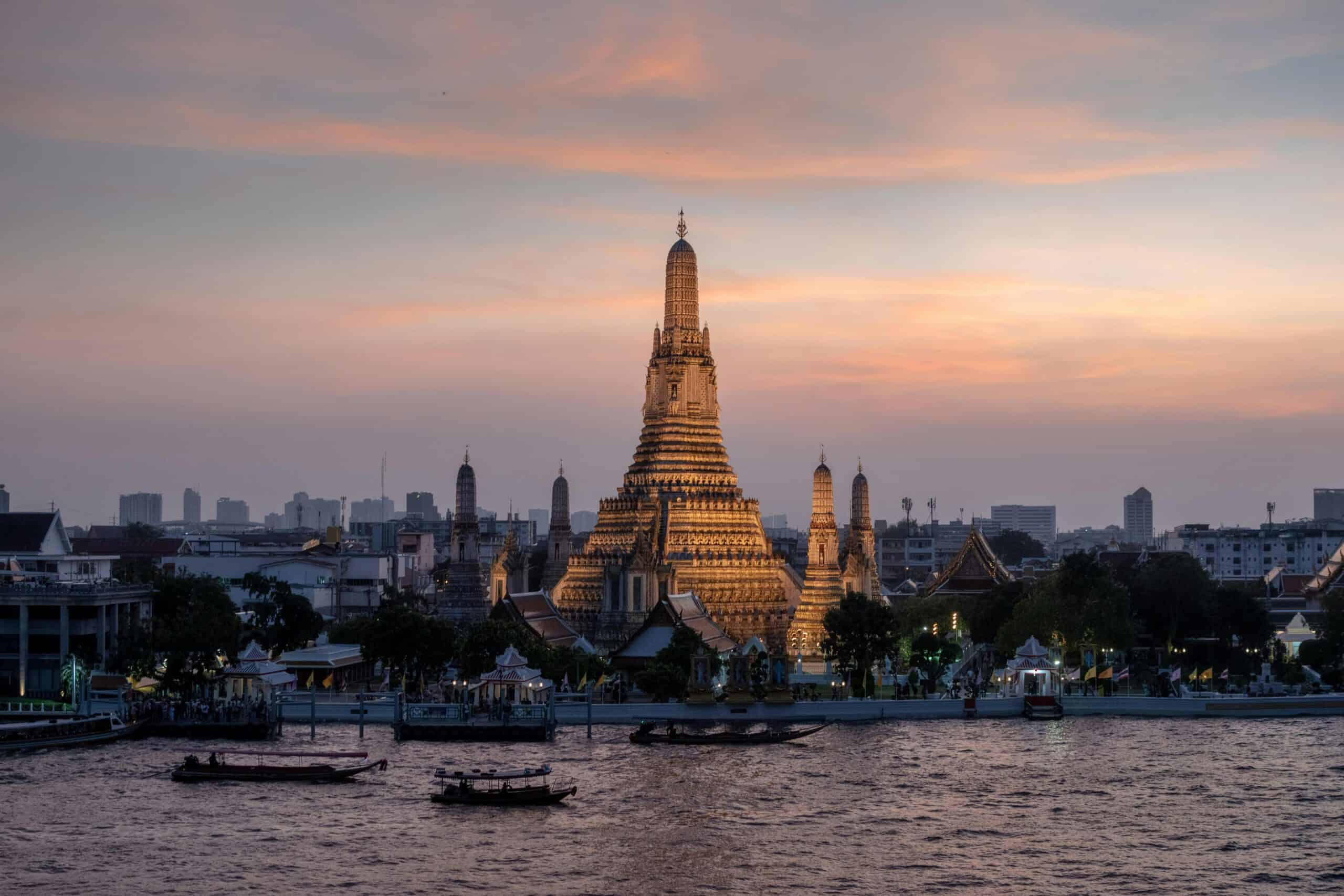
Bangkok led the 2025 ranking with 30.3 million international arrivals, and the number makes sense once the city’s rhythm takes over. Temples, markets, and street-food streets keep nights alive, while river boats and skytrain lines help stitch neighborhoods together without losing whole days to traffic. The city’s calm exists in pockets, early walks in Lumphini Park, a cool hour inside Wat Pho, or a ferry ride when the Chao Phraya carries the noise away. Bangkok works because it offers intensity and relief in the same day, and it never feels like a single-scene destination.
Hong Kong
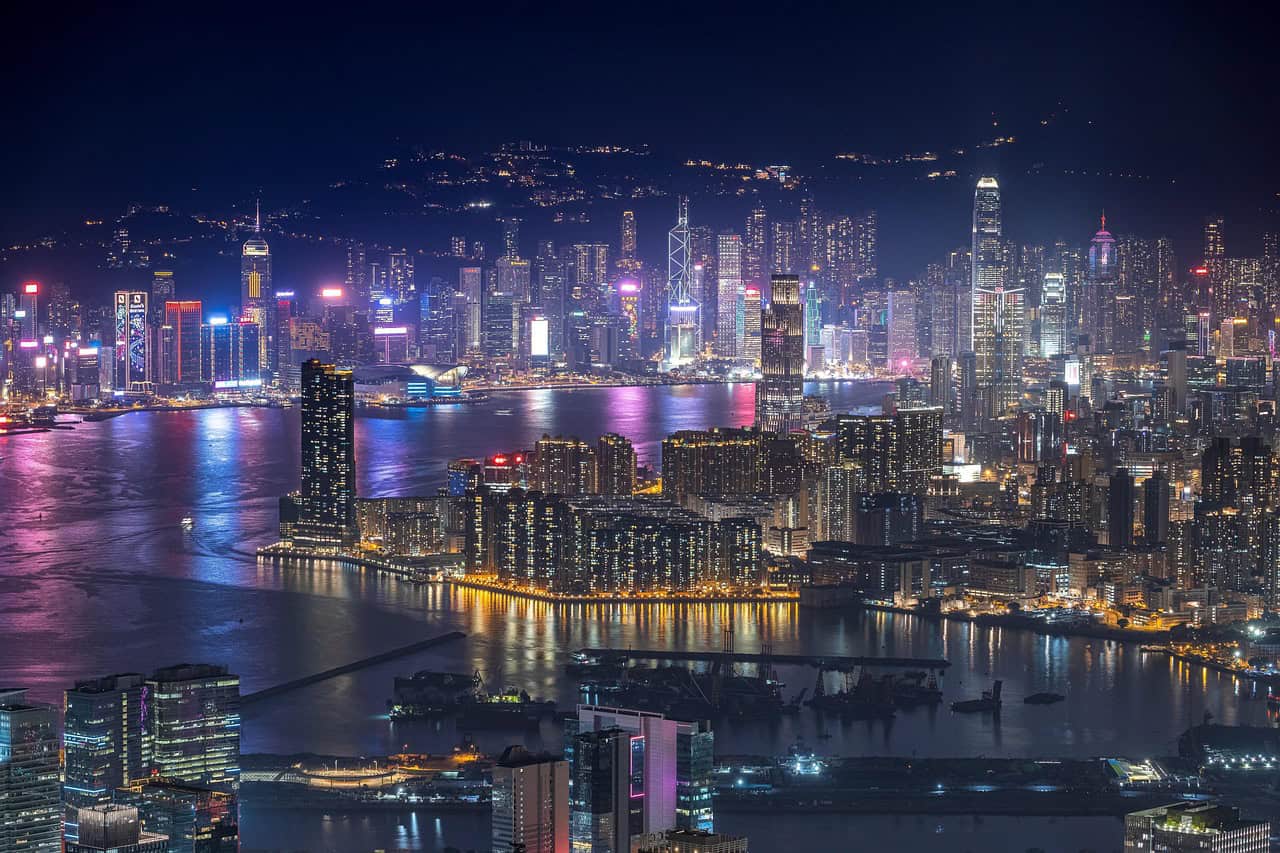
Hong Kong drew 23.2 million arrivals and proves how far density can go when the infrastructure keeps up. Transit makes the city feel efficient rather than exhausting, so a day can move from dim sum to harbor promenade to a hilltop view without constant friction. The best quiet is usually above the skyline, on Victoria Peak at off hours or on the Dragon’s Back trail, where the ocean shows up and the city starts to look small. Evenings settle into neon reflections on the water, and the famous energy feels less like chaos and more like a well-run current.
London, United Kingdom
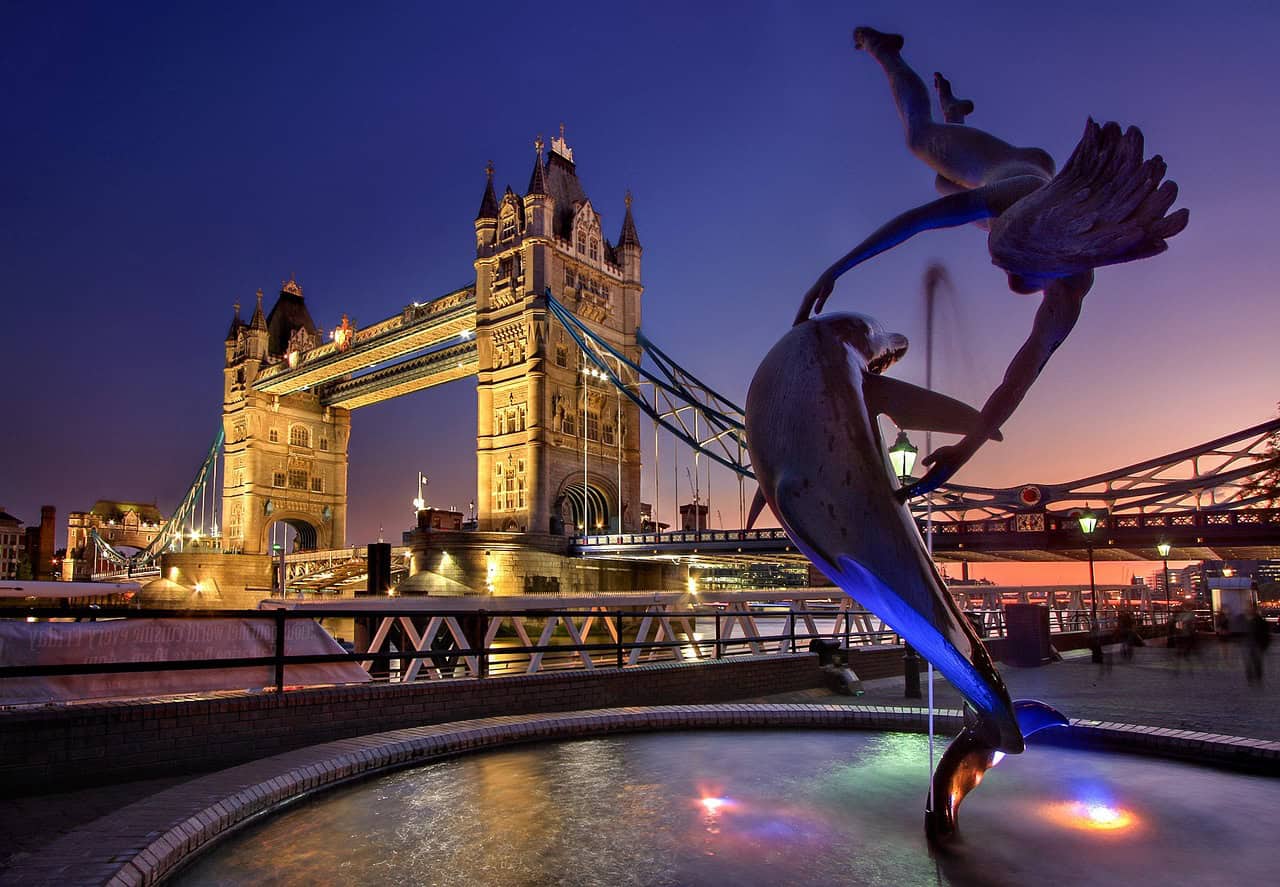
London ranked third with 22.7 million arrivals, and it stays popular because it handles big crowds without forcing a frantic pace. Museums, markets, neighborhoods, and parks sit close enough that travel days can still feel like living, not commuting. The calm is not a gimmick. It shows up in Hyde Park early, along Regent’s Canal, and on twilight walks beside the Thames when the tourist layers thin out and the city turns quiet and conversational. London’s charm is that it supports slow wandering even when it is full, which is a rare trait for a global capital.
Macau, China (SAR)
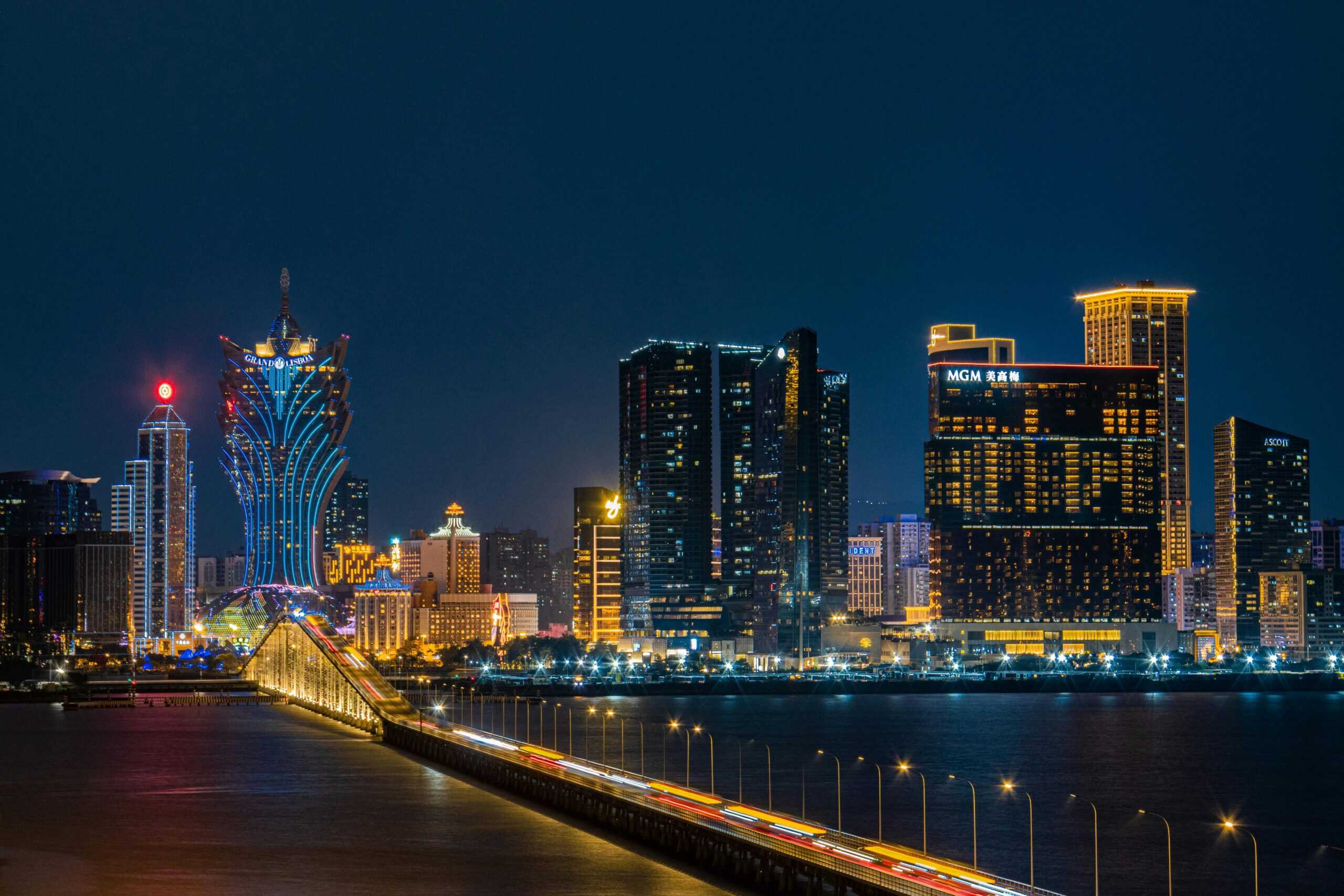
Macau reached 20.4 million arrivals and thrives on contrast that is easy to access on foot. Casino towers and show venues share blocks with Portuguese-era squares, tiled lanes, and churches that feel surprisingly intimate once the crowds drift away. Late at night the resort glow stays bright, but side streets can go still, and the waterfront promenade becomes the best reset, where sea air cuts through the neon. Morning hours can feel almost gentle, with cafés waking up before the day’s biggest surges return. Macau’s popularity is not only about gaming. It is about how much fits into a small, walkable map.
Istanbul, Türkiye
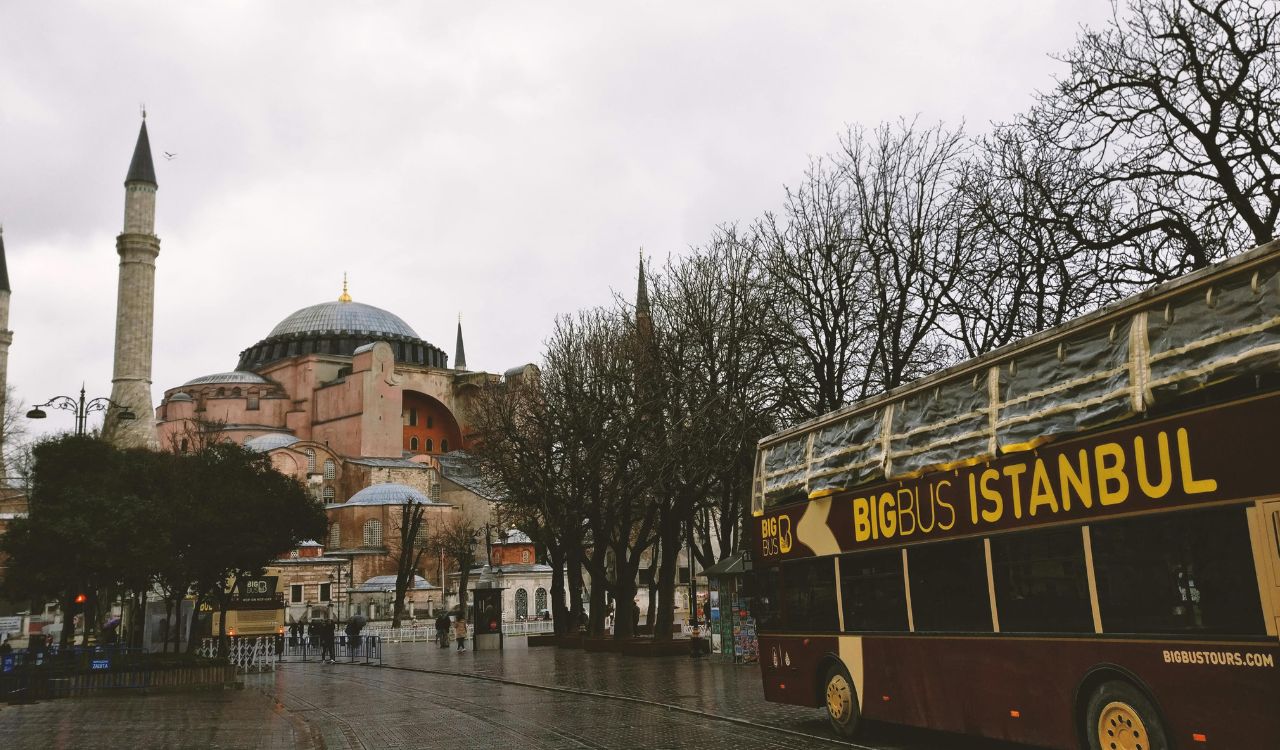
Istanbul drew 19.7 million arrivals and remains one of the world’s best cities for a trip that feels layered rather than linear. The Bosphorus creates natural movement, and ferries make crossings feel scenic instead of stressful, which changes how the city is experienced. Bazaars and monuments can overwhelm the senses, then a tea break by the water steadies everything. Quiet arrives in courtyards at prayer time, early mornings on the Galata Bridge, and hillside streets where cats own the sidewalks and small cafés feel like neighborhood living. Istanbul stays popular because it lets history and daily life share the same frame.
Dubai, United Arab Emirates
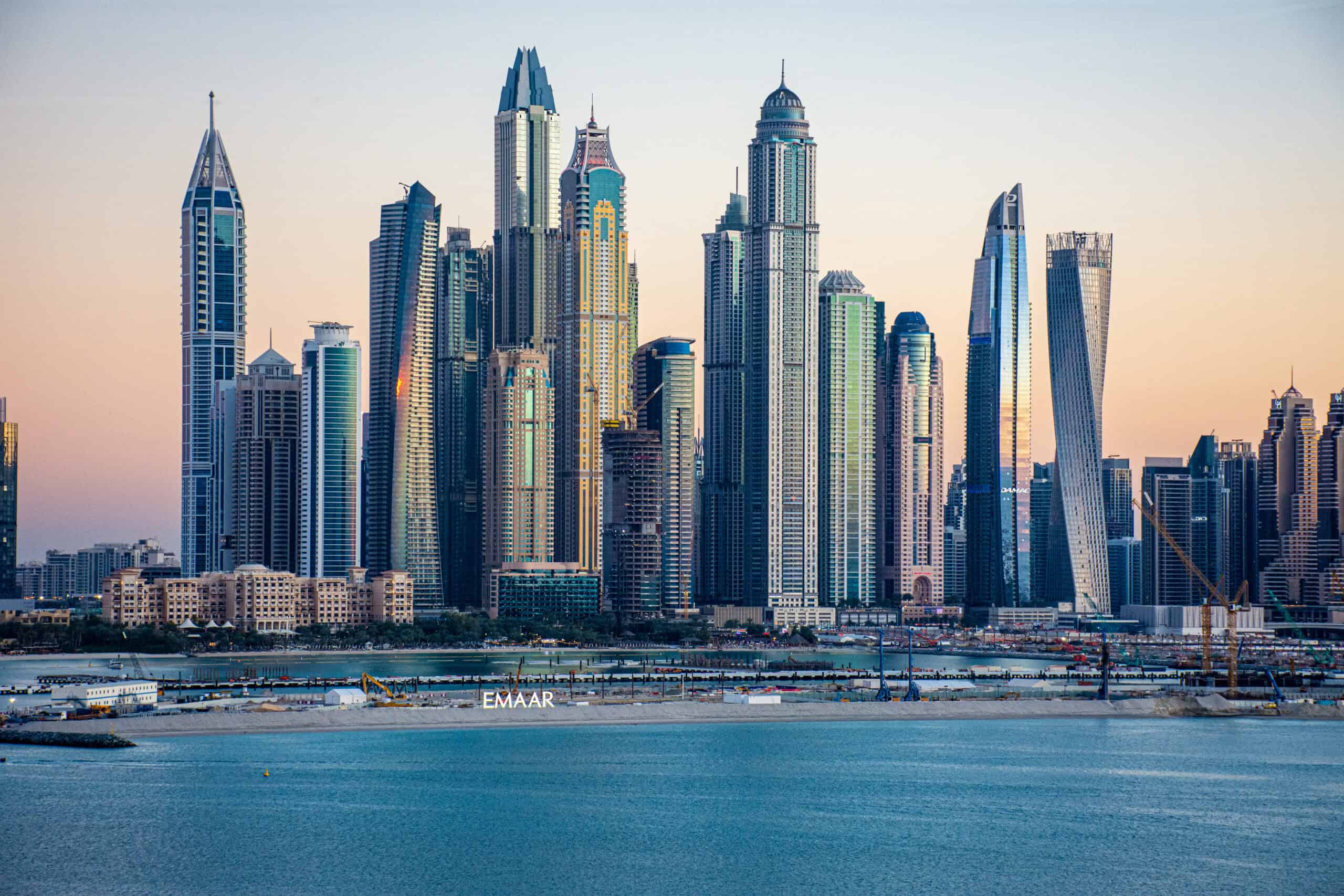
Dubai logged 19.5 million arrivals and earns repeat visits by being easy to navigate, even on short stays. The skyline is the headline, but the trip feels better when it includes contrast, creek-side neighborhoods, late-night food, and desert edges reached before sunrise when the sand is cool and the light is clean. Calm shows up at dusk along the marina, on a quiet beach stretch outside peak hours, or in the desert’s early hush. Dubai’s popularity is partly about airports and hotels, but it also comes from how quickly a visitor can shift from spectacle to quiet without complicated planning.
Mecca, Saudi Arabia
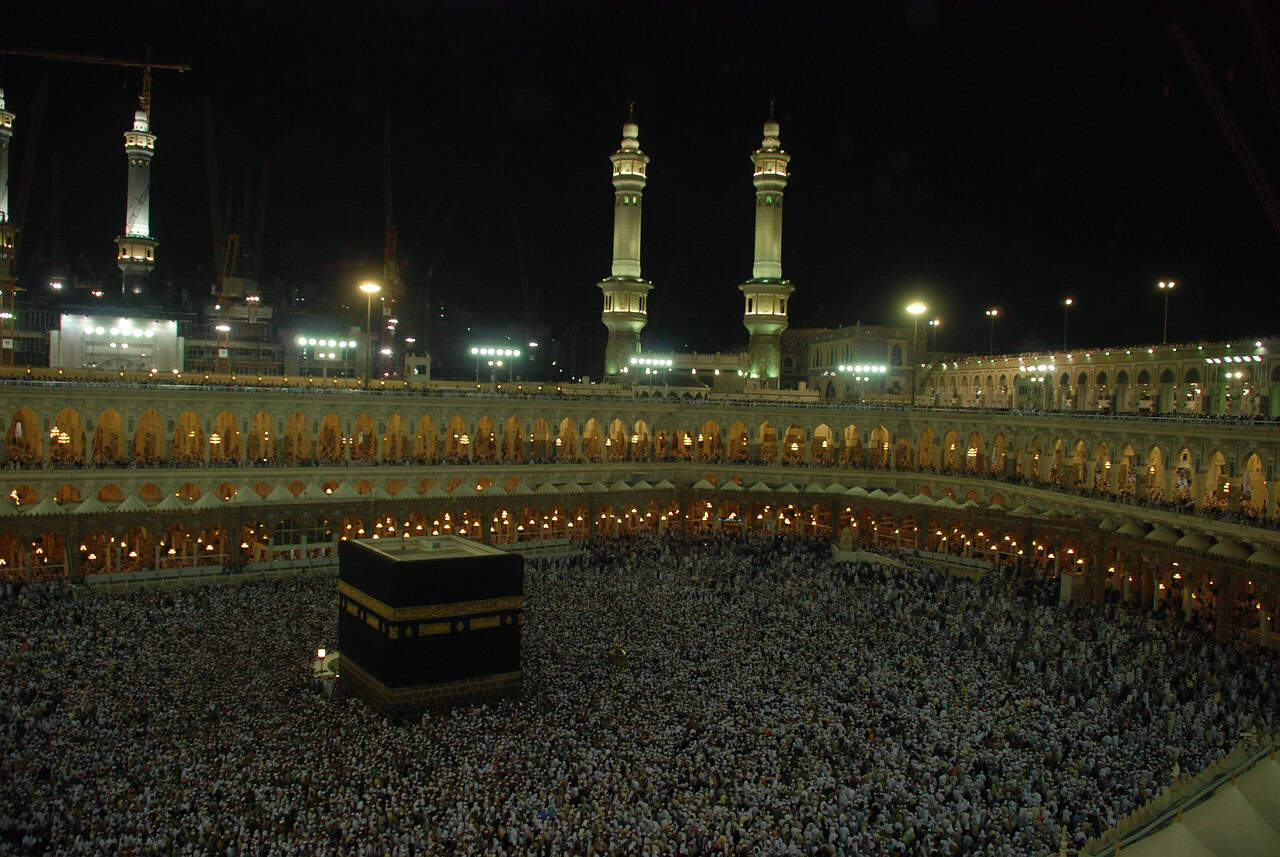
Mecca welcomed 18.7 million international arrivals, driven by pilgrimage travel on a scale few destinations can match. The energy near the Grand Mosque is intense, yet it carries a focused quiet between movement and prayer, a hush that feels collective rather than performative. For visitors eligible to enter, the experience is shaped by purpose and timing more than sightseeing, with crowd patterns and ritual scheduling deciding the flow of each day. Its popularity is not about novelty. It is about meaning, logistics, and devotion aligning to create one of the world’s most concentrated travel currents.
Antalya, Türkiye
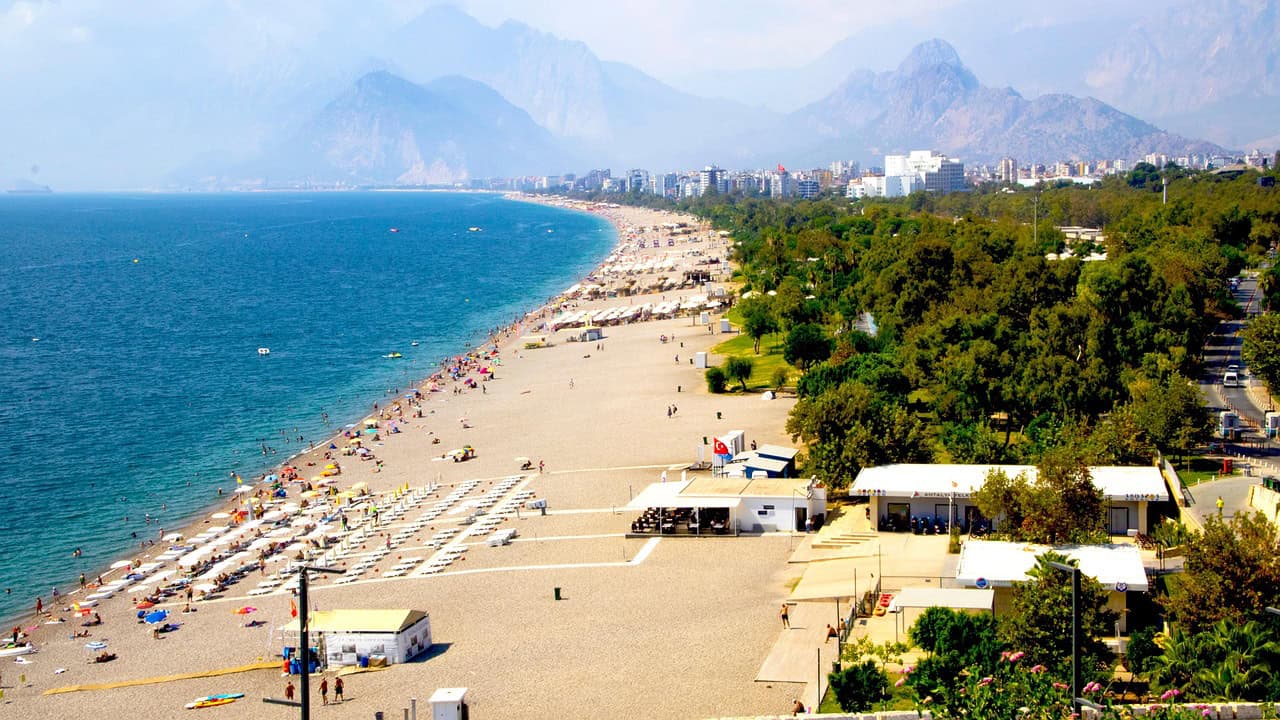
Antalya reached 18.6 million arrivals and shows how a beach city stays top-tier when it offers more than one mood. The coast is the obvious draw, but Kaleiçi’s old town adds texture with stone lanes, harbor views, and evenings that feel lived-in rather than staged. Short drives reach ruins, waterfalls, and mountain roads, so days can change scenery without complicated logistics. Calm arrives in shoulder season, when the water still feels good but promenades breathe, and dinner can stretch late while waves do most of the talking. Antalya’s popularity sits at the intersection of comfort, scenery, and simple movement.
Paris, France
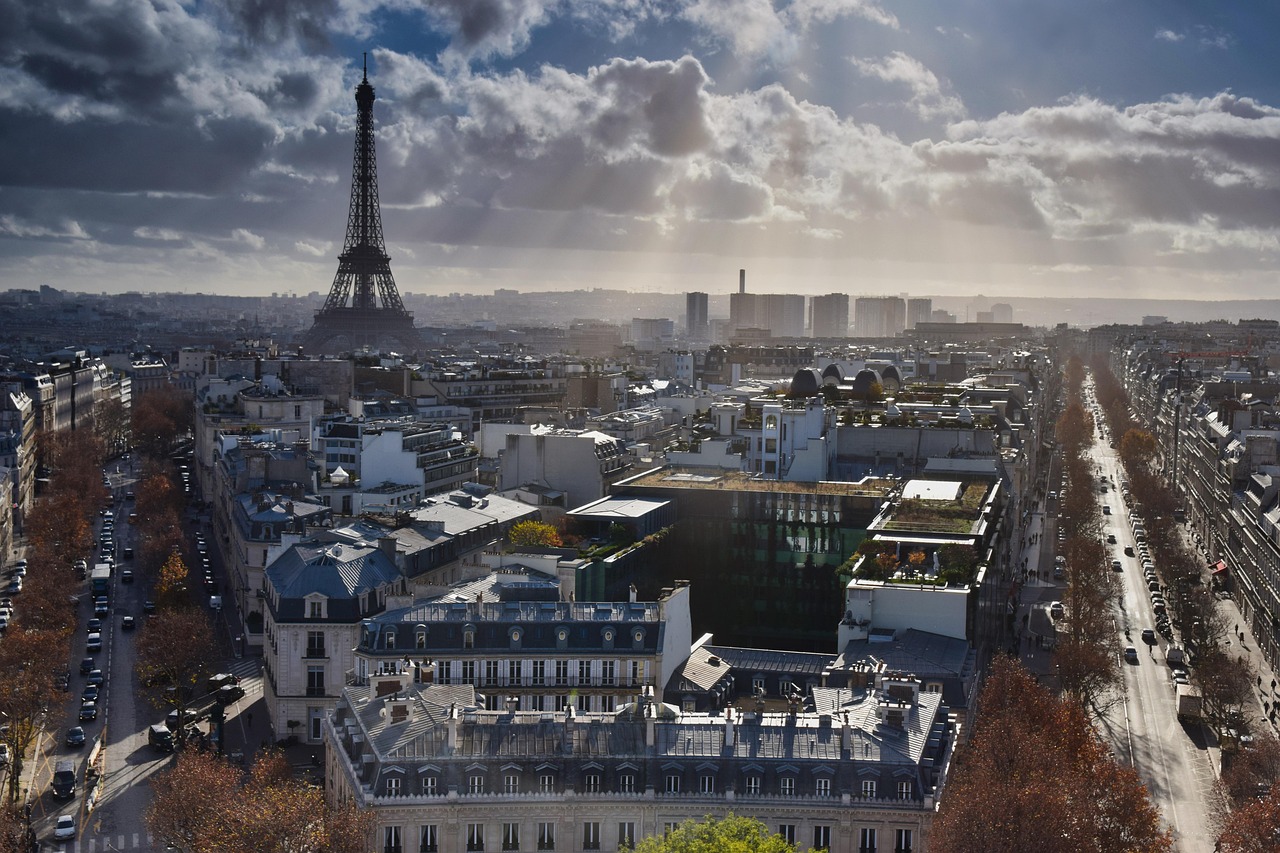
Paris recorded 18.3 million arrivals and keeps its pull because the city rewards both first visits and repeats without losing magic. Icons bring people in, but what keeps them satisfied is rhythm: bakeries at opening, side-street bookshops, museums that fill an afternoon, and dinners that run on conversation. The best reset is the Seine, especially at dawn and after dark when riverbank paths feel spacious and bridges reflect in the water. In quieter hours, Paris stops feeling like a checklist and starts feeling like a place with its own calm confidence, where beauty is ordinary and therefore everywhere.
Kuala Lumpur, Malaysia
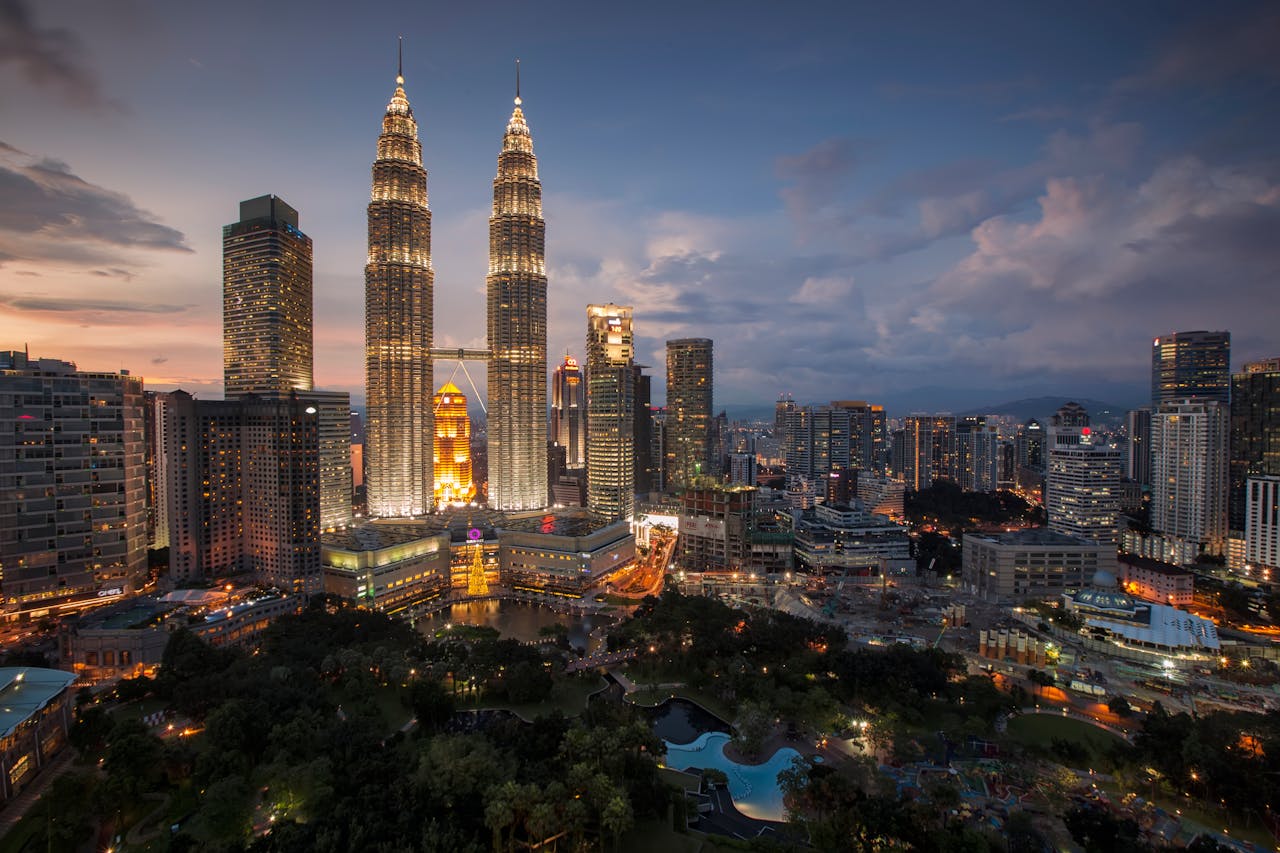
Kuala Lumpur rounded out the top 10 with 17.3 million arrivals, and it succeeds because the city is easy to enjoy at a human pace. Skyscrapers and night markets sit close together, and the food scene keeps evenings lively without forcing constant spending, from hawker stalls to late mamak meals. Green space helps too, with the Lake Gardens offering a quiet center that balances the heat and traffic. The city’s calm often arrives after the sun drops, when rooftops catch breeze, streetlights soften, and the day’s noise shifts into a steady background hum that feels more like energy than stress.