We may earn money or products from the companies mentioned in this post. This means if you click on the link and purchase the item, I will receive a small commission at no extra cost to you ... you're just helping re-supply our family's travel fund.
Some trips look perfect in the scroll and feel strangely exhausting in real life. The gap usually shows up in long lines, inflated room rates, crowded viewpoints, and neighborhoods that have started pushing back against the tourism machine built around them. Across Europe and Asia, officials are adding access fees, cruise levies, hotel taxes, and visitor controls as overtourism strains housing, infrastructure, and daily life. For travelers chasing value, calm, or even a little romance, these famous names can leave behind a receipt, a queue, and the quiet sense that the fantasy cost more than it gave back.
Venice, Italy
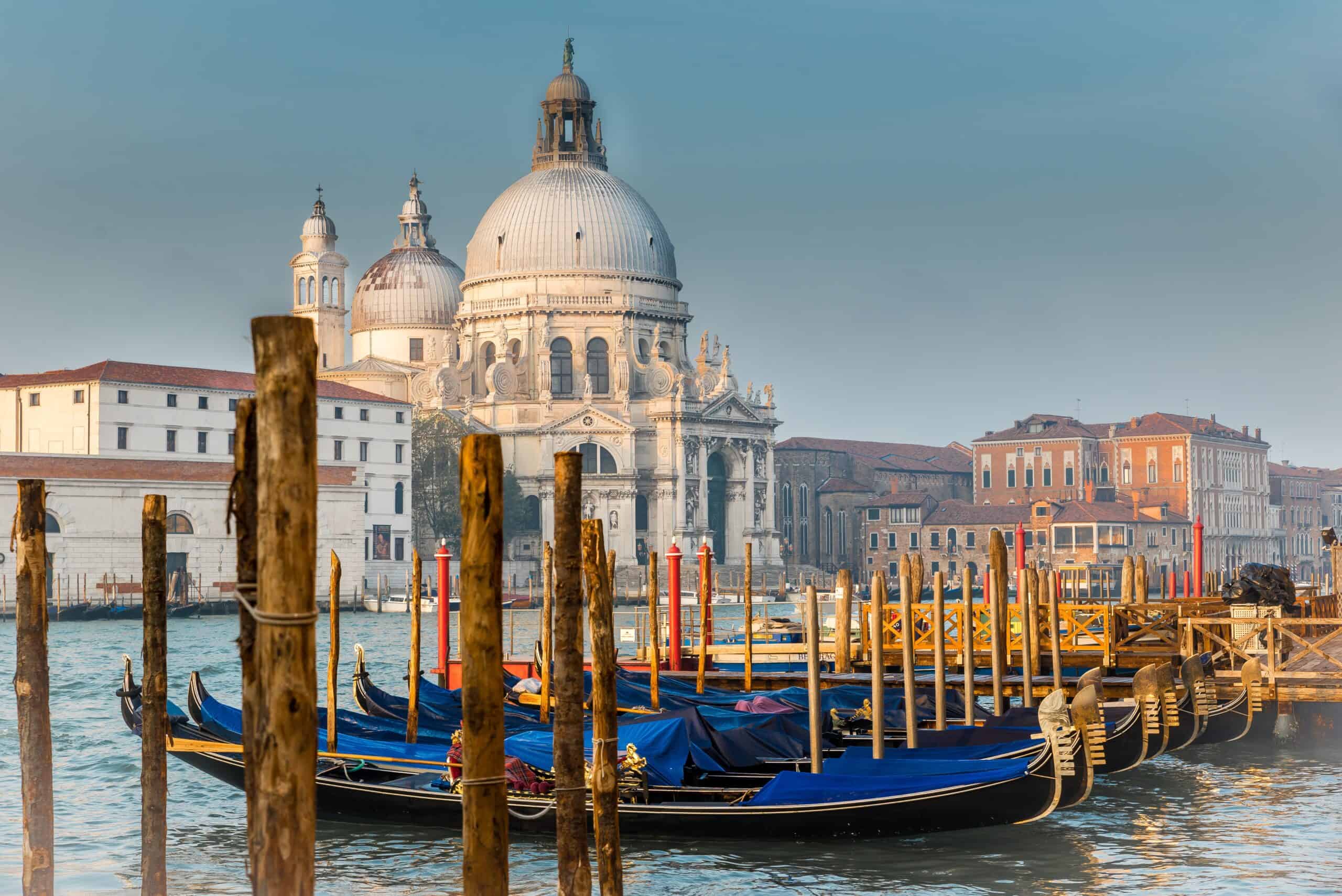
Venice still knows how to stop a room cold, but the lived experience can feel like a timed obstacle course. The city’s access-fee system now stretches across selected 2026 dates, and earlier reporting showed critics arguing that even last year’s day-tripper charge did little to thin the crush. What that means on the ground is a city where spontaneity keeps shrinking: visitors book, scan, shuffle, and follow the flow, while the famous magic often gets flattened by queues, bottlenecks, and the low-grade fatigue of being processed through a masterpiece. For travelers paying a premium for atmosphere, that can turn wonder into crowd management with canals in the background.
Barcelona, Spain
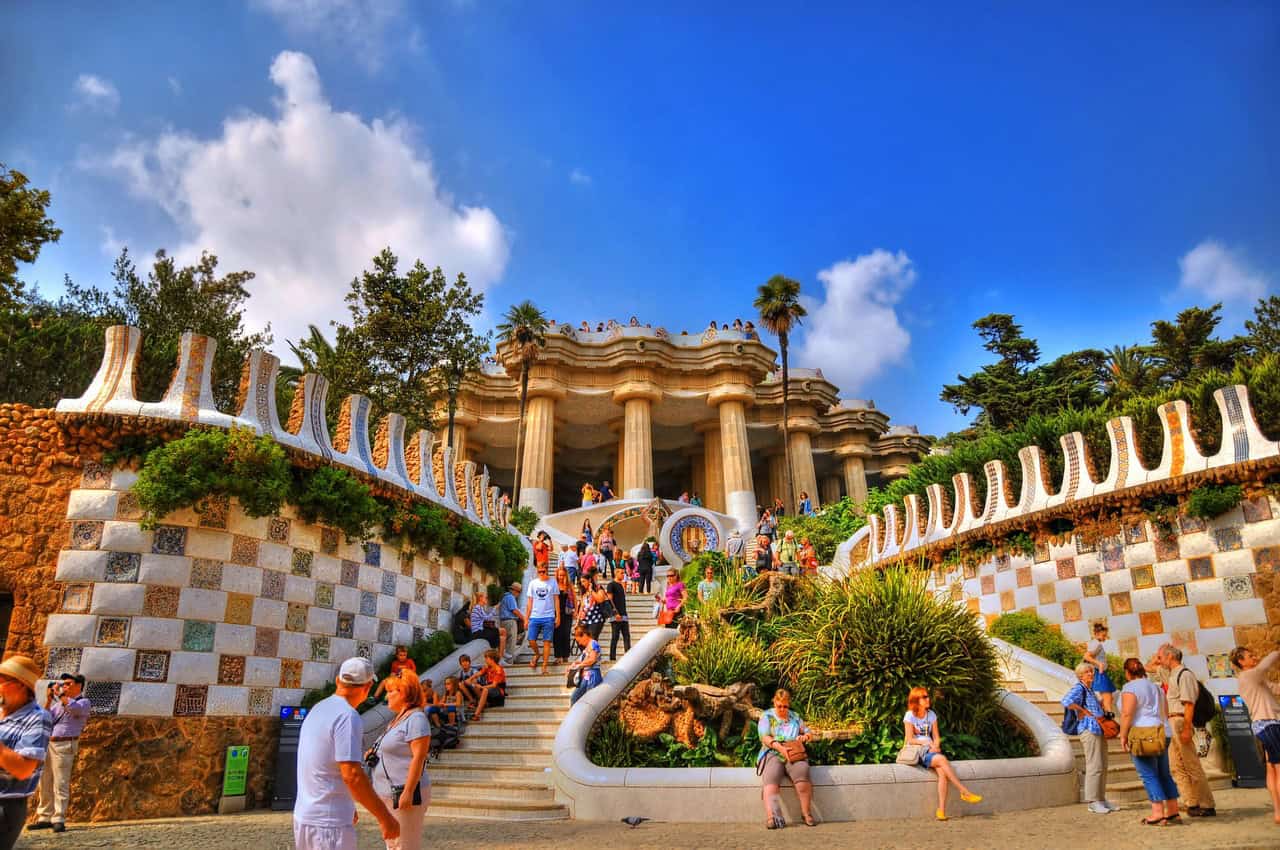
Barcelona remains visually magnetic, yet the value equation has become harder to defend. The city has raised visitor taxes so sharply that some stays can now cost up to €15 per night in local tourism charges alone, part of a broader push to curb tourism pressure and respond to housing anger. That tension is not abstract. It shows up in protests, policy fights, and a street-level mood that can feel weary of the endless suitcase parade, making the city’s most famous zones seem less seductive than stressed, expensive, and overperformed. The architecture is still brilliant, but the emotional texture of the visit can feel more tense than romantic.
Santorini, Greece
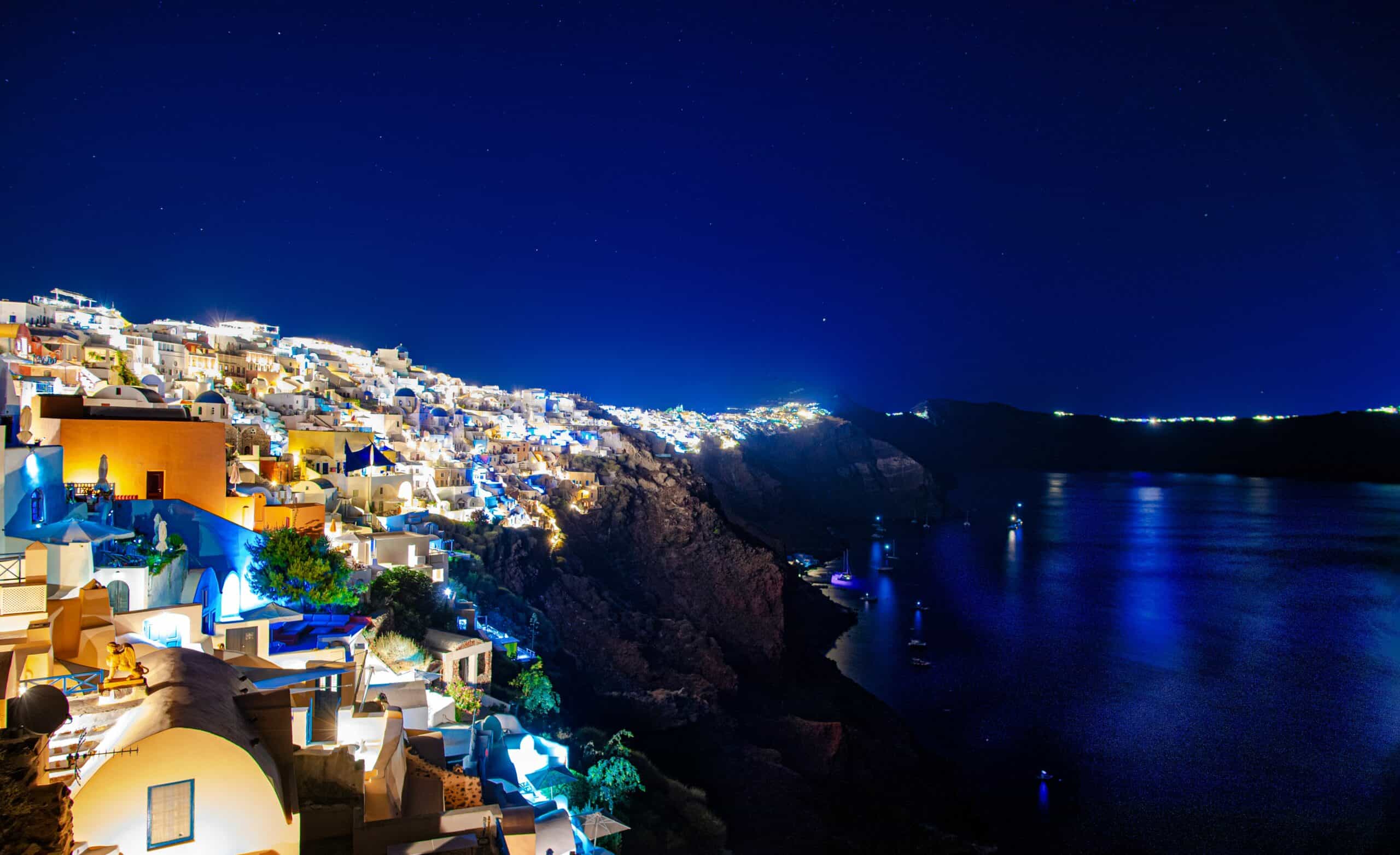
Santorini still delivers the caldera view that launched a million screensavers, but the island increasingly feels burdened by its own mythology. Reuters reported that 3.4 million visitors hit the island in one recent year, and local leaders have pushed for cruise caps after daily ship arrivals swelled far beyond what residents consider manageable. Add narrow lanes, cliffside bottlenecks, and a destination economy stretched almost entirely around tourism, and the dream can start to feel like a slow-moving crowd scene where the sunset is shared with everyone except silence. It is unforgettable to look at, but not always restful to inhabit.
Mykonos, Greece
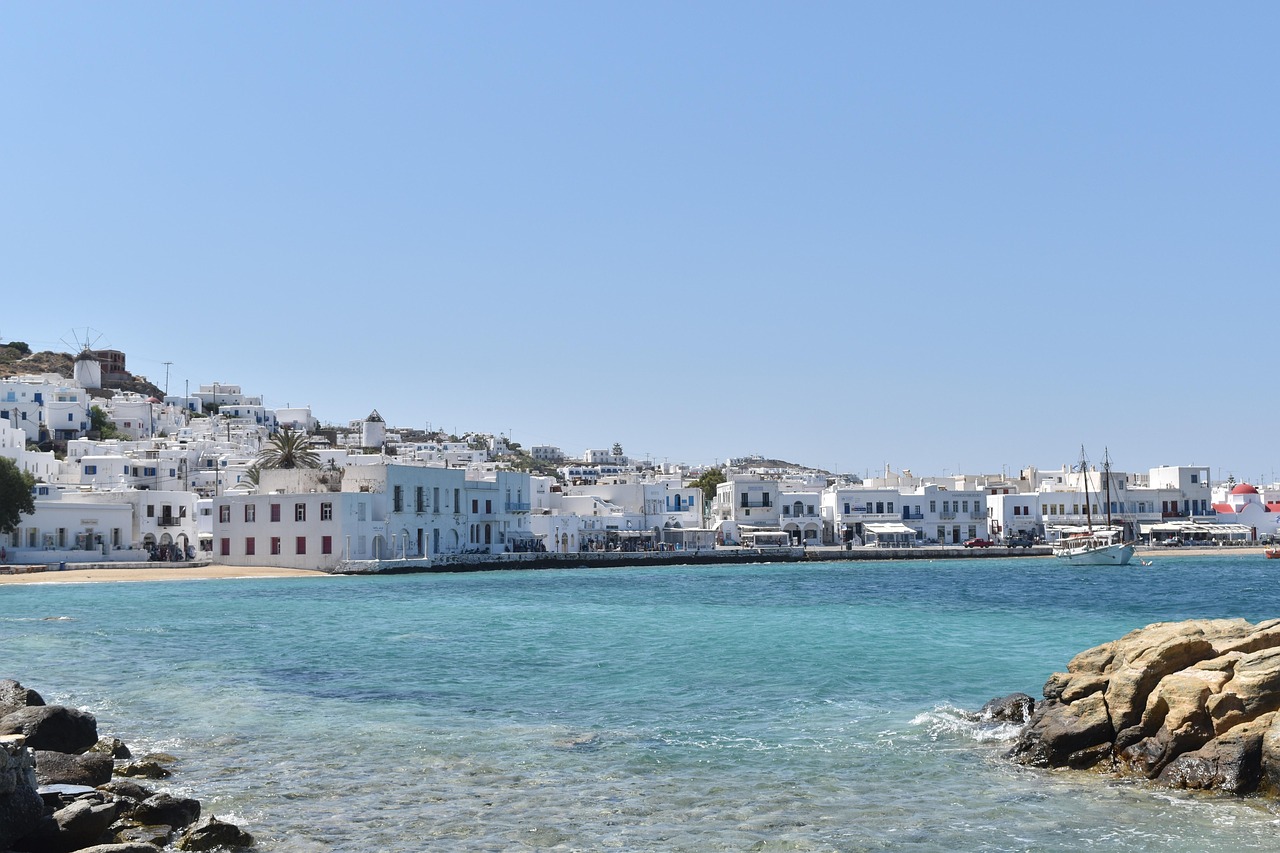
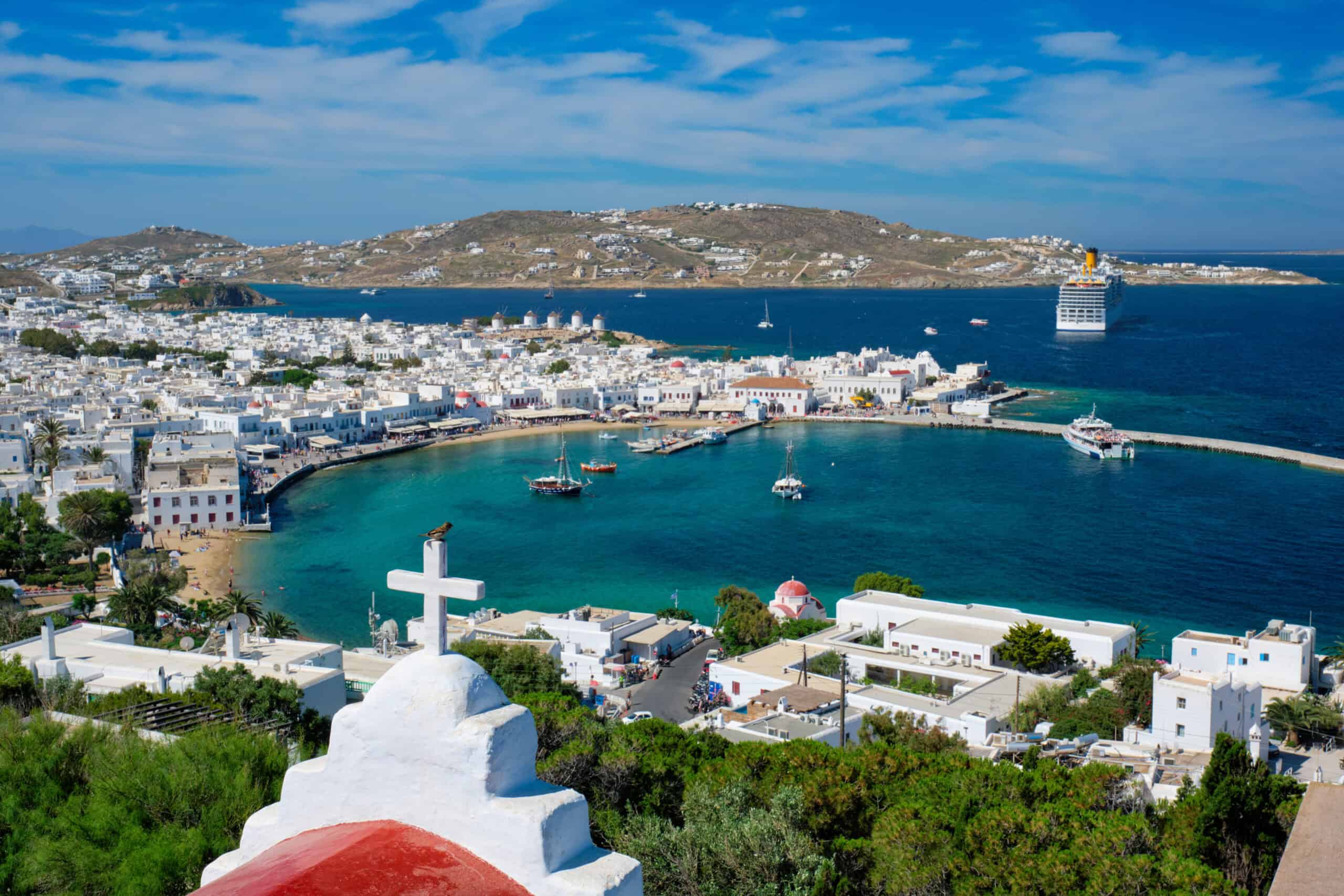
Mykonos sells glamour, but peak-season reality often leans harder into congestion and transaction than escape. Greece singled out Mykonos and Santorini for the country’s highest cruise-passenger levy, and cruise lines now pass along a €20 peak-season fee for guests who go ashore. That does not make the island unworthy, but it does underline the bigger truth: once the branding haze lifts, much of the experience is a premium-priced scramble for space, transport, and a table with a view, with very little of the breezy freedom the brochures promise. In that setting, hype can start to feel like a surcharge. The island can still be stylish, but it rarely feels casual anymore.
Dubrovnik, Croatia
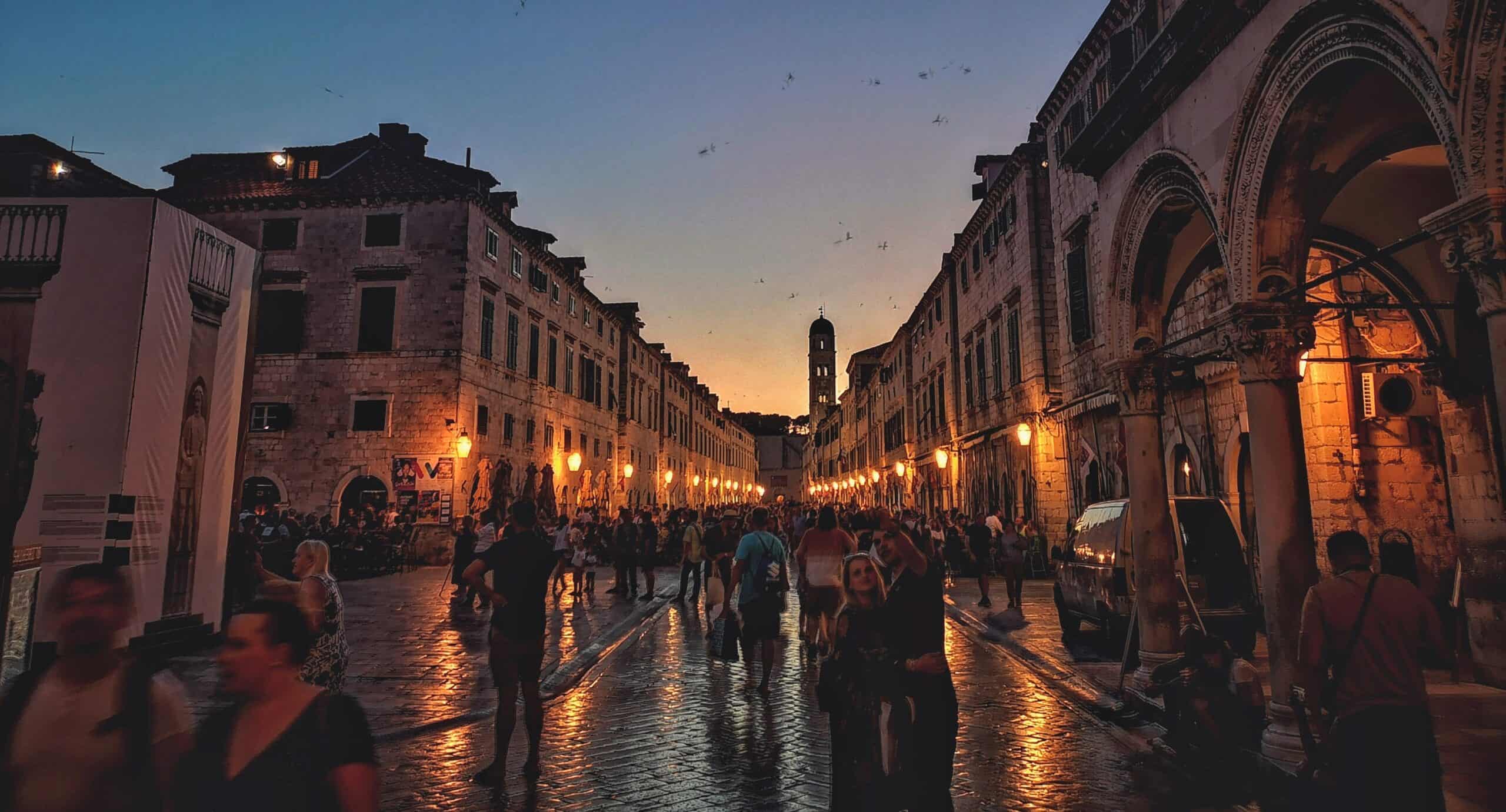
Dubrovnik’s walls are still cinematic, yet the old center can feel less like a living town than a set under pressure. Reuters reported that locals occupy only about 30% of Old Town accommodation, that resident numbers have fallen sharply over time, and that the city moved to ban new private rental permits in the historic core. Even cruise traffic has needed limits. When a destination’s beauty starts hollowing out the community that gave it character, the visit can feel polished, profitable, and strangely thin once the first visual rush wears off. The camera still wins there, even when the day itself does not. That imbalance is hard to ignore once the gates fill.
Bali, Indonesia
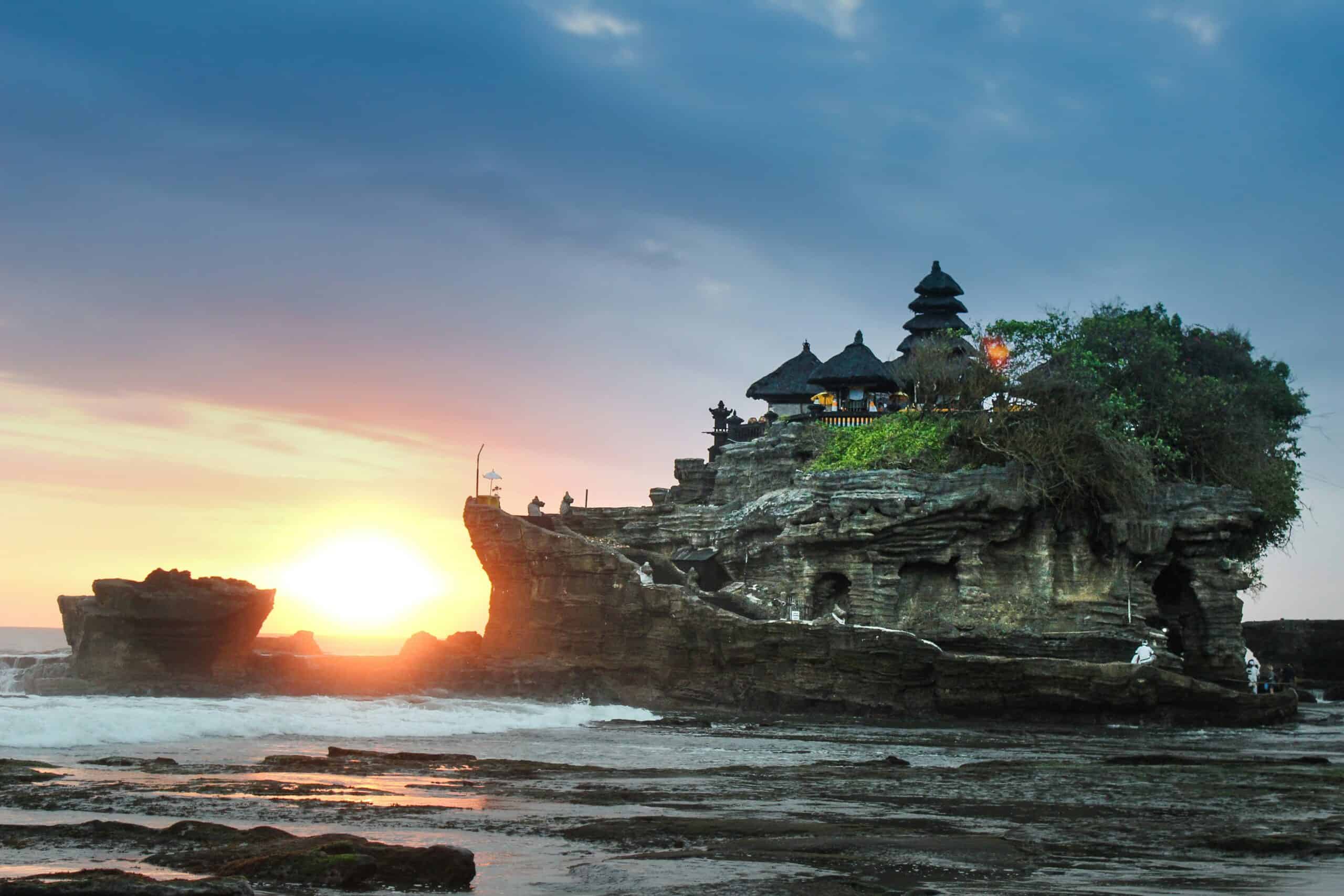
Bali still offers temples, surf, and lush inland calm, but the island’s fame now comes with visible strain. Bali’s government has made its foreign tourist levy mandatory, pushed new behavior rules, and launched reform efforts after officials linked tourism growth to overdevelopment, congestion, and recurring clashes with local culture. Add the island’s notorious traffic and the sense, noted even by local leaders, that Bali is being sold too cheaply for the pressure it absorbs, and the bargain begins to look costly in other ways, especially for travelers expecting ease instead of friction. The postcard remains real. So does the pressure behind it.
Kyoto, Japan
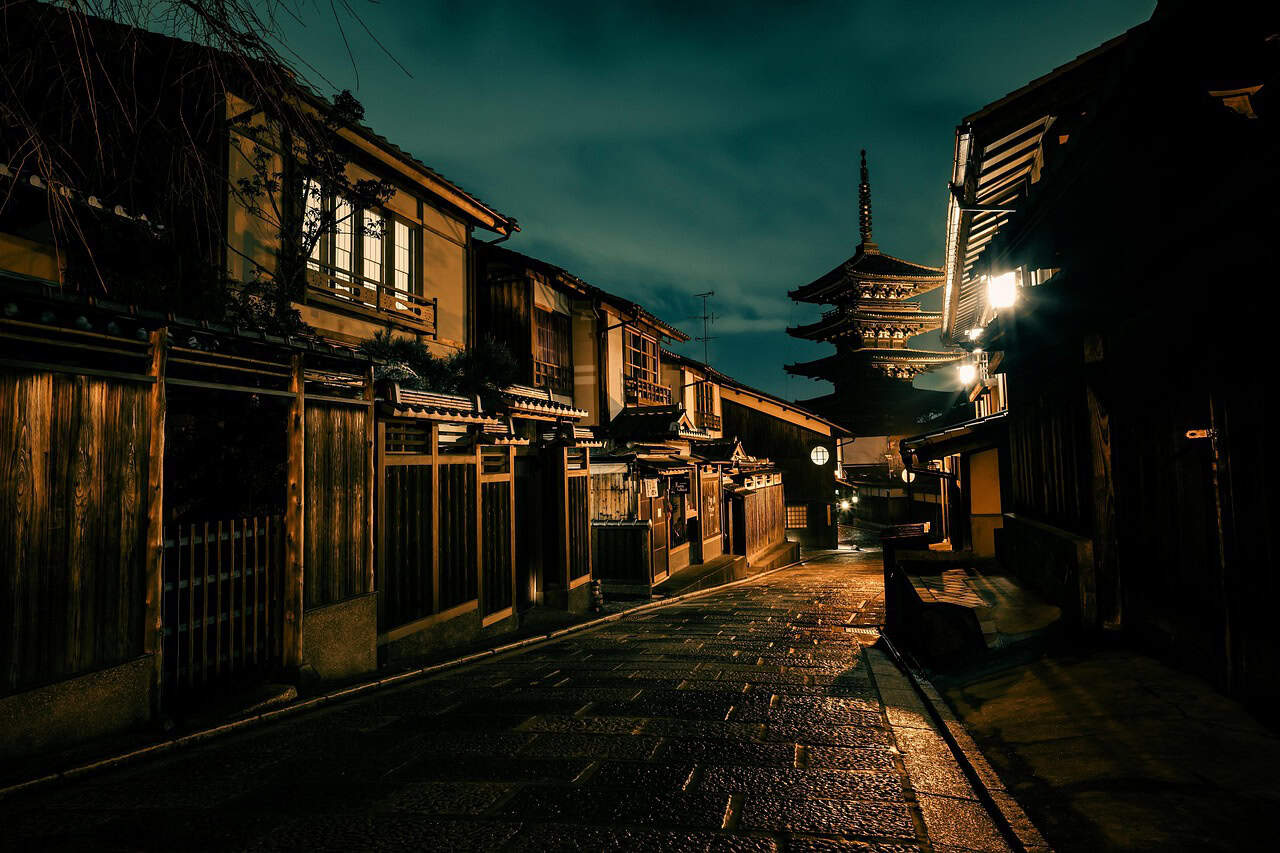
Kyoto remains extraordinary, but the city now has to defend itself from the behavior its own fame attracts. Some Gion alleyways were closed to tourists after years of trespassing and harassment, and Kyoto’s accommodation tax rises again on March 1, 2026, reaching as high as ¥10,000 per person, per night for the most expensive stays. None of that erases Kyoto’s grace. It simply means the most famous version of it can feel guarded, crowded, and more tightly managed than the serene, contemplative ideal many travelers carry into the city. Beauty survives there, but ease is no longer guaranteed. Patience has become part of the admission price, even before the tax.
Mount Fuji, Japan
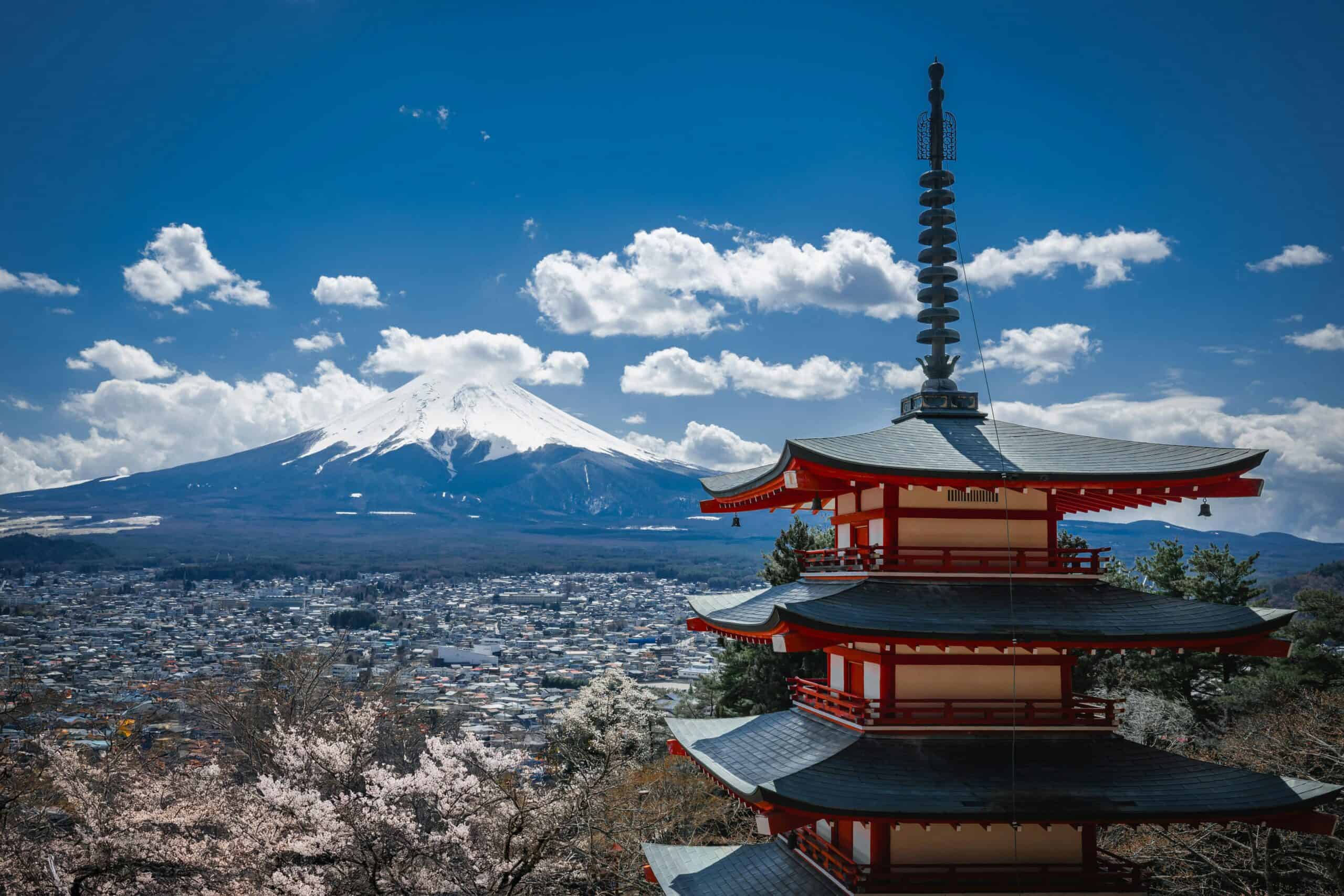
Mount Fuji is iconic, but iconic is not the same as effortless or deeply rewarding for every traveler. Official rules now require a mandatory ¥4,000 hiking fee, prior reservation or registration, time restrictions, and daily controls on climber numbers, all meant to curb overcrowding and unsafe overnight ascents. Those safeguards make sense. They also confirm that the mountain’s most hyped version has become highly regulated, meaning the spontaneous pilgrimage many people picture no longer matches the real climb, which now asks for planning, compliance, and a tolerance for crowd management. Reverence is still possible there, but innocence is not.
Phuket, Thailand
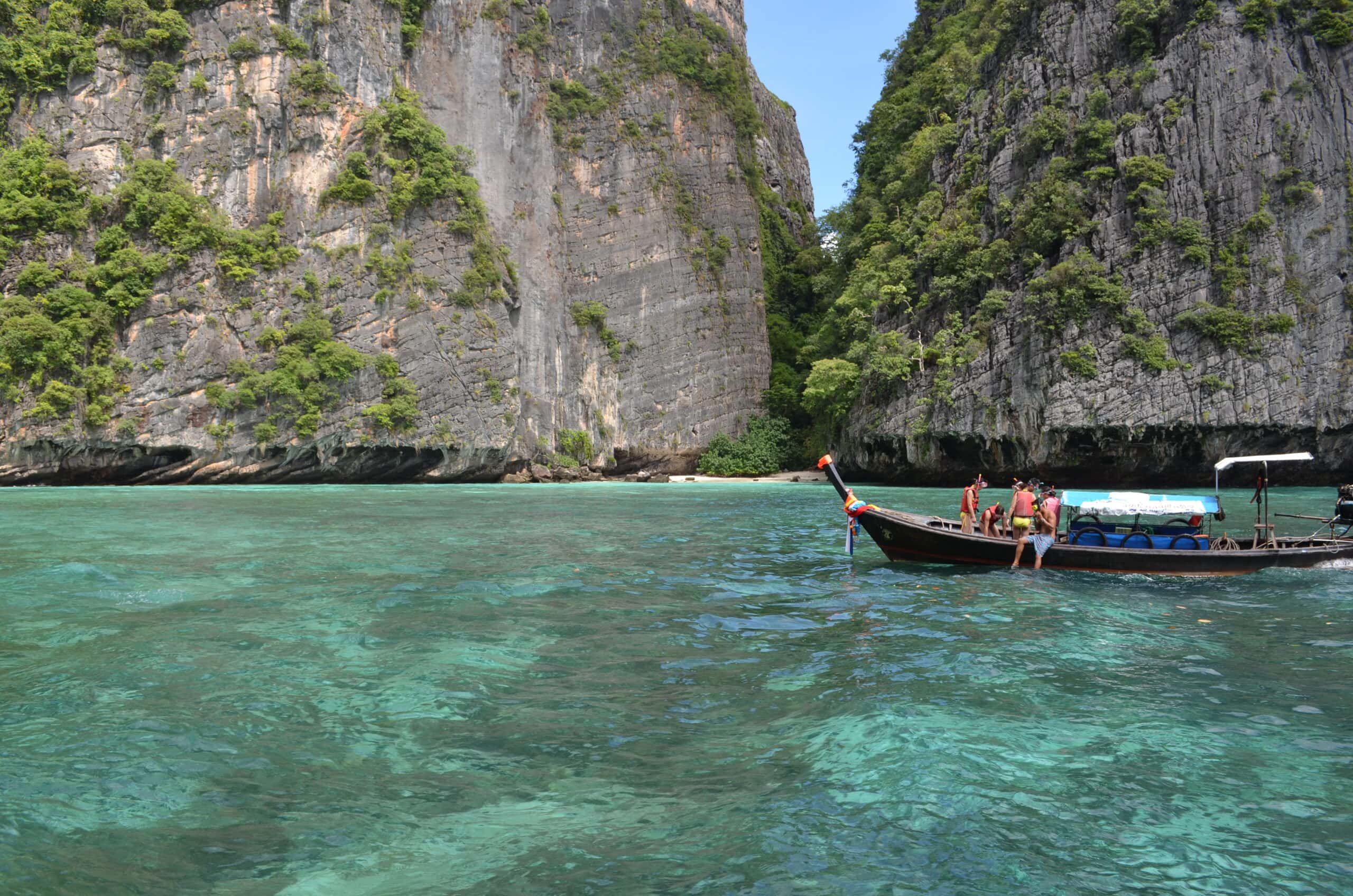
Phuket still photographs like a tropical release valve, but the environmental bill is getting harder to ignore. Reuters reported in January 2025 that the island was generating more than 1,000 tonnes of waste a day, with projections rising higher as tourism and development surged, overwhelming landfill capacity and forcing new emergency planning. Once beaches, roads, and waste systems start showing that strain, the old paradise narrative loses credibility. What remains can feel busy, overbuilt, and less restorative than advertised, especially in the parts of the island that already feel engineered for volume. That is a difficult mismatch for a place marketed as release.
Amsterdam, Netherlands

Amsterdam remains one of Europe’s great city breaks, yet the city itself has spent years signaling that the current tourism model is too much. Officials have banned new hotel construction unless it replaces existing capacity, set thresholds tied to overnight stays, restricted nuisance-heavy visitor behavior, and openly framed the goal as keeping Amsterdam livable. That matters. A destination actively trying to cool demand can still be wonderful, but for travelers chasing a relaxed canal fantasy, the center can feel more managed, more commercial, and more crowded than the myth suggests. Charm remains, yet ease is harder to buy than the photos suggest.