We may earn money or products from the companies mentioned in this post. This means if you click on the link and purchase the item, I will receive a small commission at no extra cost to you ... you're just helping re-supply our family's travel fund.
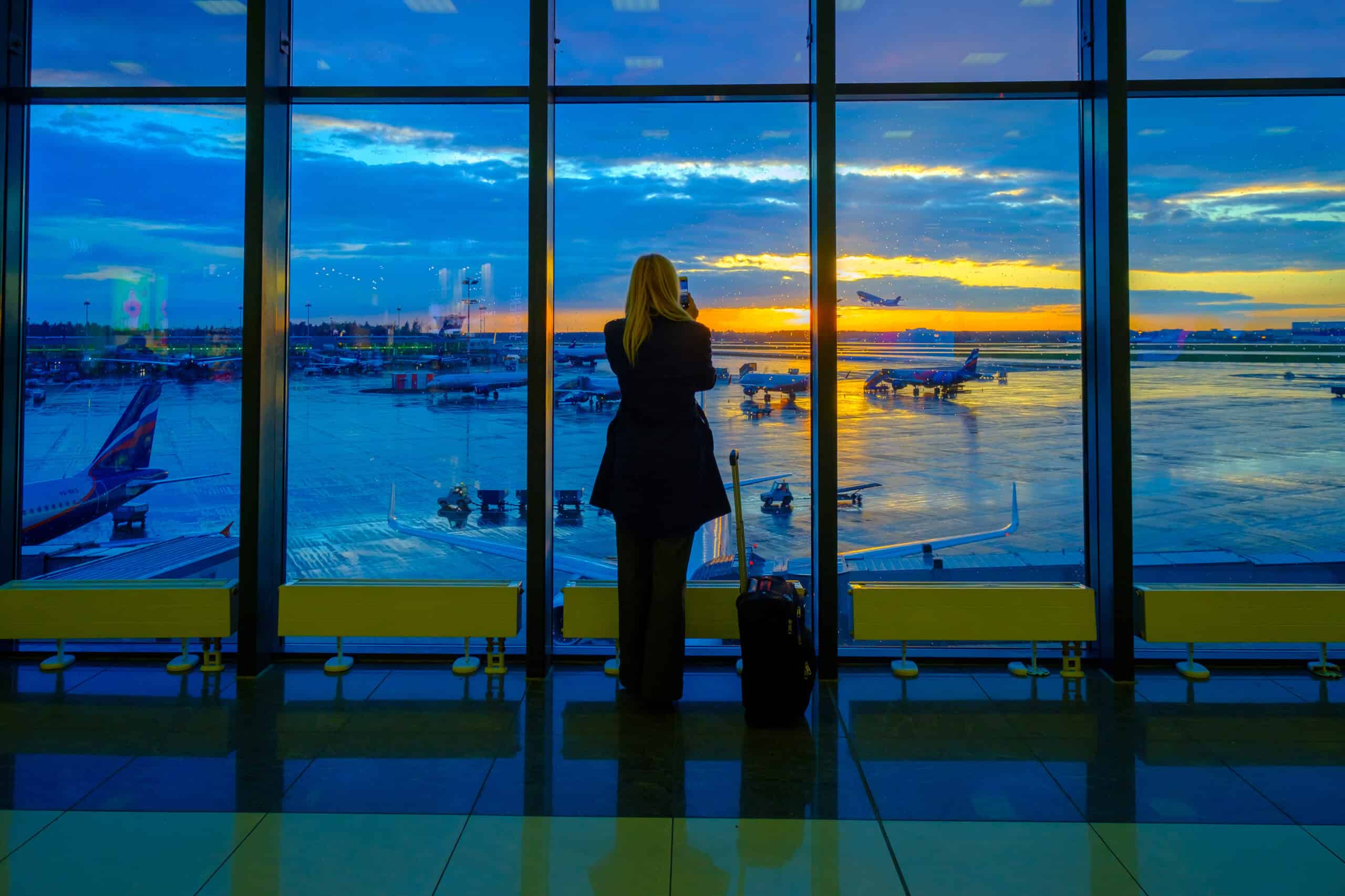
Layovers usually arrive as stolen time, measured in gate changes, stale coffee, and glances at the departure board. A few U.S. airports have quietly changed that rhythm. They feel less like holding pens and more like small cities with their own art, local flavor, and places to breathe. In those terminals, a delayed connection can turn into an unexpectedly good hour, sometimes even a memorable one. The best part is not luxury alone. It is thoughtful design that makes travel feel human again.
San Francisco International Airport, California
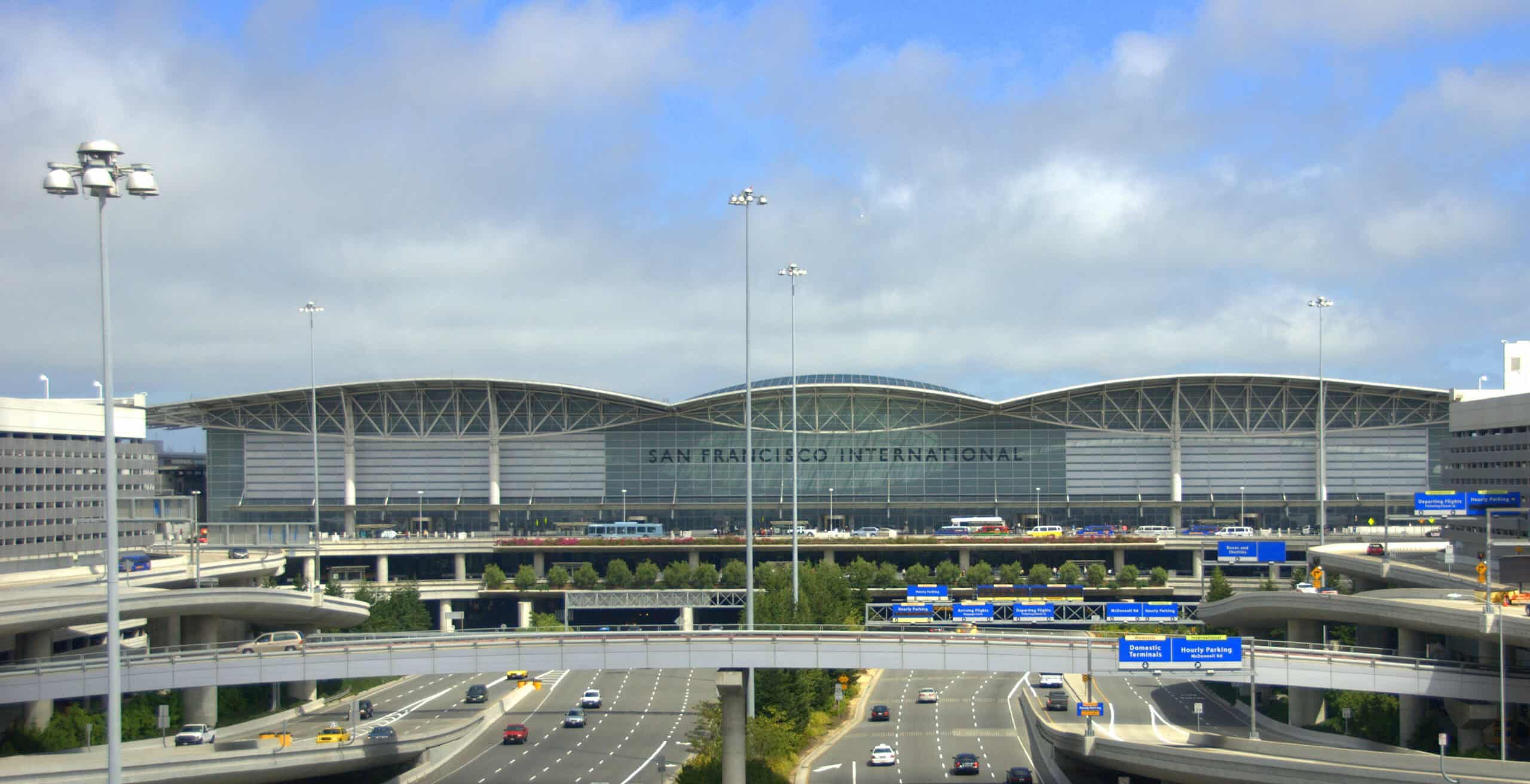
San Francisco International Airport makes a long connection feel surprisingly calm because the airport treats idle time like part of the trip, not a problem to endure. Its SFO Museum program places rotating exhibits across terminals, and SFO also keeps multiple free yoga rooms, including a Terminal 3 room devoted to quiet, reflection, and stretching near the gates. When travelers want air and motion instead, SkyTerrace on Terminal 2 opens Friday through Monday with 180-degree airfield and runway views, giving a delayed connection the feel of a planned stop rather than time lost in a seat by the charging outlets during a delay.
Dallas Fort Worth International Airport, Texas
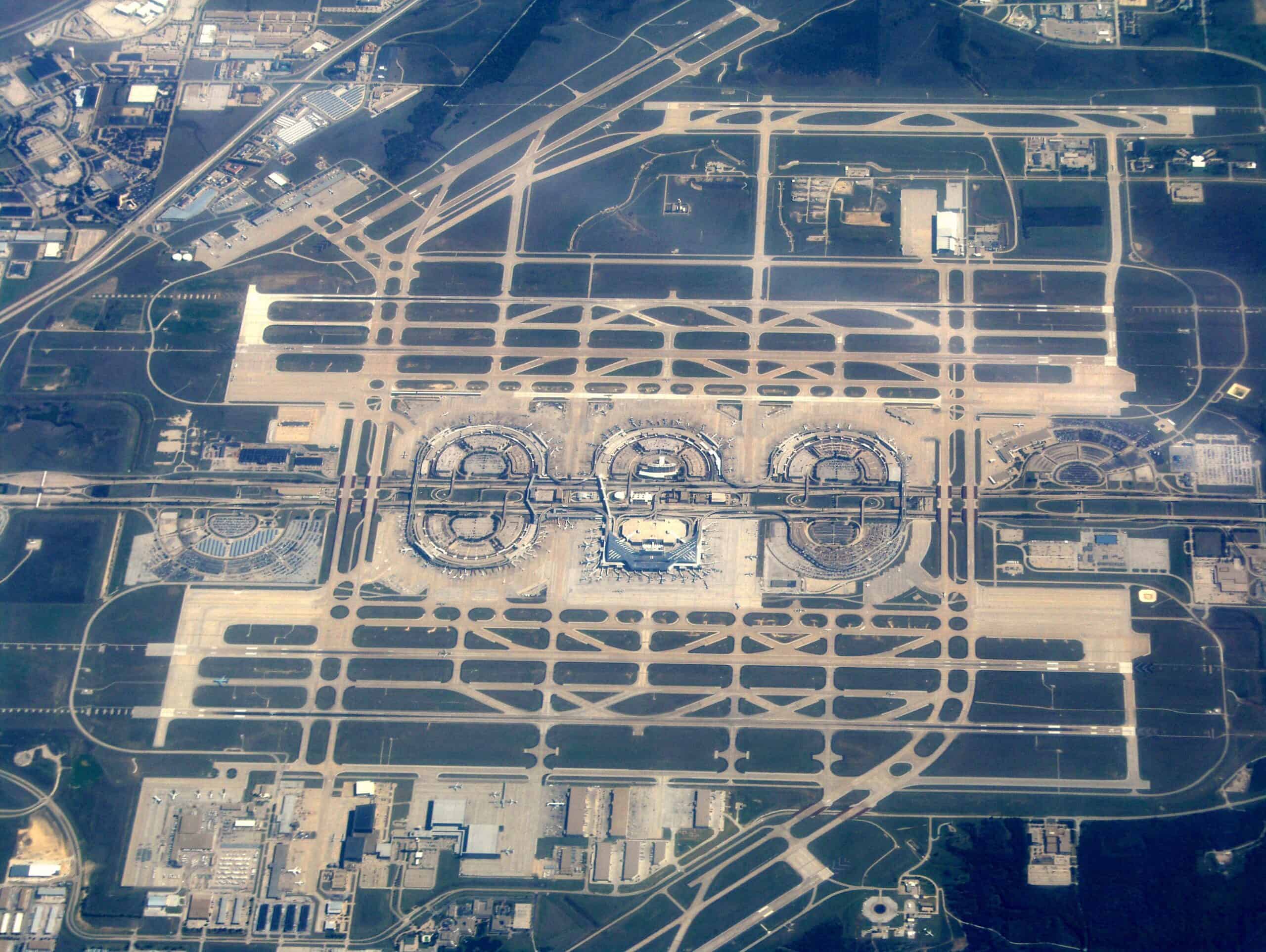
Dallas Fort Worth International Airport handles layovers well because it turns movement between terminals into something fast, visible, and surprisingly easy to manage. DFW’s public art program features more than 30 works, with many installations placed in Terminal D and at Skylink stations, so even a transfer walk can feel like part of the airport’s identity instead of dead space. When time gets tight, Skylink and Terminal Link keep people moving, and DFW Market supports phone ordering with pickup or delivery, which helps meals fit the clock instead of competing with it during a short connection.
Denver International Airport, Colorado
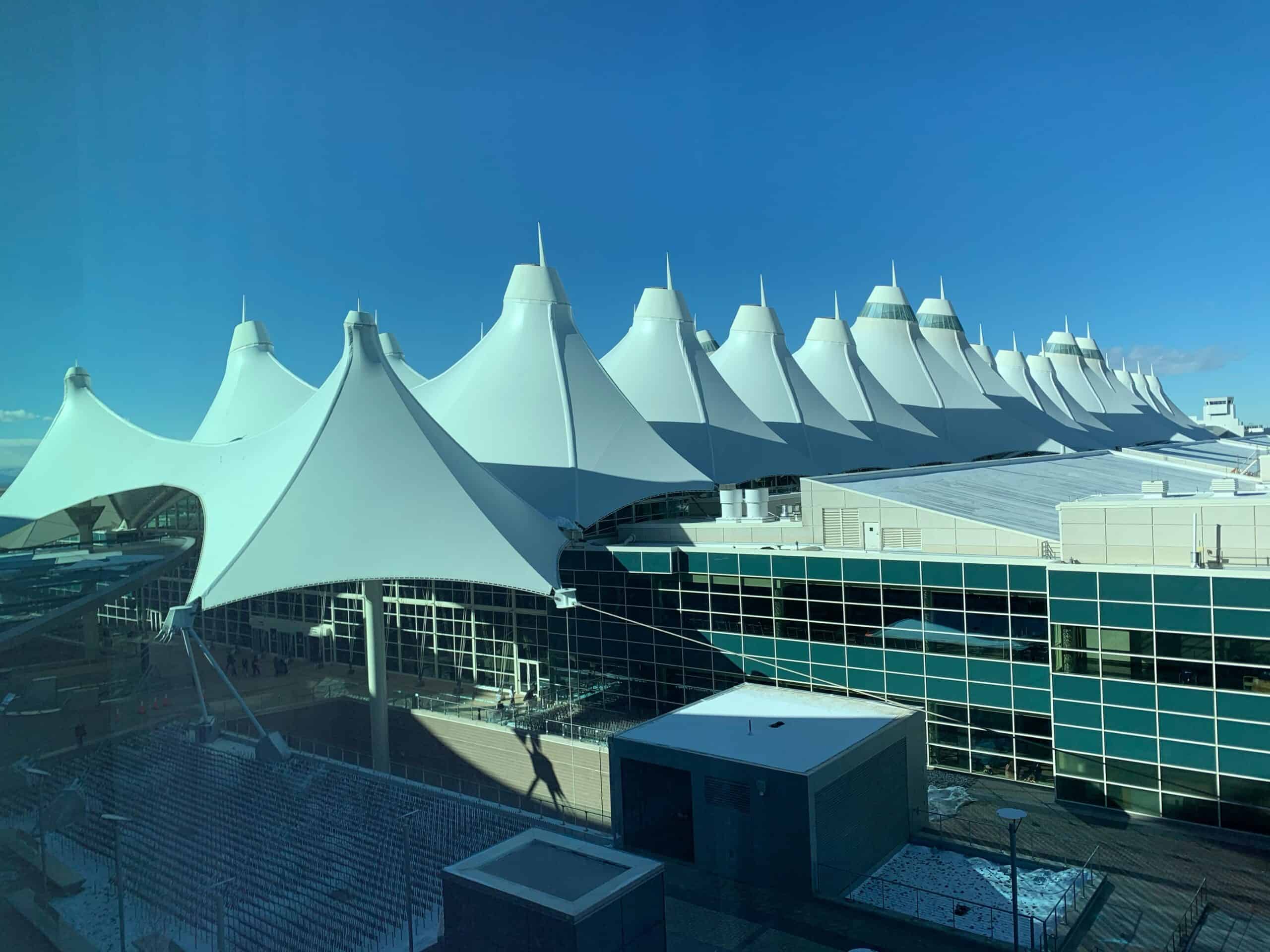
Denver International Airport can feel enormous at first, but a layover there starts to work once the terminal is treated less like a maze and more like a full-service stop. DEN highlights passenger amenities such as the Canine Airport Therapy Squad, and the airport also promotes a public art program with more than 30 works spread through the campus, which gives the place a personality beyond its scale. Post-security, DEN offers outdoor plazas for fresh air and runway views, while the concourse train and newer rail cars help keep long transfers practical when the clock starts getting tight between gates.
Nashville International Airport, Tennessee
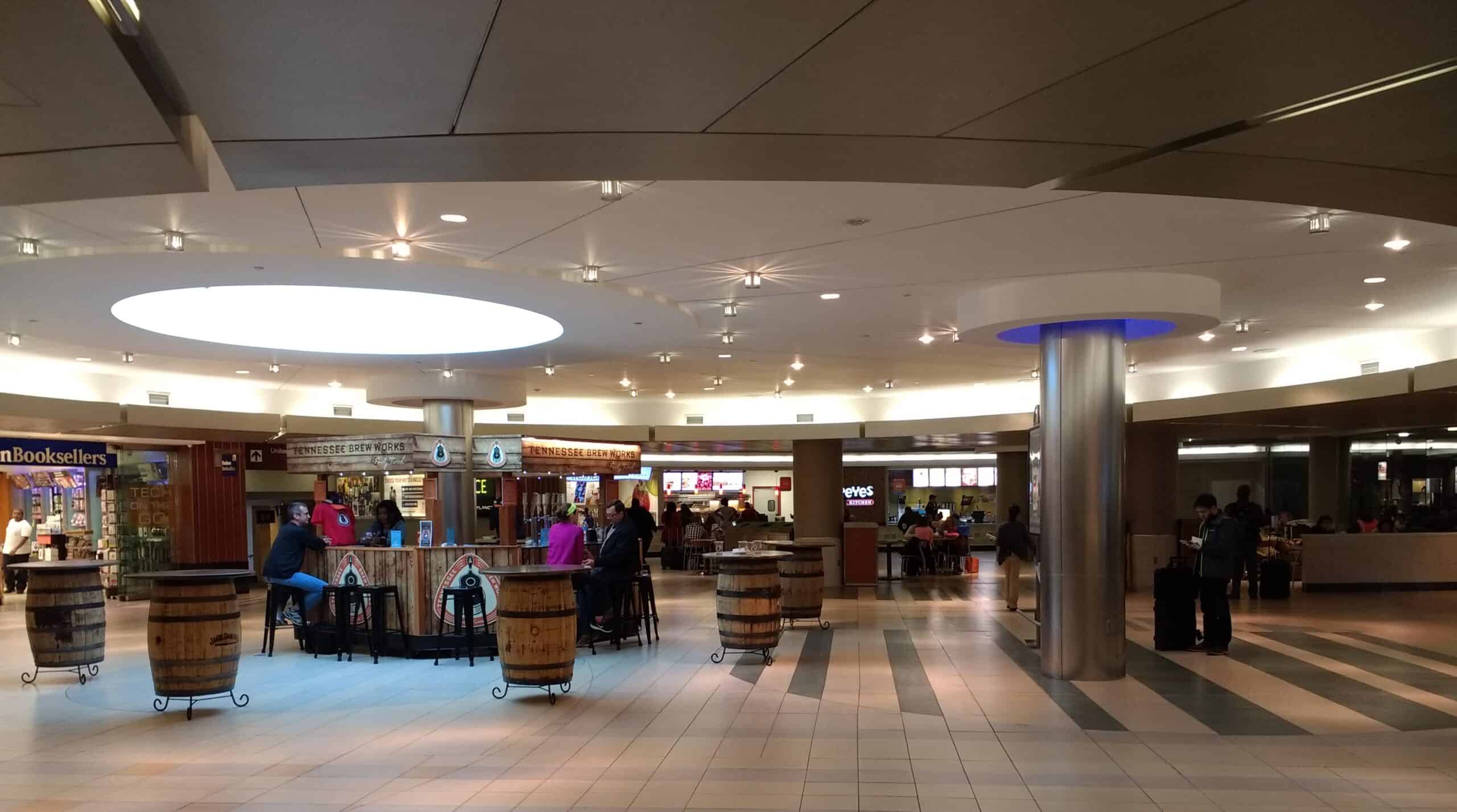
Nashville International Airport brings real local character into a layover, which is exactly what many large airports struggle to do once travelers clear security. BNA’s arts program features more than 100 visual art pieces and eight performance stages, so live music and gallery moments are folded into the terminal experience instead of being treated like background decor. The airport’s dining lineup also leans heavily into Nashville flavor, with spots such as 400 Degrees Hot Chicken, Tootsie’s Orchid Lounge, and Yazoo Brewing Company, which makes even a short stop feel rooted in the city rather than detached from it.
Portland International Airport, Oregon

Portland International Airport feels unusually easy to spend time in because the building itself does some of the work, calming the mood before the next flight even boards. PDX’s new main terminal centers on a 9-acre mass timber roof and dozens of live trees, giving the space a Pacific Northwest character that reads more like a civic hall than a standard airport concourse. The airport also keeps a strong local business mix, with local coffee, shops, and restaurants, and its street pricing policy bars shops and restaurants from adding an airport surcharge, so a layover stays inviting instead of feeling like a captive errand.
Detroit Metropolitan Wayne County Airport, Michigan
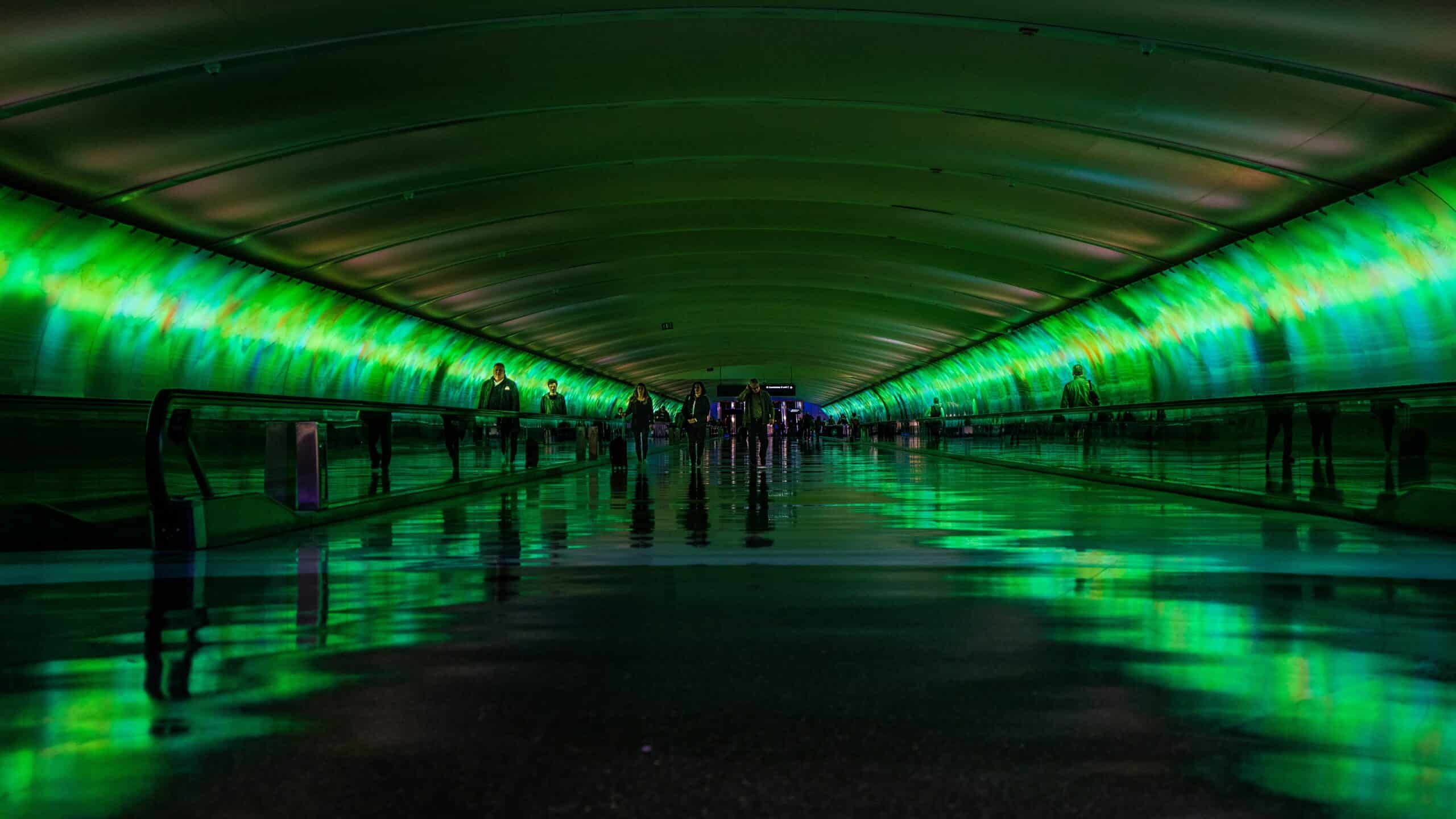
Detroit Metropolitan Wayne County Airport earns its layover reputation by pairing memorable design with practical details that actually save time in a connection. DTW’s McNamara Terminal is known for signature features such as the Light Tunnel and the water feature, and the long one-mile concourse is easier to cross because the ExpressTram can cover it in about 3 minutes, with moving walkways helping along the way. The airport rounds that out with the basics travelers need between flights, including dining, shopping, lounges, free Wi-Fi, and a broad services and amenities mix that keeps the wait useful instead of draining.