Sedona Keeps Winning ‘Most Scenic Town in Arizona.’ Here’s What the Crowds and the Cost Look Like Now
We may earn money or products from the companies mentioned in this post. This means if you click on the link and purchase the item, I will receive a small commission at no extra cost to you ... you're just helping re-supply our family's travel fund.
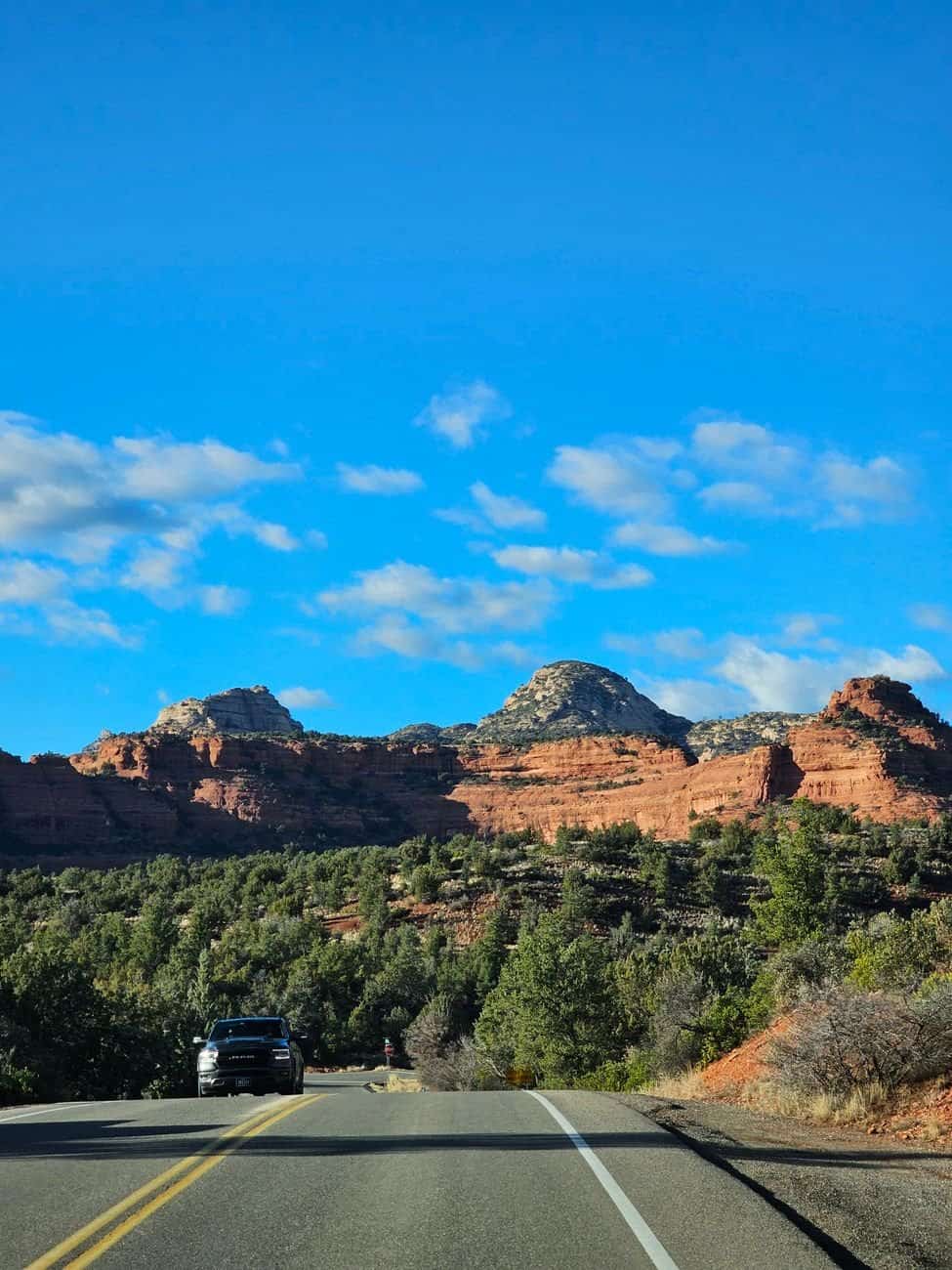
Sedona, Arizona is one of the most photographed small towns in America, and it has been for decades. The red rock formations are real. The energy vortex claims are debatable. What’s also real is that over 3 million visitors a year now converge on a town of 10,000 — and the experience that results depends almost entirely on when you go and what you know before you arrive.
The Crowd Problem — and It’s Gotten Worse
Sedona has implemented a timed-entry permit system for some of the most popular trailheads as crowds have overwhelmed the infrastructure. Bell Rock, Cathedral Rock, and Devil’s Bridge — the Instagram-famous bridge formation — now require advance parking reservations during peak periods. Show up without one on a Saturday in October and you may not get to park within a mile of where you wanted to hike.
The parking situation in Sedona is genuinely chaotic during peak season. The Red Rock Pass (required for most National Forest parking areas) costs $5/day, but finding a legal parking spot that doesn’t require a timed permit is the actual challenge. Many visitors end up parking in town and taking the Sedona Shuttle, which runs to major trailheads during peak hours.
What Sedona Actually Costs in 2026
Accommodation:
- Mid-range hotels and resorts: $250–$450/night on weekends
- Upscale spa resorts (Enchantment, Mii amo): $600–$900+/night
- Budget strategy: book in Cottonwood (30 minutes away) for $100–$150/night
- Camping at dispersed sites nearby: free with a permit, but fills fast
Dining:
- Nice dinner for two in Sedona: $90–$140
- Casual lunch: $18–$28 per person
- Grocery store prices: slightly elevated vs. Phoenix, but not dramatically
The Trails That Are Worth It — and When to Go
Best trails by experience level:
- Airport Mesa Loop: Easy, panoramic views, more manageable crowds than the popular southern trailheads
- Marg’s Draw to Slim Shady: Moderate, beautiful red rock canyon, significantly fewer people
- Cathedral Rock via Back-O-Beyond: The less-crowded approach to one of Sedona’s iconic formations
- West Fork of Oak Creek: A canyon hike that doesn’t require the red rock permit system — book early
Best timing:
- Weekday visits cut crowd density significantly — especially Tuesday through Thursday
- Early start times (6–7 AM) let you hit popular trailheads before the surge
- January through early March: dramatically fewer visitors, temps in the 50s–60s, still stunning
- Avoid spring break weeks (mid-March through mid-April) and Thanksgiving weekend
What Sedona Gets Right That Most Crowded Destinations Don’t
Despite the crowds, Sedona has done a more thoughtful job managing its trail and parking infrastructure than many comparable destinations. The shuttle system genuinely works. The permit system, while annoying to navigate the first time, ensures the most photographed spots don’t become completely unusable. And the sheer scale of the red rock landscape means that even on busy days, you can walk five minutes off the main trailhead and find yourself genuinely alone with some of the most dramatic scenery in the American Southwest.
Sedona is not overrated — the landscape earns every bit of its reputation. But it does require a bit more planning than it did ten years ago. Know the permit requirements for your trailheads before you arrive, book accommodation mid-week or in a nearby town, start hiking before 8 AM, and Sedona delivers everything it promises.
Sedona’s Crowd Problem and What to Do About It
Sedona’s parking and access situation reached a crisis point in 2021 when social media photography tourism created traffic backups on the limited road access points to the most-photographed viewpoints. The Bell Rock and Cathedral Rock trailheads regularly fill to capacity before 8am from March through November. The National Forest Service implemented a permit system for the most-congested parking areas; arrival before 6:30am or after 4pm typically avoids the worst congestion for the popular vortex sites.
The less-photographed Sedona experiences are often better than the famous ones. Slide Rock State Park — where Oak Creek runs through a natural sandstone water slide 7 miles north of Sedona — is a swimming and recreation experience in a completely different mode from the red rock photography. The West Fork of Oak Creek Trail, starting from the Slide Rock area, is a 6.3-mile shaded canyon hike through red-walled slot canyons that photographs well and is less crowded than the vortex sites. The Chapel of the Holy Cross, built into a red rock formation south of the main tourist area, is architecturally extraordinary and completely free to enter. The Sedona experience worth having is the one that gets you away from the Cathedral Rock parking lot at 11am on a Saturday in July.