We may earn money or products from the companies mentioned in this post. This means if you click on the link and purchase the item, I will receive a small commission at no extra cost to you ... you're just helping re-supply our family's travel fund.
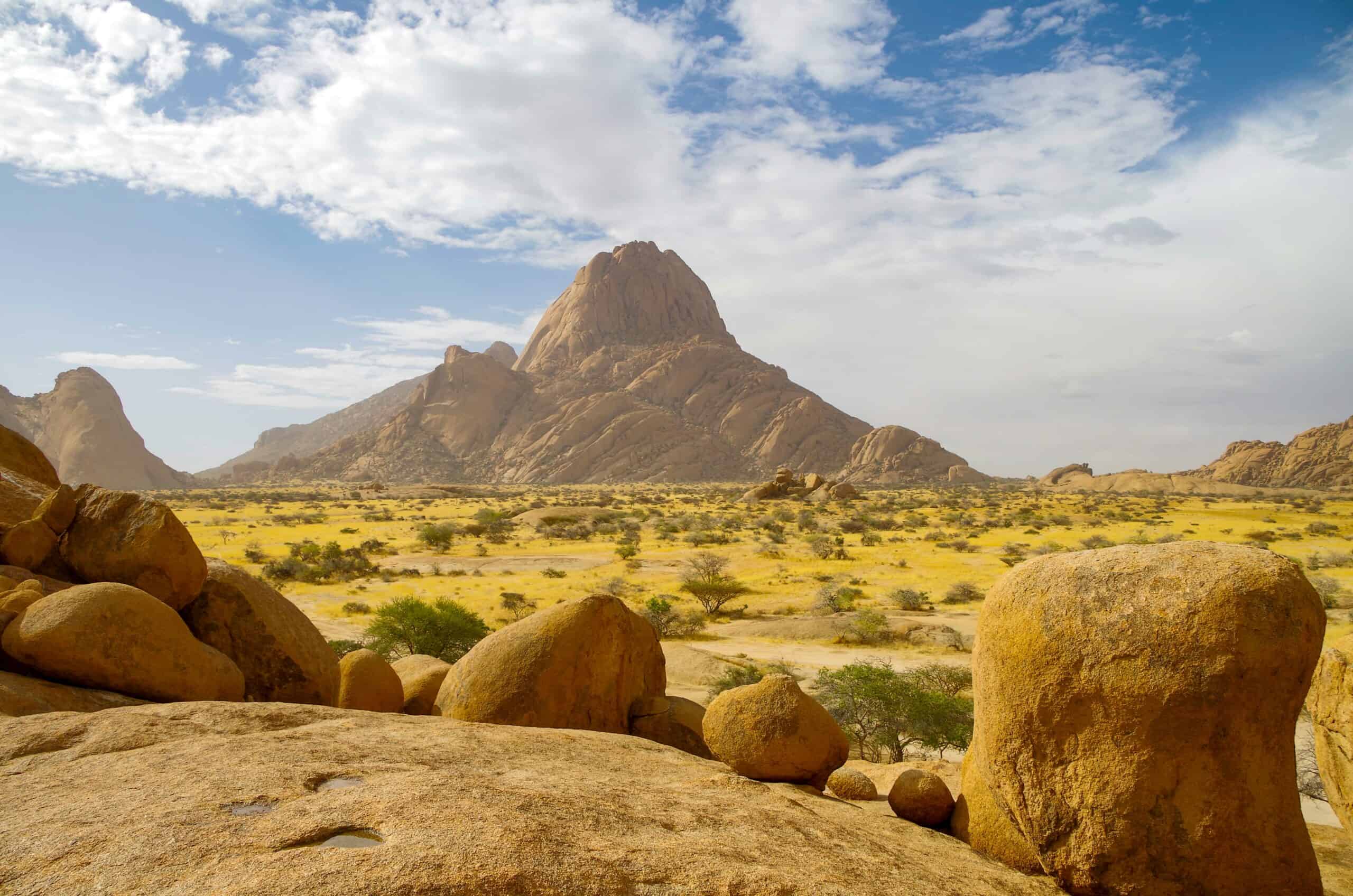
Across desert outcrops in Namibia, Oman, and Saudi Arabia, scientists found tiny tunnel bands cut into marble and limestone that seem too organized to be random weathering. The structures may be one to two million years old, and they appear on two continents with strikingly similar geometry. Researchers suspect an unknown endolithic microorganism bored through carbonate rock, then vanished, or remained hidden. What surfaced is not just a strange pattern in stone, but a deep-time clue about life in extreme places and how biology can quietly alter Earth’s carbon story.
Discovery In Desert Stone
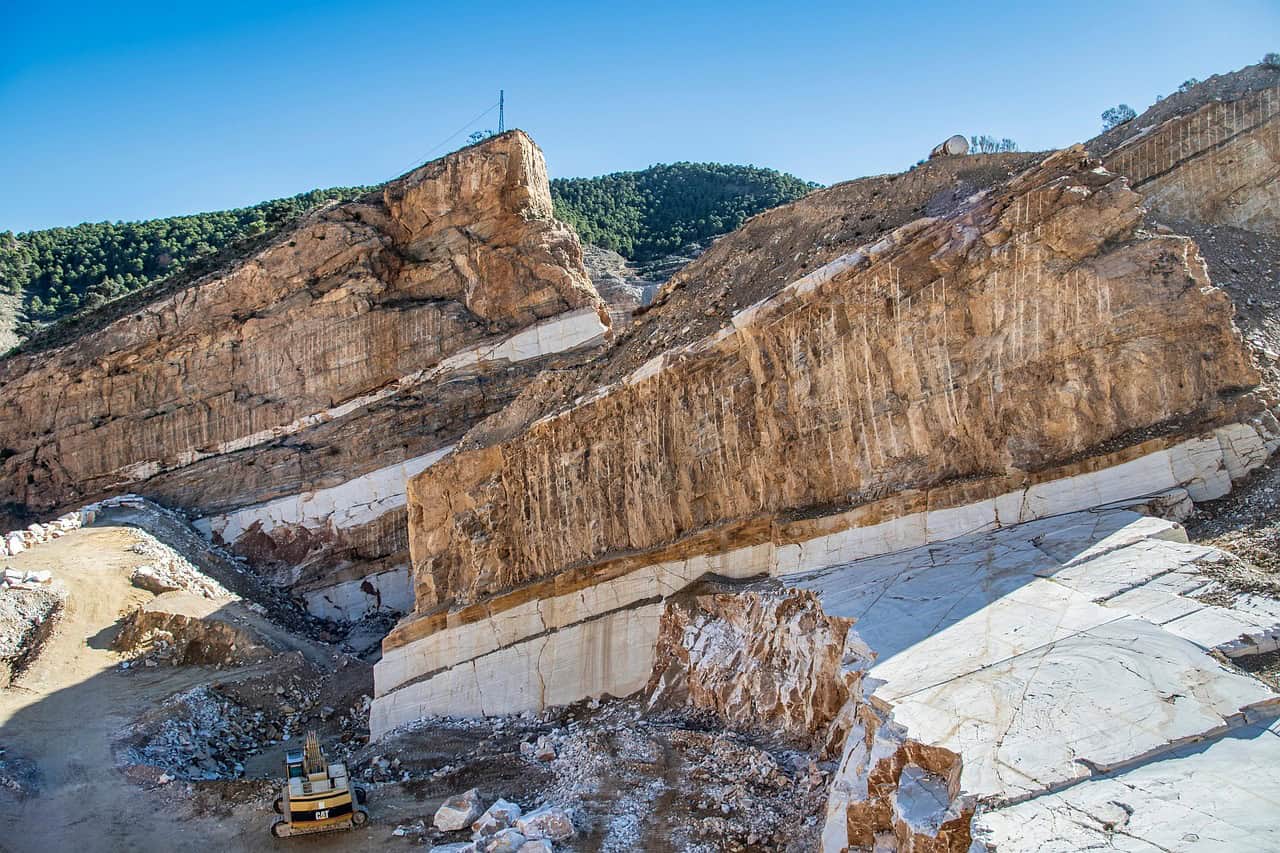
The story began in Namibia, where geologist Cees Passchier noticed tight clusters of tiny tubes slicing through marble in patterns that did not resemble ordinary erosion, fracture scars, or surface pitting. Follow-up fieldwork and lab checks then found strikingly similar structures in Oman and Saudi Arabia, turning what looked like an isolated curiosity into a cross-continental geological mystery spanning Africa and Asia. The findings were reported in Geomicrobiology Journal in 2025, after the team compared plausible weathering mechanisms with field evidence and still found no clean physical explanation.
Two Continents, One Signature Pattern
What makes the discovery persuasive is repetition across distant settings, because nearly identical bands of narrow, parallel tunnels appear in African marble and Arabian carbonate outcrops with the same directional organization. That recurring geometry suggests a process that can reappear under similar conditions, rather than a one-off local accident tied to one fracture network, one storm event, or one lithologic oddity. Researchers described the traces as subfossil micro-burrows, ancient biological-looking structures preserved long after the original maker may have vanished from the surface record.
Why Normal Weathering Did Not Fit
The team’s skepticism started with structure, since the channels are aligned, densely packed, and arranged in coherent bands in ways that random dissolution and routine fracture weathering rarely produce. In both the university release and related research coverage, Passchier emphasized that the tubes are clearly not the expected output of ordinary geological processes, even after years of checking alternatives in the field and lab. That does not by itself identify a species, yet it sharply narrows explanations and makes a biological agent a scientifically serious hypothesis, not a dramatic guess.
The Measurements That Changed The Debate
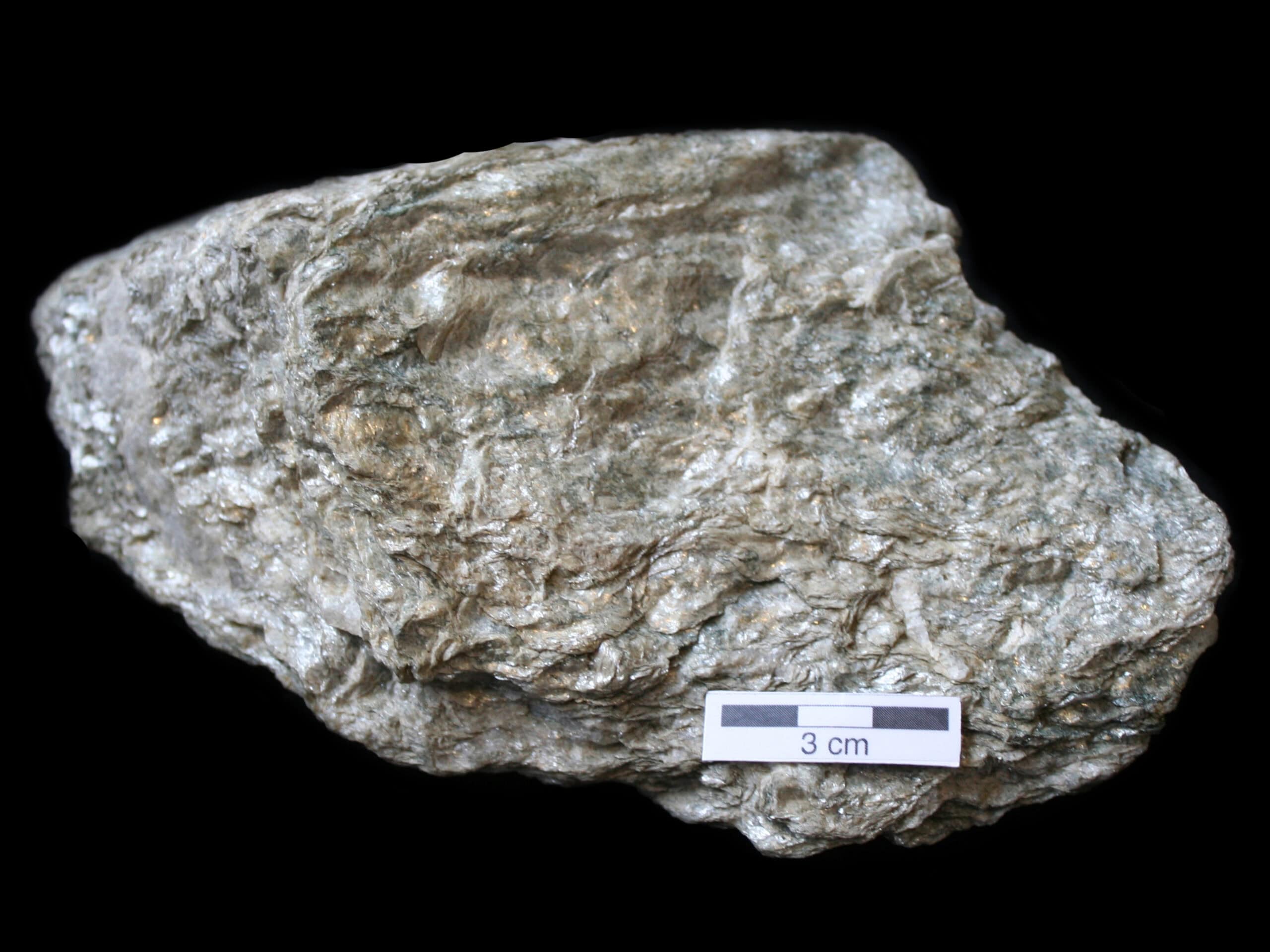
Measurements pushed the debate from impression to evidence: reported tunnels are about 0.5 mm wide, can reach roughly three centimeters in length, and occur in bands that may extend up to 10 meters across exposed outcrops. Those dimensions are too broad for a single-cell track but plausible for colony-level activity moving from fractures through carbonate material over long intervals, especially where water once circulated more effectively than it does now. Once those numbers repeated across more than one country and host rock, the case moved from curiosity toward a repeatable biological hypothesis.
What Was Left Inside The Tunnels
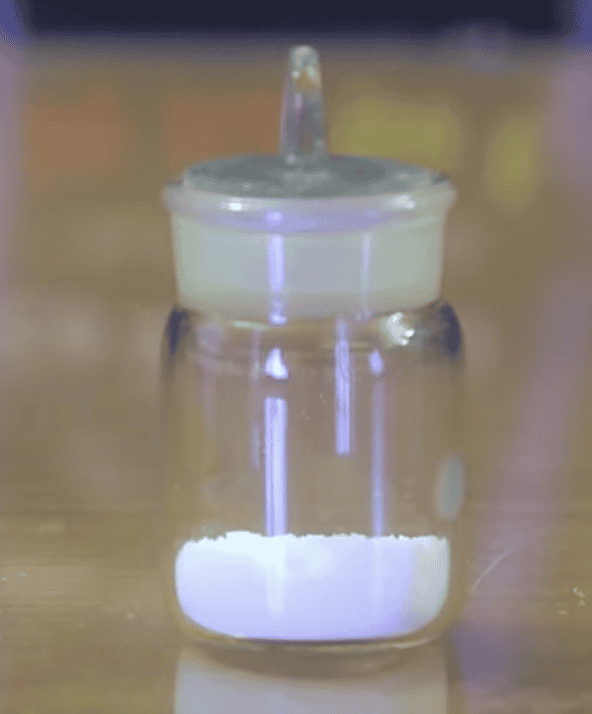
A critical clue lies inside the channels, because many are not hollow but filled with a fine powder of clean calcium carbonate that researchers interpret as possible residue from organisms altering rock to access nutrients. That internal residue is difficult to reconcile with simple cracking, since it implies selective modification and leftover material within the same microscopic corridors rather than random breakage followed by unrelated sediment infill. In plain terms, something appears to have worked through carbonate from within, leaving narrow pathways and a chemical trace of its activity.
Dating A Deep-Time Event
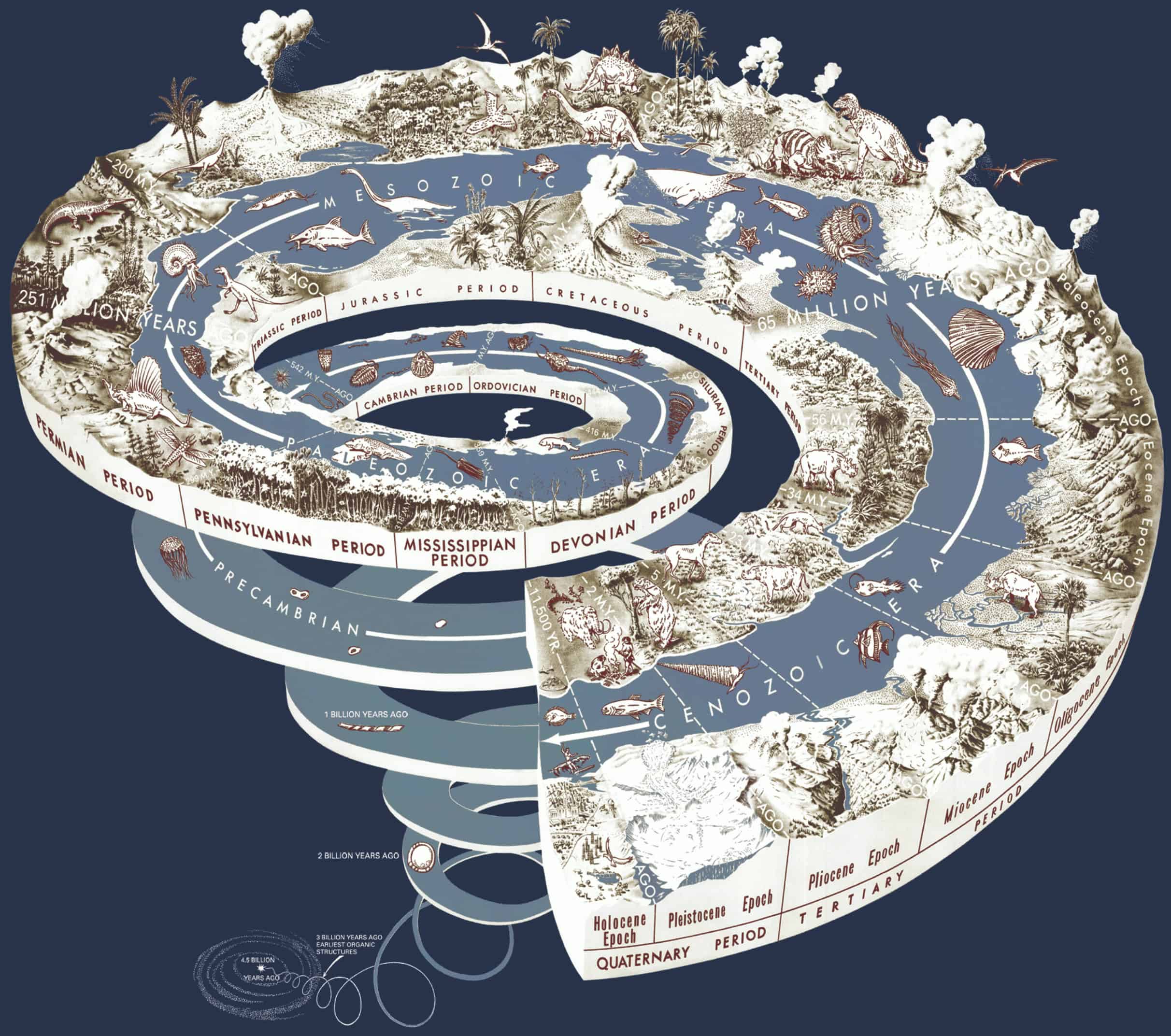
Age estimates are cautious and deliberately framed as provisional, with Passchier describing the structures as perhaps one to two million years old rather than claiming an artificial precision the data cannot support. Even with that uncertainty, the proposed window places formation in a different environmental chapter than today’s hyper-arid surfaces, which helps explain why active tunneling is not readily observed in modern exposures. It also clarifies why molecular traces are difficult to recover, because ancient structures can preserve form and mineral context long after fragile biomolecules fade.