We may earn money or products from the companies mentioned in this post. This means if you click on the link and purchase the item, I will receive a small commission at no extra cost to you ... you're just helping re-supply our family's travel fund.
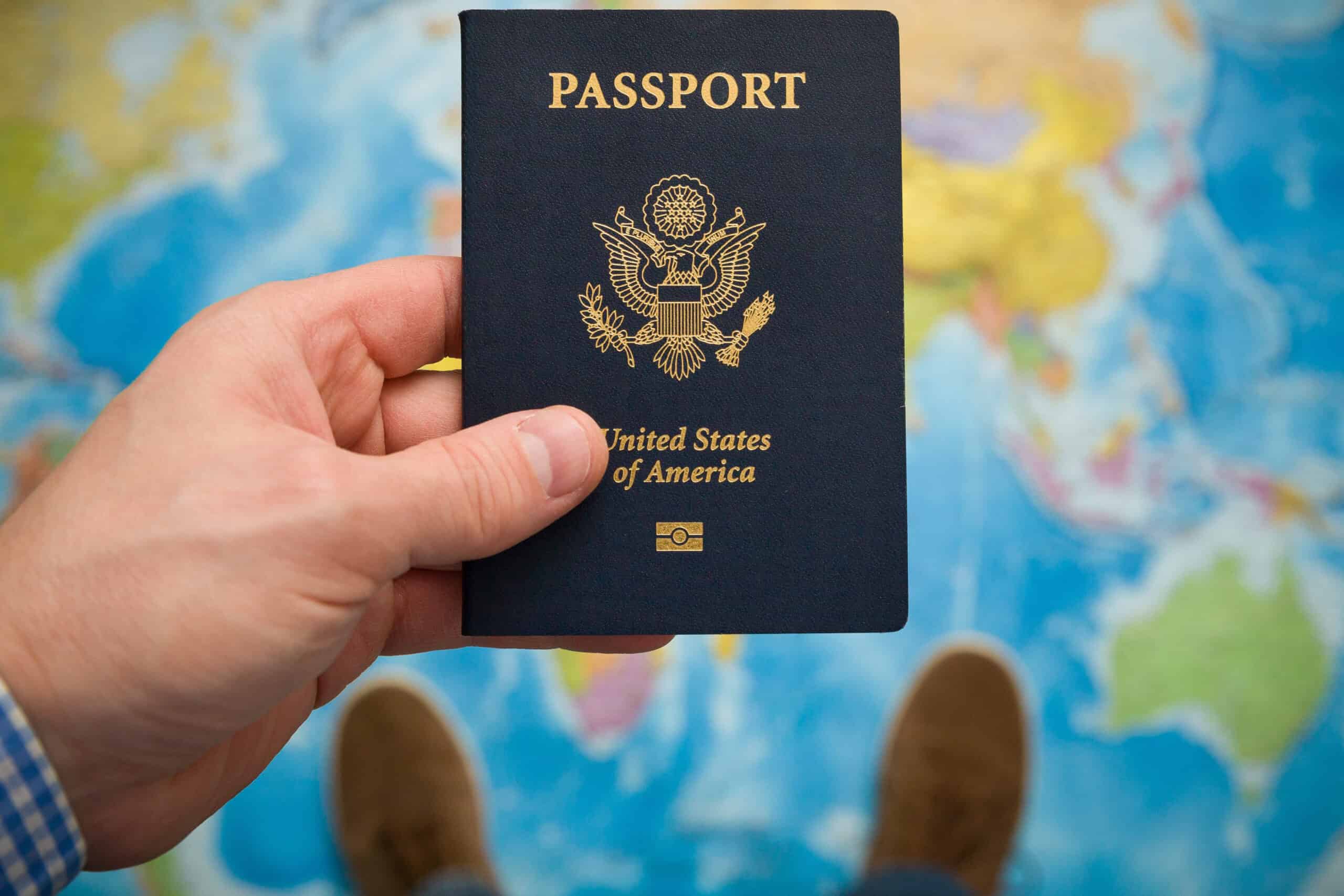
Among the dreamy parts of planning a European trip, passport prep is the detail most travelers push aside and the one most likely to ruin the journey. Rick Steves has long treated that little booklet as the real gatekeeper, urging travelers to check it early, keep it valid well beyond the return date, and carry backups in case things go wrong. In 2026, that advice matters even more, as Schengen validity rules, Britain’s ETA system, and Europe’s new digital border checks leave less room for last-minute mistakes.
An Unexpired Passport May Still Not Be Good Enough
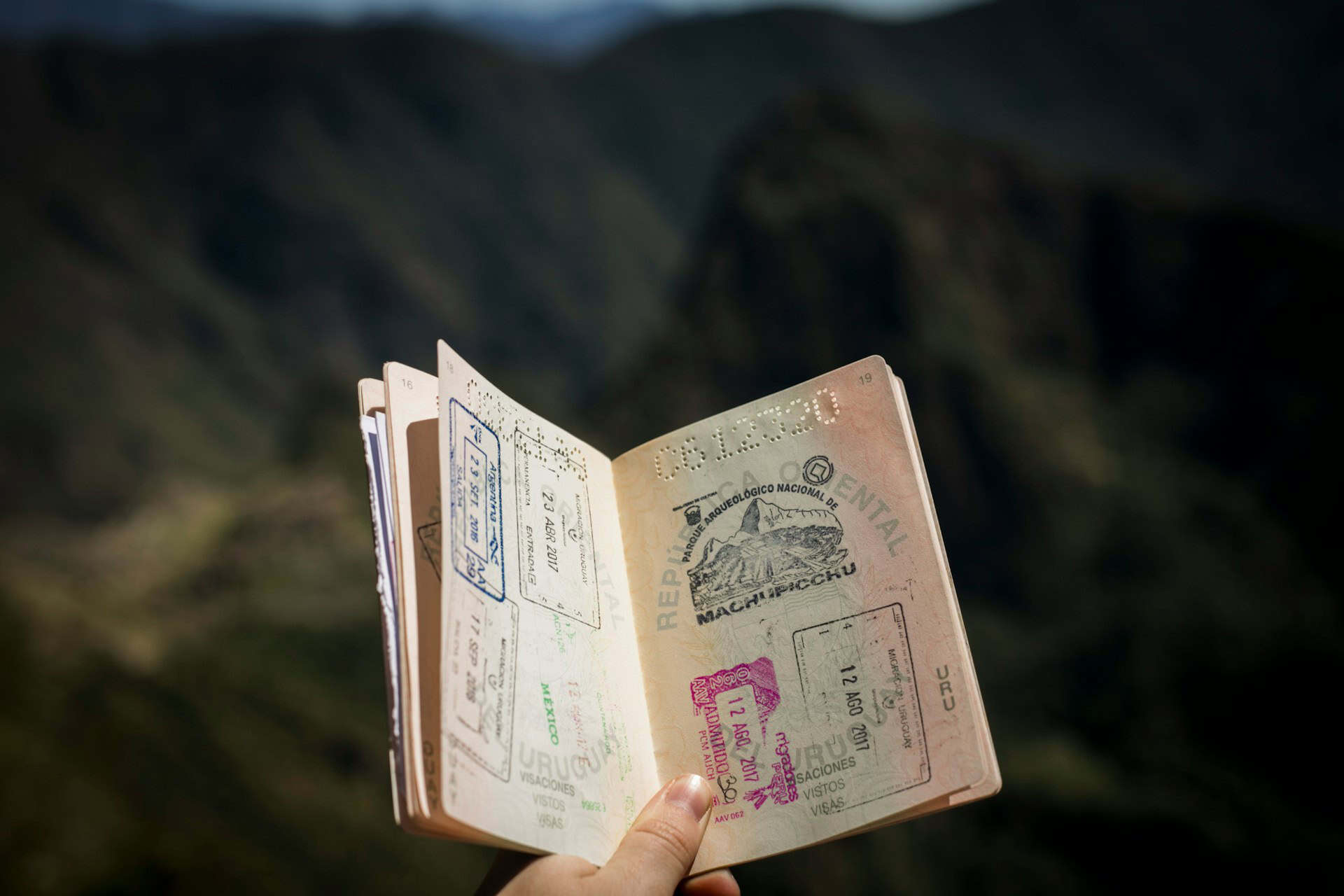
A passport can look perfectly fine in the kitchen drawer and still cause trouble at the airport. For travel through much of Europe’s Schengen Area, U.S. travelers generally need a passport valid for at least three months beyond the planned departure from the area, and several official U.S. sources still recommend leaving six months of cushion because airlines and border checks can be unforgiving when dates run tight. That turns a simple glance at the expiration page into one of the most important parts of trip planning.
Rick Steves’ Real Warning Is To Check Early, Not Casually

Rick Steves’ version of passport advice is practical, not dramatic. On his travel checklist, he tells travelers to make sure the passport is valid for at least six months after the return date, which goes beyond the strict minimum used in many European rules but builds in the kind of breathing room that prevents a trip from turning into a negotiation at check-in. It is classic Steves: small preparation at home, much less stress once the journey begins.
The Issue Date Matters, Too
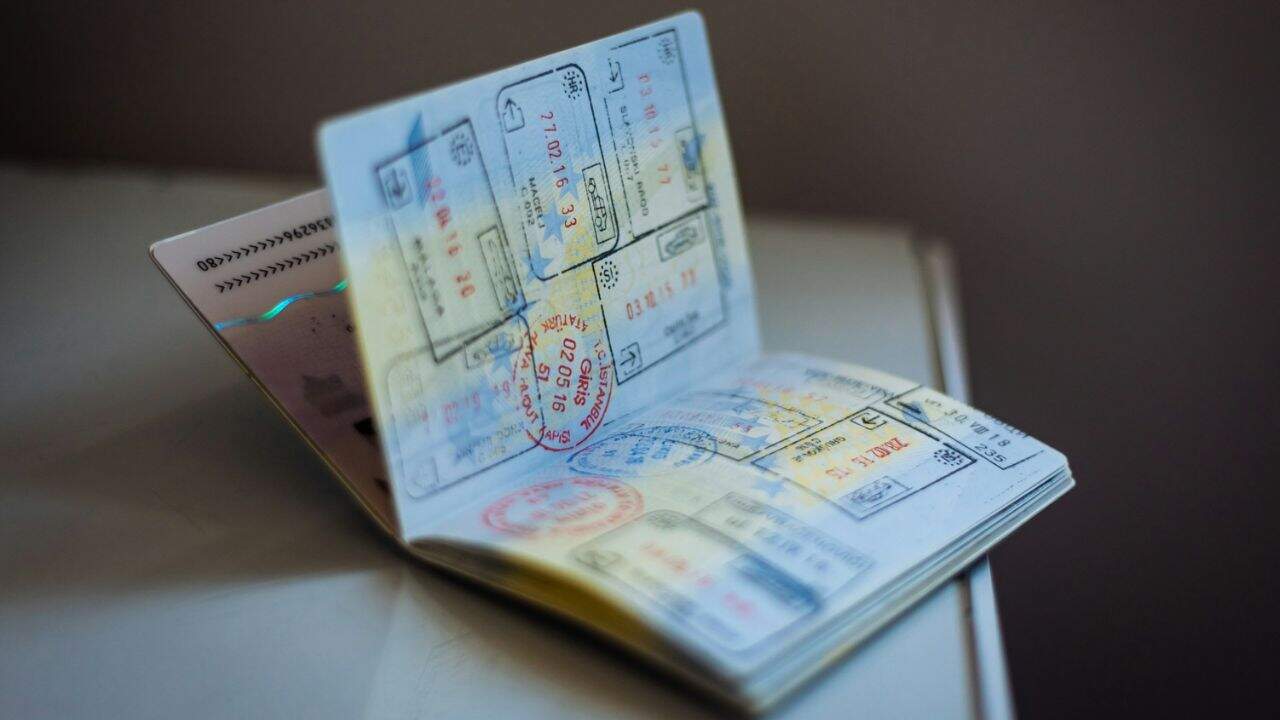
Expiration is not the only date that matters anymore. Europe’s ETIAS guidance says the travel document should also not be older than 10 years, a detail many travelers never think to check because the passport still looks modern and valid. That is the sort of fine print that can stay invisible until the travel window is close, especially for people who have stretched every last year out of an older passport and assumed that was the smart move.
Airlines Often Catch Passport Problems Before Border Agents Do

The first hard stop may not happen in Europe at all. Airlines are responsible for screening passengers before departure, and the U.S. State Department warns that some countries, especially in Europe, expect extra passport validity and that carriers may refuse boarding when those document rules are not met. That means the trip can stall before a suitcase ever crosses the Atlantic, with no scenic station, charming piazza, or helpful hotel clerk available to soften the blow.
Backup Copies Still Matter More Than Most Travelers Think

Steves has also long pushed a second layer of passport caution: copies. On his travel documents page, he notes that replacing a lost or stolen passport abroad is much easier when a traveler already has a copy and printed passport photos, and the State Department likewise says a photocopy of the missing passport can help when applying for a replacement at a U.S. embassy or consulate. In other words, a copy does not replace the passport, but it can dramatically simplify the bad day when the original disappears.
Children’s Passports Quietly Create Family Problems

Families get tripped up here more often than they expect because children’s passports age out faster. The State Department reminds travelers that passports issued to children under 16 are valid for only five years, not 10, which means a family that remembers the adults’ renewal dates can still get blindsided by the youngest traveler’s paperwork. On a Europe trip planned months around school breaks, flights, and hotel rates, that kind of oversight can feel especially cruel because everything else may already be in place.
Late Renewal Can Eat Into The Trip Before It Starts

There is also the plain issue of time. As of late Jan. 2026, the State Department lists routine passport processing at four to six weeks and expedited service at two to three weeks, with mailing time on top, which is exactly why the agency keeps telling travelers to apply early and factor the full timeline into bookings. A passport problem discovered too late does not just create stress; it can shrink the trip itself, forcing expensive changes before the first museum ticket is even scanned.