We may earn money or products from the companies mentioned in this post. This means if you click on the link and purchase the item, I will receive a small commission at no extra cost to you ... you're just helping re-supply our family's travel fund.
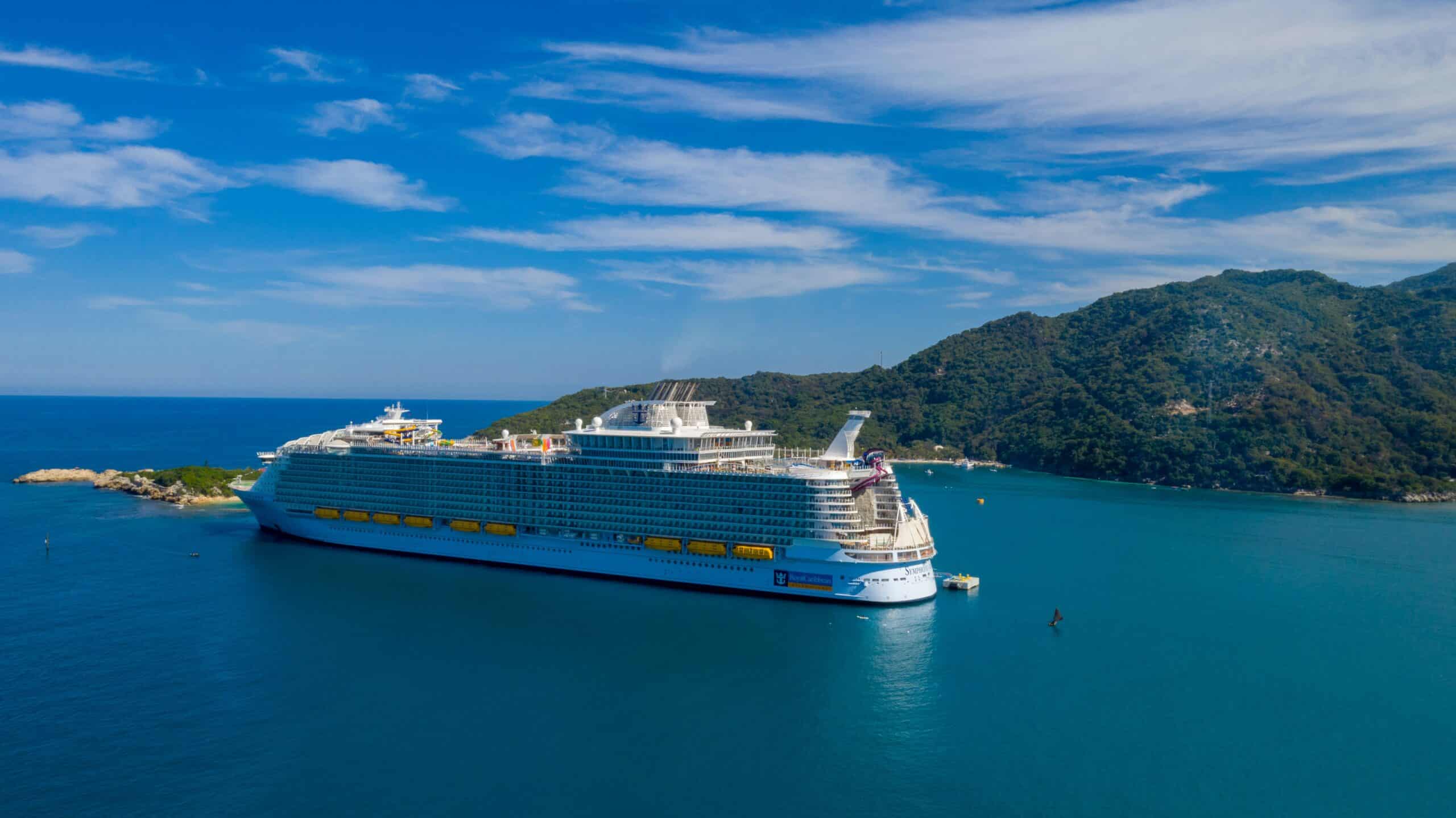
From the rail of a modern cruise ship, the Caribbean and Central America can look like a string of easy, polished arrivals. On paper, the money is enormous. Royal Caribbean reported $17.9 billion in 2025 revenue, Carnival hit $26.6 billion, and Norwegian brought in $9.8 billion, while Reuters found private destinations are prized because they keep more spending inside the cruise ecosystem. The harder truth begins just beyond the pier, where some host communities still live with poverty, fragile infrastructure, or deep inequality that glossy shore brochures rarely linger on.
Labadee, Haiti
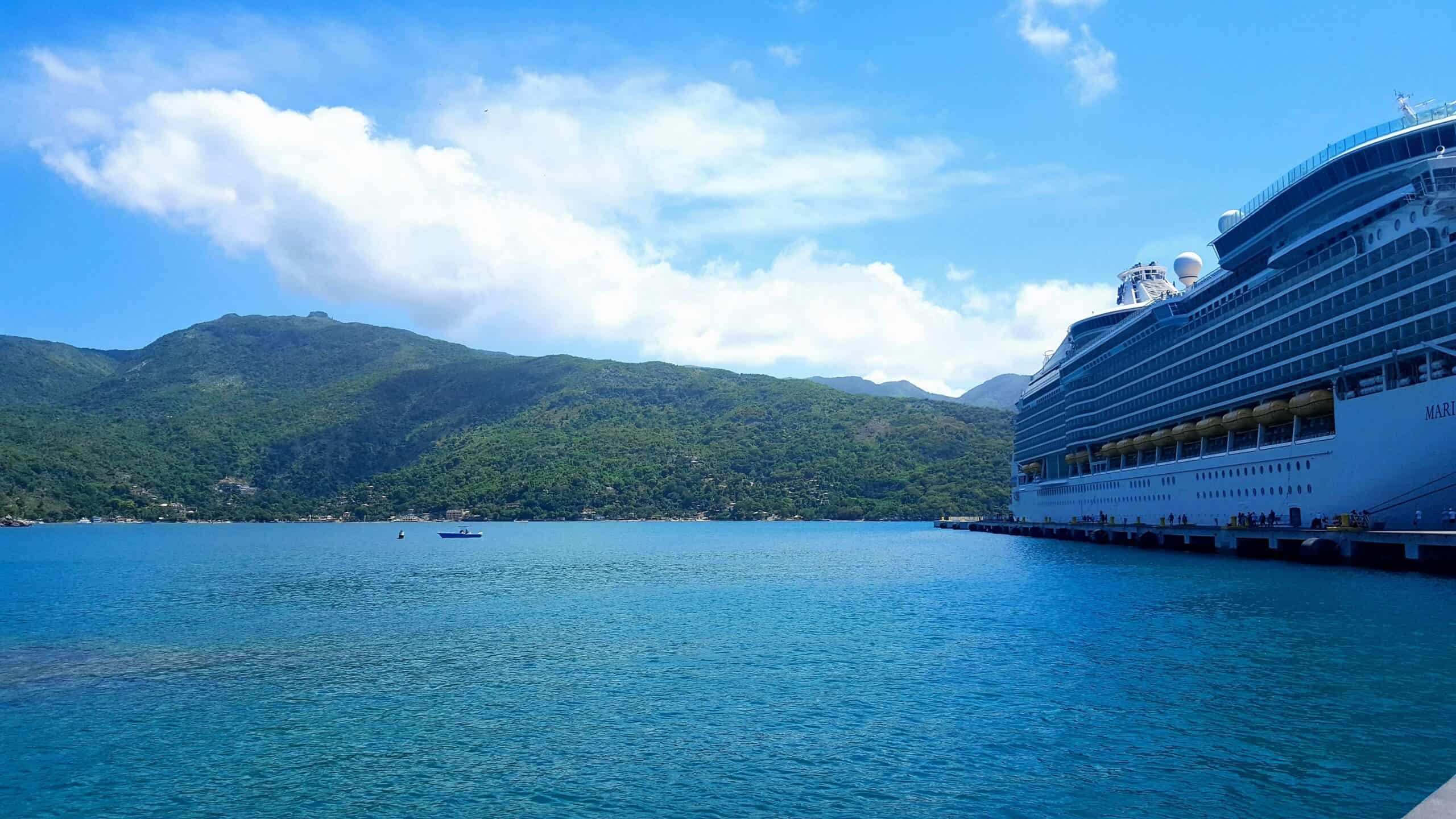
Royal Caribbean sells Labadee as a sealed-off pleasure cove on Haiti’s northern coast, with five beaches, private bungalows, and a zip line over the ocean. The contrast is hard to ignore. The World Bank says 67.7 percent of Haitians are now estimated to live on less than $4.20 a day in 2025, and 1.3 million people were internally displaced by June 2025. Reuters also reported Royal Caribbean suspended calls during last year’s gang violence, a reminder that the postcard and the country are never as separate as the brochure would like them to seem.
Roatán, Honduras
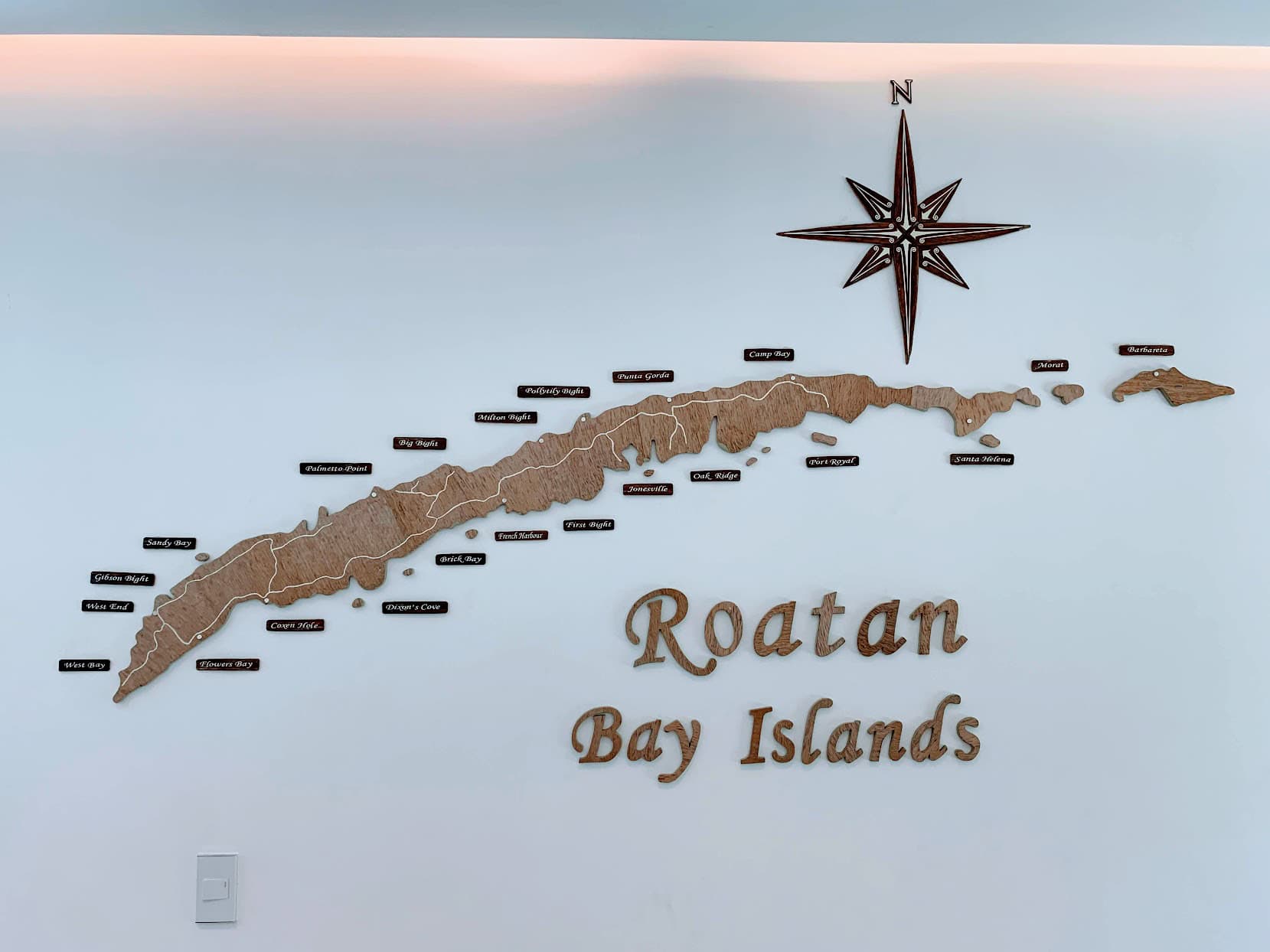
Mahogany Bay presents Roatán as a curated tropical arrival, all clean edges, shopping, and easy excursion flow. Yet the wider country around that fantasy remains under heavy strain. The World Bank says 62.9 percent of Honduran households lived in poverty in 2024, with 40.1 percent in extreme poverty, while Reuters separately cited government estimates that about 64 percent of Hondurans live in poverty. Cruise tourism does create jobs on the island, but the contrast between terminal polish and national hardship is exactly what makes these arrivals feel so jarring.
Harvest Caye, Belize
Norwegian markets Harvest Caye as a 75-acre private oasis with an expansive pool, a swim-up bar, and a salt-water lagoon, a place designed to keep guests comfortable and spending without much friction. Belize is not Haiti, and the point is not to flatten the country into one story. Still, the World Bank says a little over 15 percent of Belizeans lived on less than $8.30 a day in 2024, and 22 percent were multidimensionally poor, with higher deprivation in rural areas and among Indigenous communities. That gap between manicured ease and national unevenness says a lot about how cruise luxury is staged.
Falmouth, Jamaica
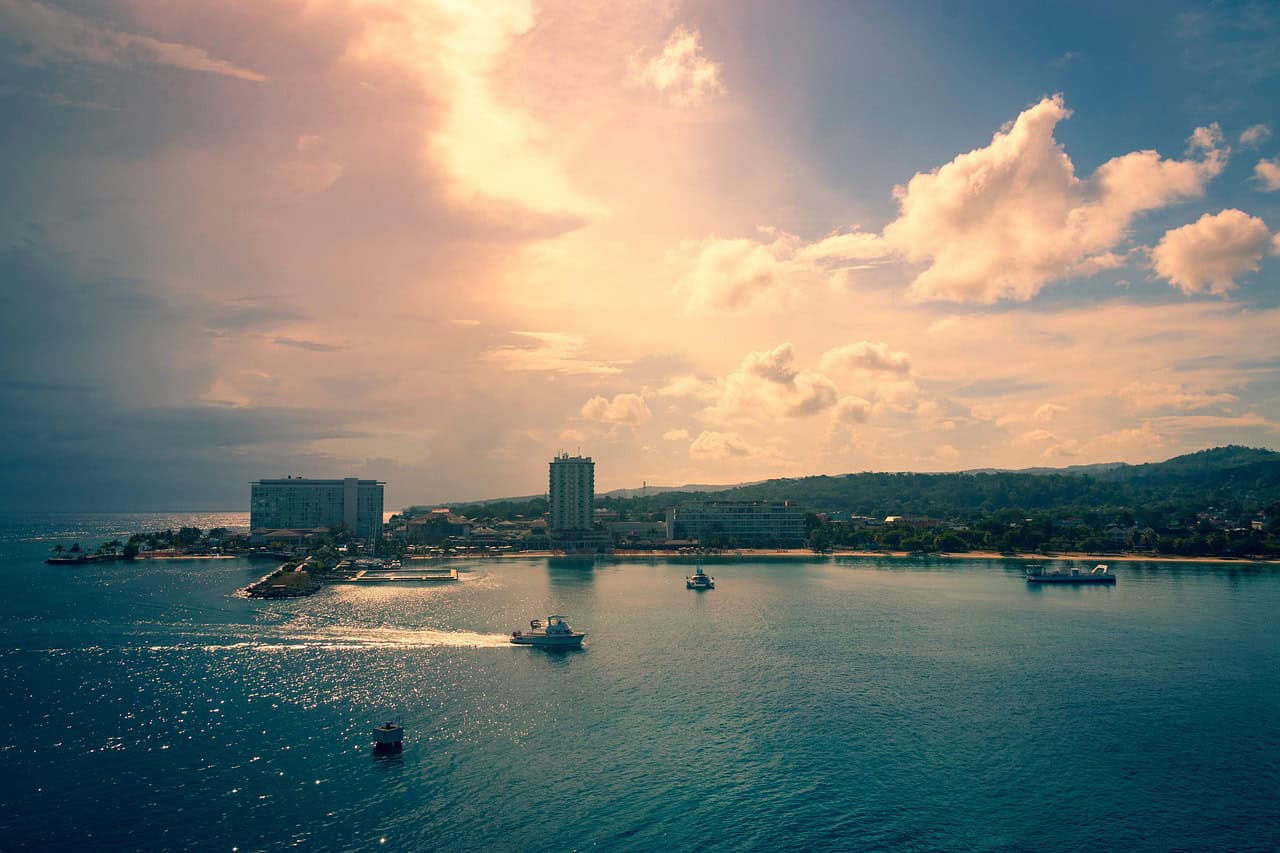
Falmouth arrives wrapped in Georgian facades, shore excursions, and the promise of a tidy Jamaican welcome between Montego Bay and Ocho Rios. Jamaica has made real progress, and that deserves saying plainly. Even so, the World Bank’s 2024 nowcast still put the share of Jamaicans living on less than $6.85 a day at 11.8 percent, while roughly one-third reported going an entire day without eating in the previous 30 days in an April 2024 food-security survey. Against that backdrop, the cruise-day version of Falmouth can feel less like the whole place than a carefully edited frontage.
Puerto Quetzal, Guatemala

Royal Caribbean sells Puerto Quetzal as a gateway to Antigua, Maya textiles, volcano views, and hand-ground coffee lessons, and none of that is false. The missing part is scale. The World Bank says 56 percent of Guatemalans lived below the national poverty line in 2023, with far higher burdens in some departments, and Reuters reported in 2024 that hunger and malnutrition remain widespread, especially in rural areas hit by drought. By the time cruise guests board a coach inland, the ship has already framed Guatemala as atmosphere first, hardship second.
Santo Tomás De Castilla, Guatemala
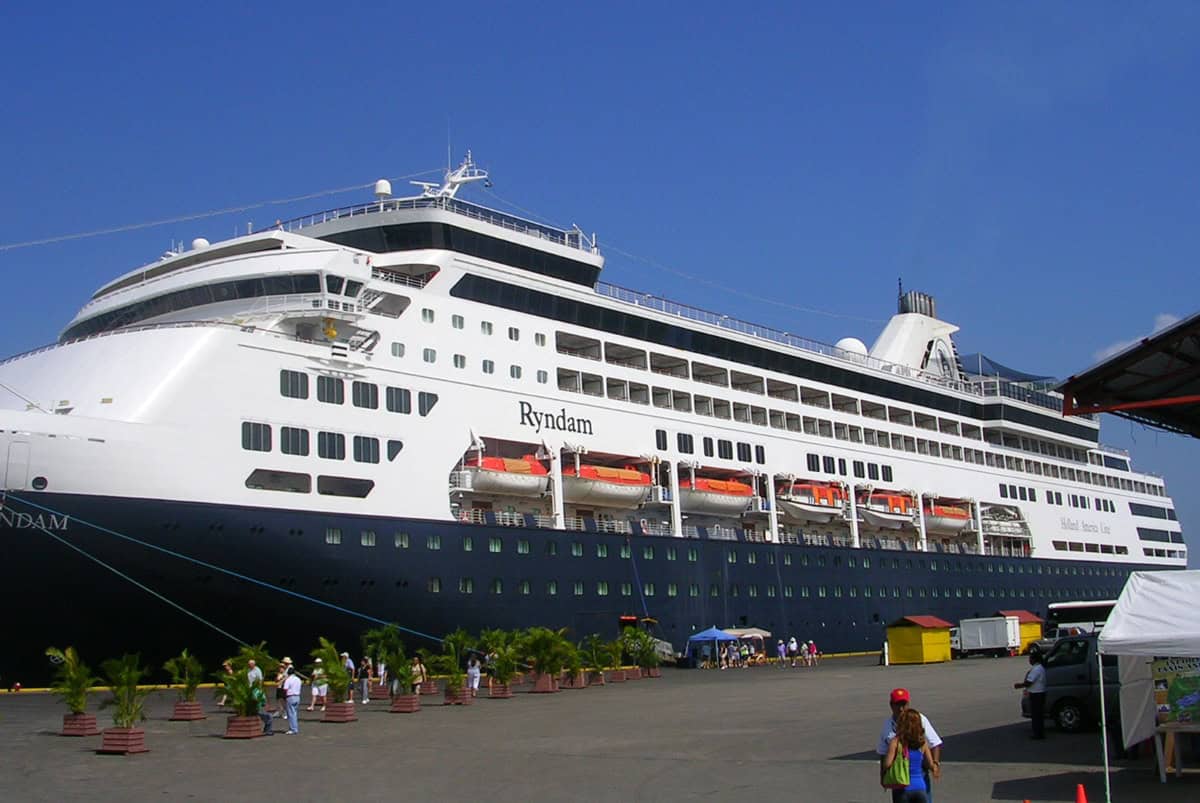
At Santo Tomás de Castilla, the formula is familiar: rainforest adventure, Maya history, a few controlled hours ashore, then back to the ship. Norwegian pitches the port as a route to ancient ruins and lush landscapes, which is fair enough, but the broader country remains one of Latin America’s most unequal. World Bank data show around 9.8 million people in Guatemala were living in poverty in 2023, with poverty rates far higher in rural and Indigenous regions. The result is a stop where beauty and deprivation can sit uncomfortably close, even when the itinerary works hard to keep them in separate frames.
La Romana, Dominican Republic
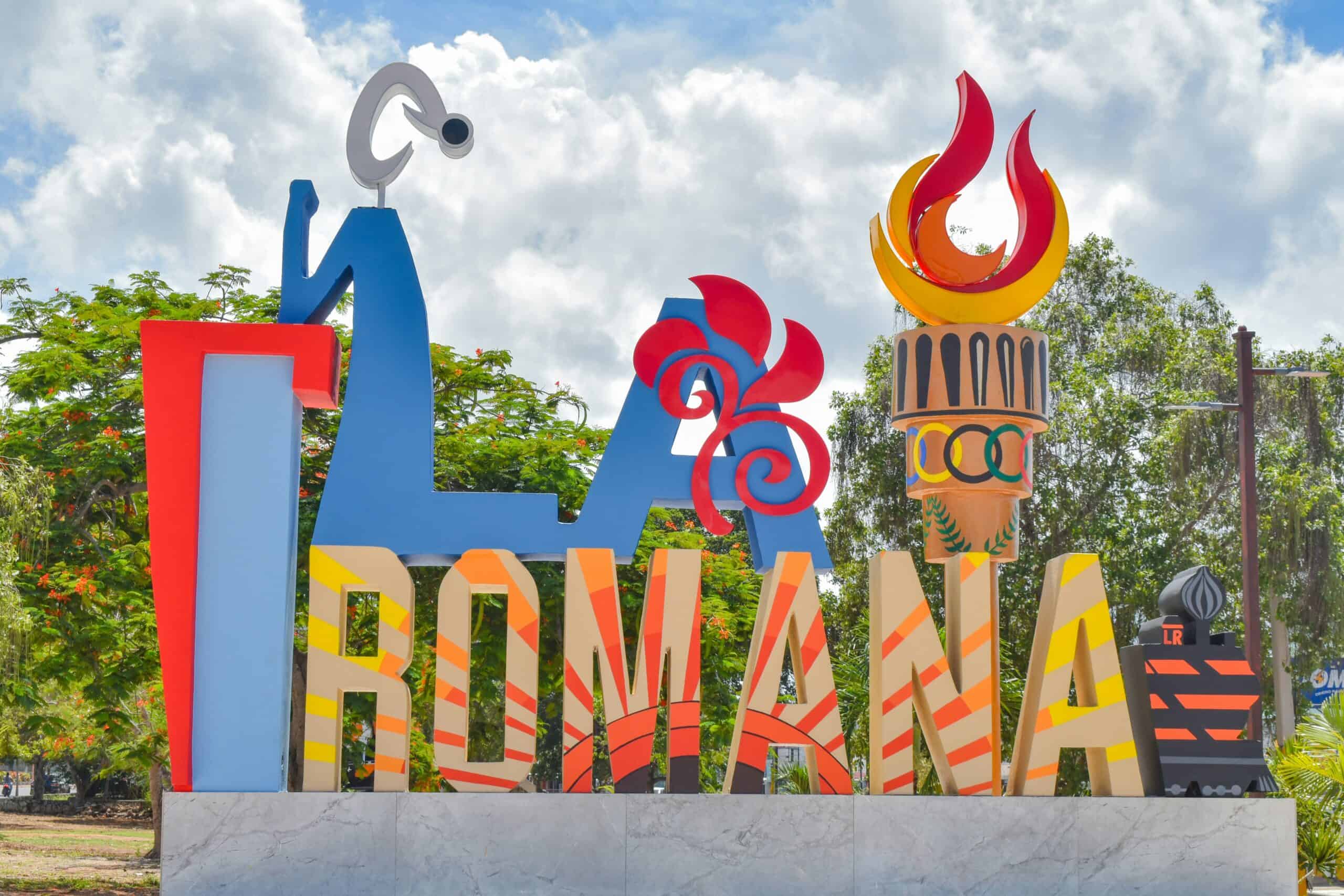
Royal Caribbean describes La Romana as an authentic taste of the Dominican Republic, complete with caves, beaches, and golf within easy reach of the pier. There is truth in that too. But the World Bank’s 2024 Poverty and Equity Brief still put 19 percent of Dominicans below the national poverty line and 14 percent below the $8.30-a-day upper-middle-income threshold, while regional gaps in income, internet access, and piped water remain visible. Cruise passengers often encounter the polished version first, which is exactly why the rest of the country can disappear so quickly behind the day’s excursion map.
Cartagena, Colombia
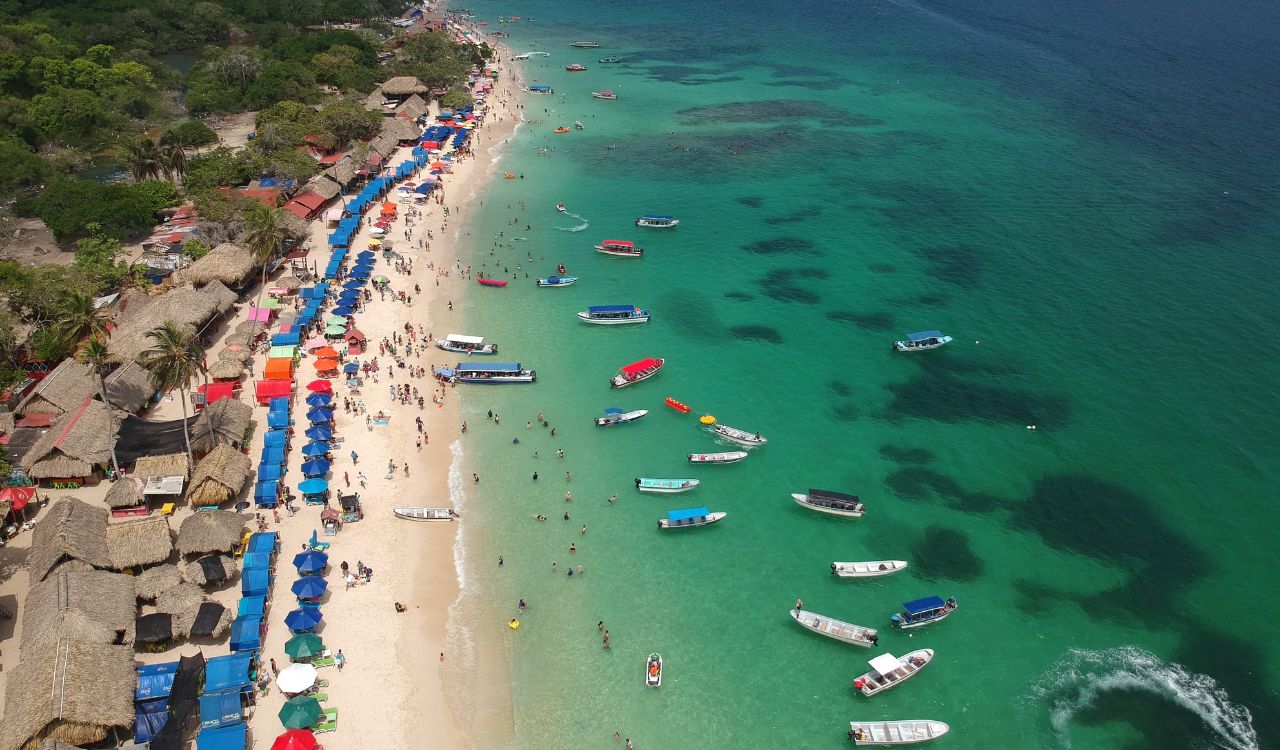
Cartagena may be the most visually seductive stop of all: balconies, bright plazas, old walls, beach towers, emerald shops, and seafood lunches priced to feel charmingly affordable. Cruise lines know it sells. Yet the World Bank said in late 2024 that more than 16 million Colombians live in poverty and that poorer municipalities have not reduced poverty at the same pace as wealthier ones. In Cartagena itself, the old-city glow can make inequality easy to crop out of the frame, which is one reason the city works so well for the cruise imagination and so imperfectly for the full truth