Providence, Rhode Island Has Been a Culinary City for 30 Years. Here’s Why It Took So Long to Get Credit
We may earn money or products from the companies mentioned in this post. This means if you click on the link and purchase the item, I will receive a small commission at no extra cost to you ... you're just helping re-supply our family's travel fund.
Providence, Rhode Island has been producing James Beard Award nominees from its restaurant community for over 30 years. It has more independent restaurants per capita than Boston. The Johnson and Wales culinary school has seeded generations of chefs into the city’s food scene. And yet Providence exists in the national food media imagination primarily as a footnote — the city you pass through on the train between Boston and New York, or the place where people from Brown University go to restaurants. The credit it deserves has been slow to arrive.
Providence’s Food Scene — Why It’s Real and Why Nobody Talks About It
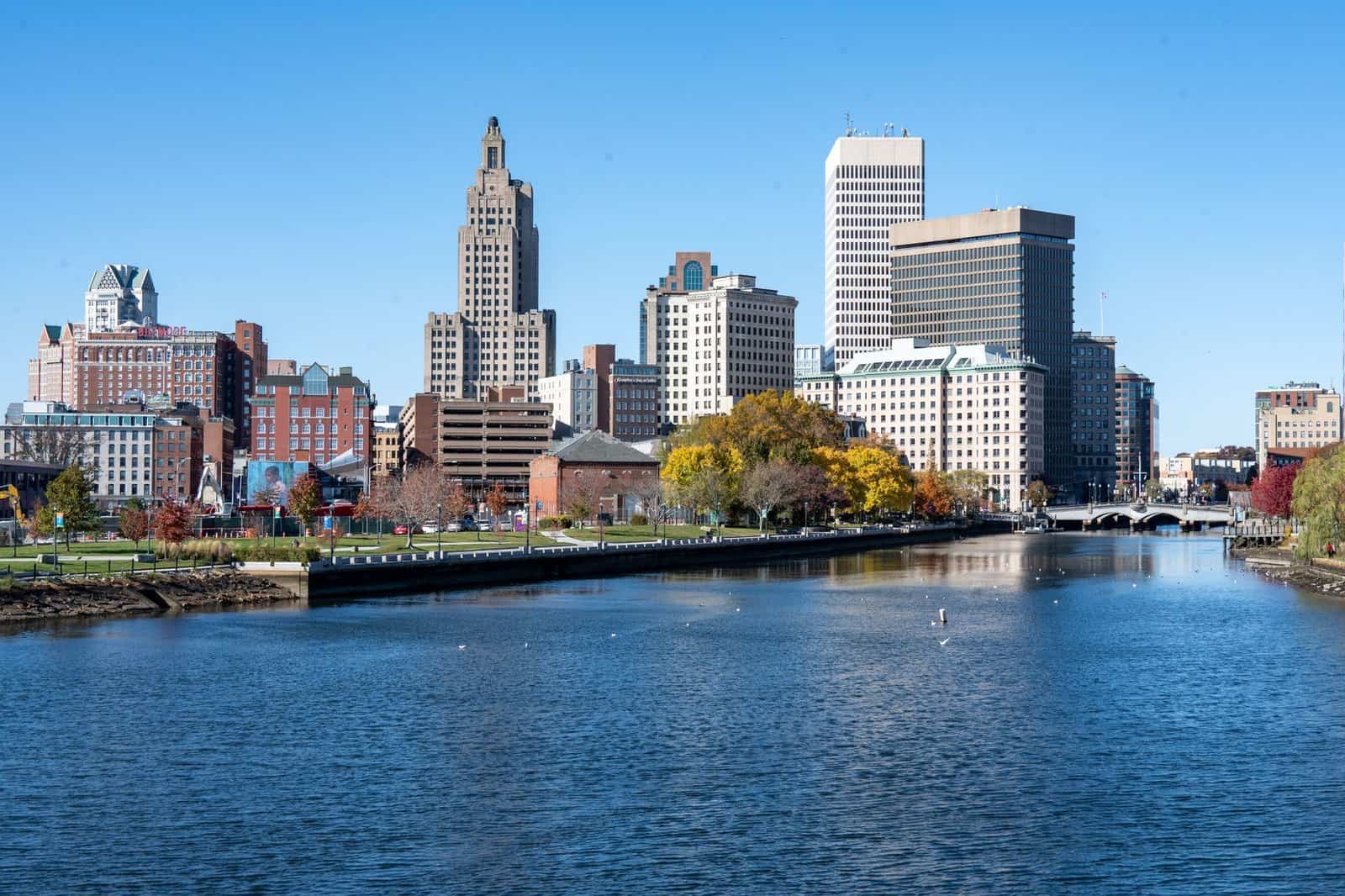
The answer to why Providence doesn’t get food credit proportional to its quality is geographic. It’s sandwiched between Boston and New York, two cities with enormous food media presences that generate coverage nationally. Food journalists and critics based in those cities naturally cover their home markets first. Providence is close enough to visit for a day from either city but not quite a destination that drives its own travel coverage cycle. The food exists, the talent exists, the reputation exists locally and among chefs nationally. The public narrative hasn’t caught up.
What Providence Has
- Federal Hill: Rhode Island’s Italian-American neighborhood with a restaurant density on Atwells Avenue that makes Boston’s North End feel thin in comparison
- The Providence Restaurant Association: A community of independent restaurant owners who have built a coordinated local dining culture over decades
- WaterFire: The arts installation on the Providence River — 100 floating bonfires on the water on summer evenings — is one of the most original public arts events in New England
- RISD Museum: The Rhode Island School of Design’s museum has a world-class collection including a significant Impressionist and ancient Egyptian collection that most non-locals don’t know about
- Thayer Street and the East Side: The university neighborhood area with independent bookshops, coffee, and the kind of neighborhood restaurant culture that academic neighborhoods tend to develop
Rhode Island Food Specifically Worth Knowing
Rhode Island has a few food traditions that are genuinely specific and worth seeking out. The coffee milk — coffee syrup stirred into cold milk, the official state drink — is not available anywhere else in the country at the density you find it in Providence. The clear chowder (Rhode Island clam chowder is neither New England white nor Manhattan red — it’s clear clam broth with quahogs) is specific and excellent. The local quahogs (hard-shell clams) are the raw material for a clam cake and chowder culture that doesn’t exist in quite the same form anywhere outside New England’s smallest state.
Providence is an Amtrak city — the Acela and Northeast Regional both stop downtown, making it easily accessible from New York (3 hours), Boston (45 minutes), and Philadelphia (4 hours) without airport friction. Hotel prices are significantly below Boston. The combination of a serious food city, a walkable downtown, an excellent art museum, and easy rail access from the Northeast Corridor makes Providence one of the most efficient weekend food trips available on the East Coast. The national credit is coming. Go before it does.