We may earn money or products from the companies mentioned in this post. This means if you click on the link and purchase the item, I will receive a small commission at no extra cost to you ... you're just helping re-supply our family's travel fund.
Vacation calendars, flight confirmations, and cruise countdowns can feel steady until one announcement resets everything overnight. In early Feb. 2026, Alaskan Dream Cruises said it was ending operations immediately and canceling future sailings, leaving many booked guests to rework Alaska plans already in motion. The closure arrived during the pre-season planning window, when travelers often finalize deposits and logistics. What unfolded next was more than a cancellation story: it became a test of refund systems, replacement capacity, and how fragile highly coordinated travel can be.
The Shutdown Arrived as a Hard Stop
On Feb. 4, 2026, Alaskan Dream Cruises announced it had ceased business operations effective immediately, with no future sailings continuing under the brand. Coverage across the following days confirmed the same core facts: a sudden closure, active outreach to booked guests, and a full stop rather than a phased reduction. The shock was amplified by the company’s long run since 2011 and its identity as a small-ship Alaska specialist known for cultural and scenic itineraries, which gave many travelers confidence that their plans were secure.
The Timing Collided With Peak Planning

Alaska cruise travel is unusually timing-sensitive because many itineraries operate within a tighter seasonal window than warm-weather markets. AAA’s 2026 outlook describes Alaska’s cruise season as April through October, and this closure hit in February, right when many households finalize flights, hotels, and paid shore plans. Travel coverage also noted that the line had not yet begun its 2026 season, which meant no active voyage was interrupted, yet many future departures were suddenly erased from family calendars and advisor booking grids.
Refunds Started, but Cost Exposure Did Not Vanish

Reports said guests and advisors with existing reservations were being contacted directly and that full refunds for canceled voyages were being processed. That immediate commitment addressed the largest financial concern, but it did not automatically resolve every surrounding expense already attached to the trip. Airfare rules, hotel deposits, and independently booked excursions can follow different cancellation terms, so households often had to untangle multiple policies at once, even while the cruise refund itself moved forward through the line’s stated process.
Replacement Capacity Was Not Easily Interchangeable

Alaskan Dream operated four smaller vessels, typically carrying about 40 to 80 guests, and that format shaped the entire product experience. Travelers who chose those sailings were often selecting intimacy, lower onboard density, and region-focused programming, not simply choosing a cabin on any ship headed north. When a niche operator exits abruptly, replacement options may exist, but they rarely match route style, pace, and onboard character at the same price point and date range, creating difficult trade-offs between availability and experience quality.
Local Shore Economies Felt the Pressure
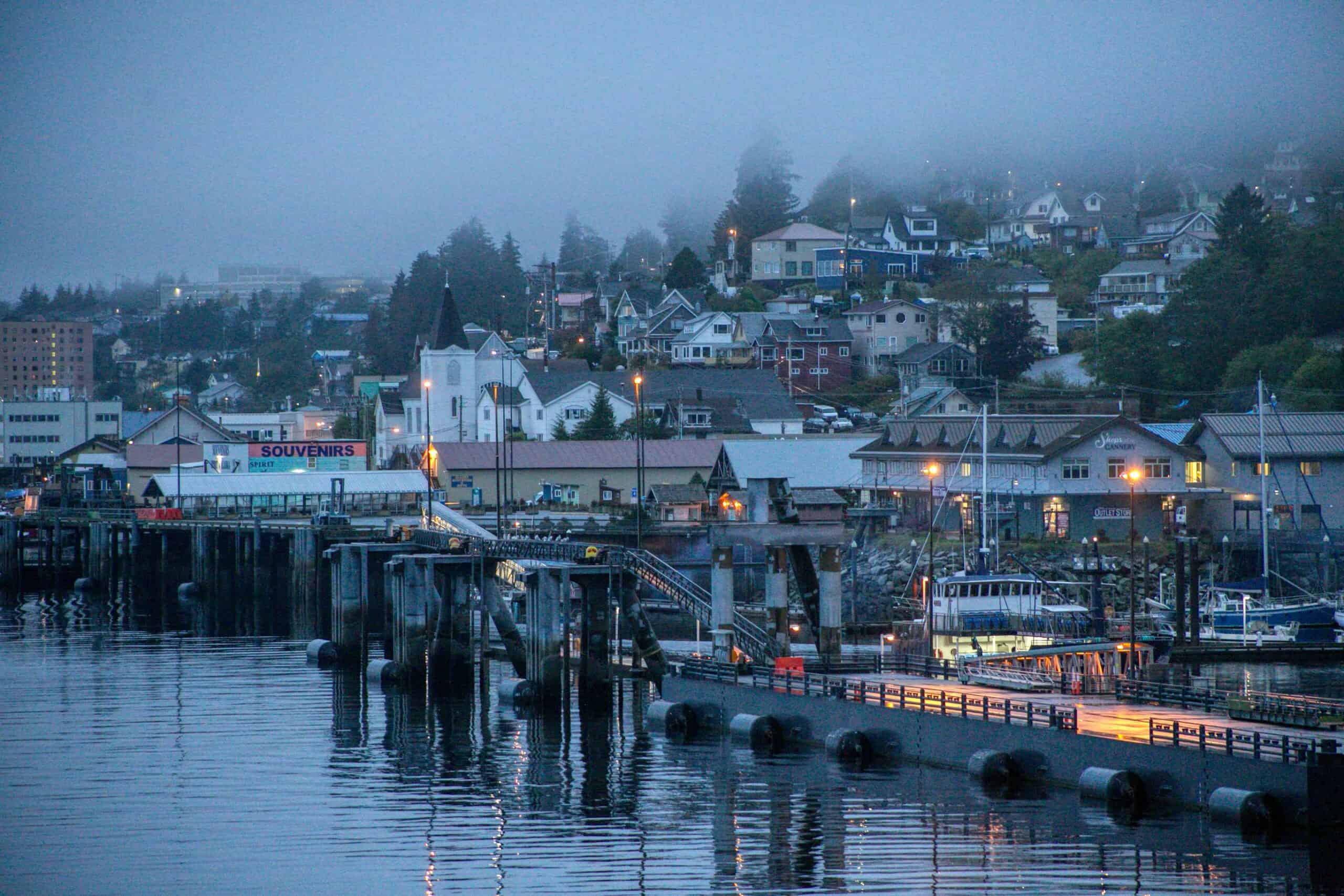
The disruption extended beyond passenger itineraries because cruise schedules influence seasonal hiring, supplier orders, and waterfront service demand across Southeast Alaska communities. Alaska Public Media reported that Alaskan Dream employed about 95 seasonal workers and around 10 year-round staff in 2025, while Allen Marine employed hundreds more in related operations. A shutdown at one overnight cruise arm does not erase all maritime activity, but it can still ripple through guiding, provisioning, dockside logistics, and transport planning built around expected sailings.