We may earn money or products from the companies mentioned in this post. This means if you click on the link and purchase the item, I will receive a small commission at no extra cost to you ... you're just helping re-supply our family's travel fund.

The contrast is jarring today. In a country where the 2024 national median household income reached $81,604, and Massachusetts, New Jersey, and Maryland all topped $100,000, some of the smallest places inside high-income states still live on a very different scale. Using an ACS-based town ranking that compares places with at least 1,000 residents, the divide runs from states famous for strong paychecks and expensive housing to communities where low incomes, thinner opportunity, and persistent poverty still shape everyday life.
Susitna North, Alaska

Even Alaska’s relatively high statewide median household income does not settle evenly across every small community. In the ACS-based ranking, Susitna North comes in at $38,323, far below Alaska’s $86,370, and its 15.7% poverty rate still runs above the state figure. With 1,543 residents, the place feels like a quiet example of how prosperity can register on paper at the state level while staying fragile on the ground, where lower earnings and a thinner educational base leave little room for comfort. It is a softer kind of hardship than some of the other places here, but the mismatch between state wealth and local means is still hard to ignore.
Weedpatch, California
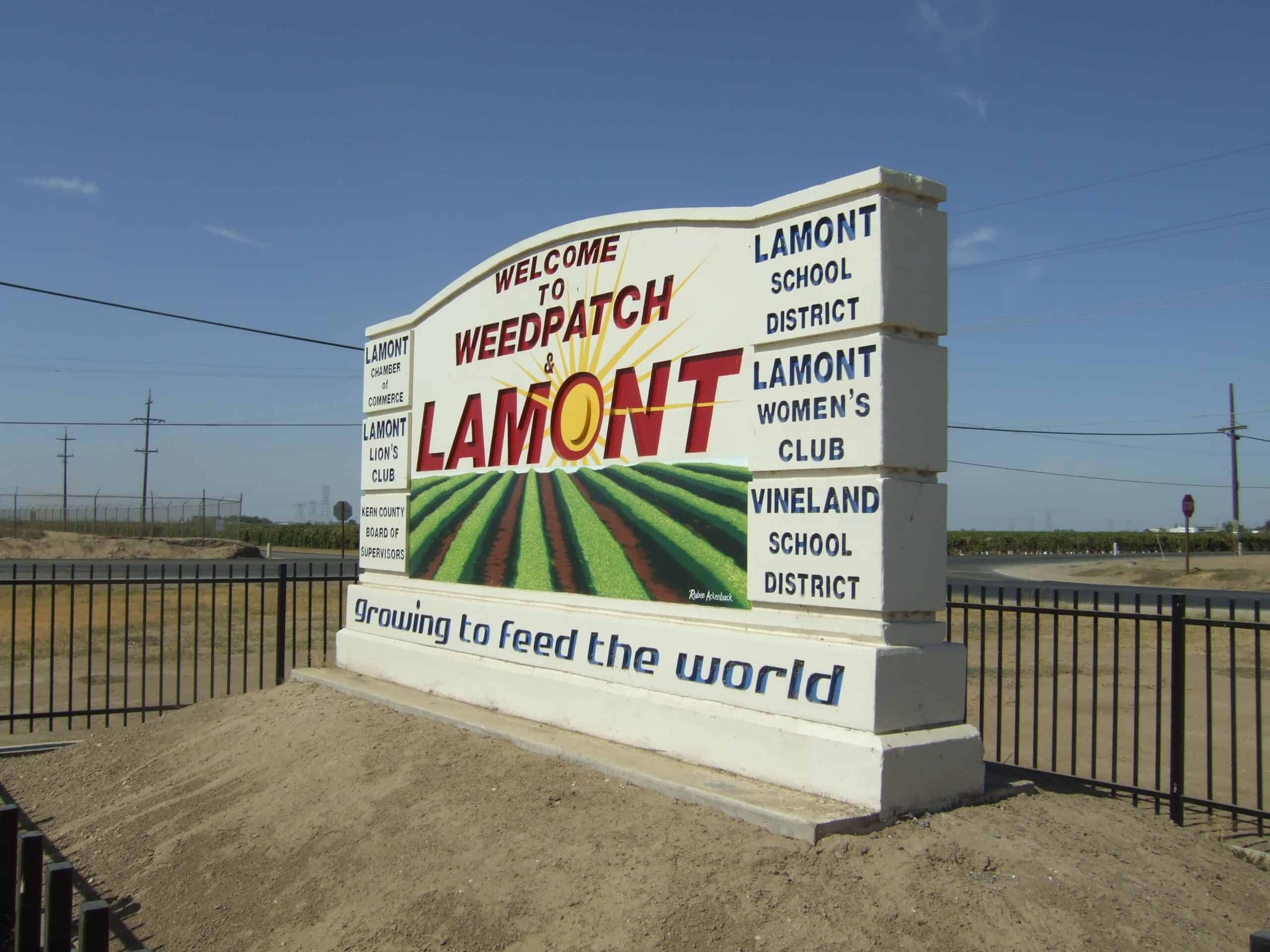
Few places show the split more starkly. California’s statewide median household income in the ACS-based ranking is $91,905, yet Weedpatch lands at just $21,651, with a 48.0% poverty rate and a bachelor’s-degree attainment rate of only 0.5%. The housing contrast is just as sharp: the community’s median home value is $126,500, while California’s statewide figure stands at $659,300. In a state often associated with outsized paychecks and towering costs, Weedpatch sits in the shadows of that wealth, carrying a very different economic reality. The gap is so wide that the state’s celebrated prosperity barely feels like it belongs to the same place.
Rocky Ford, Colorado
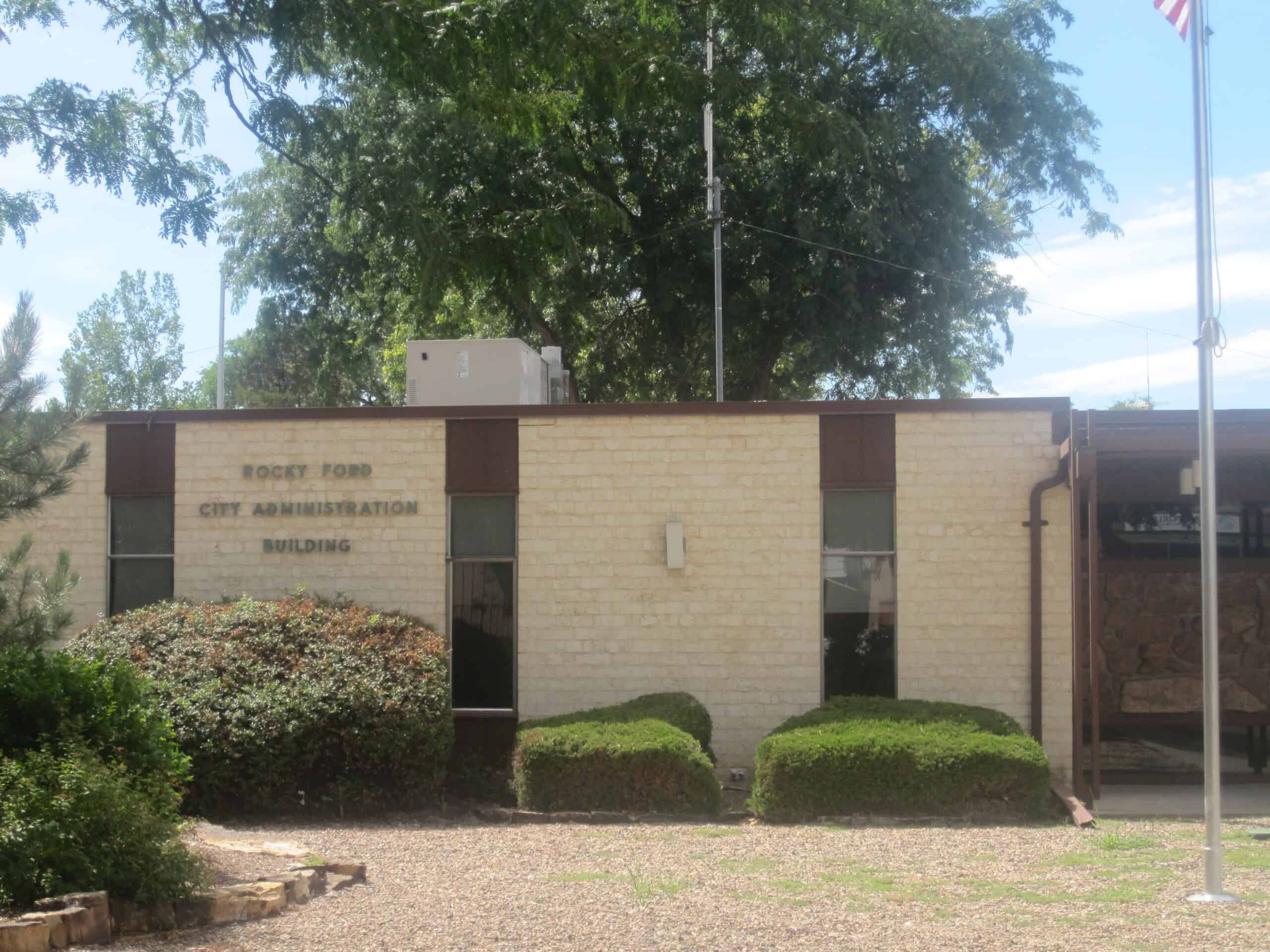
Colorado’s modern image often leans prosperous, but Rocky Ford tells a harder story. Its median household income is $31,418 in the ACS-based ranking, compared with $87,598 statewide, while the poverty rate reaches 46.1%, nearly five times the Colorado figure of 9.6%. Only 9.1% of residents hold a bachelor’s degree or higher, and the median home value is $101,200, far below the state’s $465,900. The numbers make Rocky Ford feel less like an exception and more like a reminder that strong state averages can hide deep local strain. It suggests that even booming state narratives can leave older, smaller communities carrying a much heavier load.
Canaan, Connecticut
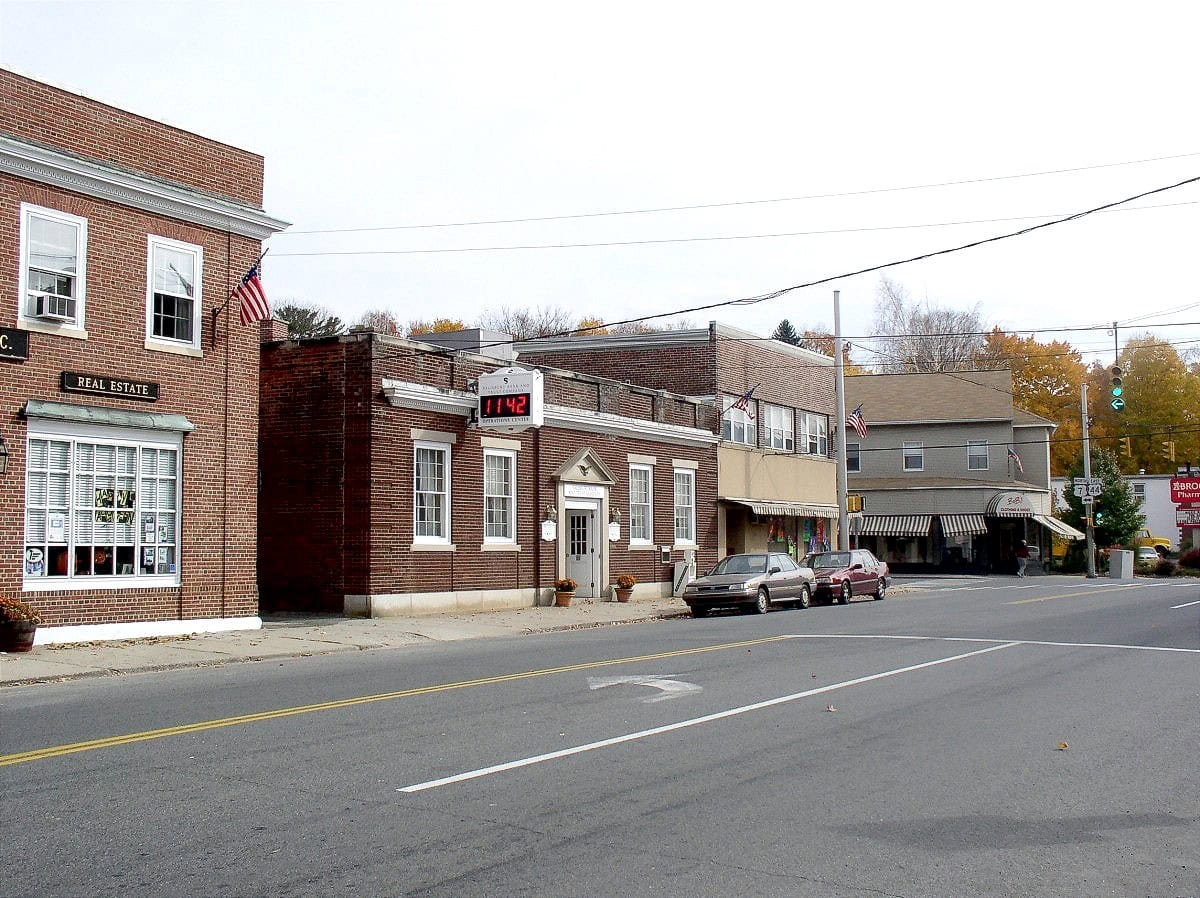
Connecticut is known for high incomes, but Canaan falls far outside that polished picture. In the ACS-based ranking, the town’s median household income is $31,130 against a statewide median of $90,213, and its poverty rate reaches 40.5%, compared with 10.1% across Connecticut. Educational attainment is also lower, with 17.4% of residents holding a bachelor’s degree or higher, versus 41.4% statewide. Even the town’s median home value, $188,900, trails the state figure of $323,700, underscoring just how uneven prosperity can be. For all of Connecticut’s reputation, Canaan’s figures tell a quieter and far less comfortable story.
Leilani Estates, Hawaii

Hawaii’s postcard image makes the underlying gap feel even more severe. Leilani Estates posts a median household income of $23,750 in the ACS-based ranking, while Hawaii’s statewide median is $94,814, and the community’s poverty rate stands at 36.8%, compared with 9.6% statewide. What sharpens the contrast is housing: Leilani Estates has a median home value of $226,300, yet Hawaii overall sits at $764,800. That distance between income and the state’s broader cost structure gives the town’s hardship a particularly heavy weight. In a state where beauty and expense often travel together, the income gap looks especially unforgiving.
Ware, Massachusetts
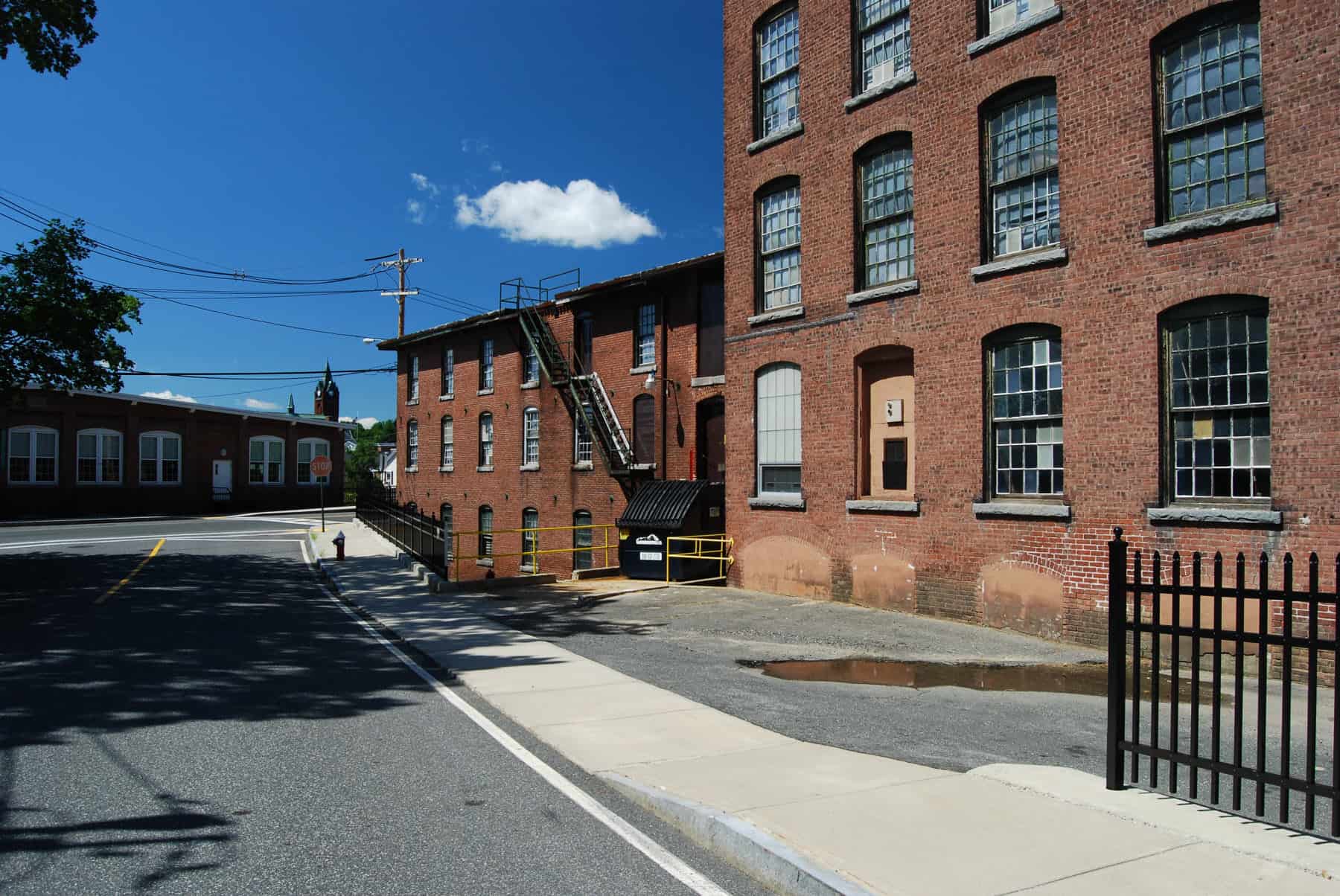
Massachusetts carries one of the highest household income figures in the country, but Ware sits well below that statewide image. In the ACS-based ranking, the town’s median household income is $44,107 compared with $96,505 statewide, while the poverty rate is 15.4% against 9.9% for Massachusetts overall. The educational divide is wide too: 18.8% of residents hold a bachelor’s degree or higher, versus 45.9% statewide. Ware’s median home value, $201,100, lands far beneath the Massachusetts figure of $483,900, reinforcing the gap. Ware does not post the most punishing poverty rate here, but the distance from the state norm is still plain to see.