The Willamette Valley Has 500 Wineries and Gets Half the Rain of Napa. Here’s Why It’s Still Underrated
We may earn money or products from the companies mentioned in this post. This means if you click on the link and purchase the item, I will receive a small commission at no extra cost to you ... you're just helping re-supply our family's travel fund.
The Willamette Valley is internationally known for Pinot Noir and has multiple subregions between Portland and Eugene; its cool climate, farm setting, and smaller tasting rooms create a different pace from Napa. The Willamette Valley is internationally known for Pinot Noir and has multiple subregions between Portland and Eugene; its cool climate, farm setting, and smaller tasting rooms create a different pace from Napa.
What the place actually asks of a visitor
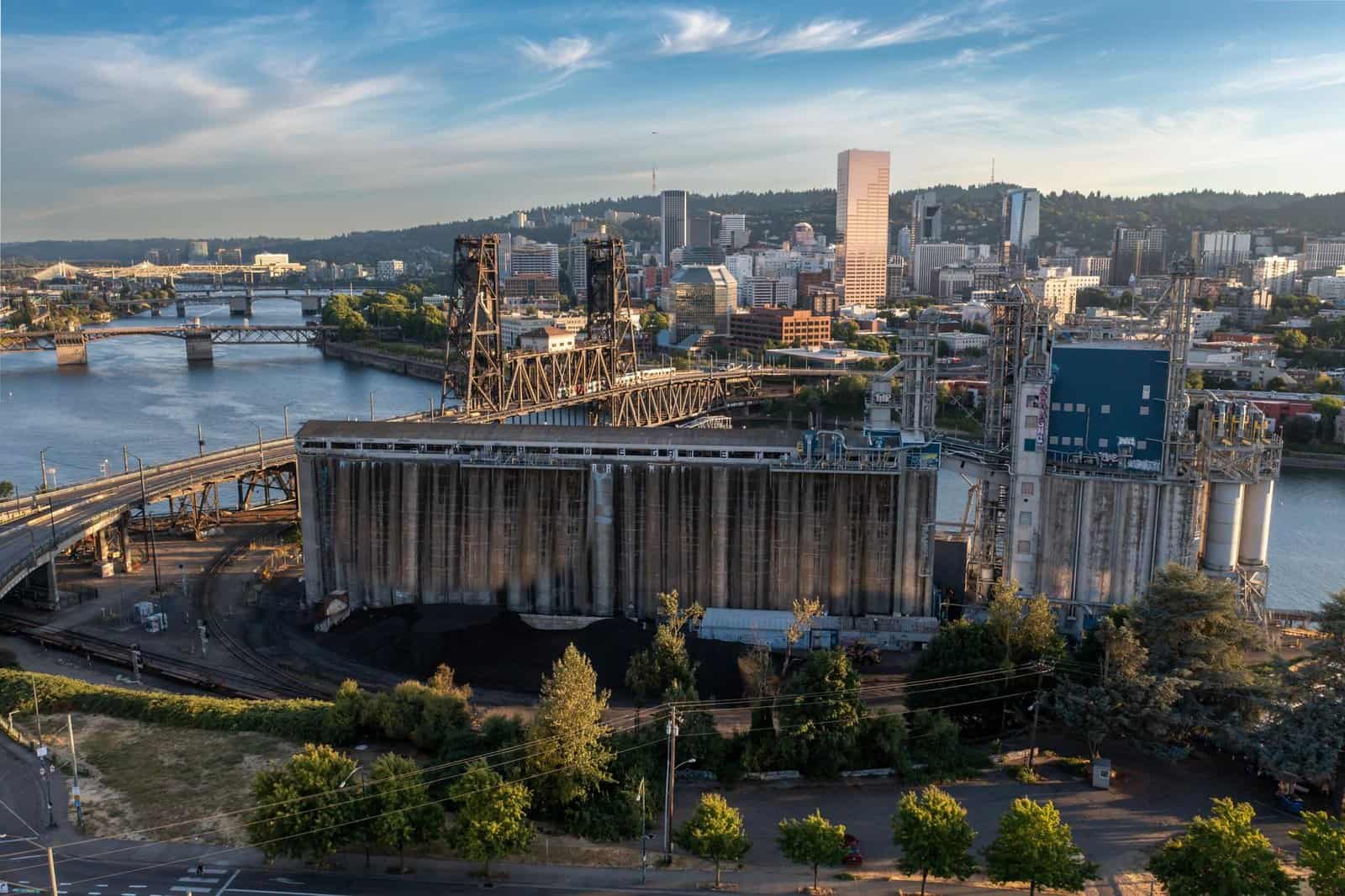
The practical experience depends on timing, local capacity, and using the place as a base rather than a backdrop. Prices and travel time vary by season, but a reservation, a weather check, and a realistic transport plan keep the trip from becoming a costly improvisation.
The detail that changes the itinerary
The Willamette Valley is internationally known for Pinot Noir and has multiple subregions between Portland and Eugene; its cool climate, farm setting, and smaller tasting rooms create a different pace from Napa. The Willamette Valley is internationally known for Pinot Noir and has multiple subregions between Portland and Eugene; its cool climate, farm setting, and smaller tasting rooms create a different pace from Napa.
The Willamette Valley is internationally known for Pinot Noir and has multiple subregions between Portland and Eugene; its cool climate, farm setting, and smaller tasting rooms create a different pace from Napa. The Willamette Valley is internationally known for Pinot Noir and has multiple subregions between Portland and Eugene; its cool climate, farm setting, and smaller tasting rooms create a different pace from Napa. The responsible choice is to verify current conditions with local operators and public agencies, then leave enough margin for weather, crowds, and the ordinary delays that make travel real.
How to make the visit feel less generic
Give the place enough time for one unplanned conversation, a walk away from the most obvious stop, and a meal that is not chosen only for a photograph. The practical experience depends on timing, local capacity, and using the place as a base rather than a backdrop.
Give the place enough time for one unplanned conversation, a walk away from the most obvious stop, and a meal that is not chosen only for a photograph. The practical experience depends on timing, local capacity, and using the place as a base rather than a backdrop. The responsible choice is to verify current conditions with local operators and public agencies, then leave enough margin for weather, crowds, and the ordinary delays that make travel real.
A practical plan before you go
Prices and travel time vary by season, but a reservation, a weather check, and a realistic transport plan keep the trip from becoming a costly improvisation. Give the place enough time for one unplanned conversation, a walk away from the most obvious stop, and a meal that is not chosen only for a photograph.
Prices and travel time vary by season, but a reservation, a weather check, and a realistic transport plan keep the trip from becoming a costly improvisation. Give the place enough time for one unplanned conversation, a walk away from the most obvious stop, and a meal that is not chosen only for a photograph. The responsible choice is to verify current conditions with local operators and public agencies, then leave enough margin for weather, crowds, and the ordinary delays that make travel real.
Details worth carrying with you
The strongest visit begins by refusing the false choice between enthusiasm and realism. A traveler can be excited about a place while still noticing its limits, the work that supports it, and the people who live there after the visitor leaves.
That perspective also improves the day itself. It slows the urge to collect every landmark, creates room for a second look, and leaves time for the small observations that do not appear in a route planner.
Practical preparation is part of respect. Check operating hours, seasonal conditions, road rules, and reservations before arrival. Then spend less energy solving avoidable problems and more energy paying attention.
There is no need to turn every stop into an argument about authenticity. The useful question is simpler: what does this place make possible, and what does it ask in return from the people who come here?
The strongest visit begins by refusing the false choice between enthusiasm and realism. A traveler can be excited about a place while still noticing its limits, the work that supports it, and the people who live there after the visitor leaves.
That perspective also improves the day itself. It slows the urge to collect every landmark, creates room for a second look, and leaves time for the small observations that do not appear in a route planner.
Practical preparation is part of respect. Check operating hours, seasonal conditions, road rules, and reservations before arrival. Then spend less energy solving avoidable problems and more energy paying attention.
There is no need to turn every stop into an argument about authenticity. The useful question is simpler: what does this place make possible, and what does it ask in return from the people who come here?
The strongest visit begins by refusing the false choice between enthusiasm and realism. A traveler can be excited about a place while still noticing its limits, the work that supports it, and the people who live there after the visitor leaves.
That perspective also improves the day itself. It slows the urge to collect every landmark, creates room for a second look, and leaves time for the small observations that do not appear in a route planner.
Practical preparation is part of respect. Check operating hours, seasonal conditions, road rules, and reservations before arrival. Then spend less energy solving avoidable problems and more energy paying attention.
- The Willamette Valley is internationally known for Pinot Noir and has multiple subregions between Portland and Eugene; its cool climate, farm setting, and smaller tasting rooms create a different pace from Napa.
- Book transport and lodging around the specific season, not a generic annual average.
- Use local businesses for context, not simply as a stop between photographs.
Give the place enough time for one unplanned conversation, a walk away from the most obvious stop, and a meal that is not chosen only for a photograph. That is how a destination becomes a remembered place rather than a sequence of transactions.