We may earn money or products from the companies mentioned in this post. This means if you click on the link and purchase the item, I will receive a small commission at no extra cost to you ... you're just helping re-supply our family's travel fund.
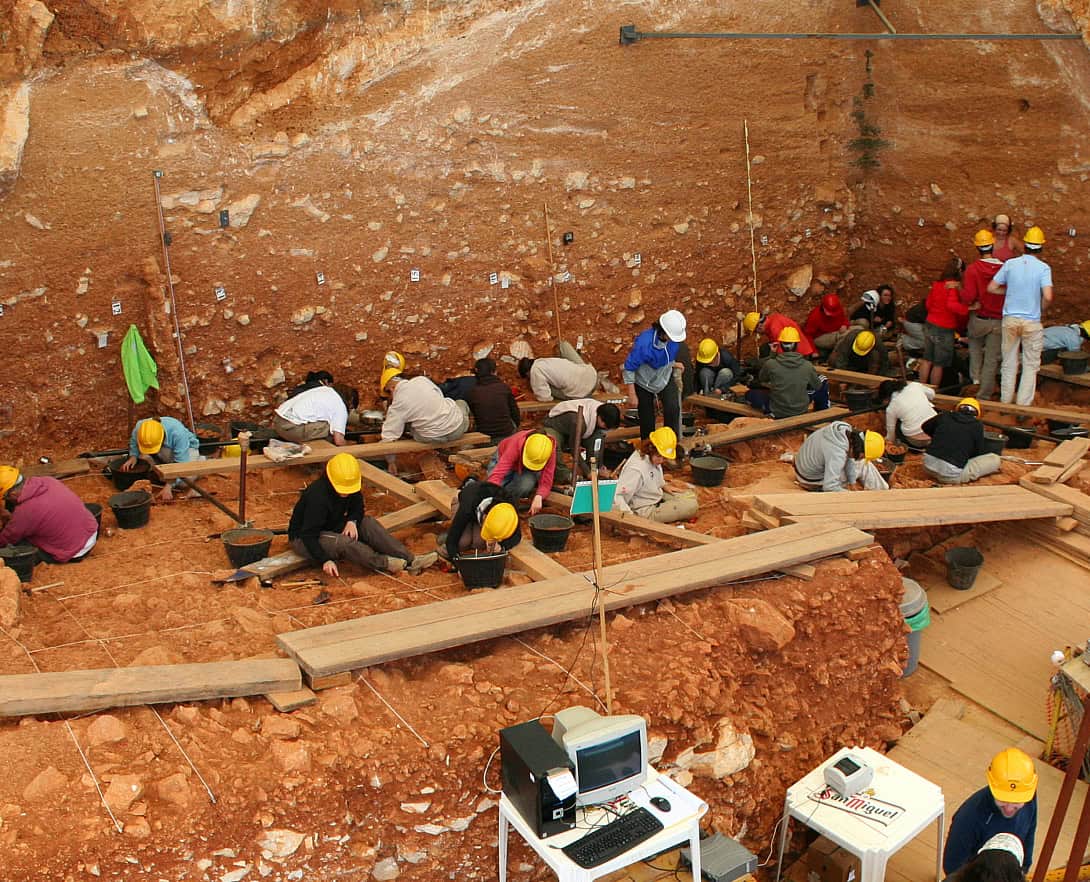
Deep in Oregon’s high desert, a cave collection sat quietly for decades, holding clues that stone tools alone could never offer. When archaeologists finally revisited the perishable artifacts, one tiny seam stood out: two scraps of elk hide stitched together with cordage and dated to the end of the last Ice Age. The find is far older than the Great Pyramid, and it sharpens a simple truth about early life in North America. Warmth, repair, and craft were not side notes. They were survival.
Where Cougar Mountain Cave Keeps Secrets
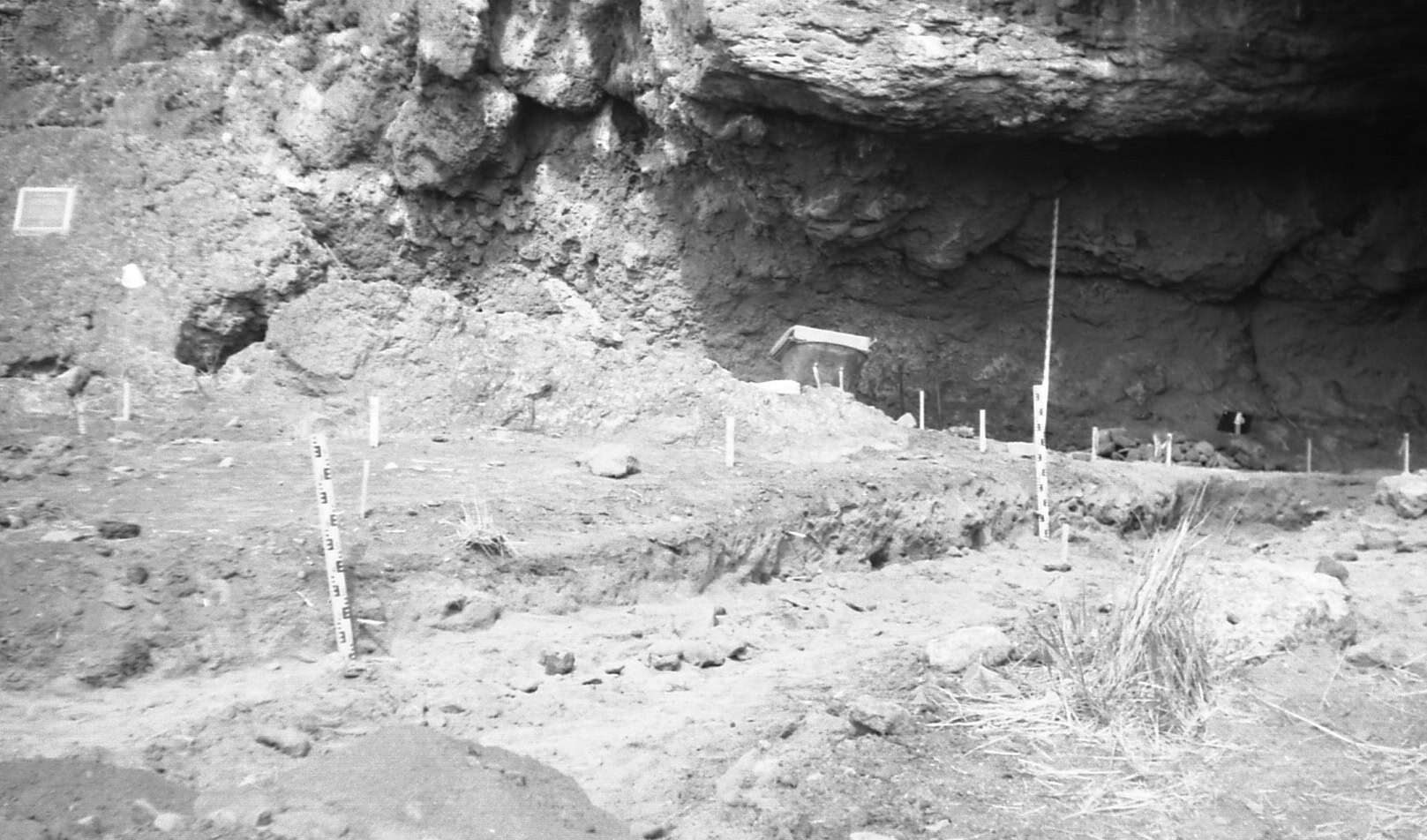
Cougar Mountain Cave sits in Oregon’s high desert along the Great Basin edge, where bitter winters and ultra-dry air can preserve what most sites lose. In 1958, an amateur excavation pulled out perishable pieces, hide, fiber, wood, and bone, then the collection drifted for years into obscurity at the Favell Museum in Klamath Falls. When archaeologists reopened the boxes, the setting mattered as much as the objects: a dry rock shelter with little moisture, turning ordinary camp debris into datable evidence of Late Pleistocene skill, planning, and daily life still visible in the interior Northwest.
A Seam Made of Elk Hide

The headline detail is almost modest: two tiny scraps of hide, identified as North American elk, stitched together and linked by a cord of twisted fibers, barely a few square centimeters in total. Yet the join is unmistakably deliberate, with cordage threaded so it exits one hide and enters the other, creating a seam rather than a draped wrap. The team argues the fragment is the earliest sewn item known so far, and possibly a remnant of clothing or footwear from people living through a colder, drier stretch near the Ice Age’s end; small as it is, the seam is decisive in hand today too.
Carbon Dates That Lock In the Age

Dating is what turns a curious scrap into a serious claim. Radiocarbon tests placed the sewn hide at roughly 12,060 to 12,620 years old, about 12,400 years in round numbers, far earlier than durable monuments like Egypt’s Great Pyramid at Giza. The analysis was published Feb. 4, 2026, in Science Advances, tying the hide to a wider package of perishable technologies documented from Great Basin cave and rockshelter contexts. Because organic materials usually rot, the date lands with extra force: it anchors sewing and cordage to a moment when many timelines still often rely on stone alone.
Bone Needles Point to Tailoring
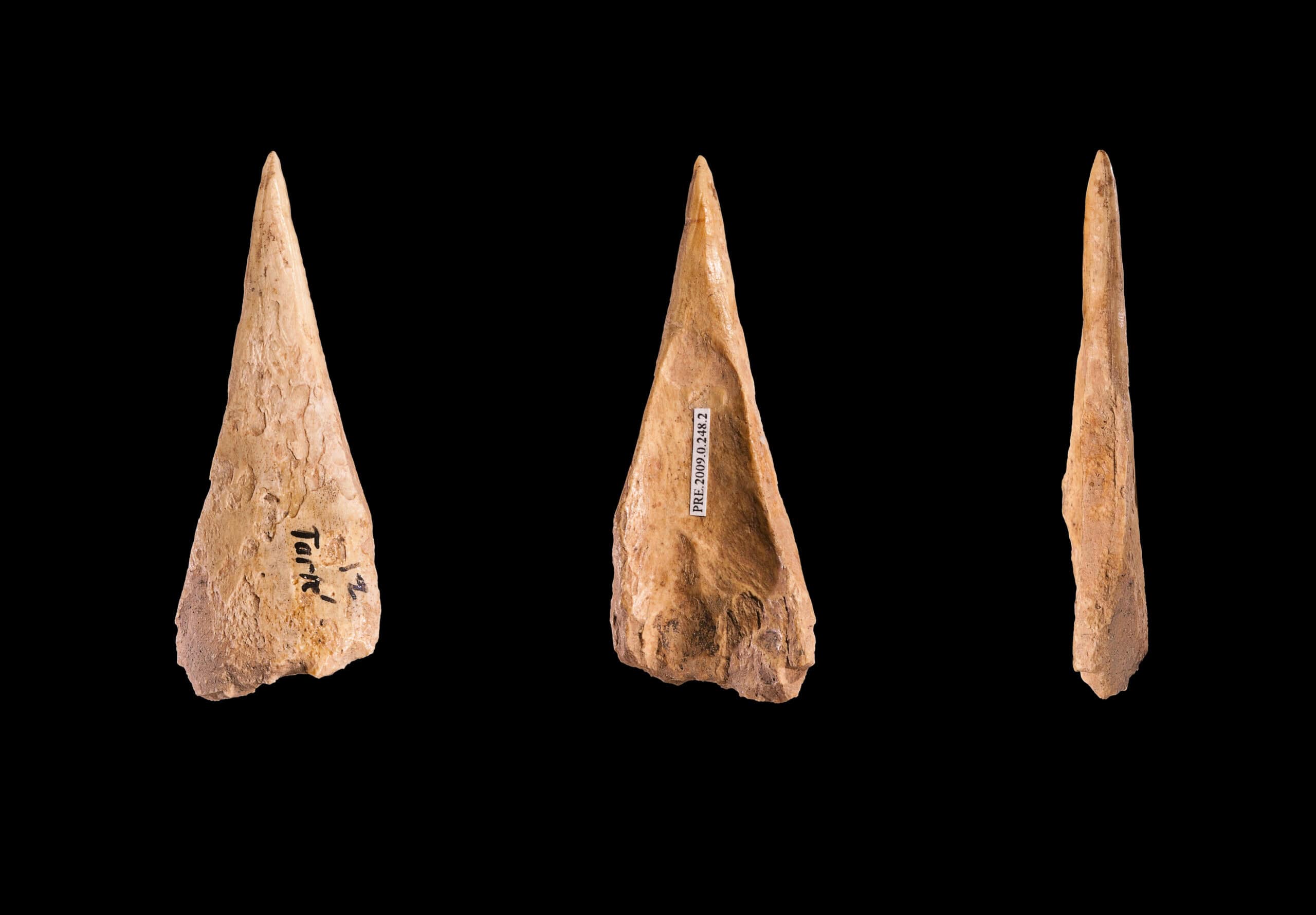
The hide fragment did not appear alone. The study describes eyed bone needles among the Cougar Mountain Cave materials, including 14 finely made examples that rank among the best-known Pleistocene needles in North America. Needles imply planning, patience, and repeated repair, and the ability to manage thread and tension, turning hides into fitted garments instead of improvised wraps. That matters for interpretation, because tailored clothing changes how people move, hunt, and endure cold snaps across long seasons, and it can also carry identity through decoration, finish, and craft choices too.
Cordage as the Hidden Technology

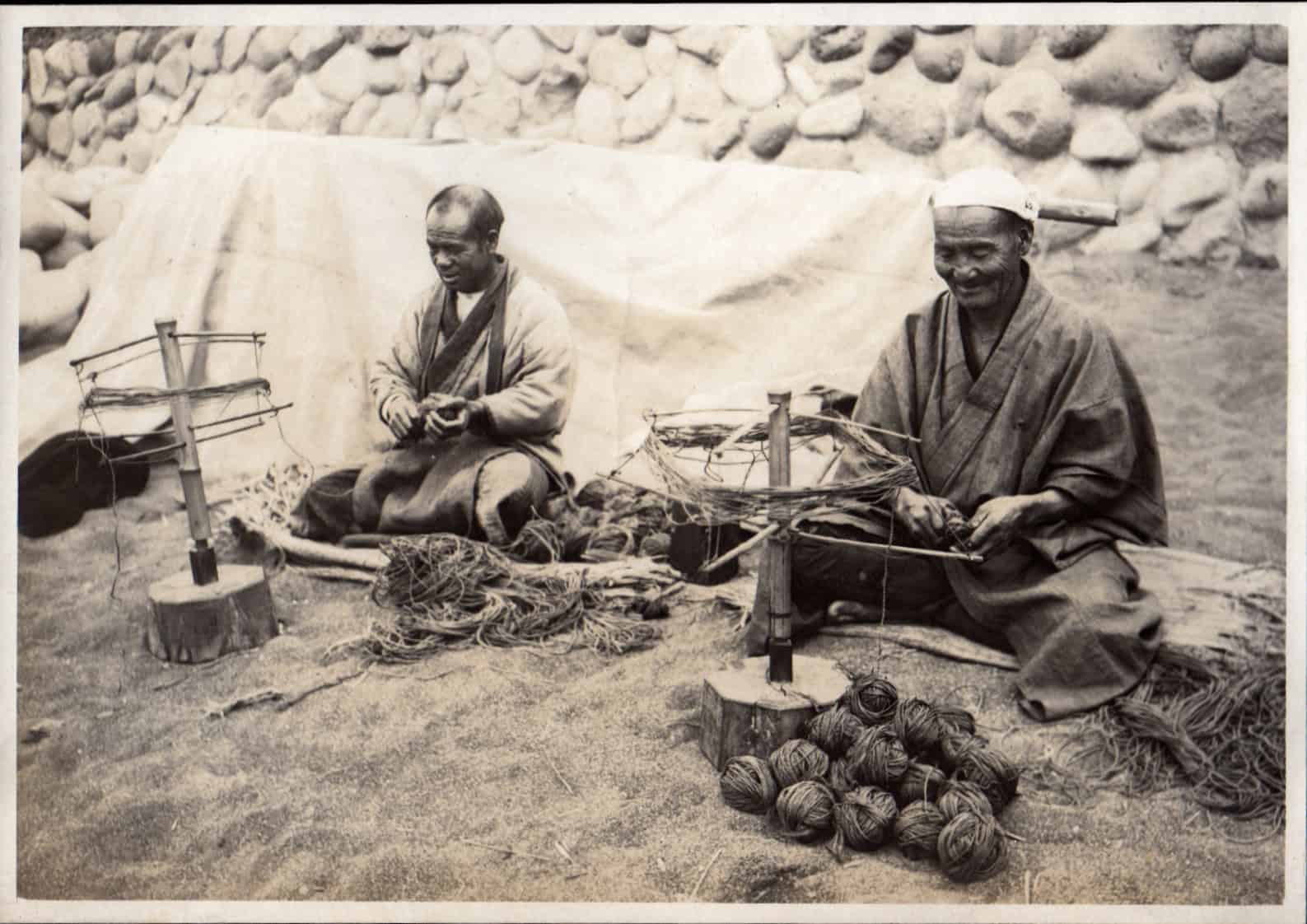
Sewing is only part of the story; cordage is the backbone behind it. Alongside the hide, researchers cataloged cords made from strips of hide and plant fibers, plus a bundle of twined fibers that reads like an early textile, perhaps for a bag, basket, or mat. Across 55 items made from 15 plant and animal taxa, diameters and finishes vary, suggesting different jobs rather than one simple technique repeated. In a landscape where stone preserves and fiber disappears, the surviving cords reveal a toolkit built for traps, carrying, repair, and everyday problem-solving at camp and on the move year-round.
Sewing Through the Younger Dryas
The timing overlaps the Younger Dryas, a sudden return to raw colder conditions from about 12,900 to 11,700 years ago that reshaped seasons across the Northern Hemisphere. After the Bølling-Allerød warming, communities in the Great Basin faced renewed cold and aridity and survival depended on thermoregulation and complex gear as much as hunting skill. A stitched seam sounds small, but in that climate window it signals an adaptation strategy: fitted, layered clothing that blocks wind and cold, repairable fastenings, and technical knowledge carried forward through craft, practice, and teaching across generations.
When Rotting Materials Warp the Record
Most Ice Age ingenuity was built from things that rot: hide, sinew, bark, rush, and wood. That is why Late Pleistocene life often gets reconstructed from what survives, stone flakes, points, and a thin scatter of bone. The study notes that complex perishable technologies such as multilayered clothing, traps, snares, and other gear shaped survival, but physical examples are extremely rare, creating taphonomic bias that can overemphasize big-game narratives. Cougar Mountain’s dry conditions flip the script, letting perishable technologies speak in their own materials and forcing models to widen beyond stone alone.
The Long Journey from Private Boxes to Lab Bench
The path from cave floor to headline took an almost human detour. An amateur archaeologist named John Cowles excavated Cougar Mountain Cave in 1958, kept much of the collection privately, and after his death in the 1980s it moved to the Favell Museum in Klamath Falls. Only recently did researchers apply carbon dating and taxonomic tests across 55 items, then compare patterns with perishable finds from Paisley Caves, another dry-site rarity in Oregon’s Great Basin. That slow handoff is the lesson: museum drawers can still hold firsts, if someone asks the right questions and dates the right scraps.
What the Find Really Changes
Claims about rewriting history need restraint and the authors keep some. The sewn hide does not prove the first clothing ever made, but it may be the oldest physical evidence of sewn hide that has survived anywhere, and it broadens what can be said about early North America. Instead of a story told only through stone points, the Oregon caves show fiber craft, hide working, and specialized tools all operating together in the Great Basin. That combination supports a more complete picture of Late Pleistocene life, where technology was as much about warmth, carrying, and trapping as it was about blades.
Why the Great Pyramid Comparison Sticks

The Great Pyramid comparison works because it is a familiar yardstick: Giza’s pyramids are roughly 4,500 years old, while the Oregon sewn hide dates back around 12,000 years, putting more than seven millennia between them all. That gap does not elevate one culture over another; it simply shows how deep the human story runs and how often perishable technology gets erased. People made clothing far earlier than either site, but hides and fiber rarely endure, so a surviving seam paired with cordage and needles becomes a rare anchor point, a timestamp for skill that usually leaves no trace.