We may earn money or products from the companies mentioned in this post. This means if you click on the link and purchase the item, I will receive a small commission at no extra cost to you ... you're just helping re-supply our family's travel fund.
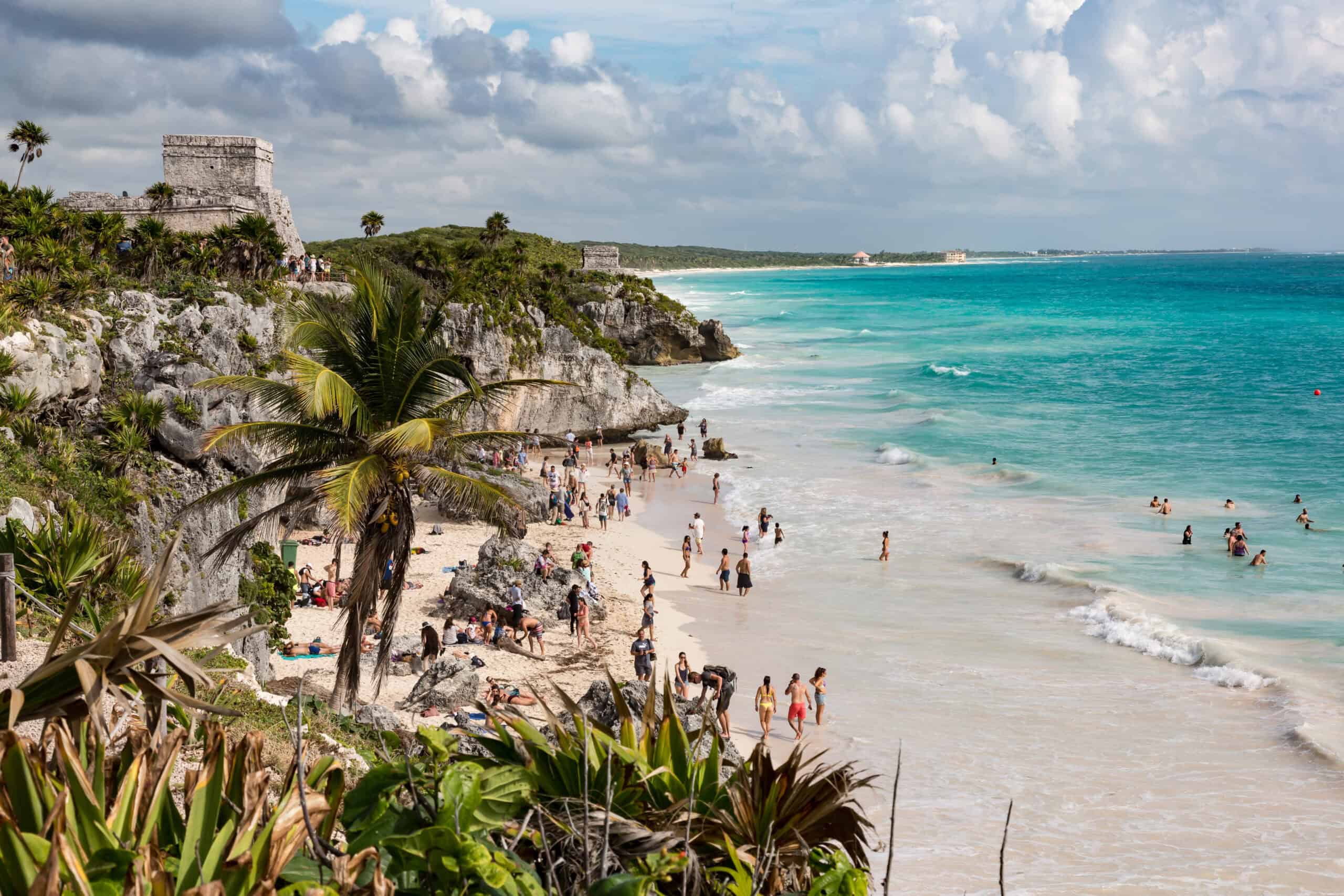
For years, Tulum stood for a kind of easy, barefoot luxury that felt rare and unspoiled. Jungle paths led to bright blue water, and life moved slower, almost deliberately so. That image pulled in travelers, remote workers, and dreamers chasing something simpler. But by 2026, the mood has shifted. What once felt effortless now comes with friction. Costs are higher, the landscape is strained, and the promise of escape feels harder to hold onto.
Skyrocketing Cost Of Living
What once felt like an affordable escape now demands a serious budget, especially for anyone staying longer than a few weeks. Rent has surged near the beach, pushing both locals and long-term visitors farther inland or out of the area altogether. Everyday expenses have followed the same pattern, with groceries, transport, and services priced more for tourists than residents. The gap between income and cost has widened to the point where many no longer see a sustainable future here.
Overdevelopment Straining Infrastructure
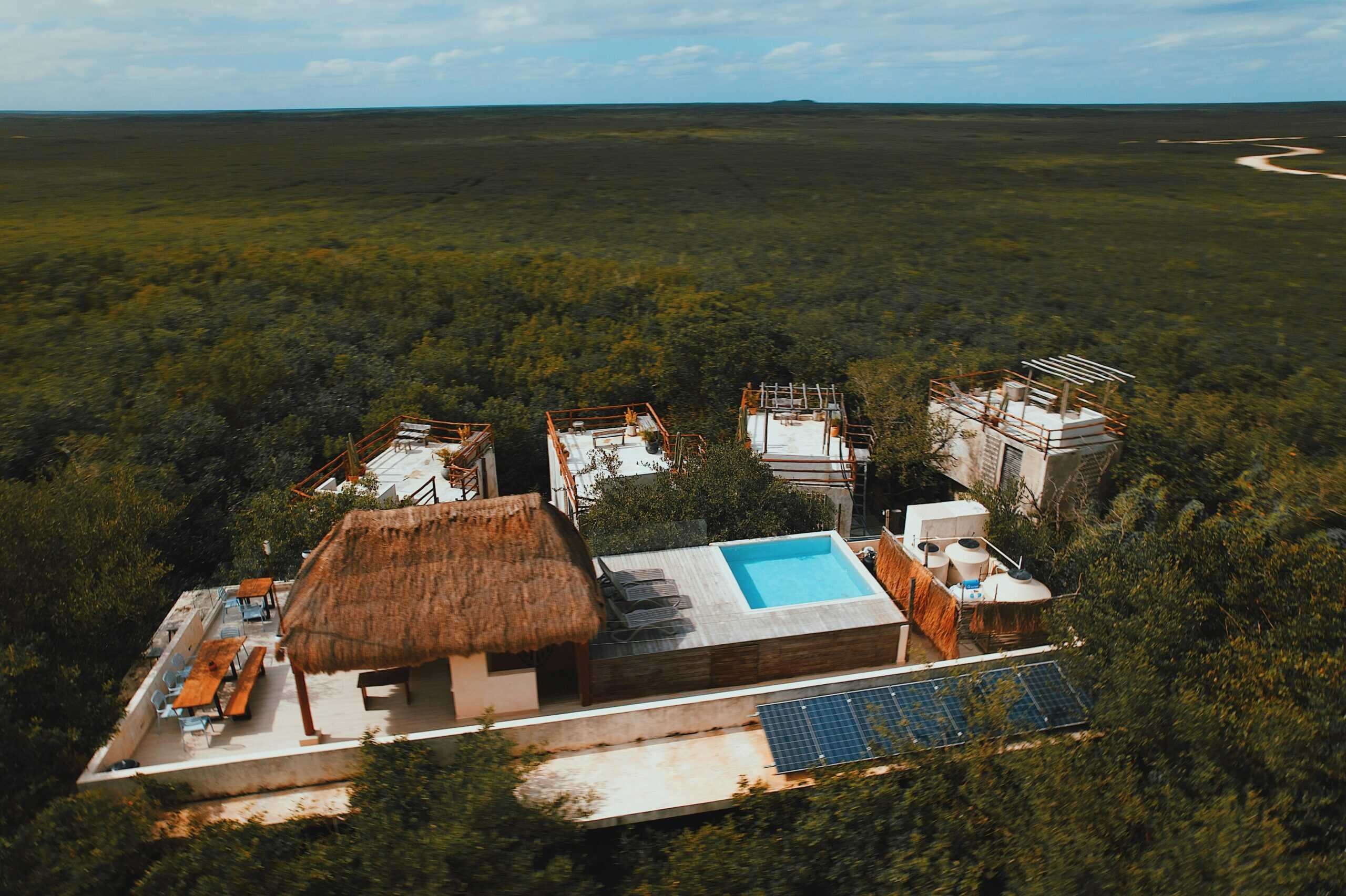
Construction has outpaced planning in ways that are hard to ignore. Hotels, villas, and restaurants continue to expand, often without the infrastructure needed to support them. Roads remain uneven, drainage systems struggle, and utilities are stretched thin. Power outages and water shortages are no longer occasional disruptions but part of daily life. The jungle that once defined the area is slowly being replaced, and the overall feeling is less about growth and more about pressure building across every corner.
Environmental Degradation Becoming Visible
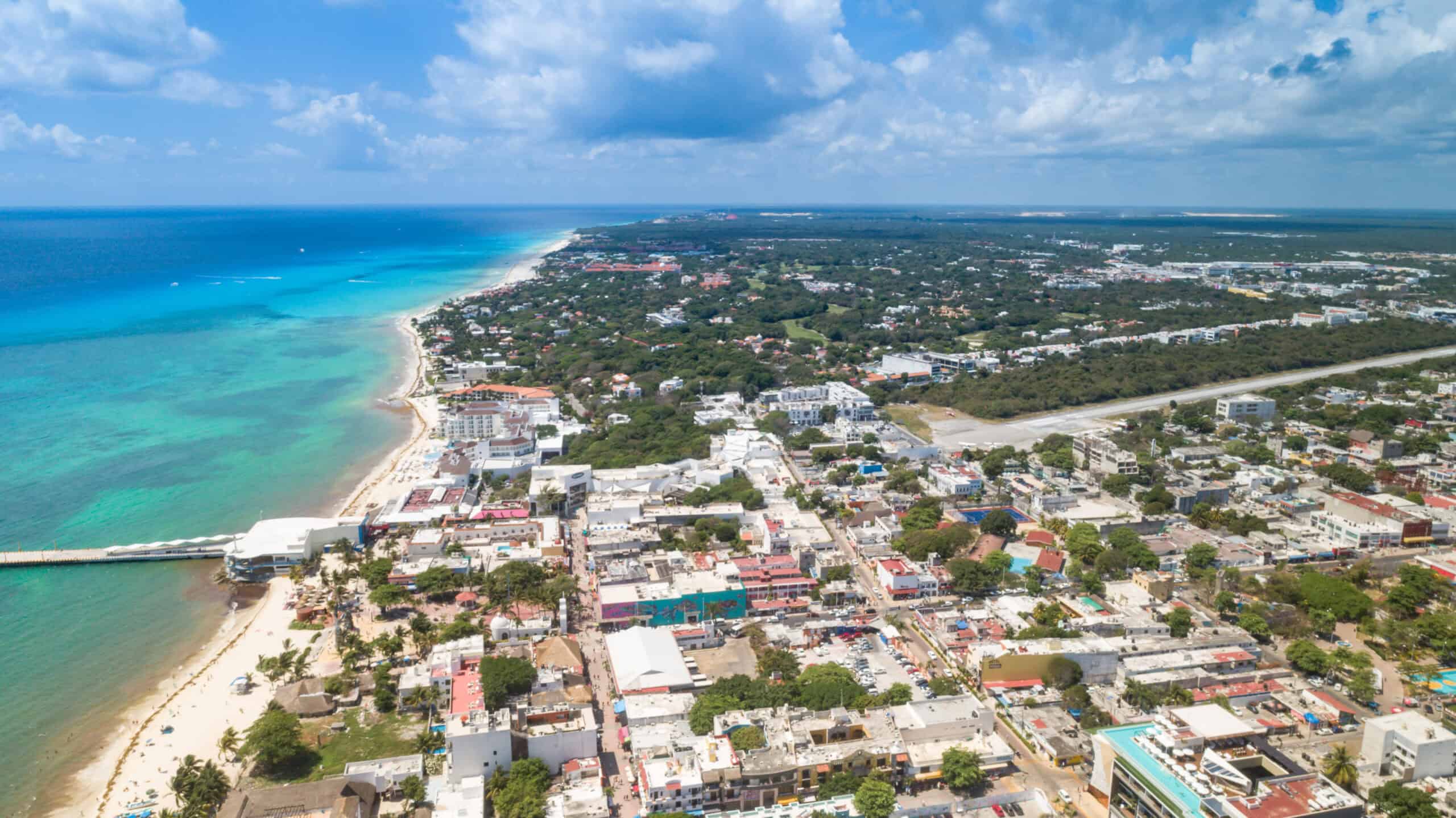
The natural beauty still exists, but the strain shows more clearly now. Beaches face steady erosion, and seaweed accumulation has become a recurring issue that reshapes the shoreline. Cenotes and surrounding ecosystems are under stress from heavy use and nearby construction. What once felt untouched now shows visible wear, and that shift is not subtle. It changes the atmosphere as much as the scenery, making it harder to hold onto the sense of pristine escape that once defined the place.
Safety Concerns Rising Quietly
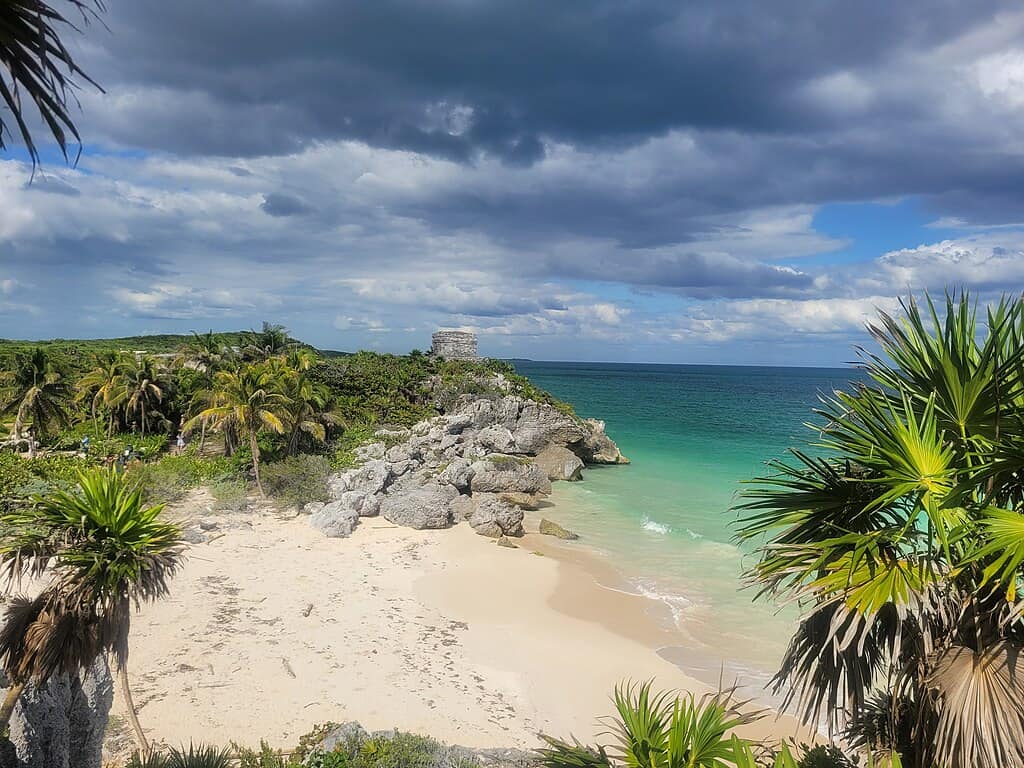
There is a growing awareness around safety that was easier to overlook in earlier years. Incidents connected to nightlife areas and tourist zones have made some visitors more cautious about how they move through the town. While many still feel comfortable, the sense of ease has clearly shifted. People think more carefully about where they go at night and how late they stay out. That change in behavior reflects a deeper shift in how the destination is experienced day to day.
Loss Of Authentic Local Culture
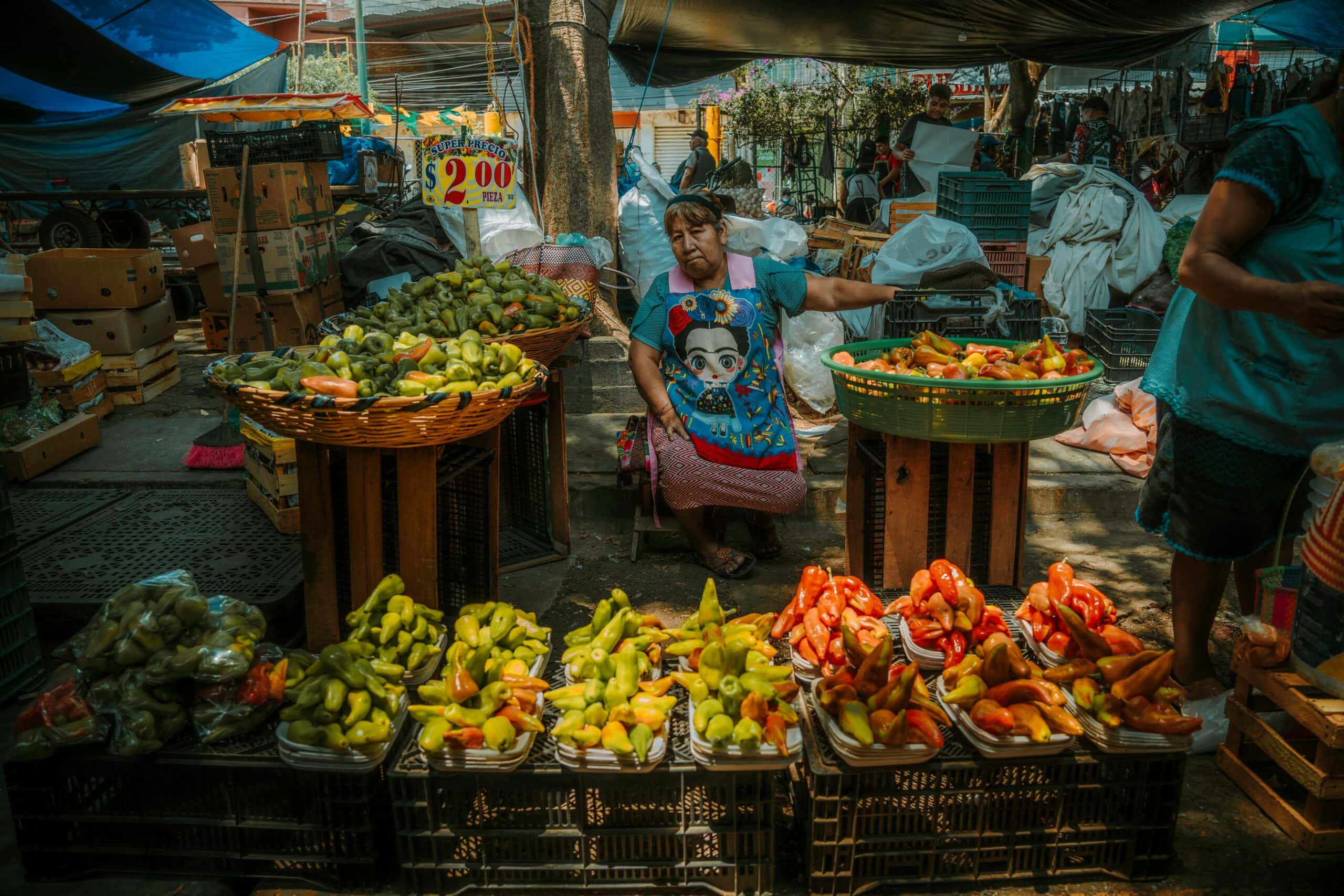
As tourism expanded, the local identity began to fade into the background. Small, family-run businesses have been replaced by spaces designed to meet global expectations and higher spending habits. Menus, pricing, and overall atmosphere often feel disconnected from regional roots. What remains can feel curated rather than lived in, shaped more by demand than tradition. For those who were drawn to the original character, that change is difficult to ignore and even harder to reverse.
Digital Nomads Moving Elsewhere

Remote workers once saw this place as an ideal balance between productivity and lifestyle. Over time, practical concerns have started to outweigh the appeal. Reliable internet, consistent electricity, and reasonable costs matter more with longer stays. Many have begun choosing other destinations that offer stability without the same financial pressure. As more options emerge across Latin America and beyond, the reasons to stay feel less compelling than they once did.
Traffic And Accessibility Frustrations
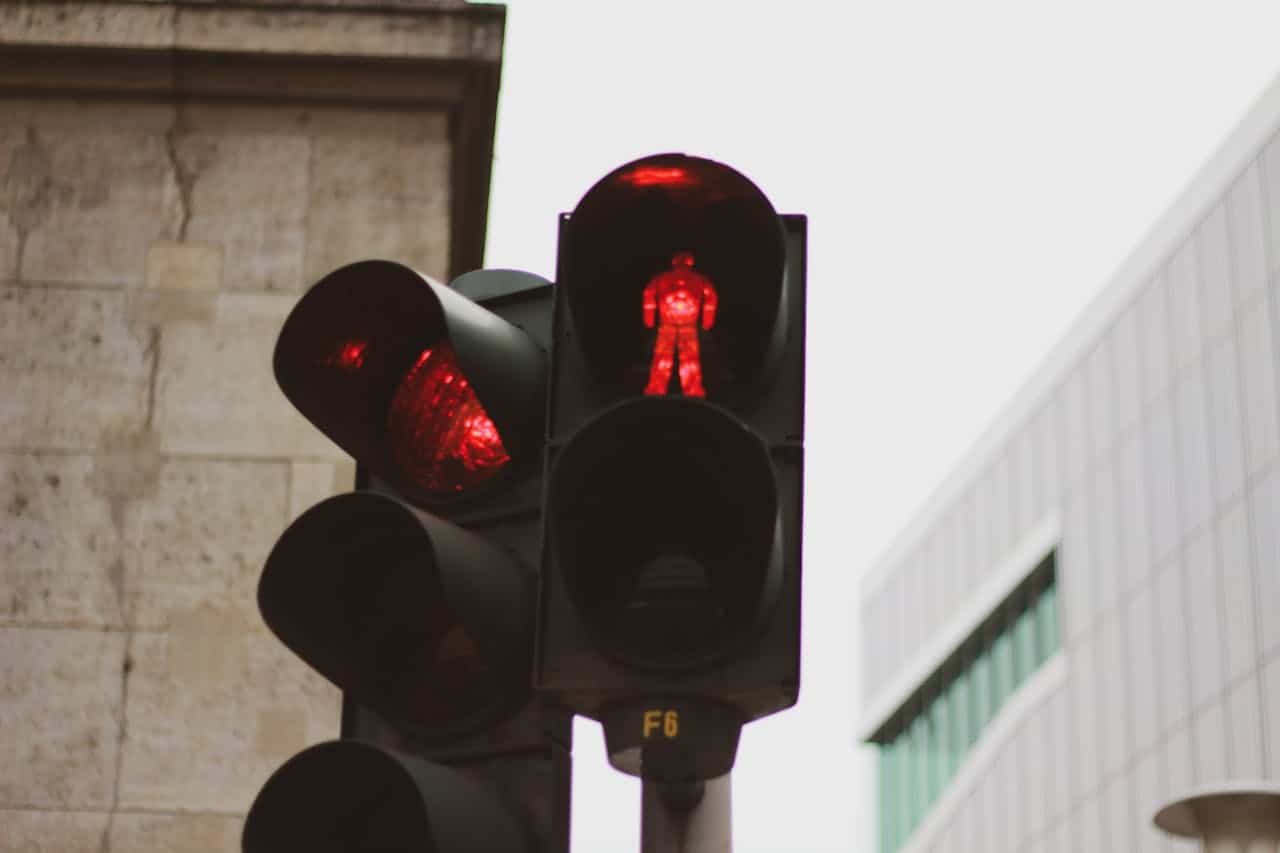
Getting around has become a daily challenge rather than a simple routine. The road network has not kept up with the surge in development and visitor numbers. Trips between town and the beach can take far longer than expected, especially during peak hours. What used to feel like a short and scenic ride now requires planning and patience. Over time, that friction adds up, changing how people experience even the most basic parts of daily life.