Route 66 Beyond Flagstaff Isn’t Just a Postcard—These 3 Overlooked Towns Reveal the Economy Behind the Road
We may earn money or products from the companies mentioned in this post. This means if you click on the link and purchase the item, I will receive a small commission at no extra cost to you ... you're just helping re-supply our family's travel fund.
Route 66 beyond Flagstaff is easy to reduce to a postcard: a neon sign, a vintage car, a diner counter, a long straight road into the desert. All of that exists, and it is fun. But the three northern Arizona towns that sit along the old highway, Williams to the west and Winslow and Holbrook to the east, are also working places with railroads, county offices, schools, park jobs, and household budgets.
This guide takes those three overlooked towns in turn and explains what keeps each one going once the photo stops are done. You will get practical visiting advice too, with prices given as ranges, so check before you go.
The 3 Towns on Route 66 Beyond Flagstaff and the Economy Behind Them
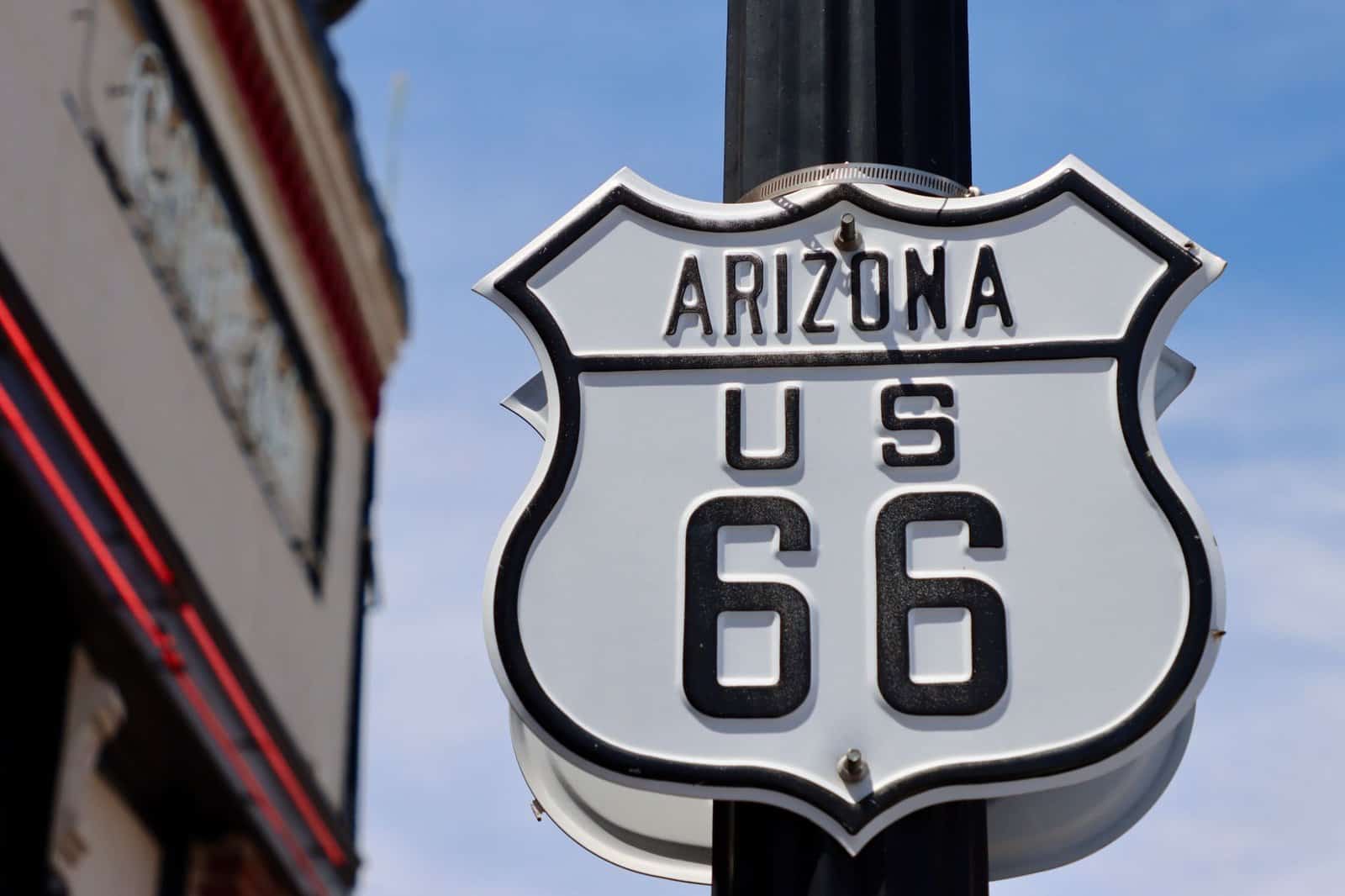
Northern Arizona’s stretch of Route 66 was once the main road across the Southwest. Interstate 40 replaced it, and the towns along the old alignment had to find new reasons to exist. Williams was the last Route 66 town bypassed by the interstate, in 1984. Winslow and Holbrook followed a similar path. Today they combine heritage tourism with older anchors such as the railroad, government, and national parks.
Flagstaff, with its university and hospitals, has the largest economy in the region, which makes the smaller towns easy to skip. That is a mistake if you want to understand the corridor. These three towns show how a road economy turns into a mixed one.
1. Williams: The Grand Canyon Gateway
Williams sits about 30 miles west of Flagstaff, in the pines at roughly 6,700 feet. It has a few thousand residents and a downtown that still follows the old highway, with diners, souvenir shops, motels, and neon. The bigger story is the Grand Canyon. The South Rim is about 60 miles to the north, and Williams has long marketed itself as the gateway.
The town’s best-known attraction is the Grand Canyon Railway, a heritage train that runs from Williams to the South Rim. The railway, hotels, and associated businesses are major employers. Winter and summer visitation shape the calendar, with a busy period from spring to fall and slower months in winter, though holiday train events help.
Other jobs come from the Kaibab National Forest, schools, county and city services, health care, and the many motels and restaurants that serve travelers. The town also has a wildlife park, Bearizona, which draws drive-through visitors. As with most gateway towns, housing for workers is a concern, because short-term rentals and second homes compete with local renters.
If you visit, walk Railroad Avenue and Route 66 downtown in the morning, eat at a local cafe, and look at the historic buildings. Train fares vary by class and season, and lodging commonly ranges from budget motels to higher-priced railway hotels. Check before you go, especially in summer and on holidays.
2. Winslow: Railroad Town and Lasting Songs
Winslow lies about 57 miles east of Flagstaff, along the Little Colorado River at a lower, drier elevation. It has around 9,000 residents. Most visitors know it from the Eagles song “Take It Easy,” and a corner downtown has a small park with a statue and mural dedicated to the line about standing on a corner in Winslow. It is a cheerful stop, and the town has leaned into it.
The deeper economy is the railroad. Winslow is on the BNSF Railway mainline, and rail operations have long provided steady jobs. The town’s history began with the railroad in the 1880s, and the Santa Fe Railway built the grand La Posada Hotel here in 1930, designed by architect Mary Colter for the Fred Harvey Company. The hotel was abandoned for years, then restored by private owners starting in the late 1990s, and it is now a hotel, restaurant, and gardens that draw travelers from around the world.
Winslow also serves as a county and regional services hub, with schools, a hospital, retail, and state and local government jobs. Nearby sites include Meteor Crater, which sits west of town, and Homolovi State Park, which preserves ancestral Hopi villages. The town’s proximity to the Navajo Nation and Hopi lands also shapes its economy, as many residents from those communities shop and work there.
For a visit, stand on the corner, tour La Posada, and have a meal in its restaurant. Room rates at La Posada vary by season and room type, so check before you go. Winslow’s trains are loud, so if you are a light sleeper, ask about room location.
3. Holbrook: County Seat and Petrified Forest Neighbor
Holbrook lies about 90 miles east of Flagstaff and is the seat of Navajo County. It has roughly 5,000 residents. The town is perhaps best known for the Wigwam Motel, a group of concrete teepee-shaped rooms built in 1950 that is now a popular stop for Route 66 fans, along with vintage cars and neon signs.
Its economy is more varied than the postcard suggests. As the county seat, Holbrook hosts courts, county offices, and related jobs. It is also the nearest town of size to Petrified Forest National Park, which lies east of town along I-40 and preserves fossil wood, the Painted Desert, and ancient petroglyphs. The park draws visitors who need lodging and meals, and its staff and contractors are part of the local workforce.
Holbrook sits on the BNSF railroad as well, and the area has seen jobs in power generation, with the nearby Cholla Power Plant near Joseph City having been a major regional employer and taxpayer before its planned retirement. Plant closures can strain school districts and local budgets, so towns like Holbrook have been working to diversify through tourism, small business support, and downtown improvements.
For a visit, stay a night in the Wigwam, walk downtown, and plan time for Petrified Forest. The park charges an entry fee that varies by vehicle type, and hours change by season, so check before you go.
What the Three Towns Have in Common
Though each town has its own story, a few patterns appear.
- A railroad past that still matters: tracks and freight remain part of the economy.
- A reliance on travelers: motels, diners, gas stations, and gift shops depend on road trips and park visitors.
- Government and health care: schools, county offices, and hospitals are steady employers.
- Housing and wage pressures: tourism pays seasonal wages, and workers must compete with visitors for rooms.
- Native communities nearby: Navajo, Hopi, and other nations shape the regional economy and culture.
- Heritage as an asset: old buildings, neon, and stories attract visitors who might otherwise bypass these towns.
How to Drive It
You can see all three in one long day from Flagstaff, though two days is better. Heading west first, drive Williams in the morning, return through Flagstaff, and continue east to Winslow and Holbrook. Interstate 40 is the quick route. For the old road, look for Route 66 signs and business loops through each town.
Winter can bring snow and ice, especially around Williams and Flagstaff, while summer thunderstorms and heat affect the eastern stretch. Services are fewer between towns, so fill the tank and carry water. Cell coverage is generally available along the interstate but can be spotty on side roads.
Where to Eat and Stay
Each town has a mix of local restaurants and chains. Look for diners with long counters, Mexican food, and Southwestern cooking. Meals commonly run a few dollars to the low teens for casual spots, though prices vary. Lodging ranges from budget motels to historic hotels, and rates swing with season and events. Booking ahead for summer weekends is wise.
Shopping local helps. Eat at independent cafes, buy from local shops, and tip generously, since seasonal workers rely on it.
Respecting the Place
Remember that these are home to the people who live there. Park in designated areas, avoid blocking driveways when taking photos, and ask before photographing people. Neon signs and old motels are often private property. Respect tribal lands and follow rules if you visit them, including photography and access limits. Nearby Native communities often have their own regulations and permit requirements.
When to Go
Seasons shape the trip. Spring and fall are the most comfortable, with mild days and cool nights, and wildflowers and fall color can brighten the pines near Williams. Summer is the peak travel season, with warm days in Williams and hot ones in Winslow and Holbrook, along with afternoon thunderstorms in the monsoon months from July to September. Winter brings snow and ice to the higher elevations, and some attractions have shorter hours. Always check road conditions through the Arizona Department of Transportation before you go.
Events add reasons to time a visit. Williams hosts holiday train events in winter and Route 66 celebrations in the warmer months. Winslow has festivals around its famous corner, and Holbrook has seasonal fairs and rodeos. Dates change, so check before you go.
A One-Day and Two-Day Plan
For one long day starting in Flagstaff, drive west to Williams in the morning and walk downtown, then return east through Flagstaff to Winslow for lunch and a visit to La Posada. If you still have energy, continue to Holbrook and see the Wigwam Motel in the late afternoon light. That is a lot of driving, roughly 200 miles total, so keep expectations modest.
For two days, spend the first in Williams with a train ride or a visit to the canyon, and the second between Winslow, Holbrook, and Petrified Forest. Overnight stays in a Route 66 motel or a historic hotel make the trip feel more like part of the story.
Reading the Economy as You Drive
Part of the fun is noticing the clues. Look at what is open and what is not. A busy diner on a weekday suggests local customers, not just tourists. A row of motels with mixed conditions suggests the ups and downs of road traffic. Newer buildings may point to government investment or growth, while older ones tell of earlier booms.
Look at the railroad, too. Long freight trains moving through Winslow and Holbrook are a reminder that goods still move along the same corridor as the old road. Talk with shop owners and servers, and ask how business has been. Many are happy to share, and their answers fill in what a postcard never will.
Small Businesses Worth Supporting
Rather than listing specific shops that may change, consider the types of places that most directly help the local economy.
- Family-run diners and cafes that employ local workers.
- Independent motels that have been restored or maintained by their owners.
- Gift shops and galleries that sell work by local and Native artists.
- Museums run by historical societies, which often depend on donations.
- Guides and outfitters who lead tours of the surrounding landscape.
When you buy Native-made goods, look for makers who identify themselves, and ask about the artist. That helps ensure the money reaches the people who made the work.
The Takeaway
Route 66 beyond Flagstaff is more than a postcard. Williams, Winslow, and Holbrook show how a road economy adapted into something broader, with railroads, national parks, county government, and heritage tourism all working together. If you give each town a few hours, you will see both the nostalgia and the work behind it.
Plan for weather, check prices and hours before you go, and spend your money locally. That is how the road stays alive.