Nebraska Has a Fast-Food Chain Built Around One German-Russian Sandwich. Here’s What a Runza Is and How to Order One
We may earn money or products from the companies mentioned in this post. This means if you click on the link and purchase the item, I will receive a small commission at no extra cost to you ... you're just helping re-supply our family's travel fund.
If you’ve driven through Nebraska and wondered what is a Runza sandwich, the answer is simple: a rectangle of soft, fresh-baked bread wrapped around seasoned ground beef, onion, and cabbage. It’s sealed and baked, so there’s no bun, no lettuce, no assembly. And it’s the reason a Nebraska restaurant chain with more than 90 locations carries its name.
The Runza grew out of a dish brought to the Great Plains by Volga Germans, ethnic Germans who had lived for generations along the Volga River in Russia before immigrating to Nebraska and Kansas in the late 1800s. In 1949, Sally Everett and her brother, Alex Brening, opened the first Runza restaurant in Lincoln, Nebraska, near Pioneers Park. To order one like a Nebraskan, ask for an Original Runza and a side of Frings, a mix of fries and onion rings.
Today the chain operates in Nebraska, Iowa, Colorado, Kansas, and South Dakota, and the sandwich is so tied to the state that the company is an official partner of University of Nebraska athletics.
What Is a Runza Sandwich, Exactly?
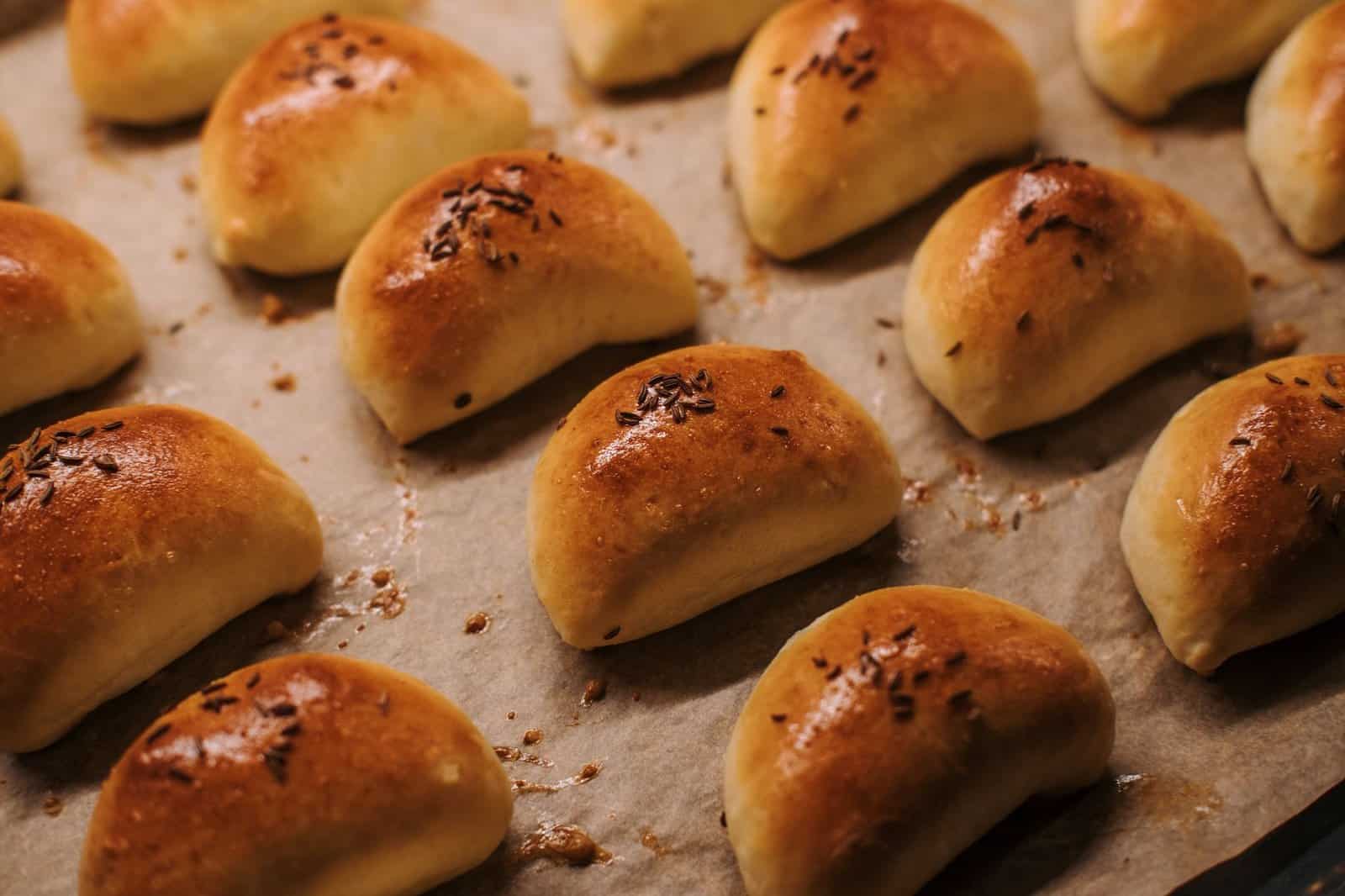
The basic Runza has three parts:
- A yeast bread dough, rolled thin and shaped into a rectangle.
- A filling of ground beef cooked with onions, cabbage, and seasonings.
- A seal. The dough is folded around the filling, pinched shut, and baked until golden.
The result is warm and self-contained, more like a savory hand pie than a sandwich. The cabbage cooks down and turns sweet, the beef keeps it hearty, and the bread soaks up the juices without falling apart. You eat it with your hands.
In Kansas and elsewhere on the Plains, the same family of foods is often called a bierock, and recipes vary. Some home cooks use sauerkraut instead of fresh cabbage, and some shape the dough into round buns rather than rectangles. “Runza” is the name Nebraskans use, and it’s a registered trademark of the restaurant chain.
Where the Runza Came From
The Volga Germans have a particular history. In the 1760s, Catherine the Great invited German farmers to settle along the Volga River in Russia, promising land and exemptions. Over the next century, those communities kept their language, churches, and food. When Russia began revoking those privileges in the 1870s, many emigrated to the American Great Plains, which looked a lot like the steppe they’d farmed.
Lincoln, Nebraska, became one of the main Volga German settlements in the United States, especially in neighborhoods near the railroad yards known as the North and South Bottoms. Families brought baked meat-and-cabbage pockets with them as an easy food for farm work and lunch pails.
Sally Everett grew up with that tradition. When she and her brother opened their stand in 1949, the sandwich was already familiar in Lincoln homes. Her son, Don Everett Sr., opened the second location in 1966 and incorporated the business, and franchising began in 1979. The family has run it through three generations.
How to Order One
Runza restaurants work like any fast-food chain, with a counter and drive-thru. The menu has burgers and chicken, but the Runza is the reason to go. Here’s how to approach a first visit.
Start with the Original
The Original Runza is the classic: beef, onions, cabbage, and seasonings in baked bread. It’s the best introduction because the flavors are simple and you can tell immediately whether you like the style.
Try a variation next time
The chain has expanded the menu with versions like:
- Cheese Runza, with American or Swiss cheese added.
- Swiss Mushroom Runza.
- BBQ Bacon Runza.
- Spicy Jack Runza, a flavor that came out of a fan suggestion on the company’s Facebook page in 2011.
- Italian and other limited-time versions that rotate through the menu.
Get Frings
Frings are half fries and half onion rings in one order, introduced in 2002. Runza’s onion rings are double-dipped and crisp, and Frings let you have both without deciding. It’s the standard side for a reason.
Know about chili and cinnamon rolls
Nebraska and some neighboring states have a strong tradition of eating chili with a cinnamon roll, a pairing many people remember from school lunches. Runza leaned into it in 2007 by adding cinnamon rolls as a side for its homemade chili. If you’re there in the cold months, it’s worth trying once. You dip the roll in the chili or alternate bites. It sounds odd and works surprisingly well.
What It Costs
Runza is priced like other regional fast-food chains. A single Original Runza usually runs in the mid-single-digit dollars, and a combo with Frings and a drink typically costs around $10 to $13, depending on location and current prices. The chain also runs promotions, including its long-running Temperature Tuesdays, which grew out of an older “Today’s Temperature is Today’s Price” deal tied to cold-weather days.
Where to Find One
Most Runza locations are in Nebraska, with the biggest concentration in Lincoln and Omaha, but you’ll find them along Interstate 80 across the state and in towns of every size. A few things to know:
- Driving across Nebraska on I-80, you’ll pass Runza locations in many of the larger towns along the route, which makes it an easy road-trip meal.
- On Husker football game days in Lincoln, Runza is part of the scene, and the sandwiches are sold inside Memorial Stadium.
- The chain has expanded into parts of Iowa, Colorado, Kansas, and South Dakota.
- Since 2014, Runza has shipped frozen sandwiches nationwide, so homesick Nebraskans can order them anywhere in the US.
Runza on Husker Game Days
Football Saturdays in Lincoln are one of the biggest events in the state. Memorial Stadium holds roughly 85,000 fans, and the Huskers have sold out home games for decades in a streak that began in 1962. On those days, the city’s Runza locations fill up early, and fans carry Runza bags into tailgates around campus.
The chain’s athletics partnership, which began in 2000, means Runza is sold inside the stadium. For out-of-state visitors in town for a game, eating a Runza in the stands is about as Nebraska as the day gets.
How It Fits Into Nebraska Food Culture
Nebraska’s food identity is plainer than its neighbors’ famous barbecue, and that’s part of the point. The state’s staples come from the people who farmed it: German, Czech, Scandinavian, and Volga German families who needed filling, portable meals. The Runza, kolaches in Czech towns like Wilber and Prague, and chili with cinnamon rolls all come from that same practical tradition.
Ask a Nebraskan who has moved away what they miss, and Runza comes up often. It’s a taste of home for people who grew up eating it after games, on road trips, and on cold weekday nights.
Making Runzas at Home
Plenty of Nebraska families still make their own, especially in fall and winter. A home version usually goes like this:
- Make a simple yeast dough, or use frozen bread dough to save time.
- Brown ground beef with chopped onion, then add shredded cabbage and cook until soft. Season with salt and pepper, and some cooks add a little garlic or caraway.
- Let the filling cool slightly so it doesn’t make the dough soggy.
- Roll the dough into squares, add filling, fold, and pinch closed, then place seam-side down on a baking sheet.
- Bake at about 350°F until golden brown, usually 20 to 25 minutes.
They freeze well after baking and reheat in the oven, which is why many families make a big batch at once.
A Road-Trip Stop on Interstate 80
For many travelers, a Runza is their first real taste of Nebraska, because the state is a long drive on Interstate 80. The interstate runs about 455 miles across Nebraska from Omaha to the Wyoming line, and much of it follows the Platte River valley through towns like Lincoln, York, Grand Island, Kearney, North Platte, and Ogallala.
A Runza works well as road food. It’s self-contained, it doesn’t drip like a burger, and it holds heat for a while if you take it to go. Many families crossing the state plan a Runza stop the way others plan for a favorite coffee shop on a familiar route.
If you’re making the drive, a few nearby stops pair well with a Runza break:
- The Great Platte River Road Archway Monument near Kearney, a museum that spans the interstate and tells the story of westward travel along the Platte.
- Downtown Lincoln’s Haymarket district, a short detour from the interstate, with the Nebraska State Capitol tower visible nearby.
- North Platte’s Golden Spike Tower, which overlooks Union Pacific’s Bailey Yard, one of the largest rail yards in the world.
The Short Version
A Runza is a baked bread pocket filled with seasoned beef, onions, and cabbage, born from Volga German home cooking and turned into a restaurant tradition in Lincoln in 1949. Order an Original and Frings the first time. Come back in winter for chili and a cinnamon roll. And if anyone in Nebraska asks whether you’ve had one yet, the right answer is yes.