Cincinnati Chili Goes on Spaghetti and Nobody There Thinks It’s Strange. Here’s How to Order a 3-Way Like a Local
We may earn money or products from the companies mentioned in this post. This means if you click on the link and purchase the item, I will receive a small commission at no extra cost to you ... you're just helping re-supply our family's travel fund.
If you want to know how to order Cincinnati chili, start with three words: “a 3-way, please.” That gets you a plate of spaghetti topped with a thin, spiced meat sauce and a towering pile of finely shredded cheddar cheese. In Cincinnati, that’s lunch, and nobody blinks.
Here’s the rest of the local playbook. Add onions or beans to make it a 4-way, or both to make it a 5-way. Order a cheese coney, a small hot dog with chili, mustard, onions, and cheese, on the side. Crumble oyster crackers on top, shake on a little hot sauce, and cut into the plate with the side of your fork instead of twirling the noodles.
Cincinnati chili dates to October 1922, when brothers Tom and John Kiradjieff, immigrants from a village in what’s now northern Greece, opened the Empress Chili Parlor next to the Empress burlesque theater on Vine Street downtown. Their Mediterranean-spiced meat sauce, seasoned with spices like cinnamon and allspice, became the template for dozens of chili parlors that still dot the city and Northern Kentucky.
How to Order a 3-Way Like a Local
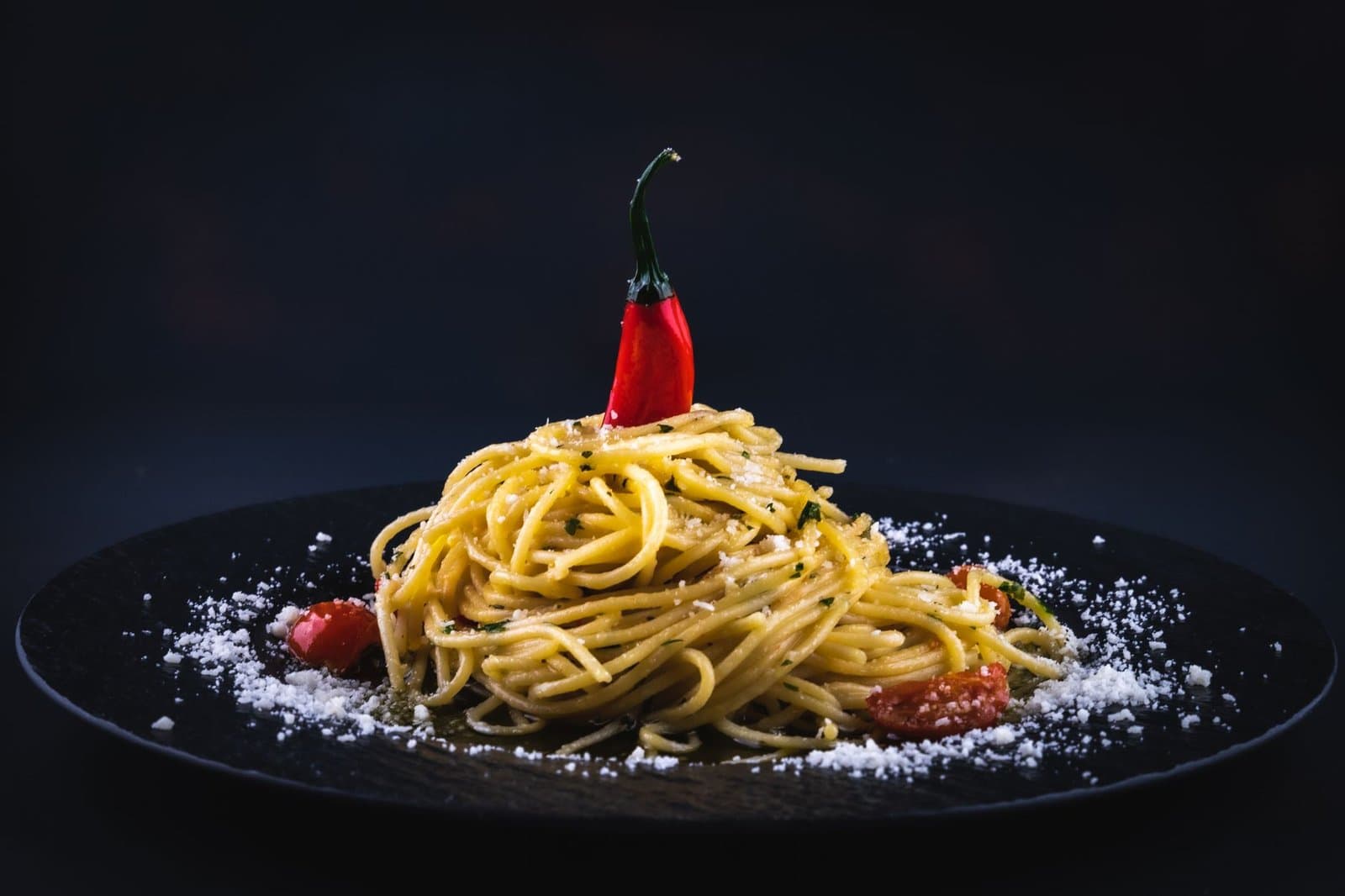
Cincinnati chili parlors use a numbered “way” system. Once you know it, every menu makes sense.
- 2-way: spaghetti topped with chili. Almost nobody orders it this way.
- 3-way: spaghetti, chili, and shredded cheddar. This is the standard order and the one to start with.
- 4-way: a 3-way plus either diced onions or kidney beans. Servers will ask which one, or you can say “4-way onion” or “4-way bean.”
- 5-way: spaghetti, chili, onions, beans, and cheese. Everything.
Some parlors go further. Dixie Chili in Northern Kentucky has offered a 6-way with chopped garlic, and other parlors add jalapeños. You’ll also hear a few modifiers:
- Dry: some of the liquid is drained off the chili before it goes on the spaghetti.
- Wet: extra liquid.
- Inverted: cheese on the bottom so it melts under the chili.
The cheese is the part outsiders underestimate. It’s piled high and shredded very fine, so it melts slightly into the chili and drapes over the plate. Don’t try to stir it in all at once.
How Locals Actually Eat It
There’s no rule book, but there are habits you’ll see at any parlor counter.
Cutting, not twirling. Most locals use the side of the fork to cut down through the layers, so each bite has spaghetti, chili, and cheese together. Twirling pulls the cheese off the top and leaves you with bare noodles at the bottom.
Oyster crackers. Every table gets them. Some people crumble them over the top. Others eat them on the side between bites. Either is fine.
Hot sauce. Parlors usually have a mild, vinegary hot sauce on the table. A few shakes cut the richness.
A coney on the side. A cheese coney is a small hot dog in a steamed bun with chili, yellow mustard, diced onions, and shredded cheese. Many regulars order a 3-way and one or two coneys. If you’re not hungry enough for a full plate, two cheese coneys make a meal on their own.
Why It Tastes Different From Texas Chili
Cincinnati chili isn’t chili con carne, and comparing them just confuses people. It’s closer to a Greek meat sauce. Ground beef is simmered in liquid with tomato and a spice blend that often includes cinnamon, allspice, cloves, cumin, chili powder, and sometimes a little cocoa. The texture is thin and smooth, without chunks of meat, which is why it soaks into spaghetti.
It’s also almost never eaten by the bowl on its own. Parlors will serve it in a bowl, but the 3-way and the coney are the core of the tradition.
The Big Chains and the Old Parlors
You’ll find Cincinnati chili all over the metro area, and locals have strong opinions about where.
Skyline Chili
Skyline was founded in 1949 by Nicholas Lambrinides, a Greek immigrant who had worked at Empress, and it’s named for the view of the downtown skyline from the first location in Price Hill. It’s the biggest chain, with well over 100 locations, mostly in Ohio, Kentucky, and Indiana. Its oldest operating location is the Clifton parlor near the University of Cincinnati, open since 1966.
Gold Star Chili
Gold Star was started by the Daoud brothers, Jordanian immigrants, in the 1960s. It’s the second-largest chain, and the Skyline-versus-Gold Star debate is a real local rivalry. Gold Star’s chili is often described as a bit spicier.
Independent parlors
Many Cincinnatians will tell you the independents are where the tradition lives. Names you’ll hear:
- Camp Washington Chili, a 24-hour-style diner landmark that won a James Beard “America’s Classics” award.
- Price Hill Chili, a west-side institution with a big menu beyond chili.
- Dixie Chili, across the river in Newport, Kentucky, known for its 6-way.
- Blue Ash Chili, in the northern suburbs, known for its fried jalapeño caps.
- Empress Chili, the original name, which still operates on a small scale.
What It Costs
Cincinnati chili is cheap by restaurant standards. A 3-way typically runs about $8 to $12 depending on size and location, and cheese coneys usually cost a few dollars each. Most parlors offer small and large plates. A small 3-way plus a coney is plenty for most adults.
How to Order Cincinnati Chili Without Looking Like a Tourist
A few things give away a visitor:
- Asking for “a bowl of chili with beans in it” and expecting Texas-style chili.
- Ordering a 5-way the first time. It’s a lot of food, and the beans and onions can overwhelm the chili’s spices. Start with a 3-way.
- Stirring everything together immediately. Cut through it in layers instead.
- Skipping the coney. It’s half the tradition.
- Assuming one parlor’s chili tastes like another’s. Every recipe is a little different, which is why locals argue about them.
Where Cincinnati Chili Shows Up Beyond the Parlors
The tradition reaches well past the chili parlor:
- Grocery stores across the region stock frozen and canned Skyline and Gold Star chili, and Skyline sold frozen Cincinnati chili in local supermarkets starting in 1962.
- Great American Ball Park, home of the Cincinnati Reds, sells chili and coneys.
- Local church festivals, office lunches, and tailgates often feature a crockpot of chili and a pot of spaghetti.
- Chili dip, made with cream cheese, chili, and shredded cheddar, is a party staple.
If you want to take the flavor home, the frozen and canned versions are the easiest souvenirs. Many Cincinnati expats have it shipped across the country.
Cincinnati Chili at Home
Locals make Cincinnati chili at home too, and plenty of family recipes have been passed down for decades. The basic method is different from most chili recipes, which surprises first-time cooks:
- Raw ground beef is crumbled into cold water or stock rather than browned first. That’s what gives the sauce its fine, smooth texture.
- Tomato paste or sauce and the spice blend go in next. Typical spices include chili powder, cinnamon, allspice, cloves, cumin, and bay leaf, and some cooks add a little unsweetened cocoa or a splash of vinegar.
- The sauce simmers for a few hours until it thickens.
- Many recipes call for chilling it overnight so the fat rises and can be skimmed off, then reheating to serve. Most cooks say it tastes better the second day.
Serve it over spaghetti with finely shredded mild cheddar. Pre-shredded bags are usually too coarse. Shred a block on the fine side of a grater, or use the finely shredded cheese sold in many Cincinnati-area groceries, to get the fluffy pile parlors are known for.
Visiting Tips for a Chili Crawl
If you have a day in Cincinnati and want to compare parlors, a chili crawl is a classic local outing. A few tips:
- Order small plates. A small 3-way or a single coney at each stop keeps you upright for the next one.
- Mix chains and independents. Try one Skyline and one Gold Star to settle the rivalry for yourself, then add an older independent parlor.
- Cross the river. Northern Kentucky’s parlors in Newport and Covington are part of the same tradition and only minutes from downtown.
- Go at off-peak hours. Weekday lunch is busy with office workers, and late nights fill up on weekends near the universities.
- Bring friends and share. Splitting plates lets everyone taste more without overdoing it.
A Little History Worth Knowing
The Kiradjieff brothers started by selling hot dogs topped with their sauce, which they called coneys after the Coney Island hot dog style. They later began serving the sauce over spaghetti. Cheese was added in the early years of the parlor, giving rise to the 3-way as it’s known today.
Empress grew into a local chain, and workers who learned the trade there went on to open their own parlors. That’s why so many of Cincinnati’s chili parlors were founded by Greek and other immigrant families, and why recipes vary from place to place. In 2022, the city marked the dish’s 100th anniversary with gatherings at the site of the original Empress, now home to the downtown public library.
Your First Order, Start to Finish
Walk up to the counter or sit in a booth, and say:
- “Small 3-way and a cheese coney, please.”
When it comes, crumble a few oyster crackers over the top, add a splash of hot sauce, and cut down through the cheese with the side of your fork. If you like it, come back the next day and try a 4-way onion at a different parlor. That’s how locals pick their favorite: one plate at a time.