Nebraska City Is Where Arbor Day Began in 1872. Here’s How to Spend a Late-Fall Day There
We may earn money or products from the companies mentioned in this post. This means if you click on the link and purchase the item, I will receive a small commission at no extra cost to you ... you're just helping re-supply our family's travel fund.
Nebraska City in late fall smells like apples and wood smoke, and its whole identity is built around trees. In 1872, J. Sterling Morton, a newspaper editor and politician who lived here, persuaded the Nebraska State Board of Agriculture to set aside a day for planting trees on the treeless prairie. That first Arbor Day, April 10, 1872, Nebraskans planted an estimated one million trees.
Here’s how to spend a late-fall day there. Start in the morning at Arbor Lodge, Morton’s 52-room mansion and the 72-acre park around it. Go next door to Arbor Day Farm for the Apple House Market and the orchards. Drive to Kimmel Orchard for cider and more apples, then eat lunch downtown. Finish the afternoon at the Lewis and Clark visitor center above the Missouri River. All of it fits in one day, and late fall, after the September AppleJack Festival crowds, is a calm time to go.
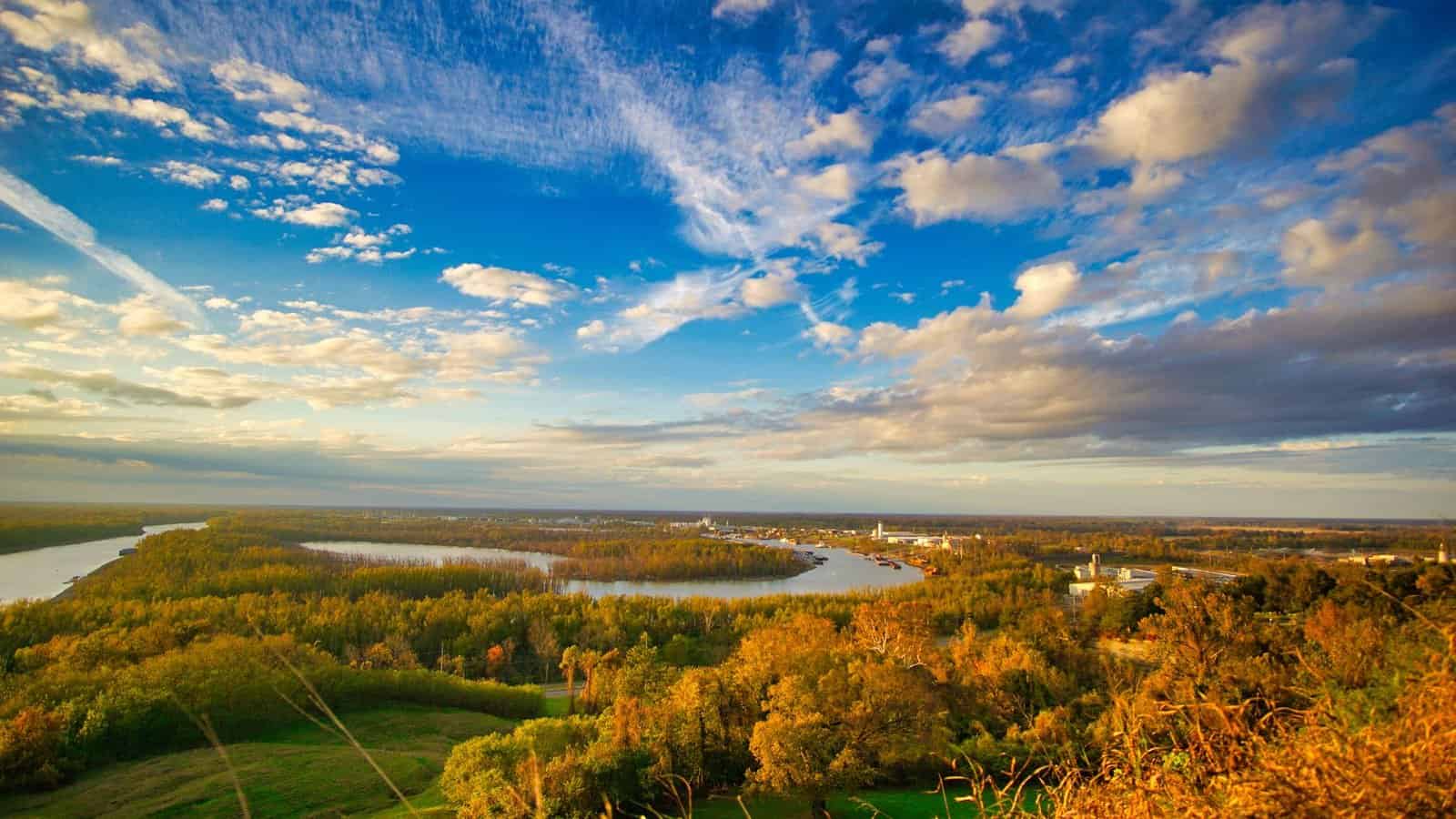
Nebraska City is in southeast Nebraska on the Missouri River, about 45 minutes south of Omaha and about an hour east of Lincoln. It has about 7,000 residents.
How to Spend a Late-Fall Day in Nebraska City
Here’s a plan, stop by stop.
9:30 a.m.: Arbor Lodge State Historical Park
Arbor Lodge was the Morton family home. It began in 1855 as a four-room frame house and grew to 52 rooms through several renovations. Today it’s owned by the Nebraska Game and Parks Commission and managed by the Arbor Day Foundation. The rooms are furnished with the family’s belongings and period pieces.
The 72-acre park around it includes an arboretum, an Italian terraced garden, a log cabin, a carriage house, walking trails, and more than 200 varieties of lilacs. The grounds are open year-round and free to visit, with no park permit required.
Mansion admission has been about $9 for adults and $7 for children ages 3 to 12. The mansion is usually open daily from spring through fall and on weekends in winter, so if you’re visiting in December, plan for a Saturday or Sunday. Check current hours before you go.
Plan on about an hour and a half for the mansion and a walk around the grounds. The trees, many planted by the Mortons, are bare in late fall, which makes it easy to see how the property was laid out.
11 a.m.: Arbor Day Farm and the Apple House Market
Arbor Day Farm, next to Arbor Lodge, is a 260-acre property owned by the nonprofit Arbor Day Foundation. It was once part of the Morton estate. It has historic orchards, the Tree Adventure play and nature area, and Lied Lodge, a hotel and conference center.
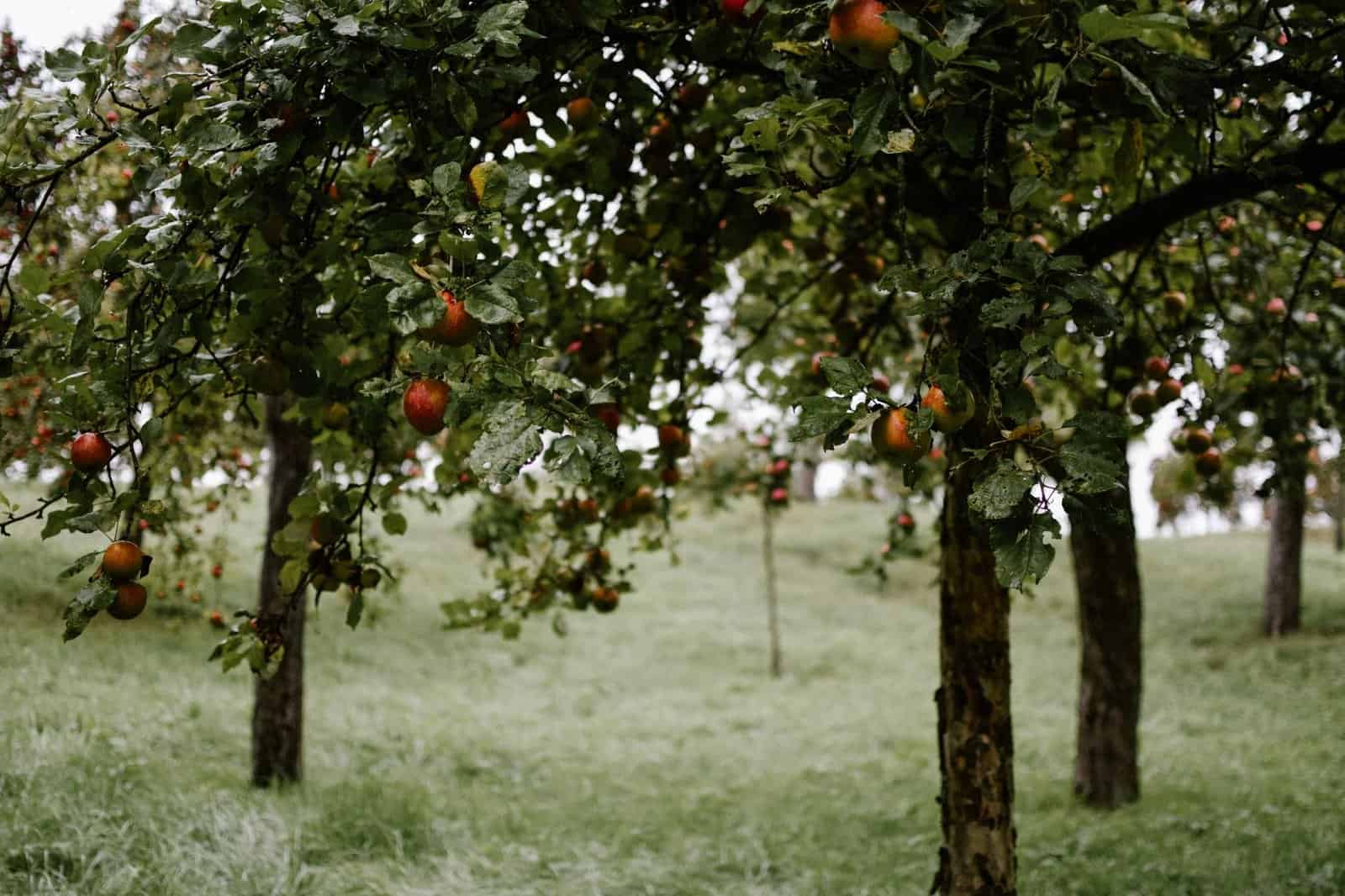
The Apple House Market is open year-round. It sells apples by the bag or box, apple pies, fresh-pressed cider, apple butter, jams, and apple wine. In late fall, it’s a good place to buy apples and cider for Thanksgiving. The Tree Adventure has a 50-foot treehouse and walking trails, though some outdoor attractions have shorter hours or close for the season in late fall. Check what’s open before you go.
12:30 p.m.: Lunch downtown
Downtown Nebraska City, along Central Avenue, has historic brick buildings, cafes, restaurants, and shops. It’s a good place for lunch and a short walk. If you’d rather stay at Arbor Day Farm, Lied Lodge has a restaurant.
1:30 p.m.: Kimmel Orchard & Vineyard
Kimmel Orchard and Vineyard was established in 1925. It grows apples and other fruit and sells local produce, cider, pies, and Nebraska-made products. Its seasonal hours change in late fall, so check before you drive out. If it’s open, it’s worth the stop for fresh cider and apple varieties you won’t see at the grocery store.
3 p.m.: Missouri River Basin Lewis and Clark Interpretive Trail and Visitor Center
This center sits on a bluff above the Missouri River and tells the story of the Lewis and Clark expedition, which passed this way in 1804. Its exhibits focus on the plants and animals the explorers recorded, and its trails lead through native landscapes. Late afternoon is a good time to see the river from the overlook before the sun goes down. Check hours, since they may be shorter in the off-season.
4:30 p.m.: Sunset and departure
In late November, sunset in Nebraska City is just before 5 p.m. Head back to Omaha or Lincoln, or stay overnight at Lied Lodge or in town.
Why Arbor Day Started in Nebraska City
J. Sterling Morton and his wife, Caroline, moved to Nebraska Territory from Michigan in 1854 and settled in Nebraska City in 1855. The open prairie had few trees, which settlers needed for windbreaks, shade, fuel, and building materials. Morton planted trees on his own land and wrote about their benefits in his newspaper.
In 1872, he proposed a tree-planting holiday to the State Board of Agriculture, and the first Arbor Day was held on April 10, 1872. Its success led other states to adopt the holiday. In 1885, Nebraska made Arbor Day a legal holiday and moved it to April 22, Morton’s birthday.
Morton later served as U.S. Secretary of Agriculture under President Grover Cleveland. His son Joy Morton founded the Morton Salt company. Today, most states observe Arbor Day on the last Friday in April.
The Orchard History
Long before Arbor Day, southeast Nebraska had orchards. An 1872 tour by the Nebraska State Horticultural Society visited farms in Otoe County, including Morton’s, where he had planted 400 trees in 1858 and another 1,000 younger trees. Apple growing has remained part of the area’s economy and identity since then, and it’s why the region is still known as Nebraska’s apple country.
Visiting Nebraska City in Late Fall
What’s different from September
The AppleJack Festival, held every September, brings parades, crafts, and big crowds. By November, the crowds are gone, and you’ll have the orchards and historic sites mostly to yourself. Some seasonal attractions close or cut back hours, so check before you go.
Weather
Late fall in southeast Nebraska is cool, with highs often in the 40s and 50s in November and colder in December. Wear layers and comfortable shoes for walking the grounds.
Holiday season
Arbor Lodge and Arbor Day Farm sometimes host holiday events, and downtown Nebraska City decorates for the season. Check event calendars for late November and December.
Where to stay
Lied Lodge at Arbor Day Farm is the best-known place to stay, with a timber-frame building and views of the woods. The town also has chain hotels and bed-and-breakfasts.
Apples to Look For
Southeast Nebraska orchards grow many apple varieties, and late fall is when the later-ripening ones are at their best. Availability changes from year to year and orchard to orchard, but these are varieties that have been grown or sold at Arbor Day Farm and nearby orchards:
- Jonathan: an old variety with a tart flavor, good for pies and sauce.
- Winesap: a late, tart apple that stores well.
- Golden Delicious: sweet and mild, good for eating and baking.
- Fuji and Braeburn: sweet, crisp, and good for eating fresh.
- Granny Smith: very tart and firm, good for baking.
- Honeycrisp: sweet and very crisp, usually sold pre-picked.
Ask the staff at the orchard stores which varieties are best for baking, eating fresh, or storing through the winter.
Storing apples for the holidays
If you’re buying apples for Thanksgiving pies, keep them in the refrigerator or a cold, dark place, like an unheated garage that stays above freezing. Store them in a bag with a few holes, away from strong-smelling foods. Late varieties like Winesap and Granny Smith keep longer than early ones.
Cider
Fresh-pressed cider is one of the best things to buy in late fall. It’s perishable, so keep it cold and drink it within a week or two, or freeze it in containers with room for expansion. Warm it on the stove with cinnamon sticks and cloves for a holiday drink.
Planting a Tree in Morton’s Honor
Since Nebraska City is where Arbor Day started, consider bringing home a tree. Late fall can be a good time to plant many trees in the Midwest, as long as the ground hasn’t frozen. The Arbor Day Foundation, based in Nebraska, offers advice on choosing the right tree for your area.
Making It a Weekend
If you want to stay longer, spend a night at Lied Lodge or in town, and add a second day. You could drive about 30 minutes south to Brownville, a small historic river town with old buildings and a few shops, or head north to Omaha for museums and holiday lights. Either way, leave space in the car for apples and cider.
The Bottom Line on Nebraska City in Late Fall
Nebraska City is where Arbor Day began, and in late fall the town still revolves around trees and apples. Start at Arbor Lodge, buy cider at the Apple House Market, stop at Kimmel Orchard, and end at the Missouri River. It’s an easy day trip from Omaha or Lincoln, and a good way to bring home apples and cider for Thanksgiving.