Cape Cod Hospital Has Around 500 Job Openings. The Problem Isn’t Pay. It’s That Nobody Can Find Anywhere to Live.
We may earn money or products from the companies mentioned in this post. This means if you click on the link and purchase the item, I will receive a small commission at no extra cost to you ... you're just helping re-supply our family's travel fund.
Cape Cod Healthcare has reported hundreds of open positions across its hospital system, roughly ten percent of its total workforce, and the CEO has said publicly that the organization has had to rely on 300 traveling staff, including 35 to 40 at Falmouth Hospital alone, simply to keep operations running. The issue isn’t primarily wages — Registered Nurses on the Cape have received real, targeted raises in recent years, with some scales climbing above $70 an hour at the top of the tenure ladder — it’s that even nurses earning close to six figures cannot find anywhere to live within a reasonable commute of the hospitals that employ them.
The specific math that makes this a housing problem, not a pay problem
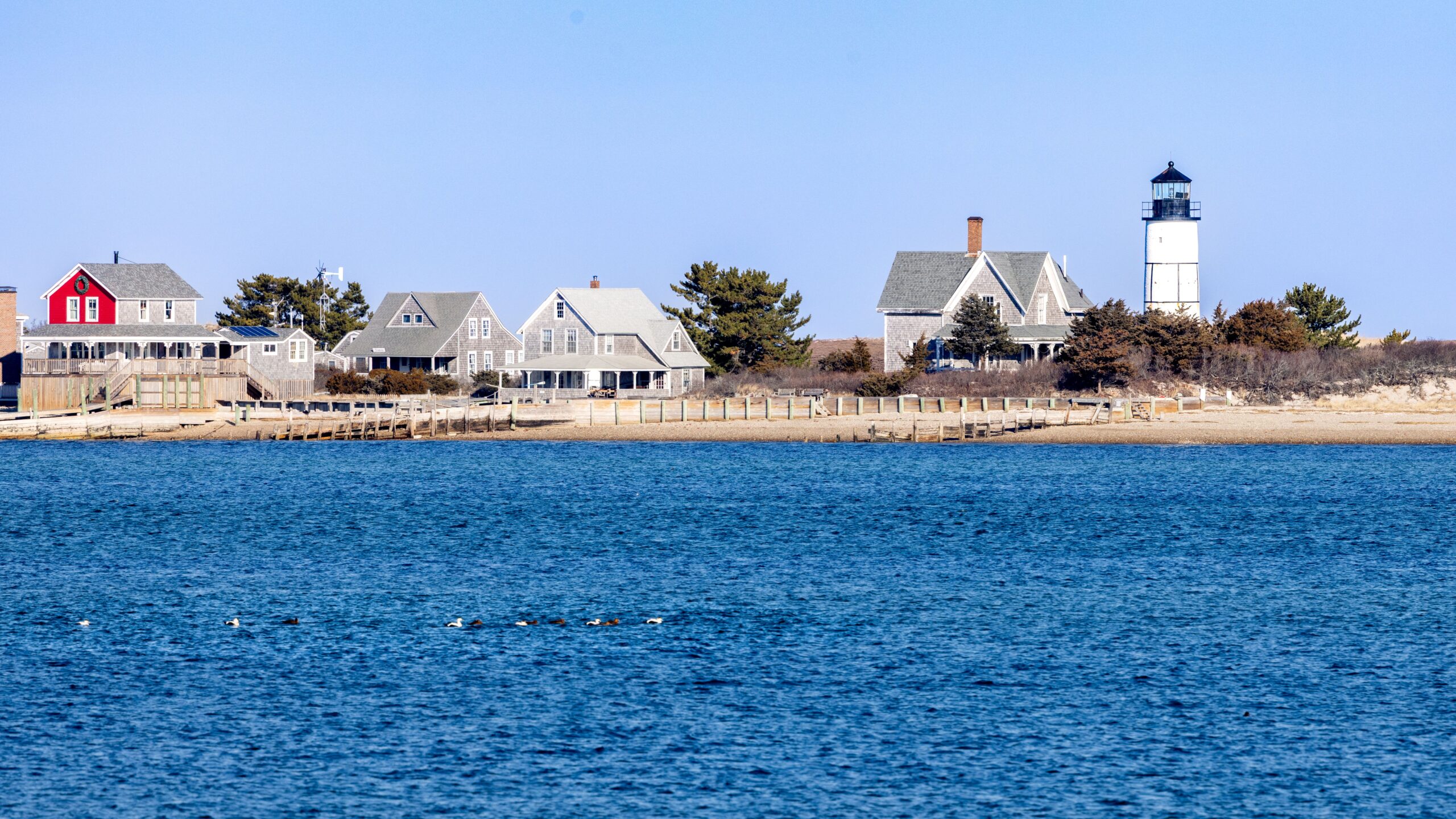
Harvard’s Joint Center for Housing Studies estimated that a family needs to earn a combined $188,400 to afford the median-priced home on Cape Cod, a figure roughly $7,000 higher than what’s required in Greater Boston, a genuinely striking number given that the Cape has none of Boston’s dense urban job market or wage levels to support it. Barnstable County’s rental vacancy rate has been estimated at below one percent in recent years, meaning even nurses who aren’t trying to buy, just trying to rent, are competing for an almost nonexistent supply. Massachusetts State Senator Julian Cyr, who represents the Cape and Islands, has put the problem bluntly: you can make $150,000 a year on Cape Cod and still not be able to afford property there, a statement that captures how completely disconnected local wages have become from local housing costs.
The pandemic-era migration of wealthy remote workers and second-home buyers to the Cape accelerated a problem that predated COVID by years. Median home sale prices climbed roughly 40 percent between 2019 and 2022 alone according to data from the Cape Cod and Islands Association of Realtors, while the total number of homes listed for sale collapsed over the same period, from more than 2,600 in June 2020 to a few hundred by mid-2022. That combination — soaring demand from buyers who don’t need to work locally, paired with a housing stock that zoning has kept almost entirely single-family and low-density for decades — produced a market where a nurse’s Cape Cod salary, genuinely solid by regional standards, simply cannot compete with a Boston or New York executive’s second-home budget.
Nursing education pipelines specific to the region have become part of the longer-term strategy, with Cape Cod Community College’s partnership allowing nursing students to complete all clinical rotations directly at Cape Cod Hospital, an arrangement designed to build local familiarity and loyalty before graduation in hopes those students stay on the Cape rather than taking jobs in Boston or Plymouth immediately after certification. Cape Cod Healthcare has also begun subsidizing loans for students who commit to working at the hospital system after graduation, a direct financial incentive aimed at counteracting the housing-driven exodus that’s cost the system experienced staff faster than these newer pipeline programs can currently replace them.
What hospitals are actually doing about it
Cape Cod healthcare institutions have started functioning as informal landlords out of necessity. Martha’s Vineyard Hospital partnered with Island Housing Trust to renovate the former Hanover House inn into 12 rooms and three efficiency apartments specifically for hospital staff, and it committed to building 76 new bedrooms in a larger project, with 30 reserved for staff of an adjacent nursing facility. On the Cape proper, Broad Reach Healthcare’s CEO in Chatham began personally buying residential properties years ago specifically to rent to staff below market rate, recruiting workers from as far away as Puerto Rico who had nowhere else to live once hired. Governor Maura Healey’s administration has proposed a $4 billion Affordable Homes Act at the state level, explicitly citing healthcare workforce retention as a driver, a sign that Massachusetts now treats the Cape’s housing shortage as connected directly to whether hospitals can keep operating at all.
Why this keeps compounding rather than resolving
- Zoning across most of Barnstable County restricts new construction to low-density single-family homes
- Geographic constraints of a peninsula limit how much new housing supply can physically be added regardless of zoning reform
- Second-home and vacation-rental demand competes directly with year-round workforce housing for the same limited stock
- Cape Cod Visiting Nurses Association staff voted to authorize a strike in 2024 over wages that hadn’t kept pace with the region’s cost of living, even after raises
What’s actually at stake if it doesn’t get fixed
The problem extends well beyond Cape Cod Healthcare’s hospitals into the broader service economy that makes the peninsula function as a tourist destination in the first place, since restaurants, retail shops, and hospitality businesses report similar staffing shortages tied directly to the same housing scarcity. Local officials increasingly describe the Cape’s tourism economy and its housing crisis as fundamentally interconnected problems rather than separate issues, since the same short-term rental market that generates substantial tourism revenue also removes housing units that would otherwise support the year-round workforce the tourism economy itself depends on to function during peak season.
Cape Cod Hospital’s primary care waitlist has run around 1,100 people, a direct consequence of understaffing that traces back to the same housing shortage driving away nurses, technicians, and support staff who make up the bulk of unfilled positions. Local officials have started framing this explicitly as a public health and safety issue rather than purely an economic one — Governor Healey has said directly that a hospital system that can’t staff itself puts the entire region’s safety at risk, not just the convenience of patients waiting longer for appointments. The Cape’s tourism-driven, seasonal-home economy built the very housing scarcity now threatening the healthcare system that year-round residents, seasonal workers, and the millions of annual visitors themselves all depend on when something goes wrong, a feedback loop that no single hospital renovation or housing trust partnership has been able to fully break yet.