Stop Flying Into the Big Hub. Here’s the Smarter Airport in Every Region
We may earn money or products from the companies mentioned in this post. This means if you click on the link and purchase the item, I will receive a small commission at no extra cost to you ... you're just helping re-supply our family's travel fund.
Why the Big Hub Isn’t Always the Right Answer
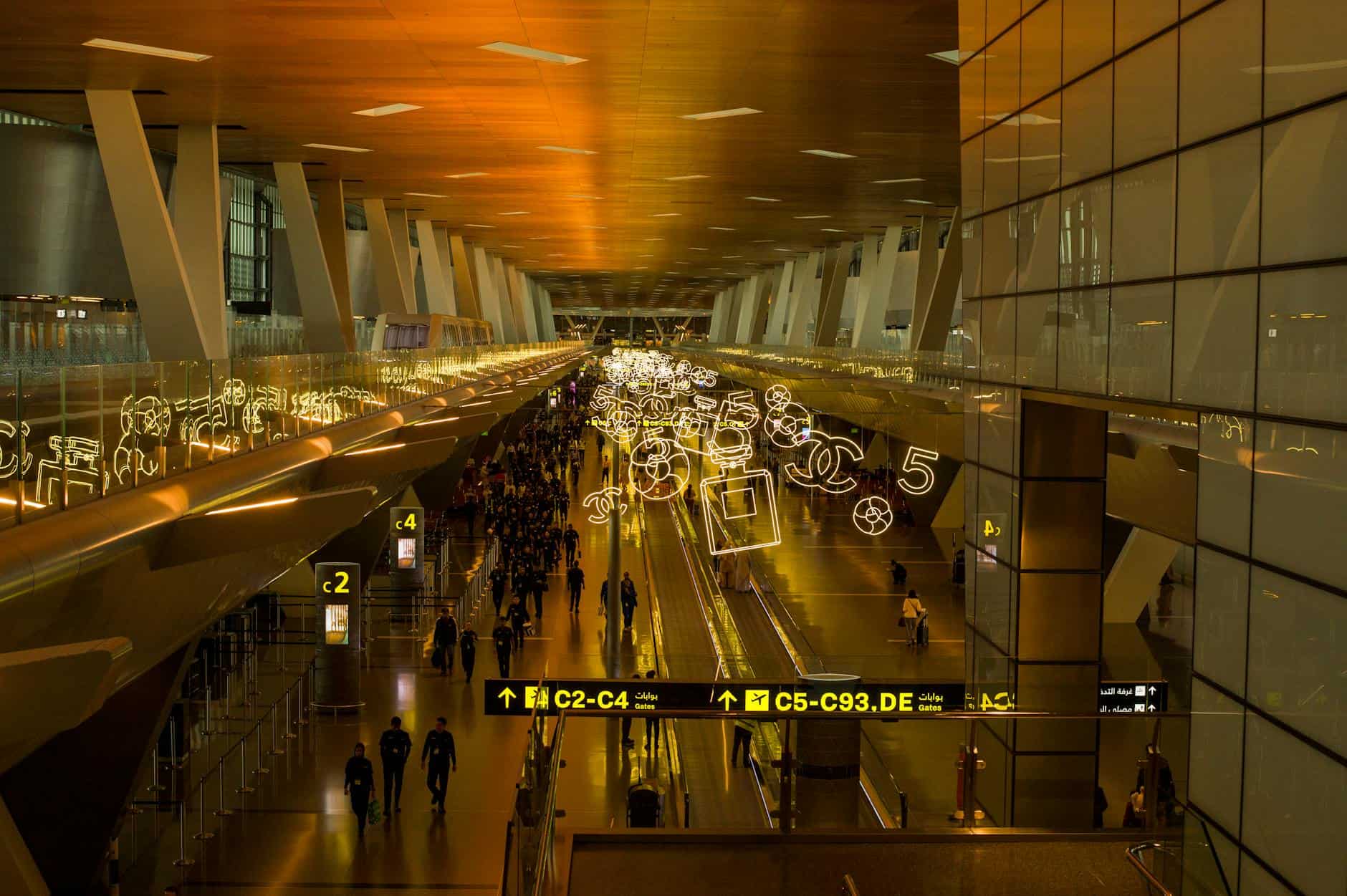
Major hub airports optimize for connectivity, not for the passenger experience. They have:
- Higher landing fees that airlines pass to passengers in the form of higher fares
- Longer security lines due to volume
- More expensive parking
- More complex terminal navigation
- Higher ground transportation costs to city centers or final destinations
Secondary airports often offer:
- Lower base fares (Spirit, Frontier, and Southwest use them specifically to offer lower prices)
- Free or dramatically cheaper parking ($5–$10/day vs. $30–$50/day at major hubs)
- 30–45 minute security lines vs. 60–90 minutes at hubs during peak periods
- Easier pickup and drop-off
- Closer proximity to suburban destinations that the hub airport is poorly positioned for
The Northeast’s Best Secondary Airports
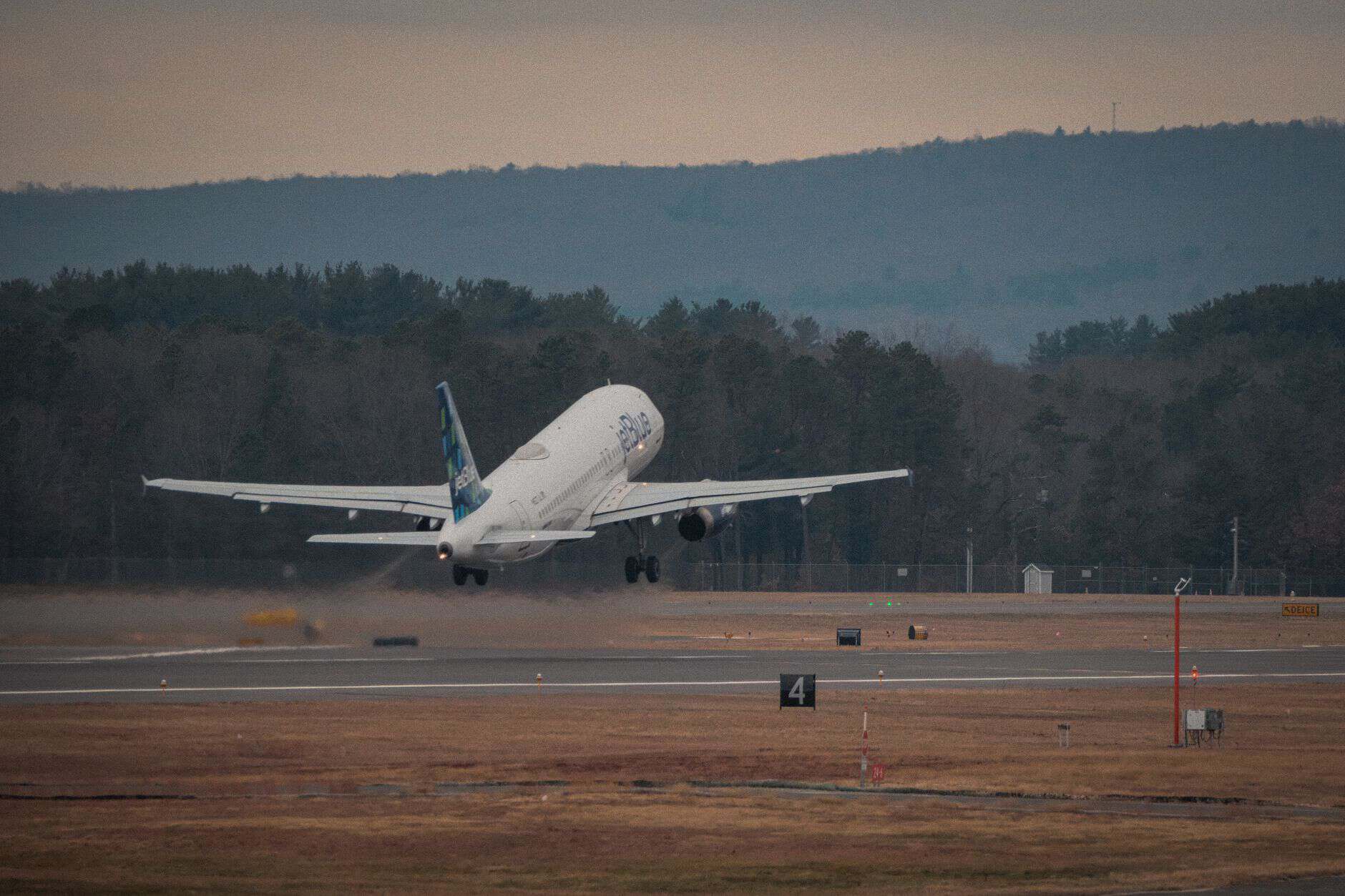
- Manchester-Boston Regional (MHT) — serves Boston metro from the north — 55 miles north of downtown Boston in New Hampshire. Southwest, Spirit, and Allegiant fly here at significantly lower fares than Logan. No state income tax means airport-adjacent retail and services are cheaper too. If you’re heading to New Hampshire, Vermont, or northern Massachusetts, MHT is almost always the right choice.
- Providence T.F. Green (PVD) — serves Boston metro from the south — 50 miles south of Boston in Rhode Island. Southwest’s primary New England hub for low-cost flights. If your destination is Providence, Cape Cod, or southeastern Massachusetts, PVD saves both money and 90 minutes of Boston traffic.
- Stewart International (SWF) — serves New York City from the north — 70 miles north of Manhattan in the Hudson Valley. Budget carriers use it for New York-area fares at dramatically lower prices than JFK or LGA. If your destination is the Hudson Valley, the Catskills, or Connecticut, this is the right airport.
- Long Island MacArthur (ISP) — serves New York from Long Island — Southwest flies here for suburban Long Island and eastern Connecticut access at prices well below JFK. Parking is $10/day. No AirTrain. Walk to your car in 5 minutes.
- Lehigh Valley International (ABE) — serves Philadelphia metro from the north — Allegiant and Avelo operate here for passengers heading to the Poconos, Allentown, and Bethlehem without the Philadelphia airport’s cost and complexity.
The Southeast and South: Where the Alternatives Are Obvious
- Fort Lauderdale-Hollywood (FLL) — the alternative to Miami International — Spirit and Southwest’s primary South Florida hub. Fares to FLL are frequently $100–$200 cheaper than equivalent MIA flights. Fort Lauderdale is 25 miles north of Miami. The distinction is smaller than you think and the savings are large.
- Orlando Sanford International (SFB) — alternative to MCO — 35 miles north of Disney World and 30 miles from Universal. Allegiant uses this airport heavily. If your hotel is in the I-4 corridor north of Disney, Sanford puts you closer to your hotel than Orlando International does.
- Hobby Airport Houston (HOU) — alternative to George Bush Intercontinental — Southwest’s Houston hub. Closer to downtown Houston, Galveston, and the Medical Center than IAH. If you’re not connecting to international flights, Hobby is almost always the better choice for domestic Southwest travel.
- Dallas Love Field (DAL) — alternative to DFW — Southwest’s Dallas hub. 20 minutes from downtown vs. DFW’s 45-minute slog. No bag fees (when Southwest’s old policy applied — check current policies). Significantly easier to navigate.
- Baltimore-Washington (BWI) — alternative to Dulles and Reagan National — Southwest’s DMV hub. Rail connection to Washington Union Station in 35 minutes via MARC train. If you’re going to downtown D.C., BWI-to-Union-Station is often faster door-to-door than a taxi from Reagan National. Southwest fares to BWI are consistently lower than DCA.
- Myrtle Beach International (MYR) — Allegiant and Spirit serve this market directly for beach travelers who otherwise connect through Charlotte or Atlanta. Driving into Myrtle Beach from Charlotte takes 4 hours. Flying direct from your home city takes 2. The math is obvious.
The Midwest: Underrated Airports in an Underrated Region
- Midway Airport Chicago (MDW) — alternative to O’Hare — Southwest’s Chicago hub. 8 miles from the Loop vs. O’Hare’s 17 miles. Orange Line El service directly to downtown. Fares consistently lower than O’Hare. The airport is smaller and easier to navigate. For domestic Southwest travel, Midway wins almost every time.
- Gerald R. Ford International (GRR) — Grand Rapids, MI — If your destination is western Michigan — Grand Rapids, Traverse City, Lake Michigan — flying into GRR instead of Detroit saves 2.5 hours of driving. Direct flights from many East Coast markets on Delta and Southwest.
- Quad Cities International (MLI) — serves Iowa-Illinois border region — Allegiant operates here with non-stop routes to Florida and other leisure markets. For residents of the Quad Cities metro, this eliminates a 3-hour drive to Chicago O’Hare for a Florida vacation.
- Akron-Canton Airport (CAK) — alternative to Cleveland Hopkins — 60 miles south of Cleveland. Allegiant and Southwest serve it. If your destination is Canton, Akron, Stark County, or the Amish Country of Holmes County, CAK is significantly closer than CLE.
- South Bend International (SBN) — alternative to Chicago for Notre Dame — During Notre Dame football weekends, SBN is the most efficient airport in the Midwest. American and United fly direct from major hubs. Fly into O’Hare for a Notre Dame game and you’re looking at 2 hours of traffic to get there.
The Mountain West: When Connecting Through Denver Isn’t Necessary

- Colorado Springs Airport (COS) — alternative to DEN for southern Colorado — If your destination is Pikes Peak, Manitou Springs, or the southern Front Range, Colorado Springs Airport is 90 minutes closer than Denver International. American and United fly direct from many hubs. Rental cars are significantly cheaper here than at DEN.
- Bozeman Yellowstone International (BZN) — serves Yellowstone from the north — Direct flights from major hubs make this the premier entry point for Yellowstone’s north and east entrances. Jackson Hole Airport (JAC) serves the south entrance but BZN has more routes, more capacity, and more rental car availability.
- St. George Regional (SGU) — alternative to Las Vegas for Southern Utah — If you’re going to Zion National Park, Bryce Canyon, or Cedar City, St. George is 45 minutes from Zion’s entrance vs. Las Vegas’s 2.5 hours. A small airport with limited routes, but Allegiant serves it from a handful of cities.
- Provo Airport (PVU) — alternative to Salt Lake City — Allegiant’s Utah hub serves ski resorts in Utah County. If your destination is Sundance, Park City, or Deer Valley, Provo is comparable distance to SLC with dramatically lower parking costs.
- Missoula Montana Airport (MSO) — alternative to Great Falls for Glacier — Western entrance to Glacier National Park is 2 hours from Missoula and 3 hours from Great Falls. Missoula also has Delta, United, and Alaska direct service from more markets.
The Pacific Coast: The Airports You Should Know About
- Ontario International (ONT) — alternative to LAX for the Inland Empire — If your destination is Palm Springs, San Bernardino, Riverside, or Pomona, Ontario Airport is significantly closer than LAX and has dramatically lower parking costs. Spirit and Southwest serve it well. Rental cars are $20–$40/day cheaper at ONT than LAX.
- Long Beach Airport (LGB) — alternative to LAX for the South Bay — JetBlue’s West Coast hub. Compact, walkable, parking within 100 yards of the terminal. If your destination is Long Beach, Seal Beach, or the Orange County coast, LGB is superior to LAX in every measurable way.
- Burbank (Hollywood Burbank Airport, BUR) — alternative to LAX for the Valley — If your destination is the San Fernando Valley, Pasadena, downtown LA, or Glendale, Burbank gets you there faster with free curbside pickup right outside the terminal. Southwest and Alaska fly BUR extensively.
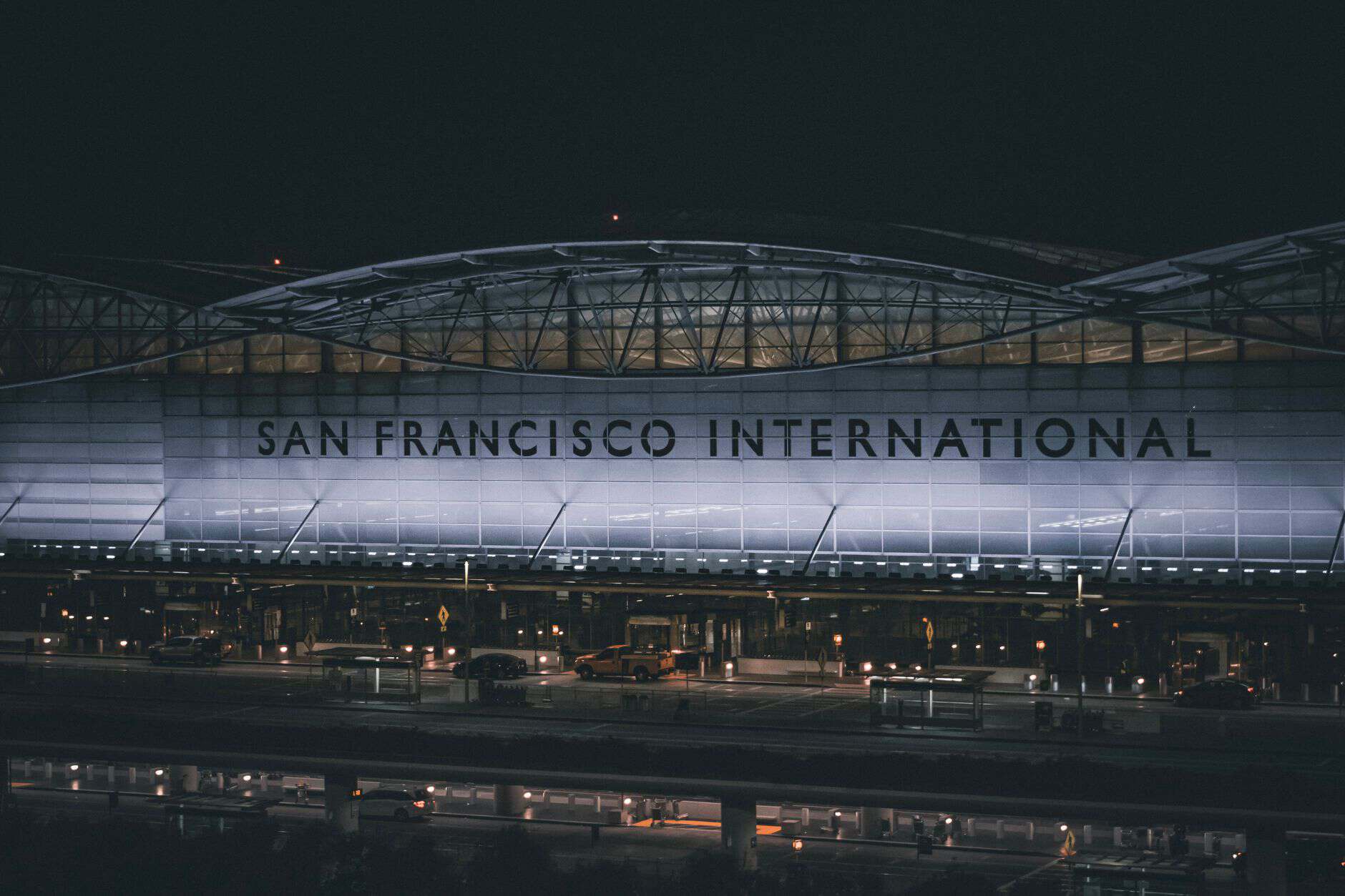
- Oakland International (OAK) — alternative to SFO — Across the Bay from San Francisco, served by Southwest and Spirit. BART connection to downtown San Francisco costs $11 and takes 30 minutes — comparable to an Uber from SFO for 10% of the cost. Parking at OAK runs $18–$22/day vs. $39–$49 at SFO.
- Bellingham International (BLI) — alternative to Seattle for northern destinations — Allegiant serves Bellingham from many Sunbelt cities. If you’re going to the San Juan Islands, Anacortes, or Whatcom County, Bellingham cuts driving time significantly vs. Sea-Tac.
The Math: How to Decide If a Secondary Airport Makes Sense
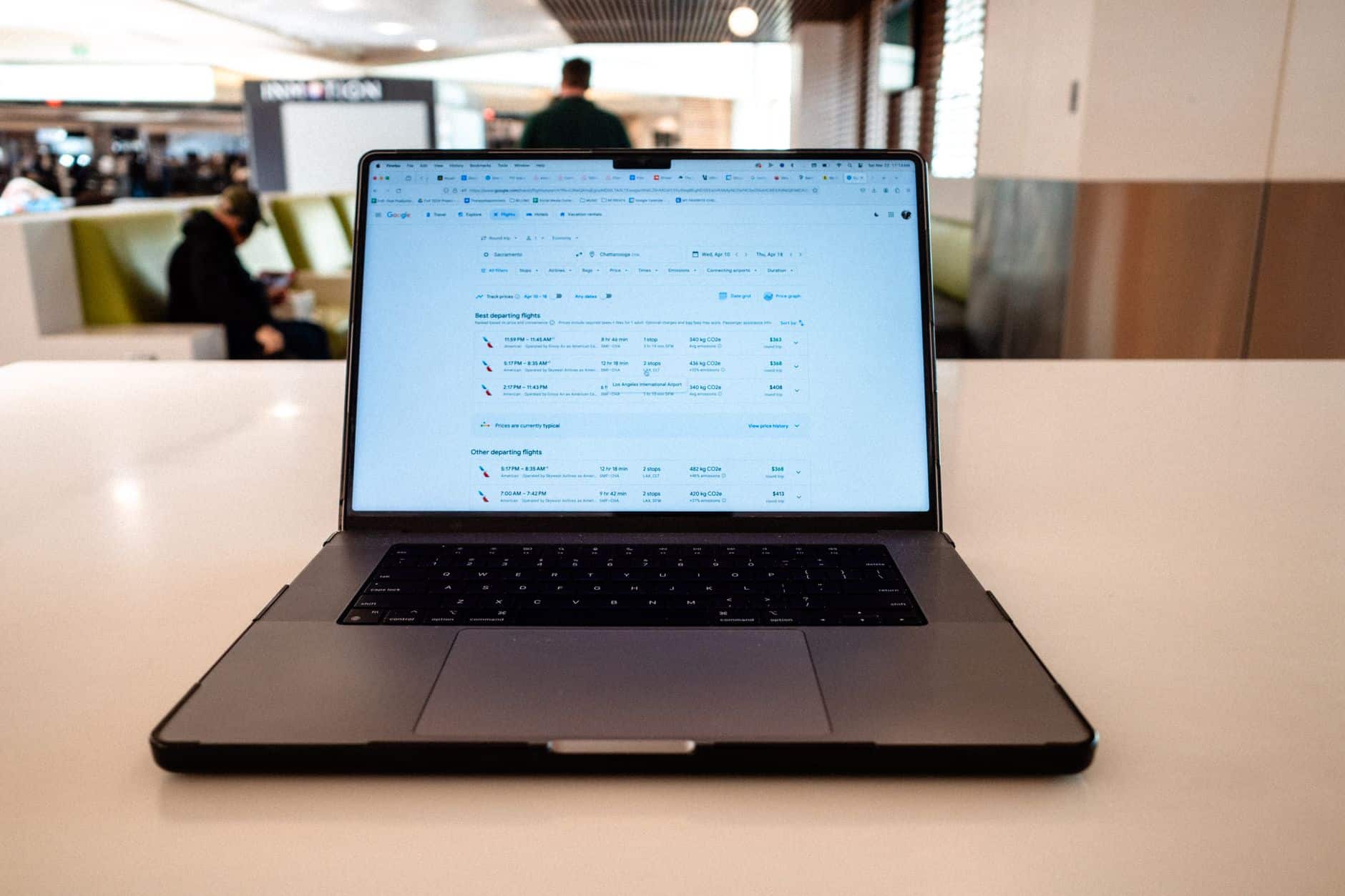
Always run the full cost comparison before booking.
- Compare the base fare difference between the major hub and the secondary airport on Google Flights — filter by airport to see both options side by side
- Add parking or ground transportation costs for both airports to the fare comparison
- Factor in drive time from home — sometimes the secondary airport is farther from your house even if it’s closer to your destination
- Factor in drive time at the destination — a $150 fare savings evaporates if the secondary airport adds 2 hours of driving on the other end
- Check the airline’s bag fees at the secondary airport — Spirit and Allegiant are cheaper in base fare but can make it up in bag fees
- Consider the downside of delays — secondary airports have fewer daily flights to your origin. If your 6pm flight cancels, the next available might be 36 hours later. Major hubs have multiple daily frequencies that provide backup options.
For most leisure travelers, the secondary airport wins the math 40–60% of the time. Run the numbers every time. The savings are real.