Two Mississippi Gulf Coast Towns, 20 Years After Katrina, Reveal Why Recovery Doesn’t Look the Same Everywhere
We may earn money or products from the companies mentioned in this post. This means if you click on the link and purchase the item, I will receive a small commission at no extra cost to you ... you're just helping re-supply our family's travel fund.
Hurricane Katrina struck the Mississippi Gulf Coast on August 29, 2005, and the storm surge that came ashore, in places more than 25 feet high, erased waterfront neighborhoods from Waveland to Pascagoula. Two decades later, the coast is rebuilt, but not in the same way. Mississippi Gulf Coast recovery looks different from town to town, and two towns, Biloxi and Bay St. Louis, show why.
Biloxi rebuilt around casinos and large resorts. Bay St. Louis rebuilt as a small arts-and-history town of independent shops and restaurants. Neither is better, but the contrast explains how money, land, and local choices shape what a place becomes after a disaster.
Why Mississippi Gulf Coast Recovery Looks Different in Biloxi and Bay St. Louis
Recovery is not one thing. Federal aid, insurance payouts, state law, local leadership, and private investment all flowed to different places in different amounts. In a small town with a historic core, rebuilding might mean restoring old cottages and reopening a main street. In a casino city, rebuilding meant large capital projects, bigger crowds, and a different economic base.
The sections below take each town in turn, then draw out the factors that explain the difference.
1. Biloxi: Casinos, Resorts, and Scale
Before Katrina, Biloxi’s casinos operated on barges over the water, as required by Mississippi law. The storm destroyed or severely damaged them, and in the months after, the state legislature changed the law to allow casinos to be built on land within a short distance of the shoreline. That change, passed in late 2005, opened the door to large investments.
What followed was a wave of development. Today, resorts such as the Beau Rivage, the Hard Rock, Golden Nugget, and Margaritaville line the beachfront and Back Bay, bringing thousands of jobs and millions of visitors. The tax revenue and tourism flow helped pay for roads, schools, and civic projects. The Ohr-O’Keefe Museum of Art, designed by architect Frank Gehry, opened in the years after the storm and became a signature cultural site, honoring the potter George Ohr, known as the Mad Potter of Biloxi.
Biloxi also kept its working-waterfront identity. Shrimp boats still work out of the harbor, and the Maritime & Seafood Industry Museum tells the story of the fishing families who built the town. The Biloxi Lighthouse, a cast-iron landmark from 1848, survived Katrina and remains a symbol of resilience.
Visitors will see modern high-rise hotels, a wide beach, and busy highways, with a mix of old and new. The recovery here is big, polished, and tied to gaming and tourism. The challenge is that this reliance on one industry can leave residents vulnerable, and long-time neighborhoods near the water, especially on the East End, faced displacement and rising costs.
2. Bay St. Louis: A Small Town Rebuilt by Hand
Bay St. Louis lies at the western edge of the coast in Hancock County, near the Louisiana line. It was one of the places closest to the storm’s landfall, and the damage was catastrophic. Hundreds of homes and businesses were destroyed, and the bridge across the bay was wrecked.
Instead of casinos, Bay St. Louis had its Old Town: a historic district with cottages, galleries, and a walkable main street near the water. After Katrina, residents rebuilt many of those buildings, aided by volunteers, nonprofits, and church groups from across the country. Artists and small business owners moved in, and the town developed a reputation as an arts hub.
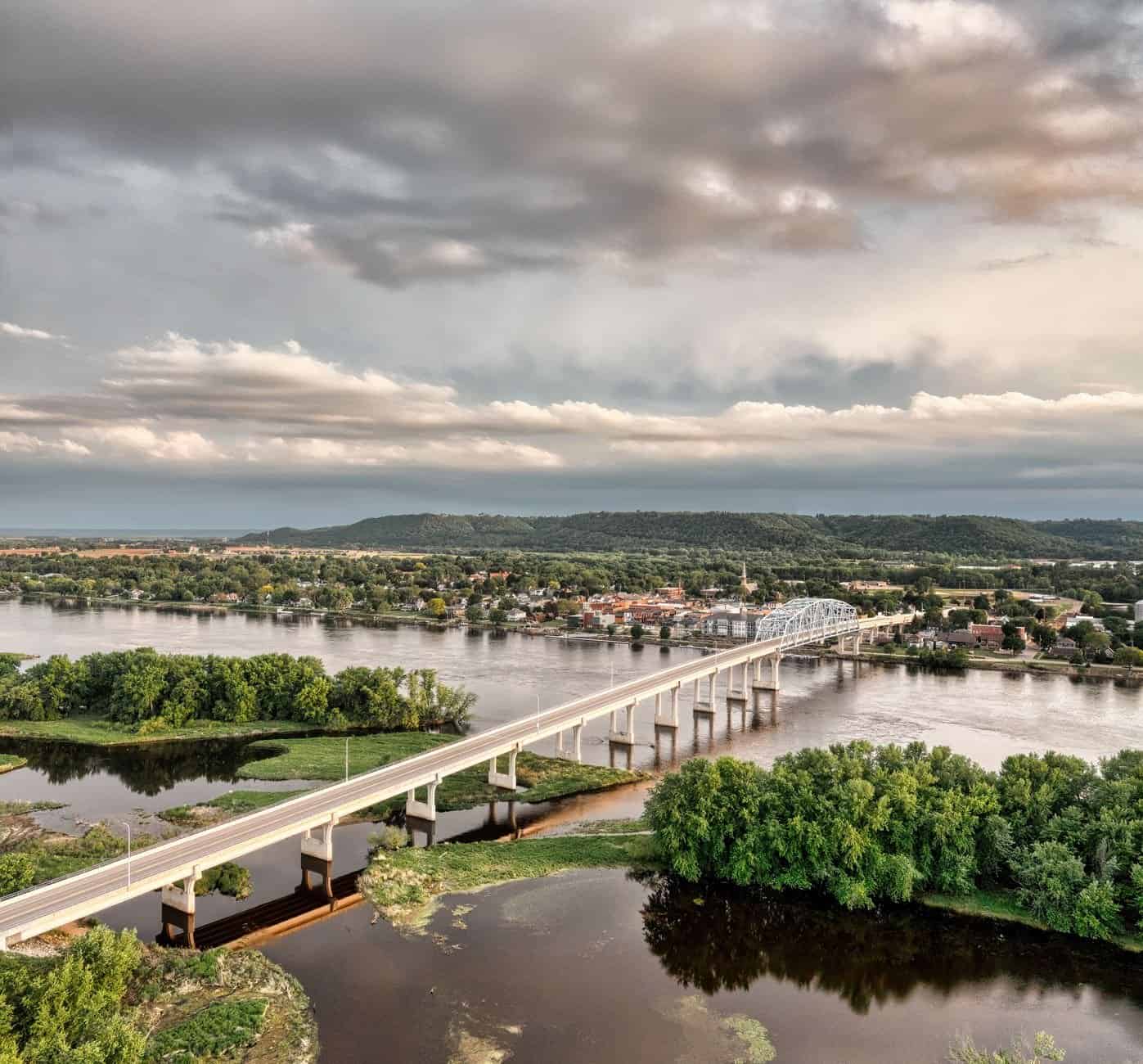
The rebuilt Bay-Waveland bridge, completed in 2007, reconnected Bay St. Louis to Pass Christian, and Old Town now hosts festivals, a weekly farmers market, galleries, and independent restaurants. Mardi Gras is celebrated with local parades, and small inns and bed-and-breakfasts give visitors a place to stay.
Visitors will find a laid-back, creative community with a clear small-town identity. The recovery here is human-scale, built from many small decisions. The challenge is affordability and risk: as the town became popular, home prices rose, and insurance costs climbed, making it harder for some longtime residents to stay.
What Explains the Difference
The two towns faced the same storm but took different paths. Several factors help explain why.
- Land use and law: Mississippi’s decision to allow casinos on land created a huge opportunity in Biloxi that did not exist in the same way in Bay St. Louis.
- Existing economy: Biloxi already had a gaming and tourism economy and the infrastructure to attract large investors. Bay St. Louis had a smaller base and relied on small businesses.
- Scale and capital: Large companies could rebuild quickly, while small property owners depended on insurance, grants, and volunteers.
- Local identity: Bay St. Louis residents prized their historic character and worked to preserve it, while Biloxi’s leaders prioritized economic scale and jobs.
- Geography: Some neighborhoods sat on higher ground or farther from the surge, while others were swept away and had to rebuild from nothing.
- Federal and state programs: Housing grants, flood rules, and elevation requirements affected what could be rebuilt and where.
Who Recovered and Who Didn’t
Recovery was uneven within each town. In many coastal communities, lower-income residents, renters, and people of color often faced greater barriers to rebuilding. Insurance disputes, rising costs for elevation, and new flood zone rules made it harder for some families to return. Some neighborhoods that had been affordable became more expensive after redevelopment, and some residents moved inland or out of state.
Nonprofits and community groups played an important role, helping families repair homes and navigate paperwork. The long timeline matters too. Years after the storm, empty lots remained in some neighborhoods, a reminder that recovery can take far longer than the headlines suggest.
The Money Behind the Rebuilding
Rebuilding the coast cost billions of dollars. The storm caused tens of billions of dollars in damage across the Gulf region, and Mississippi received large federal allocations for housing, infrastructure, and economic development. The state used Community Development Block Grant funds for homeowner assistance programs, and later for port and infrastructure projects, a choice that drew debate about whether funds were used well and who they helped.
Insurance also shaped the outcome. Homeowners who had flood and wind coverage could rebuild faster, while those without adequate coverage faced harder choices. In neighborhoods near the water, new building codes and elevation requirements raised costs, and many owners sold lots to developers or investors rather than rebuild.
Local Voices and Lasting Questions
Residents in both towns say recovery has been real and incomplete. Business owners talk about the volunteers who arrived in the first months, and the way community networks mattered more than government in the early weeks. Longtime families talk about the neighbors who left and did not return. Newcomers talk about the charm and the risk of living in a place that will face another hurricane.
The questions that remain are practical. How will the coast pay for flood protection and insurance as storms intensify? Can workers in casinos, shops, and restaurants afford to live near the jobs? Will the arts economy in Bay St. Louis stay open to a range of residents, or will rising prices narrow it? Who gets to define recovery: the planners, the investors, or the people who live there? Those questions are part of what you see when you visit.
What Visitors Will See
If you visit both towns, you will feel the contrast in a day.
- In Biloxi, walk or drive along the beach on Highway 90, see the Lighthouse, visit the Ohr-O’Keefe Museum, and tour the Maritime & Seafood Industry Museum. Try fresh Gulf shrimp and oysters at local seafood restaurants.
- In Bay St. Louis, stroll Old Town, browse galleries, walk the beach near the bridge, and eat at local cafes and seafood shops.
- Between them, you can drive the coast road through Pass Christian, Long Beach, and Gulfport, seeing how rebuilding changed each community.
Visit in spring or fall for pleasant weather and fewer storms. Hurricane season runs from June through November, and you should check forecasts before you travel.
Reading the Landscape
One of the most telling signs of recovery is what you see along the coast. Many oak trees survived Katrina, and some now have sculptures carved from their trunks, a project that turned dead trees into art. Slabs where houses once stood sit near new elevated homes on stilts. Historic homes that survived stand beside new construction built to higher standards. The mix of old and new tells the story of both loss and rebuilding.
Memorials and markers also record the storm. Plaques note the height of the surge on buildings, and local museums display photographs and artifacts. These sites are a reminder that the coast is still living with the memory of the storm.
Why It Matters
Disaster recovery is often described as a single story: a place is hit, then it rebuilds. The Gulf Coast shows that the story is more complicated. Different towns rebuild in different ways, shaped by money, policy, and community values. The result is a coast with casinos and small art galleries, with high-rises and historic cottages, and with winners and losers.
For visitors, the lesson is to look closely. A beach resort and a small-town bay front are both signs of recovery, but they come from different choices and tradeoffs. Spend time in both places, talk to locals, and you will see why recovery doesn’t look the same everywhere.