We may earn money or products from the companies mentioned in this post. This means if you click on the link and purchase the item, I will receive a small commission at no extra cost to you ... you're just helping re-supply our family's travel fund.
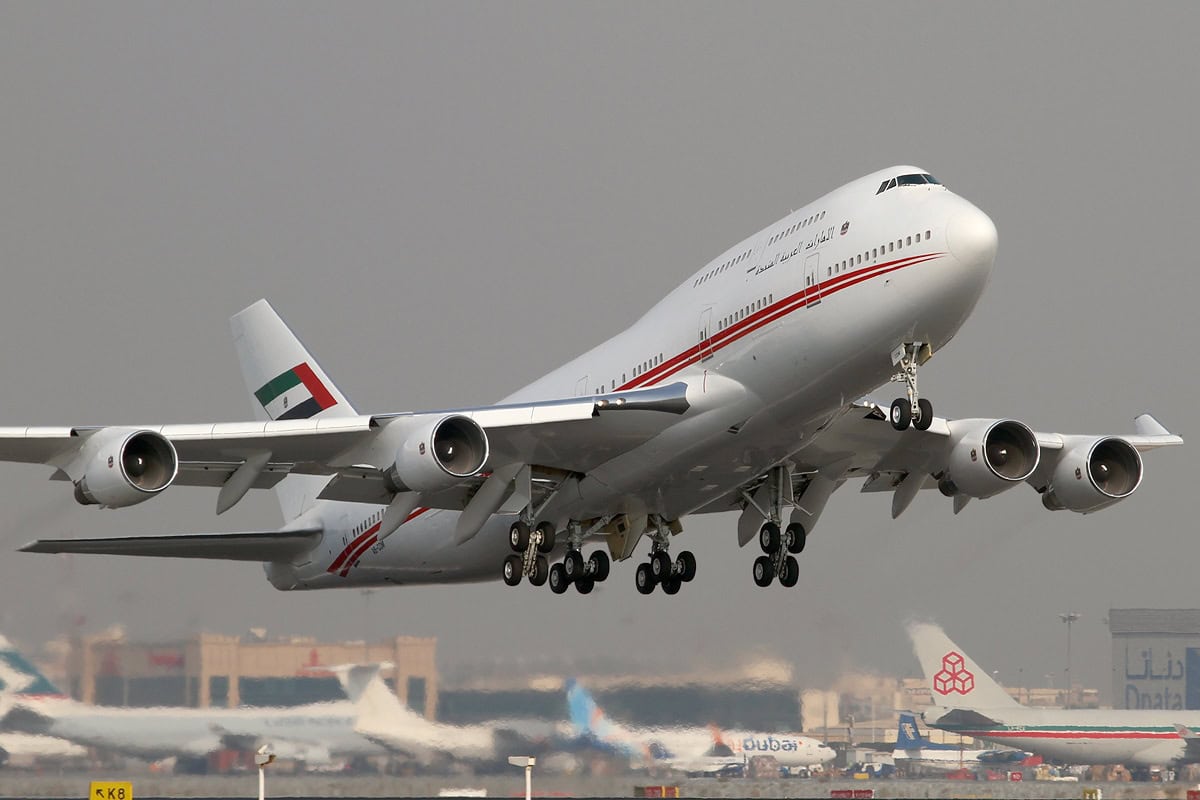
In late Feb. and early Mar. 2026, the Middle East’s biggest aviation crossroads began to feel less like bridges and more like bottlenecks. Rolling airspace closures and sudden pauses at major hubs have stranded passengers, scattered crews, and stretched routings that normally connect Europe, Asia, and Africa in one smooth arc. Families clutch hotel vouchers, business travelers refresh gate screens, and holidaymakers watch carefully planned arrivals dissolve into maybes. In a region built on fast connections, uncertainty is now part of the itinerary.
London To Delhi Via Dubai
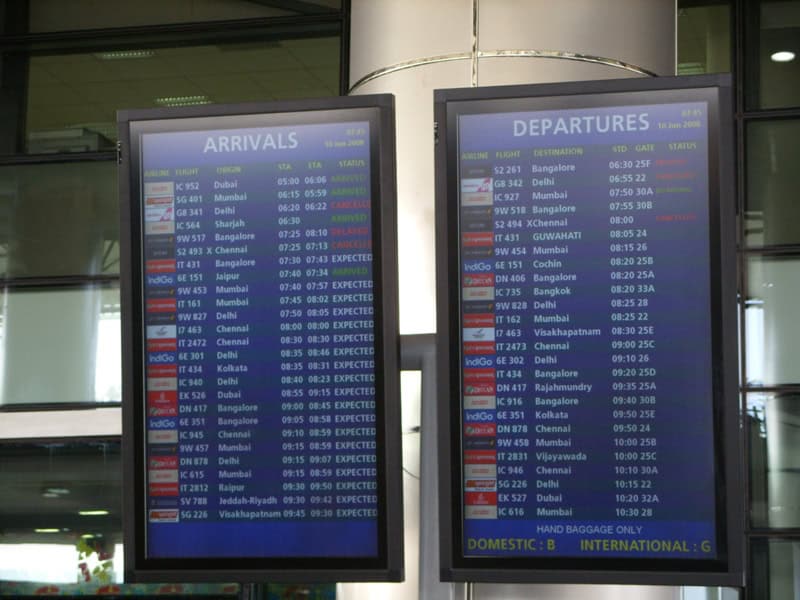
Flights that funnel through Dubai have turned volatile as Gulf hubs face rolling closures, heightened security checks, and tight, shifting corridors across nearby airspace. When Dubai International slows, missed India connections stack up fast, and rebooking lines grow, as aircraft and crews end up marooned in the wrong cities, breaking carefully timed bank-to-bank transfers. Even trips that still operate can land into multi-hour holds, sudden gate swaps, and baggage tagged for a later departure, while hotels inventory vanishes and ticket rules get rewritten in real time at crowded transfer desks, especially during late-night surges in March.
New York To Nairobi Via Doha
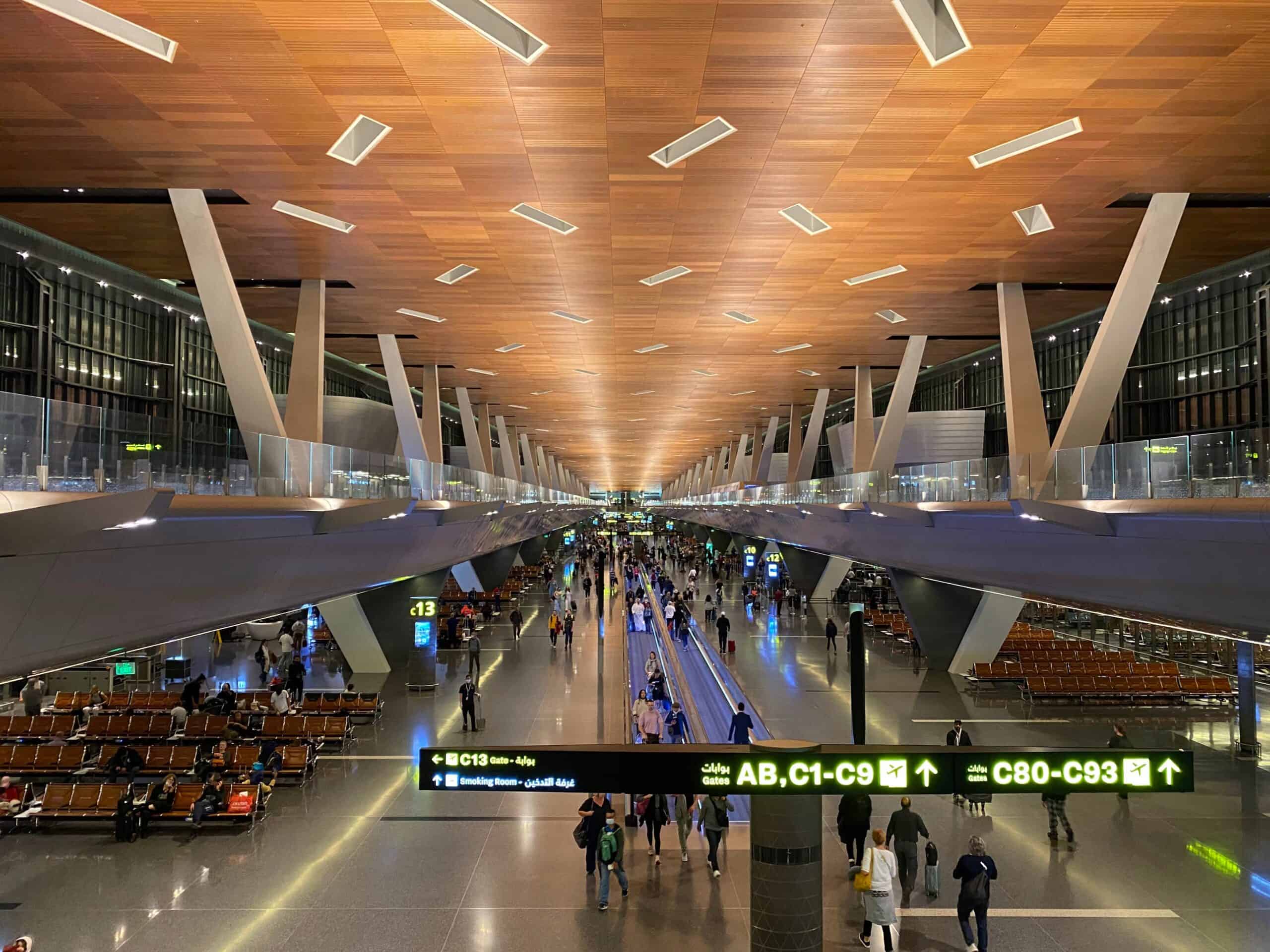
Transatlantic routes that rely on Doha can hit a hard wall when Qatari airspace closes and schedules pause with little notice. A long-haul cancellation strands passengers far from home, and the fallback often involves reroutes through Europe with tight, unfamiliar connections and fresh ticketing rules, sometimes split across multiple partner airlines. Even when flights resume, the knock-on delays can erase safari pickups, conference starts, and family meetups in Nairobi, because baggage may be held behind security checkpoints and the whole network must untangle aircraft, crews, and airport slot limits before stability returns for days on end.
Paris To Bangkok Via Abu Dhabi
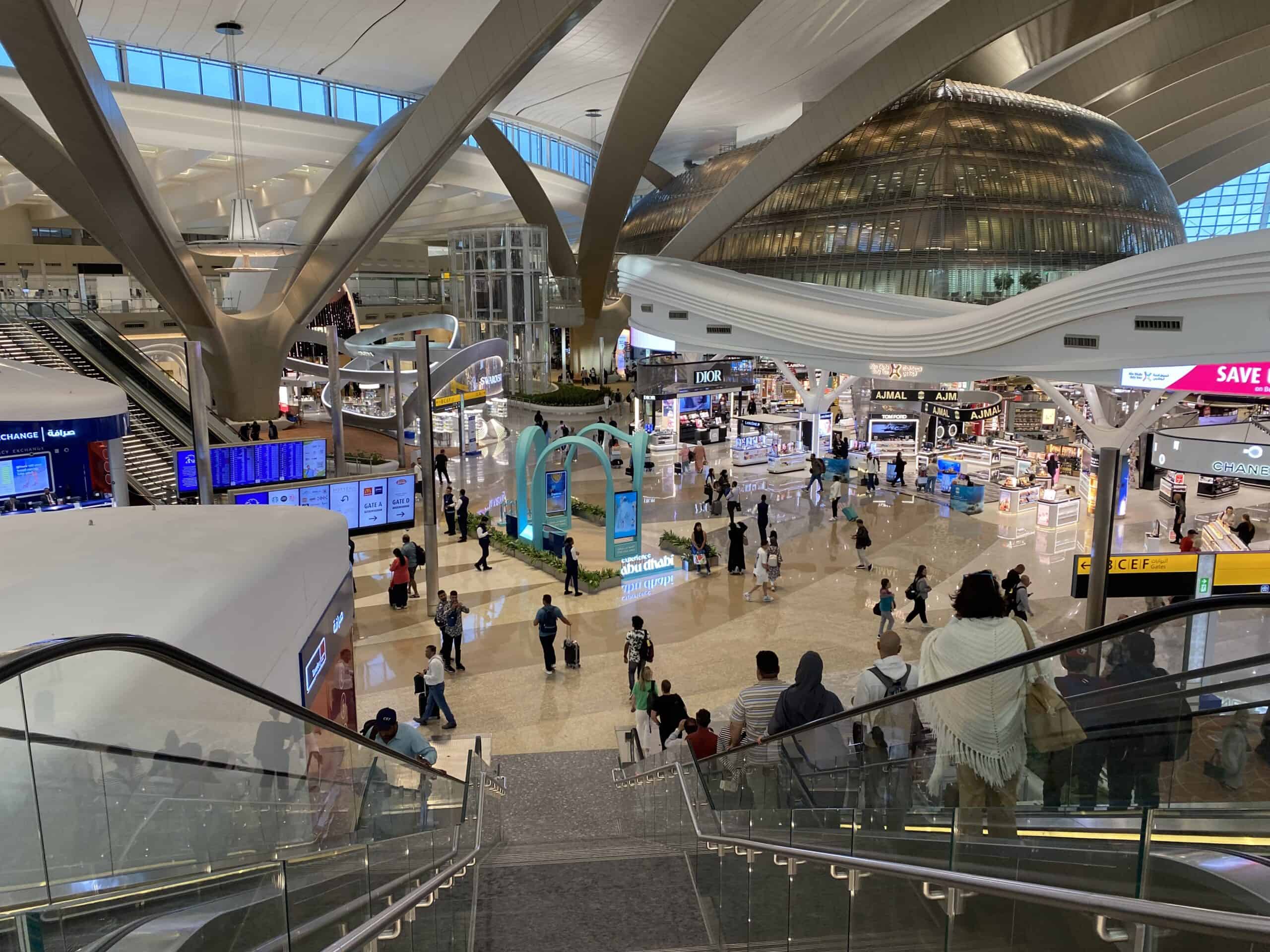
Paris-to-Bangkok itineraries that hinge on Abu Dhabi suffer when the hub runs on irregular operating windows, heavier screening, and shifting departure banks. If an inbound from Europe arrives late, the onward wave to Asia may already be gone, leaving standby lists, hotel vouchers, and a scramble for scarce seats across the next 24 hours, while airline apps refresh with contradictory options. Detoured routings add flight time and fatigue fuel plans change, and crew duty limits tighten, so even a confirmed booking can be reissued mid-journey, rippling into missed rail links, late-night arrivals, and lost reservations in Thailand’s peak months.
Toronto To Karachi Via Sharjah
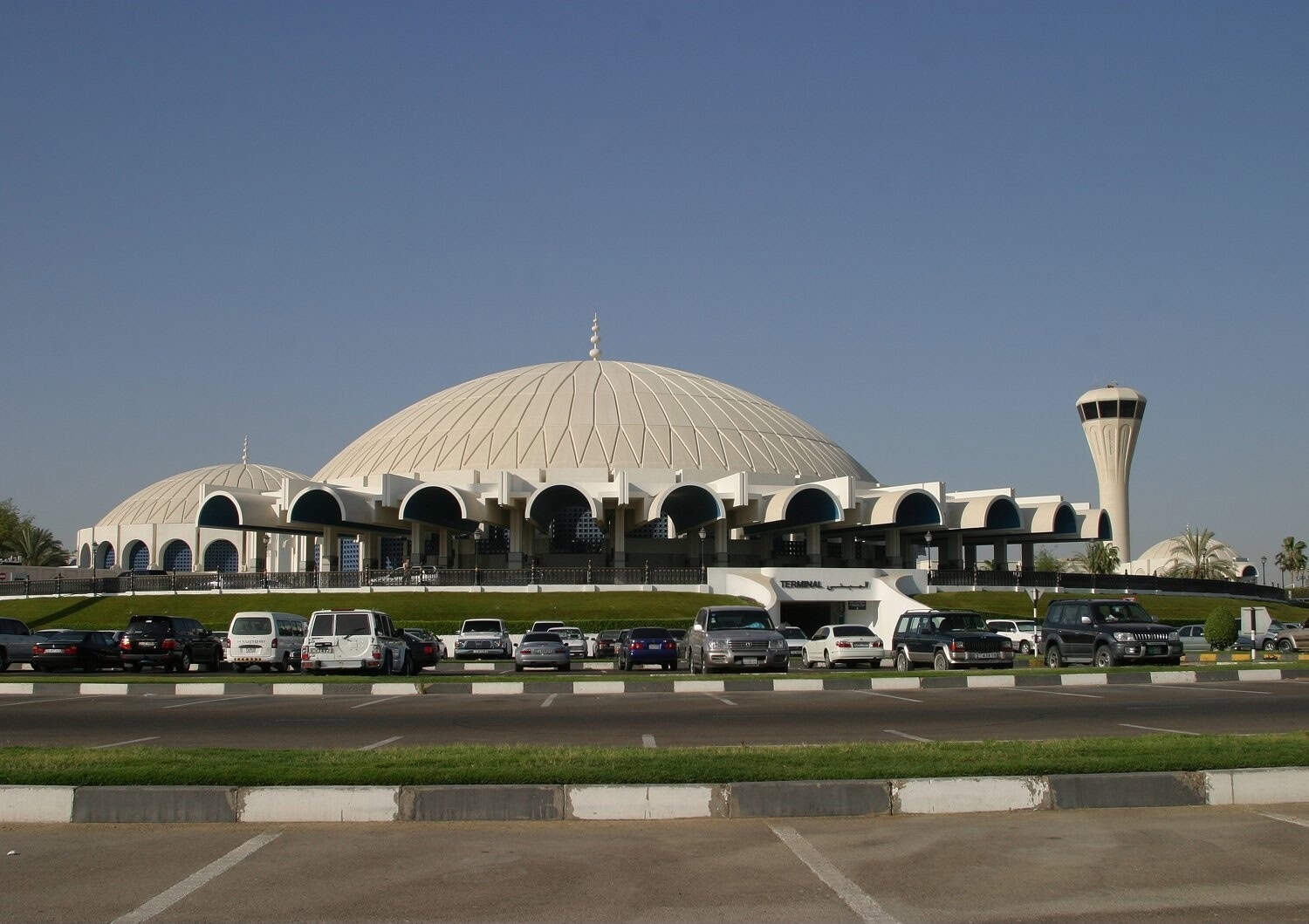
Toronto-to-Karachi routings via Sharjah can unravel quickly when Gulf-wide disruptions spill beyond the biggest airports. When a carrier suspends one segment, passengers may be pushed into complex fixes that involve self-transfers, separate tickets, and long layovers that do not protect the onward leg, plus baggage rechecks and, at times, a land transfer to another UAE airport that raises visa questions. Packed halls, longer security lines, and sudden boarding changes make it harder to manage families, elders, and tight baggage limits, and the journey can end with an unexpected overnight and a missed arrival window in Pakistan by early dawn.
Frankfurt To Colombo Via Kuwait City
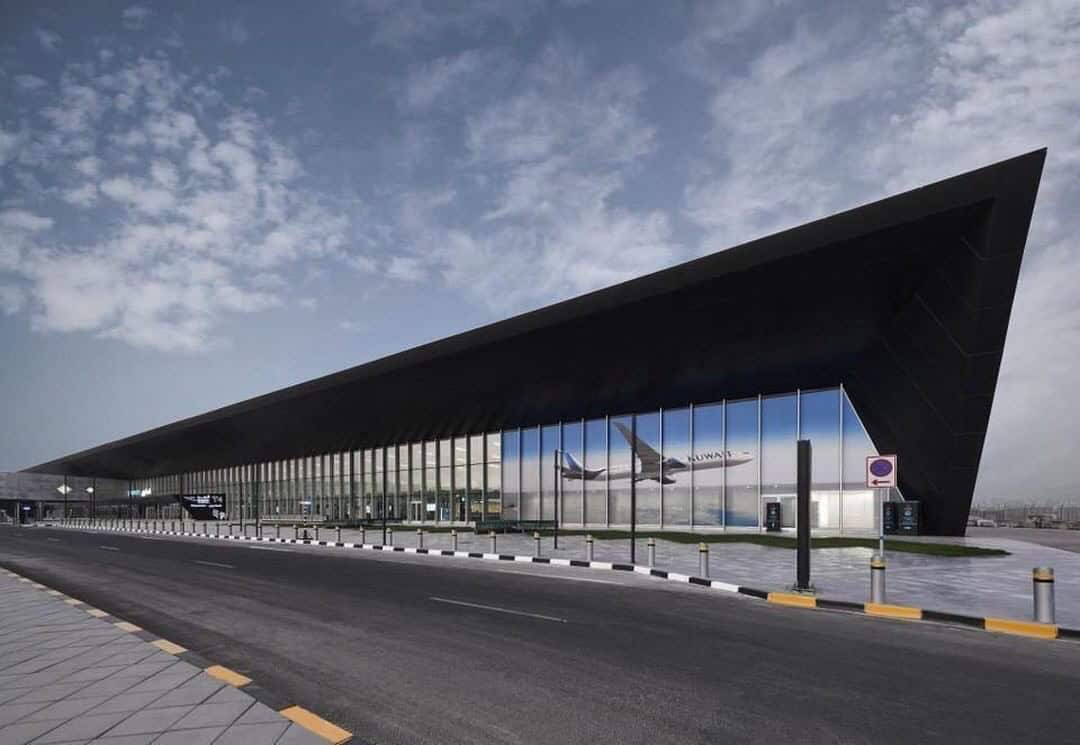
Frankfurt-to-Colombo connections through Kuwait City sit near the region’s airspace pinch points, where detours funnel into fewer safe lanes and create slot delays. That congestion brings holding patterns and uncertain arrival times, which is brutal for South Asia flights that depart in short waves and close their doors on schedule, especially on sub-2-hour connections. Even when the onward leg operates, gate assignments can often flip late, bus-boarded stands add minutes, and baggage may miss the turn, leaving travelers stuck overnight with limited hotel capacity and few same-day alternatives to Sri Lanka after a long overnight from Europe.
Rome To Dhaka Via Bahrain
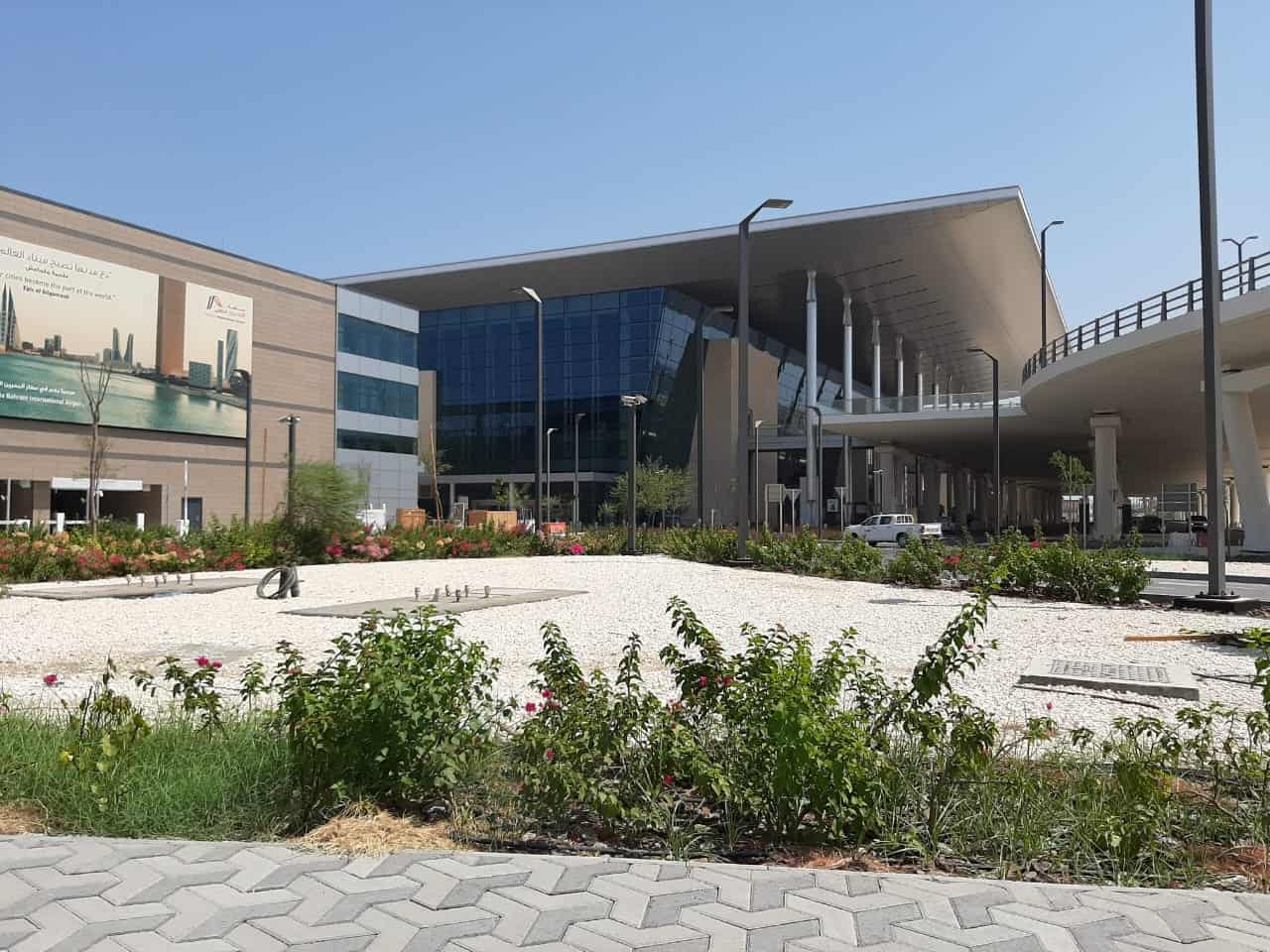
Rome-to-Dhaka itineraries that stop in Bahrain can often wobble when diversions stack up and a smaller terminal has to absorb unexpected widebodies and charter traffic. Once gates are full airlines prioritize aircraft recovery and crew legality, and onward South Asia legs may slip first, leaving travelers watching departure boards that keep resetting while call centers quote different answers. Rebookings can add extra stops, extend transit time beyond 12 hours, and trigger fresh baggage screening and document checks, while nearby hotel rooms and airport shuttles fill fast during disruption nights and early-morning pushbacks, in Mar. 2026 too.
Sydney To Istanbul Via Dubai And Doha
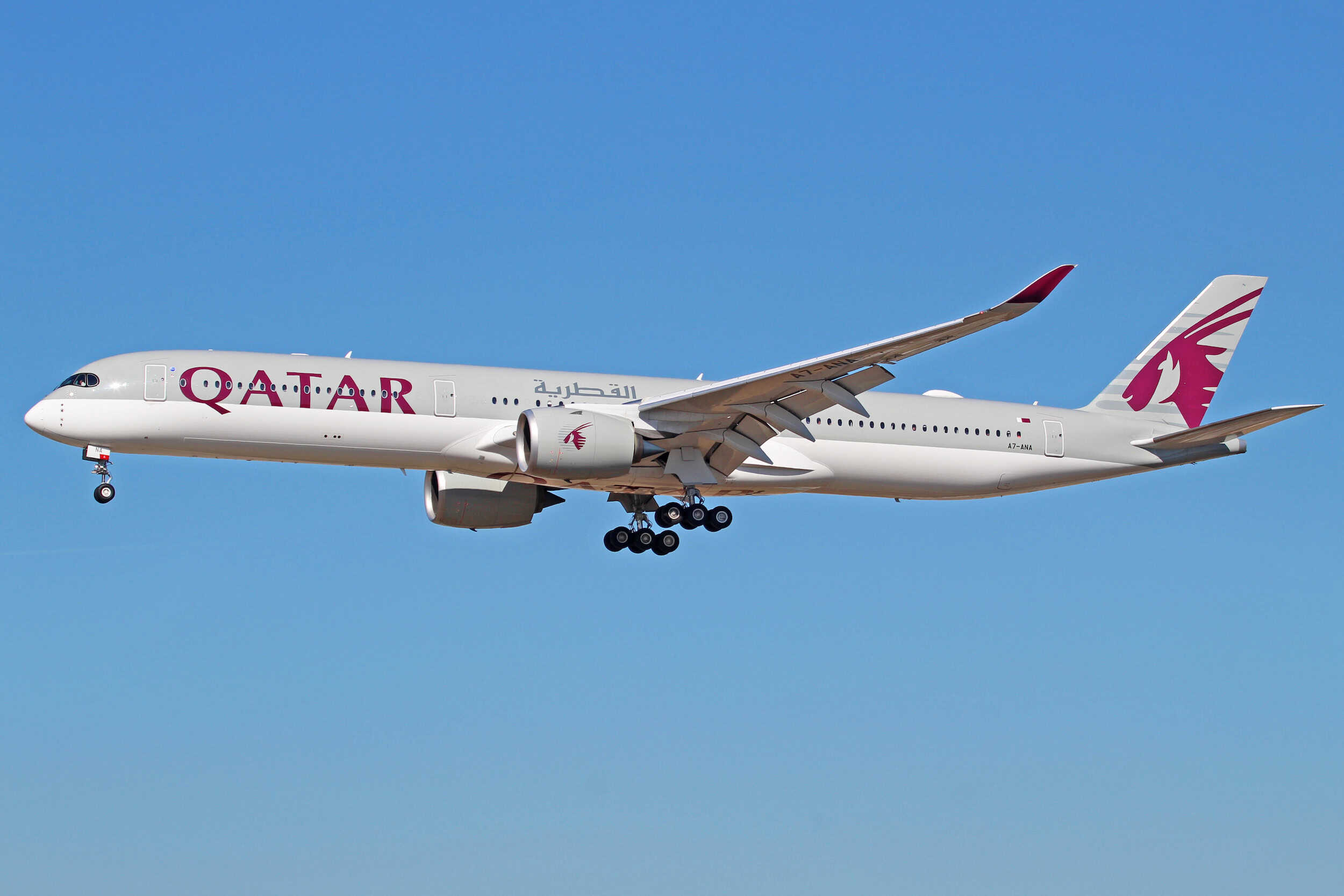
Sydney-to-Istanbul itineraries that stack Gulf hubs absorb the worst network whiplash, because two disrupted nodes double the failure points and compress the margin for error. A delay leaving Australia can miss the first connection, and a sudden airspace shutdown can erase the backup option, stranding passengers between terminals while airlines juggle duty limits, hotel shortages, and ticket reissues across partners. Detours inflate flight time and fatigue and when crews time out, the next departure may slide again, turning a planned layover into an exhausting, open-ended wait that bleeds into tours, meetings, and family plans in Türkiye now.
Cairo To Dubai And Abu Dhabi Connections
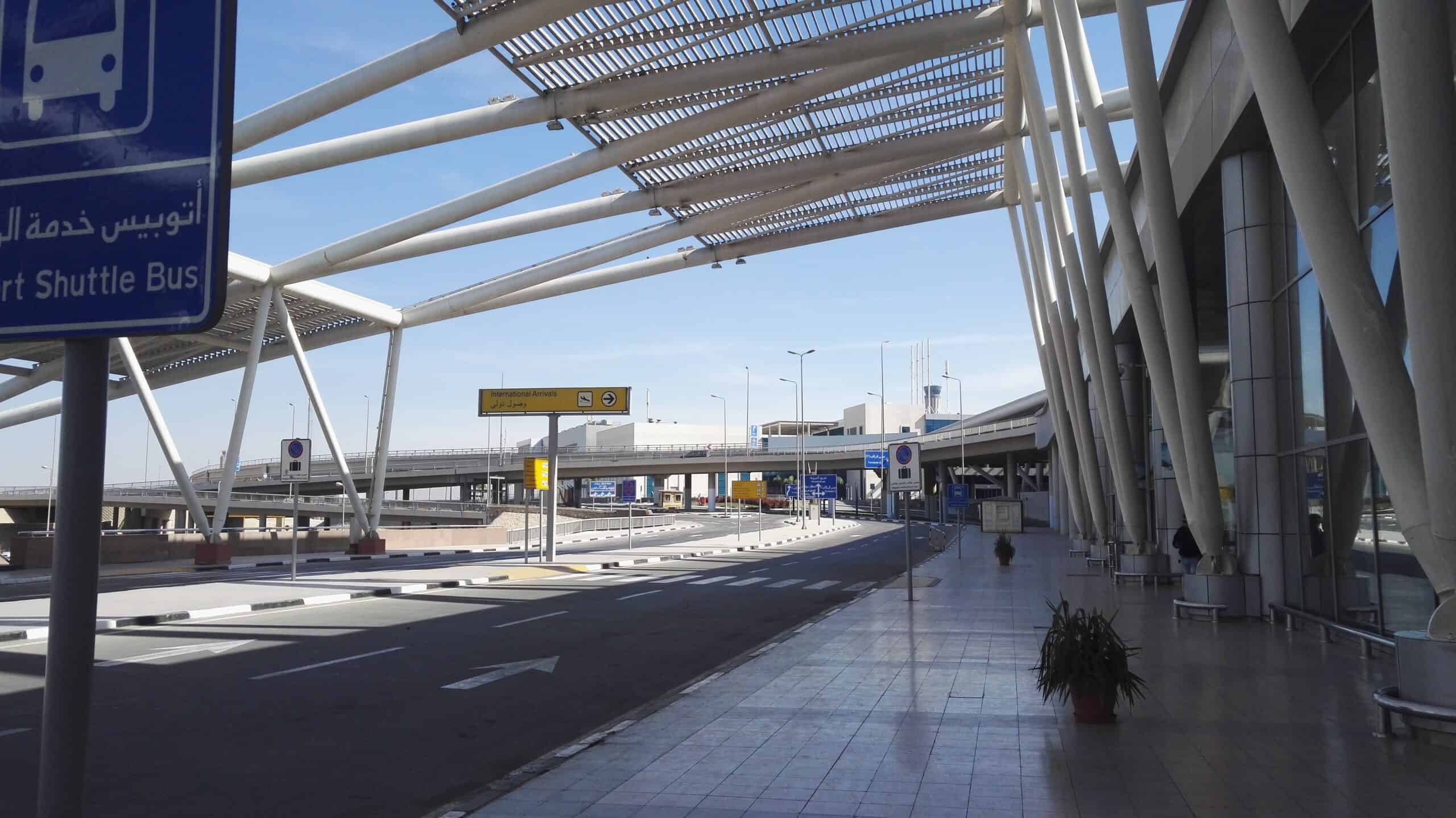
Cairo links into Dubai or Abu Dhabi are fragile because many rely on one narrow arrival bank before the long-haul departures fan out. When Gulf hubs pause operations, short flights from Egypt can be delayed on the ground, diverted, or even sent back, leaving passengers stuck mid-journey with rebooking options shrinking, by the hour and baggage held behind transfer screening. That limbo lands hard on business and family travel alike, as short-stay visas, prepaid hotels, and medical appointments tick away, and airports fill with exhausted travelers waiting for the first reliable departure window to return later in the week, if it comes at all.
Riyadh To Europe Via Dubai Or Doha
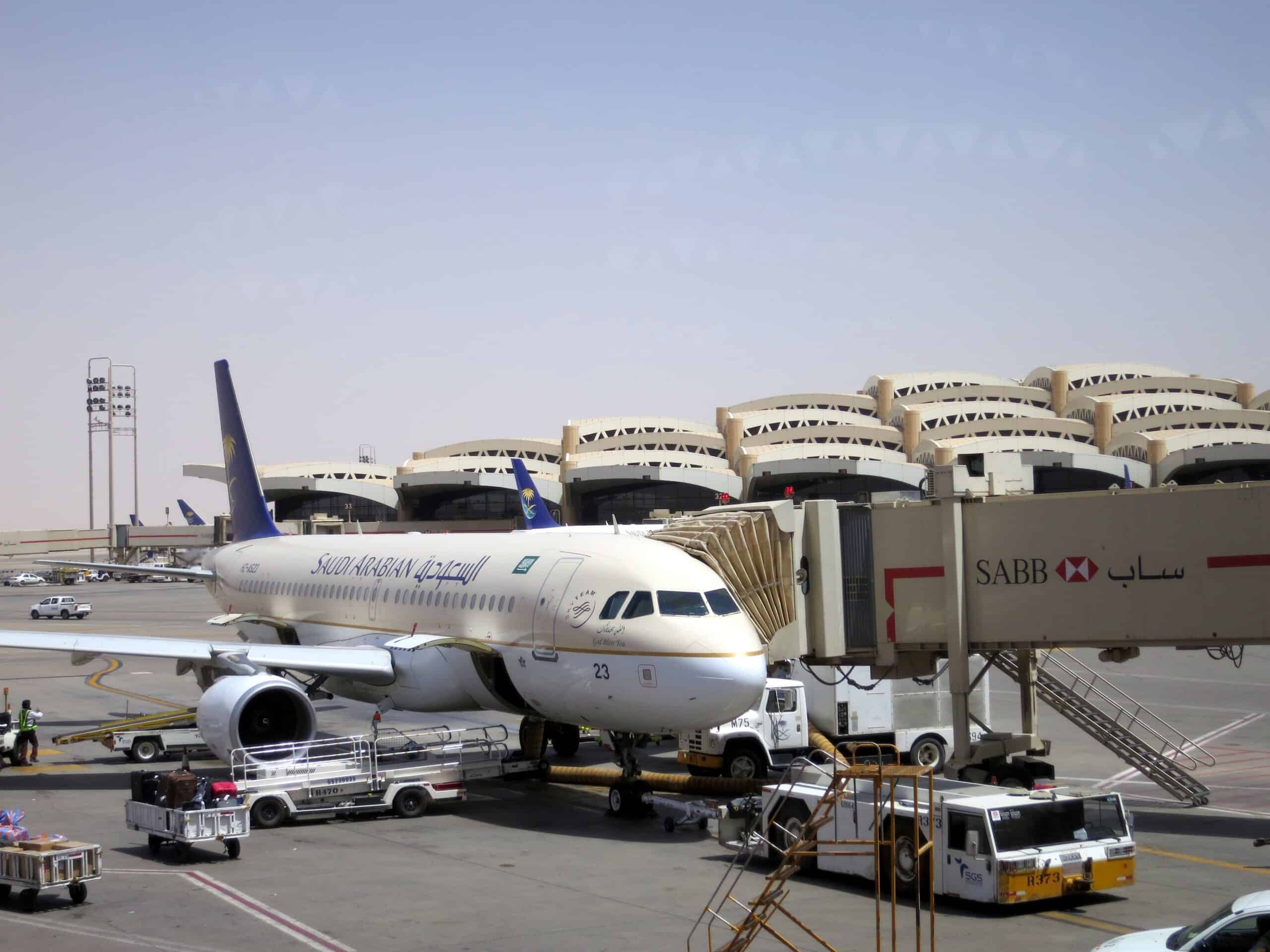
Riyadh-to-Europe plans that depend on connecting through Dubai or Doha can collapse when the regional web of onward flights thins overnight and safe corridors narrow. Rebookings often come as longer layovers different airports, or indirect routings that swap a simple two-leg day into a multi-stop marathon, and the only option can be a land transfer to another Gulf gateway, with crowding and limited hotel vouchers. When departure slots keep shifting, travelers can lose carefully booked rail transfers, event tickets, and checked bags, because the itinerary changes faster than airline systems, airport screens, and customer service desks can sync.