Marfa, Texas Is Getting 10,000 Visitors a Weekend. The Locals Who Built It Are Already Leaving
We may earn money or products from the companies mentioned in this post. This means if you click on the link and purchase the item, I will receive a small commission at no extra cost to you ... you're just helping re-supply our family's travel fund.
Marfa, Texas sits in the high desert of Presidio County, 200 miles from the nearest commercial airport and 60 miles from the nearest chain grocery store. Its population is about 1,800 people. On peak weekends in 2025 and 2026, it receives upward of 10,000 visitors. The infrastructure, the housing stock, the water supply, and the community fabric were not designed for this.
How Marfa Became Famous — and What That Fame Is Doing to It
Marfa’s transformation from a small ranch town into a global art destination began with Donald Judd, the minimalist artist who moved there in 1971 and began converting warehouses and former military buildings into permanent art installations. The Chinati Foundation, which Judd founded, became one of the most important contemporary art destinations in the world — and it sits in a town of fewer than 2,000 people in one of the most remote parts of the continental United States.
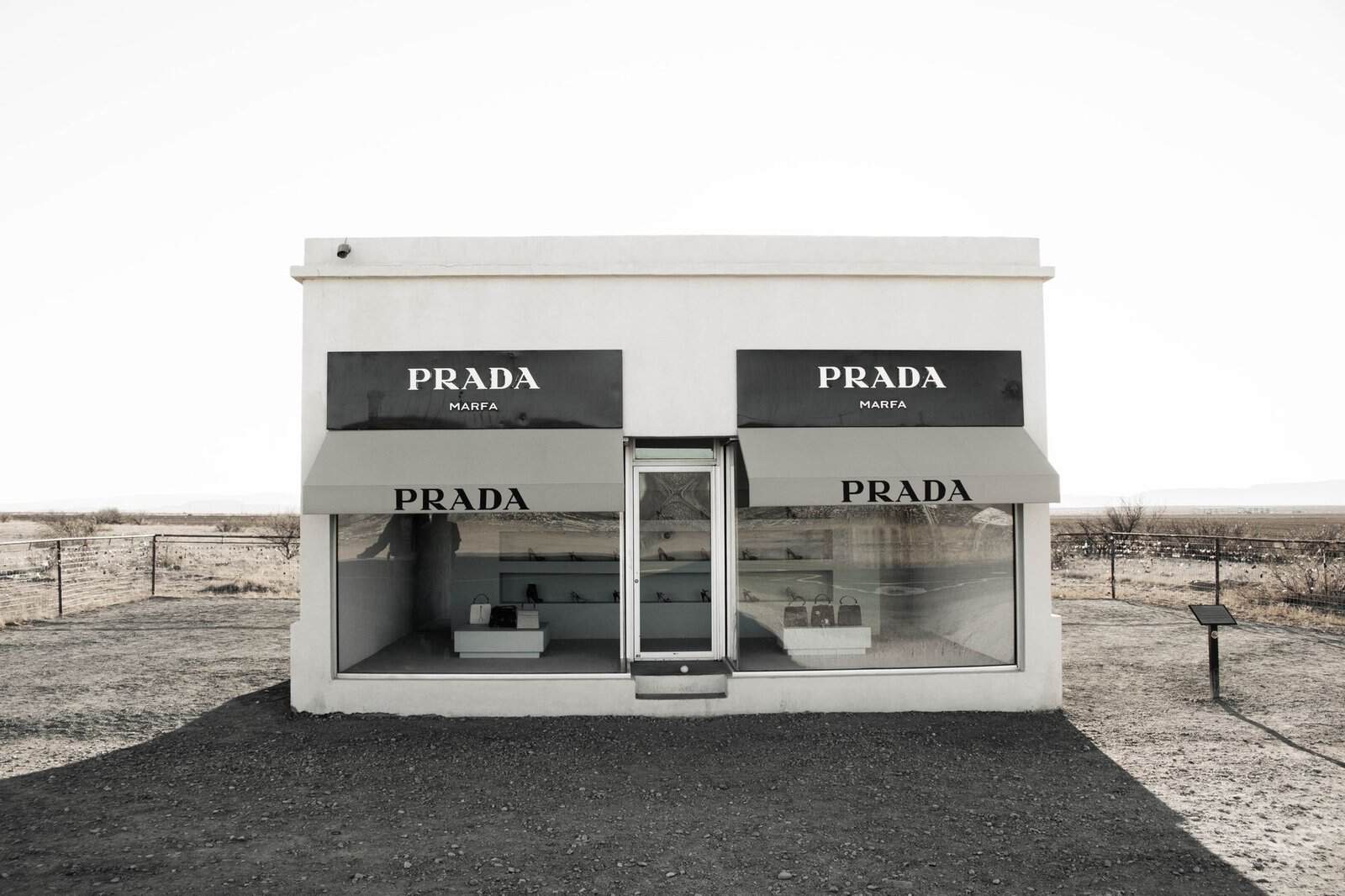
For decades, Marfa’s remoteness was its protection. The drive from Dallas is seven hours. From San Antonio, five. The town attracted artists, writers, and creative people who wanted exactly what Marfa offered: space, light, silence, and a community of serious people working seriously on art. Then social media arrived, the Prada Marfa installation became one of the most-photographed spots in Texas, and the logistics of getting there became a badge of honor rather than a deterrent.
What 10,000 Weekend Visitors Does to a Town of 1,800
- Every restaurant has a 45-minute to two-hour wait on weekend evenings
- Hotel and Airbnb prices have increased 200–300% since 2019
- Long-term rental inventory has nearly collapsed as property owners convert to short-term vacation rentals
- Water usage in this desert town is under serious strain
- Local institutions — the coffee shop, the bookstore, the art galleries that weren’t tourist-facing — are in flux as rents rise
The Artists Are Leaving
The artists and writers who made Marfa what it is — not the famous names, but the working creative community that gave the town its culture — have been leaving in a pattern that’s become hard to ignore. The town’s rental market has become oriented toward short-term tourist stays. Live-work studio spaces are either gone or priced at rates that working artists cannot afford. Several longtime Marfa residents have moved to nearby Alpine, Valentine, and Fort Davis — smaller towns with even less infrastructure but also without Marfa’s real estate premium.
What Marfa Still Has That’s Worth the Drive
Despite the pressures, Marfa’s core assets remain. The Chinati Foundation’s permanent collections — particularly the aluminum box installations and the Dan Flavin fluorescent light works — are genuinely transformative experiences that can’t be replicated anywhere else. The light quality of the high desert is real and extraordinary. Big Bend National Park, one of the least-visited national parks in the country despite being one of the most stunning, is 90 minutes south. The night sky is still one of the darkest in Texas.
How to Visit Without Contributing to the Problem
- Visit on a weekday — the difference between a Tuesday and a Saturday in Marfa is complete
- Stay longer, not shorter — a 3-day weekday visit serves the town and you better than a weekend blitz
- Eat at local, non-Instagram-famous spots rather than adding to the wait at the three places that have gone viral
- Book Chinati Foundation tours in advance — they have capacity limits by design
- Extend your trip to Alpine or Fort Davis, where your dollars support communities that still need them
Marfa is one of the most interesting places in America. It is also a cautionary tale about what happens when a small, fragile community becomes a destination for millions of people who love it in ways it cannot sustain. Going there thoughtfully doesn’t fix the structural problem — but it does mean you’re part of a solution rather than part of the pressure.