We may earn money or products from the companies mentioned in this post. This means if you click on the link and purchase the item, I will receive a small commission at no extra cost to you ... you're just helping re-supply our family's travel fund.
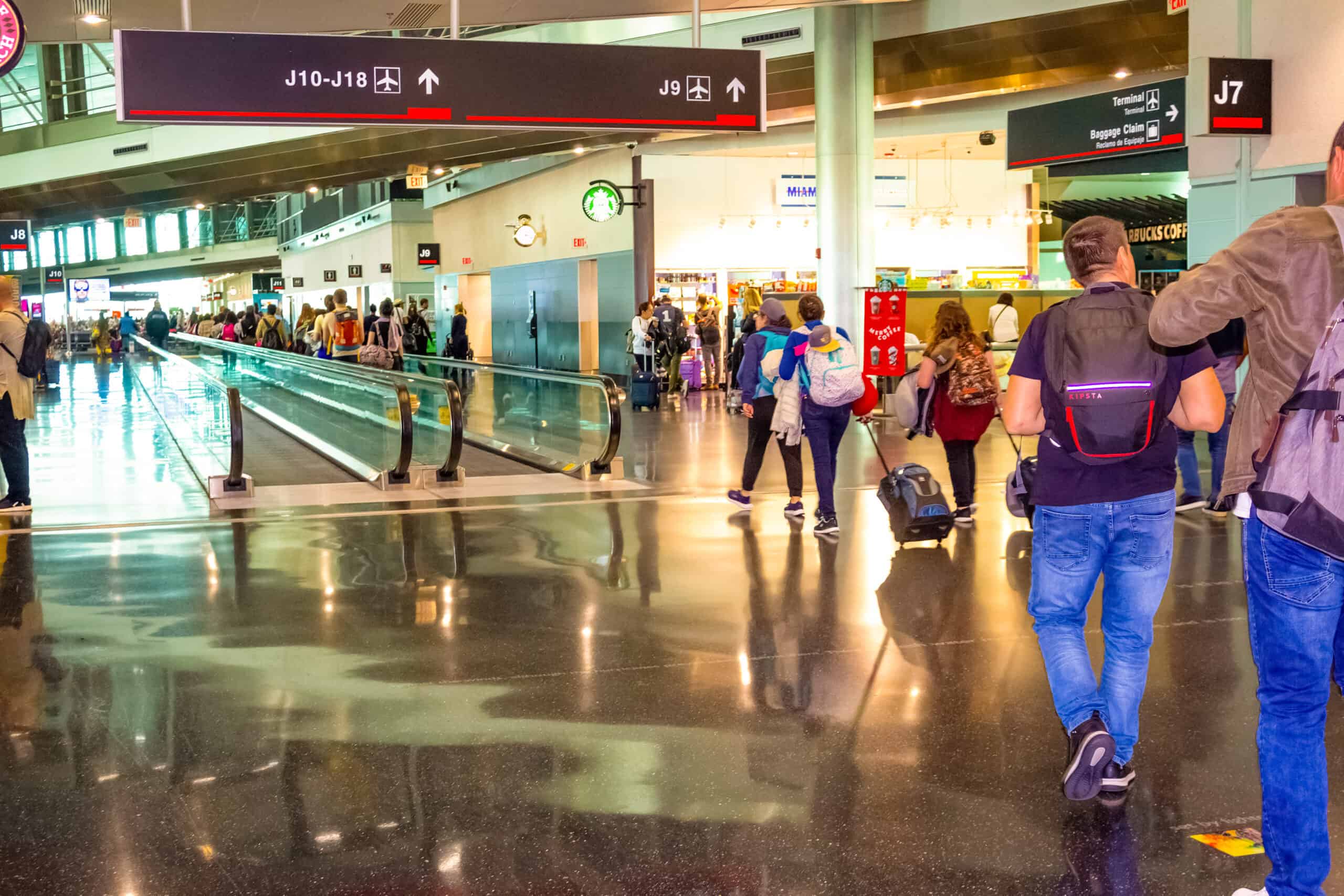
Southwest Florida International Airport in Fort Myers has entered the awkward middle chapter of growth, where progress is real but convenience gets thinner before it gets better. Lee County Port Authority confirmed permanent closures of several food and retail concessions in the main terminal and Concourse C as Phase 1 work moves forward, leaving fewer pre-security choices for travelers and families. Airside concessions remain available, but the shift changes the feel of the terminal at one of the nation’s busiest airports.
Two Nights Changed the Terminal Routine
The closure schedule was not vague or gradual. In a Jan. 28 advisory, the Lee County Port Authority gave RSW travelers a precise timeline for when the losses would hit. Sunday night, Feb. 1, brought permanent closures for Great American Bagel in Concourse C, Jose Cuervo Tequileria in the main terminal, and Sbarro in Concourse C. Monday night, Feb. 2, followed with Brighton Collectibles, Coastal News, Dylan’s Candy Bar, and the PGA Tour Shop in the main terminal. The wording made clear these were permanent changes tied to construction work. That precision gave people little time to adjust, but it also left no confusion about what was changing.
Concourse C Lost Fast, Familiar Food Stops
Concourse C took one of the most noticeable hits because it lost two familiar food names at once. The advisory confirmed permanent closures for Great American Bagel and Sbarro in that concourse, removing quick, recognizable options that many passengers used without much thought. RSW’s terminal map helps show why the change feels concentrated, with multiple Concourse C concessions grouped tightly together. When two anchors disappear from the same cluster, the loss feels larger than a simple count of stores suggests for people moving through that wing. It leaves a thinner Concourse C corridor, with fewer backup choices during delays and crowds.
Main Terminal Retail Took the Hardest Hit
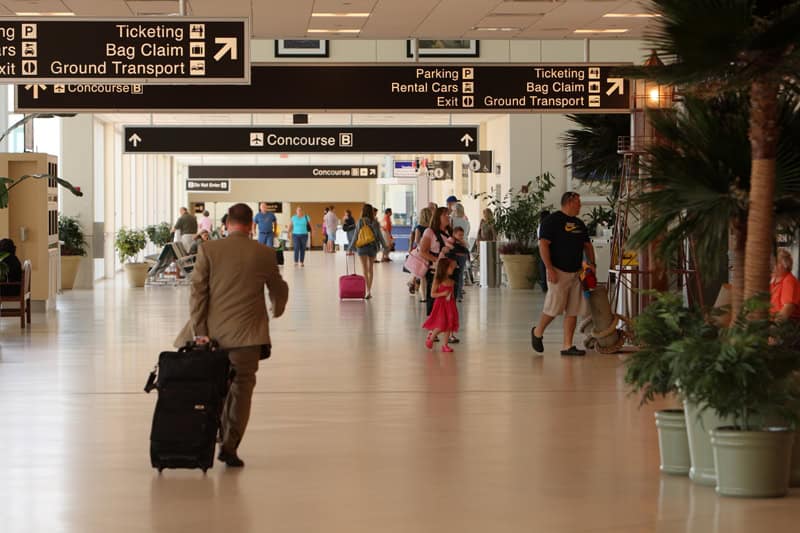
The main terminal closures cut deeper than a normal concession shuffle because they narrowed the public side of the airport, where people often wait, browse, and buy last-minute items before security. Jose Cuervo Tequileria closed there, along with Brighton Collectibles, Coastal News, Dylan’s Candy Bar, and the PGA Tour Shop. Those businesses covered food, gifts, reading material, and impulse purchases across different needs. In practical terms, the terminal now offers fewer ways to pass time comfortably while seeing someone off or arriving early for flights. The reduction shows most during delays, when tiny comforts can steady rougher waits.
Pre-Security Options Are Now Much Thinner
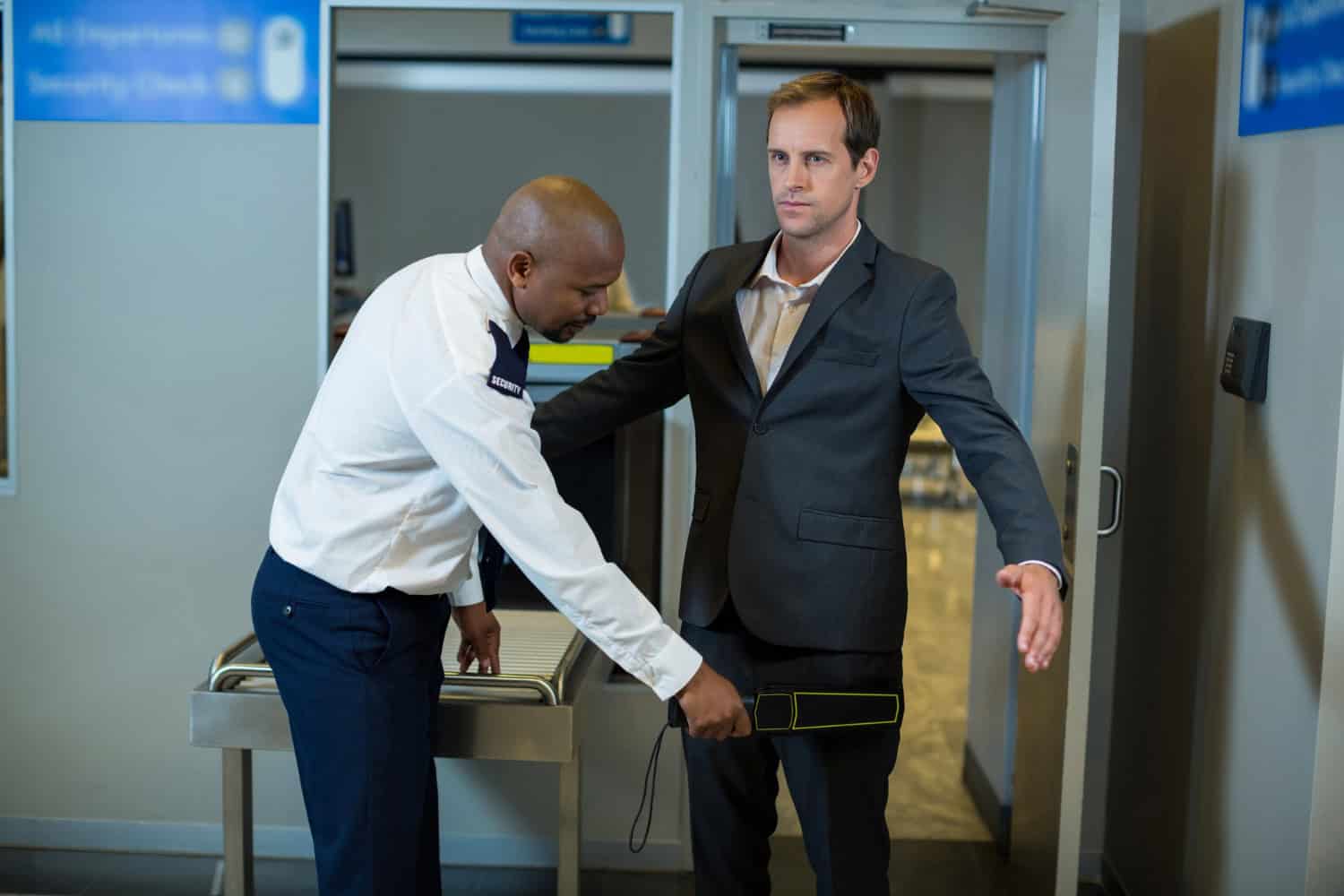
RSW did not leave the pre-security side empty, but the remaining list is short and specific. The advisory says the Dunkin’ locations in the hallways leading to Concourses B and D will remain open for food and drinks, and a Grab & Go concession kiosk stays available in baggage claim near Door 2. For pre-security retail, Beaches Travelmart in the Dunkin’ locations will remain open as well. That keeps coffee, snacks, and a limited shopping option in place, yet it also confirms how much less variety now exists before screening. For greeters, pickups, and families waiting outside security, the terminal now feels more functional than warm and easy.
Post-Security Concessions Still Carry the Load
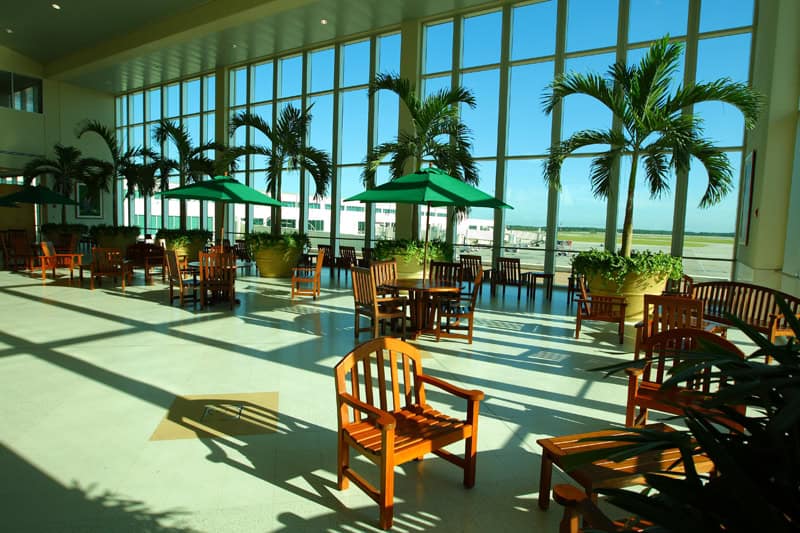
The airport’s most important cushion is that post-security service remains intact. The port authority advisory states that travelers will still have retail and food and beverage available after security on all concourses, which preserves the basic travel experience for ticketed passengers. RSW’s terminal map also shows a wider spread of dining and shopping labels across Concourses B, C, and D, even while part of the terminal footprint is marked closed for construction. In other words, the disruption is real, but it does not gut the entire airside operation. That keeps flights moving smoothly, while shifting the pain to pre-security waits now.
Construction Is Visible in the Layout Itself
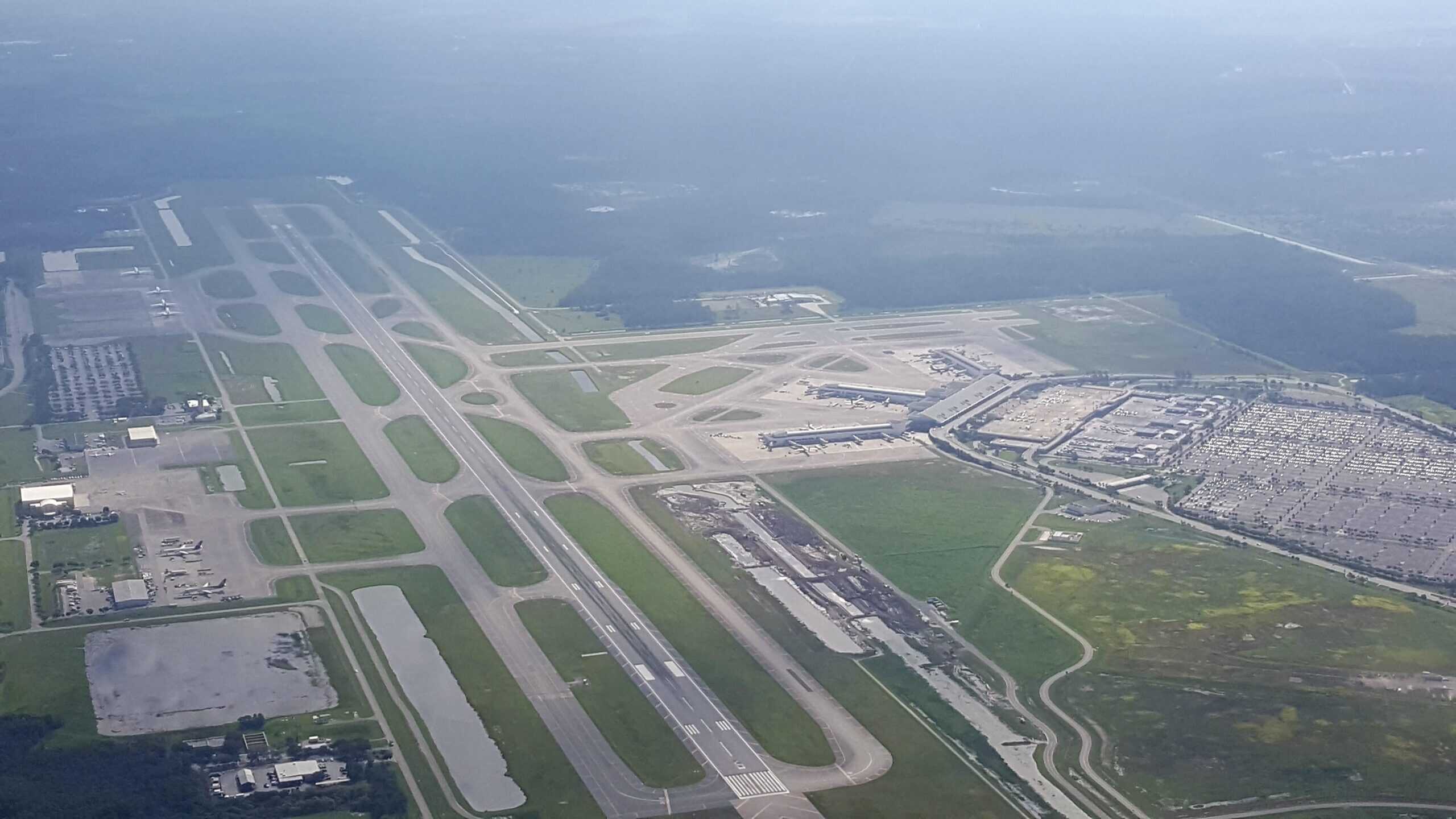
The closures are not just a line item in an airport update. RSW’s published terminal map literally labels part of the terminal area as closed for construction, making the disruption visible in the airport’s own layout. That visual detail reinforces what the Jan. 28 advisory explains: the closures are part of Terminal Expansion Project Phase 1, not a random concession turnover. The port authority also said it will continue posting updates on its website and Facebook so travelers can track construction-related changes before a terminal visit starts feeling unfamiliar. Those updates matter because regular fliers can still be surprised by shifts.
The Bigger Project Promises More Capacity Later

The long-term argument for tolerating the inconvenience is scale. WGCU reported that a newer expansion phase at RSW includes Concourse E with 14 gates, connecting walkways, more food options, and a nine-lane security checkpoint, with a late 2027 opening target. That is a major capacity and passenger-flow upgrade, not a cosmetic remodel. The same reporting described the broader buildout as a $1.1 billion expansion effort, which helps explain why short-term disruption is showing up in visible ways now rather than through a quiet process. It is a larger payoff, and it helps explain why officials keep asking travelers to endure the middle period.
Delays and Costs Have Made the Tradeoff Harder
yourapechkin/123rf
The tradeoff has been harder to accept because Phase 1 has been tangled in delays and rising costs. WGCU reported that work on the existing terminal expansion had been stopped for about a year, and the companies involved were seeking nearly $347 million in new contracts to finish it. The same report said that timeline could run roughly to the end of 2028, while another WGCU report noted Phase 1 had originally been budgeted at about $331 million. Even so, airport funding for construction is described as coming from grants, airline fees, and revenue bonds, not local property taxes. It softens the public burden, but inconvenience is still daily.