Luxury Hotels Stopped Selling Rooms and Started Selling Experiences. The Room Rate Barely Covers What They Now Charge For.
We may earn money or products from the companies mentioned in this post. This means if you click on the link and purchase the item, I will receive a small commission at no extra cost to you ... you're just helping re-supply our family's travel fund.
Book a room at a five-star hotel today and the actual room is often the smallest line item on the eventual bill. Curated excursions, private chef dinners, wellness programming, and branded partnership activities have become the primary way luxury hotel brands compete for high-spending guests, a shift that’s transformed the economics of luxury hospitality from a real estate business, selling a nightly rate for a physical room, into something closer to an experience-design business layered on top of the room.
The Shift Was a Direct Response to Commoditization
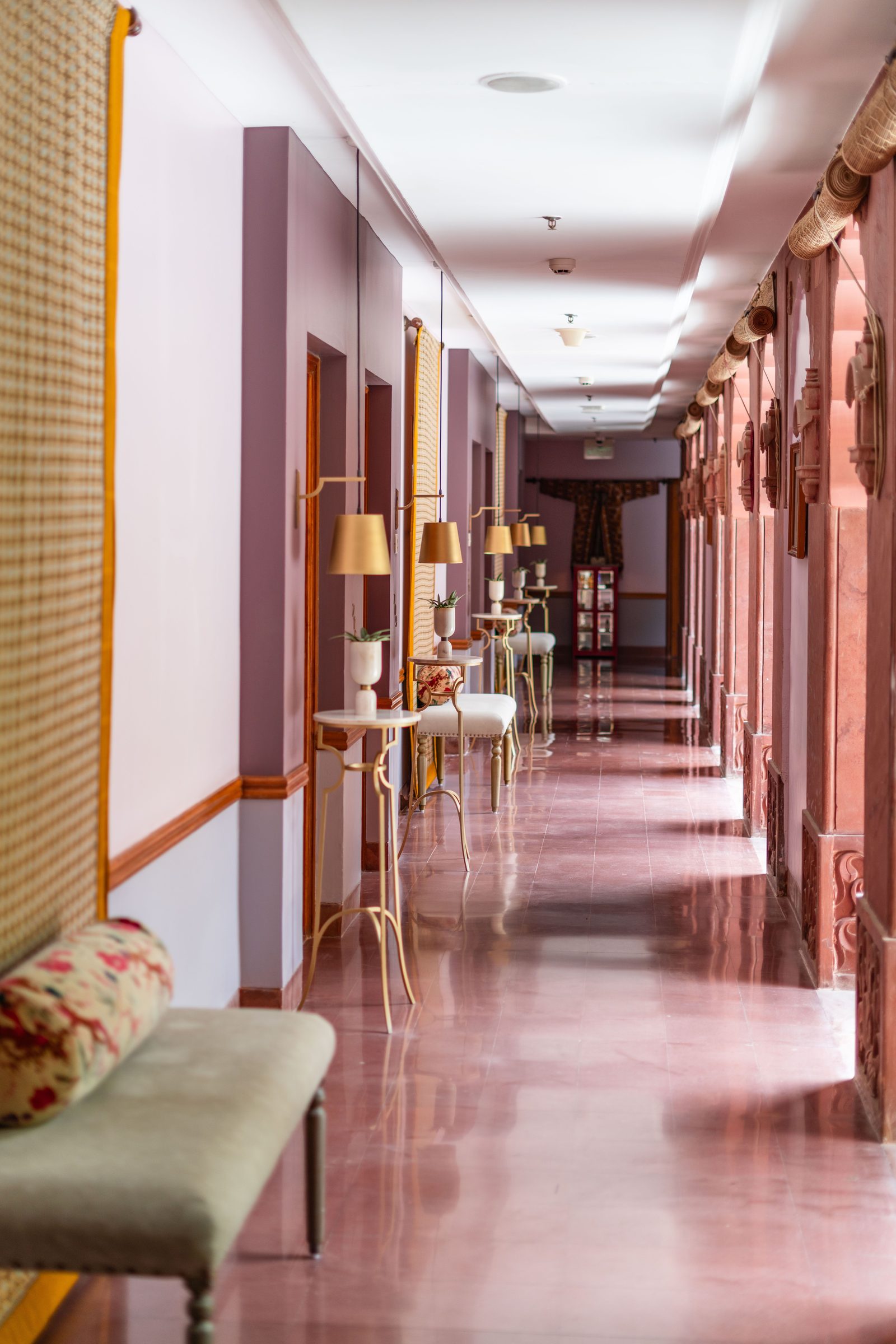
Luxury hotel rooms themselves became increasingly commoditized over the past two decades, as design standards, amenity baselines, and service training converged across major five-star brands to the point where a top-tier room at one global luxury chain looks and functions remarkably similar to a top-tier room at a competitor. Hospitality industry analysts have specifically pointed to this convergence as the reason luxury brands pivoted so aggressively toward “experiential” programming, since a beautifully designed room alone no longer reliably justifies premium pricing when guests can find comparably excellent rooms at multiple competing properties.
Wellness Became the First Major Experience Category
Wellness programming, spa treatments, dedicated fitness concierges, sleep-optimization room features, and increasingly elaborate on-site medical and longevity offerings, became one of the earliest and most successful experience categories luxury hotels built out specifically because it commanded premium pricing well beyond the cost of the underlying service, and because it aligned with a broader cultural shift among wealthy travelers toward prioritizing health and self-optimization during travel rather than treating vacation purely as indulgence. Major luxury chains have built entire sub-brands and dedicated wellness retreat properties around this positioning, treating it as a distinct revenue category rather than simply an amenity bundled into the room rate.
The Actual Cost Math Behind Experience Packages
Curated experience packages, private guided excursions, exclusive after-hours museum access, chef’s table dinners with named culinary talent, typically carry profit margins considerably higher than the hotel room itself, since much of the perceived value comes from exclusivity and curation rather than hard costs, meaning a hotel can charge several hundred to several thousand dollars for an experience whose actual delivery cost is a fraction of that price. This margin structure has made experience design one of the fastest-growing profit centers in luxury hospitality, and hotel groups have responded by building dedicated in-house teams, sometimes called “experience concierges” or “lifestyle curators,” specifically to design and sell these packages as a core part of the guest journey rather than a marginal add-on.
- Room design and amenity standards converged across luxury brands, reducing differentiation on the room alone
- Wellness programming became an early, high-margin experience category
- Curated excursions and private dining packages typically carry higher margins than room rates
- Dedicated “experience concierge” roles now exist specifically to design and sell these packages
Brand Partnerships Turned Experiences Into Marketing Too
Many luxury hotel experience programs now double as marketing tools, built through partnerships with fashion houses, car manufacturers, and celebrity chefs whose brand association lends the hotel additional prestige while generating shareable, social-media-friendly content that functions as free advertising. These partnerships let hotels justify premium experience pricing not purely on the direct cost of the activity but on the branded exclusivity of the association itself, a strategy that mirrors how luxury retail brands have long used limited-edition collaborations to generate demand well beyond what the product’s raw materials or production cost would suggest.
What This Means for Guests Trying to Actually Budget a Trip
For travelers, the practical effect is that the advertised room rate at a top-tier luxury property increasingly represents only a portion of what a fully realized stay ends up costing, since much of what defines the “luxury” experience at these properties, the private excursion, the exclusive dinner, the branded partnership activity, sits behind additional charges layered on top of the nightly rate rather than included within it. Travel advisors who specialize in luxury bookings increasingly recommend budgeting a meaningful percentage above the quoted room rate specifically to account for this experience layer, since skipping it entirely often means missing the exact elements that differentiate a top-tier luxury stay from a merely nice, expensive hotel room.
Independent Boutique Hotels Are Competing on the Same Terrain
The experience-driven shift hasn’t remained confined to major global luxury chains, independent boutique hotels and smaller luxury resort groups have increasingly built their entire competitive positioning around highly localized, hard-to-replicate experiences, farm dinners at an on-site working ranch, guided access to a specific local artisan community, or exclusive partnerships with nearby cultural institutions, precisely because these smaller operators generally can’t match a global chain’s room-design consistency or amenity scale, but can offer a depth of local access that a large international brand often struggles to replicate authentically. This has created a genuinely competitive dynamic between global luxury chains investing heavily in branded, repeatable experience programming, and independent properties leaning into hyper-local exclusivity that can’t be easily franchised or standardized across multiple locations.
For travelers, this split has actually created more meaningful choice within the luxury category than existed a decade ago, when the primary differentiator between top-tier properties was largely just room quality and brand prestige. Now, a traveler can choose between the reliable, branded experience programming of a major international chain or the deeper, more idiosyncratic local access a smaller independent luxury property offers, two genuinely different value propositions within the same broad luxury price category.
Loyalty program structures at major hotel chains have evolved in parallel with this experience-driven shift, increasingly offering points redemption specifically for curated experiences rather than only free nights, a change that further embeds experience spending into how frequent luxury travelers plan and justify their travel budgets. That evolution in loyalty program design reflects the same underlying economic logic driving the broader shift: hotel brands have found that experience-based rewards generate stronger emotional loyalty and repeat bookings than a simple free night ever did, reinforcing the experience economy’s grip on how luxury hospitality now competes for a traveler’s long-term brand allegiance.
The net effect for the luxury hospitality industry as a whole has been a genuine reshaping of what the word luxury even signals to a modern traveler, shifting away from thread counts and marble bathrooms toward access, exclusivity, and story, a change that shows few signs of reversing as the next generation of high-spending travelers comes of age with even higher expectations for personalization than the generation before them.