We may earn money or products from the companies mentioned in this post. This means if you click on the link and purchase the item, I will receive a small commission at no extra cost to you ... you're just helping re-supply our family's travel fund.
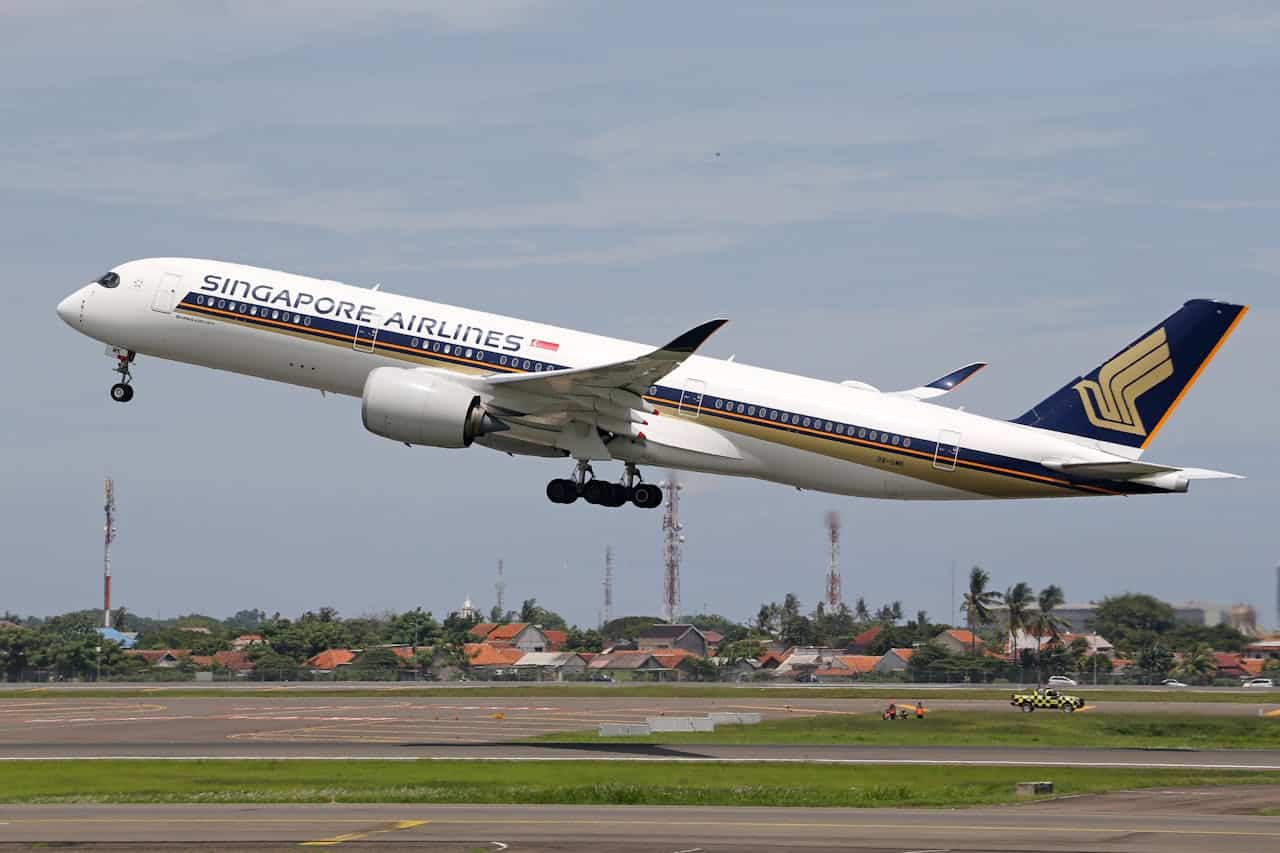
Airfare myths linger because they once worked, and the Tuesday bargain became the loudest one. Expedia’s 2026 Air Hacks Report says that habit is outdated: Friday now comes in as the cheapest day to fly, even though it is also the busiest. The report also calls February the most affordable and quietest month, with fares said to be 74% lower than the December peak. Add smarter booking windows and off-peak departure times, and travel starts to feel less like luck and more like a plan. It notes mornings concentrate 56% of domestic departures and 45% of international departures, and that buying on Thursday can trim costs versus Saturday. In 2026.
Friday Is The Cheapest Day To Fly
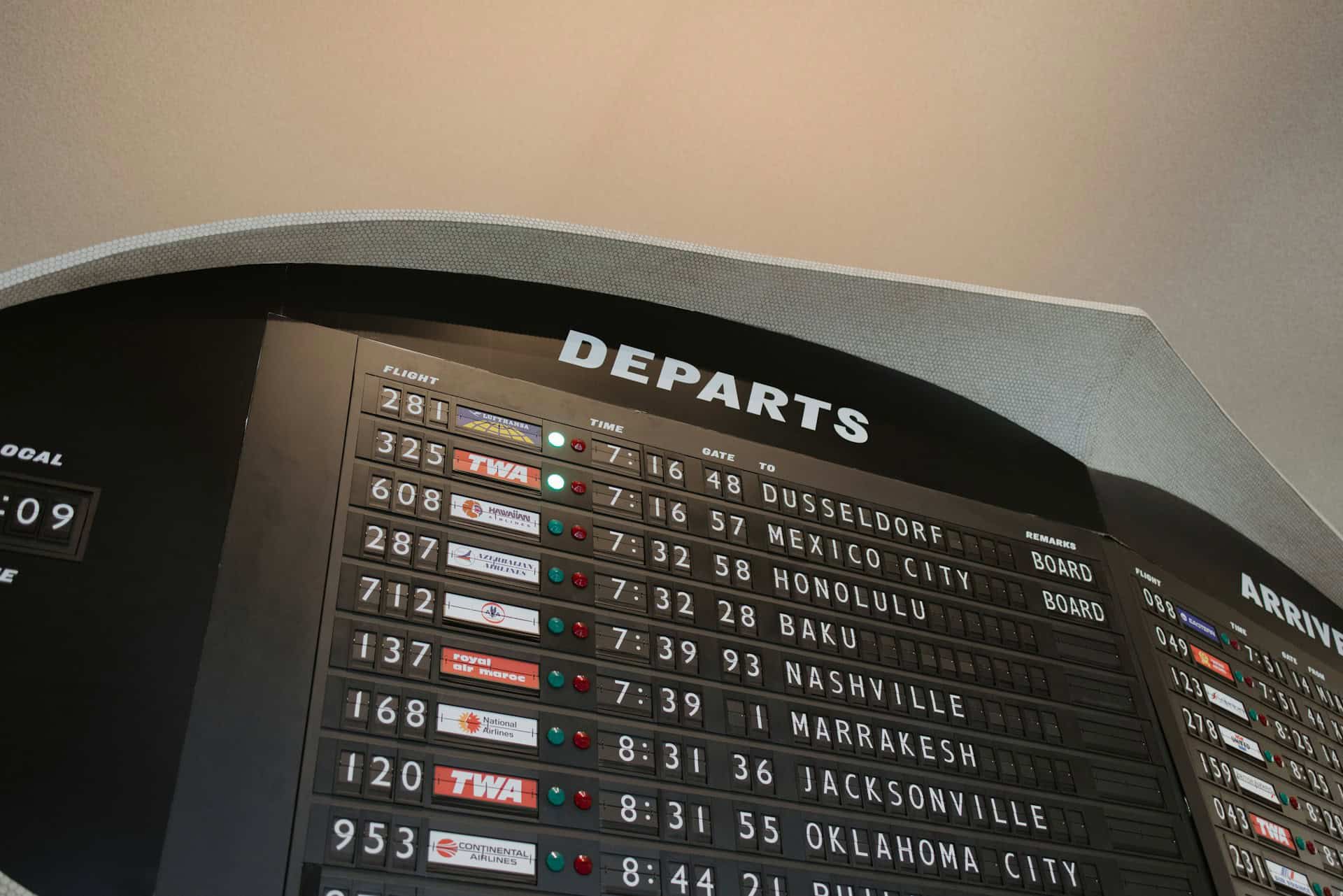
Expedia’s 2026 Air Hacks Report flips the old rulebook: Friday is now the cheapest day to fly. The report ties the shift to changing corporate travel patterns, with many business travelers heading home earlier in the week, which can soften Friday pricing for leisure trips. It also says starting the weekend early can deliver about a 12% discount. The catch is practical, not mysterious: Friday is busy, so savings land best with extra buffer time and realistic connection choices. A cheaper ticket does not help if the airport feels rushed, so many travelers pair the deal with an afternoon departure, a lighter bag, and a calm plan for delays. Now.
Tuesday Still Has The Quietest Airports

The same report makes room for a different goal: peace. It says Tuesday is the quietest travel day, even though it is no longer the cheapest. That calm shows up in shorter security lines, less gate congestion, and fewer shoulder-to-shoulder moments at bag drop. For travelers who value steadiness, Tuesday can be the day that protects energy when delays hit, because fewer crowds leave more space to adjust. It is a simple trade: pay closer to the average fare, then gain time and breathing room. It also pairs well with off-peak departures in the afternoon or evening, when terminals feel less compressed. For many itineraries, quiet is the upgrade.
February Is The Cheapest Month To Fly
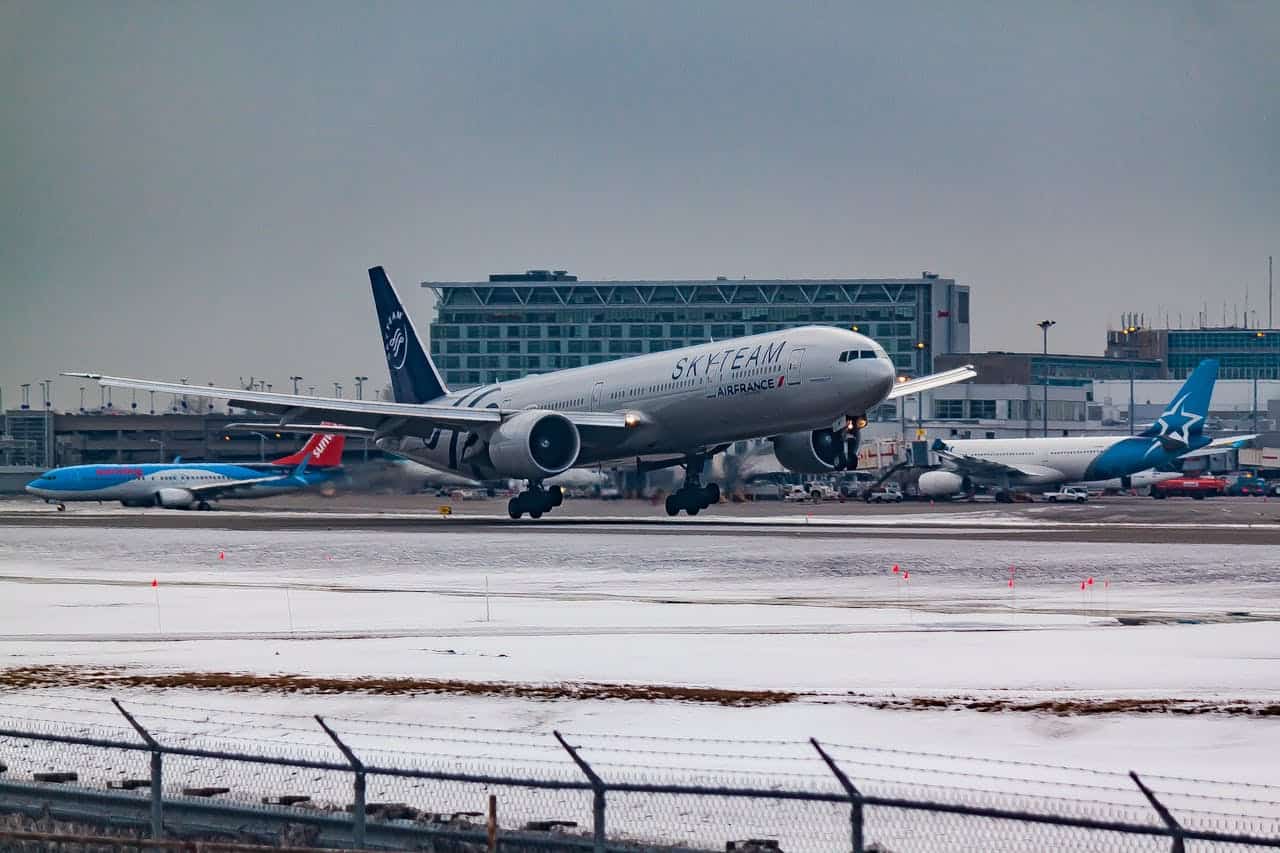
Expedia’s data gives February a rare double win. It is labeled the most affordable month to fly and the quietest, with prices said to be 74% lower than the December peak period. Post-holiday demand fades, schedules normalize, and fares often relax with it. Cold weather can be the trade on some routes, but the travel day itself tends to feel smoother, with fewer packed gates and more overhead-bin breathing room. For short getaways, that calmer start can feel like part of the vacation, not an obstacle to clear. The report notes quieter pockets in mid-March and at the end of July yet February stands out combining lower fares with lighter crowds.
Mornings Create The Biggest Airport Surge
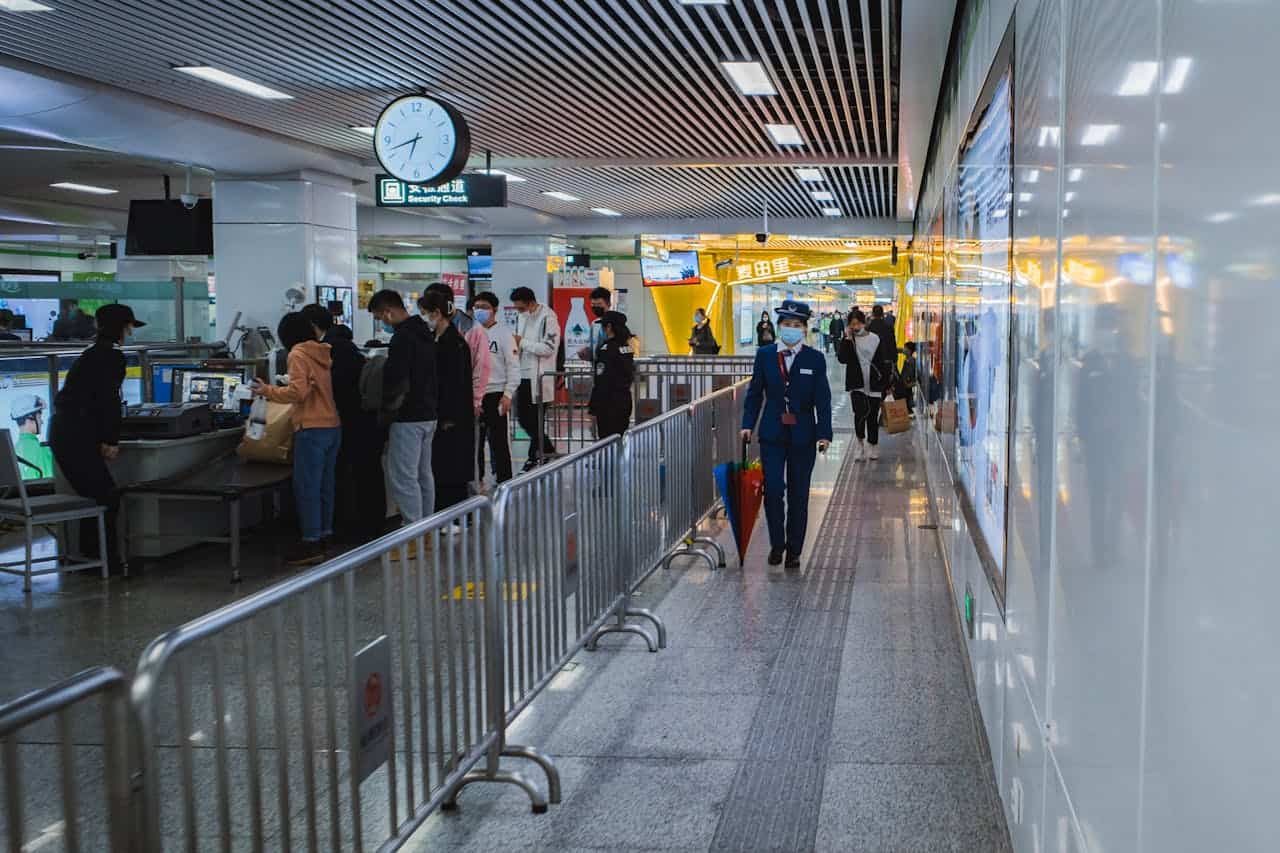
Crowd control starts with the clock. The report says mornings are the busiest time to fly, with more than 56% of domestic departures and 45% of international departures leaving then. That concentration stacks check-in, security, and boarding into the same narrow window, which is why small delays feel bigger before 10 a.m. It is not that early flights are bad, but they come with predictable congestion. Travelers who want less friction often choose later departures, even if the fare is similar. Expedia suggests avoiding rush hour by traveling in the afternoon or evening. On Friday timing can protect the deal by keeping terminals calmer sooner.
Four To Six Weeks Out Helps Economy Fares

Saving money is not only about the day of travel. Expedia’s report says the sweet spot for economy tickets is booking 4 to 6 weeks before departure, saving about $40 on average. It is close enough to reflect real inventory changes, but not so close that last-minute demand spikes pricing. This window also leaves time to compare baggage fees, seat charges, and connection risk without panic. Treat it like a routine: pick dates, watch fares briefly, then buy when the window opens and move on. It is plain advice, yet it turns airfare shopping into a repeatable habit instead of a scramble, especially for families keeping totals predictable simple.
International Flights Have Two Smart Targets
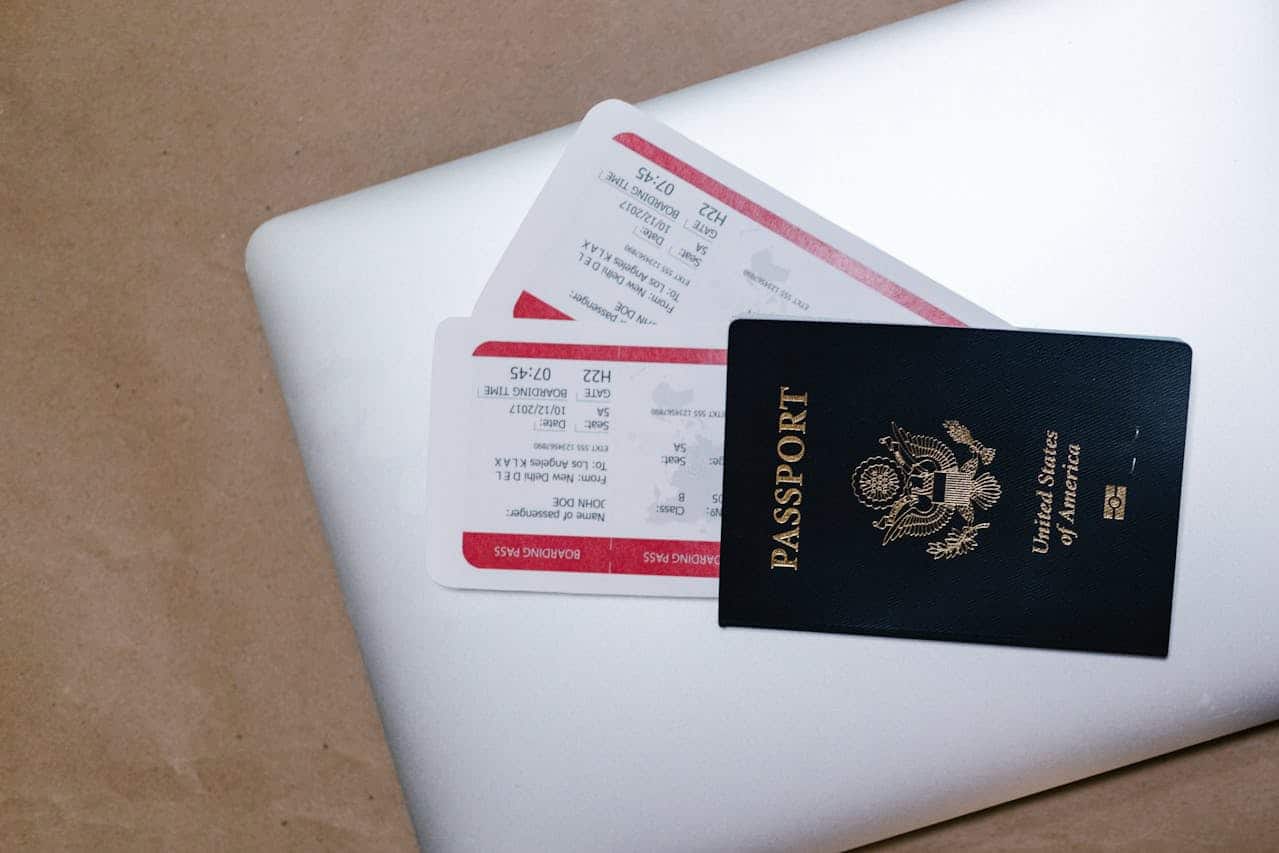
International fares get their own timing rules in Expedia’s 2026 report. It says travelers can save an average of $140 by booking 4 to 6 weeks before departure, or around $75 by booking about three months out. That second option matters for planners who want runway without locking in too early. The real benefit is control: earlier purchase windows leave room to choose better departure times and connections, not just the cheapest fare. When long-haul days are exhausting, a slightly better schedule can feel like savings too. It cuts rushed decisions about seats, bags, and rules because the purchase happens before the calendar turns urgent too.
Thursday Is The Cheapest Day To Book

Flying day and buying day are different, and Expedia separates them. The report says booking and paying on Thursday can save about 7% compared with booking on Saturday. The gap tracks with weekend shopping spikes that push prices higher, even when travel dates stay the same. Treat Thursday like a planning habit: check fares calmly, confirm baggage costs, then purchase without weekend pressure. Seven percent will not fund a whole trip but it can cover seat selection or soften a bag fee, which adds up fast. Combined with the 4 to 6 week window, it turns savings into something repeatable instead of a lucky screenshot on a phone at midnight.
Booking In July Can Beat November Pricing

Expedia’s report adds a calendar twist: the month of purchase can matter. It says booking in July can save up to 20% compared with booking in November, when holiday demand and heavy planning tend to push prices higher. July often sits in a quieter buying period, which can leave more room for deals and fewer panic clicks. This is not a guarantee on every route, but it is a useful default for travelers building a budget. Buy earlier when possible, then stop watching fares like a sport and let the trip take shape. Pairing a July purchase with Thursday checkout and Friday travel is how small edges stack into savings, across the year. in practice.