Lake Charles, Louisiana Rebuilt After Two Hurricanes. The City That Came Back Is Different From the One That Left
We may earn money or products from the companies mentioned in this post. This means if you click on the link and purchase the item, I will receive a small commission at no extra cost to you ... you're just helping re-supply our family's travel fund.
Lake Charles, Louisiana absorbed two major hurricanes in the span of six weeks in 2020: Hurricane Laura made landfall as a Category 4 storm just west of the city in August, and Hurricane Delta struck almost the same area in October. The back-to-back storms killed dozens of people, destroyed or damaged an estimated 70 percent of the city’s housing stock, and created an insurance and recovery crisis that was still unresolved years later. In 2026, Lake Charles is still rebuilding — and the city that is emerging from that process is worth understanding.
Lake Charles in 2026 — What’s Recovered and What Hasn’t
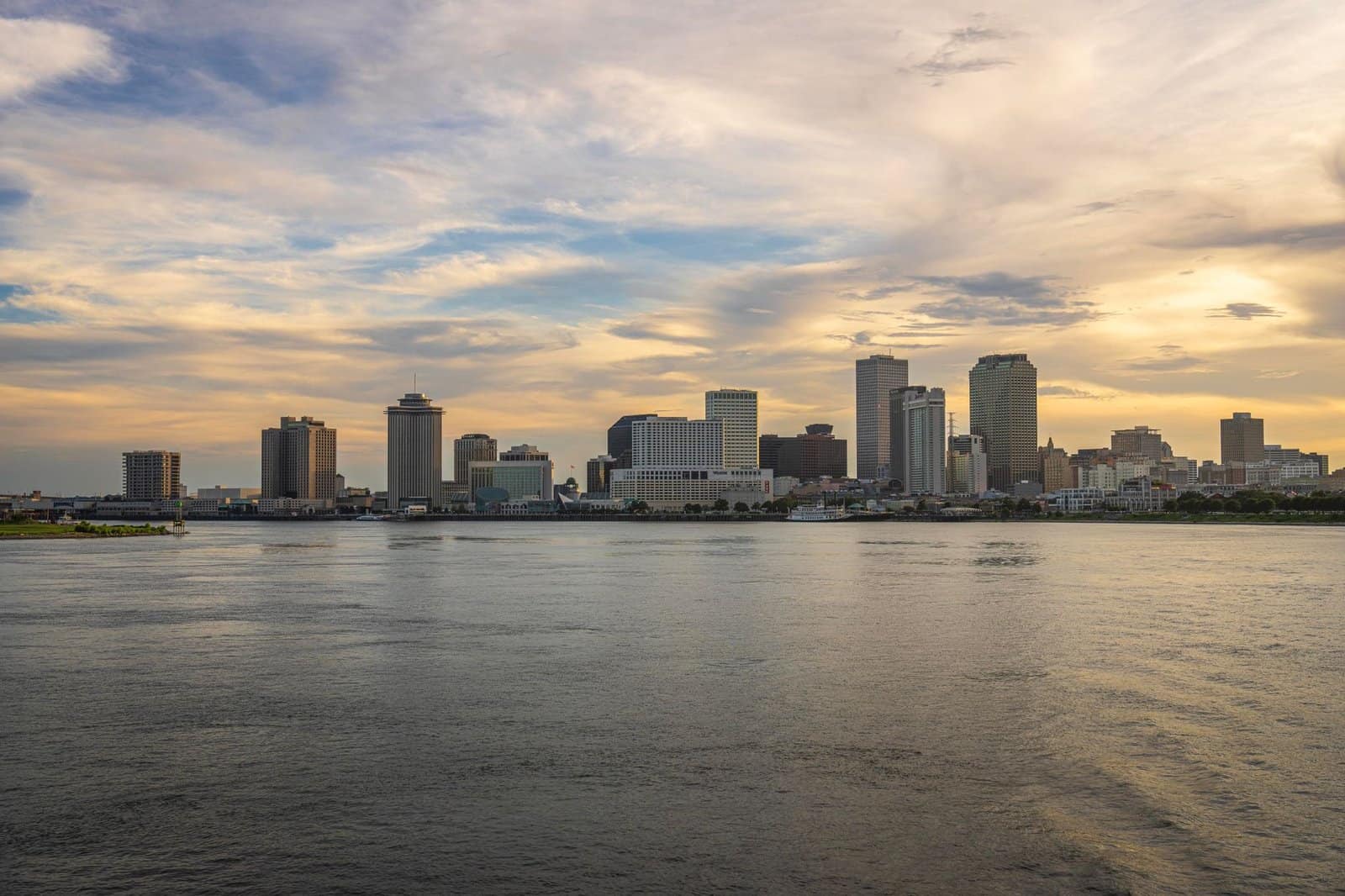
The downtown Lake Charles waterfront, the casino district, and the major commercial corridors have largely recovered. The city’s economic base — petrochemical industry, casino gambling, and the Port of Lake Charles — provided the revenue foundation that allowed commercial recovery to proceed faster than residential recovery. Many neighborhoods still show visible storm damage, blue tarps, and empty lots six years after Laura and Delta. The insurance disputes that left thousands of homeowners uncompensated for years became a national story and a cautionary tale about coastal property insurance.
What Lake Charles Had Before — and Still Has
- The Contraband Days Festival: One of the largest festivals in Louisiana, held every May on the lakefront — a genuine community celebration that survived and continues
- Cajun food culture: This is deep Cajun country — the boudin, the crawfish, and the seafood here differ from what you’ll find closer to New Orleans
- Calcasieu Lake: One of the premier fishing lakes on the Gulf Coast for redfish and speckled trout
- The historic downtown: Victorian architecture on Ryan Street and in the Charpentier Historic District — ornate 19th-century homes that reflect the city’s timber and petroleum wealth
Why Visiting Lake Charles Matters
Visiting a community that is actively rebuilding after catastrophe is a different experience from visiting a polished destination. Lake Charles in 2026 is a place where people are making decisions about what to keep, what to rebuild differently, and how to maintain community in circumstances that have been genuinely difficult. The city is open to visitors, the food and fishing culture is intact, and the money that visitors spend goes directly into an economy that needs it in ways that saturated tourism destinations don’t. That context isn’t a reason to avoid it — it’s a reason to go thoughtfully.
Lake Charles is on the way between Houston and New Orleans — 75 miles east of the Texas border on I-10. Most drivers cover this stretch in a single push, stopping only for gas. The ones who stop for a meal and a walk along the lakefront find a Southwest Louisiana city with a specific food culture and a resilience that’s visible in everything from the new construction to the restored Victorian houses to the fishing boats on Calcasieu Lake. It’s worth an afternoon.