Hundreds of Thousands Head to New Orleans for Jazz Fest — What Travelers Need to Budget for a Full Week
We may earn money or products from the companies mentioned in this post. This means if you click on the link and purchase the item, I will receive a small commission at no extra cost to you ... you're just helping re-supply our family's travel fund.
Hundreds of thousands of people head to New Orleans for Jazz Fest each spring, and they all need somewhere to sleep, eat and get around. The New Orleans Jazz and Heritage Festival runs across two weekends in late April and early May at the Fair Grounds Race Course, with music on a dozen stages and food from hundreds of local cooks. A Jazz Fest budget for a full week has to cover far more than a ticket.
Here are the main costs, typical ranges and ways to save, so you can plan a week without surprises. All figures are estimates, and you should check current prices before you book.
What to Budget for a Full Week at Jazz Fest
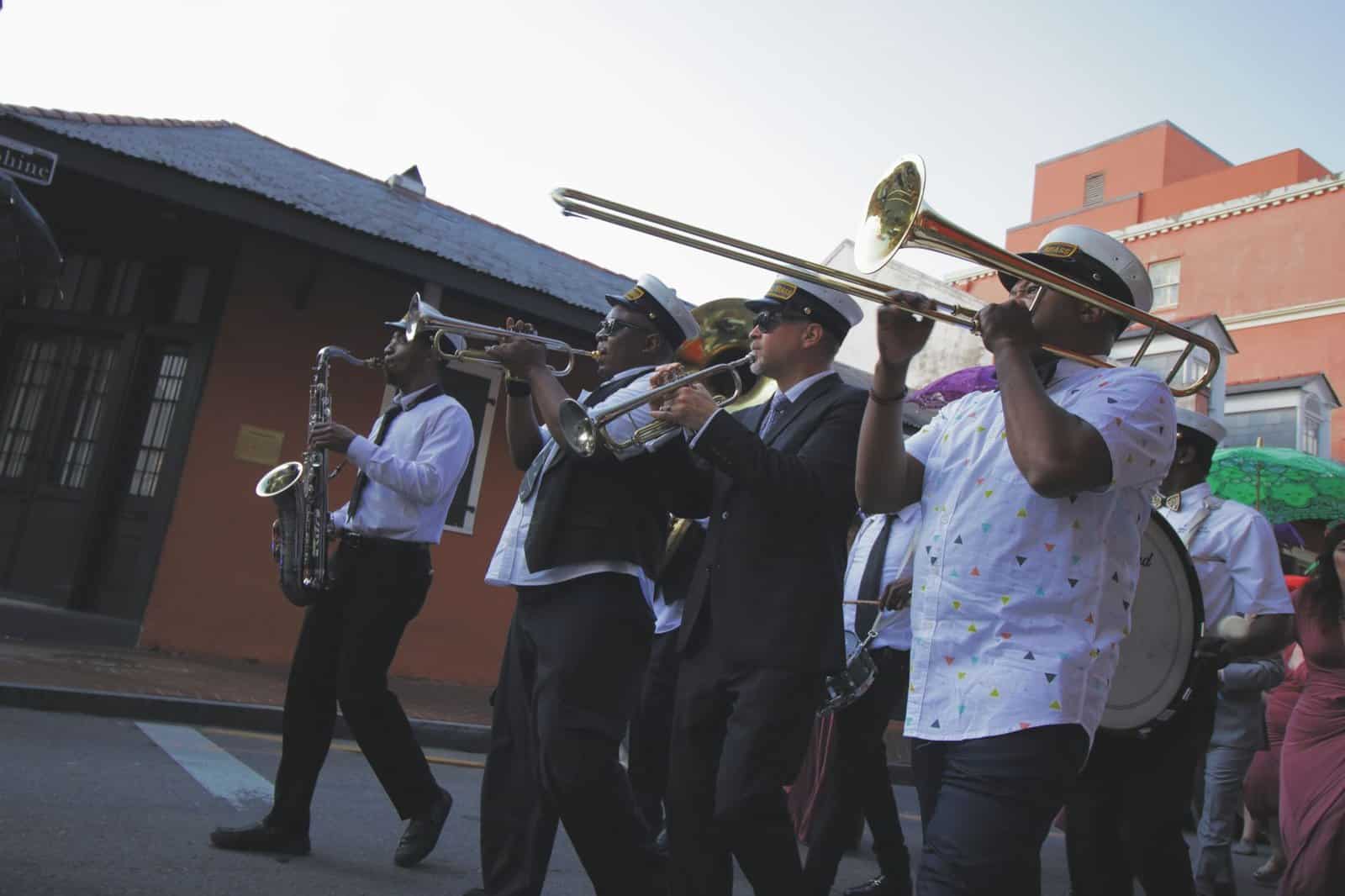
A full week at Jazz Fest usually means arriving a few days before the first weekend, attending the festival on several days and filling the evenings with club shows and meals. The festival itself runs for seven days, with the first weekend from Thursday through Sunday and the second weekend again from Thursday through Sunday, with the days between used for evening events and exploring the city. Many visitors attend three or four festival days and spend the other days in the city.
The biggest swings in cost come from lodging and the number of festival days you attend. Rates in New Orleans can climb sharply during the festival, and the better rooms sell out months ahead.
Tickets
General admission tickets for a single festival day have typically cost in the range of about $90 to $120 when bought in advance, and more at the gate, with multi-day passes and VIP packages priced much higher. Some years offer discounts for local residents or special days, and prices change every year. A traveler who attends four days could spend $400 to $600 or more on general admission alone.
Evening concerts, often called Jazz Fest nights, are separate ticketed events at venues around the city, with prices often between $40 and $100 depending on the artists. Many also offer free late-night sets at clubs and bars.
Lodging
Hotel prices in New Orleans typically rise during Jazz Fest, and a mid-range room that costs $150 a night in a quiet month can run $250 to $400 or more during the festival. Properties near the French Quarter, the Central Business District and the Garden District fill first. Options farther out, such as Mid-City near the Fair Grounds, are often cheaper and closer to the music. Short-term rentals add cleaning and service fees. For a week of seven nights, lodging can range from roughly $1,000 for a budget option to $3,000 or more for a nicer hotel. Book as early as you can, and check cancellation terms.
Food and drink
Food at the festival is a draw, and it is more affordable than a sit-down restaurant. Dishes such as crawfish Monica, cochon de lait po-boys, fried chicken, crawfish bread and mango freezes typically cost around $8 to $15 each. A day of eating, with a few dishes and drinks, might cost $40 to $70 per person. Beer and cocktails at festival bars add up. Outside the festival, a casual meal in the city runs about $15 to $30, and dinner at a well-known restaurant $50 to $100 or more per person, plus drinks.
Getting around
New Orleans is walkable in places, but the Fair Grounds are a few miles from the French Quarter. Options include festival shuttles from several pickup points, ride-hailing, taxis, the streetcar and bus lines, and bikes. Shuttles often cost around $10 to $20 a day round trip, and ride-hailing prices surge after the festival ends. Plan transport costs of $15 to $40 a day if you attend. Parking near the Fair Grounds is limited and may be costly.
A Sample Jazz Fest Budget for the Week
Here are two rough scenarios for one person. They are estimates for planning only, and actual costs vary.
- Budget week: Four festival days at $100 each is $400. Seven nights in a modest hotel or hostel at $130 a night is $910. Food at $50 a day is $350. Local transport at $15 a day is $105. A couple of paid evening shows add $100. A buffer of $150 brings the total to roughly $2,000.
- Comfortable week: Four festival days at $110 each plus a few upgrades is about $600. Seven nights in a mid-range hotel at $300 a night is $2,100. Food at $120 a day is $840. Transport at $30 a day is $210. Two evening shows add $200. A buffer of $250 brings the total to roughly $4,200.
Airfare and baggage come on top of these figures and depend on where you live.
Costs people forget
- Taxes and fees: Hotel taxes in New Orleans add a significant percentage to room rates, and resort or cleaning fees may apply.
- Tips: Servers, bartenders, drivers and musicians depend on tips.
- Sun and rain gear: Sunscreen, hats, ponchos and boots can cost $30 to $80.
- Chairs and tarps: Many attendees bring folding chairs and small tarps, but rules limit sizes, so check.
- Cash: Some food vendors and merch tables take cash only or have lines for card readers.
- Souvenirs: Posters, records and art can tempt.
- Travel insurance: Consider it, especially for nonrefundable bookings.
How to Save Money
1. Book lodging early, and consider locations outside the French Quarter. 2. Attend fewer festival days, and fill the rest with free music in the city. 3. Eat at the festival rather than in restaurants for most meals. 4. Bring a refillable water bottle if allowed, as water is sold at festival prices. 5. Travel midweek, when airfares and some hotels can be cheaper. 6. Use shuttles or biking to avoid ride-hailing surges. 7. Look for free events, such as second lines, street performances and club sets with no cover. 8. Share a room or rental with friends.
Which days to choose
The festival lineup affects demand, and the final Saturday and Sunday of the second weekend are typically the most crowded, with the biggest headliners. The Thursday and Friday of both weekends are often less packed, and tickets for those days may cost the same but offer more space. Check the lineup when it is announced, usually in January, and pick the days that match your interests.
Beyond the Fair Grounds
Jazz Fest week is also a city-wide celebration. Most nights, clubs on Frenchmen Street, small venues in the Marigny and Bywater and bars in Mid-City host music. Many have low or no cover charges. Daytime offers museums, such as the New Orleans Jazz Museum and the National WWII Museum, as well as walks in the French Quarter and the Garden District. Plan a few non-festival days so you do not burn out, especially in late-April heat and humidity.
Weather planning
Late April and early May are warm and humid, with high temperatures often in the 80s Fahrenheit and the chance of heavy thunderstorms. Rain turns the infield into mud. Bring light clothing, a hat, sunscreen, rain gear and shoes you do not mind getting dirty. Stay hydrated, and take breaks in shade.
Lodging Strategies for Festival Week
Lodging is the largest variable in a Jazz Fest budget, so it is worth thinking about strategy. Book as early as you can, because the best-priced rooms vanish months ahead. Some hotels require minimum stays of three or four nights during the festival, and some charge nonrefundable deposits.
Where to stay
- French Quarter and CBD: Walkable to music clubs, restaurants and the riverfront, but farther from the Fair Grounds and often the most expensive.
- Mid-City and Esplanade Ridge: Close to the Fair Grounds, with guesthouses, bed-and-breakfasts and short-term rentals. You can walk or take a short ride.
- Marigny and Bywater: Residential neighborhoods with Frenchmen Street music, cafes and a local feel, a short ride from the Fair Grounds.
- Garden District and Uptown: Quiet, with historic homes and the St. Charles streetcar, but farther from the festival.
- Metairie and the airport area: Cheaper chains, though you will need a car or rides.
Rentals and bed-and-breakfasts
Short-term rentals can be cost-effective for groups, especially when you split a house, but check that the property is licensed, since New Orleans has regulated short-term rentals. Bed-and-breakfasts offer local hosts, breakfast and a quieter atmosphere. Read cancellation policies and total fees before you book.
Splitting costs
Sharing a room or house with friends can cut lodging costs by half or more per person. Plan how you will divide shared expenses, such as groceries, rides and tickets, and use a payment app to keep track.
Eating Well Without Overspending
New Orleans offers some of the best-value meals in the country, if you know where to look. At the festival, split dishes with friends so you can try more, and do not be shy about lines, which often move quickly. Outside the festival, look for neighborhood spots serving po-boys, red beans and rice on Monday, gumbo, muffulettas and plate lunches.
- Lunch specials at well-known restaurants often cost much less than dinner.
- Happy hours can offer discounted drinks and snacks.
- Grocery stores and corner markets sell breakfast items, fruit and snacks.
- Beignets and coffee make a cheap breakfast, though lines can be long at popular cafes.
- Skip tourist-heavy restaurants on Bourbon Street for better value in other neighborhoods.
Drinks
Cocktails in New Orleans are a tradition, but they add up. Festival drinks cost more than at bars. Consider pacing yourself, drinking water between rounds and taking breaks from sun and heat. If you drink, plan safe transport.
Safety, Comfort and Common Sense
The festival is a family-friendly event, but large crowds call for basic precautions. Keep valuables secure, carry a small bag, know your meeting spot with friends and keep your phone charged. Bring a portable charger, since signal can be weak with so many people. Use sunscreen, and watch for signs of heat illness. Check the festival’s rules on allowed items, since coolers, large bags and some chairs may be restricted.
Planning rest days
A full week can be tiring, so build rest into your plan. Take one day with no festival and no late night, or sleep in after a late show. The best music is only enjoyable when you have energy to enjoy it. A relaxed schedule also saves money, since you avoid impulse spending when exhausted.
The Takeaway
A full week at Jazz Fest costs more than the ticket. Lodging is usually the largest expense, followed by festival days, food, transport and extras. A thoughtful plan, with early bookings and a mix of paid and free events, can keep the week within a reasonable budget while giving you the city’s music and food at their strongest.