We may earn money or products from the companies mentioned in this post. This means if you click on the link and purchase the item, I will receive a small commission at no extra cost to you ... you're just helping re-supply our family's travel fund.

After more than 50 U.S. city trips, one traveler realized that disappointment rarely came from a single bad meal or a rainy day. It showed up when logistics swallowed the visit, traffic, lines, surprise fees, and constant planning that left little space for the city itself. These five places still have bright moments, great food, strong history, and people who love them. But for this traveler, the balance tipped too often toward hassle, cost, or sensory overload, and the feeling lingered long after checkout.
Las Vegas, Nevada
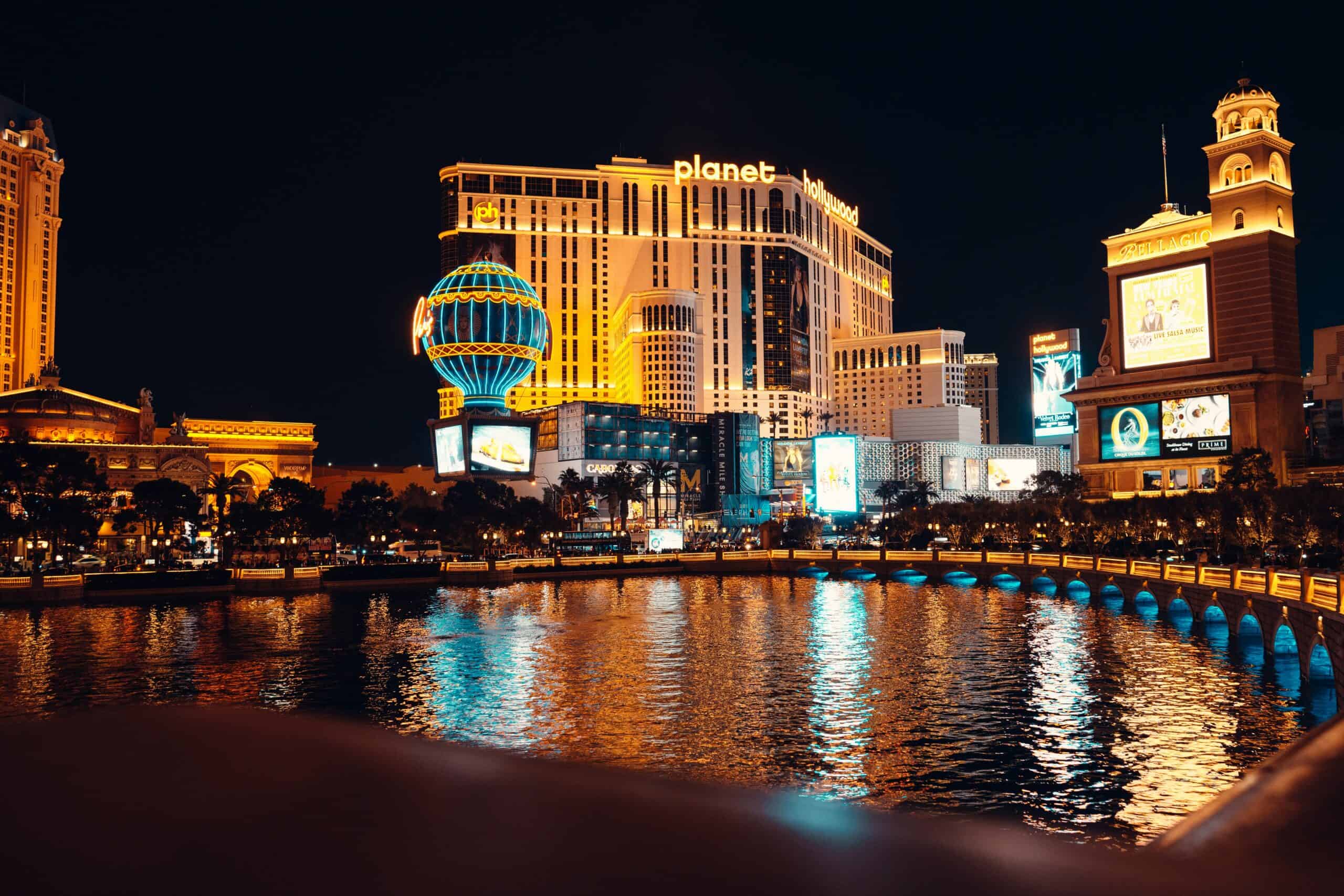
Las Vegas impressed for a night, then began to feel like a loop: bright floors, recycled air, slot-machine din, and crowds moving with the same urgent purpose. Resort fees, long check-ins, smoking zones, and rideshares that spike after shows turned simple plans into a running calculation of time, money, and how far one hallway really stretches. The traveler still liked sunrise in the desert, old neon, and off-Strip meals, but calm was hard to hold onto, and the city’s best version seemed to demand constant spending, noise tolerance, and patience for bottlenecks at night that never fully clear.
Orlando, Florida
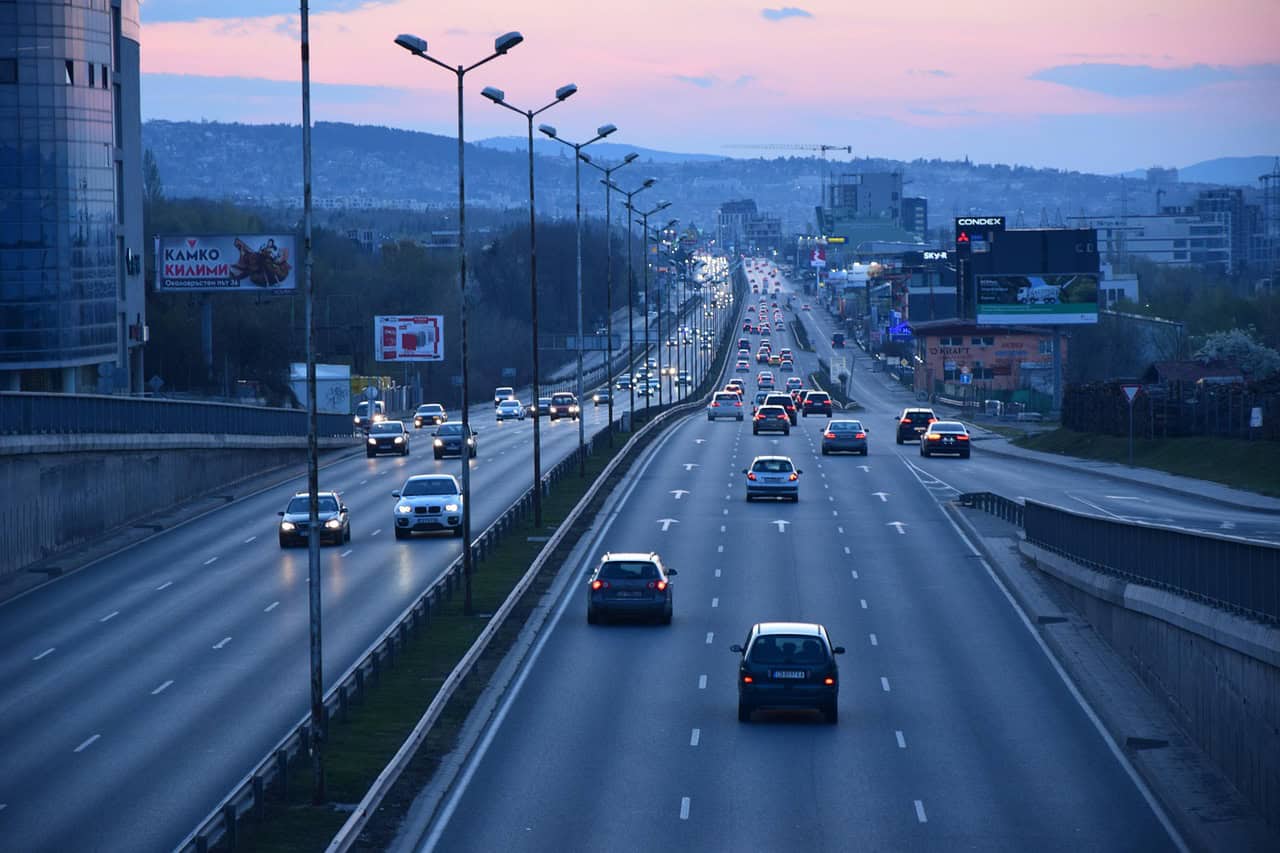
Orlando promised easy fun, yet the sprawl made every day feel scheduled, with I-4 backups, vast parking lots, and timed-entry rules setting the pace. Outside the parks, many areas blurred into strip malls and chain sameness, and the mix of toll roads, parking fees, heat index days, humidity, and afternoon storms kept shrinking the window for anything unplanned. Nearby springs and lakes offered relief, but the city itself felt like a logistics hub where driving, reservations, and crowd choreography replaced the simple pleasure of walking a few blocks, lingering, and letting the day unfold more.
Los Angeles, California
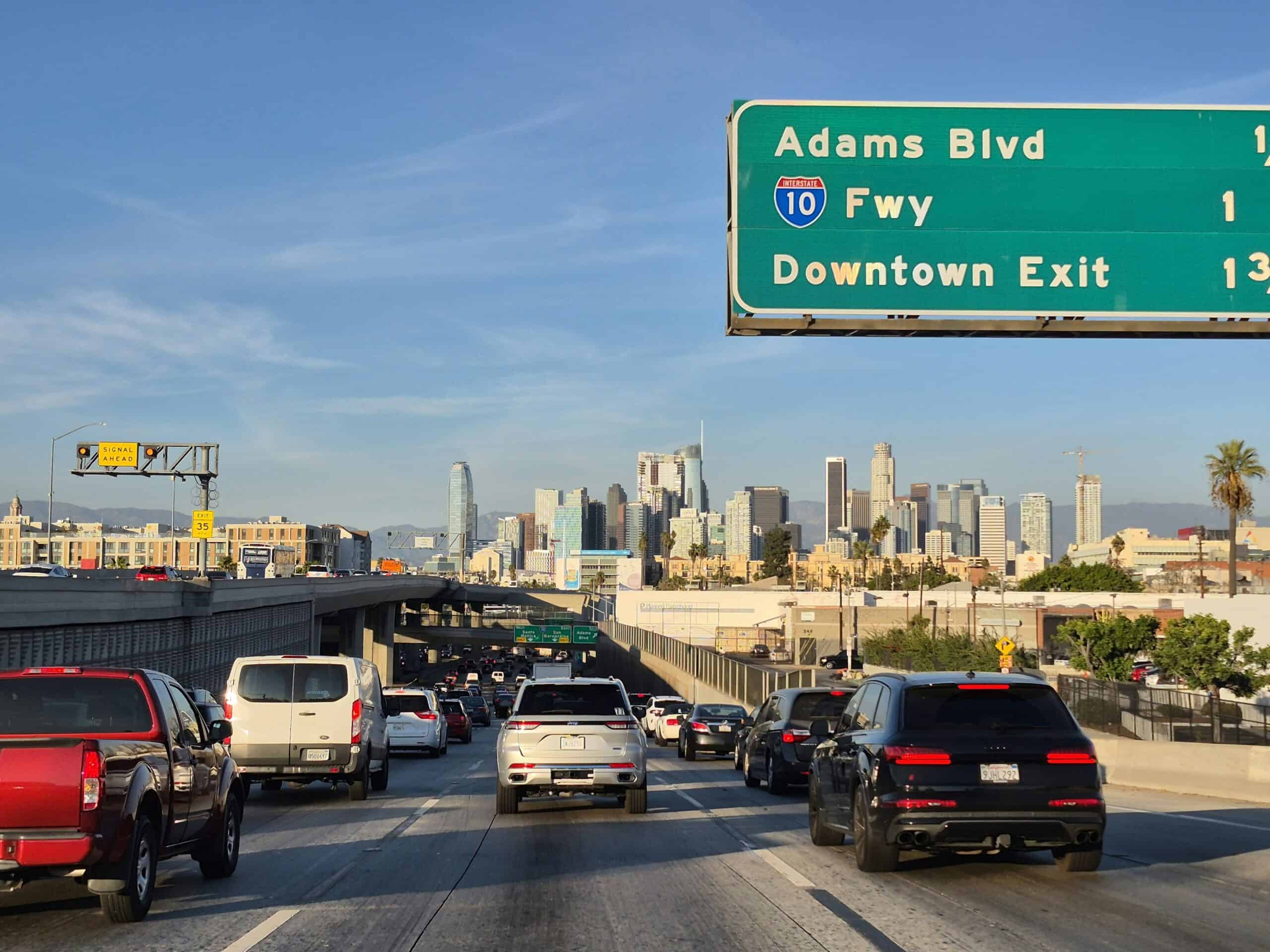
Los Angeles delivered high points in flashes: a museum morning, great meal, a beach sunset, then a long crawl to the next stop. Distances looked manageable on a city map, but traffic, parking hunt, meter rules, surprise street sweeping, and detours turned each outing into a small campaign, complete with apps, backup routes, reservations, and hard cutoffs. The traveler admired the food, creative energy, and the cultural range, yet left feeling the trip was priced like a dream and paced like a chore, with too little time left to settle into any neighborhood long enough to feel at home there too.
Nashville, Tennessee
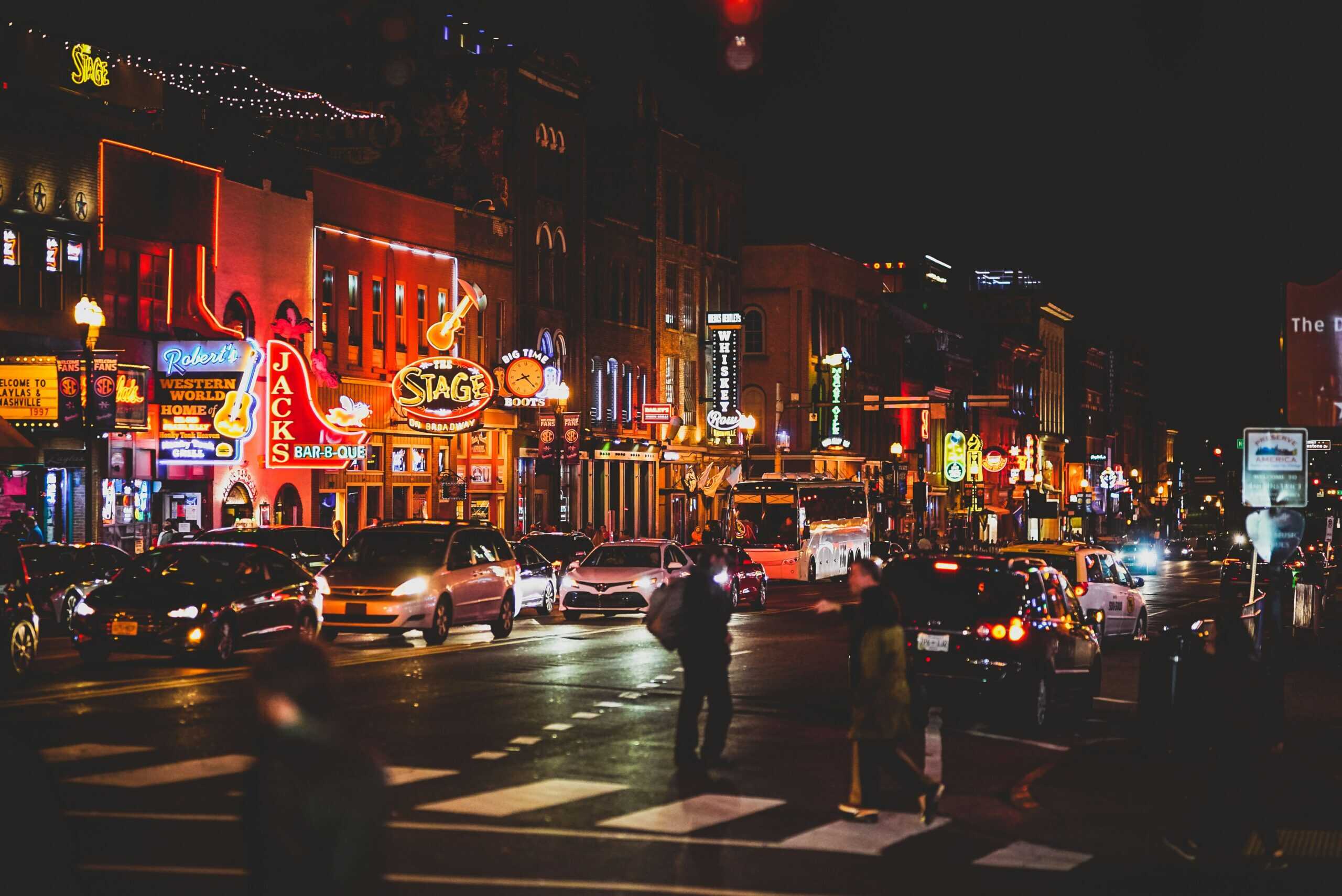
Nashville’s musical talent and history are real, but the downtown core can feel like one extended party that never finds a lower volume at times. Broadway crowds, bachelorette packs, party buses, pedal taverns and door lines made basic movement tiring, while drink pricing, short rides, and cover charges climbed with the noise and the weekend surge. The traveler found better moments in smaller songwriter rooms, museums, and quieter neighborhoods, yet the tourism engine kept pulling plans back toward congestion, oversold time slots, and a narrow, loud version of the city that drowned out nuance.
Atlantic City, New Jersey
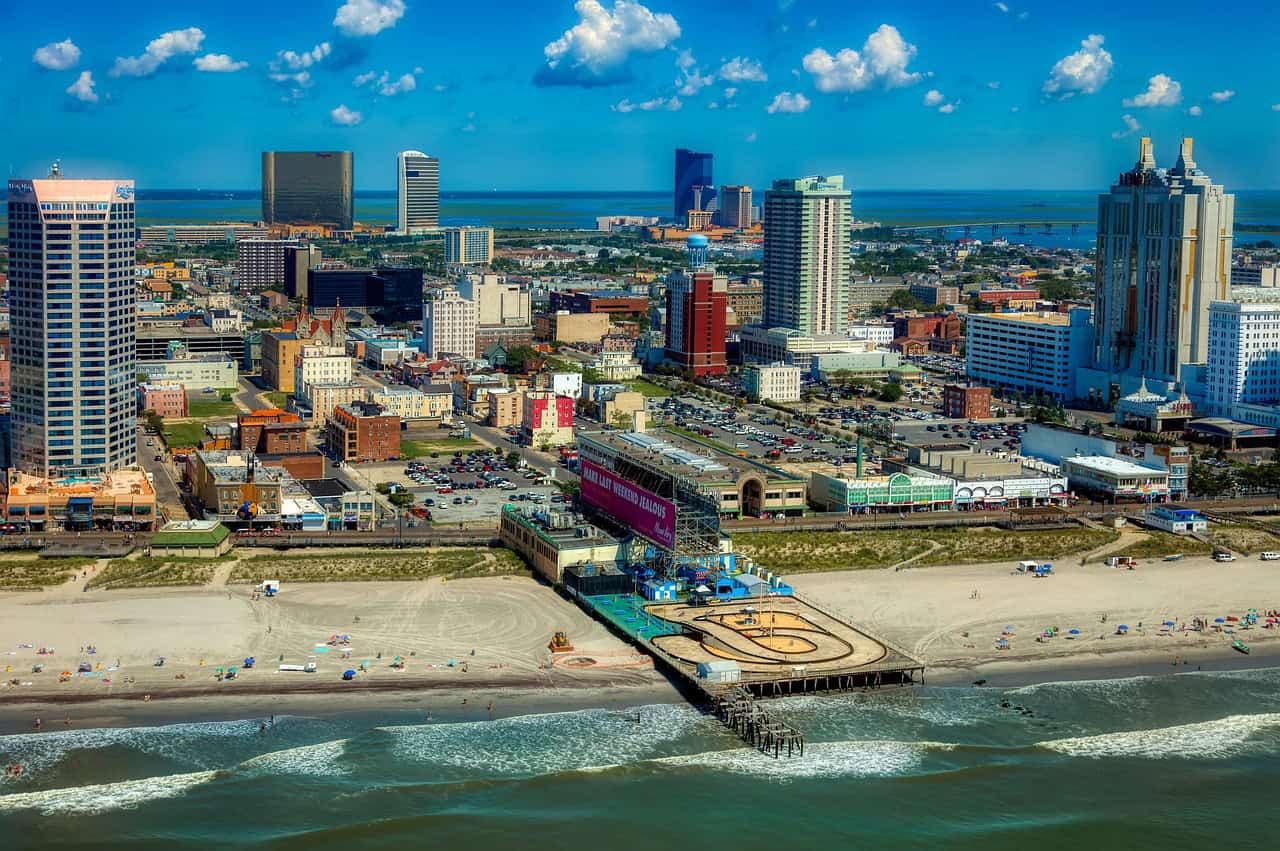
Atlantic City offered ocean air and a classic boardwalk, but much of the visit felt trapped inside casinos that blended together in layout, lighting, and soundtrack. Outside, the jump from bright gaming floors to uneven streets made the atmosphere feel disjointed with empty storefronts and long gaps where the walkable charm should have connected from block to block. A morning loop by the water helped, yet dining often meant inflated prices, late-night noise carried through hotel walls, and the overall experience felt dated for what it cost, leaving little pull to return for a second round too.