We may earn money or products from the companies mentioned in this post. This means if you click on the link and purchase the item, I will receive a small commission at no extra cost to you ... you're just helping re-supply our family's travel fund.
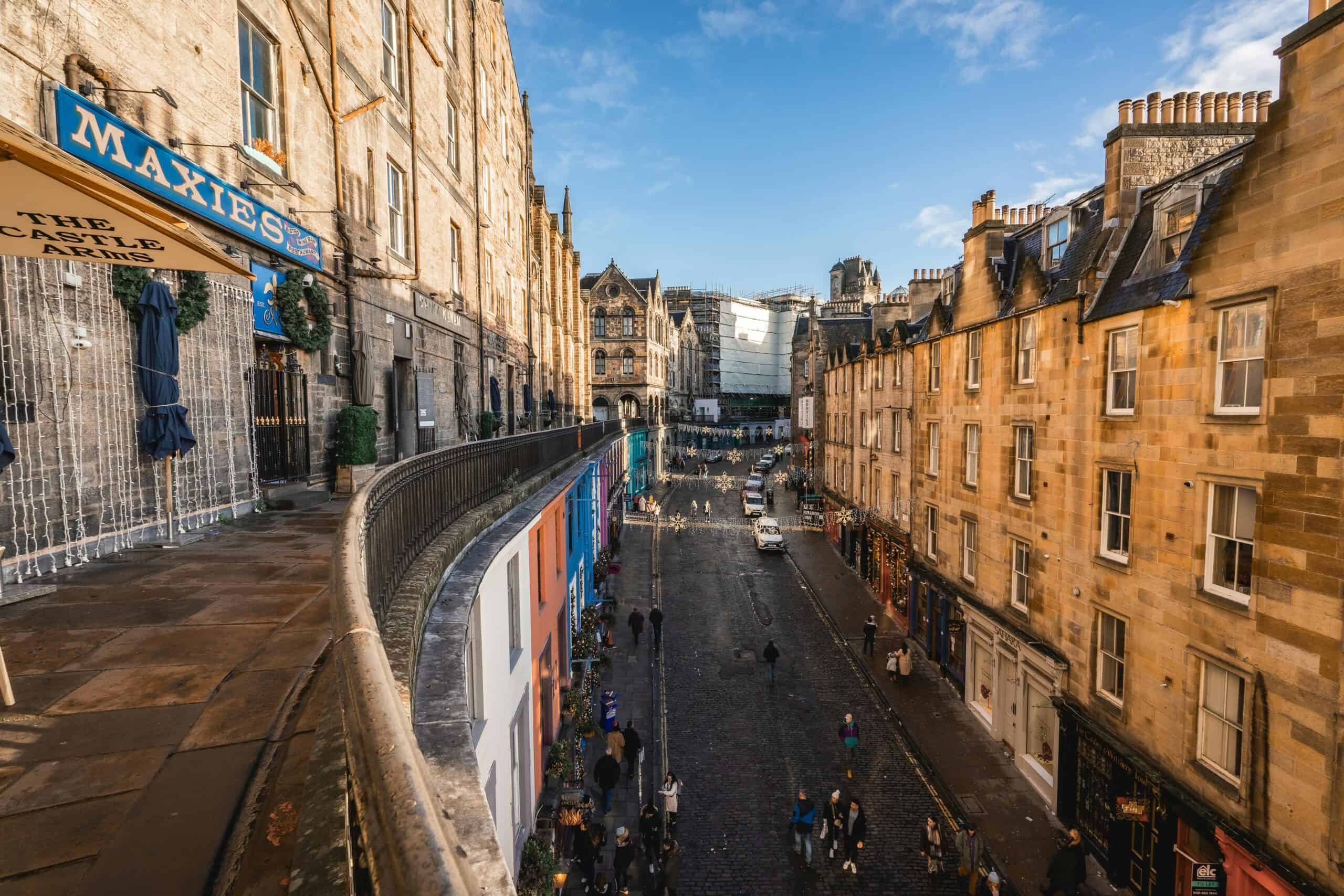
After enough flights, road trips, and short-term stays, clear patterns emerge. Some places are thrilling for a few days, then draining within weeks. Others are efficient but emotionally flat. Victoria, British Columbia, stands out as the rare city that feels both livable and restorative. It offers ocean access, walkable neighborhoods, reliable routines, and a pace that protects long-term well-being. It is not cheap, and it is not trying to be a megacity. That is exactly why it works. It feels built for daily life, not constant performance.
It Feels Human in Scale
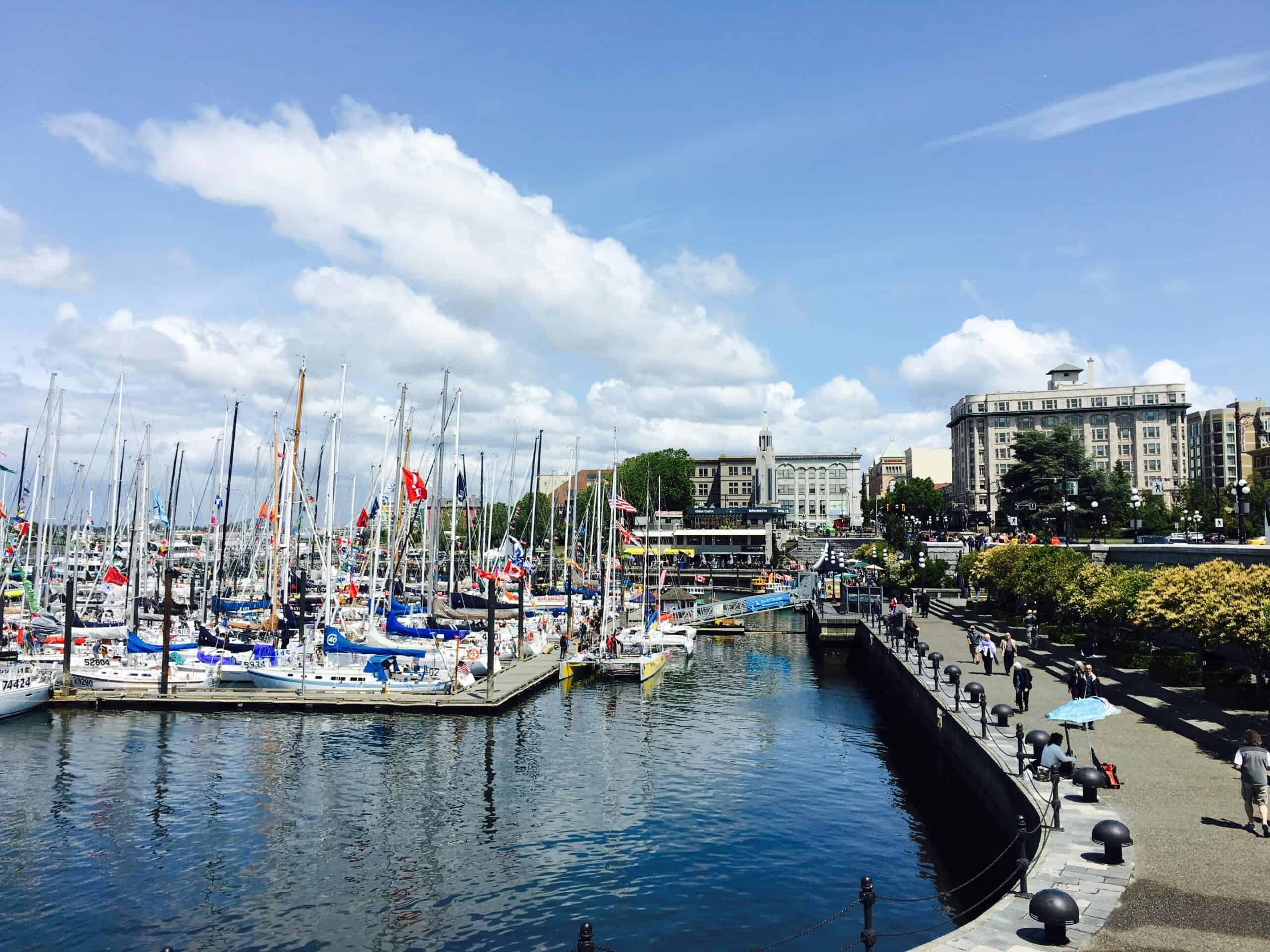
Victoria gets scale right in a way many cities miss. It has enough cultural energy to stay interesting, but not so much intensity that simple errands become exhausting. Streets feel active without feeling frantic, and neighborhoods remain easy to read and move through. Commuting does not swallow the day, which changes how evenings feel: less depleted, more present. Plenty of places market a lifestyle. Victoria delivers one through ordinary weekday ease, where routines are practical, social, and emotionally sustainable over the long run.
The Ocean Is Part of Real Life
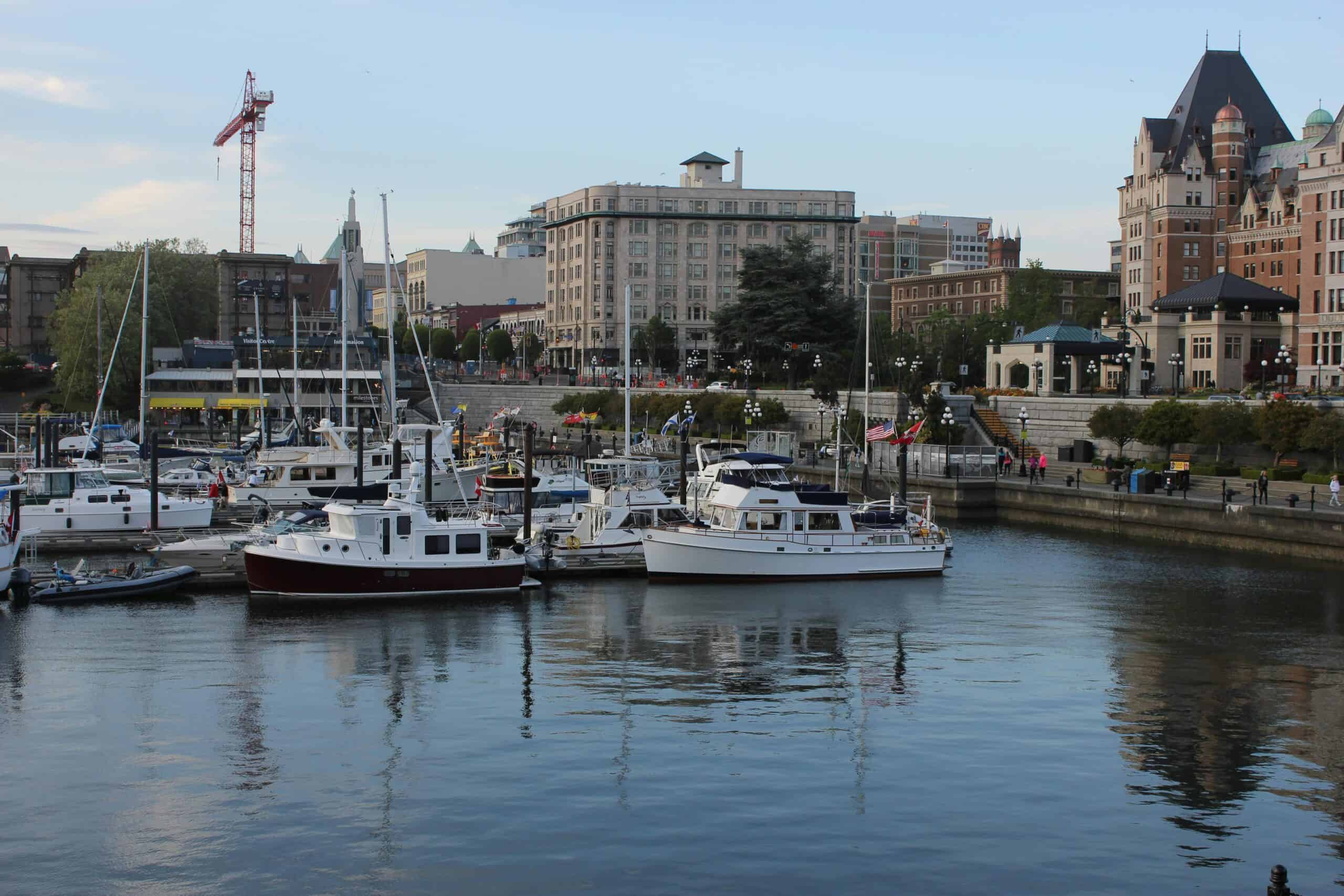
In many cities, waterfront access is occasional and performative, something reserved for weekends or visitors. In Victoria, the ocean is integrated into normal life. Harbor paths, shoreline benches, and coastal routes are part of how people move and decompress throughout the week. That proximity has a quiet but real impact. Stress levels reset faster, and daily transitions feel smoother. The relationship with water is not decorative. It is functional, calming, and deeply consistent, which makes the city feel restorative in ways that compound over time.
The Weather Supports Consistency

Victoria’s climate is one of its most practical strengths. Winters are generally milder than in much of Canada, and summers are comfortable enough to keep outdoor routines intact without constant disruption. That stability matters more than people expect. When weather is workable across more months, walking, cycling, and time outside become regular habits rather than seasonal projects. Over time, this consistency supports better energy, steadier mood, and less lifestyle friction. A city becomes easier to live in when the forecast does not regularly shut life down.
Walkability Actually Works
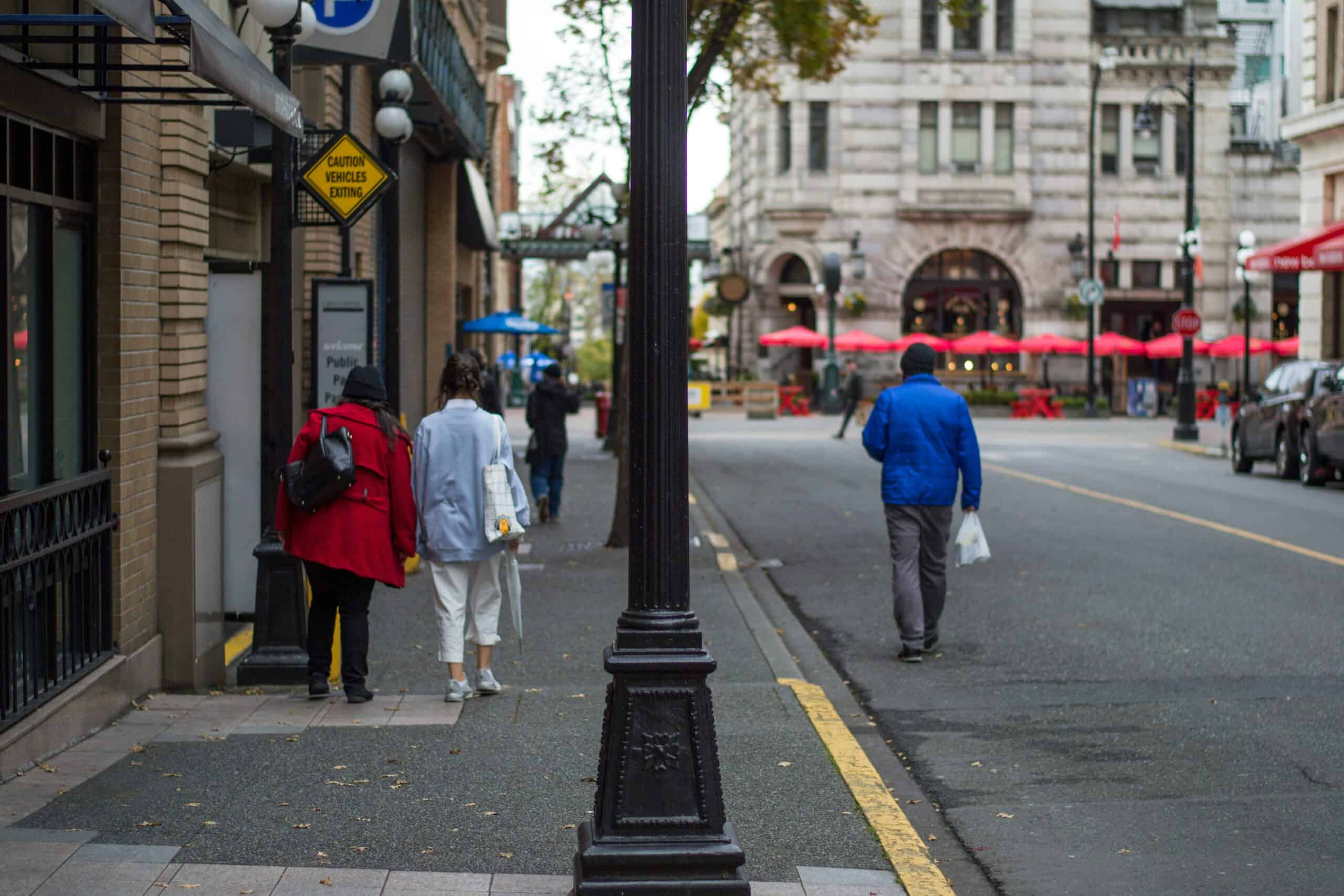
Walkability is often treated as a branding term, but in Victoria it has everyday value. Many neighborhoods make it easy to combine groceries, coffee, parks, and basic services in one compact outing. That reduces transportation costs and lowers mental load from constant planning. Short distances create better daily rhythm, and better rhythm reinforces healthier habits naturally. Movement becomes built in, not something that requires extra scheduling. At street level, the city feels connected, and that connection makes life feel less fragmented and more intentional.
It’s Growing Without Losing Itself
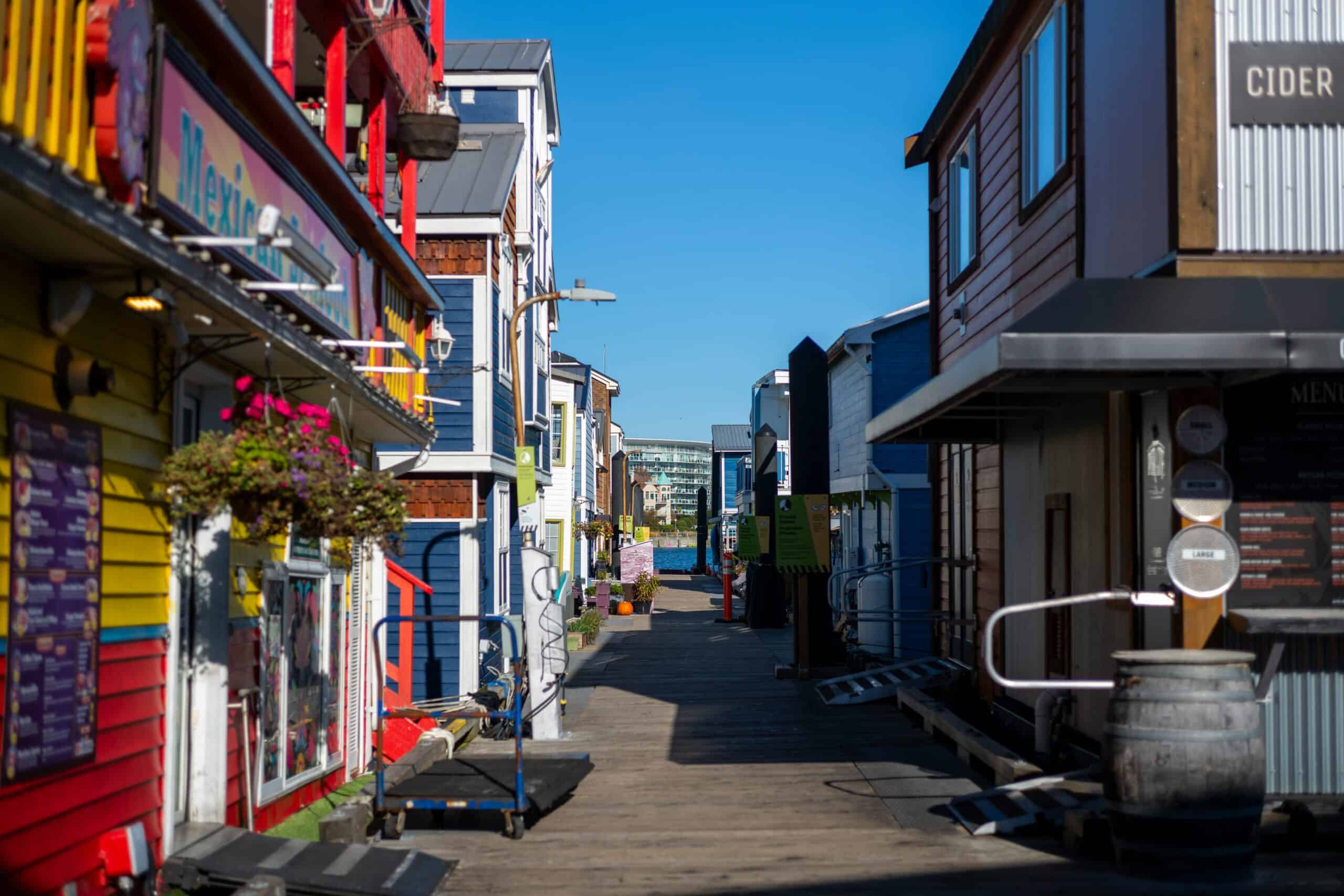
Victoria is growing, but it has not erased its identity in the process. That is harder than it sounds. In many places, growth replaces local texture with generic development and weakens neighborhood character. Victoria has added population and infrastructure while preserving visible continuity through heritage streetscapes, independent businesses, and distinct community pockets. Change is visible, but it is not chaotic. The city still feels rooted and specific. That continuity matters because it helps people feel anchored rather than interchangeable in a fast-moving urban cycle.
Connected, But Not Overwhelmed
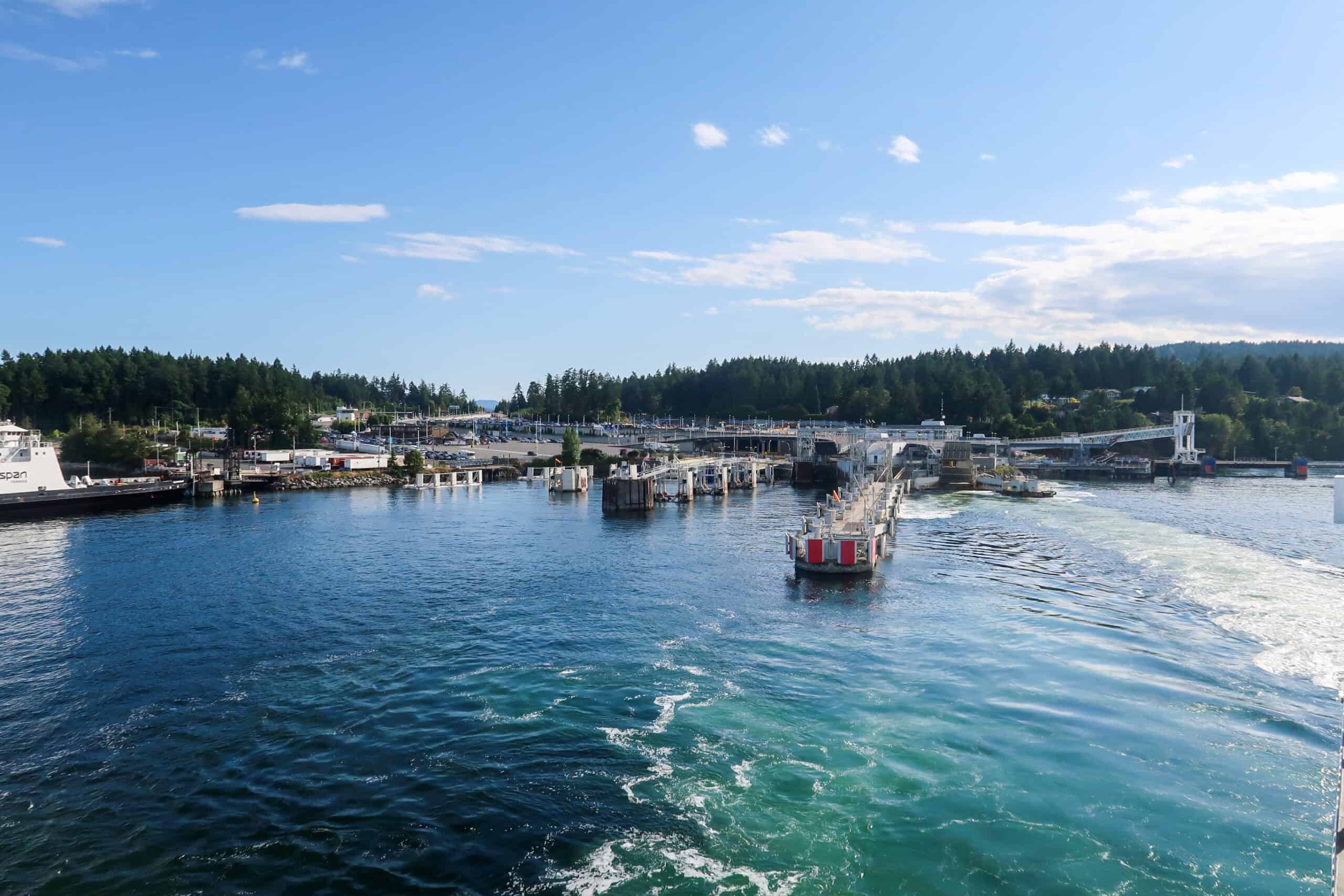
Being on Vancouver Island gives Victoria a valuable kind of distance. The city feels separate from mainland pressure, yet remains connected enough for career access, travel, and larger opportunities. That balance is rare. Some places are hyperconnected and overstimulating. Others are peaceful but isolating. Victoria sits in the middle with surprising effectiveness. It offers calm by default and access by choice. That dynamic supports both ambition and recovery, allowing people to engage with bigger systems without living inside constant urban intensity.