We may earn money or products from the companies mentioned in this post. This means if you click on the link and purchase the item, I will receive a small commission at no extra cost to you ... you're just helping re-supply our family's travel fund.
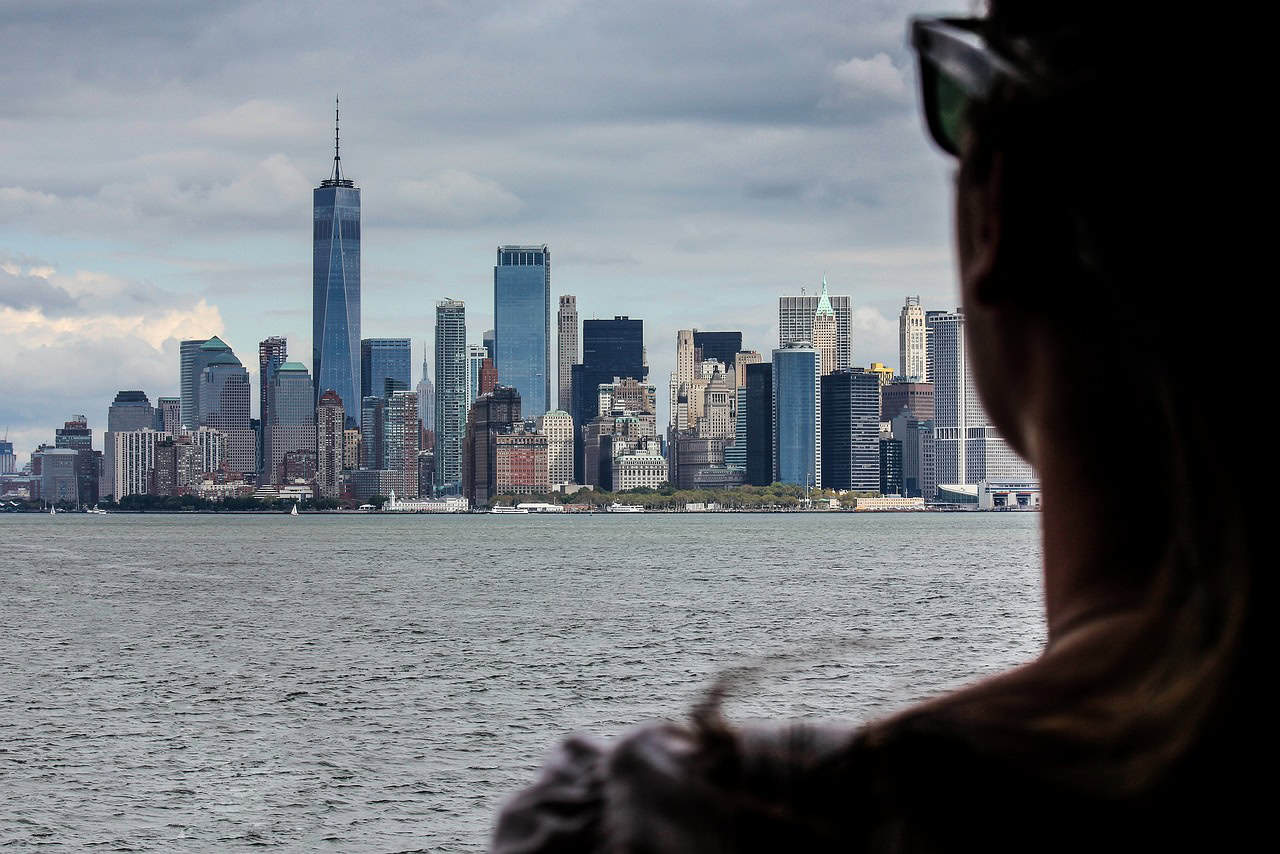
Travel trends often mirror global headlines. In recent years, conversations about visiting the United States have shifted, with some travelers quietly wondering if stepping onto American soil carries social baggage. The short answer is more nuanced than a simple yes or no. Perception depends on politics, media framing, social circles, and personal values. Below are five grounded perspectives that unpack the debate with context, data, and practical clarity.
1. Global Perception vs. Personal Experience
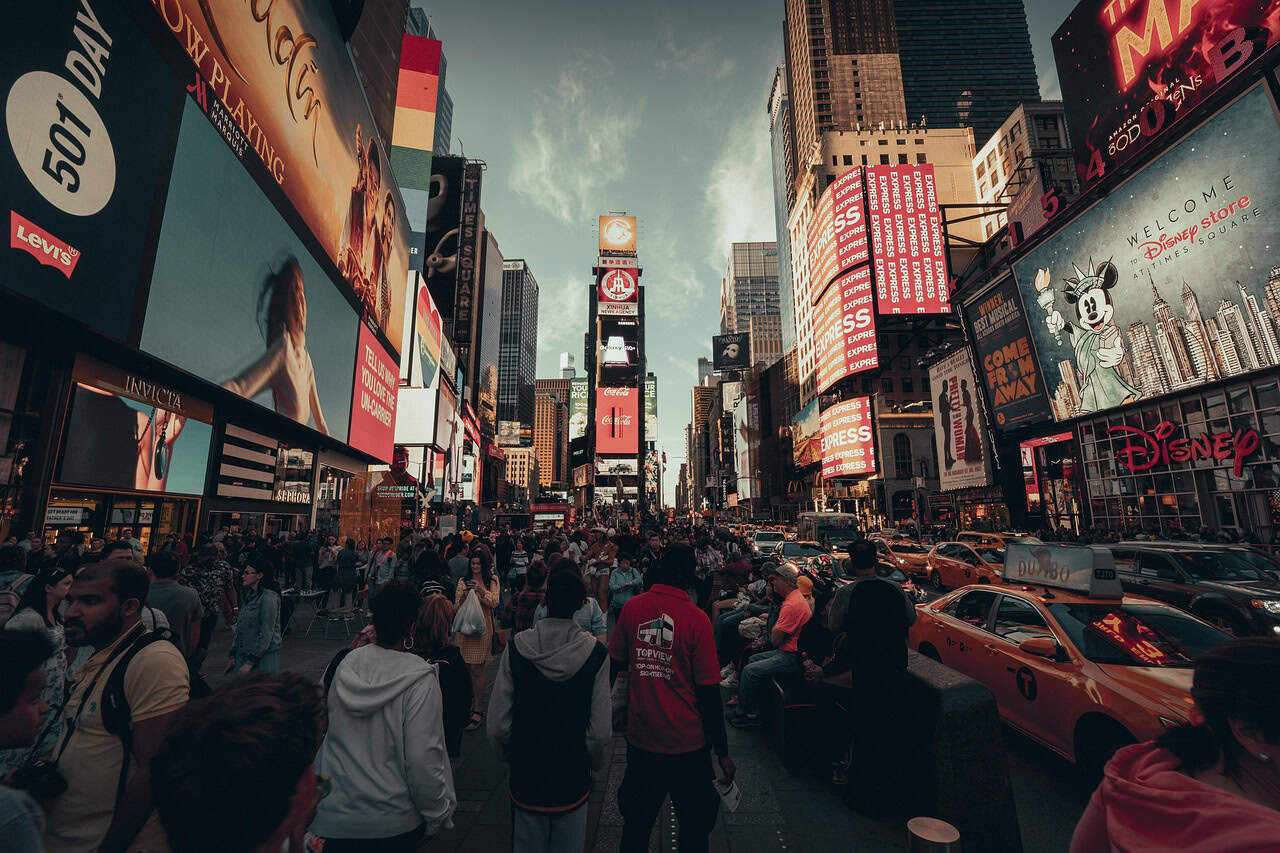
Public opinion surveys show that international views of the U.S. fluctuate significantly, sometimes shifting by 15–25 percentage points between election cycles. Yet tourism numbers tell a steadier story. In 2019, the country welcomed nearly 80 million international visitors, contributing over $233 billion to the economy. Even after pandemic declines, recovery trends remain strong. This gap between headlines and lived experience matters. Travelers often report that everyday interactions feel warm and apolitical. A nation of 330+ million people cannot be reduced to political narratives, and most visits revolve around culture, business, family, and exploration, not ideology.
2. Politics and Social Climate
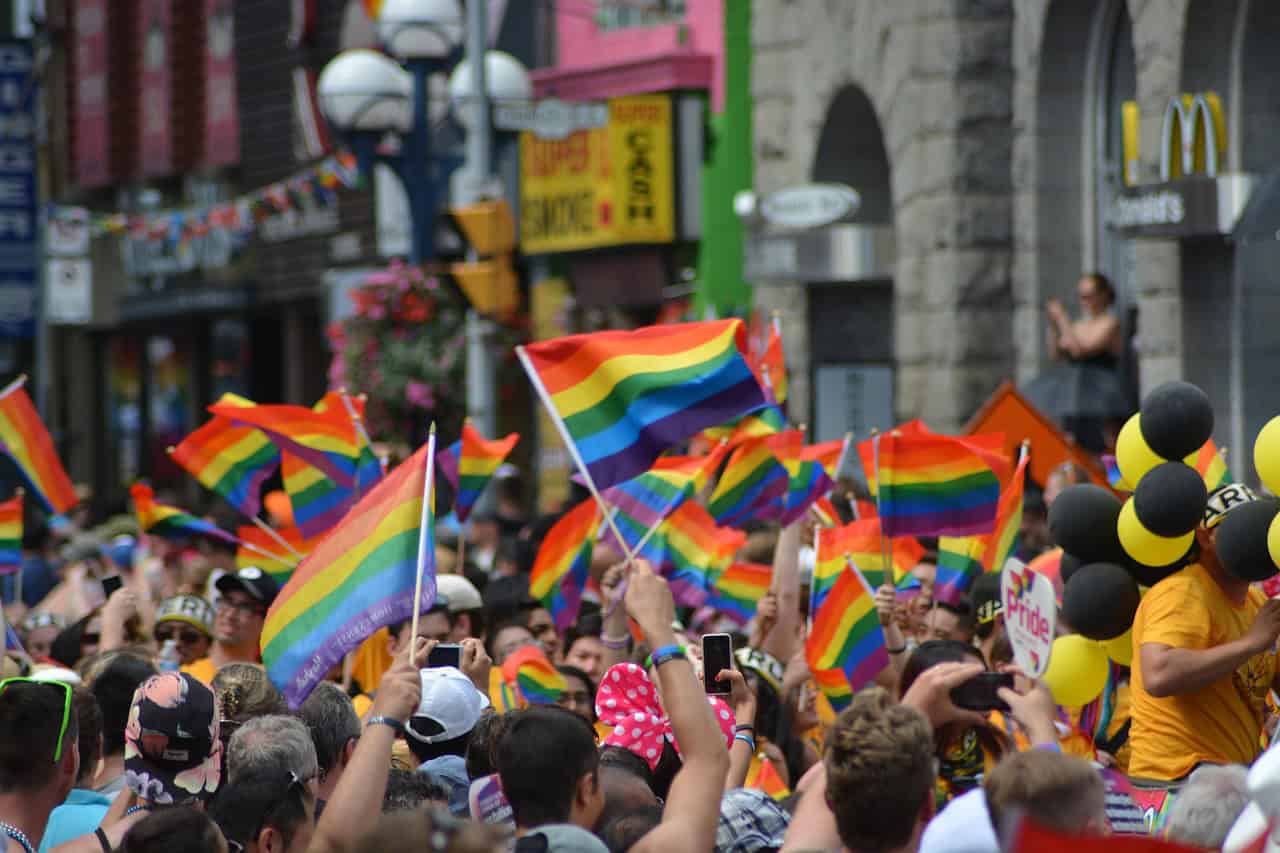
The U.S. political landscape is undeniably polarized, with voter turnout in recent national elections exceeding 66%, one of the highest rates in over a century. Media coverage amplifies social tensions, which can create the impression of constant instability. However, daily life across most cities and towns remains routine and functional. Protests are typically localized, and federal systems ensure continuity regardless of administration changes. For many visitors, political discourse exists primarily online. Embarrassment often stems from external commentary rather than firsthand encounters. It is worth remembering that domestic political debate does not automatically translate into hostility toward tourists.
3. Safety Concerns in Context

Safety is frequently cited as a hesitation point. The U.S. does have higher firearm ownership rates estimated at over 120 guns per 100 residents than most countries. Yet crime rates vary widely by region. Major tourist hubs invest heavily in security, and violent crime has declined significantly from its 1990s peak. Millions of travelers move through airports, national parks, and cities each year without incident. Context matters: risk is highly location-specific. As with any large country spanning 9.8 million square kilometers, research and situational awareness make a meaningful difference. Data-driven preparation tends to reduce anxiety more than headlines do.
4. Cultural Influence and Soft Power

Despite political swings, American cultural influence remains strong. Hollywood films account for billions in global box office revenue annually, while U.S.-based universities host over 1 million international students in peak years. Tech companies, music exports, and sports leagues continue shaping global trends. Visiting often means experiencing landmarks, creative industries, and innovation ecosystems firsthand. For many travelers, the appeal lies in diversity: 50 states, multiple climates, and hundreds of cultural identities. Feeling embarrassed to visit can overlook how deeply embedded American culture already is in daily global life.
5. Social Judgment and Travel Identity

In highly opinionated social circles, travel choices may attract commentary. However, research in tourism psychology shows that most travelers prioritize curiosity and personal growth over political alignment. Visiting a country does not signal endorsement of its government. It reflects interest, opportunity, or connection. Over 50% of international visitors travel for leisure, while business and family visits make up much of the remainder. Personal identity increasingly centers on experiences rather than national narratives. Ultimately, embarrassment is subjective. For most global travelers, a trip to the U.S. is simply that—a trip, not a statement.