We may earn money or products from the companies mentioned in this post. This means if you click on the link and purchase the item, I will receive a small commission at no extra cost to you ... you're just helping re-supply our family's travel fund.
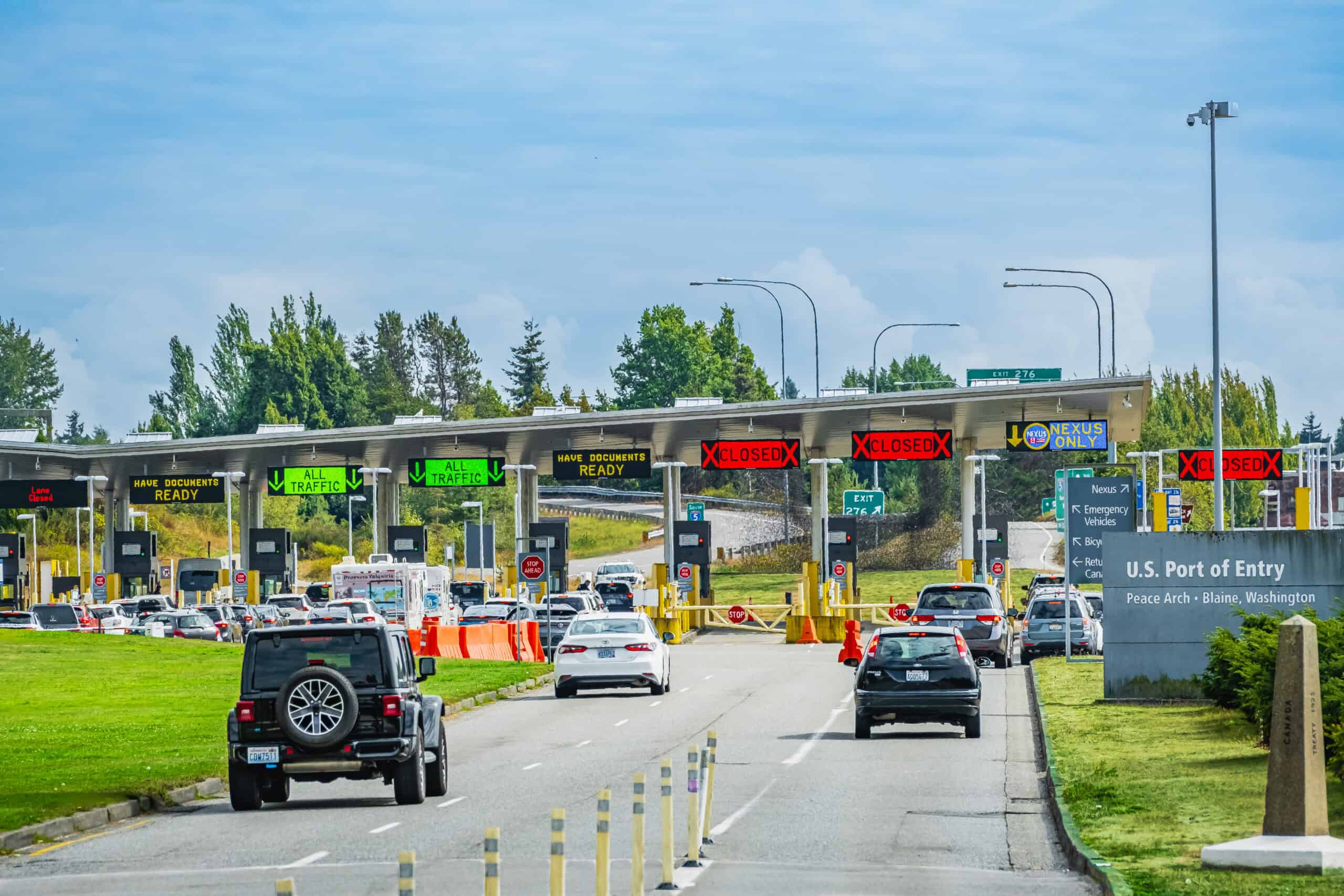
Canada and the United States share the world’s longest undefended border, but lately the flow of vacationers across it has felt choppier than the geography suggests. Tourism to Canada has recovered unevenly since the pandemic, with some regions reporting softer numbers from U.S. travelers. At the same time, American politics has turned even basic travel choices into subtle identity signals. The result is a strange moment in which a neighbor’s slump does not stay neatly contained on one side of the line.
Fewer U.S. Visitors, Quieter Border Towns
Tourism slowdowns in Canada do not just show up in hotel stats north of the border. Cross-border shopping districts, outlet clusters, and shared lake towns rely heavily on Americans making easy weekend trips. When those visitors hesitate, gas stations, motels, and small attractions on the U.S. side also feel the drag. Many businesses built their budgets on the assumption that the border would function like a semi-permeable membrane, not a political and psychological hurdle.
Pandemic Rules Left A Political Aftertaste
Canada’s stricter pandemic rules, including vaccine requirements and longer border closures, left a long shadow in certain U.S. circles. For some conservative travelers and media voices, those policies still symbolize overreach and distrust, even though restrictions have lifted. That perception quietly shapes road-trip maps: people who once treated Canadian provinces as natural extensions of northern states now route vacations through domestic parks instead. The official rules changed faster than the emotions attached to them.
Culture-War Narratives Color Destination Choices
Partisan media in the United States often uses Canada as shorthand in broader arguments about healthcare, gun laws, or environmental policy. To some viewers, it appears as a scolding nanny state; to others, a gentler model that Washington refuses to follow. Those caricatures have real tourism consequences. One segment of Americans avoids spending money in a country they see as politically hostile, while another leans toward Canada when frustrated with U.S. politics, then balks when travel feels complicated or expensive.
Visa, Border, And Security Friction Adds Up
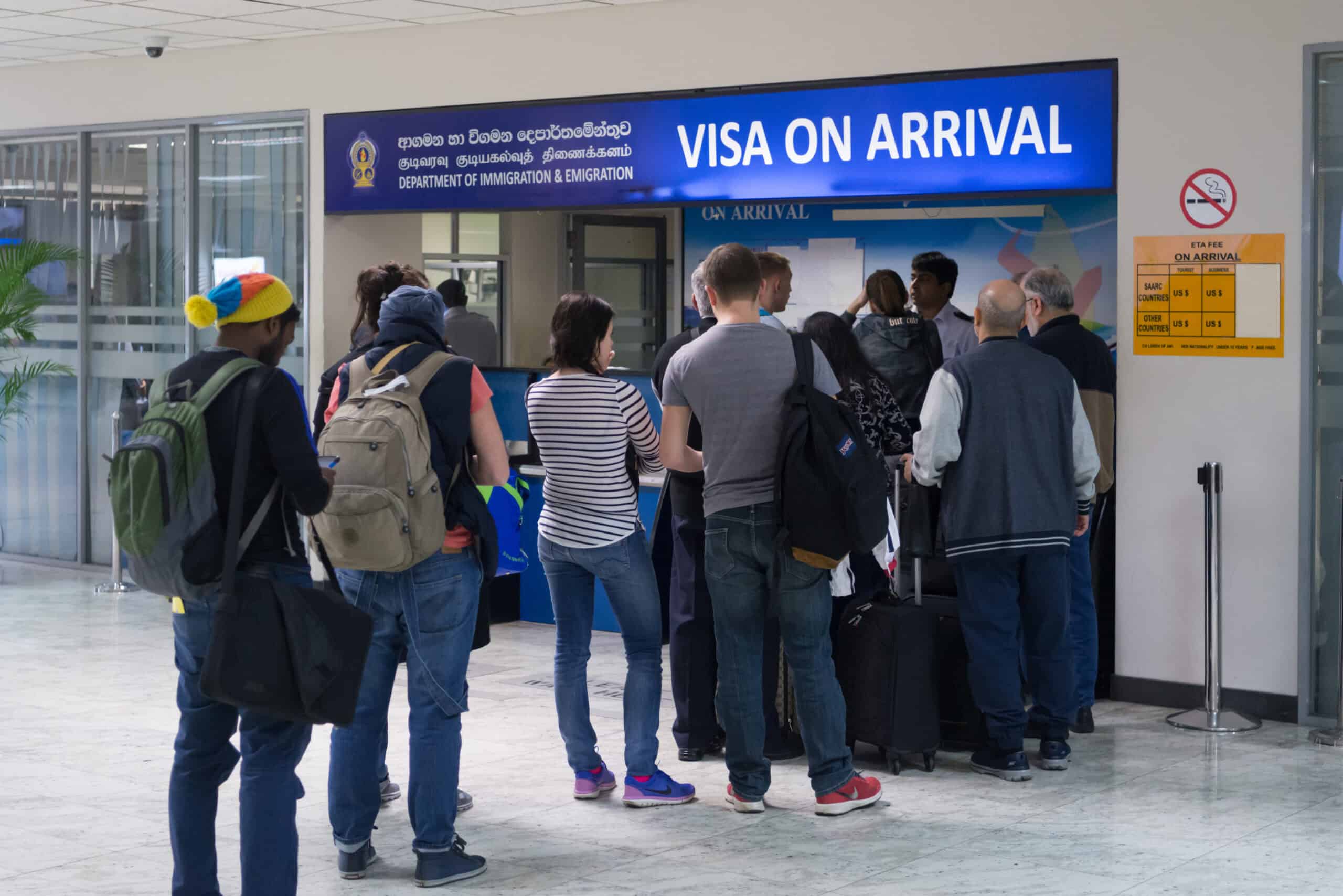
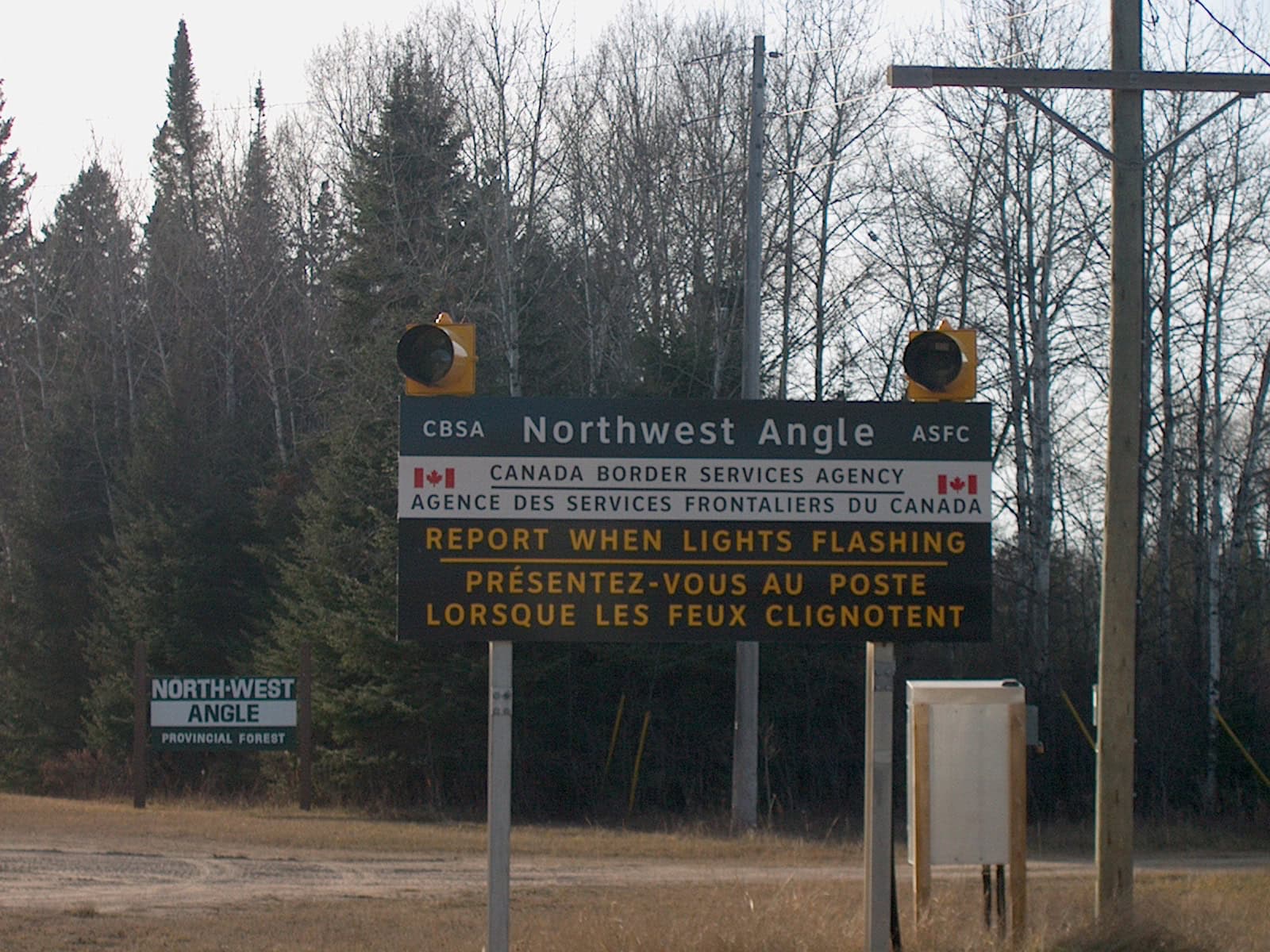
Even when politics is not the main concern, the mechanics of crossing the border can feel more demanding than they did in the 1990s and early 2000s. Passports, enhanced IDs, and more frequent secondary inspections add a thin layer of tension that interacts with partisan suspicion. Some travelers, especially older Americans, decide that if a trip might mean long waits, detailed questioning, or confusion over rules, they might as well choose a destination that does not require explaining their politics at a border booth.
Exchange Rates, Taxes, And “Punishing” Policies
The old bargain of “cheap Canada” has faded at times, depending on currency swings and provincial tax changes. When combined with carbon policies, fuel prices, and headlines about tourism levies, some American travelers interpret Canadian trips as funding an agenda they oppose. That sentiment rarely shows up in official surveys but surfaces in online forums and local conversations. Even a modest perception that a vacation doubles as a political endorsement can be enough to nudge people toward a domestic beach instead.
Spillover On U.S. Side, Hotels, Parks, And Flights

A weaker tourism pull north of the border can subtly reshape patterns on the U.S. side. Airlines trim or delay seasonal routes that rely on two-way traffic, not just Americans flying into Canada but Canadians filling seats southbound. Border-adjacent national parks and shared lake regions notice gaps when Canadians stay home and Americans avoid crossing. Some U.S. gateway airports and towns built around cross-border itineraries find themselves recalibrating, chasing visitors from other regions to replace a neighbor that used to be a given.
Different Regions, Different Political Reactions
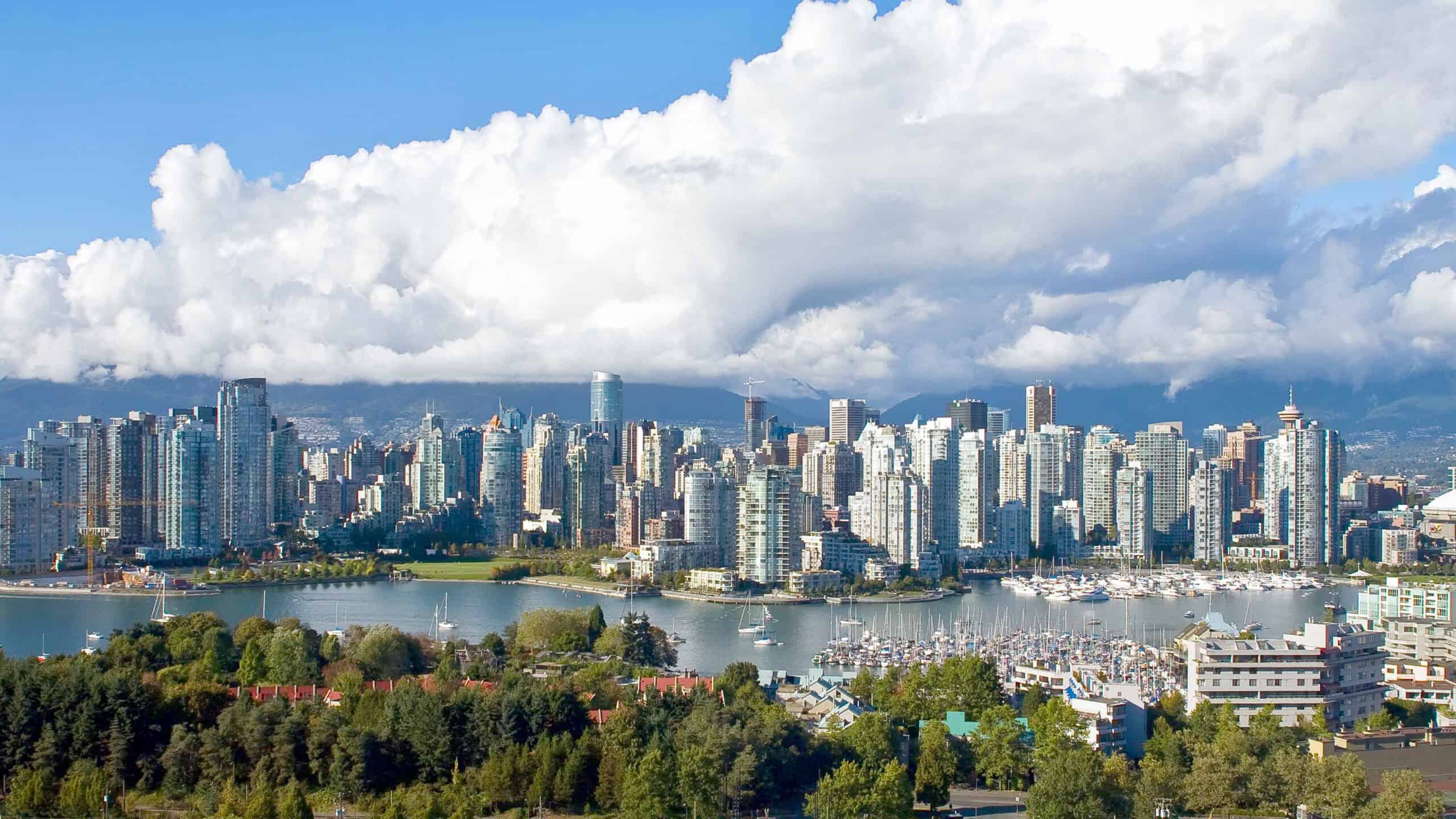
The impact is not evenly distributed. Blue-leaning coastal travelers may still see Canada as a natural extension of familiar politics and spend freely in cities like Vancouver or Montreal. In more conservative interior states, social networks and local talk radio frame Canada as a cautionary tale, making a vacation there feel off-brand. Those patterns feed back into tourism planning. Canadian marketers increasingly target specific U.S. states and metros where the political and cultural chemistry still feels welcoming in both directions.