INRIX Says Tuesday Afternoon Is the Worst Time to Drive for Thanksgiving. 8 Road Trip Mistakes That Make It Worse
We may earn money or products from the companies mentioned in this post. This means if you click on the link and purchase the item, I will receive a small commission at no extra cost to you ... you're just helping re-supply our family's travel fund.
If you are planning a Thanksgiving road trip and your plan is to leave right after work on Tuesday or Wednesday, you are aiming straight at the worst traffic of the year. According to the traffic data company INRIX, Tuesday afternoon and Wednesday afternoon are the worst times to be on the road before the holiday.
INRIX’s analysis for Thanksgiving 2025, reported by USA Today, found that the worst times to drive were Tuesday from noon to 9 p.m. and Wednesday from 11 a.m. to 8 p.m. The best times to leave were before noon on Tuesday and before 11 a.m. on Wednesday. INRIX found that Thanksgiving Day itself typically has the lightest traffic of the week. For the return trip, the best times were Friday before 11 a.m., Saturday before 10 a.m., Sunday before 11 a.m., and Monday after 8 p.m.
Those patterns repeat year after year, because most drivers leave and return at the same times. Here are the eight mistakes that make Thanksgiving driving worse, and how to avoid each one.
8 Thanksgiving Road Trip Mistakes That Make It Worse
1. Leaving Tuesday or Wednesday Afternoon
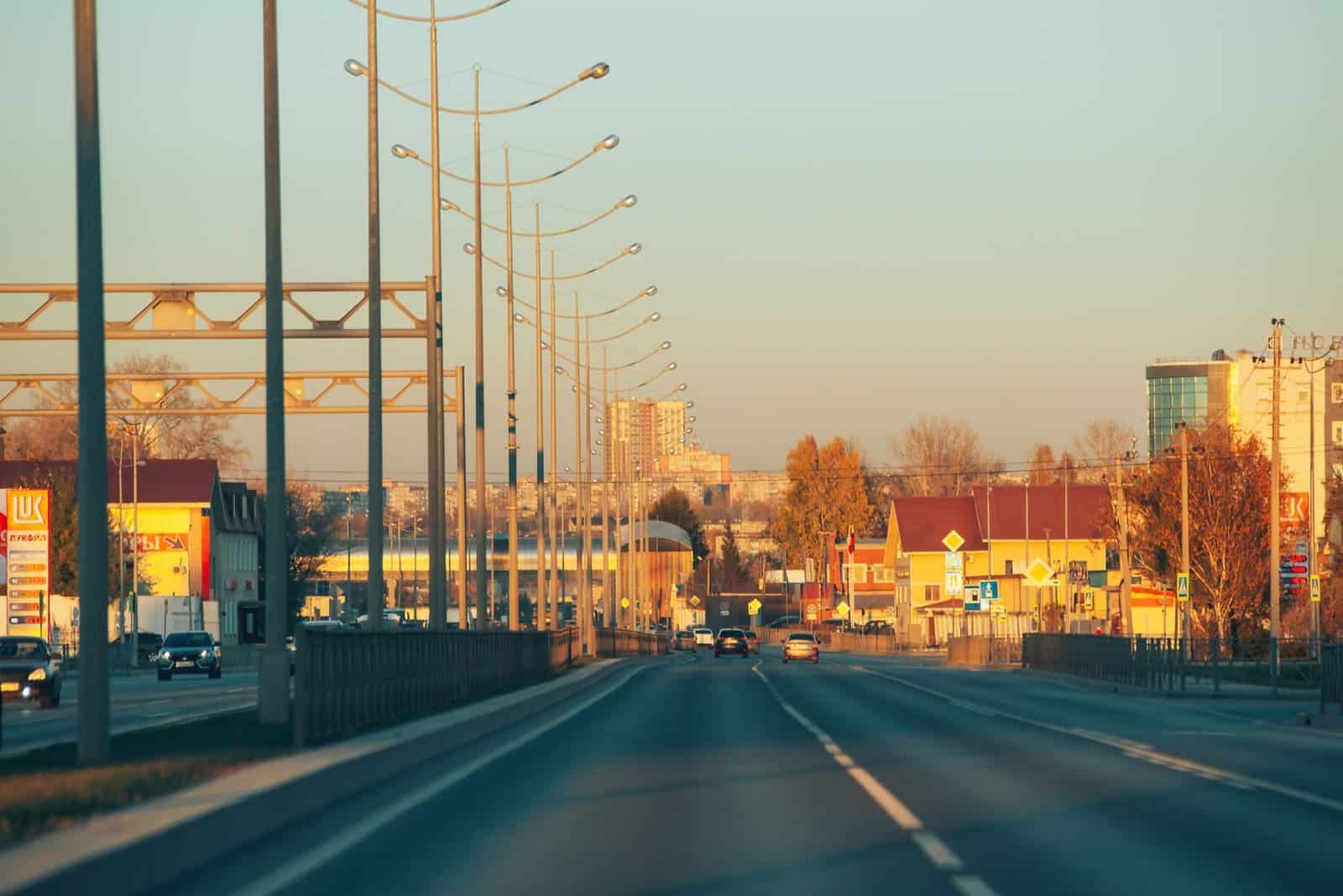
This is the big one. On the Tuesday and Wednesday before Thanksgiving, holiday travelers pile onto roads at the same time as regular commuters heading home from work. INRIX’s worst windows, Tuesday noon to 9 p.m. and Wednesday 11 a.m. to 8 p.m., are when those two groups overlap.
The fix is to shift your departure by a few hours. Leaving Tuesday morning or Wednesday before 11 a.m. can save you a lot of time sitting in traffic. If you can work remotely, consider driving Monday or early Tuesday and working from your destination.
2. Assuming Thanksgiving Day Will Be Busy
Many people avoid driving on Thanksgiving Day because they assume roads will be packed. INRIX’s data says the opposite: Thanksgiving Day typically has the lightest traffic of the holiday week. Most travelers have already arrived. If your drive is under five or six hours, leaving early on Thanksgiving morning can get you to dinner without the stress of Wednesday’s traffic.
3. Coming Home Midday Sunday
The Sunday after Thanksgiving is one of the heaviest return days, both on the roads and at airports. Many drivers wait until after a late breakfast, which puts them in the worst traffic. INRIX’s best Sunday window is before 11 a.m. Better still, consider returning Saturday morning before 10 a.m., or Monday after 8 p.m. if your schedule allows.
4. Skipping a Weather Check
Late November weather can change fast in the Northeast, the Great Lakes, the Plains, and the mountains. Snow, freezing rain, and fog cause slowdowns and crashes, and lake-effect snow can hit parts of New York, Pennsylvania, and Ohio with little warning.
- Check the forecast for your whole route: Not just your starting point and destination.
- Use state 511 systems: Most states run 511 traveler information websites and phone lines with road conditions, closures, and cameras.
- Adjust your timing: Leaving a day early or a few hours late is better than driving through a storm.
5. Starting With a Low Tank and an Unchecked Car
A breakdown on a packed interstate is miserable for you and everyone behind you. Before you leave:
- Fill the tank: Gas stations near busy interchanges can have long lines on travel days.
- Check tire pressure: Cold weather lowers tire pressure, and a heavily loaded car needs properly inflated tires.
- Top off fluids: Especially windshield washer fluid rated for freezing temperatures.
- Test the battery: Cold mornings expose weak batteries.
- Pack a winter emergency kit: Jumper cables, blanket, scraper, flashlight, water, and snacks.
6. Trusting One Navigation App Blindly
Navigation apps are great at rerouting around traffic, but on the busiest travel days, they sometimes send thousands of drivers onto the same back roads, which can be narrow, slow, and not built for the traffic. Use apps, but compare routes, look at the map, and be skeptical of detours that send you through small towns or onto unfamiliar rural roads in bad weather. Know your main route and a backup before you leave.
7. Overpacking the Car
Holiday trips often mean extra luggage, food, gifts, and sometimes pets. An overloaded car handles worse, brakes longer, and uses more gas.
- Check your vehicle’s load limit: It is on a sticker inside the driver’s door.
- Keep sightlines clear: Do not stack bags so high that you cannot see out the rear window.
- Secure loose items: In a sudden stop, heavy objects become projectiles.
- Pack food carefully: Keep dishes in coolers or boxes on the floor, not on seats.
8. Driving Tired
After a long day of work, a late departure, or a big holiday meal, drowsy driving is a real risk. The National Highway Traffic Safety Administration counts drowsy driving as a factor in many crashes every year. Warning signs include yawning, drifting from your lane, missing exits, and not remembering the last few miles.
- Get a full night’s sleep before a long drive.
- Share the driving: Swap drivers every two hours if you can.
- Take breaks: Stop every two hours or about 100 miles.
- Pull over if you feel drowsy: A short nap of 15 to 20 minutes in a safe place can help. Caffeine helps only briefly.
The Best Times to Drive, at a Glance
Based on INRIX’s Thanksgiving 2025 analysis, reported by USA Today:
- Tuesday: Leave before noon. Avoid noon to 9 p.m.
- Wednesday: Leave before 11 a.m. Avoid 11 a.m. to 8 p.m.
- Thursday: Lightest traffic of the holiday period.
- Friday: Return before 11 a.m.
- Saturday: Return before 10 a.m.
- Sunday: Return before 11 a.m.
- Monday: Return after 8 p.m.
INRIX typically releases updated projections each November, so check for the latest data before you leave. The overall pattern changes little from year to year.
How Busy Thanksgiving Travel Gets
Thanksgiving is consistently one of the busiest travel periods of the year in the United States, and most travelers go by car. AAA projects Thanksgiving travel volume each year, and its recent forecasts have counted tens of millions of people driving 50 miles or more from home during the holiday period. On the busiest days, major highways near big cities can see trips take much longer than normal.
Extra Tips for Northeast Drivers
- Watch the bridges and tunnels: Crossings into and out of New York City, such as the George Washington Bridge and the Lincoln and Holland tunnels, back up badly on Wednesday afternoon.
- Consider I-95 alternatives carefully: Parallel routes like the Merritt Parkway in Connecticut and I-81 west of the coast can help, but they also fill up.
- Have E-ZPass or the right toll tag: Many Northeast tolls are electronic only, and those without a tag pay higher toll-by-mail rates.
- Expect Black Friday traffic near malls: Roads around shopping centers can jam Friday morning and afternoon.
Keep Kids and Pets Comfortable
- Plan stops: Kids need breaks every couple of hours.
- Pack entertainment: Downloaded shows, books, and games for areas without cell signal.
- Bring pet supplies: Water, food, a leash, and waste bags. Never leave pets in a closed car.
Plan Your Departure by Distance
- Under 3 hours: You have the most flexibility. Consider driving early on Thanksgiving morning, when INRIX data shows roads are lightest.
- 3 to 6 hours: Leave Tuesday morning or Wednesday before 11 a.m. if you can, or very early on Thursday.
- Over 6 hours: Split the trip with an overnight stop, or leave Monday or early Tuesday to get ahead of the worst traffic.
Food and Rest Stops
On busy travel days, rest areas and service plazas on major interstates can be crowded, with long lines for restrooms, gas, and food. Pack snacks, drinks, and a meal so you can stop when you need to rather than when everyone else does. Plan stops at exits slightly off the main corridors, where lines are often shorter.
Carrying Thanksgiving Food in the Car
If you are bringing dishes to dinner, pack them safely.
- Keep cold food cold: Use a cooler with ice packs for anything that needs refrigeration, and keep it below 40 degrees.
- Keep hot food hot: Insulated carriers help for short trips. For long drives, reheat at your destination instead.
- Secure dishes: Put pies and casseroles in boxes or baskets on the floor so they do not slide.
- Limit time in the danger zone: Perishable food should not sit at room temperature for more than two hours.
If You Get Stuck in Traffic
Stay calm, keep a safe following distance, and avoid frequent lane changes, which rarely save time in heavy traffic. Keep your phone mounted or put away, and let a passenger handle navigation.
The Bottom Line
INRIX’s data says the worst times to drive for Thanksgiving are Tuesday from noon to 9 p.m. and Wednesday from 11 a.m. to 8 p.m., while Thanksgiving Day itself is usually the lightest. Avoid the eight mistakes that make holiday driving worse: leave early, consider driving on Thursday, come home early on the weekend or late Monday, check the weather, prepare the car, use navigation apps with care, pack light, and do not drive tired.