11 Things to Keep in Your Car This Winter, From Ready.gov’s Emergency Kit List
We may earn money or products from the companies mentioned in this post. This means if you click on the link and purchase the item, I will receive a small commission at no extra cost to you ... you're just helping re-supply our family's travel fund.
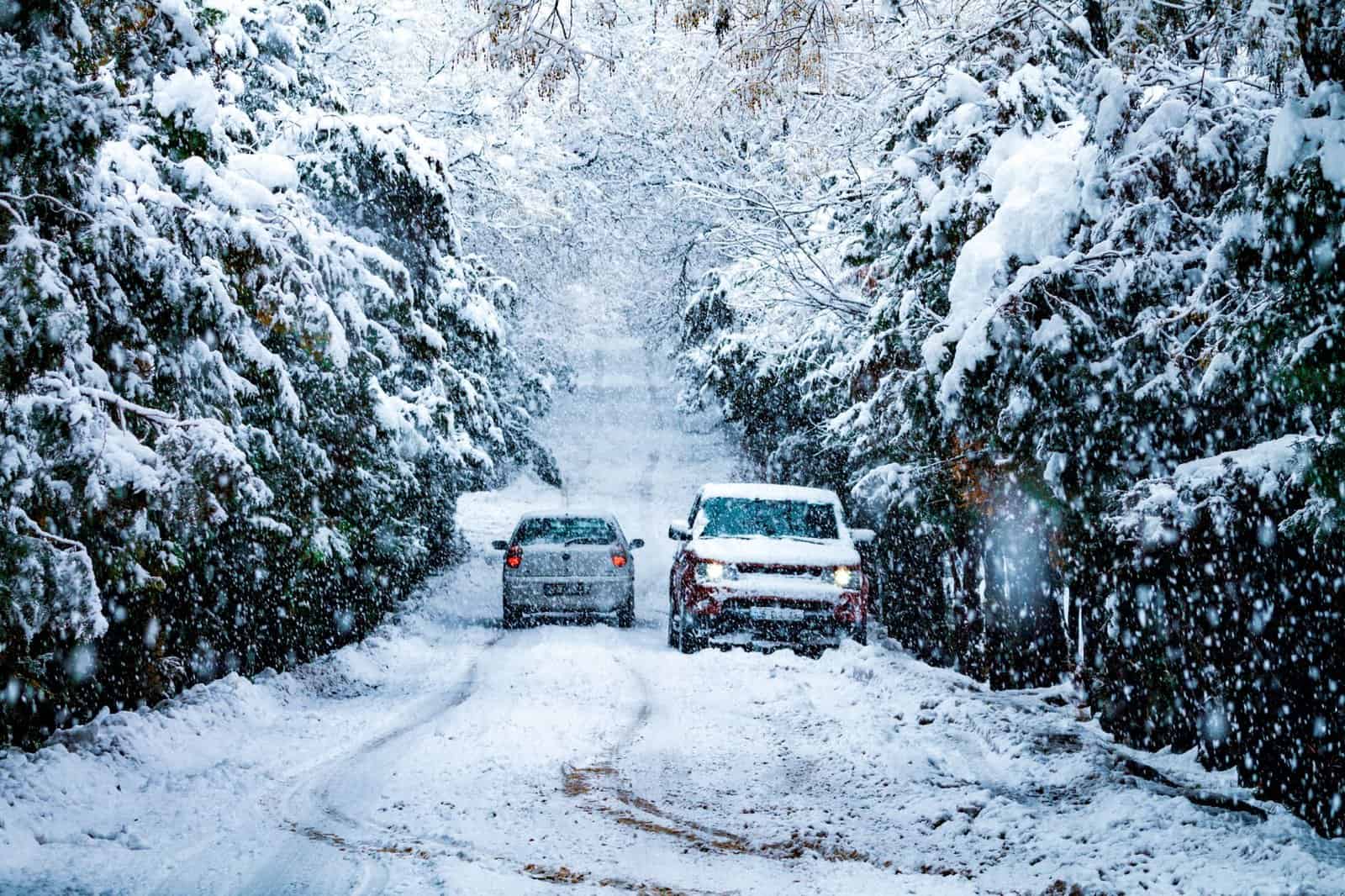
A winter car emergency kit costs less than a tank of gas to put together, and it can turn a long, scary wait on a snowy shoulder into an uncomfortable but safe one. If you drive anywhere in the Northeast, the Midwest, or the mountains between November and March, these 11 items belong in your car before the first storm.
The list starts with the federal government’s own advice. Ready.gov, the preparedness site run by the Federal Emergency Management Agency, recommends a winter car kit that includes jumper cables, flares or a reflective triangle, an ice scraper, a car cell phone charger, a blanket, a map, and cat litter or sand for better tire traction. Ready.gov also advises keeping your gas tank full to keep the fuel line from freezing, using winter tires where conditions call for them, and not using cruise control on icy roads.
That is the core. Below, each item is explained, along with a few additions that fill gaps for long holiday drives, rural roads, and families traveling with kids.
11 Things to Keep in Your Car This Winter
1. Jumper Cables or a Portable Jump Starter
Cold weather is hard on car batteries. A battery that starts fine in October can fail on a frigid January morning. Jumper cables are cheap and last for years, but they require a second car. A portable lithium jump starter, which is about the size of a hardback book, lets you start your car by yourself. Keep it charged, since cold drains those batteries too. If you carry cables, choose a heavy-gauge set at least 12 feet long so they reach between cars parked at awkward angles.
2. Flares or Reflective Triangles
If you are stuck on the shoulder, other drivers need to see you, especially in snow, at night, or around a curve. Ready.gov lists flares or a reflective triangle. Reflective triangles are reusable and safe to store. Road flares burn very bright but are a fire hazard and expire. LED road flares are a middle ground. Set them up well behind your car to give approaching drivers time to react.
3. An Ice Scraper and Snow Brush
This is the item people use the most. An ice scraper clears your windshield and windows, and a snow brush removes snow from the roof, hood, and lights. Clearing snow from the roof is not just courtesy. In several states, including New Jersey and Pennsylvania, laws require drivers to remove snow and ice from their vehicles, and flying chunks can injure other drivers. A long-handled combo tool reaches the middle of the roof on SUVs and trucks.
4. A Car Phone Charger
Ready.gov lists a car cell phone charger. Your phone is how you call for help, check road conditions, and let people know where you are. Cold drains phone batteries faster than usual. Keep a charging cable that fits your phone in the car, plus a small power bank in case the car’s battery dies.
5. Blankets
If your car breaks down or gets stuck, a blanket keeps you warm without running the engine. Ready.gov includes a blanket in its kit. Wool blankets stay warm even if damp. Emergency Mylar blankets are cheap and pack small. Bring one per person you usually travel with. Add a spare hat, gloves, and a pair of warm socks for each person, since many people leave home in light shoes and thin jackets for a short drive.
6. A Paper Map
Ready.gov lists a map. GPS and phones fail in places with no signal, and dead batteries and broken screens happen. A paper road atlas or state map shows you alternate routes if a highway closes. It also helps if your phone battery is low and you need to save it for calls.
7. Cat Litter or Sand
If your tires spin on ice or packed snow, a few handfuls of cat litter or sand under the drive wheels can give them grip. Ready.gov specifically lists cat litter or sand for better tire traction. Non-clumping clay litter works well. A bag also adds a little weight over the drive wheels in rear-wheel-drive vehicles. Store it in a sealed container so it stays dry.
8. A Compact Shovel
A folding or compact snow shovel lets you dig out your tires, clear snow from around the exhaust pipe, and get out of a plowed-in parking spot. It fits in the trunk and costs about $20 to $40. If you get stuck in a drift, dig out the snow in front of and behind each tire before trying to drive out.
9. Water and Snacks
If you are stuck for hours, water and food make a big difference, especially with kids. Pack bottled water, leaving some room in each bottle so it does not burst if it freezes, and high-calorie snacks that do not spoil, such as granola bars, nuts, trail mix, or crackers. Replace them every few months.
10. A Flashlight and Spare Batteries
A flashlight helps you check under the hood, find things in the trunk, change a tire, or signal for help. A headlamp leaves both hands free. Keep spare batteries in the kit, or choose a rechargeable light and keep it charged. Lithium batteries hold up better in the cold than alkaline ones.
11. A First Aid Kit and Warm Extras
A basic first aid kit belongs in every car year-round. In winter, add a few things: chemical hand warmers, a spare pair of gloves, any personal medications you might need if you are stuck overnight, and a small bag for trash. If you drive with a baby, add diapers, wipes, formula, and a spare change of clothes.
Winter Driving Habits From Ready.gov
A good kit is only half of it. Ready.gov also lists habits that keep you from needing the kit in the first place.
- Keep your gas tank full: A full tank helps keep the fuel line from freezing and gives you more time to run the heater if you are stuck.
- Use winter tires: Winter tires grip better on snow and ice than all-season tires in cold weather.
- Skip cruise control on icy roads: Ready.gov advises against it. You need full control of acceleration.
- Check the forecast: Delay your trip if a major storm is coming.
- Tell someone your route: Let someone know your plans and when you expect to arrive.
If You Get Stuck
Knowing what to do matters as much as what you carry. Winter safety experts and state transportation departments generally recommend these steps:
- Stay with your car: It is easier for rescuers to find a car than a person on foot, and the car protects you from wind and cold.
- Call for help: Use 911 if you are in danger, or roadside assistance if you are safe but stuck.
- Make your car visible: Set out flares or triangles and turn on hazard lights. Tie a bright cloth to the antenna or door.
- Run the engine carefully: Run the engine and heater for about 10 minutes each hour to stay warm.
- Clear the exhaust pipe: Make sure snow is not blocking the tailpipe, which can push carbon monoxide into the car.
- Crack a window: Open a downwind window slightly while the engine runs.
- Move to stay warm: Flex your arms and legs to keep blood flowing, and huddle together under blankets.
How to Pack a Winter Car Emergency Kit
- Use a sturdy bin or bag: A plastic tote or duffel keeps everything together and easy to grab.
- Keep the scraper up front: Store the ice scraper inside the car, not in the trunk, so you can reach it if the trunk is iced shut.
- Check it in the fall: Each November, replace expired items, charge devices, and swap in fresh water and snacks.
- Keep it light: You do not need survival gear for a trek. You need enough to stay warm, visible, and in touch for a few hours.
What It Costs
A basic kit is affordable. Approximate prices:
- Jumper cables: About $25 to $50. A portable jump starter costs about $50 to $150.
- Reflective triangles: About $15 to $30 for a set.
- Ice scraper and brush: About $10 to $30.
- Blankets: About $5 for Mylar, $20 to $50 for wool.
- Compact shovel: About $20 to $40.
- Cat litter: About $5 to $10 for a bag.
All in, a solid winter car emergency kit usually costs about $100 to $250, much less if you already own some items.
Get the Car Ready Too
Before winter, have a mechanic or service shop check:
- Battery health, since weak batteries fail first in the cold
- Tire tread and pressure, since cold air lowers tire pressure
- Antifreeze levels
- Wiper blades and washer fluid rated for freezing temperatures
- Lights, including headlights, brake lights, and turn signals
The Bottom Line
Ready.gov’s winter car kit list covers the essentials: jumper cables, flares or reflective triangles, an ice scraper, a phone charger, a blanket, a map, and cat litter or sand. Add a shovel, water and snacks, a flashlight, and a first aid kit with warm extras, and you have 11 items that will see you through most winter breakdowns. Keep your gas tank full, skip cruise control on ice, and check the kit every November.