We may earn money or products from the companies mentioned in this post. This means if you click on the link and purchase the item, I will receive a small commission at no extra cost to you ... you're just helping re-supply our family's travel fund.

The 2025 travel story in the United States felt different from the rest of the world. Global tourism kept recovering, international travel spending rose, and many top destinations posted stronger results, yet the U.S. moved in the opposite direction on key inbound measures. Experts described a slowdown in international momentum, with weaker arrivals, softer spending, and more signs of friction in the trip-planning process. It was not a collapse, and domestic travel stayed strong, but the contrast was sharp enough to raise real concern across the tourism industry.
Global Travel Grew While The U.S. Lost Momentum

Travel analysts entered 2025 expecting a strong year, and much of the world delivered exactly that. Demand stayed high across Europe, parts of Asia, and major leisure markets, which made the U.S. numbers stand out more than they would have in a weak year. When global tourism is growing and one major destination slips, experts usually treat it as a competitiveness issue, not just a temporary dip, because it suggests travelers are still spending but choosing other places that feel easier, cheaper, or more predictable.
The Biggest Warning Was About International Visitor Spending
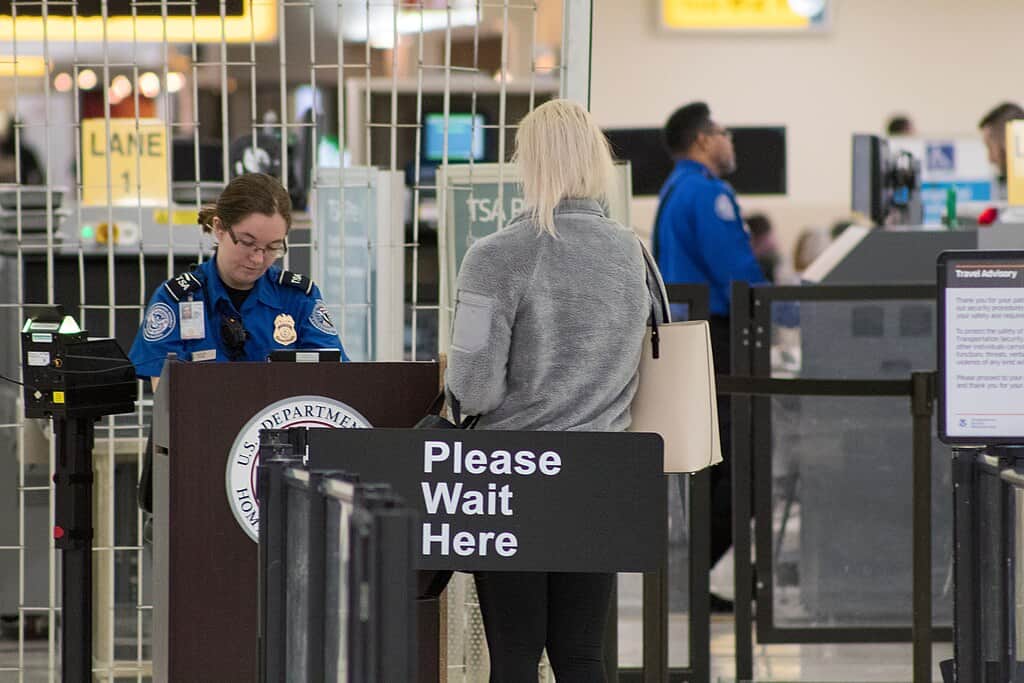
The most repeated expert warning in 2025 focused on inbound spending, not just headcount. Tourism groups said the United States was on track to be the only major tourism economy to post a decline in international visitor spending, even while remaining one of the largest travel markets overall. That distinction matters because inbound spending supports far more than hotels. It feeds local restaurants, attractions, airport businesses, guides, and city budgets, so even a modest decline in foreign visitor dollars can spread through many parts of a destination economy.
Federal Arrival Data Supported The Same Trend
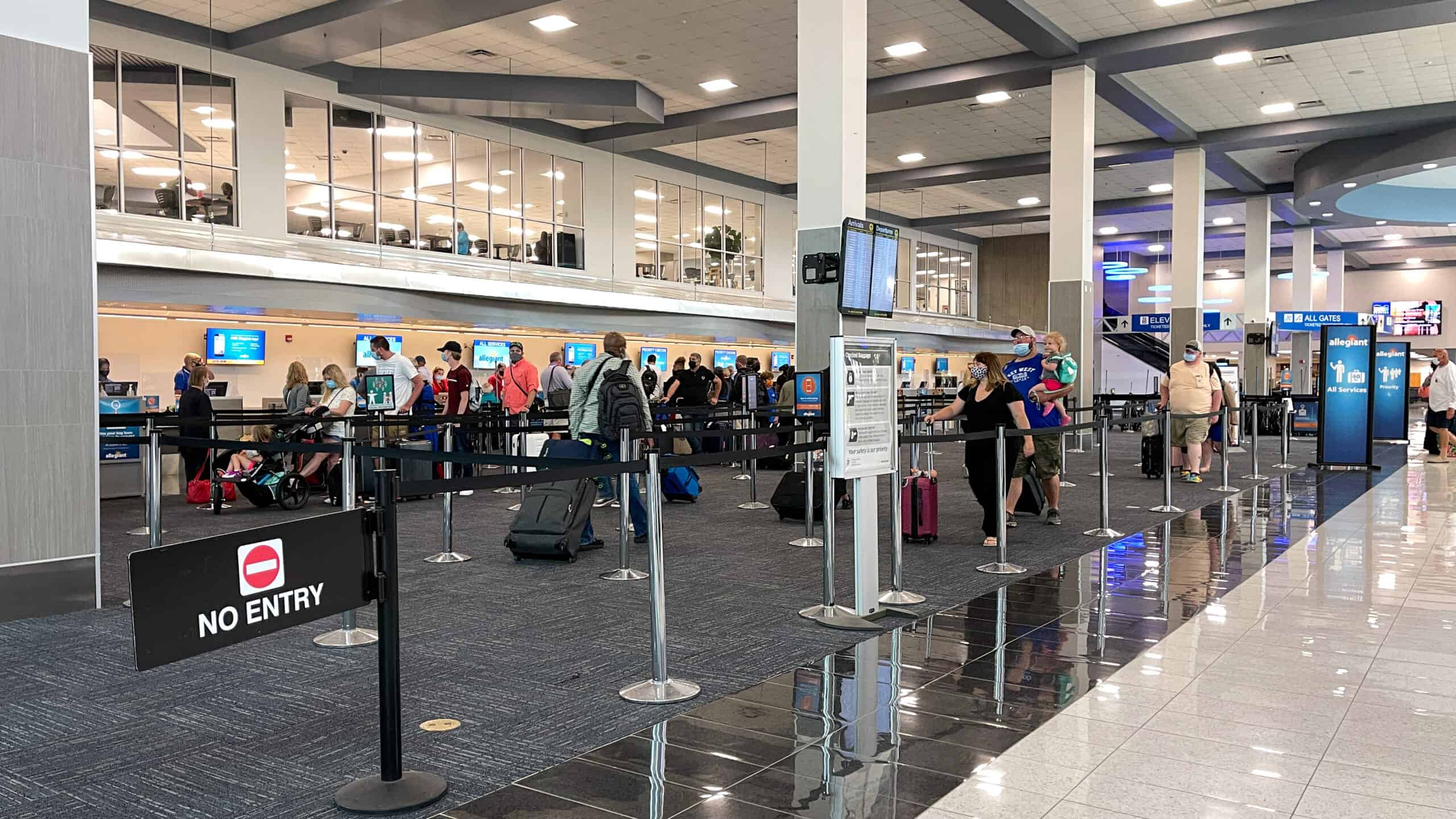
Public data added weight to the private forecasts. Through the early part of 2025, international arrivals to the United States were running below the same stretch in 2024, which made the slowdown harder to dismiss as a single bad month. Analysts also noted that the weakness was not limited to one route or one weather disruption. A broader drop across several countries usually points to a more structural problem, where cost, timing, and traveler confidence are all working against a destination at the same time.
Several Key Source Markets Softened At Once

The pattern looked more serious once individual source markets were reviewed. Important inbound countries, including Canada, the United Kingdom, Germany, Australia, and South Korea, showed weaker performance, while Mexico held up better and helped limit the damage. That split mattered because long-haul visitors often stay longer and spend more per trip. When those markets pull back together, the effect shows up quickly in hotel nights, museum traffic, tours, and downtown dining, especially in places that depend heavily on international visitors.
Air Travel And Monthly Spending Reports Showed The Gap
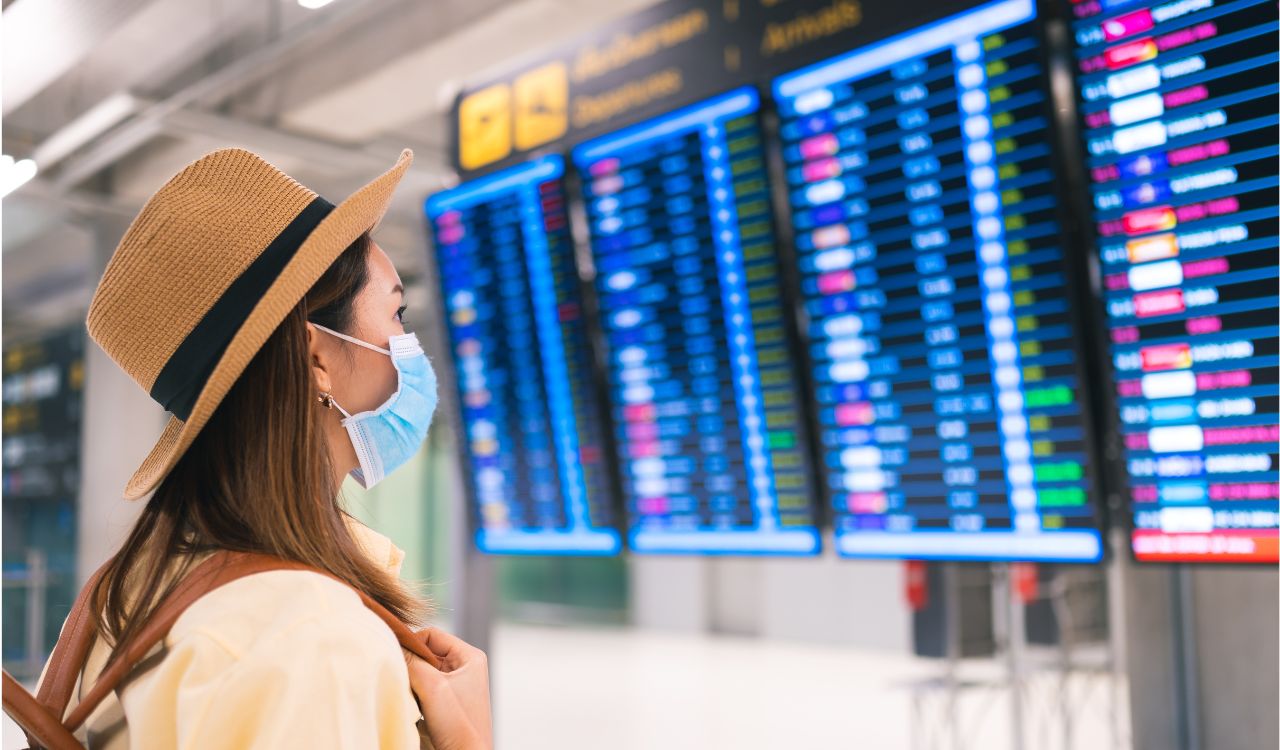
Air travel data captured the imbalance in a way that was easy to see. Non-U.S. citizen arrivals by air weakened in year-over-year comparisons during parts of 2025, while outbound travel by U.S. residents remained firmer, creating a visible mismatch between incoming and outgoing demand. Visitor spending reports showed similar softness in some monthly snapshots, even as Americans kept spending abroad. Analysts did note calendar effects, including the Easter shift, but the broader direction still suggested a slower inbound recovery than many expected.
Visa Delays And Travel Friction Stayed In The Picture

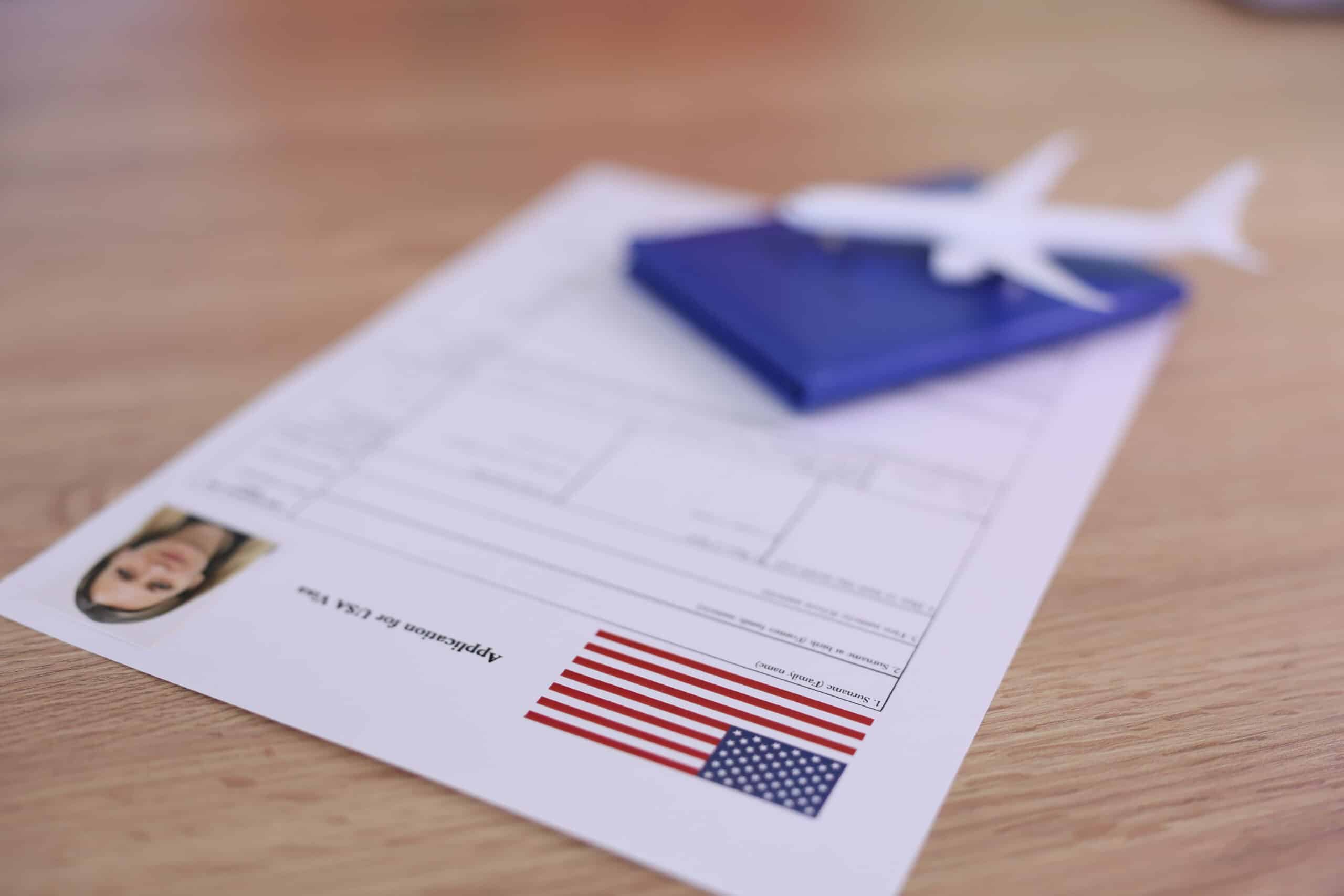
Experts kept returning to one issue, friction. Even where visa wait times improved, long appointment lead times still affected planning in major source markets, and uncertainty can push travelers toward destinations with faster, simpler entry rules. Tourism organizations also pointed to high prices, border experience concerns, and uneven destination promotion as part of the problem. None of those factors cancels the U.S. appeal on its own, but together they can make an otherwise exciting trip feel harder to justify, especially for families planning far in advance.
Domestic Travel Helped Hide The Inbound Slowdown
One reason the slowdown felt easy to miss was domestic demand. The U.S. travel economy stayed active, and strong domestic trips kept many hotels, airlines, and attractions busy enough that the inbound weakness did not always look obvious on the ground. But experts were careful to separate the two. International visitors often stay longer, spend differently, and support tourism exports in ways short domestic trips do not, which is why industry groups treated the 2025 decline as a strategic warning, not a minor statistical wobble