We may earn money or products from the companies mentioned in this post. This means if you click on the link and purchase the item, I will receive a small commission at no extra cost to you ... you're just helping re-supply our family's travel fund.

Europe is not closing itself to travelers in summer 2026, but some of its most desired cities are getting harder to enter affordably. The pressure is coming from several directions at once: heavier tourist taxes, day-visitor fees, restrictions on short-term rentals, and policies that deliberately limit central accommodation supply. None of that looks dramatic when a cheap flight first appears. The real shock often arrives later, when the room total climbs, the city tax is added separately, and the old idea of an easy urban escape starts to feel like a memory.
Amsterdam Is Turning Taxes Into a Room-Rate Multiplier
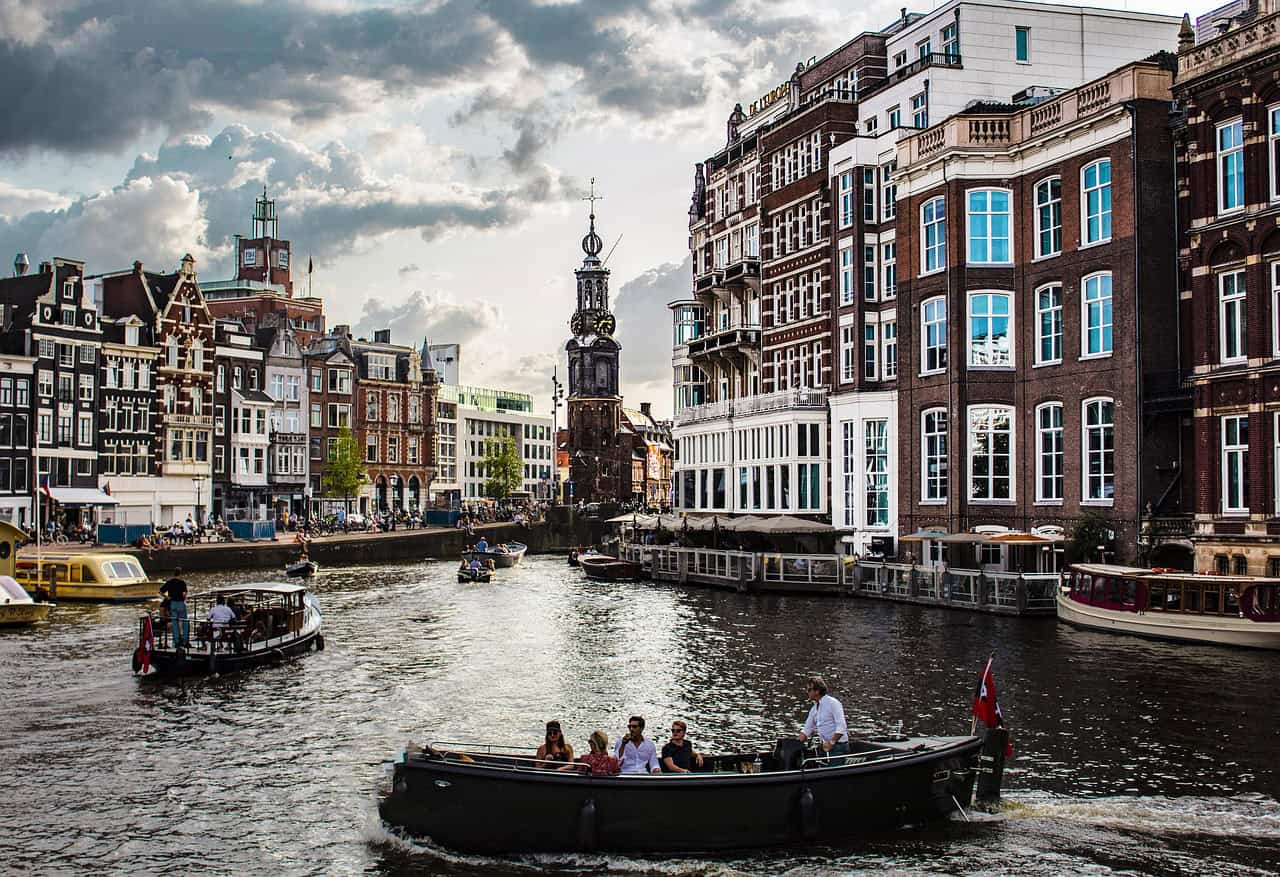
Amsterdam is no longer expensive in the ordinary summer-capital way. It now layers one of Europe’s heaviest stay taxes, with the city charging 12.5% of the overnight price and €15 for day-cruise passengers, while the Netherlands has moved short-stay accommodation onto the 21% VAT rate from Jan. 1, 2026. Add the city’s ban on new hotels unless another one closes, and the result is a destination where supply is being squeezed just as the tax burden on each night gets sharper, leaving even careful planners paying more before breakfast is part of the picture.
Barcelona Has Made Its Price Signal Impossible To Miss
Barcelona is making its pricing message much more explicit in 2026. Reuters reported that Catalonia doubled the tourism tax, lifting hotel charges to a maximum of €10 to €15 per night depending on category, while holiday rentals can reach €12.5 per night, and a couple staying two nights in a four-star hotel could pay an extra €45.60. That comes in a city already treating tourism as a housing issue rather than a simple economic blessing, so the familiar bargain beach-and-architecture fantasy still sells the trip emotionally, even as the checkout page tells a blunter story.
Venice Now Charges for Spontaneity
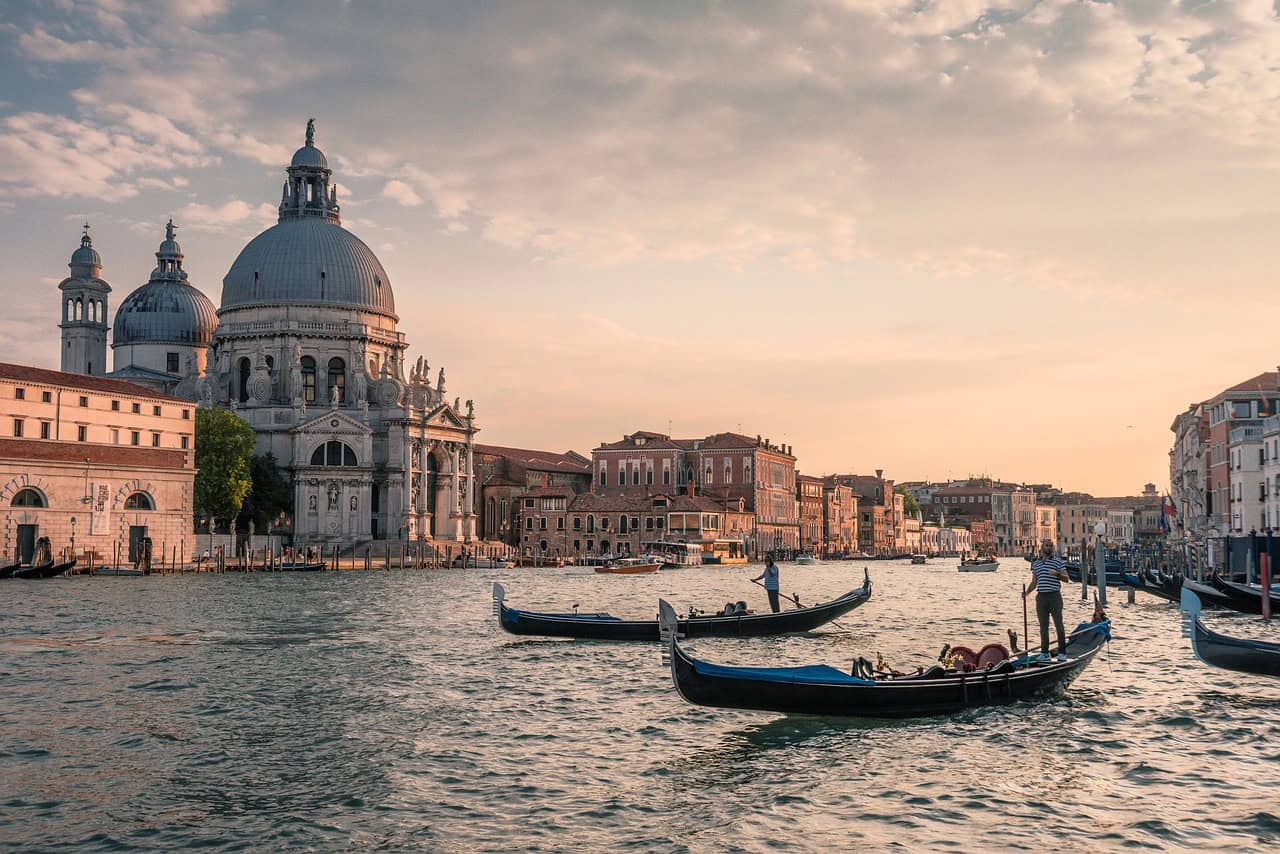
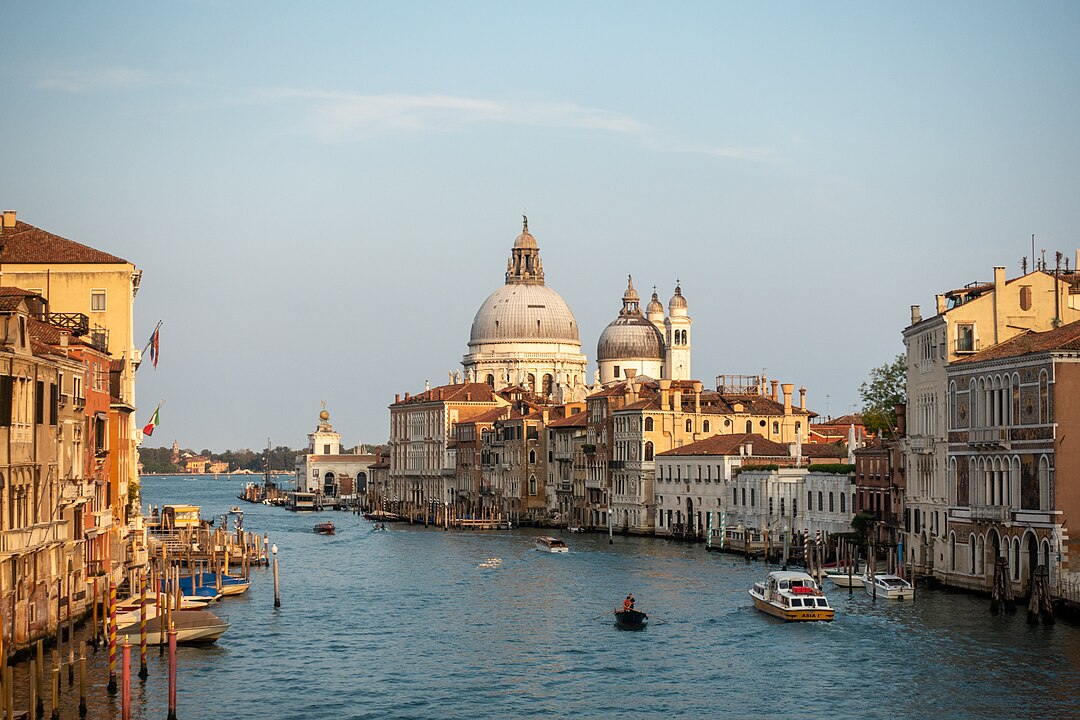
Venice has turned timing itself into a price signal. The city’s official 2026 access-fee system charges day visitors €5 if they book by the fourth day before arrival and €10 if they book later, and the policy is designed for the high-pressure dates when Venice already knows demand will overwhelm the historic center. What makes the city feel pricier now is not only the amount itself. It is the accumulation of fees, reservation pressure, and the growing reality that spontaneity, once part of Venice’s romance, has become something the city increasingly prices as a problem.
Lisbon Still Looks Like a Deal Until the Total Appears

Lisbon still photographs like a bargain, but the math has been changing faster than the fantasy. The city’s official overnight tourist tax is now €4 per person per night, capped at seven consecutive nights, and Reuters has reported that roughly 20,000 short-term rentals account for about 8% of Lisbon’s housing stock while rents have more than doubled since 2015. That does not just reshape the lives of residents. It feeds straight back into what visitors pay for central neighborhoods, where the old promise of an affordable Atlantic capital is being replaced by scarcity, surcharge, and a city increasingly uneasy about what tourism has done to housing.
Athens Is Losing Its Last-Bargain Reputation
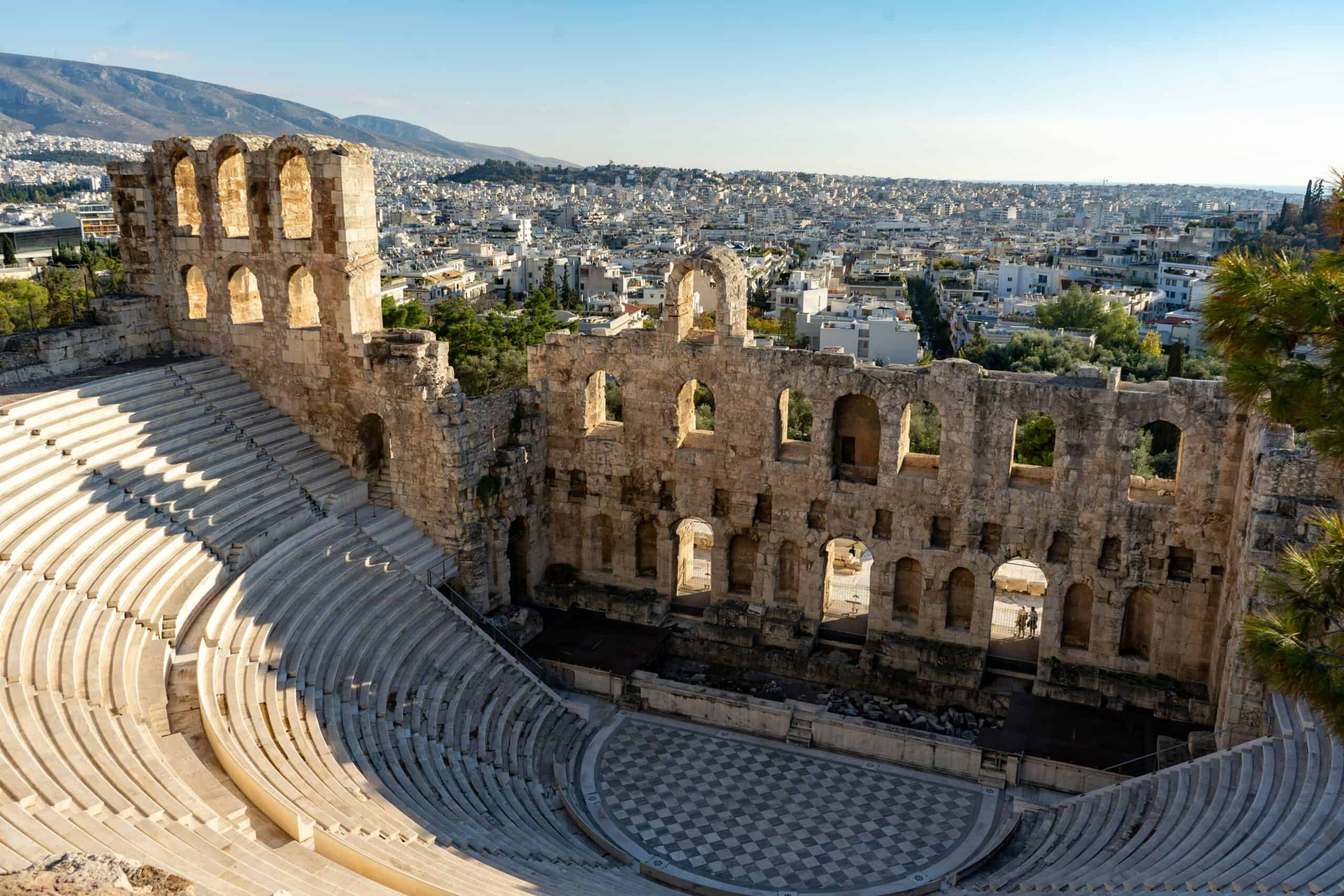
Athens is being reshaped by the same pressures that once made it feel like Europe’s last great city-break value. Reuters reported that Greece imposed a one-year ban on new short-term rental licenses in three central Athens districts from Jan. 1, 2025, while peak-season daily taxes on short-term rentals rose to €8, and another Reuters report said rents in Athens surged by more than 50% between 2019 and 2024. For summer 2026 planning, that means the center is becoming harder to book cheaply and easier to experience as a city where housing stress is no longer a background issue. It is now built into the nightly rate.
Florence Is Making Cheap Central Stays Harder To Pull Off
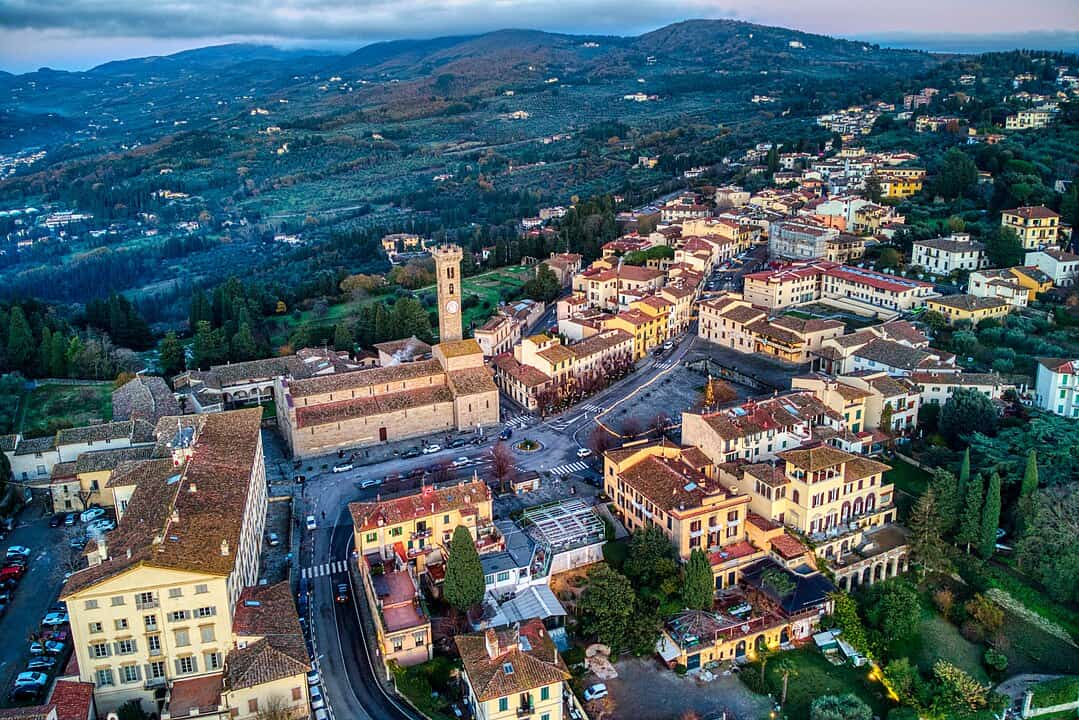
Florence is not only crowded. It is becoming more systematically expensive in the name of preservation and control. The city’s official tourist tax runs from €3.50 to €8 per person per night depending on the property, and Reuters reported that Florence has also banned self check-in keyboxes after already blocking new short-term rentals in the historic center. Taken together, those measures point to a city trying to push back against easy, high-volume tourism in its core. For travelers, that usually means fewer flexible low-cost stays in the center and a slower but very real upward drift in what even a short visit now costs.
Dubrovnik’s Beauty Now Comes With a Tighter, Costlier Market
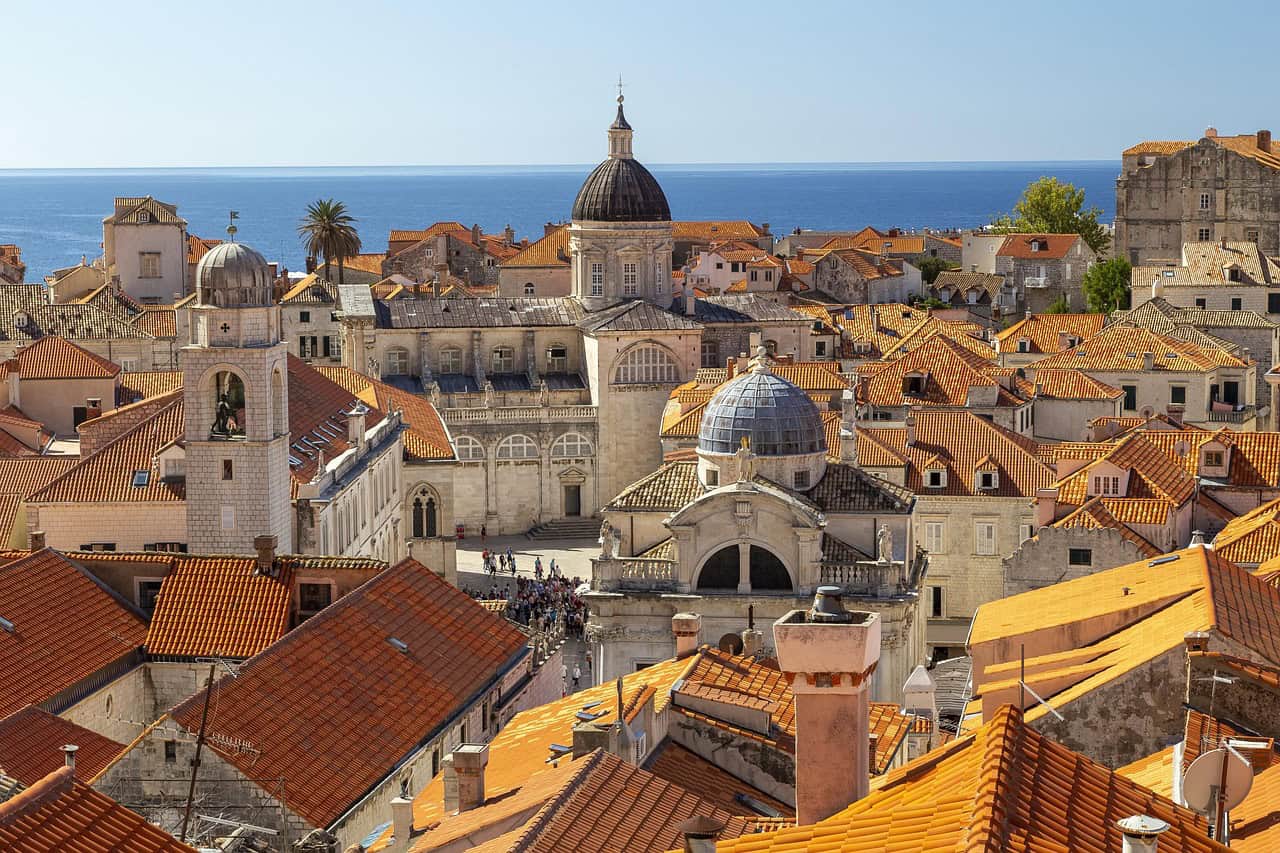
Dubrovnik has spent years living with the success of its own image, and the bill is now harder to ignore. Reuters reported that only about 30% of Old Town housing is still occupied by locals, that new private rental permits have been banned there, and that Croatia’s broader clampdown on short-term rentals will raise taxes on tourist lets, with critics warning prices could jump as much as 20%. That is the kind of shift travelers often notice late, after flights are booked and expectations are fixed. The postcard city remains stunning, but its limited space, heavy demand, and tightening rules are combining into a summer break that costs more at nearly every step.