Idaho’s Potato Museum Hands Out Free Taters to Out-of-State Visitors. Here’s What Else Is Inside
We may earn money or products from the companies mentioned in this post. This means if you click on the link and purchase the item, I will receive a small commission at no extra cost to you ... you're just helping re-supply our family's travel fund.
The Idaho Potato Museum in Blackfoot has a deal for travelers: if you are from out of state and pay admission, you get free “taters.” According to the museum’s visitor information, the offer is a free treat for out-of-staters with paid admission. But there is more inside the small museum than a snack, including the world’s largest potato crisp, antique harvest equipment, and a history of the spud from the Andes to Idaho.
The museum sits at 130 NW Main Street in Blackfoot, in the historic Oregon Short Line Railroad Depot. According to Wikipedia, construction of the depot began in October 1912 and finished on August 15, 1913. When Union Pacific donated the building to the city, it was turned into a museum devoted to the potato.
It is a quirky, fun stop on a trip through eastern Idaho. Here is what you will find inside, and how to plan your visit.
What else is inside the Idaho Potato Museum
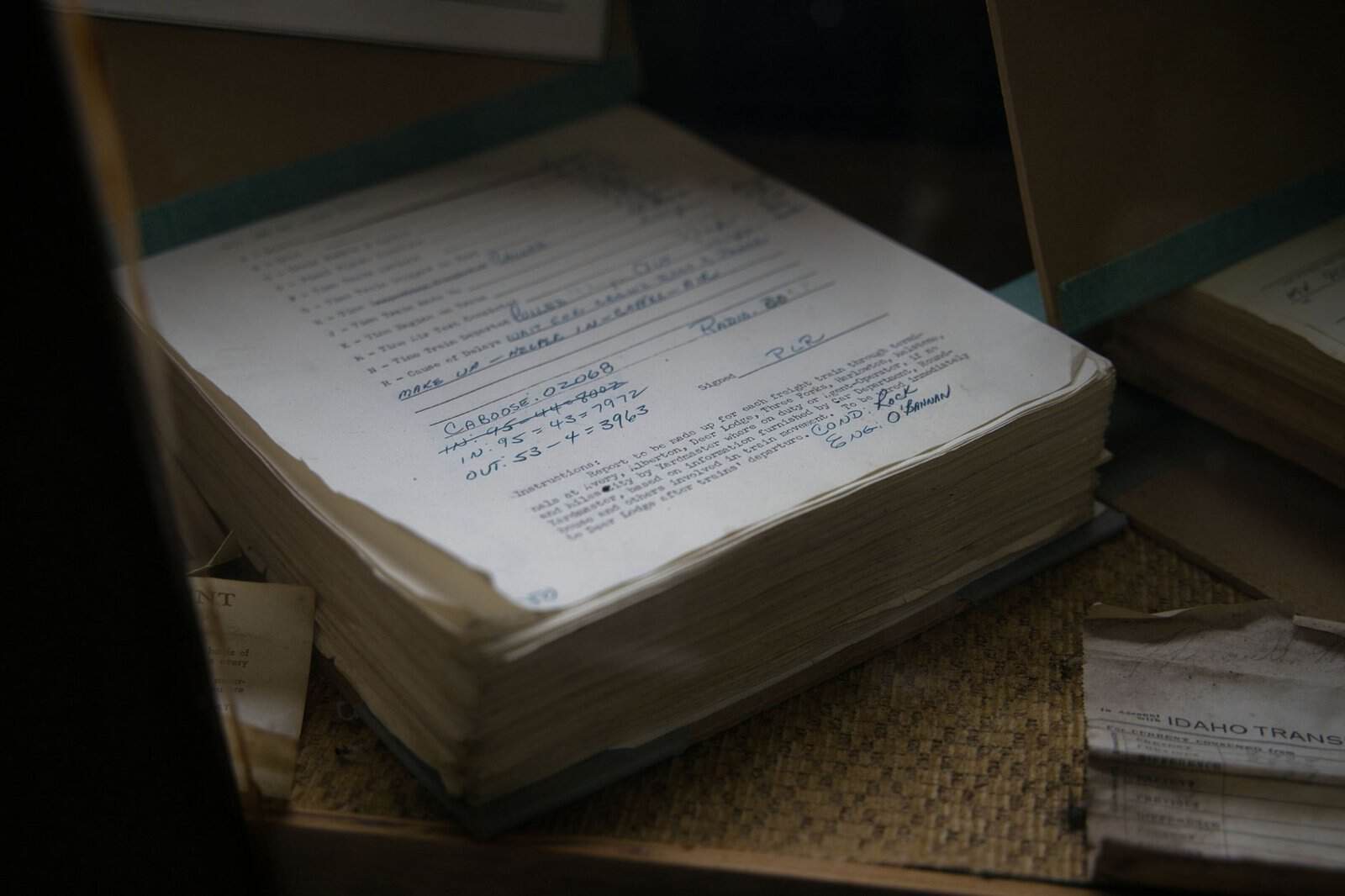
The museum tells the story of the potato in Idaho and around the world. Exhibits cover history, farming, processing, and pop culture.
The world’s largest potato crisp
One of the museum’s most popular displays is what it calls the world’s largest potato crisp, measuring about 25 by 14 inches. According to Wikipedia, it was donated by Pringles, then part of Procter and Gamble. It sits in a display case, and visitors often take photos with it.
A timeline of potato history
The museum traces the potato’s journey from its origins in the Andes of South America, where it was domesticated thousands of years ago, to Europe and North America. Exhibits cover the potato’s role in history, including famines and its spread as a staple crop. Wikipedia notes that one exhibit traces potato consumption in the United States, including the introduction of fries to the White House during Thomas Jefferson’s presidency.
Antique farm equipment
Idaho’s potato industry grew from small farms to large-scale operations. The museum displays antique tools and machinery used to plant, harvest, and process potatoes, from hand tools to early mechanical harvesters. The equipment shows how much labor potato farming once required.
Idaho’s potato industry
Idaho is the top potato-producing state in the country. Exhibits explain how the state’s volcanic soil, irrigation, warm days, and cool nights help it grow potatoes, and how the Russet Burbank variety became closely associated with Idaho. Displays cover the growers, processors, and companies that built the industry.
Potato pop culture
The museum includes potato-themed collectibles and pop culture items, including a collection of Mr. Potato Head toys and other memorabilia. These exhibits are a fun break from the history and farming displays, especially for kids.
Gift shop and cafe
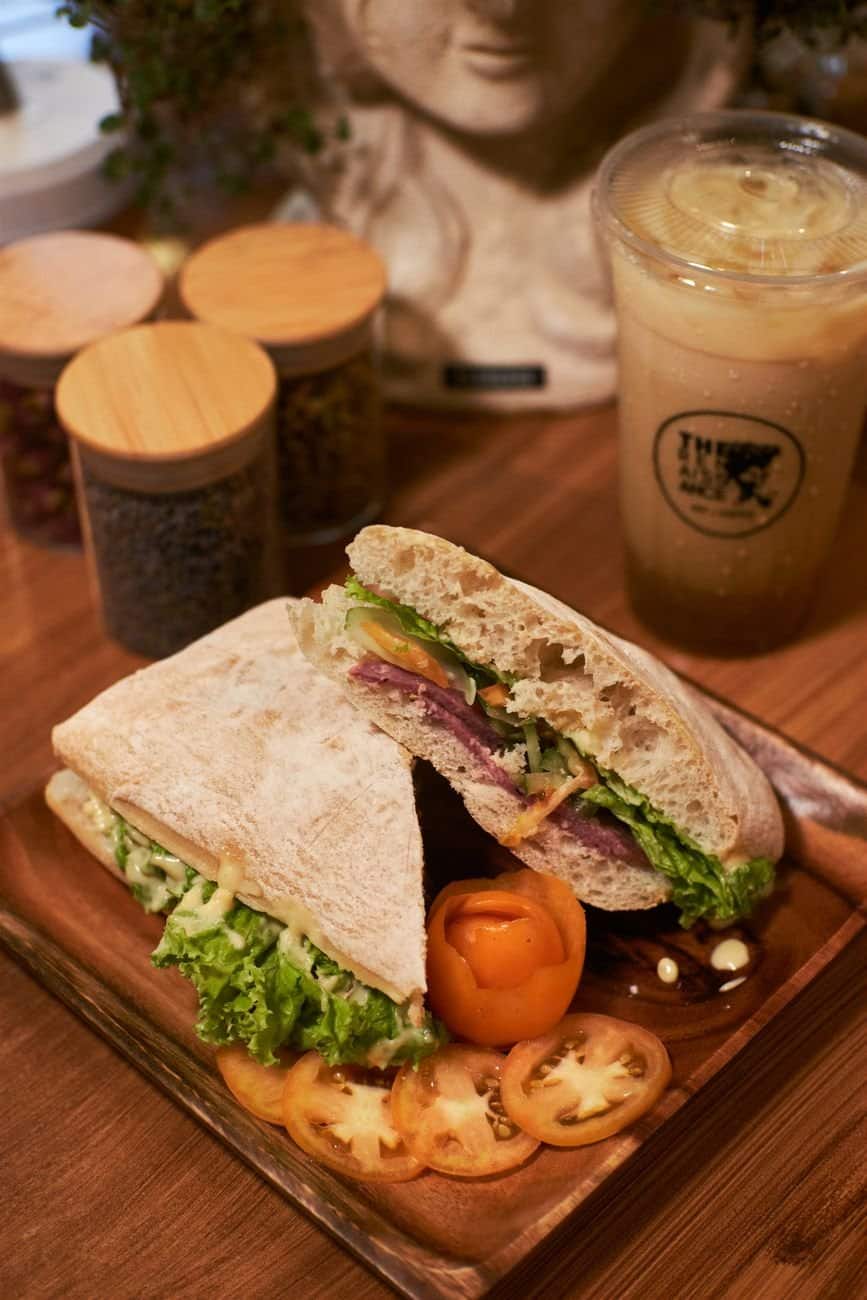
The gift shop sells potato-themed souvenirs, from shirts and hats to kitchen items and potato candy. The museum also has a cafe where visitors can try potato dishes. Check current hours, since food service may vary by season.
Free taters for out-of-staters
The museum’s “free taters for out-of-staters” offer is one of its signature touches. If you show that you are visiting from outside Idaho and pay admission, you get a free potato treat. Ask at the front desk when you buy your ticket.
It is a small gesture, but it fits the museum’s playful spirit and gives visitors a taste of Idaho’s most famous crop.
Admission and hours
According to the museum’s plan-a-visit page, admission is:
- Adults: $8
- Seniors and AAA members: $7
- Idaho residents: $6
- Students: $6.50
- Children ages 5 to 12: $4.50
Children 4 and under are free.
From September through April, the museum is open Monday through Saturday from 10 a.m. to 4 p.m. It is closed on Thanksgiving, Christmas Eve, Christmas Day, New Year’s Eve, and New Year’s Day. Summer hours may be longer. Check the museum’s website before you go, as hours can change.
The building
The museum’s home, the old Oregon Short Line Railroad Depot, is part of the experience. The Oregon Short Line was a subsidiary of the Union Pacific Railroad. The depot served Blackfoot as a railroad station for decades before it became the museum. Its brick architecture and railroad history make it worth a look even before you go inside.
Blackfoot and potatoes
Blackfoot is a small city in eastern Idaho, in the Snake River Plain, one of the state’s major potato-growing regions. It promotes itself as the Potato Capital of the World. Farms around the city grow potatoes on irrigated land fed by the Snake River system.
Blackfoot also hosts the Eastern Idaho State Fair, held each year in late summer and early fall, which celebrates the region’s agricultural heritage.
Visiting in fall and winter
From fall through spring, the museum runs on its September through April hours. Visiting during this time often means smaller crowds. Harvest season in eastern Idaho usually runs in early fall, and by late fall, fields are bare and potatoes are in storage.
Winter weather in eastern Idaho can be cold and snowy. Check road conditions if you are driving.
Getting there
Blackfoot is about 25 miles south of Idaho Falls and about 25 miles north of Pocatello, along Interstate 15. It makes an easy stop on a drive between Salt Lake City and Yellowstone, or between Boise and eastern Idaho.
How long to spend
Most visitors spend about an hour at the museum, longer if they eat at the cafe or browse the gift shop. It is a good break on a long drive.
Who will enjoy it
The Idaho Potato Museum is a good fit for:
- Families with kids, who enjoy the quirky displays and potato toys.
- Food lovers curious about where their fries come from.
- History buffs interested in farming and railroads.
- Road trippers looking for a fun stop in eastern Idaho.
Nearby stops
- Idaho Falls: A larger city north of Blackfoot, with the Snake River Greenbelt and falls.
- Pocatello: A city south of Blackfoot, with museums and outdoor recreation.
- Craters of the Moon National Monument and Preserve: A volcanic landscape west of Blackfoot.
- Yellowstone National Park: A longer drive north and east.
Why Idaho is known for potatoes
Idaho’s reputation for potatoes is built on geography and history. Much of the state’s potato crop is grown on the Snake River Plain, where volcanic soils drain well and irrigation from the Snake River system supplies water through dry summers. Warm days and cool nights during the growing season help potatoes develop. The Russet Burbank, a long, brown-skinned variety well suited to baking and fries, became closely associated with Idaho.
Over the 20th century, the industry grew from small family farms into large operations supplying fresh potatoes and processed products like frozen fries and dehydrated potatoes. Idaho now leads the country in potato production, and the “Grown in Idaho” seal is a familiar sight in grocery stores. The museum explains how this happened, from early settlers’ gardens to modern processing plants.
Tips for your visit
- Bring proof of residence. If you want the out-of-state taters, have an ID or other proof that you live outside Idaho. If you are an Idaho resident, bring ID to get the resident admission rate.
- Plan around the cafe hours. The museum’s cafe has its own hours, a little shorter than the museum’s. Check them before you arrive hungry.
- Watch the video. The museum offers a short video presentation about how the potato industry developed, a good starting point before you walk through the exhibits.
- Let kids play. The museum mentions potato video games among its activities, which can keep younger visitors busy.
- Leave time for the gift shop. It is part of the fun, and sales help support the museum.
Visiting with kids
The Idaho Potato Museum is a good stop for families. Kids tend to enjoy the giant potato crisp, the potato games, and the quirky trivia, while adults can spend time with the history and farming exhibits. A visit of about an hour works well on a road trip, especially as a break between longer drives through eastern Idaho.
Planning around the seasons
Summer brings longer hours, with the museum open daily from 10 a.m. to 6 p.m. from May through August, according to its website. In years when the fair runs into early September, summer hours extend until it closes. Winter hours begin the Monday after the fair ends. Military members and first responders get the $7 rate, and children 4 and under are free.
Combining the museum with a road trip
Because Blackfoot sits right off Interstate 15, the museum is easy to add to a longer drive. Travelers heading between Salt Lake City and Yellowstone or Jackson often stop for lunch at the cafe and a walk through the exhibits before getting back on the road.
The bottom line
The Idaho Potato Museum in Blackfoot gives out-of-state visitors free taters with paid admission, but the real fun is inside: the world’s largest potato crisp, a timeline of potato history, antique farm equipment, exhibits on Idaho’s potato industry, potato pop culture, and a gift shop and cafe, all housed in a 1913 railroad depot. Check the hours, bring your out-of-state ID, and plan an hour for one of Idaho’s most charming roadside stops.