We may earn money or products from the companies mentioned in this post. This means if you click on the link and purchase the item, I will receive a small commission at no extra cost to you ... you're just helping re-supply our family's travel fund.
A truly historic record does more than top charts. It changes what studios chase, what radios allow, what bands copy in garages, and what listeners believe music can hold. Some records rewrite sound with new technology, some reshape culture with new language, and some simply make the old rules feel too small. Across jazz clubs, stadium stages, basement shows, and bedroom headphones, these albums became turning points, setting off ripples that still show up in production choices and songwriting instincts decades later.
“Pet Sounds” (The Beach Boys, 1966)
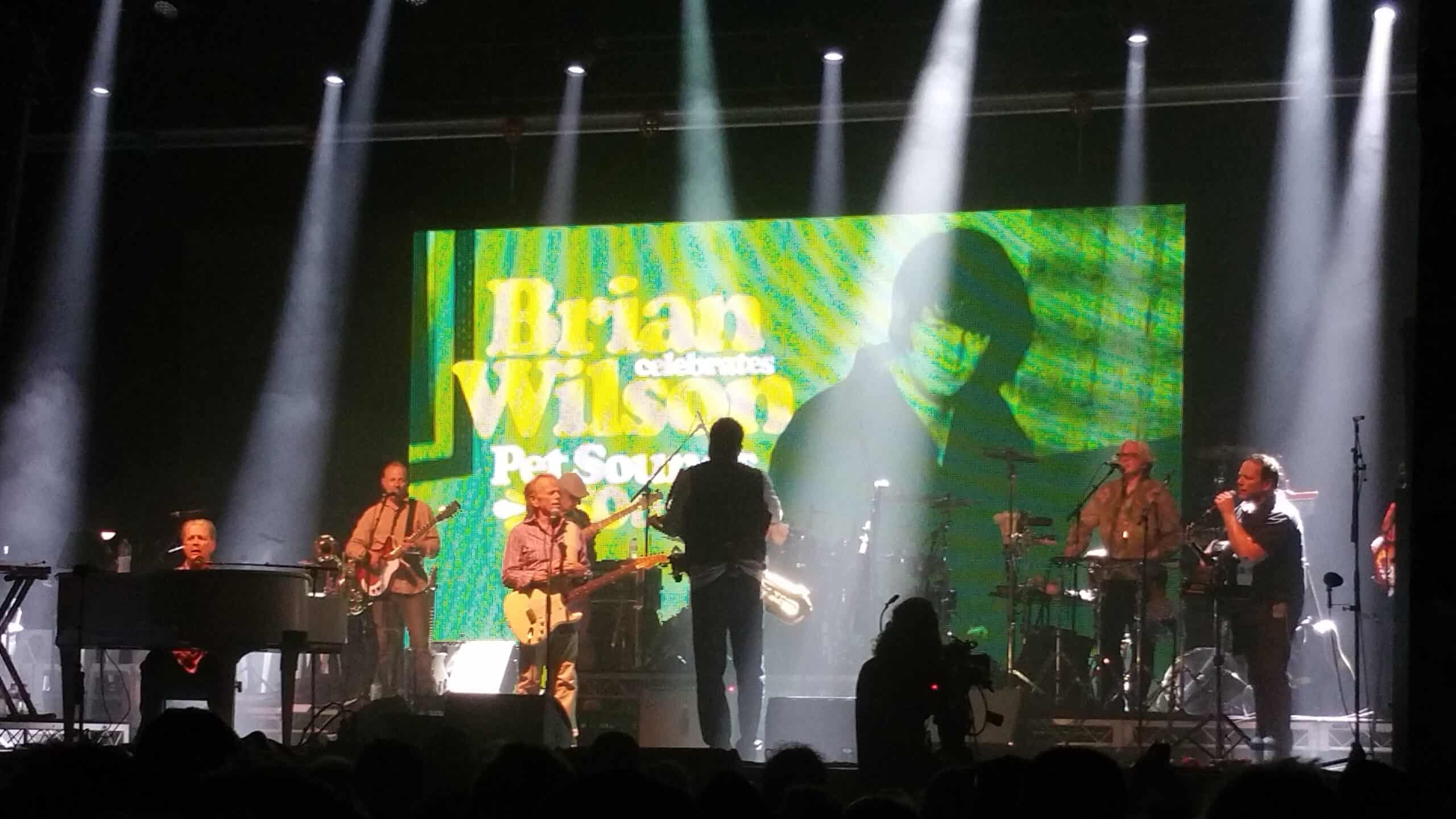
With “Pet Sounds,” Brian Wilson treated the studio like an instrument, stacking harpsichord, bicycle bells, strings, and cascading harmonies into pop that felt symphonic yet private. Cut with the Wrecking Crew and built around songs like “Wouldn’t It Be Nice” and “God Only Knows,” it proved that craft and confession could live inside radio-length forms. Its meticulous arrangements reset the bar for sequencing, stereo space, and how deeply a record could reward repeat listens; in bedrooms and big studios alike, artists still chase its warm low end, sly counter-melodies, and that sunlit ache that never fades. It keeps raising the ceiling still
“The Velvet Underground & Nico” (The Velvet Underground, 1967)
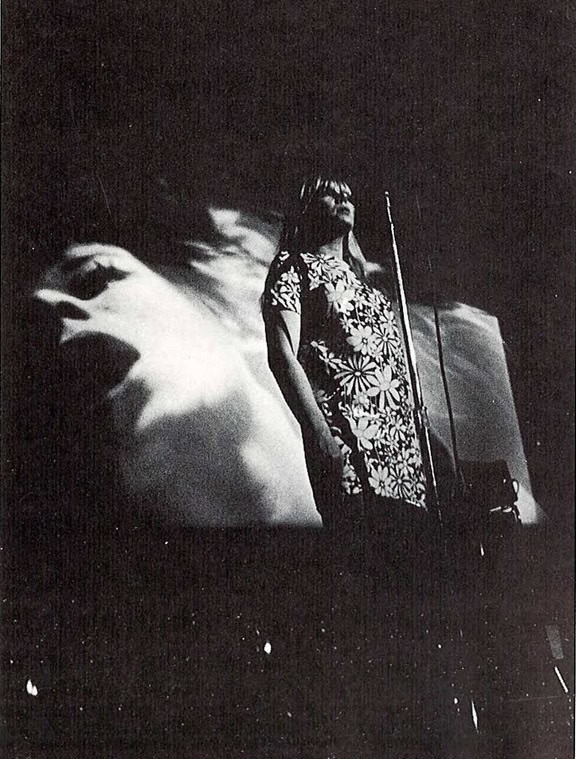
“The Velvet Underground & Nico” dragged rock into the city’s glare, pairing downtown art-scene minimalism with lyrics about desire, drugs, and alienation that polite radio avoided. With Nico’s cool voice, Lou Reed’s streetwise writing, and Andy Warhol’s aura hovering over the packaging, songs like “Heroin” and “I’m Waiting for the Man” sounded like reportage set to drones and percussion. It sold modestly at first, yet its viola squalls, deadpan delivery, and fearless intimacy seeded punk, indie, noise rock, and alternative pop, whenever a band chooses grit, feedback, and honesty over gloss. It keeps returning in new forms across decades too.
“Sgt. Pepper’s Lonely Hearts Club Band” (The Beatles, 1967)
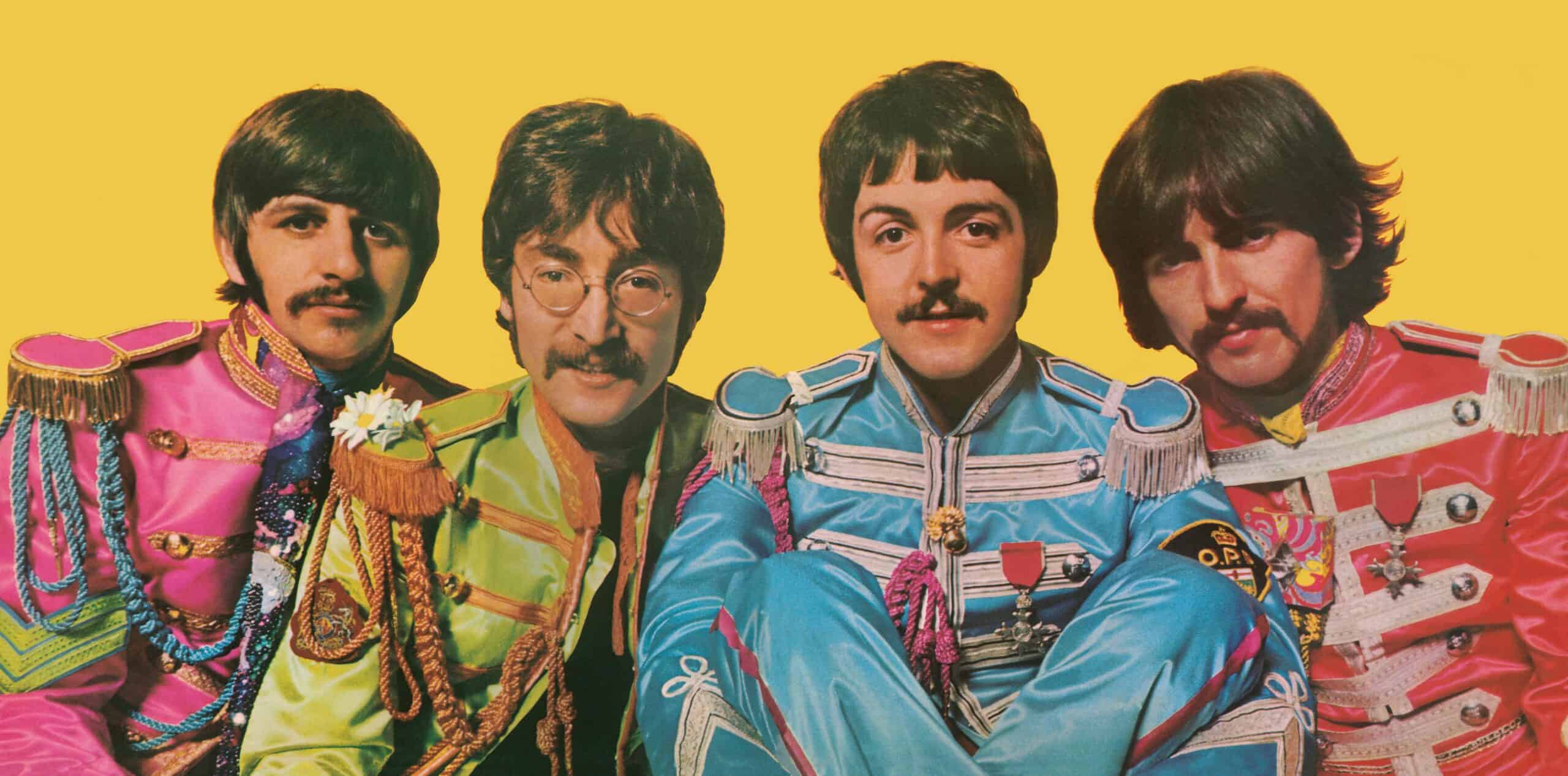
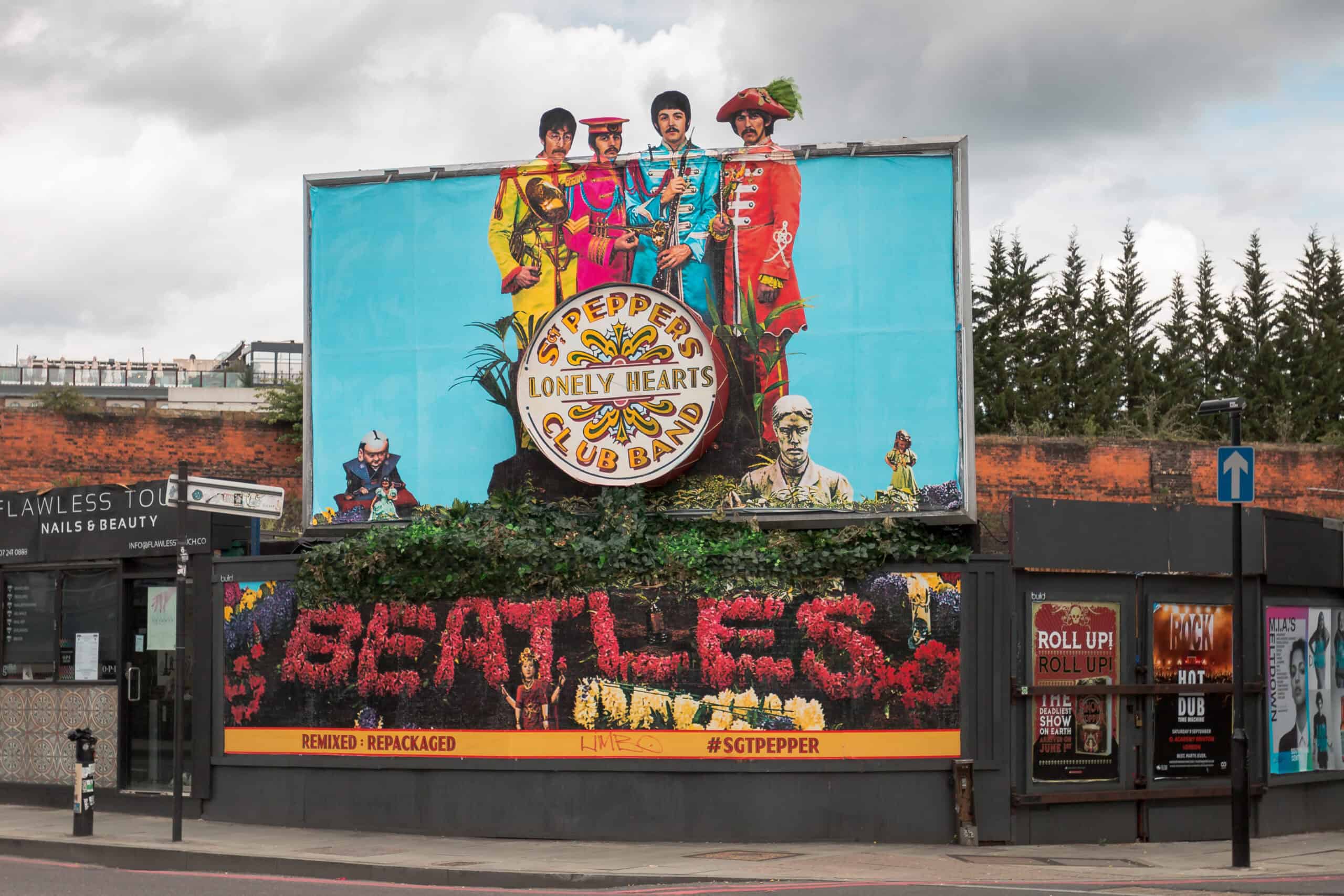
“Sgt. Pepper’s Lonely Hearts Club Band” turned the LP into a destination, framing the songs as a night out with a fictional band and a vivid cast of voices. Tape loops, orchestral surges, and hard edits pushed studio play into the open; moments like “A Day in the Life” made pop feel symphonic without losing bite, and the cover art became its own cultural headline. The record changed budgets and expectations, inspiring rock, soul, and later hip-hop producers to treat albums as coherent worlds with recurring colors, hidden jokes, and a start-to-finish arc that mattered, best heard in one sitting. with headphones and lights low. at 2 a.m. alone.
“What’s Going On” (Marvin Gaye, 1971)
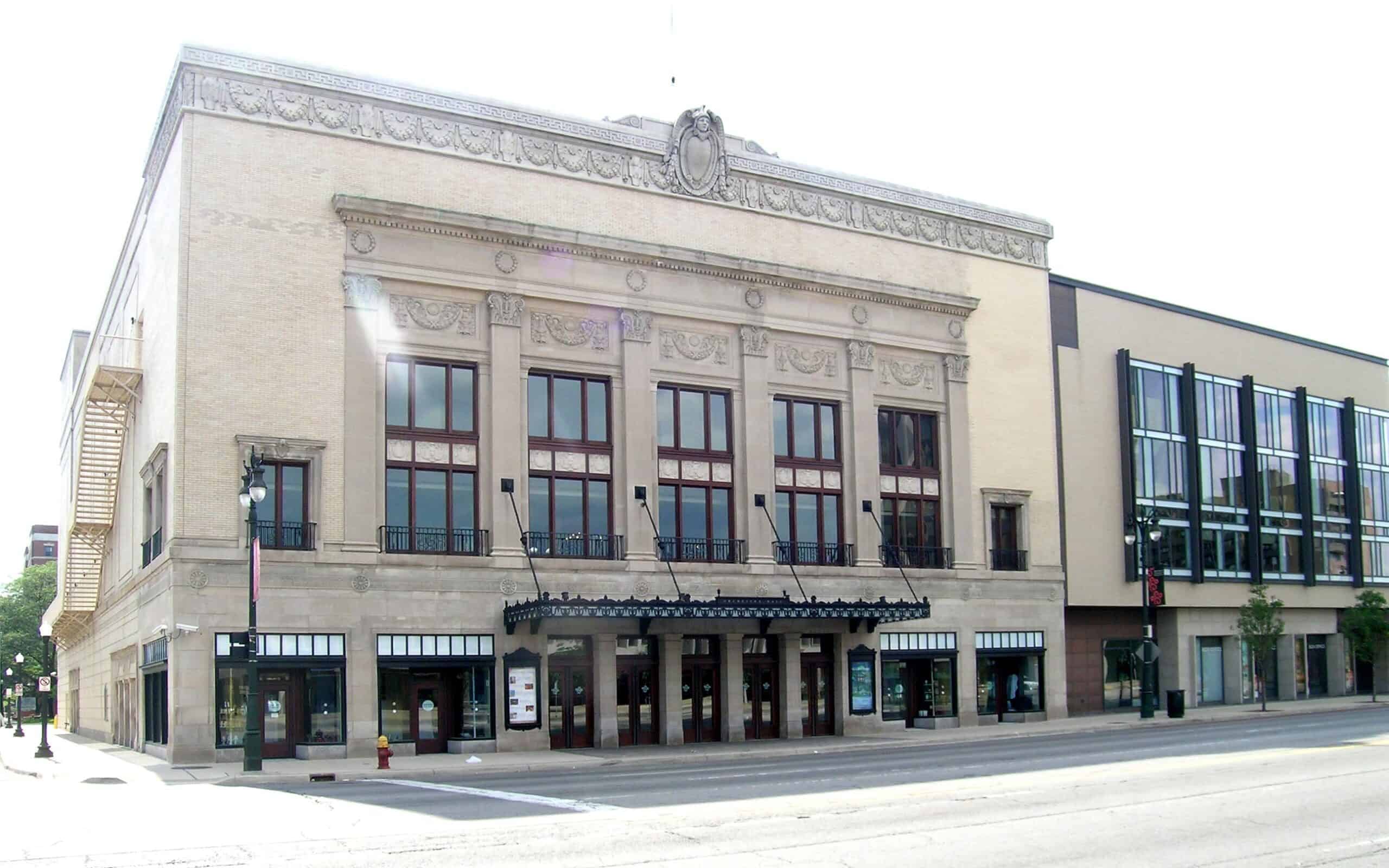
Marvin Gaye’s “What’s Going On” proved that mainstream soul could carry a full social conscience without losing elegance, romance, or groove. Built as a flowing suite, it layered silky harmonies over street sounds and jazz-influenced arrangements, then asked plain questions about Vietnam, policing, and daily survival in the city. Songs like “Mercy Mercy Me” and “Inner City Blues” turned private grief into communal prayer, and by pushing Motown toward album-length storytelling, it shaped modern R&B and hip-hop’s idea of the album as testimony, not wallpaper, with bass lines that feel like footsteps and horns that sigh in the heat at dusk too.
“London Calling” (The Clash, 1979)
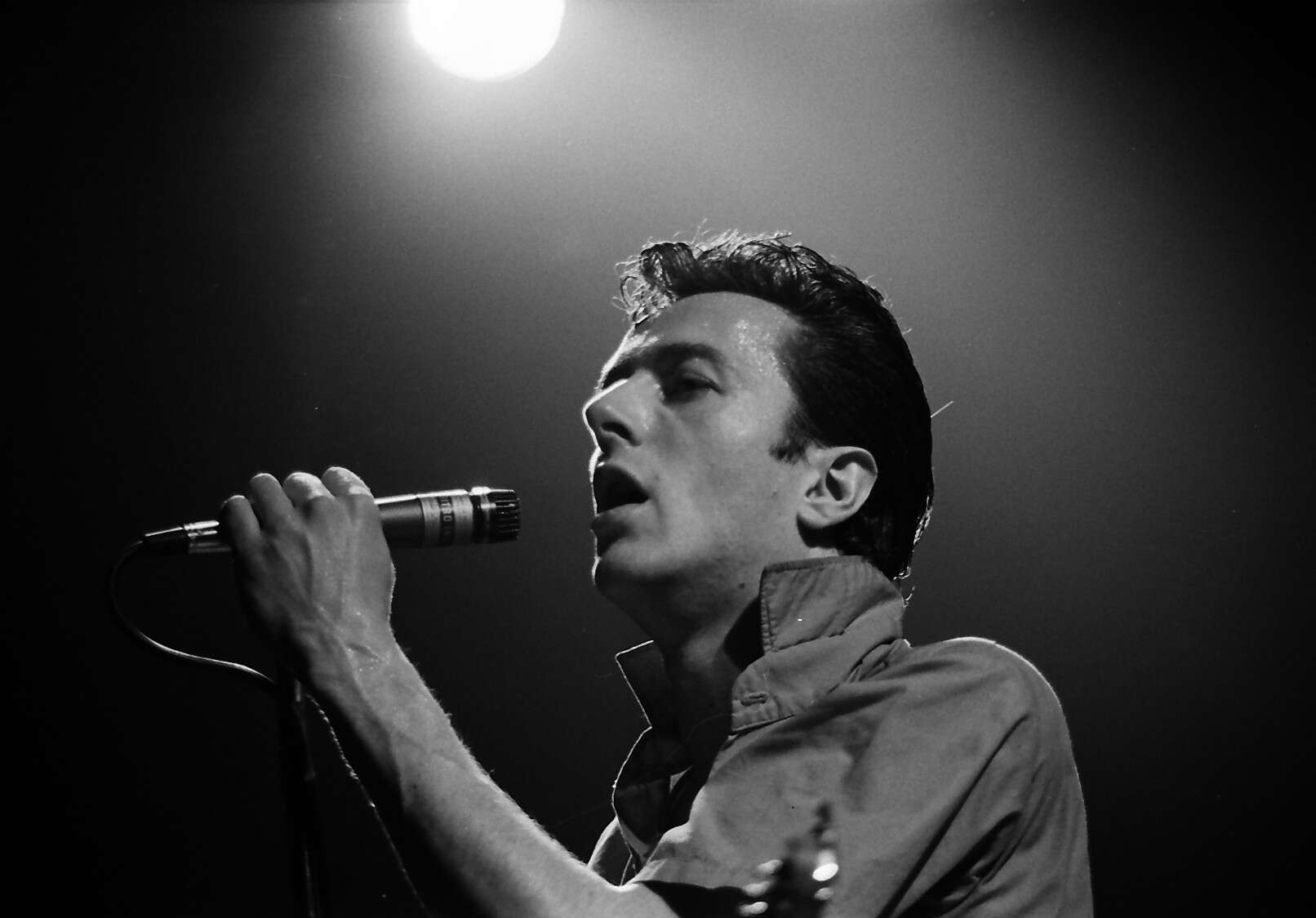
“London Calling” exploded the idea that punk had to stay narrow, folding reggae, ska, rockabilly, and soul into a restless, political roar. Joe Strummer and company wrote like reporters with guitars, capturing unemployment, racial tension, and a city on edge, then turning it into hooks like “Spanish Bombs,” “The Guns of Brixton,” and “Train in Vain.” Its double-album ambition gave later rock permission to be expansive without going soft, shaping post-punk, alternative radio, and even pop-punk’s sense of scope, and it proved protest could still dance, sweat, and sing, with bass lines that borrowed from Kingston as much as London streets today.
“Thriller” (Michael Jackson, 1982)
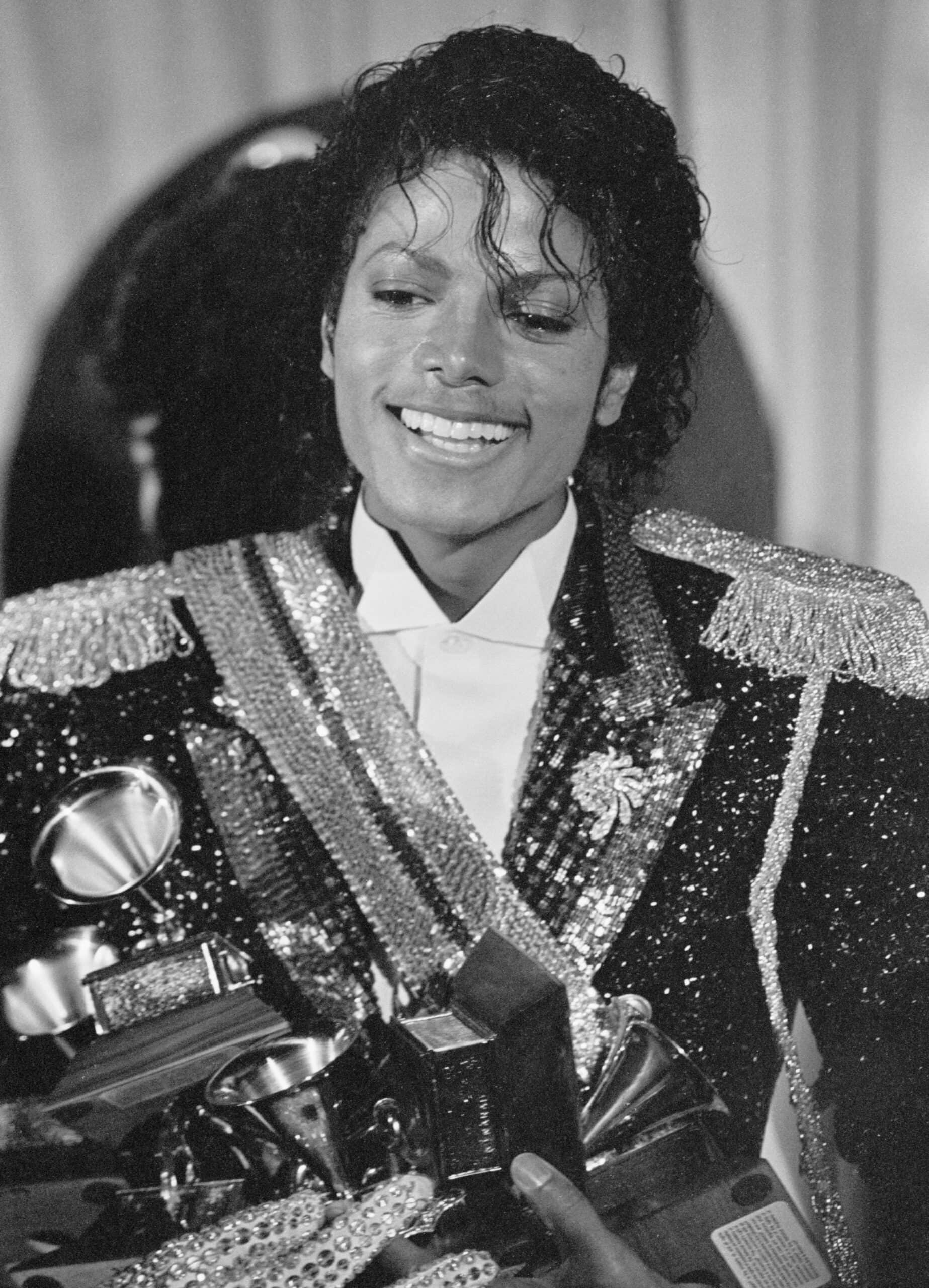
With “Thriller,” Michael Jackson fused pop, rock, funk, and R&B into a precision machine built for dance floors, car radios, and stadium singalongs at once. Quincy Jones’s production sharpened every drum hit and guitar bite, and songs like “Billie Jean” and “Beat It” proved crossover could feel natural rather than calculated. The era’s blockbuster videos turned an album cycle into a global, visual event that remade MTV, and its clean groove, dramatic pacing, and vocal athleticism set a new ceiling for pop scale that still shapes how hits are written, mixed, and marketed global, from choreography to branding, playlists, and tour planning. now.
“Purple Rain” (Prince and The Revolution, 1984)

“Purple Rain” blurred the border between album and myth, mixing arena-rock guitars, Minneapolis funk, synth shimmer, and gospel-sized emotion into one glowing narrative that played like a late-night confession. Prince’s command as writer, producer, and performer became a modern model of auteur pop, and the film tie-in proved a soundtrack could sell a whole persona, from fashion to attitude, without feeling corporate. From “Let’s Go Crazy” and “When Doves Cry” to the title track’s slow burn, it reshaped how pop stars stage drama, fuse genres, and treat virtuosity, sexuality, and spiritual ache as the same story, on arenas and headphones alike.
“Nevermind” (Nirvana, 1991)

“Nevermind” made underground angst unavoidable, pushing grunge onto mainstream radio with a sound that was both explosive and strangely melodic. Butch Vig’s production kept the guitars huge but the hooks sharper, and “Smells Like Teen Spirit” became the flashpoint that moved Seattle’s club energy onto global stages. The album upended hair-metal expectations, rewired label scouting, and gave alternative bands permission to be messy, loud, and sincere in public; from the quiet-loud dynamic to the raw emotional candor, its fingerprints remain on rock’s vocabulary, and it shifted youth culture’s posture toward irony, thriftshop grit, and honesty.