We may earn money or products from the companies mentioned in this post. This means if you click on the link and purchase the item, I will receive a small commission at no extra cost to you ... you're just helping re-supply our family's travel fund.

For years, the classic retirement picture leaned warm: palm trees, easy winters, and long afternoons in the sun. But the retirement map has started to change. Warmer annual temperatures, longer uncomfortable stretches of summer weather in many regions, and a sharper focus on healthcare, taxes, and everyday livability are pushing households to reconsider what comfort really means. NOAA reported 2025 as the fourth-warmest year on record for the contiguous U.S., with especially strong warmth across western climate regions, which helps explain the shift.
Maine
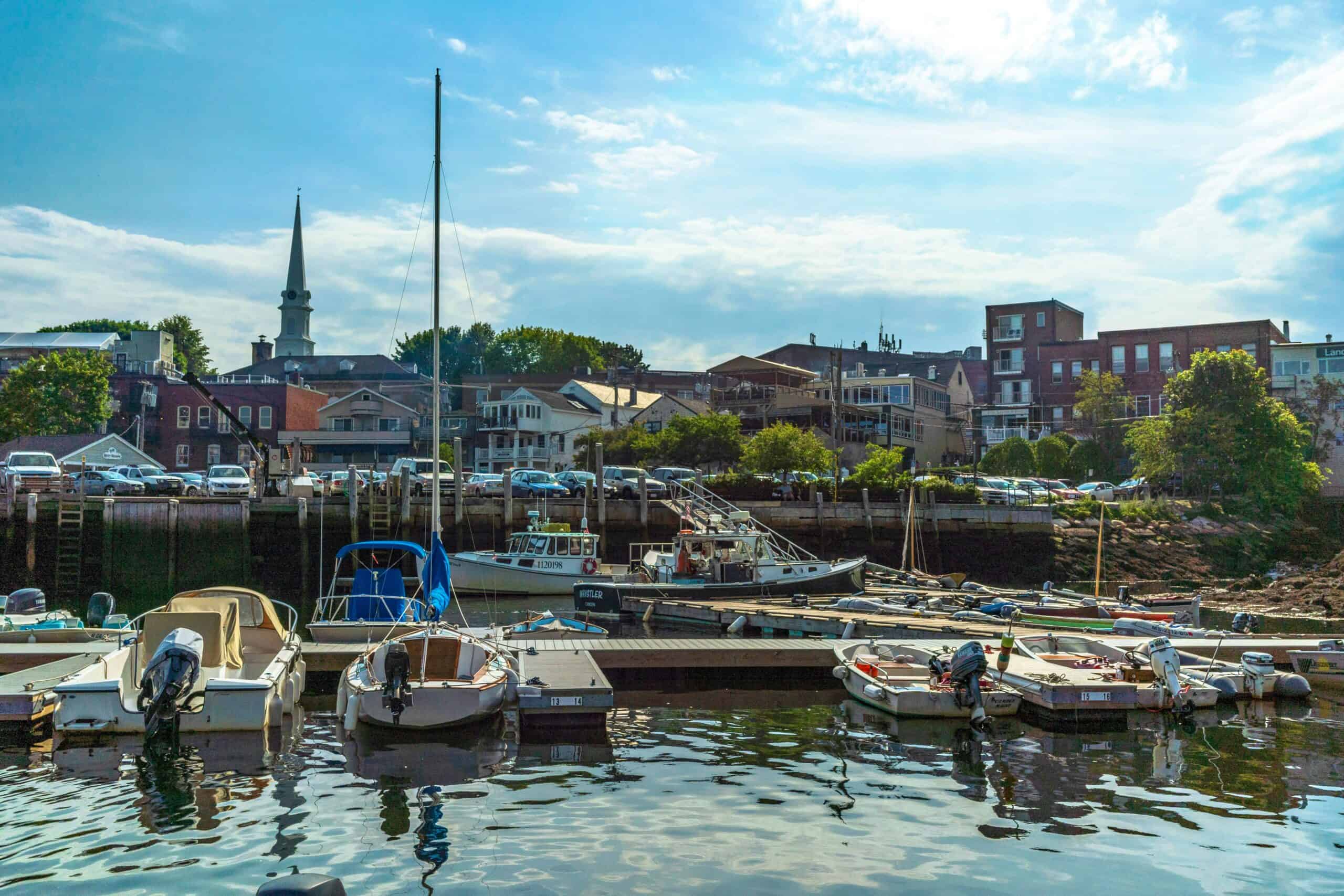
Maine keeps showing up in retirement conversations because it offers a slower pace without feeling isolated, especially in coastal communities and small cities with year-round life and local routines. In Portland, WeatherSpark places the average July high around 77°F, and Acadia gives the state a rare blend of dramatic scenery, nearby towns, and a four-season rhythm that still feels gentle in summer. Maine’s practical side is part of the draw too, with DHHS resources and MaineCare pathways aimed at older adults and adults with disabilities.
Vermont
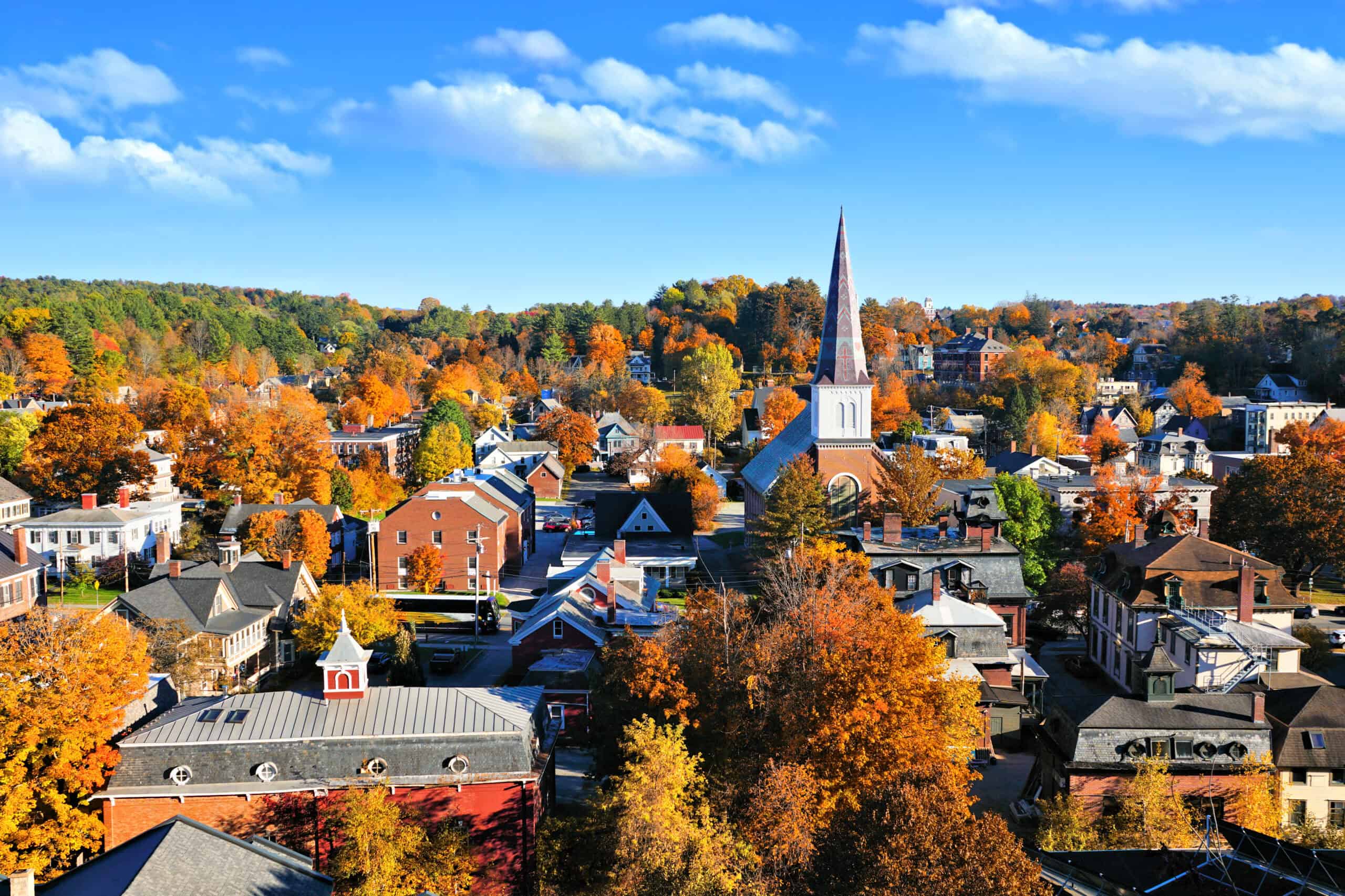
Vermont feels less like a flashy retirement destination and more like a state built for steady, intentional living, where smaller towns still have identity and daily routines feel manageable. Burlington’s average July high is about 80°F on WeatherSpark, and the bigger story is that Vermont is actively planning for an older population: Age Strong VT says older residents are the state’s fastest-growing age group and projects one in three Vermonters will be over 60 by 2030. That kind of long-range planning makes Vermont feel less reactive and more ready for later life.
New Hampshire
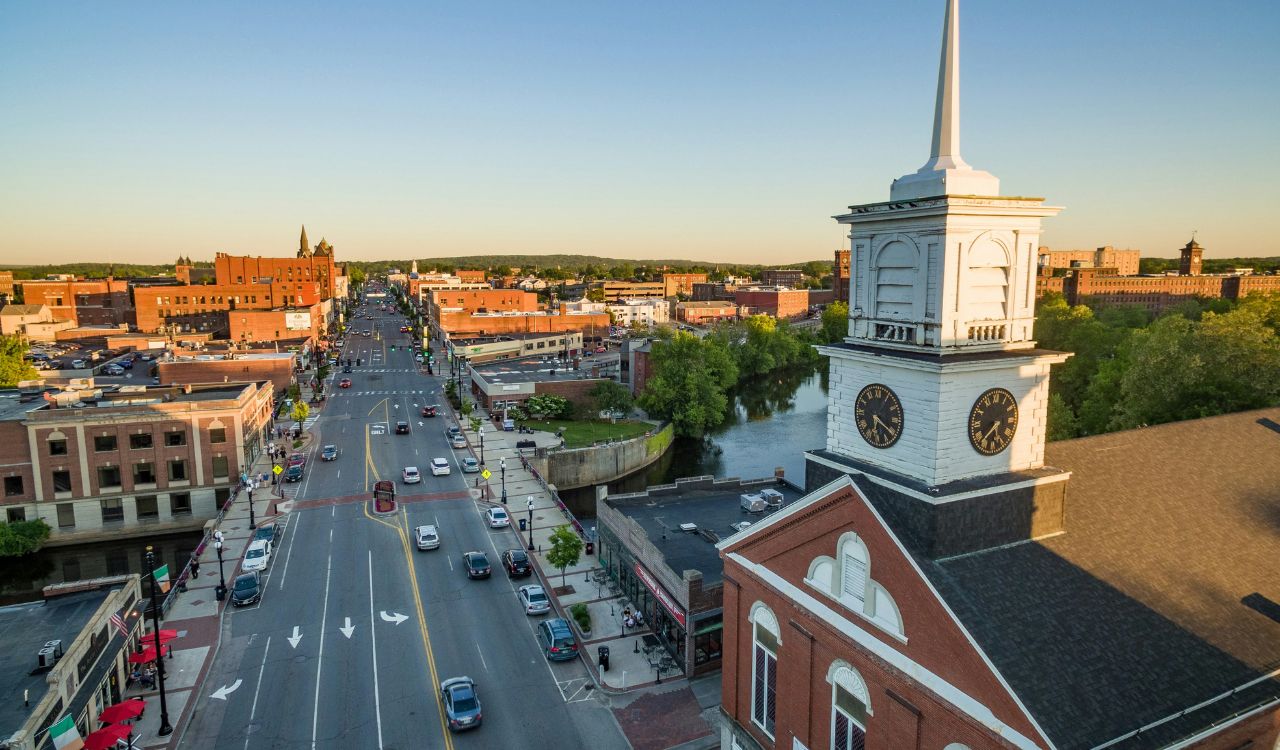
New Hampshire often appeals to retirees who want crisp seasons without giving up access to care, culture, and easy day trips to the coast, the lakes, or the White Mountains. Concord’s average July high lands around 82°F on WeatherSpark, while Dartmouth Health anchors the medical landscape as New Hampshire’s academic health system, which matters in a smaller state. On the tax side, the Department of Revenue says the Interest and Dividends Tax was repealed for taxable periods beginning Jan. 1, 2025, removing one more planning wrinkle for many households.
Michigan
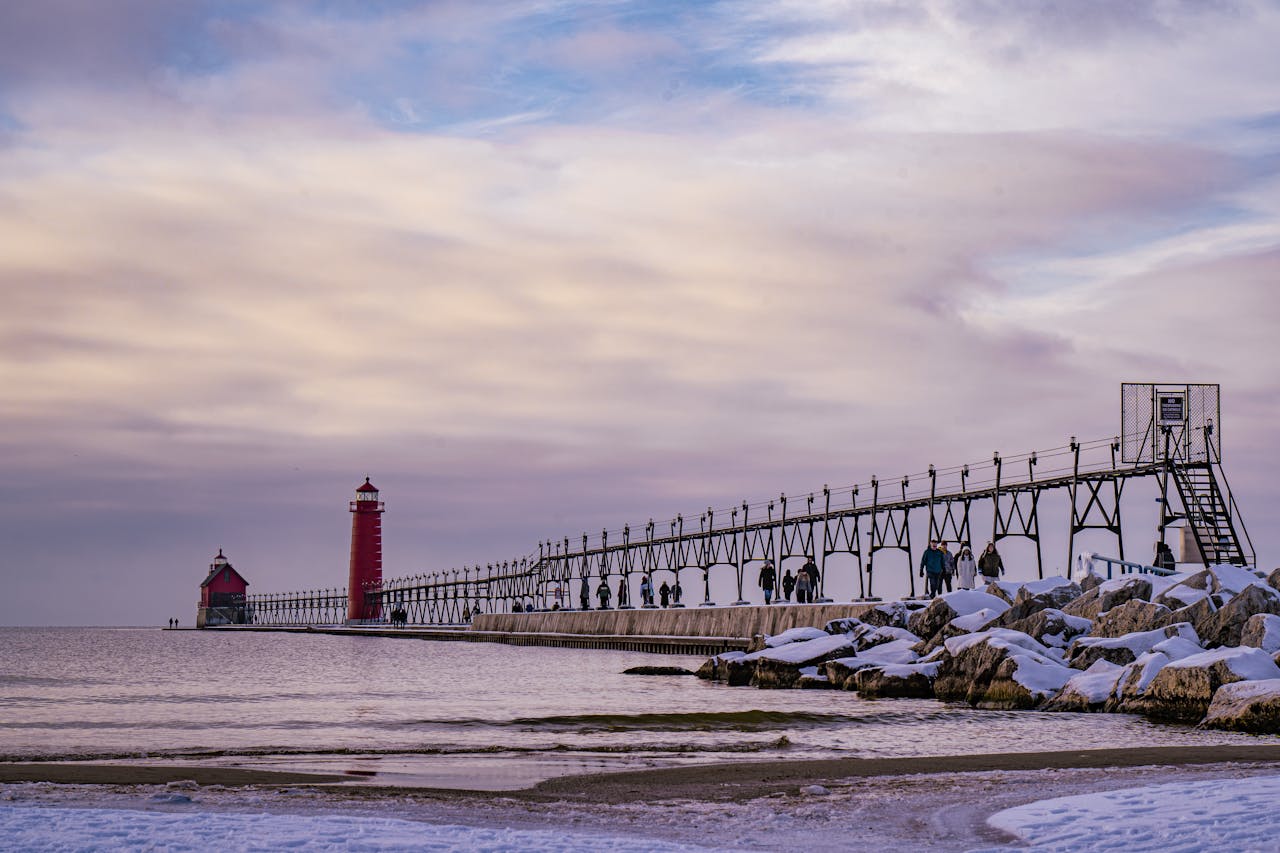
Michigan works for retirees who want water, woods, and real communities instead of a resort backdrop, especially in places where the shoreline shapes the pace of everyday life. Traverse City averages about 78°F in July on WeatherSpark, and Michigan’s DNR notes 103 state parks, which gives retirees a huge range of low-cost outdoor options from lakefront stops to inland trails. The financial picture is changing too, as Michigan Treasury says Public Act 24 of 2025 expands deductions for some older taxpayers, including a Social Security-related change for eligible residents ages 67 and up in tax years 2026–2028.
Wisconsin
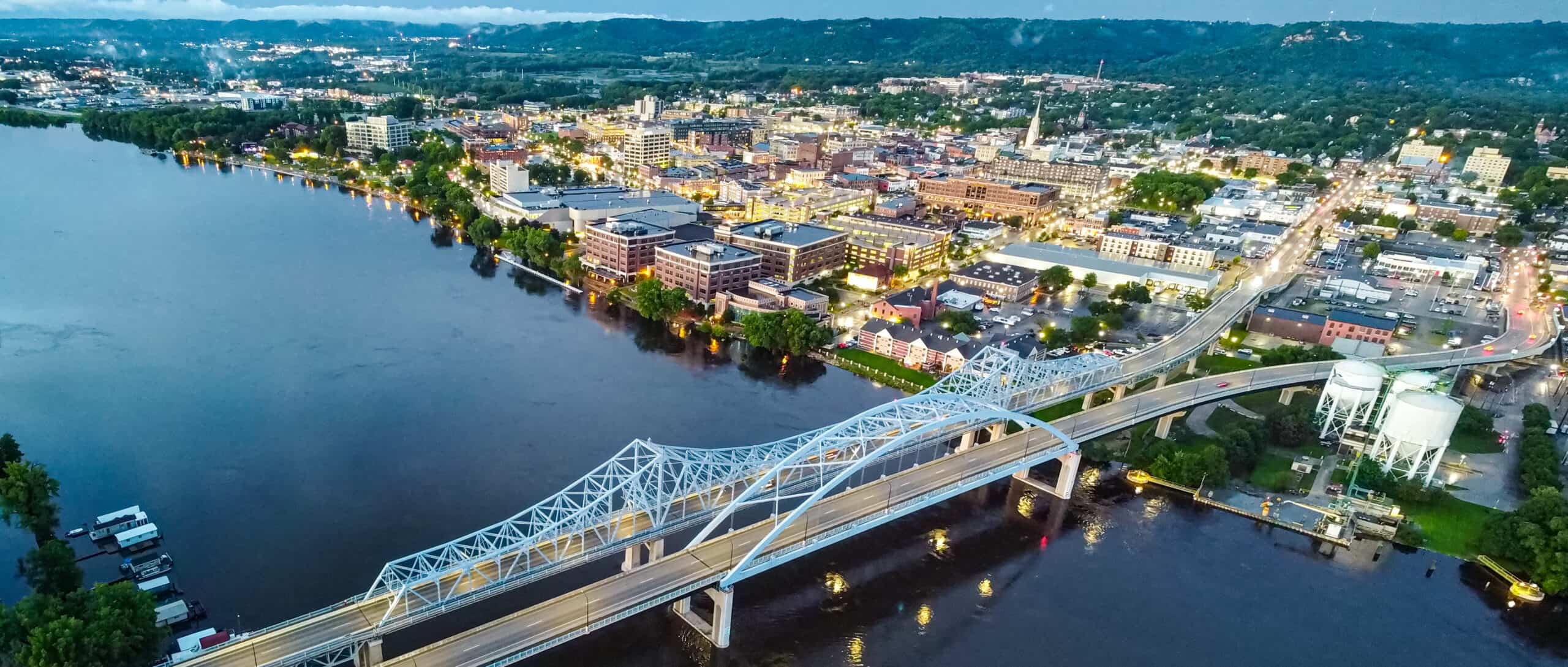
Wisconsin tends to get overlooked, but it delivers a retirement mix that is hard to fake: manageable midsize cities, lake culture, and strong healthcare tied to universities and regional systems. Madison runs warmer than the far north, yet WeatherSpark still puts its average July high around 82°F, and the state offers easy escapes when heat builds toward the lake country and northwoods. Wisconsin’s DNR highlights a large public-land network of parks, forests, and trails, while UW Health adds the kind of major-care infrastructure retirees often want nearby.
Minnesota
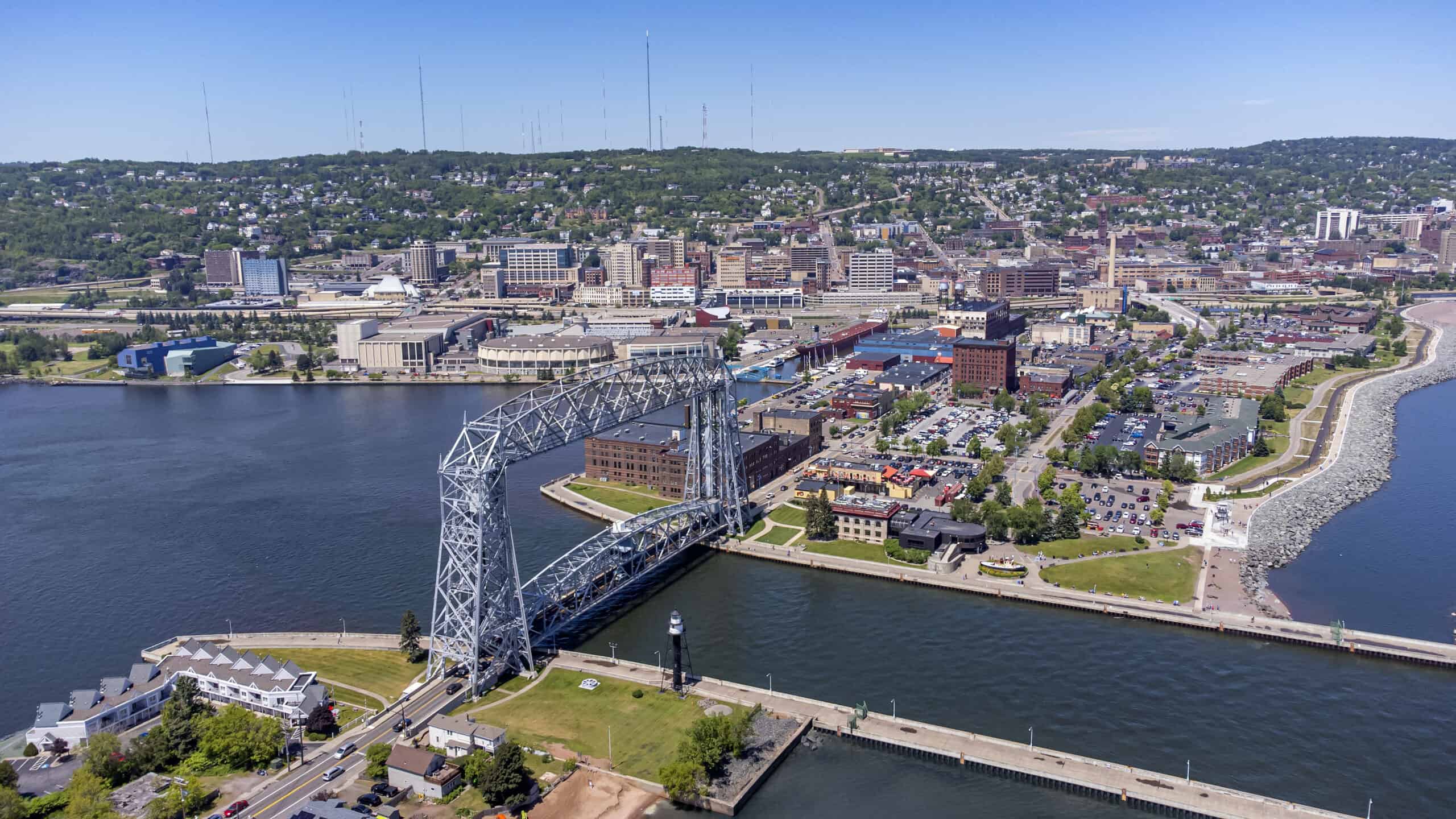
Minnesota asks retirees to accept a real winter, but in return it gives them one of the most comfortable summer profiles in the country and a deep culture of public outdoor life. In Duluth, WeatherSpark lists an average July high near 75°F, a number that stands out for anyone tired of long hot seasons and keeps lakefront living usable in peak summer. The state also pairs recreation with serious healthcare depth: Minnesota’s parks and trails system is extensive, and Mayo Clinic in Rochester remains one of the country’s best-known medical institutions.
Washington

Washington has become a favorite for retirees who want cooler summers without giving up major-city healthcare, airport access, and the option to live near water without a resort-only lifestyle. Seattle’s average July high sits around 77°F on WeatherSpark, and many marine areas feel milder still. Washington State Parks says the system includes more than 140 parks, historic sites, trails, marine parks, and properties, while the Department of Revenue also states clearly that Washington has no individual or corporate income tax.
Oregon
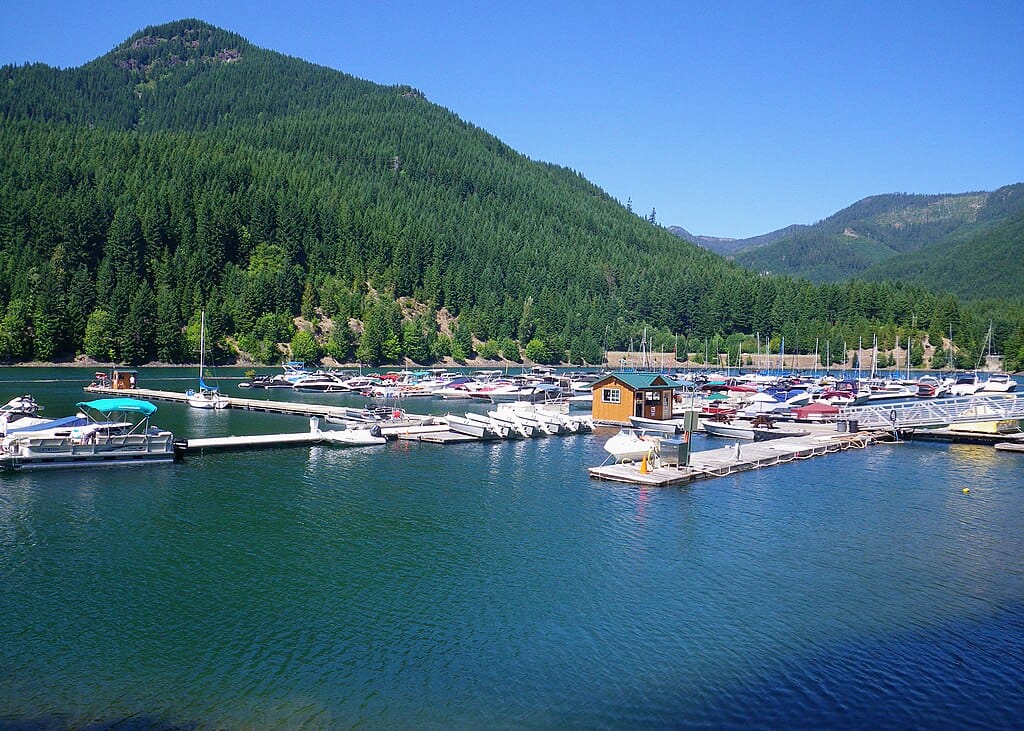
Oregon attracts a similar crowd, but with a slightly different mood: layered landscapes, strong mid-size city options, and a culture of walking, hiking, and weekend routines that holds up in retirement. Portland averages about 80°F in July on WeatherSpark, and Oregon State Parks describes its places as sites to play, camp, explore, hike, rest, and renew, which captures the state’s appeal well beyond vacation season. Portland also benefits from OHSU and a major regional care network, so the move can feel practical, not just scenic.
Colorado
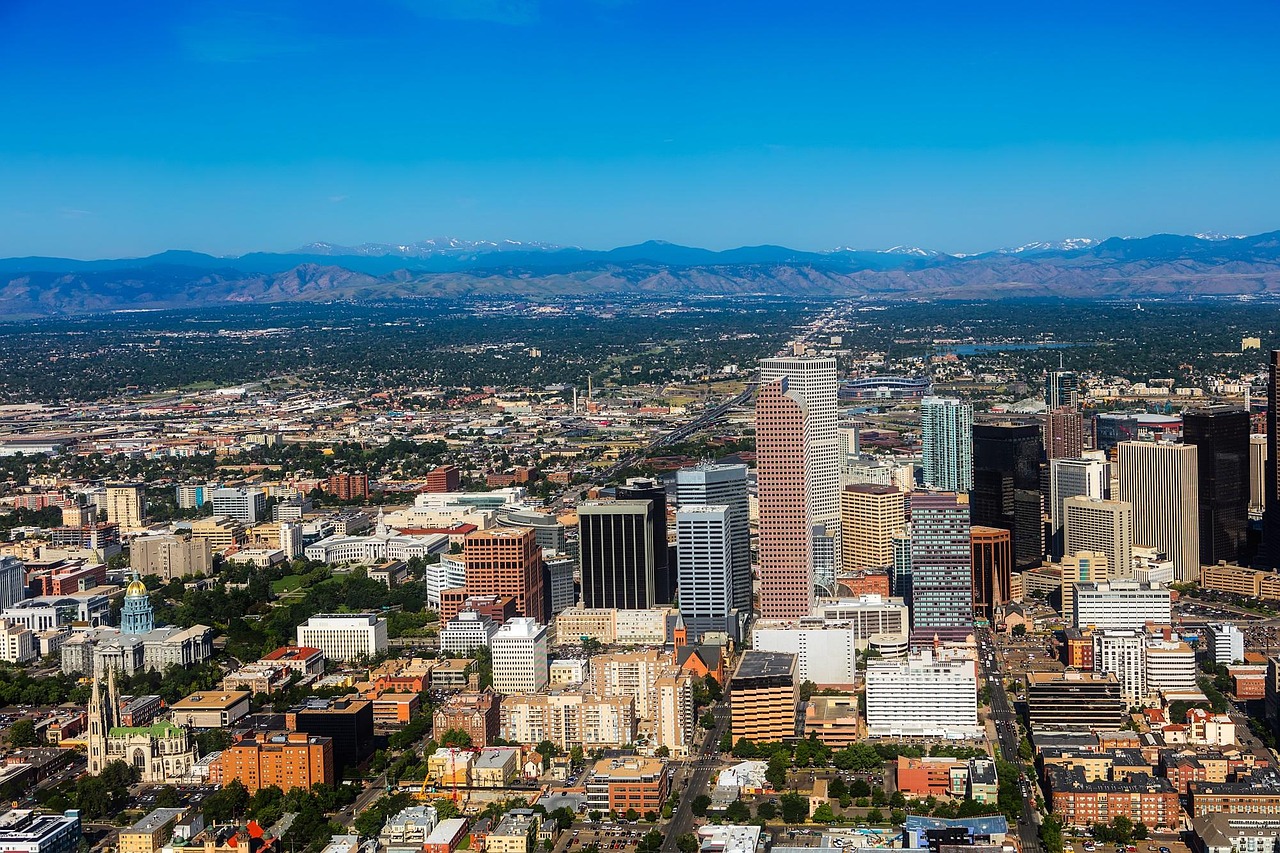
Colorado is not a cool-coast state, and retirees usually know that before they arrive, but it still replaces the old sun-belt script for people who want elevation, active routines, and less humid summer living. WeatherSpark shows Denver averaging about 88°F in July, yet the state’s higher terrain and mountain communities can feel very different from sticky heat and long coastal summers. Colorado Parks and Wildlife manages a broad state park system, and the CU Anschutz campus anchors a major academic medical hub, which makes Colorado feel both energetic and durable.
Pennsylvania

Pennsylvania has become a quiet contender for retirees who want four real seasons, established towns, and easier access to family across the Northeast and Midwest without paying coastal prices. Erie averages about 79°F in July on WeatherSpark, and Pennsylvania’s DCNR says the state park system includes 124 parks covering more than 300,000 acres, with no entrance fee, which helps stretch fixed-income leisure. The tax picture is another draw: Pennsylvania public retirement guidance notes the state does not tax retirement income after age 59½, a detail that can meaningfully improve long-term planning.