We may earn money or products from the companies mentioned in this post. This means if you click on the link and purchase the item, I will receive a small commission at no extra cost to you ... you're just helping re-supply our family's travel fund.
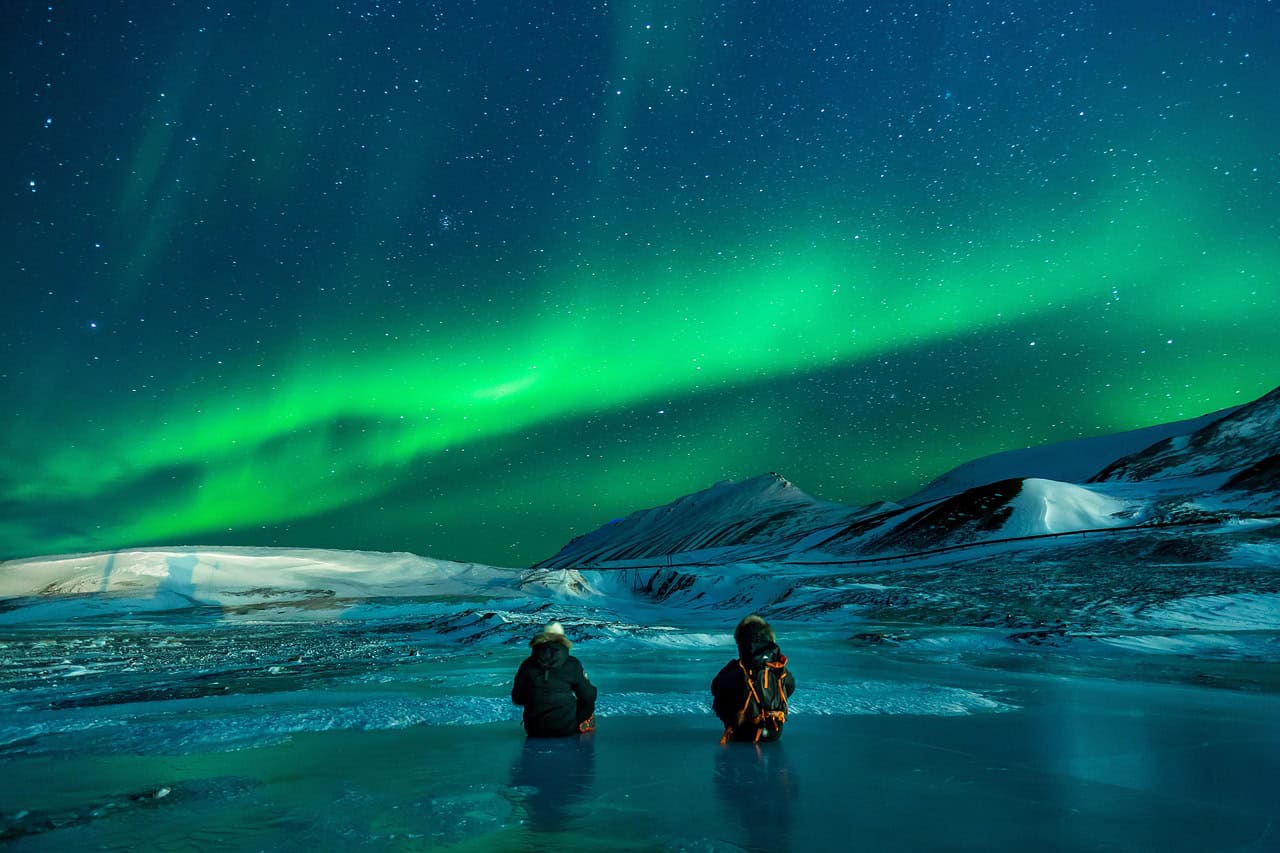
Chasing the northern lights in Alaska is less about luck than stacking the odds. Darkness matters more than hype, and clear skies matter more than a perfect plan. The aurora can appear any time the sky is dark, but Alaska’s long nights and low light pollution make the difference between a faint glow and a full-sky show. The best trips stay flexible, add extra nights, and treat the chase as part of the experience. When it works, the reward is quiet air, wide horizons, and light that moves like it has its own mood.
Best Months, Late Aug. Through Late Apr.
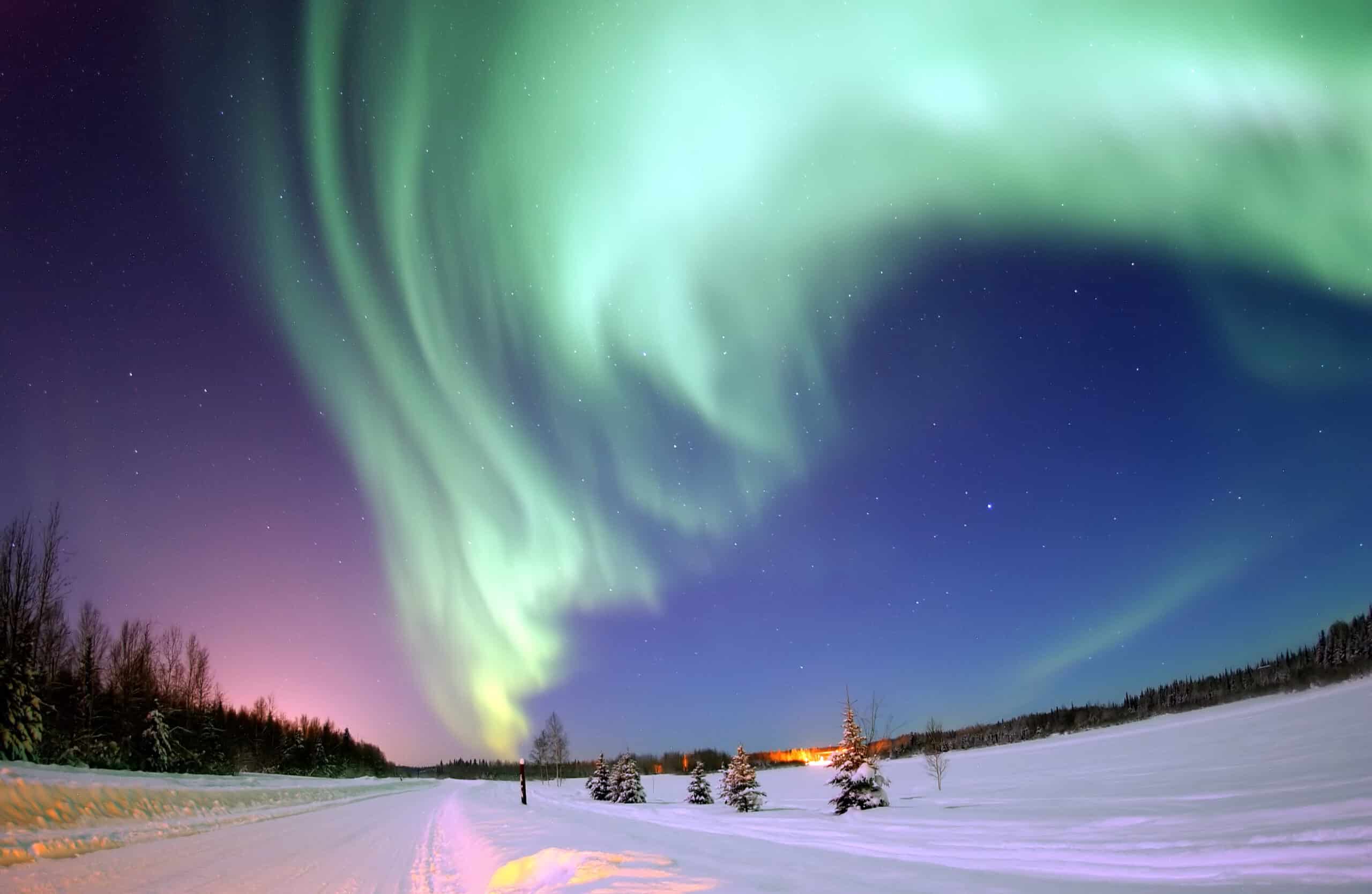
Alaska’s prime aurora window runs from late Aug. through late Apr., when darkness returns and the sky finally has contrast. Late Aug. and Sept. keep travel easier, with milder temps and enough daylight for hikes, hot springs, and museum hours. Deep winter brings the longest nights, so there is more time for a clear break between clouds, plus more chances to try again after a miss. March and early Apr. often hit the balance point, still dark, often calmer, and easier for flights, roads, and lodging. The tradeoff is simple: colder months raise odds by time alone, while shoulder months feel kinder on the body.
Pick Interior Alaska Over Coastal Bases
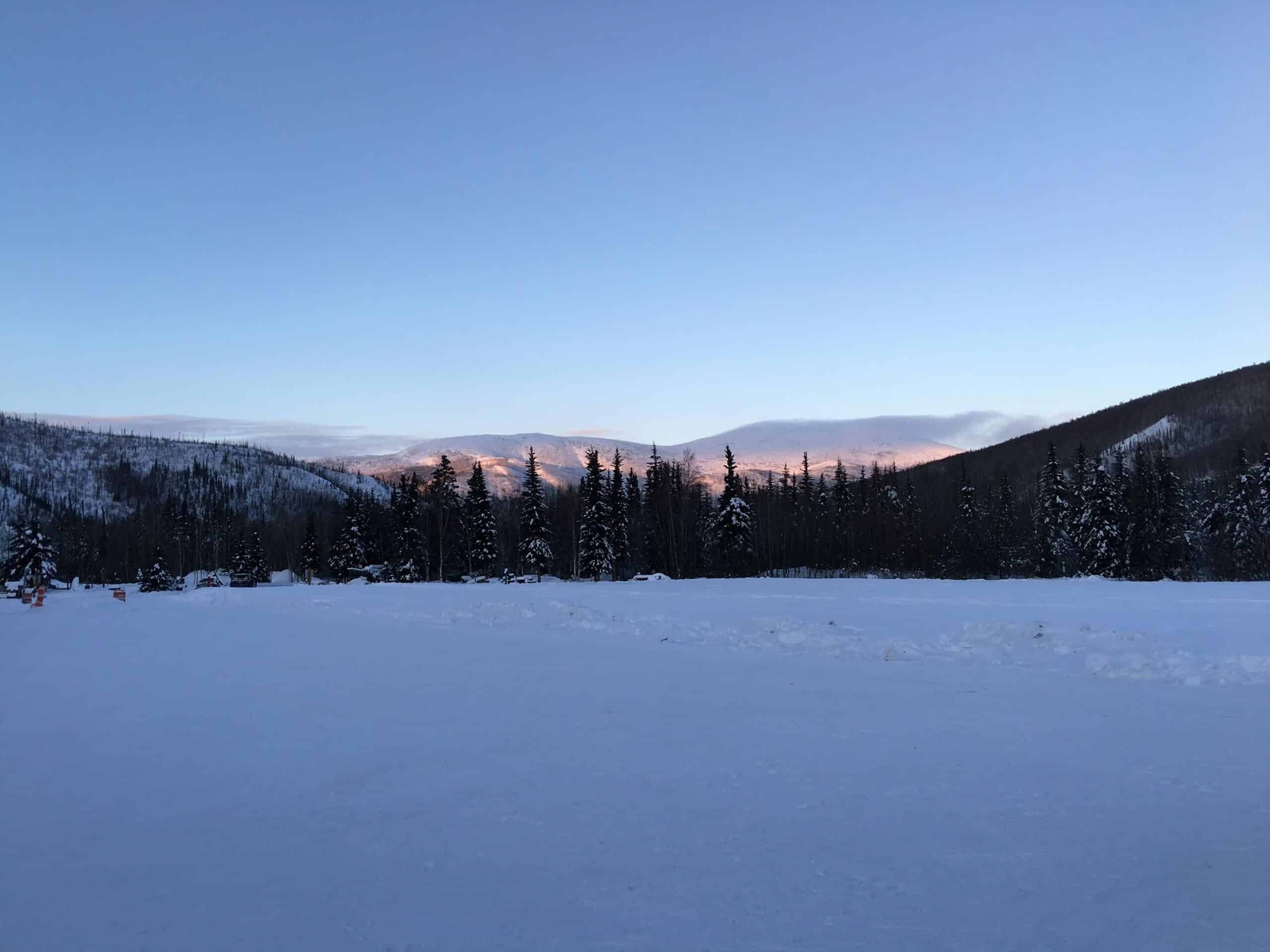
Coastal Alaska can be breathtaking, but cloud cover is the quiet deal-breaker on many aurora trips. Interior Alaska is typically drier, which is why Fairbanks is a common base even for travelers who do not care about city sights. The advantage is flexibility: a short drive reaches darker pullouts, and a guide can pivot toward a clearer patch instead of staring at a gray ceiling. Light pollution is lower too, which matters because faint arcs show first at the edges of sight before they bloom into bright curtains. An interior base also makes it easier to add backup plans like a hot spring soak without giving up the whole night.
Stay Three to Five Nights
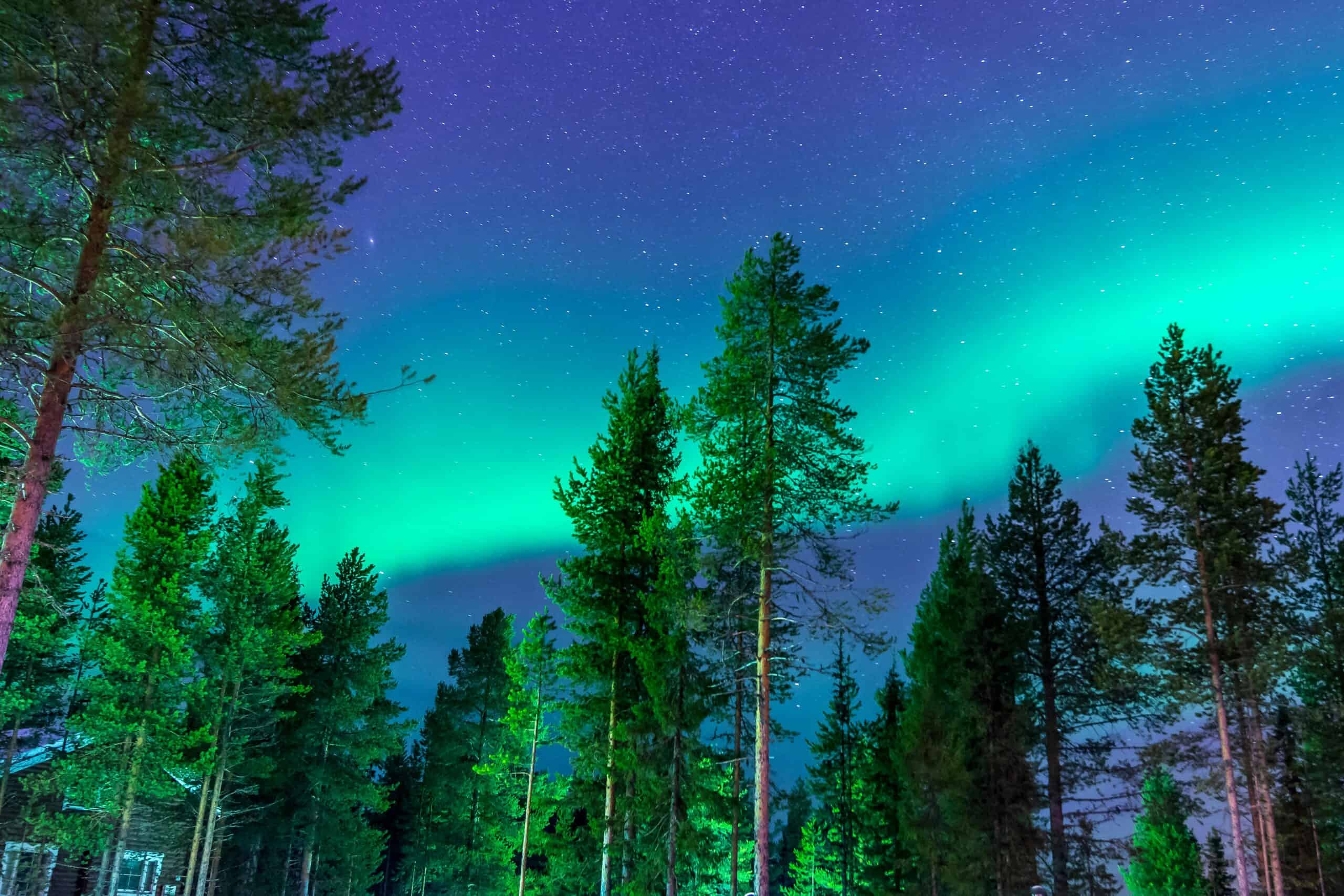
Aurora plans fail more often from weather than from weak solar activity, so one-night trips are a gamble. A three to five night stay gives clouds time to move on and gives the schedule room to learn local conditions. One evening can be used to find a safe viewing spot and test camera settings, another to chase a stronger forecast, and another to sleep if needed. The lights can show in short bursts, so extra nights increase the chance of catching one bright wave that turns a good trip into an unforgettable one. It also reduces pressure, which helps people stay warm, patient, and awake when the best moment finally arrives.
Use Forecast Layers, Not One App
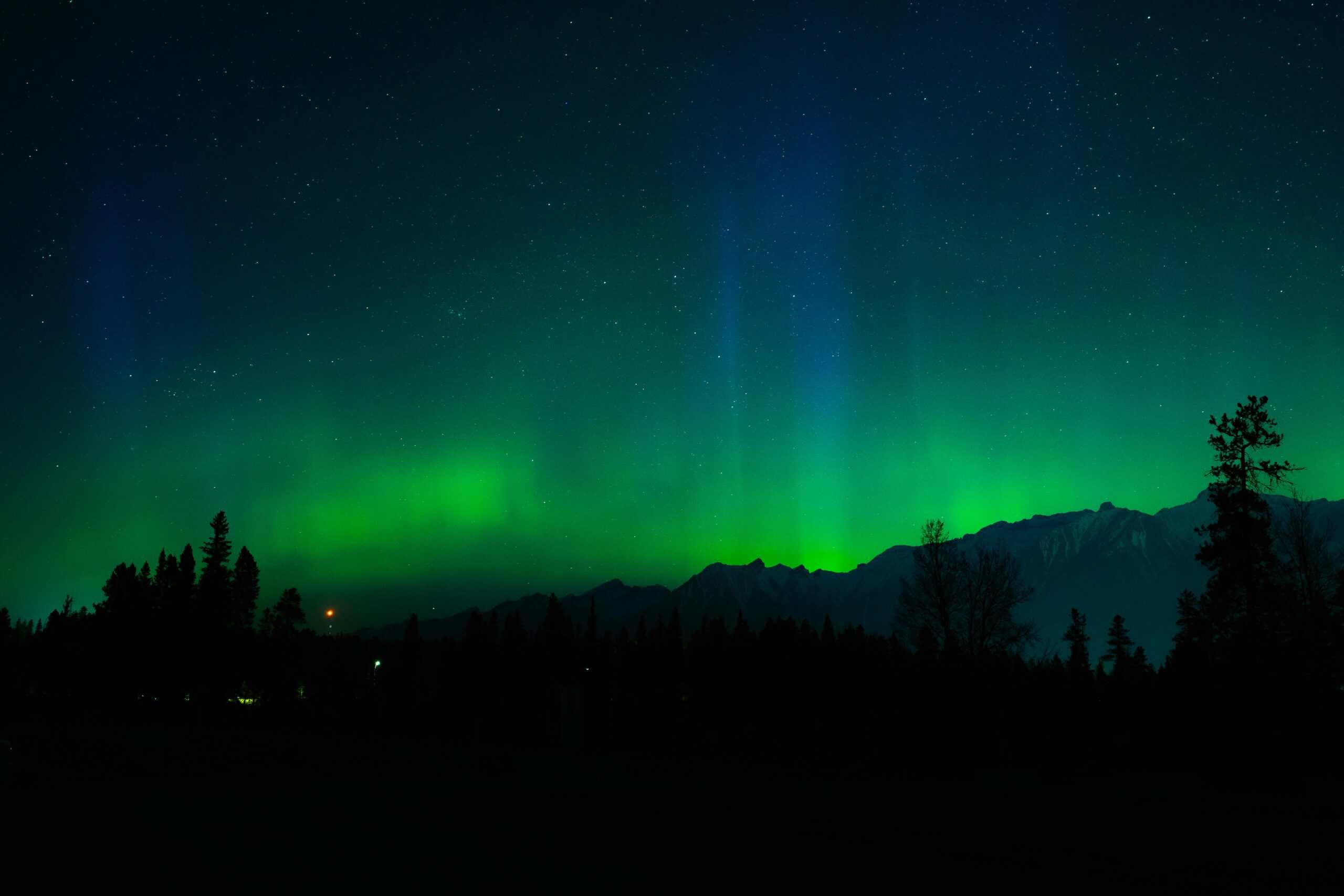
A smart chase uses layers, because each tool answers a different question. NOAA’s aurora viewline helps judge whether Alaska is likely to light up at all, and the short-term 30-minute forecast helps spot sudden surges. Local Alaska forecasts add nuance about where to aim and when the odds peak around midnight. Cloud forecasts matter just as much, because a clear sky beats a perfect geomagnetic number every time. The best planning style is simple: watch the trend, pick a window, then commit to staying outside long enough for the sky to change. On quiet nights, the forecast still helps decide whether to wait or call it and try again tomorrow.
Keep the Prime Hours Simple
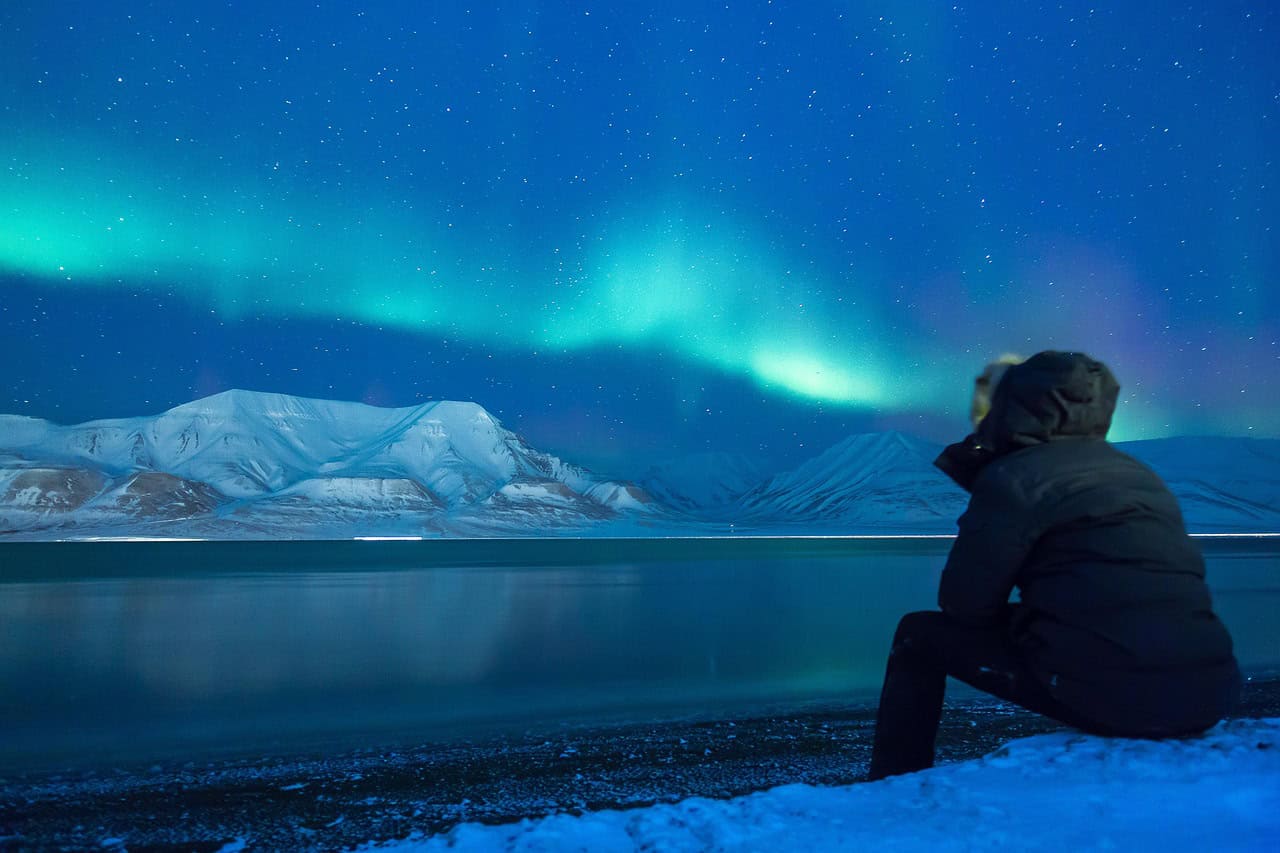
Aurora can appear anytime it is dark, but the odds usually build from late evening into early morning. Many guides plan for roughly 10 p.m. to 2 a.m., with the strongest moments often clustering near midnight. That window also matches how fatigue works on a trip, because it is late enough for true darkness and early enough to function the next day. Some nights start with a faint arc that looks unimpressive, then brighten fast into rippling curtains for 10 minutes, fade, and return again after a quiet stretch. A short nap before heading out can matter more than caffeine, because stillness is easier when the body is not fighting sleep.
Choose Tours for Logistics, Not Magic
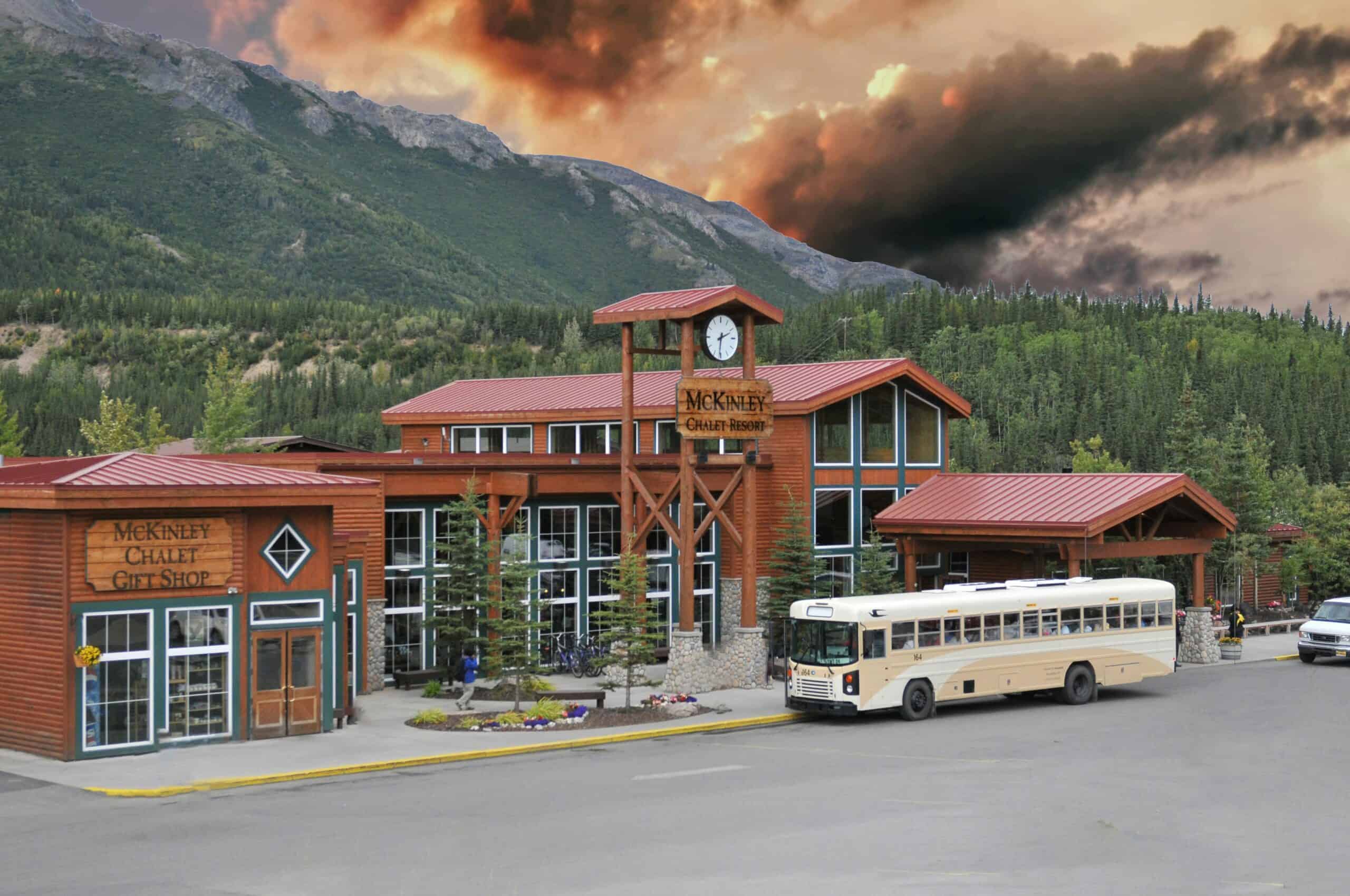
Tours do not create aurora, but they remove the friction that ruins nights. A good operator brings a warm vehicle, hot drinks, and the experience to choose safer pullouts with clean horizons and less light. Guides also watch forecasts while everyone else stays warm, and they can relocate when clouds park over town. Lodge-based viewing can work too, especially with an alert system that wakes guests when activity spikes. The best tours are honest about conditions, clear about what is included, and calm when the sky stays quiet. Some also help with photos, which is useful when gloves make tiny buttons feel impossible.
Take Photos Without Losing the Moment
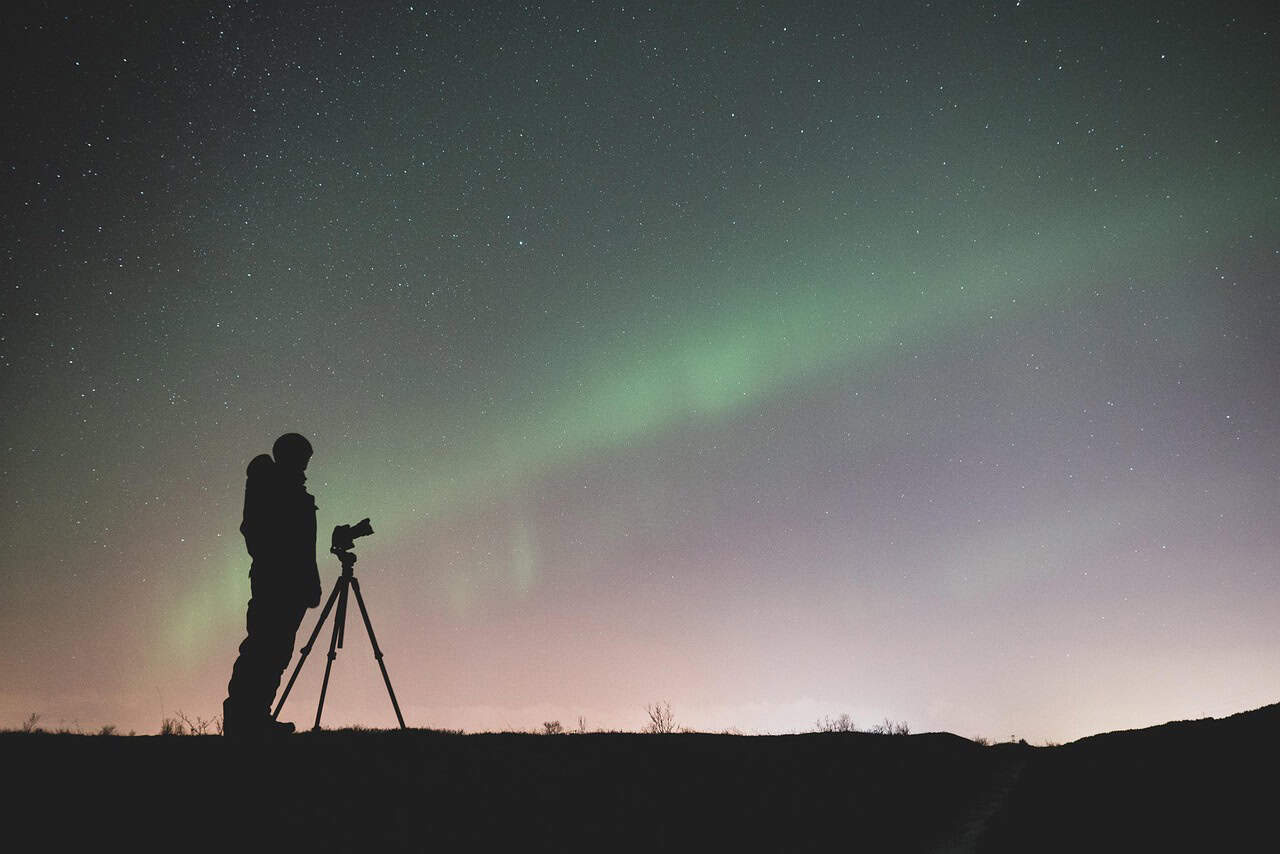
Modern phones can capture aurora, but shaky hands and bright screens ruin more shots than weak activity. A small tripod or steady surface turns night mode from guesswork into clean detail, and dimming the screen protects night vision. For cameras, wide lenses and higher ISO are common, but the real limiter is battery life, which drops fast in cold air. Spares kept warm in an inside pocket can save a whole session. The best nights begin with watching first, then photographing once the sky shows its rhythm, so the memory stays human and not just a file name. Red headlamps help preserve darkness and keep groups from blinding each other.
Drive Like It Is Winter, Because It Is
The chase often ends on dark roads, and Alaska winter driving is not the place for hero moves. Icy shoulders, low visibility, and fatigue after midnight make roadside stops risky, even when the sky looks perfect. The safest viewing comes from known pullouts, parking areas, or open fields reached by familiar routes. A full tank, a warm kit, and a clear turnaround plan reduce stress when weather shifts. The lights reward patience, not speed, and a safe return matters more than one extra photo from a dangerous shoulder. If conditions worsen, the smartest call is to leave early and try again the next night with clear roads.