We may earn money or products from the companies mentioned in this post. This means if you click on the link and purchase the item, I will receive a small commission at no extra cost to you ... you're just helping re-supply our family's travel fund.

Planning a Disney vacation in 2026 can feel less like booking a getaway and more like solving a puzzle made of excitement, timing, and rising costs. Families often begin with a dreamy number in mind, then slowly discover how fast tickets, hotel nights, meals, and add-ons reshape the total. The truth is not gloomy, but it is more grounded than the brochures suggest. A memorable trip is still possible, though the final number depends less on wishful thinking and far more on where the money quietly disappears first.
Start With The Ticket, Because Everything Builds From There
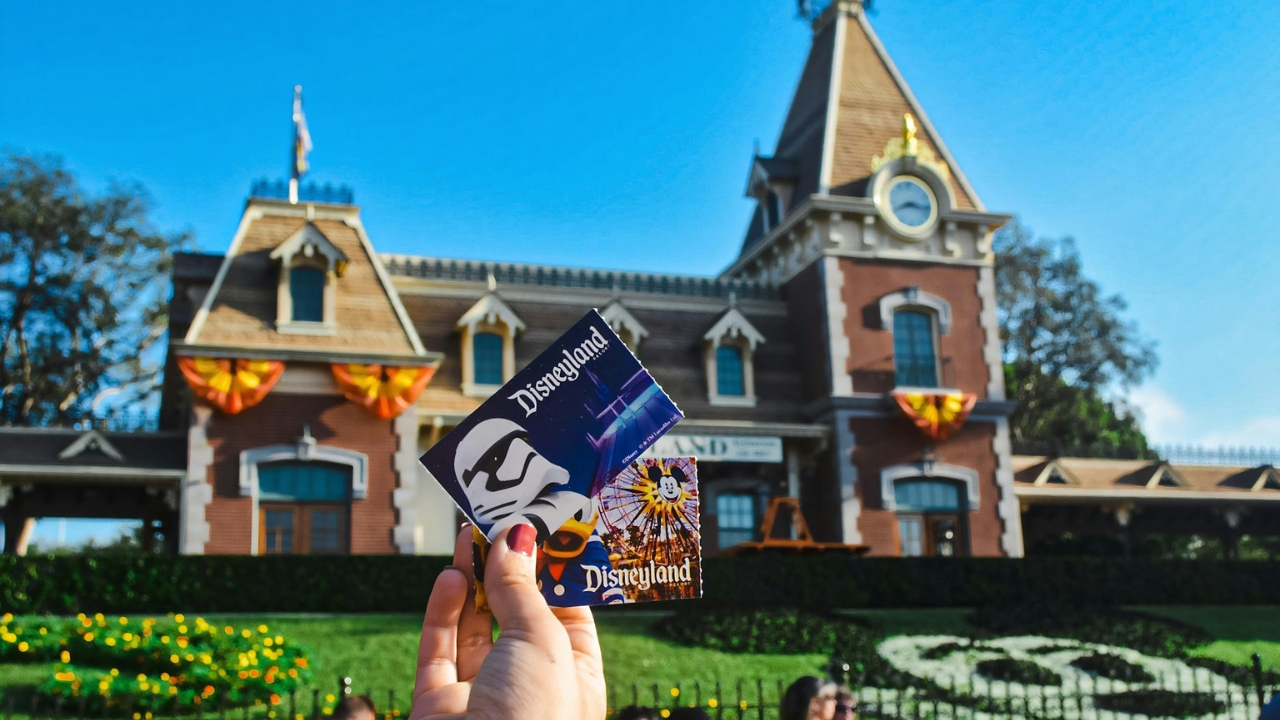
The first hard number usually comes from park admission, and it already sets the tone for the whole budget. Walt Disney World’s official site shows one-day theme park tickets starting at $119 per day, but that low entry point rarely reflects the busiest travel windows or multi-park ambitions. Reuters reported that for major holiday dates in 2026, Walt Disney World one-day tickets will rise above the current $199 peak level, which means the cheapest ticket and the realistic ticket can live in very different worlds depending on when a family goes.
Hotel Costs Decide Whether The Trip Feels Manageable Or Heavy

elnur/123rf
The room is where a Disney vacation often swings from doable to expensive. Official Walt Disney World package pages say hotel options are designed for different budgets, but even value stays can rise quickly once school breaks, longer visits, and preferred locations enter the picture. Third-party 2026 rate tracking and current Disney deal coverage suggest peak-season value properties can top $200 a night, moderate resorts can move past $300, and deluxe stays can begin around $500 before climbing sharply, which is why lodging often deserves the biggest savings cushion after tickets.
Food Is Not A Side Cost, Even When People Pretend It Is

Meals look harmless while planning, then become one of the steadiest drains on the budget once the trip begins. Disney’s official dining-plan page confirms that meal packages are available again in 2026, and MouseSavers reports the 2026 Quick-Service Dining Plan costs $60.47 per night for guests ages 10 and up, while the standard Disney Dining Plan is $98.59 per night for the same age group. That means a family paying out of pocket or through a plan can burn through hundreds of dollars on food alone without ever sitting down to what feels like a lavish vacation.
Line-Skipping Convenience Can Quietly Rewrite The Total

One of the clearest modern Disney truths is that time now has a price tag. Disney’s official Lightning Lane page makes plain that guests can pay extra to reserve shorter-line access for select attractions, which means the core vacation cost and the more comfortable vacation cost are no longer the same thing. Families who want shorter waits, stronger park-day control, and less midday frustration often end up spending well beyond the ticket price, not because the extras are mandatory, but because once the trip is underway, convenience starts to feel emotionally harder to refuse.
Transportation To Orlando Still Belongs In The Real Number
A Disney budget stops being honest the moment transportation is treated like a separate problem. For some families that means airfare, checked bags, airport meals, and ride-share costs; for others it means gas, tolls, overnight stops, and parking along the drive. Even travelers staying on property need to account for the journey getting there and getting home, because a vacation can feel reasonably priced on paper and still overshoot the savings target once travel days are counted as part of the actual experience rather than ignored as a footnote.
The Cheapest Possible Trip Still Needs More Money Than Many Expect

A bare-bones Disney World vacation in 2026 is still unlikely to feel truly cheap. Using official ticket entry pricing, Disney’s budget-hotel framework, and average family cost estimates published by NerdWallet, a frugal family of four can still push past $6,000 for a seven-night Disney World trip once tickets, lodging, food, and basic transportation are counted together. That figure leaves little room for premium dining, extensive souvenirs, or major add-ons, which is why the lowest realistic savings goal is not a bargain fantasy, but a carefully managed plan with very little slack.
A Comfortable Midrange Disney Budget Usually Lands Higher Than $7,000
Once the planning shifts from survival mode to comfort, the numbers change fast. A midrange trip often includes a moderate resort or a well-timed on-property deal, regular table-service meals or a dining plan, a few paid convenience upgrades, and enough cushion to avoid constant in-park budget stress. At that level, many families are no longer trying to scrape by; they are trying to preserve energy and mood. In practical terms, that usually means saving somewhere in the $7,000 to $9,000 range for a family of four, especially for a weeklong trip during busier months.
Deluxe Disney Vacations Move Into Serious Money Very Quickly

The expensive version of Disney does not require extravagance in every category. A deluxe resort, holiday travel dates, pricier dining, special experiences, and line-skipping extras are enough to push a family into a very different financial tier before luxury shopping even enters the picture. With deluxe rooms commonly starting around $500 and climbing much higher depending on date and resort, a polished seven-night vacation can move beyond $10,000 with surprising ease. At that point, the trip becomes less about cutting corners and more about deciding which comforts actually justify the premium.
Timing Can Save Or Cost Thousands Without Changing The Destination

One of the sharpest differences in Disney trip cost comes from the calendar, not the itinerary. Disney’s current 2026 offers include spring room discounts of up to 25% for certain dates and summer room discounts reaching up to 30% on select stays, while Reuters has reported that peak 2026 holiday tickets will exceed today’s $199 high point. That means two families can visit the same parks, sleep in the same hotel category, and walk away with totals that differ by thousands simply because one traveled during a deal window and the other chose a peak holiday week.
Disney Deals Help, But They Rarely Turn It Into A Cheap Vacation
Discounts matter, but they should not be mistaken for a complete rescue plan. Disney’s official 2026 offers include room promotions and a free dining-plan offer for kids ages 3 to 9 when adults on the package purchase a qualifying dining plan, which can soften the food bill for families with younger children. Even so, those promotions work best as pressure relief rather than a miracle. They reduce pain at the margins, yet they do not erase the larger structure of ticket pricing, lodging costs, travel expenses, and in-park spending that define the trip’s real total.
Souvenirs, Photos, And Small Splurges Deserve Their Own Savings Line

The softest-looking costs are often the ones that produce the most regret afterward. A bubble wand here, a themed sweatshirt there, a photo package, a character meal, or an impulsive snack parade across several park days can turn a careful budget into a story about overspending before the trip is half over. These purchases rarely feel huge in isolation, which is exactly why they deserve a separate savings category. Families who build in a dedicated cushion for memory-making extras tend to leave with better souvenirs and fewer financial hangovers when the magic wears off.